Tag: cosmetic

  • Lush launches a 24-hour vending machine

    Lush launches a 24-hour vending machine

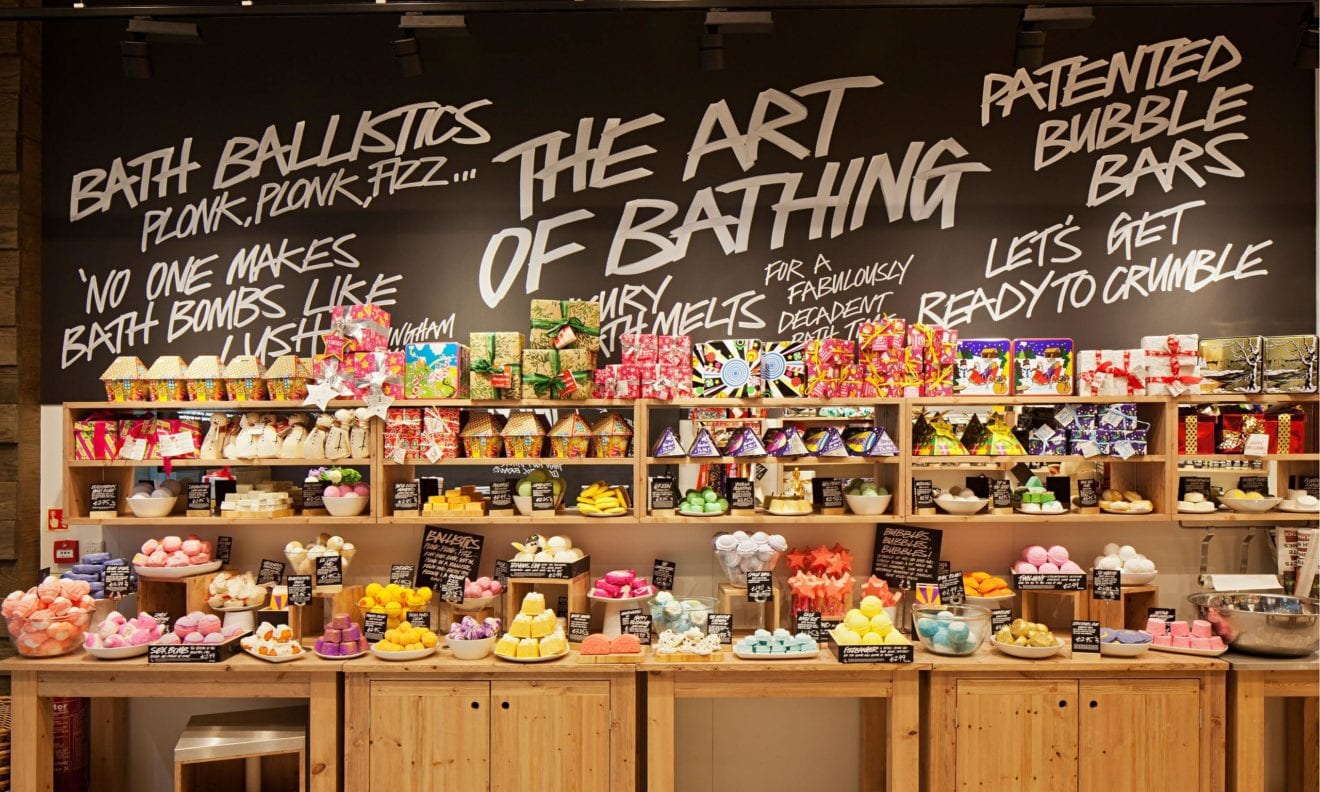
    Cosmetic brand Lush has opened its first 24-hour vending machine, located in Coal Drop’s Yard at King’s Cross in London.

    Lush said it aims to provide customers with a distinctive retail experience by allowing them to purchase its products at any time of the day.

    The machine is shaped like a circular kiosk. Customers walk around to and view the products, which include wrapped gift boxes. Moreover, it is sustainably designed, running on low energy.

    The Ilocker vending machine is designed by Anmac, whose owners are Andrew Alpine and his wife Gemma Jackson, a couple well known for designing numerous film and television series sets, including for The Piano, The Beach, Bridget Jones’ Diary and Game of Thrones.

    “Lush has always strived to dazzle our customers, from our product innovations through to bringing our core values into every aspect of our retailing,” said Charlotte Howe, a member of the Lush Group retail team.

    “Using the highest quality of automated retail machines with our partner, Anmac, we are able to surprise and delight with a micro store that is open 24 hours a day. It is a retail theatre that never sleeps – live glow on the go.”

    The London pop-up will run for six months during which time the company will change the product range and merchandising design to ensure ongoing customer interest.

  • The personal care company start using refillable containers

    The personal care company start using refillable containers

    On a trip to Thailand in 2017, serial entrepreneur Brian Bushell went diving for the first time and expected that the water would be pristine. Instead, it was filled with trash. “We were about to dive off the back of the boat, and all of the sudden we’re surrounded by junk plastic containers,” he says. That night, he went back to his hotel room and looked at the products he had sitting on the bathroom counter. “I realized that I was part of the problem.”

    Bushell, who had recently left Baked by Melissa, the chain of successful New York City-area cupcake bakeries he co-founded, started researching the challenge of plastic waste.

    “We learned that a third of all the single-use plastic products in landfills are personal care products,” he says. “So we decided that personal care was really an important nut to crack.”

    With co-founder Joshua Goodman, he started working on By Humankind, a new line of personal care products that launched today. Each product eliminates single-use packaging.

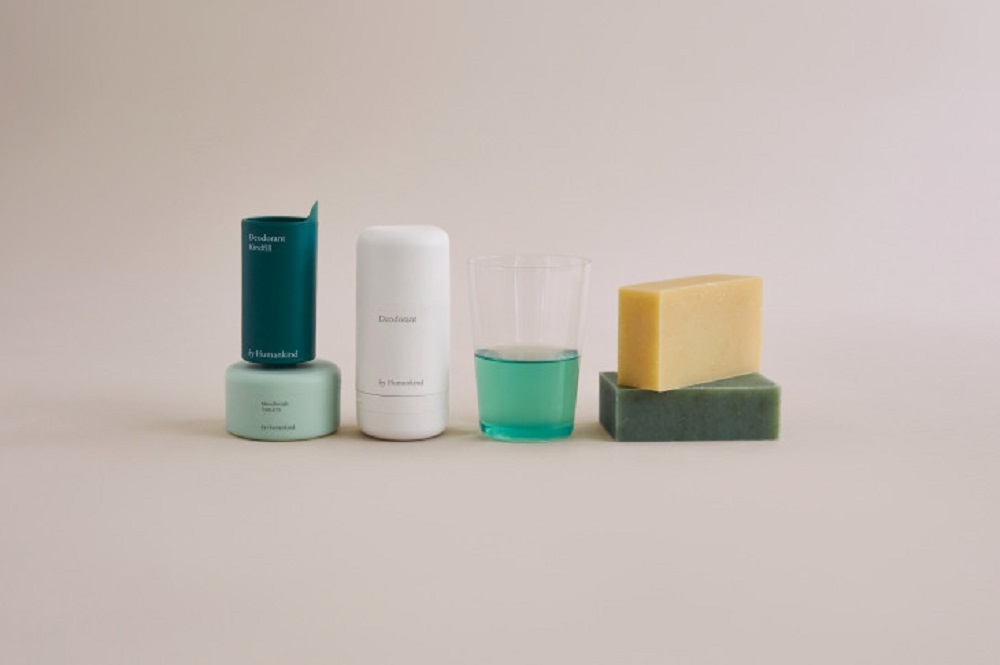
    A new type of deodorant, made from natural ingredients that the company says are formulated to kill bacteria more quickly than other natural products, comes in a reusable container the first time you order. (The reusable container is plastic; the founders say they believe that plastic is not inherently bad, but it needs to be designed in a way that it doesn’t immediately land in the trash.)

    In the next order, the product shows up in a paper pod that pops into the original package and then twists out like a typical deodorant. The company’s mouthwash comes in tablets that customers drop in water, eliminating the need for a plastic bottle. Its shampoo comes in a bar form wrapped in paper instead of liquid in a bottle.

    Unlike Loop, a new experiment from major brands that will sell products like deodorant in packaging that is sent back to manufacturers for reuse, the startup thought that it made more sense to make packaging that consumers would keep and reuse themselves.

    “We didn’t think that customers were going to want to do the work to send it back,” Bushell says. “And there’s also an additional cost in that reverse or return logistics.”

    With the first three products, available online, the startup has calculated that in a year, an average American consumer can keep five pounds of plastic out of the environment. The company will also donate $1 for ocean plastic cleanup for each first purchase of a product. It plans to continue adding new personal care products.

    “Our whole thesis is, what if you could help save the world from single-use plastic just by getting ready in the morning?” he says. “And so anything that’s within that morning routine is within our target.”

  • Shilla Duty Free recruits Asia’s top social media influencers to pitch K-beauty

    Shilla Duty Free recruits Asia’s top social media influencers to pitch K-beauty

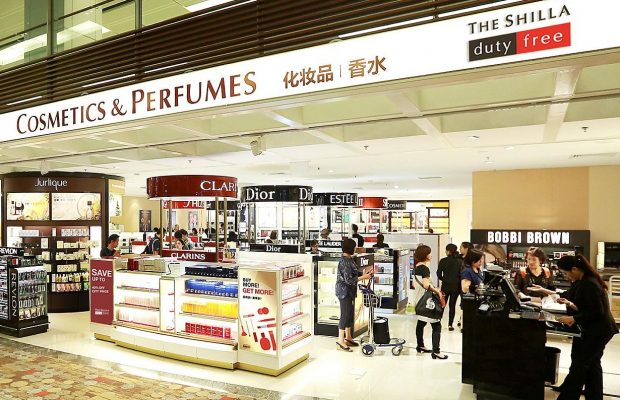
    South Korean Hotel Shilla has recruited five social media influencers across Asian countries to hype K-beauty products through Shilla Duty Free stores. The company said that it will work with top influencers from China, Japan, Vietnam, Malaysia, and Thailand on its “Beauty&You” project to guide customers on how to shop at travel retail online stores via social media platforms.

    Social media influencers with access to a large audience can endorse opinions about products and services, which eventually leads to promote sales.

    Those influencers who have partnered up with Shilla Duty Free reportedly have more than 1.7 million followers worldwide in total. They will work with the travel retailer to guide customers on how to use Shilla Duty Free online store as well as show the latest makeup trends using Korean cosmetics products via their social media channels.

    The company expects its partnership with the top influencers to bolster its brand awareness across the world on top of expanding its share in online travel retail market.

    Currently, its online duty-free shop is available in four languages – Korean, Chinese, Japanese, and English. It also has offline outlets overseas in international airports of Singapore, Hong Kong, and Macao as well as downtown Tokyo and Phuket.

  • Shinsegae to sell Yunjac cosmetics at duty free

    Shinsegae to sell Yunjac cosmetics at duty free

    South Korean retail giant Shinsegae is launching an independent Yunjac cosmetics store at its Myeongdong duty free outlet. The cosmetics shop, which will open on February 2, retails Asian herb-based skincare products. Launched in October last year, it is Shinsegae’s first in-house cosmetics brand, targeting Chinese millennials. A statement from the company said the opening is ahead of schedule thanks to unexpectedly high demand, with sales exceeding last year’s expectations by a factor of four.

    Three Shinsegae Department Store branches currently host a Yunjac outlet, with more stores planned to open within Korea and abroad shortly. It is targeting sales of KRW100 billion (US$89 million) by next year.

  • Vietnamese brands look plain as foreigners wear the beauty industry crown

    Vietnamese brands look plain as foreigners wear the beauty industry crown

    The beauty care industry is doing better than expected in Vietnam, but foreign brands are the ones sitting pretty.

    Nguyen Van Minh, chairman of the Vietnam Essential Oils Aromas and Cosmetics Association (VOCA), said companies in the beauty and personal care industry have seen stronger growth than they’d forecast.

    “Vietnam is an emerging market for the beauty care industry, with annual growth rate averaging 30 percent in recent years,” he said.

    In 2016 alone, the industry generated $1.2 billion in revenue, a figure that the association had previously predicted for 2020.

    The import value of beauty care products surged almost twofold from around $3 billion in 2016 to $5.5 billion last year, but exports stayed insignificant at just VND500 million ($21,520) last year, it said.

    These figures match findings by British research firm Euromonitor International, which said last year that up to 90 percent of beauty products in Vietnam are imported.

    It also said the market value of this industry had crossed $1 billion since 2015 and repeatedly recorded double digit growth in recent years.

    A representative of Medicare, a drug and beauty care retailer based in Ho Chi Minh City, said that imported products or those produced in Vietnam by foreign companies make up most of its sales, and that imported brands will have more opportunities to expand their market shares than domestic rivals in the future.

    At the Mekong Beauty Show 2018, an international beauty and cosmetics expo that was held in the city in June, 110 of more than 300 international exhibitors were South Korean companies who came to find potential importers and business opportunities in Vietnam.

    Dominic Oh, general director of Korea International Exhibition and Convention Center (Kintex), the event’s organizer, said that Vietnam was considered one of the key markets for South Korea’s beauty care sector.

    In 2016, Singapore was the biggest exporter to Vietnam’s beauty care sector, accounting for 34 percent of its total imports. The EU followed with 19 percent, Thailand, 9 percent, and South Korea, 8 percent, according to Euromonitor International.

    In its report on beauty and personal care in Vietnam, the research firm said the market was dominated by global brands, thanks to innovative products, strong distribution network and dynamic marketing.

    Three foreign companies, Unilever Vietnam International Co Ltd, Procter & Gamble Vietnam Ltd and Colgate-Palmolive Co Ltd were in the top three positions in 2017, it added.

    Local firms held back

    According to VOCA, as their incomes improve, Vietnamese people are paying more attention to beauty and personal care, creating a lot of opportunities for businesses.

    In a report released early April, the World Bank said 70 percent of Vietnam’s population are now classified as economically secure, including the 13 percent who are now part of the global middle-class.

    These income classes are growing rapidly, rising by over 20 percentage points between 2010 and 2017.

    An average of 1.5 million Vietnamese have joined the global middle class each year since 2014, confirming that households continue to climb the economic ladder after escaping poverty.

    The WB also predicted that as many as 33 million Vietnamese will be in the middle class by 2022.

    Despite this fertile ground for beauty care products, Vietnamese brands have struggled to do well.

    Even top companies with decades in the market, like Saigon Cosmetics Corporation and Lan Hao Cosmetics Co Ltd, have stopped at making low and mid-range products.

    Minh, chairman of VOCA, said local firms were held back by a lack of serious investment in packaging, design and advertisement.

    Medicare, an HCMC-based drug and beauty care retailer, said it looked for Vietnamese partners to produce Medicare-branded beauty and personal care products, but local firms did not have the capacity to make products that could compete with foreign rivals.

    As organic beauty products is the new trend, VOCA chairman Minh said local firms should make good use of natural ingredients that are plentiful in Vietnam to create high quality products so that they can start competing with foreign firms.

    However, doing this will require bigger investments in more advanced technologies; and given the current state and scale of domestic firms, the upgrade is easier said than done, Minh said.

  • Rise of local Malaysian cosmetic brands

    Rise of local Malaysian cosmetic brands

    Malaysian make-up brands and skincare products are now coming to the fore.

    Cushion foundation by So.Lek. Picture credit: Instagram So.Lek

    When it comes to make-up, local beauty enthusiasts tend to look for products offered by global brands such as L’Oreal, Estee Lauder, NARS, Maybelline, Urban Decay and Bobbi Brown.

    Meanwhile, the younger crowd, heavily influenced by Korean music and drama series, will go for branded Korean make-up and skincare used by their favourite celebrities.

    However, there is a new breed of beauty consumers. Rather than looking up to cosmetics giants from the United States, the European Union, Australia, Japan and Korea, they prefer to buy make-up products from independent local entrepreneurs.

    CULT STATUS

    Homegrown cosmetic brands started becoming popular when Instagram, Facebook and Twitter started became a norm in our society.

    They are mainly founded by fashion entrepreneurs, professional make-up artists and celebrities as well as social media influencers.

    According to a 2016 research on personal care and cosmetics products in Malaysia done by the United States International Trade Administration, while some big local manufacturers produce and own their house brands, a growing number of local players turn to local cosmetic manufacturers and focus on contract or private labelling.

    These homegrown brands work on a non-traditional and more personalised marketing strategy i.e. the brand founder is also the spokesperson or “The Face” on billboard advertisements, etc. They sell their products mainly via their own online portal or other established retail platforms such as FashionValet, mySMINK, Zalora and Pretty Suci.

    Although operating on a small-scale, some have managed to penetrate international markets or have their brands placed in established retail stores, pharmacies or global departmental stores.

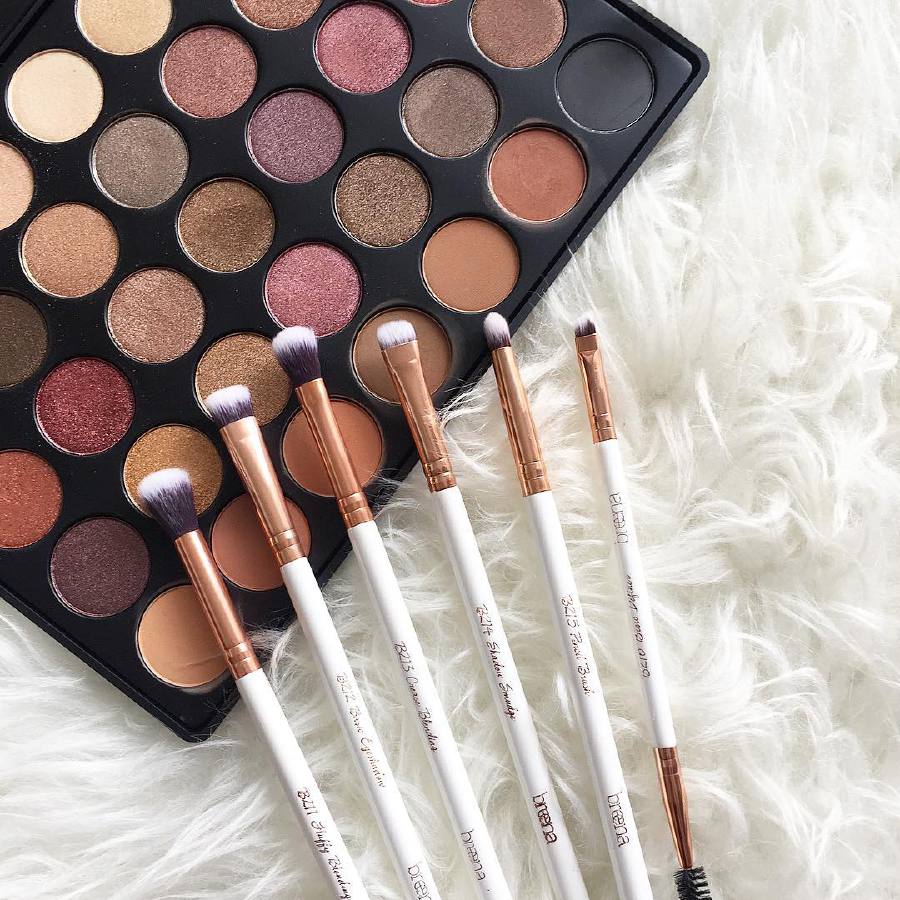
    Breena Beauty was among the earliest independent brands in the scene. Founded by well-known blogger Sabrina Tajuddin in 2014, the brand took off with a stellar make-up tool called face luxe brush.

    Can Can’s Beauty was created in 2015 and is known for lipsticks that are suitable for dark-skinned women. Fame Cosmetics and Stage Cosmetics (founded in 2008) are cult favourites, particularly among professional make-up artists.

    Year 2016 saw the establishment of a string of new local brands such as Velvet Vanity (known for liquid lipsticks), DIDA For Women (known for matte lip creams inspired by luxurious designer lipsticks), Zhuco Cosmetics (Sabah-based brand known for rainbow-coloured highlighter), Chique Cosmetics (synonymous with fun-looking product packaging) and the Malay influenced So.Lek with its Gincu (lipstick) line and cushion foundation.

    Singer and television host Hunnymadu launched Madu Cosmetics that same year, offering The Artist Collection matte lipsticks named after her favourite songs.

    In December last year, celebrity make-up artist Syed Faizal Syed Noh launched Pipi by Syedskillereyes, a new addition to its Syedskillereyes make-up range that was first introduced in 2016. Pipi (cheek) is a chic cheek palette combining contour, blush and highlighter and is currently retailing on FashionValet.

    The latest label to jump on the brandwagon is OhMostWanted Cosmeceuticals by actress Nora Danish. Launched early this year, it combines both cosmetics and pharmaceutical properties formulated by local aesthetics doctors.

    HALAL FACTOR

    Halal and wuduk (ablution)-friendly elements are significant marketing factors in some local cosmetics brands such as SimplySiti (founded by singer Datuk Seri Siti Nurhaliza Tarudin), Ronasutra, Zawara, Nurayysa Beauty and Sugarbelle Cosmetics.

    Shah Alam-based Sugarbelle Cosmetics is among the cult brands on Instagram. It was founded by social media moguls and Muslimah fashion entrepreneurs Sharifah Nabilla Al-Yahya Syed Sheh a.k.a. Belle Al-Yahya (founder of Bella Ammara) and Eyqa Sulaiman of Sugarscarf.

    Starting with its first product, a creamy liquid lipstick, the brand has grown by leaps and bounds, with halal certification being among its strengths (apart from the 24-7 online marketing efforts and Belle’s endless make-up tips and tutorials).

    “I love make-up. I was inspired to start the business as I couldn’t find many cosmetic products that conformed to halal standards back then. I’m sure I’m not the only one facing the dilemma,” says Belle, 30.

    She says she and her team made sure that all Sugarbelle Cosmetics complied with the standards set by the Health Ministry and the Department of Islamic Development Malaysia (Jakim) from day one. This is why the brand went through a careful selection process of cosmetic manufacturers in Malaysia to cater to its mostly muslim consumers here and abroad.

    “I guess it has helped us stay alive in this competitive field. It has also beefed up our profile, and eventually led us to being among the few local brands to retail at Guardian outlets starting last year,” she says.

    The brand will launch new products to complete its cosmetic range soon and is ready to enter more Guardian outlets this year.

    CHALLENGES

    FashionValet is among the established online fashion retail platforms that curate brands by local entrepreneurs. There are more than 20 beauty and cosmetic brands, including local labels, currently retailing on the platform, with colour cosmetics being the fast-selling item.

    Founder Vivy Yusof says one of the challenges in curating and dealing with homegrown brands is the fact that they are small players.

    “In my seven years in business, I have seen lots of brands come and go. Most are very new to the market and are run by one or two persons. They have the passion and what it takes to tackle the market but they need support in marketing, financing and branding,” she says.

    As part of its ongoing streamlining effort this year, the platform is focusing on keeping only a few brands onboard. “We want to maintain a certain standard and quality. We also want to continue offering products from mid to premium brands.

    “We will focus our efforts to help local players who are ambitious, willing to learn and ready to grow with us,” she says.
    Fast Facts

    * Malaysia’s total trade volume for personal care and cosmetics products was about US$2.24 billion (RM8.9 billion) in 2015.

    * Over 50 per cent of the demand was met by US$1.3 billion in imports mainly from China, Thailand, France, the European Union, the United States, South Korea and Japan.

    * The 2015 Global Economic Summit reported that Malaysia is among the countries with highest Muslim consumers’ expenditure with US$2.6 billion, indicating a huge potential for halal products including cosmetics.

    * There are 210 cosmetic manufacturers in Malaysia that conform to the Good Manufacturing Practices requirement in accordance to the Asean Guidelines for Cosmetics.
     

  • Chu Ja-hyeon & Woo Hyo-kwang to become a model of Vivlas

    Chu Ja-hyeon & Woo Hyo-kwang to become a model of Vivlas

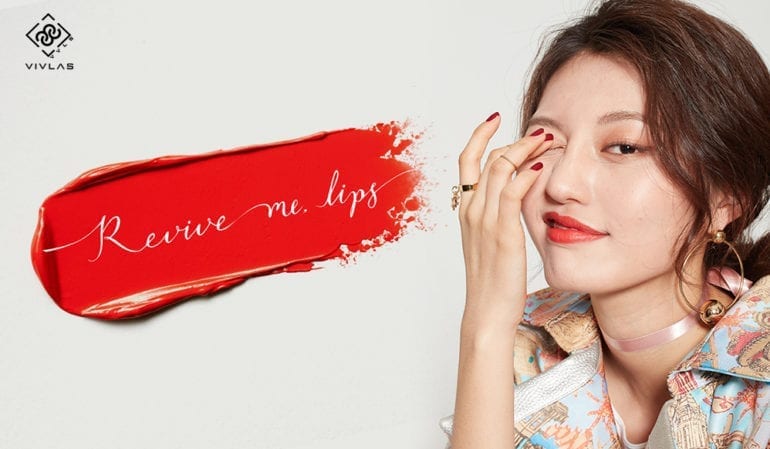
    Actors Chu Ja-hyeon and Woo Hyo-kwang, who appeared on SBS entertainment program ‘ Dongsang Imong’ recently, were selected as models of the cosmetics brand Vivlas.

    Vivlas has a brand philosophy of confident beauty. Vivlas official said “we are looking forward to the synergy of Chu Ja-hyeon who is sophisticated and healthy energy, and Woo Hyo-kwang who is honest and loving with the brand philosophy of Vivlas.

    “I often used Vivlas Vital Water Mask packs that lasted for long periods of time, and I’m happy to be selected as a brand model,” Chu Ja-hyeon said.

    Vivlas is a cosmetic brand that pursues the distinctive beauty of a brand philosophy that is characteristic of an independent and imposing woman found in all seasons.

    Especially, ‘revive me lips’ (fountain pen lipstick) is a motif of fountain pen used for signing, so it is filled with the spirit of beauty feminism that supports women who are dignified and beautifully decorate themselves with their own signature.

    The fountain pen lipstick proved to be very popular, with a record of 100,000 copies in 10 minutes, the biggest shopping festival in China.

    Vivlas will hold a ‘ Vivlas Day’ event at Time Square in Yeongdeungpo from December 2 to 3 in commemoration of the launch of the new 3STEP cleansing line.

    The brand models Chu Ja Hyeon and Woo Hyo Kwang will attend the special event of ‘ Vivlas Day’.

    Vivlas Day’ is equipped with an experiential zone where customers can experience new products. In the experiencing zone, various events such as SNS certification event and homepage signup event are going on.

    Vivlas is speeding up to expand its domestic distribution. It opened Lotte Duty-free shop, Shilla, Doota, and Donghwa duty-free shops after the Shinsegae duty-free shop.

  • Chanel opens first cosmetic boutique in Vietnam

    Chanel opens first cosmetic boutique in Vietnam

    Chanel has opened its first dedicated cosmetics and perfume boutique in Vietnam.

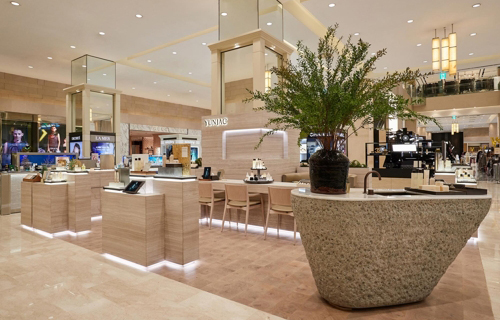
    Opting to debut in Ho Chi Minh City, the new store is located on the ground of the capital’s Saigon Centre shopping mall. Covering 133 square metres, the Chanel shop is designed with a tri-colour theme of black, beige, and burgundy.

    The Vietnamese outlet will sell Chanel’s latest makeup, skincare, and perfume collections – with special emphasis on the ‘Les Exclusifs de Chanel’ perfume collection with 16 scents.

    Local customers are also privy to Chanel’s special skincare service called Sublimage from Chanel beauty team.

    Chanel’s Vietnam cosmetic store opening signals the French fashion house’s continued push in to Asia, a market that is growing.

    In March, Chris Leung joined Chanel as rewards manager, Asia Pacific. Based in Hong Kong, Leung has his five years rewards experience as regional reward manager for Asia Pacific at Oxford University Press.

    According to Euromonitor International, Vietnam’s cosmetics market is vastly made up of imported foreign products, namely from South Korea, Europe and the US, accounting for 90% of the local market.

    A recent report from the Trade Map of ITC (International Trade Centre) and the World Bank showed that Vietnam imported $1.1 billion worth of foreign brand cosmetics in 2016, with the figure expected to double by 2020 to $2.2 billion.

    Perfume topped the list of biggest cosmetics items, accounting for 55% of total imports, followed by makeup products, which account for 21%.

  • Jumei gross sales soar

    Jumei gross sales soar

    Jumei Worldwide, the Chinese language on-line retailer of magnificence merchandise, has revealed a 61.eight per cent improve in first quarter gross sales to US$250.6 million.

    Gross merchandise quantity lept 20.three per cent because of a 14.three per cent improve within the variety of lively clients to five.6 million, and an 18.four per cent improve in complete orders.

    Gross revenue was US$78.7 million, a rise of 15.2 per cent from the primary quarter of 2014. However expressed as a proportion of gross sales it decreased from 44.1 per cent to 31.four per cent, largely because of the firm’s shift in technique from pure play magnificence market to a broader merchandise supply.

    Founder and CEO Leo Chen stated the expansion price was stronger than anticipated for the primary quarter.

    “We efficiently accomplished our transition for magnificence merchandise from market gross sales to merchandise gross sales on the finish of 2014, and our new enterprise initiative – Jumei International, took off early this yr and skilled excessive progress when it comes to gross sales quantity. Jumei is at present one of many main gamers in cross-border eCommerce in China.

    “We expanded into cross-border child and maternity class in mid-April, 2015 and shortly achieved market main place on this new class in China. Our goal for 2015 is concentrated on prime line progress and enlargement into different cross-border classes as we glance to broaden our buyer base and considerably develop our order numbers. We’re assured that we will obtain our quarterly and yearly gross sales goal for 2015,” he concluded.

    For the second quarter of 2015, the corporate tasks complete internet revenues to be between US$270.1 million and US$277.eight million, representing a year-over-year progress fee of between 75 per cent and 80 per cent.