Tag: cost of living

  • Thai Shoppers Cut Spending as Retail Confidence Declines

    Thai Shoppers Cut Spending as Retail Confidence Declines

    Retail confidence in Thailand saw a notable decline in July, with the nationwide Retail Sentiment Index (RSI) falling 4.9 points to 46.6. This dip was primarily attributed to a sharp reduction in the amount shoppers spent per visit, a trend indicating weakening household purchasing power across the country.

    While consumers maintained their shopping frequency, visits edged down by only 0.4 points, the spending-per-bill component experienced a significant 8.1-point drop, moving from 55.1 in June to 47.0 in July. This divergence suggests that while people continue to visit stores, their spending habits have become more constrained. Confidence in month-on-month same-store sales growth also decreased by 6.4 points to 46.2. All three key metrics now sit below the 50-point threshold, which typically separates expansion from contraction in sentiment.

    Household Spending Under Pressure

    The reduction in basket sizes reflects a broader trend of households limiting purchases to essential goods and cutting back on less necessary items. Consumers are increasingly opting for cheaper brands or private-label products, avoiding discretionary and lifestyle purchases. This behavior points to financial strain rather than a simple shift in preferred shopping channels. Despite government stimulus programs, such as the Thais Help Thais Plus 60/40 scheme, the underlying weakness in household income has not been fully offset. The majority of subsidised spending in July was directed towards fast-moving consumer goods, food, and beverages, leaving little personal spending power for other retail categories.

    Heavy rainfall and localized flooding in July further dampened retail activity by reducing visitor numbers at larger shopping centres. Elevated household debt and high living costs continue to restrain spending on non-essential items like fashion, electrical appliances, and home décor. These categories are crucial profit drivers for department stores, where sales remain subdued. While some recovery has been noted in department stores and lifestyle retailers, their confidence indices are still below 50, with improvements largely concentrated in Bangkok and its surrounding provinces.

    Regional Performance Varies

    Retail formats such as hypermarkets, supermarkets, and convenience stores received some benefit from the government’s stimulus program. However, even these segments experienced lower sales in provincial areas due to reduced customer spending per visit. Construction materials, home improvement, and maintenance retailers saw their confidence recover to 45-48 points after a significant dip earlier in the year, though this sector remains volatile due to its reliance on government budget disbursements and a slow property market.

    Tourism provided a limited boost to confidence in certain regions. Foreign visitors supported the southern Gulf coast and eastern provinces, while domestic travel during holiday periods aided the North and Central regions. Despite these localized improvements, retail confidence remained below the 50-point benchmark across all regions. The Northeast, in particular, faced additional pressure with a fourth consecutive month of declining tourist numbers. RetailNews Asia has observed similar pressures on discretionary spending in other Southeast Asian markets this year, as consumers grapple with inflation and economic uncertainty. The outlook for Thailand’s overall RSI remains cautious, with forecasts for the third quarter of 2026 placing it between 47 and 50, indicating continued hesitancy among retail operators.
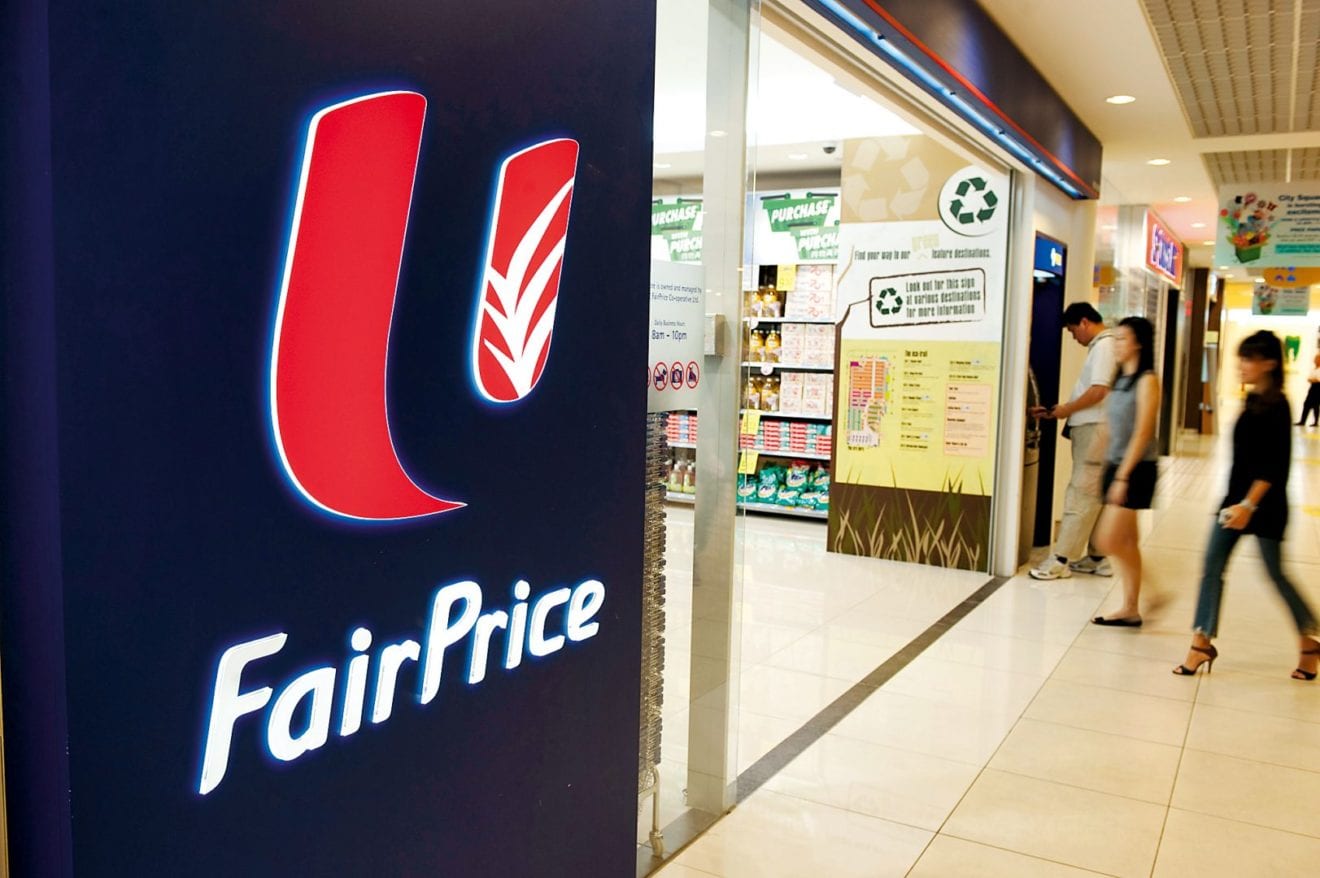
  • Ease Your Cost-of-Living: Singaporean Households Grab $390 Support Vouchers!

    Ease Your Cost-of-Living: Singaporean Households Grab $390 Support Vouchers!

    From June 11, all Singaporean households will be eligible to receive S$500 (US$380) in Community Development Council (CDC) vouchers. This initiative is set to ease the financial burden of living costs for approximately 1.38 million households across the country.

    Voucher Validity and Usage

    The CDC vouchers can be claimed online via the official website and remain valid until the end of 2027. They can be used across a broad range of establishments, half of which are participating local merchants and hawkers. The remaining vouchers are applicable at around 400 outlets run by eight major supermarket chains throughout Singapore. These include Ang Mo Supermarket, Cold Storage, Giant Singapore, HAO Mart, NTUC FairPrice, Prime Supermarket, Sheng Siong, and U Stars Supermarket.

    This allotment of vouchers was originally set to be distributed in January 2027, as per Singapore’s 2026 national budget. However, it was advanced by six months to help households manage the cost-of-living pressures exacerbated by the ongoing Middle East conflict.

    About the Voucher Scheme

    The CDC voucher program was established in 2020 and expanded the following year. It was devised to aid households in managing living expenses while simultaneously supporting businesses hit by the COVID-19 pandemic. These vouchers have been distributed annually, with this latest disbursement marking the ninth cycle.

    As of June 3, more than $4.64 billion has been utilized through the previous eight CDC voucher rounds and two rounds of SG60 vouchers. The SG60 vouchers were similarly designed and distributed last year in celebration of Singapore’s 60th anniversary. About $2.43 billion, or 52% of the total sum, was spent at local merchants and hawkers, while the remaining was used in supermarkets.

    Over 94% of the 1.36 million eligible households claimed the most recent S$300 voucher tranche disbursed in January. More than 80% of these claimed vouchers have already been spent, indicating a high utilization rate. The CDC voucher scheme has proven to be both practical and accessible to the Singaporean populace.

    Alongside the CDC vouchers, a S$200 increase to a cash handout scheme known as the Cost-of-Living Special Payment was announced in April. Consequently, qualifying Singaporean adults will receive a payout of S$400-600 in September, an increase from the previous S$200-400.

    Questions & Answers

    What is the purpose of the CDC voucher scheme?
    The CDC voucher scheme was designed to assist households in coping with living costs while also supporting local businesses affected by the COVID-19 pandemic.

    Where can the CDC vouchers be used?
    Half of the vouchers can be used at participating local merchants and hawkers, while the remainder can be spent at around 400 outlets run by eight major supermarket chains throughout Singapore.

    When will eligible Singaporean adults receive the Cost-of-Living Special Payment?
    Eligible Singaporean adults will receive the Cost-of-Living Special Payment, which has been increased to S$400-600, in September.

  • FairPrice Freezes Prices on 100 Essential Items to Mitigate Cost-of-Living Impact Amid Middle East Conflict

    FairPrice Freezes Prices on 100 Essential Items to Mitigate Cost-of-Living Impact Amid Middle East Conflict

    In an effort to alleviate the burden of rising living costs due to the ongoing Middle East conflict, FairPrice Group, a leading supermarket operator, has announced a price freeze on 100 of its most frequently purchased daily necessities. This freeze, set to begin on Thursday and lasting until May 31, will apply to various household items, including rice, cooking oil, eggs, fresh and frozen pork and chicken, milk, and detergent.

    Price Freeze: A Commitment to Accessibility

    FairPrice Group’s decision to implement a price freeze is reflective of their broader commitment to maintain the affordability of everyday necessities for all individuals, particularly during periods of economic and geopolitical instability. The effects of such instability are becoming increasingly prominent in the daily lives of Singaporeans, and FairPrice Group hopes to provide some degree of relief through this initiative.

    Special considerations have been made for customers from vulnerable groups and citizens who qualify for subsidies. These individuals will enjoy double the usual discounts, increasing from 3% to 6%, throughout the duration of the price freeze.

    Reflecting Founding Principles

    According to FairPrice Group’s CEO, Vipul Chawla, these actions are consistent with the company’s original mission to preserve the affordability of essential items. This mission was established during the 1970s oil crisis and continues to guide their policies today.

    “Food and groceries account for over 20% of the average household budget, and even more for families with lower incomes,” Chawla explained. In light of this, the group’s initiatives aim to assist Singaporeans in managing the current uncertainties.

    Continuing Discounts on Housebrand Products

    Alongside the price freeze, FairPrice will maintain discounts on its own-brand products as part of its ‘Best Sellers for Less’ campaign. The campaign, which began on March 19 and will run for 12 weeks ending on June 10, offers shoppers savings of up to 36% on selected FairPrice Own Brands products. This includes items such as rice, facial tissues, and frozen processed food.

    Questions & Answers

    What items does the price freeze cover?
    The price freeze covers 100 of the most popular household essentials, including rice, cooking oil, eggs, fresh and frozen pork and chicken, milk, and detergent.

    Who will benefit from increased discounts during the price freeze period?
    Customers from vulnerable groups and citizens eligible for subsidies will enjoy double the usual discounts, from 3% to 6%, during the price freeze period.

    What are some of the FairPrice Own Brands products that will be discounted as part of the ‘Best Sellers for Less’ campaign?
    The discounts apply to a range of FairPrice Own Brands products such as rice, facial tissues, and frozen processed food.

  • Hong Kong Dethroned as Most Expensive City for Expats

    Hong Kong Dethroned as Most Expensive City for Expats

    Hong Kong was dethroned as the costliest city for expatriates, according to a recent survey by Mercer, after holding the top rank for three years in a row.

    Ashgabat, the capital of Turkmenistan, was ranked as the costliest place for expat living, according to «Mercer’s 2021 Cost of Living City Ranking», unseating Hong Kong from the top spot.

    The report is based on the examination of over 400 cities and price evaluation of 200 categories of goods and services across essential needs like housing and utilities to personal spending like footwear and tobacco.

    Despite a shuffle at the top, the broader Asia Pacific region still dominated the ranks as home to the costliest cities.

    In addition to Ashgabat, another five Asian cities were also ranked within top ten including Hong Kong (2), Tokyo (4), Shanghai (6), Singapore (7) and Beijing (9).

    Switzerland was also particularly prominent in the rankings with three cities from the country occupying positions in the top 10.

    They include Zurich (5), Geneva (8) and Bern (10).

    But regardless of the region, all employees and employers were impacted by the coronavirus pandemic especially with regards to international mobility.

    According to Mercer, organizations are already implementing alternatives forms of international assignments and cross-border working arrangements to sustain their overseas operations and workforces.

    Cost of living has always been a factor for international mobility planning, but the pandemic has added a whole new layer of complexity, as well as long-term implications related to health and safety of employees, remote working and flexibility policies, among other considerations, said career president and head of Mercer strategy Ilya Bonic.

  • Shanghai, Singapore is now Asia’s most expensive city

    Shanghai, Singapore is now Asia’s most expensive city

    Asia’s most expensive city for high net worth individuals is no longer Hong Kong. Both Shanghai and Singapore have overtaken it, with property costs alone pushing it beyond capital cities across the region. Wealth Report Asia, published annually by financial services company Julius Baer, measures the price of a basket of items including property prices, a degustation dinner, cars, a piano, wine, jewellery and even botox.


    Shanghai is now Asia’s most expensive city to buy six of the 22 items Julius Baer surveys (a hospital room, watch, handbag, wine, jewellery and skin cream). In addition, it has grown more pricey on a relative basis to buy property (from fifth to fourth most expensive), and legal fees have lept from 10th to second.

    Singapore is the most expensive city to buy a car or a degustation dinner, and ranks in the middle of the list on every other item, its best result eighth for a piano.

    Property prices and business class air fares have skewed Hong Kong’s position on the list – they are more expensive there than elsewhere. But in contrast, Hong Kong is cheapest city to buy skin cream, the second cheapest for wine and jewellery and the fourth cheapest for men’s suits, womens shoes and watches.

    The region’s least expensive city is Kuala Lumpur, Malaysia’s capital. According to Julius Baer, it is the most competitive city to buy property, wine, jewellery, a piano and cigars or to rent a hotel suite.

    Price deflation of items onshore such as legal fees (down four spots) and jewellery (down three spots) offset a recovery in the value of the ringgit against the US dollar.

    The data was calculated on a price-weighted basis.

    Chinese luxury consumption slowing

    Meanwhile, the report says the “China express” driving the world’s luxury retail market is slowing.

    Chinese nationals accounted for just 2 per cent of luxury spending in 2003 yet by last year that share had soared to 32 per cent – and they account for more than 70 per cent of global growth.

    But Julius Baer says recent signs “are pointing to an outlook that will be less spectacular”.

    “Amid the ongoing trade conflict with the US and a softening growth dynamic, the Chinese stock market has come under significant selling pressure this year. Chinese consumer confidence, which has been a good leading indicator for luxury goods performance trends, appears to have rolled over.

    The weakness in Chinese consumer confidence has weighed on the sector of late, and is likely to remain a drag going forward if Chinese consumption trends continue to slow.”

    The report also noted that Chinese retail sales growth has also been moderating in recent months.

    “We believe China is going through a self-induced slowdown as the economy transforms from investment-led to consumption-led growth. Reforms are currently taking a back seat in favour of selective and measured easing but [we] still expect 6.5 per cent growth this year, before a slowdown to 6.2 per cent next year.

    “Following a strong recovery since 2015, it is reasonable to expect global luxury consumption to slow in the near-term from a high base and moderating Chinese demand. Yet we remain upbeat in the longer term premised on structural growing demand from Chinese millennials and a more prominent female presence in the luxury market.”

  • Inflation May Accelerate to 4.38% in January

    Inflation May Accelerate to 4.38% in January

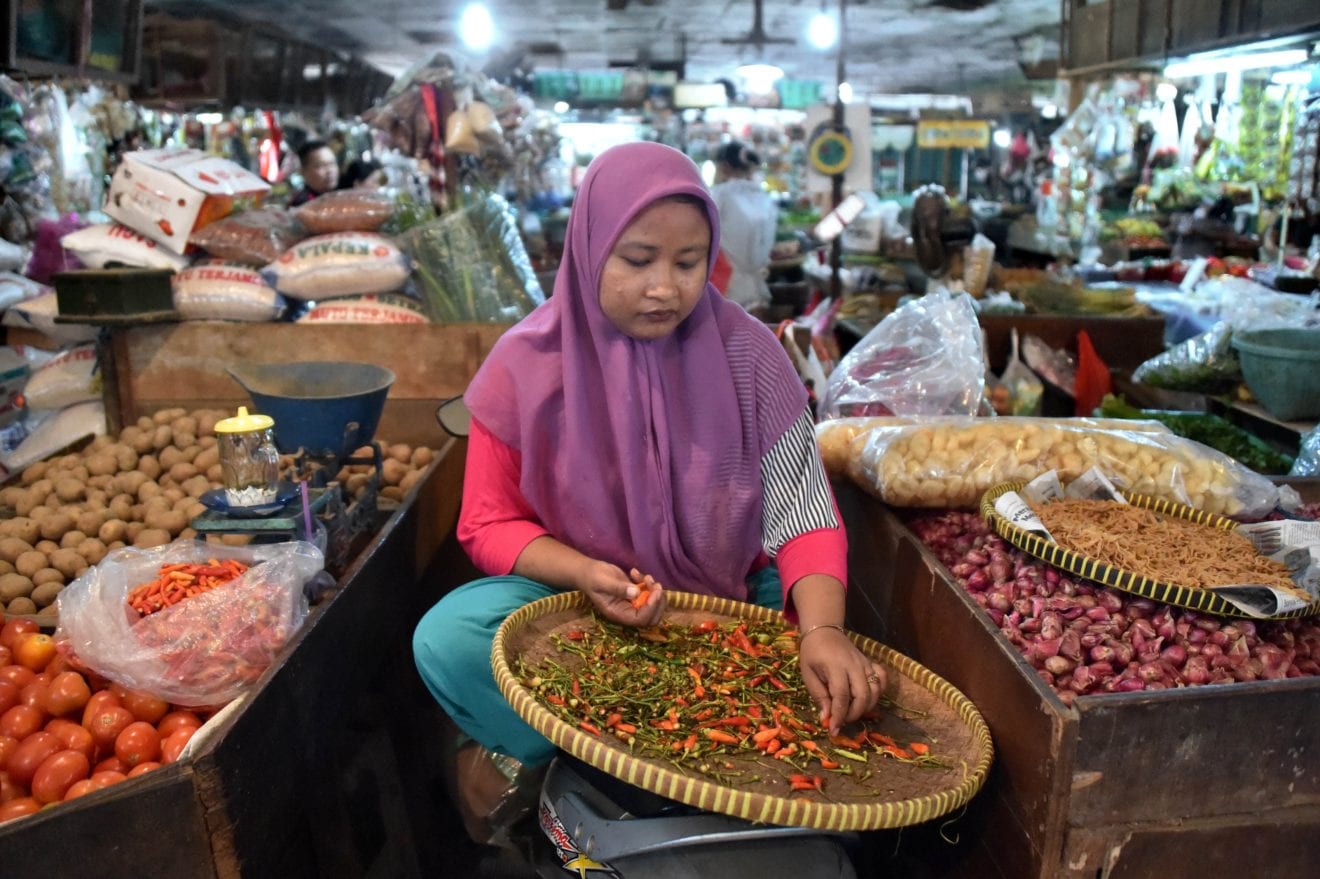
    Supplies of shallots and chili, staple ingredients in Indonesian meals, are often low during the rainy season, propping up the prices index, said Sasmito Hadi Wibowo, the deputy of goods and services distribution at the Central Statistics Agency (BPS).

    Beef prices are also on the rise, increasing by 1 percent alone this month after the government slapped a 10 percent value added tax on beef trade and import in the beginning of this year. Officials reversed the policy on Friday.

    Bank Indonesia has targeted an inflation rate of between 3 percent and 5 percent this year.

    The central bank just cut its benchmark interest rate to 7.25 percent last week as it seeks to stimulate bank lending and boost growth, but an accelerating inflation would undermine its ability to trim the interest rate further.

    The government aims to expand Southeast Asia’s largest economy by 5.3 percent this year, rebounding from an estimated 4.7 percent last year, its slowest pace since 2009.