Tag: counterpoint research

  • Global Memory Shortage to Squeeze Device Makers Through 2027

    Global Memory Shortage to Squeeze Device Makers Through 2027

    A global memory chip shortage will squeeze independent phone and laptop makers through 2027, forcing product redesigns and price increases across entry-level consumer electronics.

    Counterpoint Research forecasts worldwide smartphone shipments will drop 13.9 per cent this year to 1.08 billion units, marking the steepest annual decline on record as memory costs make low-cost handsets uneconomical to produce.

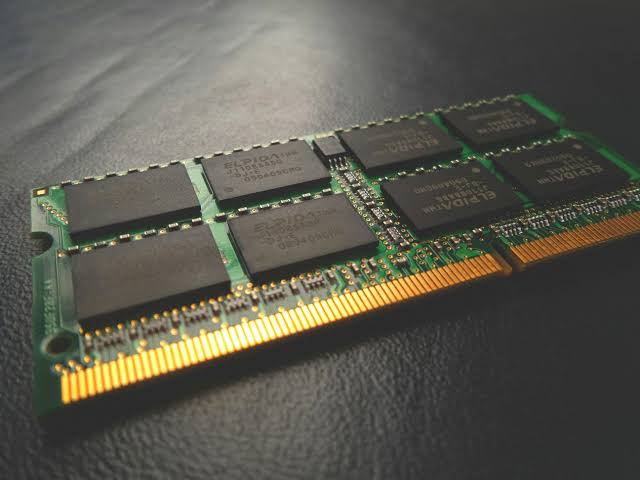
    Memory now accounts for almost 60 per cent of the bill of materials on handsets priced around $400, according to Raymond van Eck, chief executive of Dutch repairable-phone maker Fairphone. Component availability rather than unit price has become the primary operational bottleneck for smaller manufacturers.

    Surging Prices and Supply Bottlenecks

    Market researcher TrendForce expects conventional volatile memory (DRAM) contract prices to climb 13 to 18 per cent this quarter, following a 93 to 98 per cent surge in the first quarter. The prolonged imbalance stems from severe production limits at major Asian fabricators.

    In July, the chief executive of South Korea’s SK Hynix warned that 2027 would be the worst year in industry history for supply availability, projecting that demand will exceed fab capacity past 2030.

    If you don’t have allocation, you’re out of the game anyhow.

    Smaller hardware makers are taking defensive operational measures to secure volume. Framework, a US-based modular laptop producer, now submits noncancelable purchase orders without confirmed delivery schedules, prices or volumes to maintain supplier allocation.

    Engineering Workarounds on the Factory Floor

    Hardware teams are altering board layouts to bypass supply chokepoints. Finnish handset maker Jolla created two distinct motherboard configurations so production lines can switch between integrated memory packages and discrete silicon chips.

    Counterfeit risks have mounted alongside component costs. Jolla now runs stress tests on sample components from every incoming batch to confirm shipments contain new silicon rather than recycled parts repackaged as firsthand inventory.

    Retail pricing strategies differ across hardware brands. Framework reprices machines immediately as raw component invoices arrive, Jolla introduced a standalone paid tier for memory upgrades, and Fairphone has held retail prices steady to protect volume.

    Shifting Inventory Dynamics

    Supply hoarding accelerated late last year when hardware makers realised the severity of Asian fabrication deficits. Companies attempted to build inventory buffers simultaneously, pulling forward chip volumes and compounding market tight spots.

    Jolla executives noted that combined storage and DRAM module costs peaked in late March and held flat through summer, averting earlier projections that component prices would double by autumn. Supply parity across mobile and personal computing memory lines is not projected to return until 2028.


  • Samsung Fights Apple Foldable Push as Counterpoint Projects 25 per Cent Duo Share

    Samsung Fights Apple Foldable Push as Counterpoint Projects 25 per Cent Duo Share

    Samsung launched a marketing blitz across Asia and Europe on Wednesday to protect its premium smartphone business. The campaign follows Apple’s release of its first folding handset, the $1,999 iPhone Duo.

    Apple’s entry puts it in direct competition with the $1,899 Galaxy Z Fold 8. Counterpoint Research expects Apple to capture a 25 per cent global market share this year, cutting into Samsung’s projected 38 per cent share.

    Cupertino designed the Duo with a passport-style layout similar to Samsung’s latest flagship, which runs Alphabet’s Gemini artificial intelligence. Samsung fought back by booking billboards across Seoul, Tokyo and London with slogans like “Welcome to Foldables” and “The World’s Lightest Fold”. It also posted technical notes on its consumer website detailing its hinge and weight reductions.

    The Margin Fight at Two Thousand Dollars

    A narrow $100 price gap shifts the fight to hardware refinement and software ecosystems. For telecom carriers and electronics retailers across Asia, having two players at the $2,000 price point turns foldables from a show into a high-volume margin driver.

    Heavy risks sit with Samsung’s mobile division, which faces margin erosion if affluent buyers in South Korea, Japan and Greater China defect to iOS. Samsung Display supplies the folding screens for the iPhone Duo and collects component revenue on every unit sold. Even so, the handset division loses its most profitable hardware moat.

    Rivalry in Component Supply and Social Media

    Online, Samsung went on the offensive. It ran posts on X describing the Duo as “reheating our leftovers” and “So far, so same”. Apple chief executive John Ternus fired back, calling earlier foldables “like two phones awkwardly stuck together.”

    Industry analysts note that Apple waited for screen mechanics to stabilize before entering the segment. “Apple is good at getting its timing right and entering the market when a product reaches a certain level of maturity,” said Ben Wood, chief analyst at CCS Insight.

    Seven Years of Category Building

    Samsung created the commercial category in 2019 after display failures delayed the original Galaxy Fold release by several months. Over the next eight device generations, the Suwon-based company improved screen durability and expanded global distribution while battling Chinese rivals like Huawei in domestic and regional markets.

    Stores begin stocking the iPhone Duo later this month. That starts the first direct quarterly sales clash between Apple and Samsung during the peak year-end shopping season.

  • Apple to Unveil First Foldable iPhone as Sector Shipments Grow 30%

    Apple to Unveil First Foldable iPhone as Sector Shipments Grow 30%

    Apple is expected to unveil its maiden foldable iPhone at its Cupertino headquarters later on Wednesday, entering a product category where Asian rivals hold a combined 70 per cent share.

    Samsung leads the global foldable smartphone sector with a share of about 40 per cent, followed by Huawei with 30 per cent, according to research firm Counterpoint.

    The new handset is expected to adopt a wider passport-style aspect ratio geared toward video and media consumption, arriving as supply-chain advances make flexible displays more durable and less prone to creasing.

    Asian Rivals Defend Premium Dominance

    For Samsung and Huawei, Apple’s entry turns a high-margin hardware niche into an open battleground across Asian retail channels. Both manufacturers spent years refining flexible hardware, using early technical missteps to improve hinge durability and lock down premium market share in China, South Korea and Southeast Asia.

    Asian component suppliers and display manufacturers stand to gain volume as Apple scales production. The primary risk sits with Android hardware makers in the upper price tiers, who lose their sole hardware differentiator once iOS software is available on a flexible screen.

    The Long March from Early Hinges

    Chinese display maker Royole shipped the first commercial foldable device in 2018 with its outward-folding FlexPai. Samsung launched the US$2,000 Galaxy Fold in 2019, withdrawing initial review units to redesign the display before releasing refined models such as the Fold 8. Huawei followed with the Mate X in 2019, before pushing hardware boundaries further in September 2024 with a US$2,800 tri-fold model.

    Apple’s entry will surely increase competition at the premium end. However, foldables are still a very small part of the overall smartphone market, so there is room for the category to grow well beyond current volumes.

    Growth Divergence in Handset Shipments

    Foldable devices account for a single-digit percentage of total handset sales, constrained by high retail pricing and consumer doubts over long-term screen durability. Google entered the segment in 2023 with the US$1,799 Pixel Fold, while Microsoft discontinued its dual-screen Surface Duo line.

    Research firm IDC expects global foldable shipments to grow nearly 30 per cent this year, outpacing an estimated 1.4 per cent decline in standard smartphone sales as Apple unveils its device later on Wednesday.