Apple’s smartphones in the United States have not had a SIM card slot since the release of the iPhone 14. Instead, these devices have supported a mix of physical and eSIM technology. However, a recent rumor implies that Apple may soon discontinue the physical SIM card tray for the iPhone 17 in additional countries.
Retail staff at Apple Authorized Resellers throughout the European Union are required to undergo training related to eSIM technology. Those in the know have disclosed that the deadline for course completion is Friday, September 5.
Significant Event on the Horizon
Just four days after this deadline, Apple is set to host its “Awe dropping.” event on Tuesday, September 9. The tech giant is anticipated to unveil the iPhone 17, iPhone 17 Pro, and iPhone 17 Pro Max, along with a new slim model potentially dubbed the iPhone 17 Air.
Yet, this shift may not be confined to the European Union. The training material is accessible to European retail staff via Apple’s SEED app. This platform is utilized by employees of official Apple Stores and Apple Authorized Resellers globally, and it is not exclusive to Europe.
Adapting to New Technologies
It would be logical for Apple to roll out this change to other countries, particularly given the rumors circulating over the past year. Speculation that the iPhone 17 Air may be too thin to accommodate a SIM card slot began as early as last October. There have also been suggestions that the change could apply to the entire iPhone 17 range across all markets.
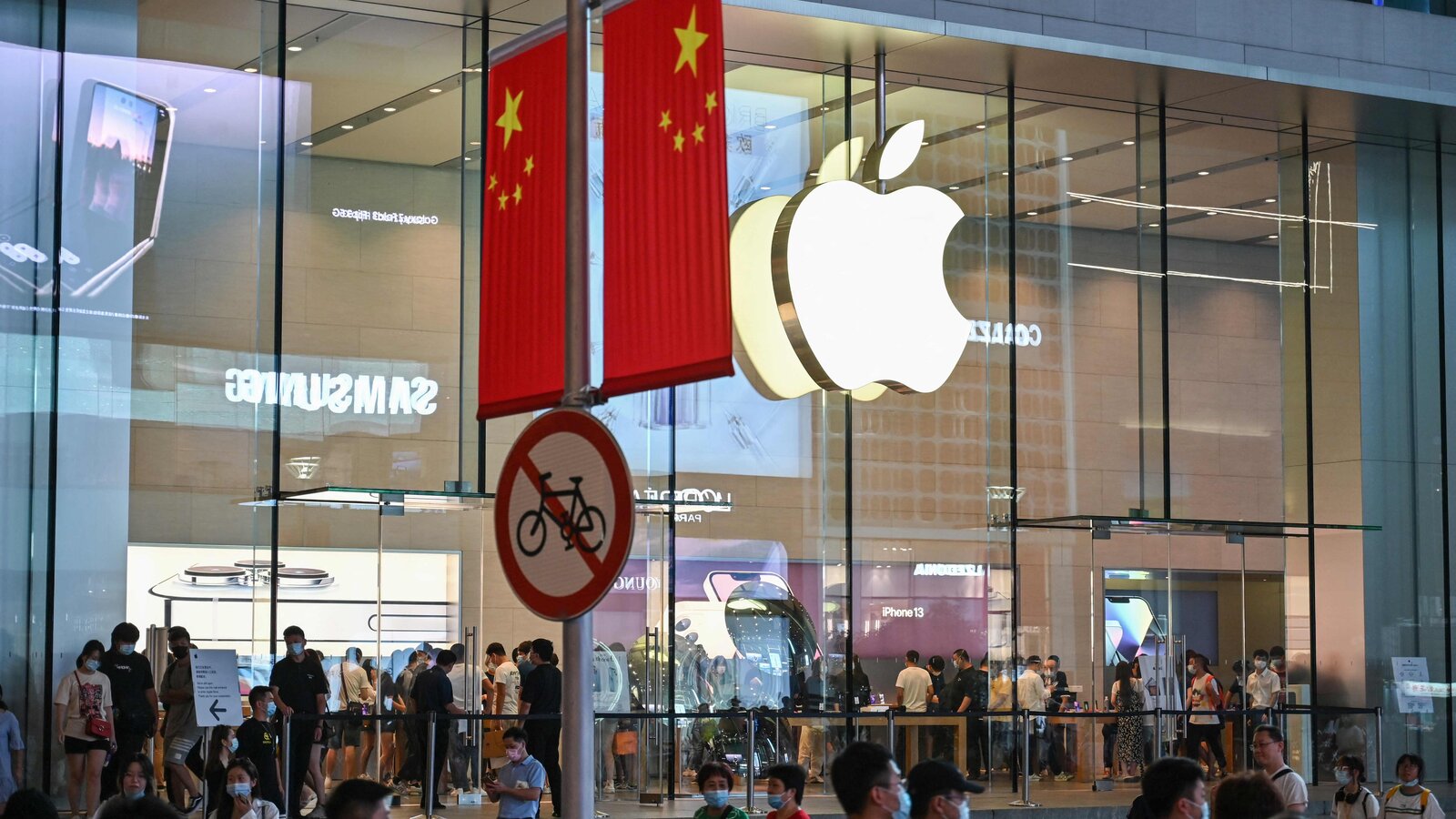
However, it is probable that Apple will maintain the physical SIM option in certain countries, including China. Although iPhones in most countries support both eSIM and physical SIM, in China and a few other markets, they offer dual SIM with two physical cards.
Notably, other tech companies are also following this trend. Google recently launched the eSIM-only Pixel 10 in the US, while Samsung’s Galaxy S25 offers a mix of eSIM and physical SIM support, including in the US. However, in some regions outside of the US, Samsung’s phones feature dual physical SIMs, and the Pixel 10 integrates both physical and eSIM technologies.
Travel and Connectivity
As a global traveler, having a variety of connectivity options is beneficial, therefore losing the physical SIM slot could be disappointing. While purchasing a local SIM can be cheaper and more convenient, there are a variety of international eSIM services that can sometimes offer more affordable and convenient options for travelers. Here’s hoping that Apple will continue to offer both options in my region.
Questions & Answers
Why is Apple potentially moving away from physical SIM cards?
It is rumored that Apple may be entertaining this notion in order to make devices thinner and more streamlined, thereby improving the user experience.
Will all countries lose the physical SIM option on the iPhone 17?
While it seems likely that more countries will be affected by this change, it is currently unclear if this will be a global shift. Some regions, such as China, may continue to have the physical SIM option.
How will the lack of a physical SIM card impact travelers?
While the absence of a physical SIM card could initially prove inconvenient, the rise of international eSIM services could provide an alternative, and potentially more affordable, option for travelers.