Retail News CRM

Tag: couple

  • Lessons from Vietnam: How Expats Mastered the Art of Saving and Spending Wisely

    Lessons from Vietnam: How Expats Mastered the Art of Saving and Spending Wisely

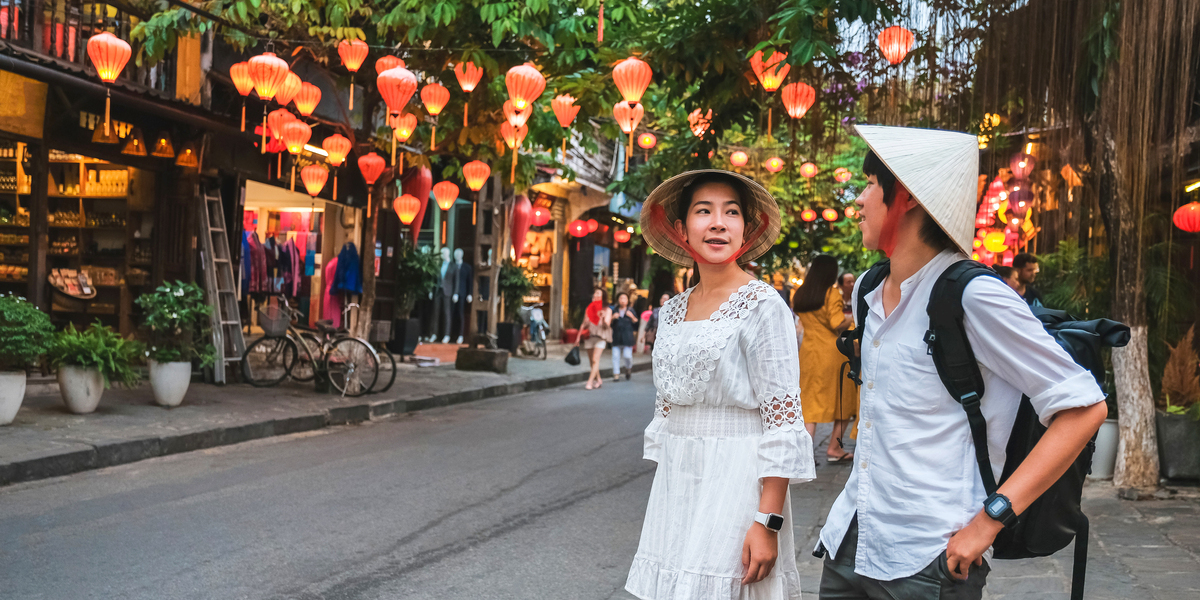
    Stepping into the world of retail in Vietnam can be a revelation, especially for foreigners adjusting to the local financial landscape. One British expat, who moved to the country to work as a sales director, discovered this first-hand when he encountered a budgeting practice that seemed almost quaint yet profoundly effective. At the home of a friend, he was shown a drawer brimming with envelopes, each earmarked for specific expenses such as Tet celebrations, emergency savings, and even a future refrigerator. He was struck by the simplicity of it all: “They know exactly where their money ends up, even without spreadsheets,” he remarked.

    Understanding the Vietnamese Financial Mindset

    As he settled into his new life, the 34-year-old Briton began dating a woman who would eventually become his wife. This relationship opened a window into the Vietnamese approach to personal finance, characterized by careful consideration for every expense. Major purchases are discussed well in advance and pursued only when funds are available or when there is an urgent need. Borrowing, particularly from banks, is seen as a last resort, often introduced through family or friends. “Vietnamese people are very afraid of debt,” he noted, highlighting a stark contrast to western financial habits.

    Clashing Financial Philosophies

    The couple’s differing attitudes towards money often led to disagreements. While he was inclined to take risks—wielding credit for investments and chasing opportunities—his wife adopted a more cautious stance. When he entertained the idea of investing in a UK startup, her probing questions forced him to reconsider: What if it failed? Could they afford to recover? Would he feel comfortable discussing this investment with their children one day? These moments of reflection revealed to him the striking reality that many Vietnamese manage to buy homes, invest in land, and support families—all on modest incomes.

    A Shift in Spending Habits

    He learned that the real essence of financial success lies not in how much you earn, but in how much you can save. An eye-opening experience occurred when he decided against purchasing a new car after noticing his wife’s family relied on old faithful motorbikes. “In Vietnam, no one cares what you drive as long as it gets you there,” he mused. Eventually, the couple was able to secure a plot of land on the outskirts of Hanoi, representing a prudent and distinctly Vietnamese choice.

    Gradually, his mindset began to shift; a $10 sandwich triggered thoughts of a more economical $2 bowl of pho. He observed a similar transformation among many other foreigners who find themselves rethinking their approach to money during their time in the country.

    Culture Shock and Financial Reality

    A report by Navigos Group indicates that about 50% of expats experience culture shock, with financial habits playing a significant role in this adjustment. Statista highlights that in 2023, only 7% of Vietnamese adults held a credit card, making this one of the lowest rates in the region. Moreover, a World Bank survey revealed that a staggering 64% of Vietnamese strive to avoid borrowing even when facing financial hardships.

    William Gray, a financial advisor at Infinity Financial Solutions, noted that many foreigners adapt their financial behaviors once they embrace the culture. “Limited access to credit forces them to live within their means,” he said, especially when they begin making joint financial decisions with a Vietnamese partner. This leads to priorities centered on saving and acquiring property rather than accumulating debt.

    Navigating Differences in Financial Perspectives

    In 2024, Liam Ward, a 30-year-old expat in Ho Chi Minh City, found himself embroiled in a spirited debate with his Vietnamese girlfriend over their savings strategy as they prepared to cohabitate. He envisioned their savings funding travel adventures, while she viewed them as a safeguard against potential disasters like job loss or unexpected illness.

    “There is a clear gap in how the two cultures perceive money,” Ward stated. The couple ultimately reached a compromise by investing in gold, a practice he initially found perplexing. He worried about its liquidity in emergencies but soon learned that gold is a quick and accessible means of creating cash when needed. After experiencing volatile price spikes in late 2024 and early 2025, he acknowledged, “It turns out this is how many Vietnamese build and grow their wealth.”

    Questions & Answers

    What budgeting method stood out to the expat living in Vietnam?
    He discovered a simple yet disciplined approach where his friend stored money in envelopes labeled for different expenses, ensuring a clear understanding of spending without needing spreadsheets.

    How do Vietnamese attitudes toward debt differ from those in Western cultures?
    Vietnamese people are generally cautious about borrowing and prefer to rely on savings and family support rather than accumulating debt, contrasting with Western habits that more readily embrace credit.

    What financial lesson did the expat learn through his relationship?
    He realized that financial success is not about high earnings but about effective saving and spending, leading him to appreciate the value of modest living and careful budgeting.
  • Tinder introduces safety features to make the online dating experience more comfortable

    Tinder introduces safety features to make the online dating experience more comfortable

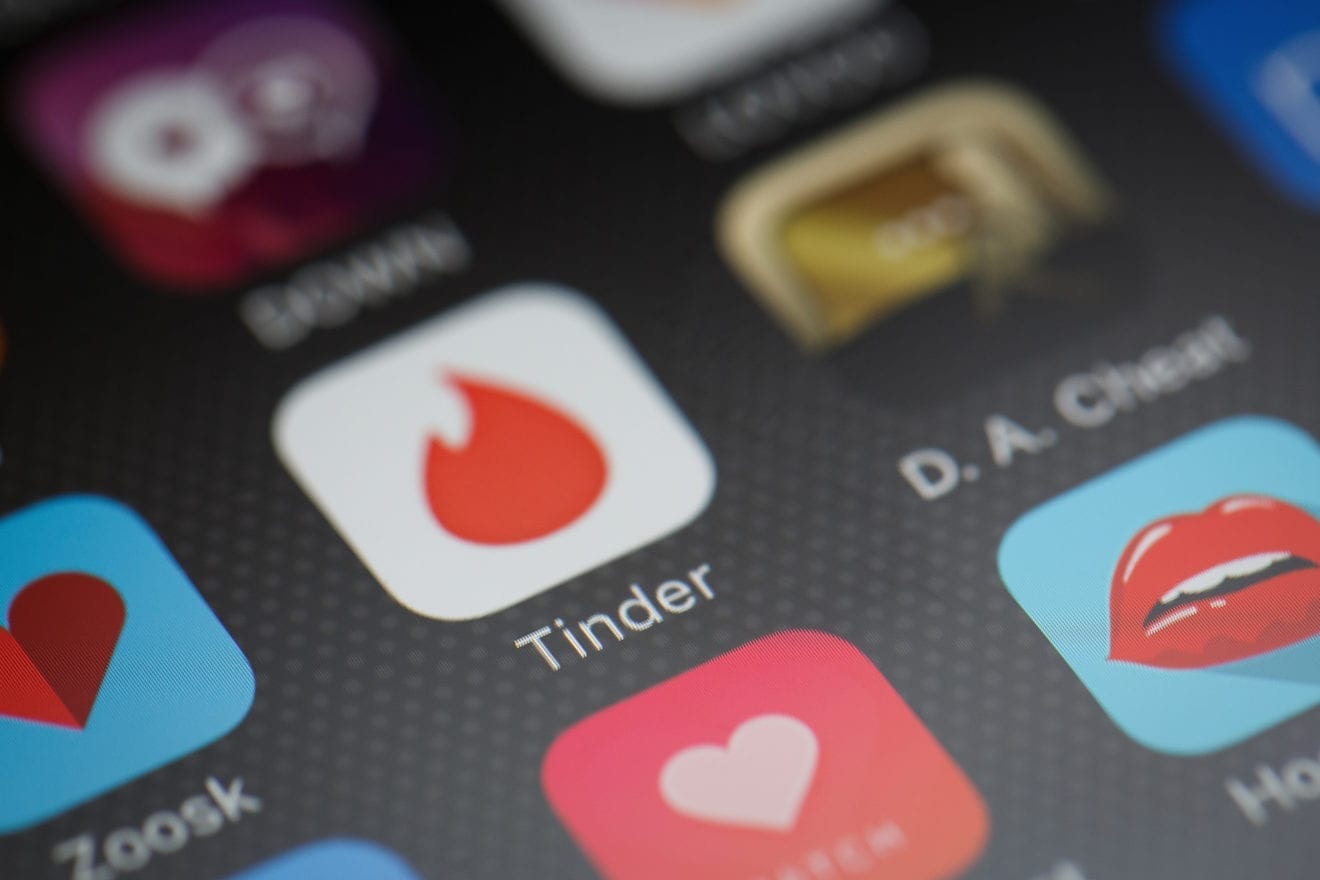
    The developers of the popular dating platform Tinder are looking to equip users with more tools for safety. And with Valentine’s Day fast approaching — which is also your kind reminder to check out our Valentine’s Day deals guide — is it any wonder at all?

    But, come on — how can an app that matches strangers provide more safety? Well, through an Incognito Mode, of course. While it may seem counterintuitive at first, it makes sense, as when turned on, only the users you’ve liked can view your profile.

    That may limit your reach, per say, however it also sounds like adding a higher success rate into the mix, as you’ll have a larger say in who gets to mingle with you. But that’s not all: you can outright block users straight from your feed, if you are certain in your abilities to judge a book by its cover photo.

    There is more too! Users will get the option to long press a message in order to send a report to Tinder staff regarding the user in question. The company hopes this will help them moderate their community in a way thath punishes inappropriate behavior.

    The app also received minor tweaks to its “Are You Sure” and “Does This Bother You” features, which basically nudge users into being more considerate when talking to one another. And it seems to be working, as ever since the latter was introduced, the company has been receiving 46% more user reports. Yay?

    In case you are becoming stressed about your dating habits, you can always turn to the official Tinder dating online guide, which has been drafted up in an attempt to end sexual harassment. Definite yay! The update is rolling out for the Tinder app right now, so if you haven’t checked recently, it may be high time to do so.

  • How much do Hongkongers spend on Valentine’s Day?

    How much do Hongkongers spend on Valentine’s Day?

    If you were in Hong Kong for Valentine’s Day you must have seen cascades of flowers around the city, couples flooding the restaurants, and inevitably thought: “love is definitely in the air”. You were actually right. Hong Kong is one of the top Asian markets for sentimental spending according to the Mastercard Love Index, showing continued growth since 2016 and some intriguing behavioural insights.

    Now, whether you think of it as the most romantic day of the year or a sickening slog, it’s undeniable that Valentine’s Day is a big deal for people splurging on their loved ones, and in Hong Kong even more so. The Mastercard Love Index has gathered data from credit, debit, and prepaid card transactions from the last three Valentine’s Day holiday periods(11th-14th February 2016-18) to discover the change in how fluffy feelings have translated into cold hard cash.

    The results show that since 2016, Hong Kong ranks third in growth for sentimental spending at 62%. China takes the top spot at 88% followed by Japan at 68%, which had a 35% surge. Overall across Asia-Pacific, sentimental spending has jumped up 33% with Valentine’s Day period transactions rising by 37% since 26%

    What was the biggest increase seen? Flowers of course. Since 2016 spend value on the holiday staple has gone up by 89% with 73% more transactions. In comparison, Hong Kong transactions for the pretty petals went up by 46% with total spend rocketing up by 93%.

    Here are some other interesting insights about Hongkongers from the research:

    Hongkongers aren’t early Valentine’s shoppers. Last minute buys for gifts are the norm with the 28% majority of sales happening on the day itself.

    Restaurant dates are still a growing favourite and getting flashier. Transactions in restaurants have grown by 20% since 2016 with the amount spent at meals up by 30%.

    More romantically, there has been a huge increase in couples popping away for romantic trips for Valentine’s Day. Transportation transactions showed a 205% increase in 2018, making up a significant 23% of the total spend for the day.

    Hotel rendezvous are also on the rise with 63% growth in transactions since 2016 and a boost to the total spend by 66%.

    Bling is still in. Jewellery transactions for Valentine’s Day have climbed with spend up 43% since 2016.

    Hongkongers like the personal touch when it comes to gifts for Valentine’s Day. 88% of gifts were bought in face-to-face transactions versus 6% online. However, online shopping for Valentine’s Day is still rising with a 146% increase in online transactions over the period since 2016.

  • Tinder sees Korea as stepping stone to region

    Tinder sees Korea as stepping stone to region

    Korea is the test bed for Tinder services in the rest of Asia, the dating app’s CEO said during his first press conference in the country on Tuesday.  “South Korea is an important market for us because of the market itself, but also because of the cultural influence it has over the broader Asia region,” said Tinder CEO Elie Seidman. Seidman previously served as the CEO of OkCupid, another popular American dating service.

    “Not only do most Koreans have smartphones and use social media, but the country wields a lot of influence in Asia through K-pop and the Korean wave.”

    Korea’s potential to raise the brand awareness of Tinder across Asia has already been demonstrated, according to the app’s regional director.

    “We once worked together with Korean celebrities Kim Jong-kook and Haha to have them use Tinder during a trip in Vietnam” for a reality TV show, said Lyla Seo, regional director, East Asia. “We saw a huge surge in Tinder users in Vietnam following the program.”

    Seo, who is Korean, oversees the dating service’s business in Korea, Japan and Indonesia. Seo worked as a marketing manager for Google Korea before joining Tinder.

    “Tinder has the so-called passport service, which allows people to view and match with users from other countries. The top five countries that used the passport to meet Koreans were Singapore, Japan, Thailand, Indonesia and Malaysia, reflecting the popularity of Korean culture,” she added.

    In Korea, the dating app first launched in 2015 and has been growing rapidly since. Tinder in Korea reported over 2.5 times more downloads last year compared to 2016. The service is especially popular among women, and over 80 percent of the users here are millennials.

    According to Tinder, the three biggest reasons Koreans use the app are to meet new types of people from different backgrounds, find users with similar hobbies and meet users in the same area.

    Users in Korea are most active on the app around 10 p.m. on Monday after they come back from work or school, Tinder also said.

    Tinder’s plan in Korea this year is to draw in more college-aged students and promote the idea that the app can be used to meet friends under the “Find a friend on Tinder” campaign.

    “In Korea, we are planning to introduce more marketing activities targeting college students and contribute to society by launching a scholarship program,” Seo said.

    Tinder, founded in 2012, has around 4.1 million paying users and generated $800 million in revenue last year worldwide.