In the week following the introduction of government-issued consumption vouchers, South Korea’s convenience store chains reported a significant rise in sales. The four major chains – CU, GS25, 7-Eleven, and Emart24 – witnessed an increase of more than 10% in weekly sales from July 22 to 28 as compared to the same period in the previous month. Middle-aged consumers and families were primarily responsible for the surge in sales, using the vouchers to make large purchases, especially within the ₩20,000–₩30,000 range.
Redemption Points at Convenience Stores
Department stores and hypermarkets were not directly eligible for the voucher scheme due to their corporate-owned structure. On the other hand, convenience stores, which are mainly franchise-based, served as accessible redemption points. This led to a noticeable increment in basket sizes, with customers spending considerably more than the average pre-voucher spend of approximately ₩7000 per visit.
Emart24 experienced a sales growth of over 10%, while GS25 observed a comparable rise in average transaction value. More customers were using shopping baskets and purchasing a broader range of products such as fresh food, daily necessities, and even rice and meat – items not usually associated with convenience stores.
Beverages and Cigarettes Sales
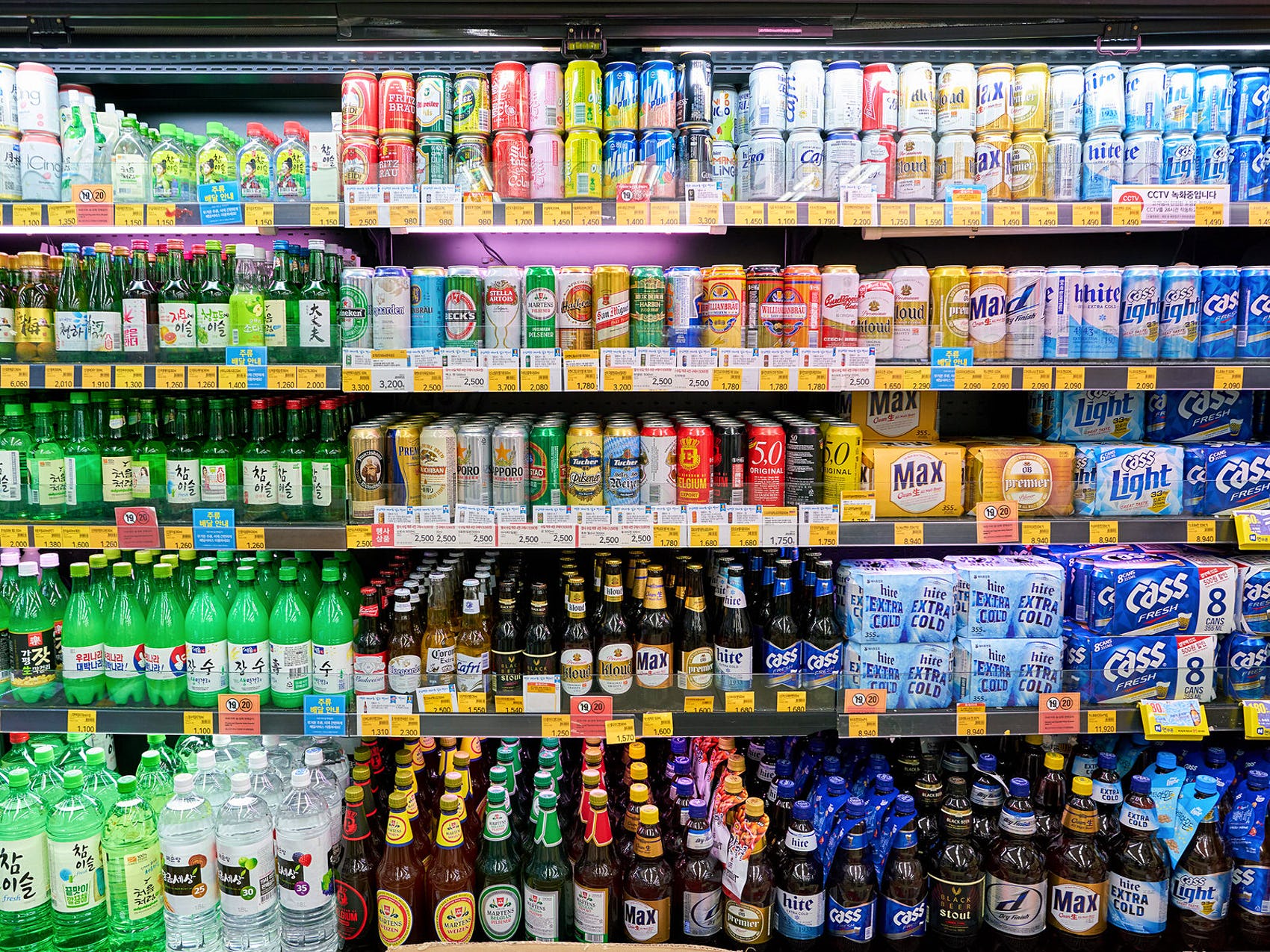
Sales of alcoholic beverages, specifically beer and soju, saw a significant increase. Beer sales were up by 31.7% at GS25, 30.0% at 7-Eleven, 29.2% at CU, and 20.0% at Emart24. Soju sales increased by 16.2% at GS25 and 12.4% at CU. Overall, liquor sales were up by over 10%.
Cigarettes, which were also eligible for voucher use, reported a rise in sales with more customers buying full cartons instead of single packs. However, due to potential concerns surrounding “stockpiling” and illegal resale for cash, the exact figures were withheld due to the sensitivity of the product.
Increased Demand for Health Supplements and Meal Replacements
Voucher-driven expenditure also led to a surge in demand for health supplements and meal replacements, categories that convenience stores have been emphasizing in their long-term growth strategies.
According to retail analysts, this trend underlines a significant shift in consumer behaviour. With an increase in single and two-person households, more people have been turning to grocery shopping at convenience stores. The introduction of government vouchers has accelerated this shift, causing large retailers to worry about the potential loss of customers permanently.
Questions & Answers
Why did the government issue consumption vouchers?
The government-issued vouchers were part of a stimulus strategy to boost consumer spending and support local businesses impacted by the COVID-19 pandemic.
What impact did these vouchers have on convenience stores?
The launch of these vouchers led to a significant increase in sales at convenience stores, with customers making larger than average purchases and buying a broader range of products.
Are larger retailers affected by this change in consumer spending habits?
Yes, larger retailers are concerned about losing customers permanently as the introduction of government vouchers has accelerated a shift towards shopping at local convenience stores.