Tag: court

  • 7-Eleven Takes Nike to Court over Air Max Design: The Battle of the Tri-Color Stripe

    7-Eleven Takes Nike to Court over Air Max Design: The Battle of the Tri-Color Stripe

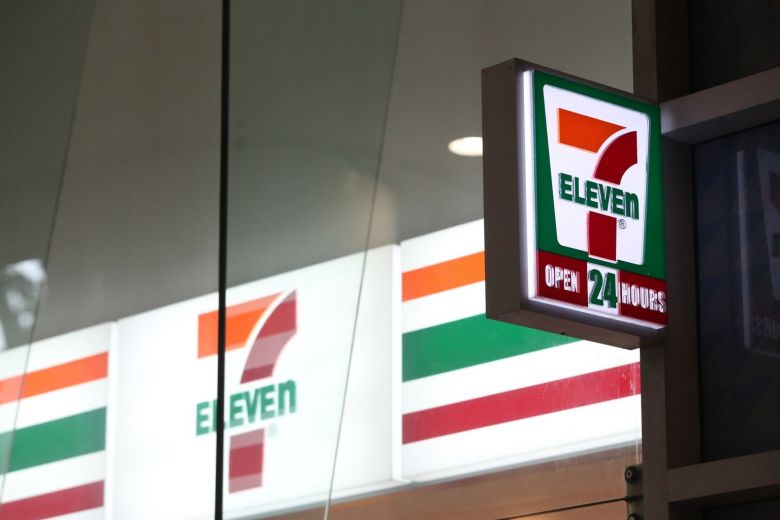
    The popular convenience store chain, 7-Eleven, has filed a lawsuit against sportswear behemoth Nike, alleging that their upcoming sneaker design infringes upon 7-Eleven’s iconic tri-color branding. This legal action comes in response to the striking resemblance between the orange, green, and red stripe pattern of Nike’s soon-to-be-launched Air Max 95 shoe and 7-Eleven’s company branding.

    Accusations of Brand Infringement

    The lawsuit, lodged in a federal court in Dallas, accuses Nike of creating a “confusingly similar imitation” of 7-Eleven’s tri-color stripe motif. 7-Eleven argues that this design is integral to its brand identity, and is universally recognized as being representative of their stores. Nike’s decision to schedule the shoe release for July 11, a date known for 7-Eleven’s annual “7-Eleven Day” celebration and Free Slurpee Day, further aggravated the dispute.

    The lawsuit alleges that Nike has shown a “callous and malicious disregard” for 7-Eleven’s brand rights. The convenience store chain has expressed concern that the unauthorized use of their brand, coupled with the shoe’s launch on their company’s “birthday”, necessitated this legal action to safeguard their brand identity.

    7-Eleven asserts that they made numerous attempts to amicably resolve the issue prior to filing the lawsuit, but were met with Nike’s resolve to proceed with the shoe’s launch and continued promotion.

    Seeking Resolution and Retribution

    The chain contends it has used the orange, green, and red color scheme for many years across various platforms including store signage, advertising, merchandise, and footwear. It claims ownership of multiple trademark registrations for this design.

    The lawsuit argues that Nike deliberately designed the shoe to conjure associations with 7-Eleven, thus profiting from their established brand recognition. The suit suggests that consumers are likely to incorrectly presume an endorsement or sponsorship from 7-Eleven, even though no such partnership exists.

    7-Eleven is pursuing a court order to halt Nike’s sales of the shoe, as well as a recall of any distributed products. The company is also seeking financial compensation and all profits from the sales of the controversial footwear.

    Questions & Answers

    What is the cause of the dispute between 7-Eleven and Nike?
    7-Eleven has accused Nike of infringing upon their tri-color stripe branding in their upcoming Air Max 95 shoe design.

    What resolution is 7-Eleven seeking in the lawsuit?
    7-Eleven is seeking a court order to stop the sale of the shoe, a recall of any distributed products, financial compensation, and all profits from the sales of the footwear.

    Did 7-Eleven attempt to resolve the dispute before filing the lawsuit?
    According to their statements, 7-Eleven tried multiple times to resolve the issue amicably but were met with Nike’s insistence on proceeding with the launch, leading them to take legal action.

  • A2 Milk Triumphs in Trademark Tussle: Historic Australian Court Victory Over Care A2 Plus

    A2 Milk Triumphs in Trademark Tussle: Historic Australian Court Victory Over Care A2 Plus

    The Federal Court of Australia has ruled in favor of The A2 Milk Company in a trademark lawsuit against its competitor, Care A2 Plus. The A2 Milk Company, a dairy company based in New Zealand, has several registered trademarks in Australia, including ‘A2 Milk’ and ‘A2’, that encompass a variety of products such as milk and infant formula.

    Care A2 Plus’s Alleged Infringement

    Care A2 Plus, another infant and toddler formula producer, markets its products in Australia under the branding ‘Care A2+’. The lawsuit was initially filed by A2 Milk against Care A2 Plus in 2023. The plaintiff accused Care A2 Plus of violating its trademark rights in contravention of the Australian Consumer Law.

    The A2 Milk Company asserted that Care A2 Plus consciously used the similar ‘A2/A2+’ branding even after requests to cease. The plaintiff also claimed that Care A2 Plus indulged in litigation strategies that escalated costs, and subsequently sought either damages or an account of profits.

    Court’s Stance on the Dispute

    At a hearing that took place this past Thursday, the court backed The A2 Milk Company. However, the court mandated both parties to present further submissions before it pronounces the final verdict concerning relief, including damages and costs.

    Despite Care A2 Plus’s claims that its packing was entirely distinctive, the court maintained that the conspicuous ‘A2/A2+’ branding could potentially indicate a connection to The A2 Milk Company.

    The court justified its ruling by stating that an average consumer encountering Care A2 Plus’s products for the first time would likely presume a connection with The A2 Milk Company. The consumer might even think that these products are part of The A2 Milk Company’s range or endorsed by the company.

    Questions & Answers

    What was the dispute between The A2 Milk Company and Care A2 Plus about?
    The dispute was about Care A2 Plus allegedly infringing on The A2 Milk Company’s registered trademarks by using a similar ‘A2/A2+’ branding.

    What did The A2 Milk Company seek from the lawsuit?
    The A2 Milk Company sought either damages or an account of profits from Care A2 Plus for using a similar branding and escalating litigation costs.

    What was the court’s ruling in the trademark dispute?
    The court ruled in favor of The A2 Milk Company, stating that Care A2 Plus’s ‘A2/A2+’ branding might lead consumers to believe that there is a connection between the two companies.

  • Paris Court Upholds Shein’s Marketplace Despite Pressure From French Government

    Paris Court Upholds Shein’s Marketplace Despite Pressure From French Government

    Shein, a Chinese online retailer popular for its fast-fashion offerings, emerged victorious after the Court of Appeal in Paris dismissed France’s plea for the suspension of the platform. The court’s decision came in the aftermath of a controversy where the sale of child-like sex dolls and illegal weapons on Shein’s marketplace was uncovered, leading to governmental legal intervention.

    Previously, the French authorities had demanded a complete prohibition of Shein’s operations. However, this was later reduced to the demand for a suspension of its marketplace operations. A lower court had already rejected the government’s request in December, but the decision was appealed. Shein, which boasts millions of customers worldwide due to its low-cost clothing, gadgets, and accessories, has been facing criticism in France since the damning findings were disclosed in November.

    Shein operates as a multifaceted platform, selling its own branded products while also providing a marketplace for third-party sellers to offer a wide variety of items, ranging from kitchen appliances to smartphones. In response to the investigation, the company temporarily halted its marketplace operations in France, resuming only after the December court ruling.

    The Court’s Decision

    The appeals court upheld the earlier verdict, dismissing the additional demands presented by the French State. Furthermore, the court reiterated that Shein is prohibited from listing such controversial products on its platform without implementing adequate age-verification measures.

    Reacting to the court ruling, the French government pledged to be “extremely vigilant” in ensuring that Shein adheres to the court-imposed conditions.

    Shein’s Response

    In response to the court’s ruling and the controversy, Shein has announced the rollout of age-verification measures. It has also ceased to permit third-party sellers to list sex dolls on its platform across all markets.

    The company released a statement following Thursday’s verdict, stating, “Over the last several months, we have continued to significantly reinforce our controls for both sellers and products on our marketplace, to ensure that our consumers in France can enjoy a safe and enjoyable online shopping experience.”

    The statement also mentioned that Shein has been in constant communication with French and European authorities and is actively engaging with the European Commission regarding the implementation of stricter age-verification measures.

    Future Challenges

    Despite the favorable court ruling, the fast-fashion giant is not out of the woods yet. Shein is currently under investigation by the European Union for potential violations related to illegal products and the potentially addictive design of the platform.

    Furthermore, Shein is likely to face continued scrutiny from the French government. The country’s minister for small and medium-sized businesses has indicated that online retailers like Shein will face a “year of resistance”, suggesting that the platform enjoys an unfair competitive advantage over European retailers.

    Questions & Answers

    What was the controversy that led to the French government’s request for a ban on Shein?
    The company was found to be selling child-like sex dolls and illegal weapons on its platform, which led to the call for a ban on Shein’s operations in France.

    What are the implications of the recent court ruling for Shein?
    The court dismissed the French government’s request for a suspension of Shein’s marketplace. However, it mandated strict age-verification measures for certain products.

    What measures has Shein taken following the controversy?
    Shein has stopped allowing third-party sellers to list sex dolls on its platform. It is also implementing age-verification measures and enhancing controls for sellers and products on its marketplace.

  • UBS Set to Appeal Crucial Court Ruling on Credit Suisse AT1 Bonds: A Challenge to Ensure Credibility and Recovery

    UBS Set to Appeal Crucial Court Ruling on Credit Suisse AT1 Bonds: A Challenge to Ensure Credibility and Recovery

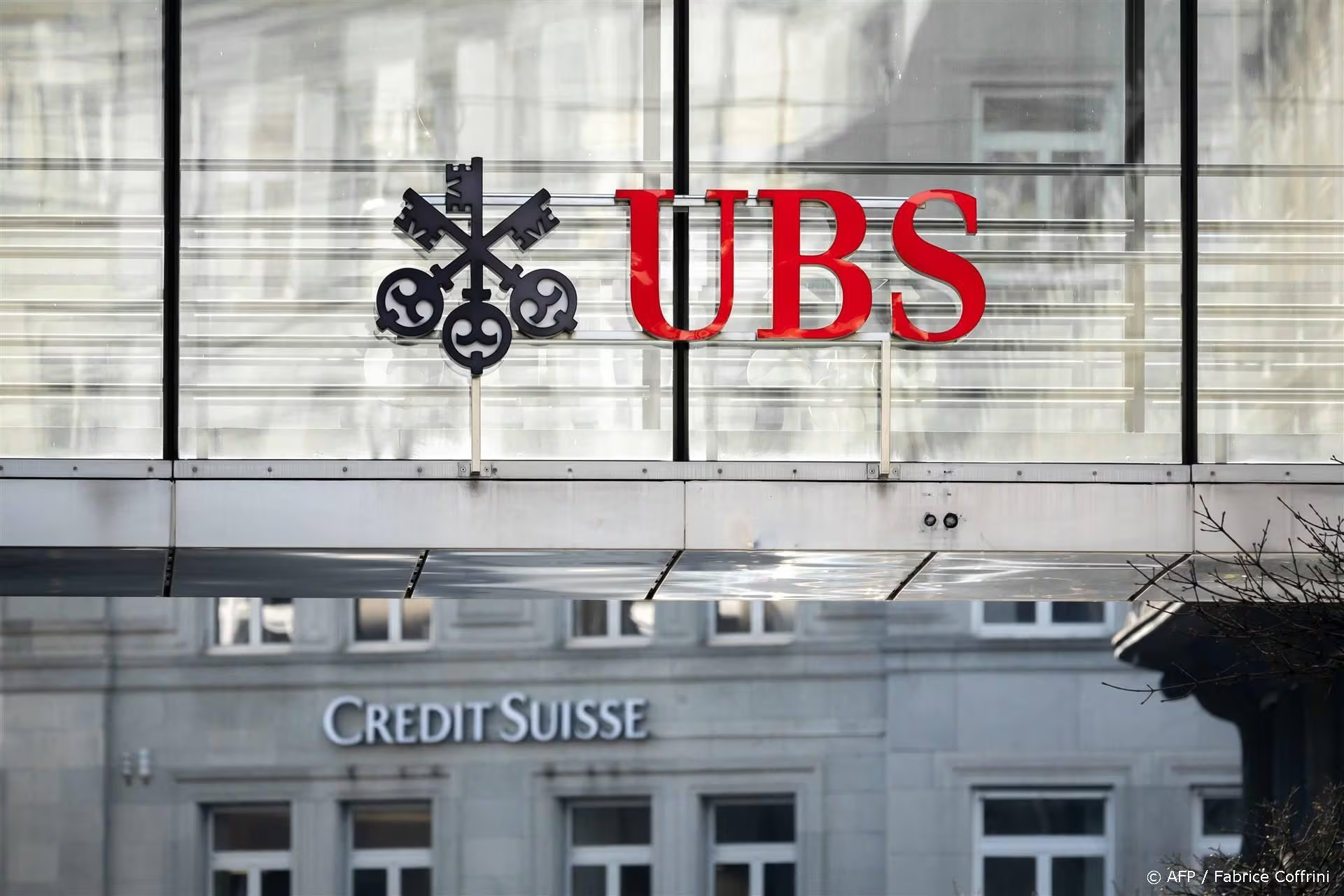
    The Swiss Federal Administrative Court’s partial ruling on October 13, 2025, sparked controversy over the legal legitimacy of deeming Credit Suisse’s AT1 bonds valueless. This occurred subsequent to an appeal lodged by Swiss financial regulator, Finma. Now, UBS has publicly announced its intention to file a similar appeal.

    UBS Announces Appeal

    UBS made a public announcement in tandem with the release of its third-quarter results for the year 2025. The bank expressed its decision to challenge the Federal Administrative Court’s partial ruling in the AT1 litigation. The bank stated that the appeal aims to ensure the court considers their perspective on the significant facts relating to the acquisition. Further, UBS conveyed that filing an appeal is necessary to maintain the credibility of AT1 instruments, given their crucial role in the resolution and recovery of banks.

    Crucial Component of the Rescue Package

    UBS underscored that writing off Credit Suisse’s AT1 instruments was a pivotal part of the rescue package. The bank expressed its belief that the write-off complied with the contractual terms of the AT1 instruments and the applicable law. UBS also maintained that Finma’s decision was within legal bounds.

    UBS further made reference to the conclusions drawn by the Parliamentary Inquiry Commission (PUK). PUK had declared that Credit Suisse would have been insolvent without the aid from the rescue package. They would have been incapable of continuing operations after Monday, March 20, 2023.

    Inadequate Ruling

    The Federal Administrative Court had concluded in October that the legal grounds for Finma’s decision to declare Credit Suisse’s AT1 bonds valueless were insufficient. Finma had already challenged the decision at the Federal Supreme Court, and UBS has now decided to do the same.

    Questions & Answers

    Why has UBS decided to appeal the partial ruling of the Federal Administrative Court?
    UBS intends to appeal the ruling to ensure that their viewpoint on the key facts concerning the acquisition is considered by the court. Additionally, they believe that an appeal is necessary to uphold the credibility of AT1 instruments, given the significant role they play in the recovery and resolution of banks.

    What was UBS’s stance on the write-down of Credit Suisse’s AT1 instruments?
    UBS has emphasized that the write-down of Credit Suisse’s AT1 instruments was a fundamental part of the rescue package. The bank believes that the write-down was in line with the contractual terms of the AT1 instruments and the law, asserting that Finma’s decision was lawful.

    What did the Parliamentary Inquiry Commission conclude about Credit Suisse’s situation?
    The Parliamentary Inquiry Commission concluded that without the rescue package, Credit Suisse would have become insolvent and would not have been able to continue operations beyond March 20, 2023.

  • UBS Challenges Swiss Court Verdict on Credit Suisse’s AT1 Bond Valuation: A Game Changer in Bank Recovery?

    UBS Challenges Swiss Court Verdict on Credit Suisse’s AT1 Bond Valuation: A Game Changer in Bank Recovery?

    The Swiss Federal Administrative Court issued a partial ruling on October 13, 2025, which put up for debate the legality associated with deeming Credit Suisse’s Additional Tier 1 (AT1) bonds as worthless. The ruling came in response to an appeal lodged by Switzerland’s financial regulator, Finma. Now, UBS has declared its intention to lodge their appeal as well.

    UBS to Appeal Ruling

    In line with the release of its results for the third quarter of 2025, UBS announced its plan to challenge the partial ruling of the Federal Administrative Court relating to the AT1 litigation. The bank clarified that this step is being undertaken with the aim of ensuring that the court considers its perspective regarding the relevant facts associated with the acquisition of the AT1 bonds.

    UBS also emphasized that the appeal is essential in order to preserve the credibility of AT1 instruments, considering the integral role these play in the resolution and recovery process of banks.

    Key Component of the Bailout Package

    UBS highlighted that the devaluation of Credit Suisse’s AT1 instruments was an important part of the bailout package. The bank maintained that the devaluation was in line with the contractual terms of the AT1 instruments and the applicable legislation. It also asserted that the decision taken by Finma was lawful.

    UBS pointed to the conclusions reached by the Parliamentary Inquiry Commission, which determined that Credit Suisse would have faced insolvency without the bailout package and would not have been able to continue its operations after Monday, March 20, 2023.

    Challenging A Questionable Verdict

    In October, the Federal Administrative Court ruled that the legal foundation for Finma’s decision to deem Credit Suisse’s AT1 bonds as worthless was inadequate. Finma has already taken a step to challenge this decision at the Federal Supreme Court, and UBS has now announced its decision to do the same.

    UBS has also addressed several questions related to the AT1 issue on its FAQ page.

    Questions & Answers

    Why is UBS appealing the ruling?
    UBS is appealing the ruling to ensure the court considers their view regarding the acquisition of the AT1 bonds and to safeguard the credibility of AT1 instruments due to their key role in the resolution and recovery of banks.

    Why was the devaluation of Credit Suisse’s AT1 instruments a critical part of the bailout package?
    The devaluation was crucial as it was in line with the contractual terms of the AT1 instruments and the applicable law. Without the bailout package, Credit Suisse would have faced insolvency.

    What was Finma’s decision regarding Credit Suisse’s AT1 bonds?
    Finma decided to render Credit Suisse’s AT1 bonds worthless. However, the Federal Administrative Court ruled that the legal basis for this decision was insufficient. Finma and UBS have both decided to appeal this decision.

  • Supreme Court Allows Reassessment of Vodafone Idea’s AGR Dues: A Win for 200 Million Consumers

    Supreme Court Allows Reassessment of Vodafone Idea’s AGR Dues: A Win for 200 Million Consumers

    Vodafone Idea (Vi) recently experienced a substantial win in the Supreme Court after the government agreed to revisit its request for additional adjusted gross revenue (AGR) dues from the corporation. The government’s decision is expected to be in accordance with the law.

    Government’s Interest in Vi

    Tushar Mehta, the Solicitor General representing the Union government, presented the case before a bench chaired by Chief Justice of India B.R. Gavai. Mehta noted an extensive shift in circumstances since the most recent AGR litigation involving Vi in the Supreme Court.

    He informed the Court of the government’s significant 49% equity investment in the company, suggesting that the government’s interests were now tightly intertwined with those of the company and, in turn, the public. He added that the company’s decisions directly affect its 200 million consumers, and the government intended to thoroughly examine any issues, such as over-invoicing, to ensure they are adequately addressed.

    Entering the “Policy Domain”

    According to the Court, the matter has transitioned into the “policy domain” due to the government’s substantial equity investment and the involvement of 200 million customers. The Court had no objections to the government’s decision to revisit its demand for additional AGR dues for the fiscal year 2016-2017 and to make an appropriate decision that would serve the larger public interest.

    Vi’s Appeal to the Supreme Court

    Vi had approached the Supreme Court to contest the additional AGR demand issued by the Department of Telecommunications (DoT) for the 2016-2017 period. The corporation argued that the liabilities had already been calculated and shouldn’t be altered or increased. It sought the Court’s dismissal of the additional DoT demand and requested a comprehensive reassessment and reconciliation of AGR dues up until FY 2016-17.

    Previous Rejections

    This most recent litigation follows only months after the Supreme Court denied earlier appeals by Bharti Airtel, Vi, and Tata Teleservices. These companies were seeking relief from paying interest on dues, penalties, and interest on penalties related to their AGR liabilities, citing significant financial constraints.

    In its May verdict, the Supreme Court labelled their pleas as “misconceived.” The Chief Justice had previously stressed the necessity for a conclusion in the AGR litigation. About a year ago, the Supreme Court rejected a curative petition filed by telecom companies, including Bharti Airtel and Vi, against the court’s October 2019 ruling that upheld the DoT’s move to recover approximately INR 92,000 crore in AGR from them.

    Questions & Answers

    What is the government’s stake in Vi?
    The government holds a significant 49% equity investment in Vi.

    What significant shift in circumstances was noted by the Solicitor General Tushar Mehta?
    Tushar Mehta observed a major change in circumstances since the last AGR litigation involving Vi in the Supreme Court, particularly the government’s large equity investment in the company.

    What was Vi’s argument to the Supreme Court against the additional AGR demand?
    Vi argued that the liabilities had already been calculated and should not be altered or increased. The company sought a comprehensive reassessment and reconciliation of AGR dues up until FY 2016-17.

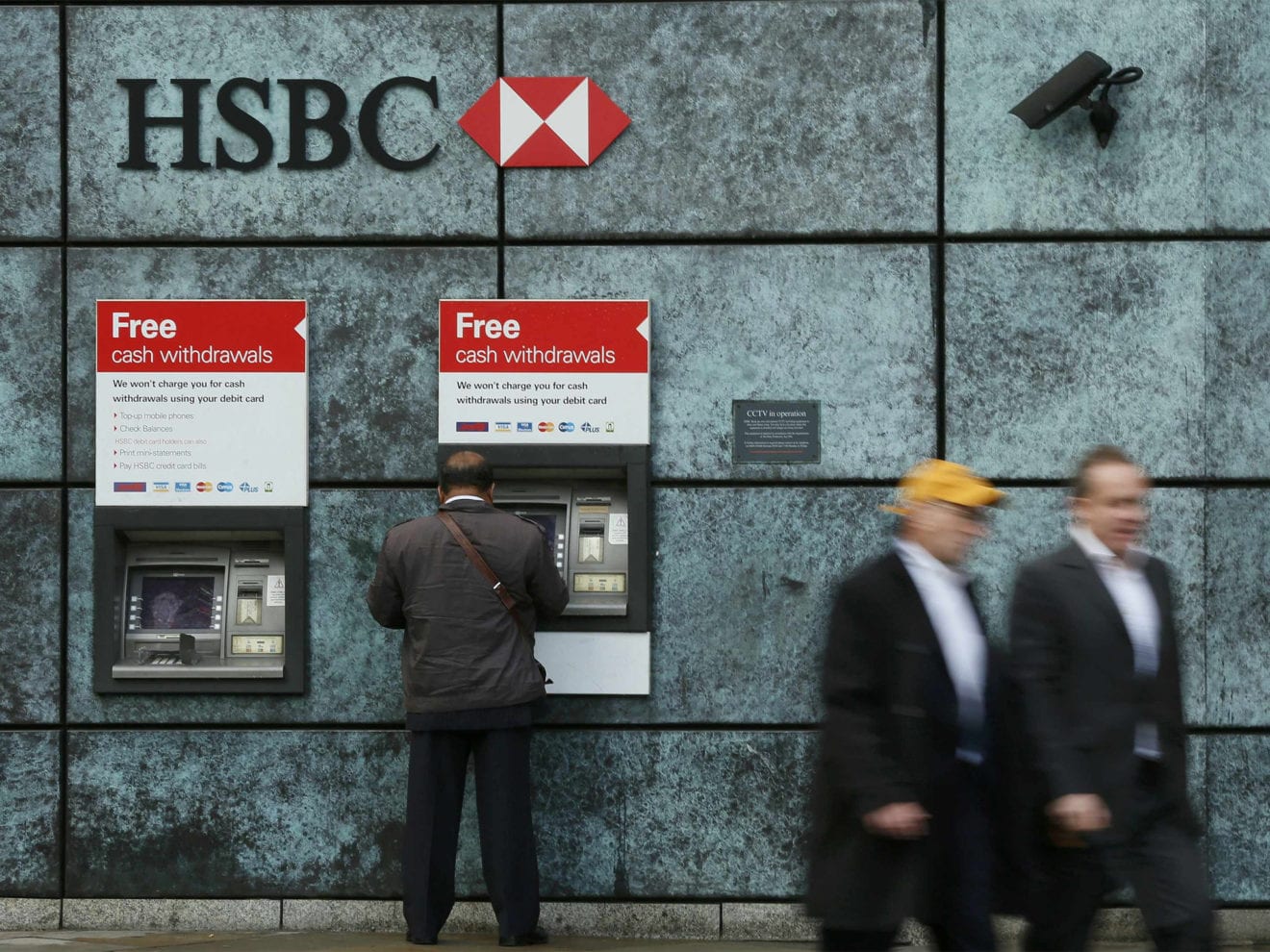
  • HSBC To Acknowledge $1.1b Provision Following Luxembourg Court Ruling Tied To Madoff Scandal

    HSBC To Acknowledge $1.1b Provision Following Luxembourg Court Ruling Tied To Madoff Scandal

    HSBC, a London-based financial institution, is set to acknowledge a significant provision following a court ruling in Luxembourg, in relation to an ongoing lawsuit tied to the infamous Bernard Madoff scandal.

    The Madoff Scandal Impact

    HSBC is expected to make an accounting provision amounting to $1.1 billion in its third quarter financial results. This move comes as a consequence of the Luxembourg court’s ruling on Bernard Madoff’s fraudulent investment scheme, as stated in an official report.

    The lawsuit dates back to 2009, when Herald Fund SPC sought legal action against HSBC’s Luxembourg division. The fund sought the recovery of assets it asserted were lost in the Madoff fraud scandal. It is important to note that the British bank served as a service provider to several investment funds involved with Bernard L. Madoff Investment Securities LLC.

    HSBC’s Legal Battle

    The Luxembourg court, on October 24, 2025, rejected an appeal by HSBC Securities Services Luxembourg (HSSL) regarding the recovery of securities. Nevertheless, the court accepted HSSL’s appeal related to a separate cash recovery claim. In response, HSSL plans to file another appeal. If this appeal is unsuccessful, the firm will challenge the sum to be paid in subsequent legal proceedings.

    Implications for HSBC

    The sizable provision is estimated to affect HSBC’s common equity tier 1 (CET1) capital ratio by approximately 15 basis points. However, it is expected to have no impact on the yearly return on tangible equity, excluding notable items, nor on the distribution of dividends.

    Questions & Answers

    What is the value of the provision HSBC is expected to recognize?
    HSBC is expected to recognize a provision of $1.1 billion in its third quarter results.

    Why is HSBC recognizing this provision?
    This provision is a result of a Luxembourg court ruling tied to the Bernard Madoff investment fraud scandal.

    What will be the impact of this provision on HSBC’s financials?
    The provision is estimated to affect HSBC’s CET1 capital ratio by about 15 basis points, but it will not impact the yearly return on tangible equity, excluding key items, or the distribution of dividends.

  • Court Sides With Nelly In Copyright Dispute Against Shein’s Subsidiary

    Court Sides With Nelly In Copyright Dispute Against Shein’s Subsidiary

    A recent legal dispute between two large fashion retailers, Shein and Nelly, has resulted in the court favoring Nelly on the grounds of copyright infringement. The court’s ruling states that Shein, through its Irish subsidiary Infinite Styles Ecommerce, utilized Nelly’s copyrighted photographs without obtaining permission.

    Copyright Infringement Verdict

    The Patent and Market Court announced the verdict last Friday, stating clearly that Shein’s subsidiary, Infinite Styles Ecommerce, had unlawfully duplicated and displayed Nelly’s copyrighted photographs on Shein’s Swedish website. The court stated in its ruling, “Infinite Styles Ecommerce is guilty of infringing Nelly’s exclusive rights to the photographs.”

    Nelly, the owner of the e-commerce platform Nelly.com and its own branded clothing line, initially filed a lawsuit against Shein for copyright infringement in September 2024. The court noted that Nelly demanded a penalty of 500,000 Swedish crowns (equivalent to $53,400), to which Infinite Styles Ecommerce did not object.

    A spokesperson for Shein stated, “We are dedicated to defending IP rights holders and treat all accusations of infringement seriously,” adding that the disputed images were promptly removed from their platform.

    Legal Costs and Future Actions

    In addition to the penalty, the court also ruled that Infinite Styles Ecommerce is obligated to cover all of Nelly’s legal expenses, along with the applicable interest. However, the court rejected Nelly’s claim against two other Shein establishments – the parent company Roadget Business and the Dublin-based entity Infinite Styles Services. Instead, Nelly was directed to pay the legal fees of these two firms.

    Reacting to the verdict, Nelly CEO Helena Karlinder-Ostlundh expressed mixed feelings. She welcomed the aspects of the ruling that favored Nelly, but displayed disappointment and surprise at the overall outcome. The CEO hinted that Nelly might consider appealing the court’s decision.

    Questions & Answers

    What was the basis of the lawsuit between Shein and Nelly?
    The lawsuit was based on copyright infringement. Nelly claimed that Shein’s subsidiary, Infinite Styles Ecommerce, had used copyrighted photographs belonging to Nelly without obtaining permission.

    What was the penalty imposed on Shein by the court?
    Shein, through its subsidiary Infinite Styles Ecommerce, was ordered to pay a fine of 500,000 Swedish crowns, equivalent to $53,400.

    What are the possible next steps for Nelly following the court ruling?
    Nelly’s CEO, Helena Karlinder-Ostlundh, indicated that the company might consider appealing the decision due to their dissatisfaction with some parts of the verdict.

  • Coupang Triumphs In Court: Dismissal Of Shareholder Fraud Lawsuit Bolsters South Korean Giant

    Coupang Triumphs In Court: Dismissal Of Shareholder Fraud Lawsuit Bolsters South Korean Giant

    Coupang, often referred to as South Korea’s Amazon equivalent, successfully dismissed a lawsuit on Wednesday that alleged the company had defrauded shareholders during and following its 2021 initial public offering (IPO), the most significant IPO by a foreign entity on Wall Street in over six years.

    Details of the Lawsuit

    The lawsuit was filed by US District Judge Vernon Broderick in Manhattan on behalf of shareholders spearheaded by a group of New York City public pension funds. The shareholders claimed that Coupang and its executives intended to deceive them, made materially misleading comments, and neglected to address evident discrepancies that rendered their public declarations false.

    Allegations against Coupang included concealing hazardous working conditions in its warehouses, manipulating search results, directing employees to write product reviews favoring its private-label brands, and pressuring suppliers to inflate prices on competitor platforms for products it would then automatically price-match.

    The shareholders pointed out that the share price of Coupang plummeted by over half within a year of its March 2021 IPO, following revelations that included multiple investigations by South Korea’s Fair Trade Commission and a large warehouse fire.

    Judge’s Decision

    In a comprehensive 83-page decision, Judge Broderick stated that many of Coupang’s assertions about working conditions were either too vague or “aspirational” to be misleading. Similarly, comments about its supplier relationships were deemed overly unspecific, initially truthful, or amounted to “puffery.”

    Broderick further noted that the shareholders failed to establish “with particularity” the circumstances surrounding Coupang’s alleged price manipulation. He also recognized that the company had acknowledged its employees were writing the reviews.

    Additionally, the judge dismissed all allegations against the IPO’s underwriters, including Goldman Sachs, JPMorgan Chase, and Allen & Co. The lawsuit was dismissed with prejudice, therefore prohibiting it from being refiled.

    Reaction to the Decision

    The legal representation for the shareholders and New York City Comptroller Brad Lander—who oversees the pension funds—did not provide an immediate response to requests for comment.

    “We believed from the start that the claims were baseless, and today’s decision confirms that belief,” a Coupang spokesperson said in a statement.

    Coupang, founded in 2010 by billionaire Bom Kim and originally based in Seoul, relocated to Seattle after going public but continues to operate in several countries, including South Korea.

    With the financial support of Softbank Group, Coupang secured US$4.6 billion through its IPO, marking the largest IPO by a foreign company on Wall Street since the Chinese e-commerce company Alibaba went public in September 2014.

    Questions & Answers

    What were the allegations against Coupang?
    Shareholders accused Coupang of concealing hazardous working conditions, manipulating search results, directing employees to write favoring product reviews, and pressuring suppliers to inflate prices on competitor platforms.

    What was the outcome of the lawsuit filed against Coupang?
    The lawsuit was dismissed with prejudice, indicating that it cannot be brought again. This followed Judge Broderick’s decision that several of Coupang’s statements were too broad, aspirational, or amounted to “puffery” to be considered misleading.

    What was the financial impact of Coupang’s IPO?
    Backed by Softbank Group, Coupang raised US$4.6 billion in its IPO, making it the largest IPO by a foreign company on Wall Street since Alibaba in 2014.

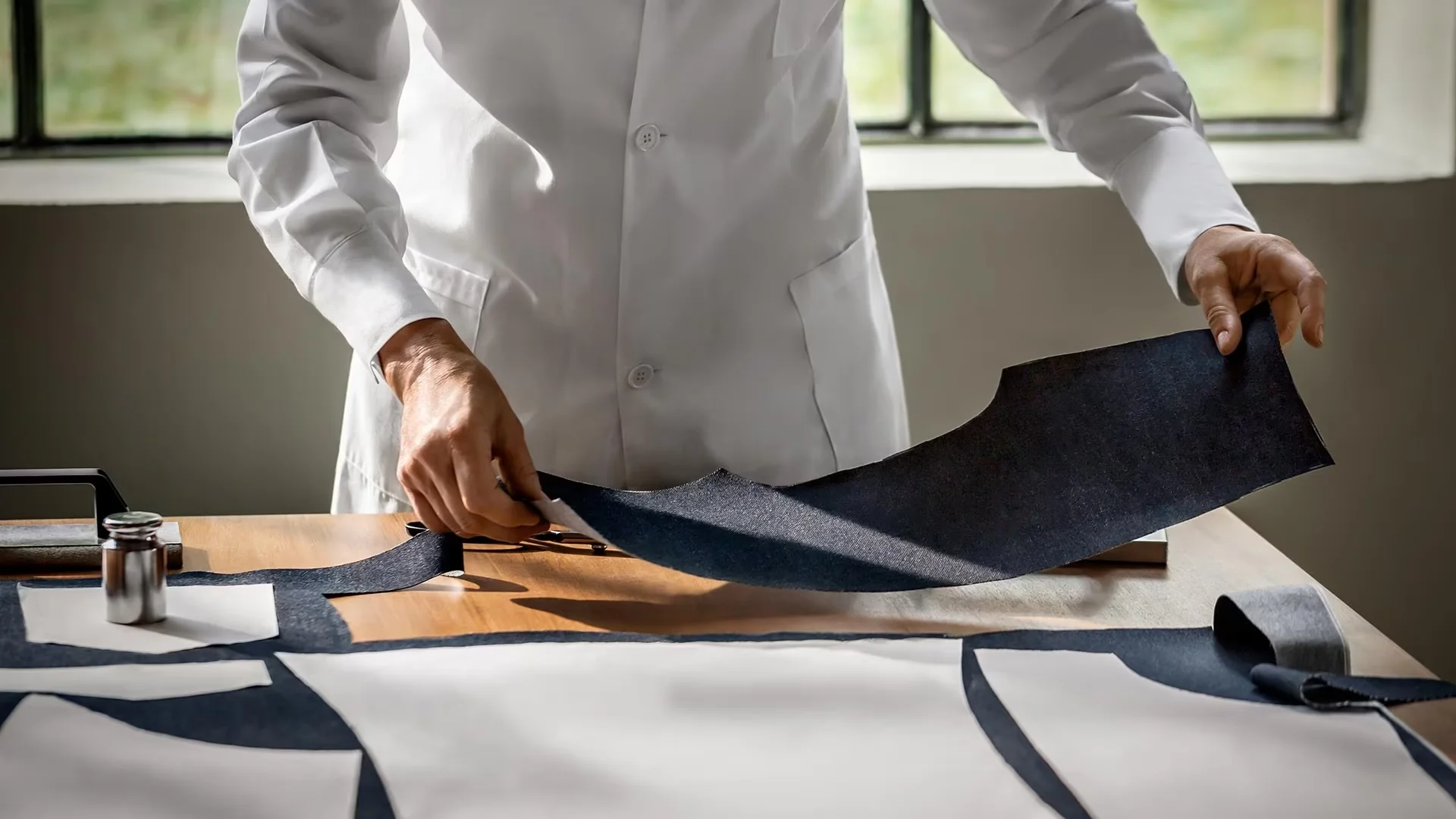
  • Luxury Brand Loro Piana Under Judicial Administration Amidst Labour Exploitation Allegations

    Luxury Brand Loro Piana Under Judicial Administration Amidst Labour Exploitation Allegations

    Luxury fashion brand Loro Piana, a subsidiary of LVMH, has been placed under judicial administration for one year by a Milan court following allegations of labour exploitation within its Italian supply chain.

    Labour Exploitation Allegations

    The court ruled that Loro Piana had failed to properly supervise its subcontractors, leading to labour violations through indirect suppliers. This makes Loro Piana the fifth luxury label to face such allegations since last year, joining the ranks of Dior, Valentino, Armani, and Alviero Martini.

    Investigations conducted by Italy’s Carabinieri labour protection unit unveiled that one of the workshops had employed 10 Chinese workers, five of whom were undocumented. These workers were allegedly forced to work up to 90 hours per week and were paid only EUR4 per hour (US$4.6). They were also illegally housed at the site.

    These allegations surfaced when a worker reported being assaulted over unpaid wages, leading to the arrest of the workshop owner and the closure of the facility.

    Judicial Administration

    Although Loro Piana is not subject to a criminal investigation, the court has appointed an external administrator to oversee improvements to the brand’s supply chain oversight. If the company demonstrates substantial progress, the judicial administration could be lifted early, as has happened in similar cases involving Dior and Armani.

    Loro Piana has attributed these violations to unauthorised subcontracting. It was discovered that the company had outsourced work via two front companies to Chinese-owned workshops in Milan. These workshops lacked the necessary capacity for manufacturing.

    The company has since severed ties with the supplier and pledged to reinforce its control and audit activities as a means of ensuring compliance with its ethical and quality standards.

    Company Background

    Loro Piana, acclaimed worldwide for its luxury cashmere and wool products, was acquired by LVMH in 2013. The founding family still retains a 20% stake in the company. This past June, Frederic Arnault, son of LVMH’s chairman and CEO Bernard Arnault, was appointed as the company’s CEO.

    Questions & Answers

    What led to the legal action against Loro Piana?
    A worker reported being physically assaulted over unpaid wages, sparking an investigation that revealed labour violations within the company’s supply chain.

    What measures has the court imposed on Loro Piana?
    The court has appointed an external administrator to supervise reforms to the brand’s supply chain oversight. The company has also been placed under judicial administration for a year.

    What steps has Loro Piana taken since the allegations surfaced?
    Loro Piana has ended its relationship with the implicated supplier and committed to enhancing its control and audit activities to ensure compliance with its ethical and quality standards.

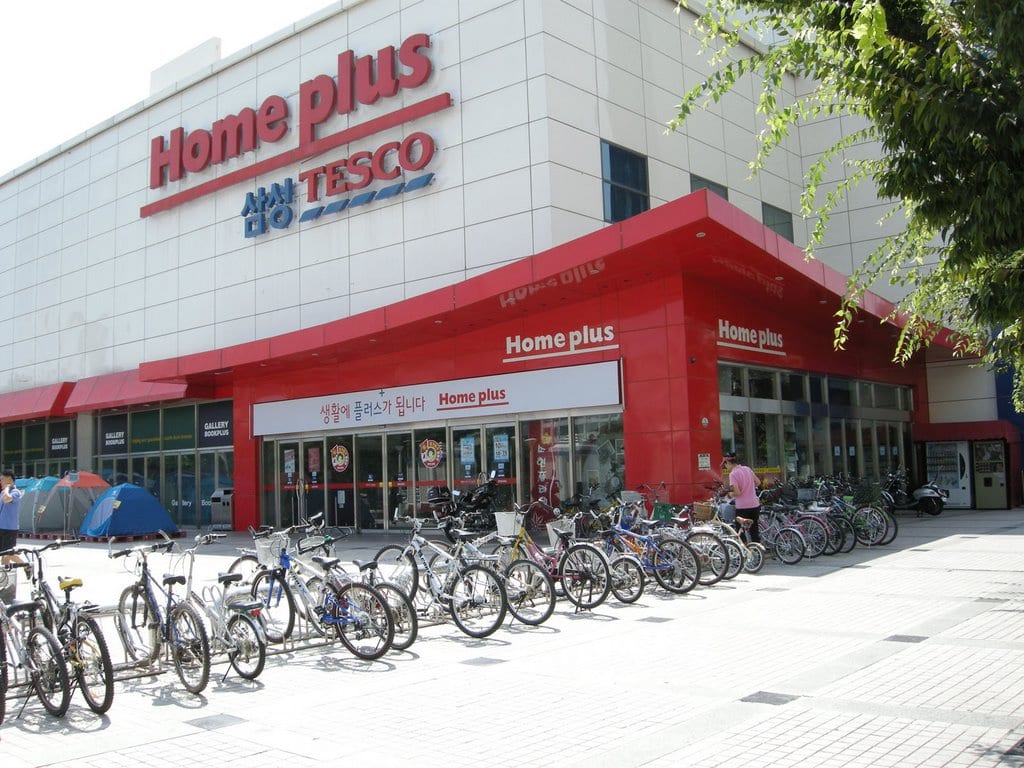
  • Seoul Bankruptcy Court Approves Homeplus Sale To Repay Debt, Protect Jobs

    Seoul Bankruptcy Court Approves Homeplus Sale To Repay Debt, Protect Jobs

    The Seoul Bankruptcy Court has given the green light to the sale of South Korean grocery retailer, Homeplus. The decision was driven by a need to generate capital for debt repayment and to safeguard jobs within the company.

    Earlier this year, MBK Partners, the private equity firm that owns Homeplus, sought court intervention for the restructuring of the company. This marked a significant reversal in fortunes for a deal that originally cost US$6.1 billion over ten years ago.

    A representative from MBK announced on Friday that the firm is fully supportive of the successful sale of Homeplus. They also revealed plans to negate 2.5 trillion won (US$1.83 billion) worth of common shares they hold in the company as part of the sale.

    The court has mandated the appointment of accounting firm Samil PricewaterhouseCoopers to oversee the sale. This process is expected to take two to three months, according to a court statement.

    The sale is seen as a pivotal move to raise funds for the company, repay debts to creditors, and secure the employment of Homeplus workers. Simultaneously, the court believes this strategy will safeguard partner firms by averting bankruptcy.

    Questions & Answers

    Why is Homeplus being sold?
    The sale of Homeplus was approved by the Seoul Bankruptcy Court to generate funds to repay debts and to ensure job security for the company’s employees.

    Who is managing the sale of Homeplus?
    The court has appointed the accounting firm Samil PricewaterhouseCoopers to manage the sale of Homeplus.

    What role does MBK Partners play in the sale of Homeplus?
    MBK Partners, the private equity firm that currently owns Homeplus, has expressed full support for the sale. They plan to write off 2.5 trillion won ($1.83 billion) of common shares they hold in the company as part of the sale.

  • Russian court imposes a record fine on Google that equals more money than there is on earth

    Russian court imposes a record fine on Google that equals more money than there is on earth

    Google has been fined a record $2.5 decillion by a Russian court. This works out to $2.5 trillion trillion trillion which equals 23,809,523 times all of the money on Earth. The court had hit the Search giant with a 100,000 ruble ($1,032.20) fine back in 2020 after a pair of Russian media outlets with links to the Kremlin, Tsargrad, and RIA FAN, were the recipient of restrictions placed on them by YouTube. Google called out the media outlets for trying to spread pro-Kremlin propaganda.

    The court tacked on additional fines after Google also banned on YouTube other Russian outlets (Channel One, Moscow Media, and Public Television of Russia) that supported the country’s actions during the war in Ukraine. But what really pumped up the fine was Google’s refusal to pay it. This led the court to double the fine each week which has been the case for the last four years. Last month, Google restricted the creation of new accounts for Russian users and in August it deactivated AdSense accounts in the country. This prevents Russian website publishers from generating revenue from ads supplied by Google.

    Google has commented on the fine saying, “We have ongoing legal matters relating to Russia. For example, civil judgments that include compounding penalties have been imposed upon us in connection with disputes regarding the termination of accounts, including those of sanctioned parties. We do not believe these ongoing legal matters will have a material adverse effect.” In other words, Google is taking the fine as seriously as it would if it had been fined in Monopoly dollars.

    Google and Russia have had some other legal battles. Back in 2022, Google’s Russian subsidiary was forced to file for bankruptcy after the firm’s bank account was seized by Russia. At the time, a Google spokesperson said, “The Russian authorities’ seizure of Google Russia’s bank account has made it untenable for our Russia office to function, including employing and paying Russia-based employees, paying suppliers and vendors, and meeting other financial obligations.”

    As part of other sanctions placed against Russia, online ads have not been served to Russian Google users since 2022. Yes, some of you might be wondering why Russians get to miss out on seeing ads on Google sites if they’re the country being sanctioned.

  • The Australian Federal Court rejects Facebook’s argument that it couldn’t be sued

    The Australian Federal Court rejects Facebook’s argument that it couldn’t be sued

    There has been a new development regarding an Australian case against Facebook and the Cambridge Analytica scandal, in which the personal data of millions of people was collected without their consent. The Australian Federal Court rejected Facebook’s argument that it can’t be sued under Australian privacy laws since it doesn’t do business or collect personal information in Australia.

    The court’s opinion is that Facebook does business in Australia because it installs cookies on the devices of Australian users. This, according to the court, is ‘an important part of the operation of the Facebook platform.’ Also, according to the court, any website accessible in Australia is doing business in the country.

    But, according to Facebook, a cookie isn’t installed where it was placed but where it was sent from. Given that Facebook’s servers aren’t located in Australia, it means that Facebook doesn’t do business there. Facebook also explained that its data centers had delivered digital signals to user devices, which had resulted in a change in the digital status of those devices.

    The company also gave an example in which a person from overseas sends a letter to Australia. Upon receiving the letter, the reader decides to take action that has an economic impact. This could never be interpreted as the sender doing business in Australia.

    According to the court, Facebook’s explanation ‘proves far too much,’ and is ‘divorced from reality.’ The court also stated: “It proves too much because it has the consequence that no computer-based activity in one jurisdiction can ever amount to more than an effect in computers located in another.”

    The lawsuit against Facebook originated from the violation of the privacy of many Australian Facebook users in the Cambridge Analytica scandal, which happened more than four years ago.

    By using a personality test app called “This is Your Digital Life,” a consulting firm called Cambridge Analytica gained access to the personal data of millions of Facebook users without their permission. Although only 53 people in Australia had the app installed, the app managed to collect the data of approximately 311,074 other people in the country via these 53. The gathered information from the app was then used mainly for political advertising, like the Brexit and Donald Trump campaigns.

  • McDonald’s faces massive court claim over ‘shameful’ worker treatment

    McDonald’s faces massive court claim over ‘shameful’ worker treatment

    Trade union SDA has lodged a multimillion claim in the Federal Court against McDonald’s Australia seeking compensation for about 900 current and former employees the union alleges have been denied paid rest breaks and misled about their rights.

    The action covers more than 110 restaurants across Australia directly owned and operated by the fast-food company and follows eight previous Federal Court claims lodged by the SDA against McDonald’s franchise operators.

    The claim, lodged in South Australia, is currently on behalf of 338 current and former McDonald’s staff employed across 92 restaurants, but the union is actively talking to others and has opened a website to recruit people who have worked for the company during the past six years, to join the action.

    SDA national secretary, Gerard Dwyer describes the case as the biggest of its kind in Australian history, and “a groundbreaking moment for some of the most vulnerable workers across the country”.

    “The fact that one of the largest employers of young Australians (on junior rates of pay) has been deliberately and systematically denying teenagers their breaks is astonishing. It takes a lot of courage to openly stand up and speak out against their employer and the SDA is proud to stand with them in ensuring these workers get what they’re owed.”

    He said the action has the potential to impact thousands of workers Australia-wide and lead to millions of dollars of compensation payments if successful.

    The union wants affected workers to be paid compensation for working through their breaks and for the company to be penalised by the court for breaching the Fair Work Act.

    It alleges that along with concealing employees’ meal break entitlements, many store managers told workers they could have a free soft drink in lieu of a paid rest break and that they didn’t receive the breaks as they could go to the toilet or have a drink whenever they needed to. The SDA says the law provides for a 10-minute break for any staff member who works a shift of four hours or more.

    “McDonald’s have been feeding crew members a cock and bull story about their break entitlements for too long,” said SDA South Australian branch secretary, Josh Peak.

    “Fast food restaurants are busy, hot and the work is exhausting – it’s shameful to think young workers have been denied their rightful breaks and told they don’t exist. Paid rest and drink breaks aren’t optional, they’re a right for all fast-food workers,” he said.

    “It shouldn’t have to take nine Federal Court claims for McDonald’s to clean up their act.”

  • Uber To Halt App In Brussels, Belgium From Friday After Court Ruling

    Uber To Halt App In Brussels, Belgium From Friday After Court Ruling

    Uber Technologies Inc. said it would halt operations in Brussels from Nov. 26 after a court ruled that a 2015 ban on private individuals offering taxi services also applies to professional drivers.

    Uber said the decision by the Brussels Appeals Court on Wednesday will affect around 2,000 drivers, and it urged the Belgian government to quickly change taxi service laws.