Retail News CRM

Tag: covid 19

  • AirAsia readies for Sandbox opening

    AirAsia readies for Sandbox opening

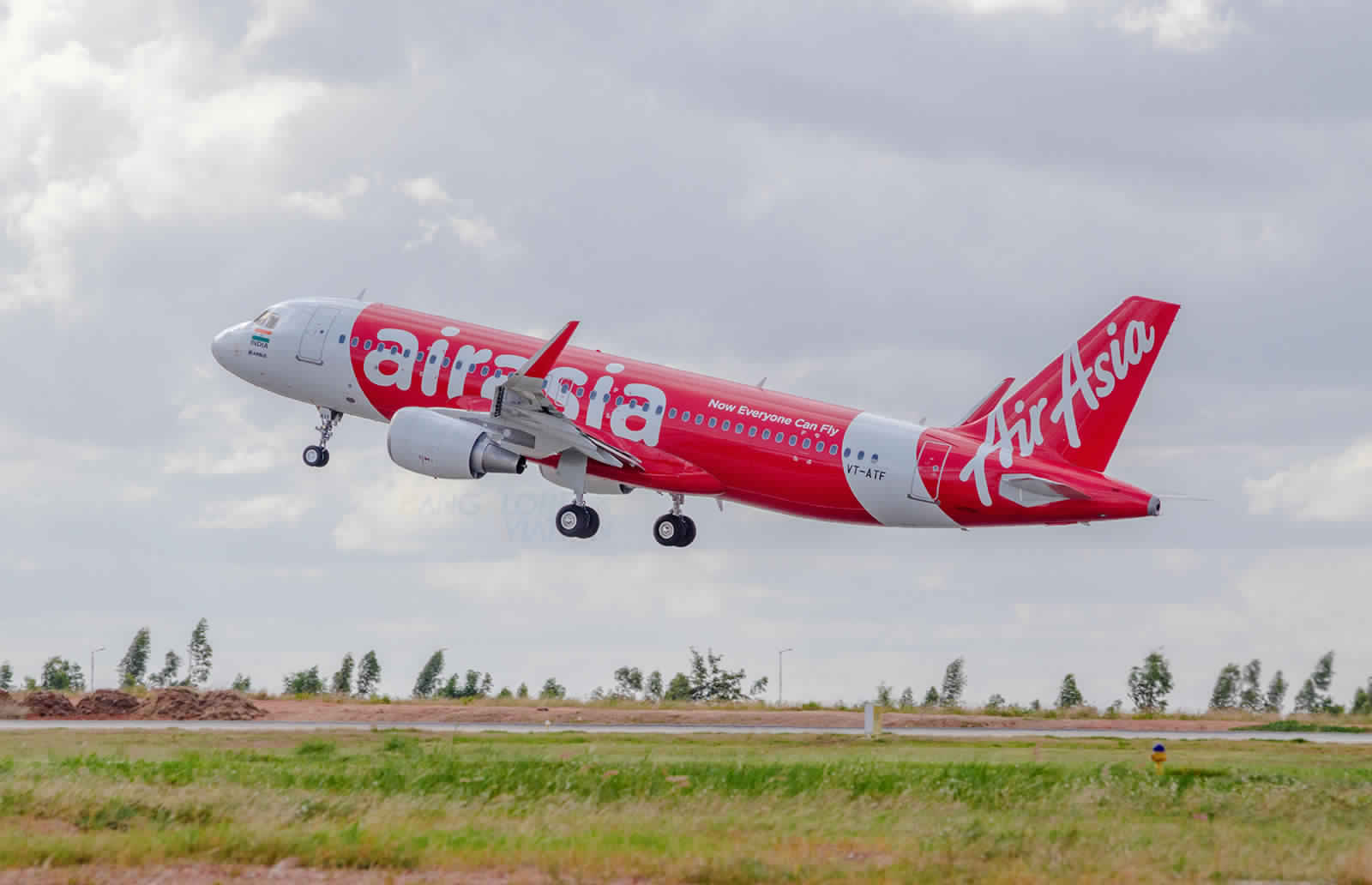
    As the Thai government confirms the country will embark on a reopening phase beginning with a pilot “Sandbox project” in Phuket 1 July, airlines are planning to increase domestic flights.

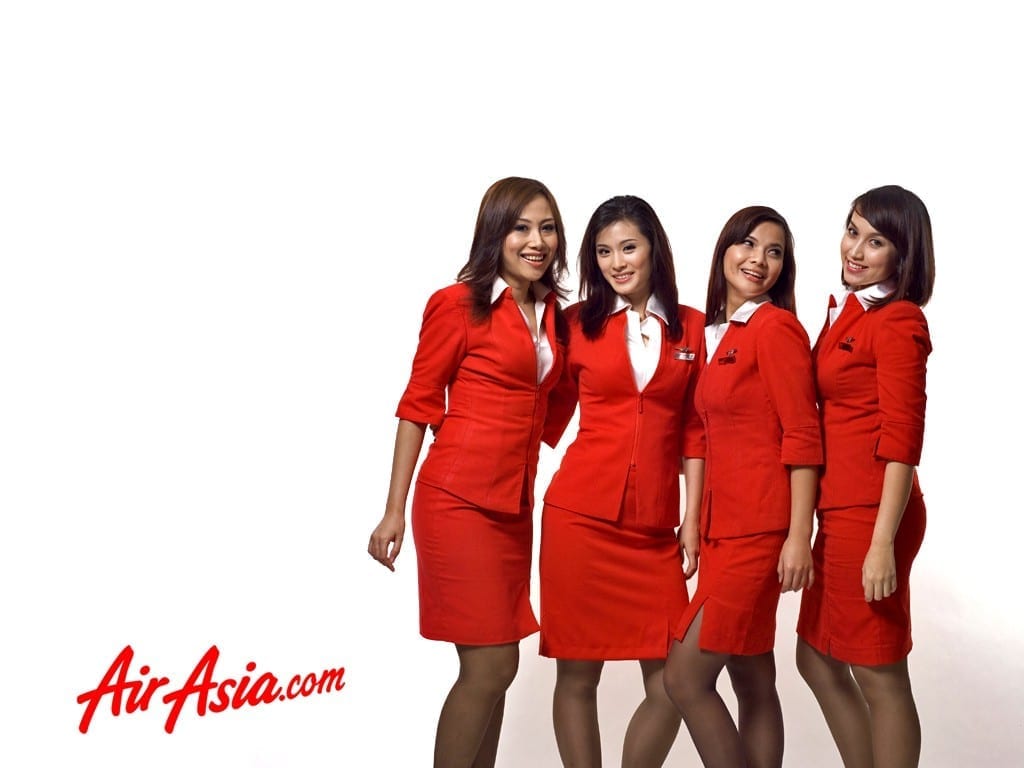
    In a press statement released Tuesday, AirAsia says it is “set to paint the skies red again in support of the Phuket Tourism Sandbox programme that is also seen as the first step in welcoming international visitors to Thailand.

    Caption 1  Krid Pattanasan

    AirAsia Thailand head of government relations and secretary-general of the Airlines Association of Thailand Krid Pattanasan said: “Domestic travel will be the first to restart with the reopening of Phuket from 1 July 2021. Thai and foreign travellers who have been fully vaccinated against Covid-19 will be able to enter Phuket under strict government guidelines.

    “This initiative will soon be extended to other destinations including Chiang Mai, Krabi, Phang Nga, Pattaya and Hua Hin. AirAsia has been rigorously preparing for this much-awaited programme, and its staff are ready to welcome and facilitate guests, including by getting themselves vaccinated to ensure the safety, wellbeing and peace of mind for all guests.”

    By the end of June, over 80% of AirAsia’s staff will be fully vaccinated against Covid-19. The programme started with those who have direct contact with guests such as ground staff, cabin crew and pilots, but it is extending to those working as baggage handlers, technical crew and engineering staff are also ensured to receive the vaccine.

    In preparation to take to the skies again, AirAsia has lined up various attractive promotions to further stimulate travel. These promos will commence as soon as the government provides the green light for mass air travel to kick off.

    Caption 2 Lunchakorn Saengsiri

    Senior Cabin Crew Lunchakorn Saengsiri, as frontline staff in direct contact with guests, said receiving a full vaccination has provided great confidence when interacting with his co-workers, his family and AirAsia guests.

    He noted that despite the low frequency of flights currently, he and his colleagues have been maintaining safety and hygiene standards for every flight.  Close contact with passengers has been reduced to the minimum in accordance with state regulations, while the consumption of food and sale of goods in-flight has been completely restricted.

    Caption 3 Tapachcha Khanpimool

    For Senior Cabin Crew Tapachcha Khanpimool, most people have been adapting to the situation, and she expressed the belief that once vaccinations become widespread, air travel will quickly return especially the much anticipated domestic travel.

    “We are very excited to return to flying and have ensured that we are fully ready by protecting ourselves and staying up to date on the latest information  so that we can provide the best possible service to our guests.”

    Meanwhile, Ramp Agent Noppalit Budrath shared that despite everyone in his department having been fully vaccinated, it is crucial that the highest safety and hygiene measures continue to be observed. He said this is especially true as in the course of his duties delivering aircraft for service and to be present during landing and take-off, he would frequently come into contact with passengers.

    Caption 4 Noppalit Budrath

    AirAsia intends to increase its domestic service by 20 to 30% compared to the same period in 2020 and before the latest COVID-19 wave.

    It will fly Don Mueang-Phuket three times daily and Suvarnabhumi-Phuket once daily every Monday, Wednesday, Friday and Sunday.

  • Ferragamo flags China-driven sales rise after massive loss last year

    Ferragamo flags China-driven sales rise after massive loss last year

    Italian luxury goods group Salvatore Ferragamo said on Tuesday that China and e-commerce had boosted sales in the year so far after the COVID-19 pandemic pushed the firm to its first full-year operating loss since it listed in Milan 10 years ago.

    Deputy Executive Chairman Michele Norsa, a long-time executive brought back by the Ferragamo family last year to steer the group through the pandemic and a brand revamp, told analysts in a call that he expected sales in China to keep growing by a double-digit percentage.

    The coronavirus emergency has hit Ferragamo hard because it is geared towards traveler spending, with many shops in airports. It has also compounded the challenge of rejuvenating a brand famous for shoes worn by Hollywood stars such as Audrey Hepburn.

    Overall sales fell 33% in 2020, one of the worst performances in an industry grappling with shop closures intended to curb the pandemic as well as a lack of tourists and travelers in general.

    Several sources told Reuters late last year that the majority owners had held informal talks with investors about selling a minority stake in their holding firm. The company denied at the time that the family planned to sell a stake or had met investors.

    Asia accounting for more than half of group revenues in 2020, when turnover in the region fell 25.5%.

    The Florence-based firm said the first nine weeks of 2021 had seen a positive trend in its retail network and an 86% jump in digital sales. China and Korea are both performing strongly, it said.

    Earnings before interests and taxes (EBIT) slumped to a 62 million euro ($74 million) loss in 2020, due also to impairment charges on assets and broadly in line with analysts’ expectations. In 2019, Ferragamo made a 150 million euro profit.

    Chief Executive Micaela Le Divelec’s term expires in April, and there is speculation that management may be overhauled.

    Two sources close to the matter said on Tuesday the situation was still uncertain in that respect.

    Norsa told analysts he could not comment on possible management changes, and that a “normal process” was taking place “in continuity and harmony” ahead of the annual meeting to appoint a new board of directors.

  • Covid-19 brings heavy drop in Hong Kong retail profits past December

    Covid-19 brings heavy drop in Hong Kong retail profits past December

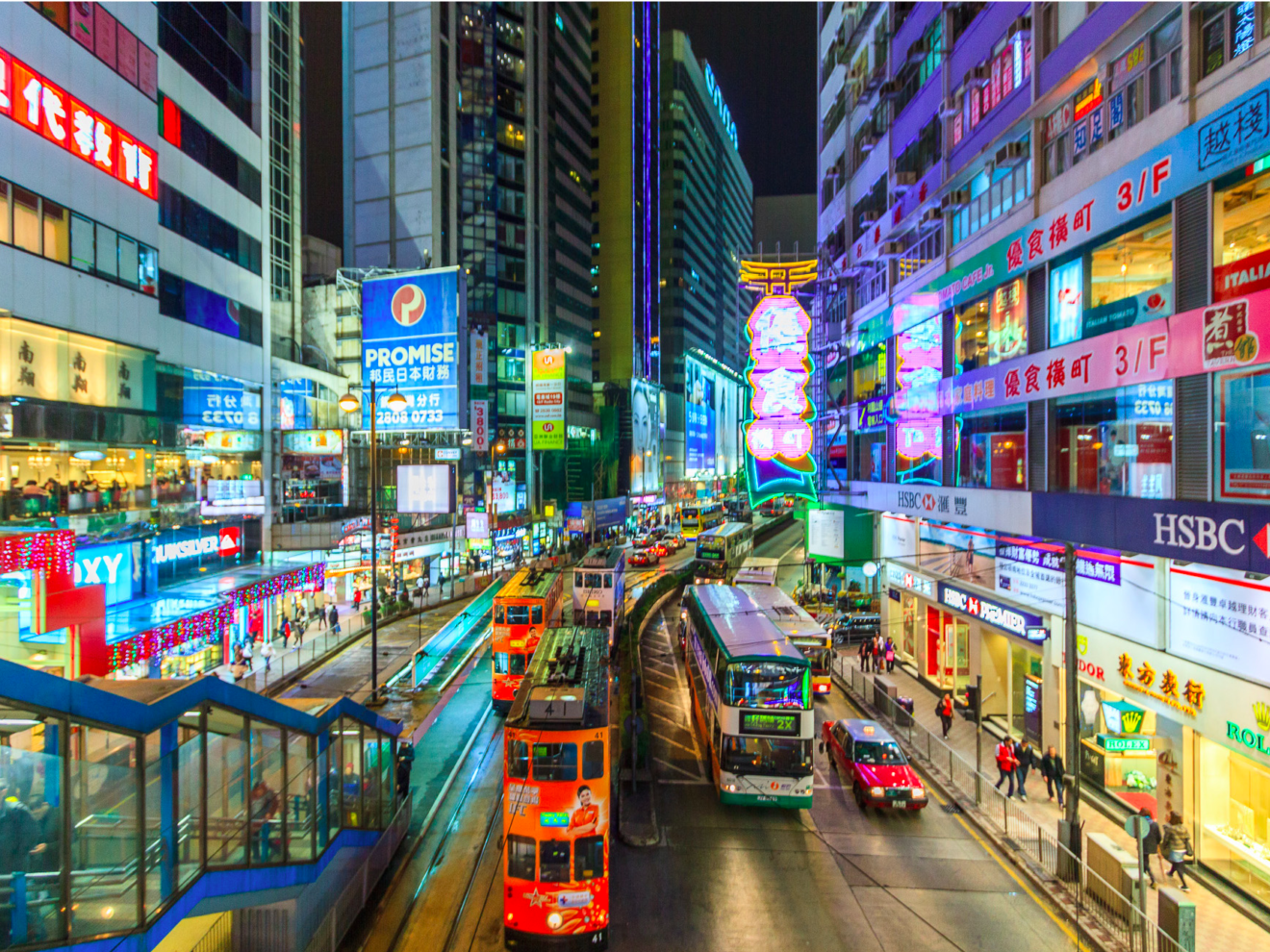
    Hong Kong’s retail environment showed further signs of improvement in November, although the recovery may have been short-lived as the city was hit with a fresh wave of virus infections and imposed new restrictions late in the month. The provisional value of total retail sales in November 2020 was HK$28.7 billion ($3.7 billion), down by 4% compared with the same month in 2019.

    The provisional value of total retail sales in November 2020 was HK$28.7 billion ($3.7 billion), down by 4% compared with the same month in 2019. That was better than the median forecast of -7.4% in a Bloomberg survey of economists and an improvement from a revised -8.7% in October. Sales by volume fell 4.7%, according to the government statement.

    The economy showed some signs of improvement in the second half of 2020 alongside recoveries across the region as China’s rebound fueled demand. However, that’s been dampened by fresh waves of infections since November, with the city re-imposing social distancing restrictions including shuttering bars and nightclubs to help curb the outbreaks.

    Restrictions were tightened further in December ahead of the critical year-end shopping season, with restaurants forced to halt in-person dining after 6 p.m. On Monday the government also pushed back the re-opening of classrooms for more than a month as part of measures to stamp out the spread of the virus.

    “As inbound tourism remains at a standstill, and the fourth wave of the local epidemic has weighed on local consumption sentiment since the latter part of November, the business environment of the retail trade will remain challenging in the near term,” the government said in the statement.

    The government allocated additional support to businesses hurt by the shutdowns and Financial Secretary Paul Chan said in a blog post-Sunday that the economy will probably return to growth in 2021 as the recovery strengthens in the second half of the year.

  • Singapore Airlines hopes to be world’s first airline fully vaccinated against COVID-19

    Singapore Airlines hopes to be world’s first airline fully vaccinated against COVID-19

    Singapore’s national carrier is hoping to become the world’s first airline to get all of its crew members vaccinated against COVID-19.

    Singapore Airlines confirmed to CNN Travel that all of their crew members — including pilots, gate agents, flight attendants and anyone whose job requires contact with the public – have been offered free coronavirus vaccines by the Singaporean government.

    The country has purchased the Pfizer vaccine, which requires two shots.

    “We are grateful to the Singapore government for making the aviation sector a priority in the country’s vaccination exercise,” the airline’s CEO, Goh Choon Phong, said in a statement that was emailed out to the whole company on January 18.

    “This reflects the sector’s importance and the crucial role we play in both Singapore’s economic recovery and the fight against the pandemic.”

    According to the airline, 5,200 SIA employees have already signed up to get their shots. Inoculations will begin in a few days.

    Phong, alongside Singapore’s transport minister Ong Ye Kung, was among the city-state’s first citizens to get vaccinated. He has received the first of his two shots, and reports that “the procedure was painless and fuss-free.”

    Once vaccinated, crew members will be subject to less scrutiny and fewer coronavirus-related security measures. For example, flight crew who are currently tested on the seventh day after their return to Singapore will be exempt from this test going forward.

    Singapore’s response to the pandemic has been largely successful due to border closures and a national contract-tracing app. The country has had 59,113 confirmed cases of the virus and only 29 deaths, according to data from Johns Hopkins University.

    Still, citizens of the city-state have expressed an interest in being able to travel again. A much-hyped “travel bubble” with Hong Kong was indefinitely postponed in December when Hong Kong had a spike in virus cases.

    The annual Henley Passport Index placed Singapore second in the world — just one point behind nearby Japan — for passport power. Singaporeans can enter 190 countries or territories around the world without needing a visa.

  • AirAsia founder Tony Fernandes claims governments ’ Covid-19 coordination ‘horrific’

    AirAsia founder Tony Fernandes claims governments ’ Covid-19 coordination ‘horrific’

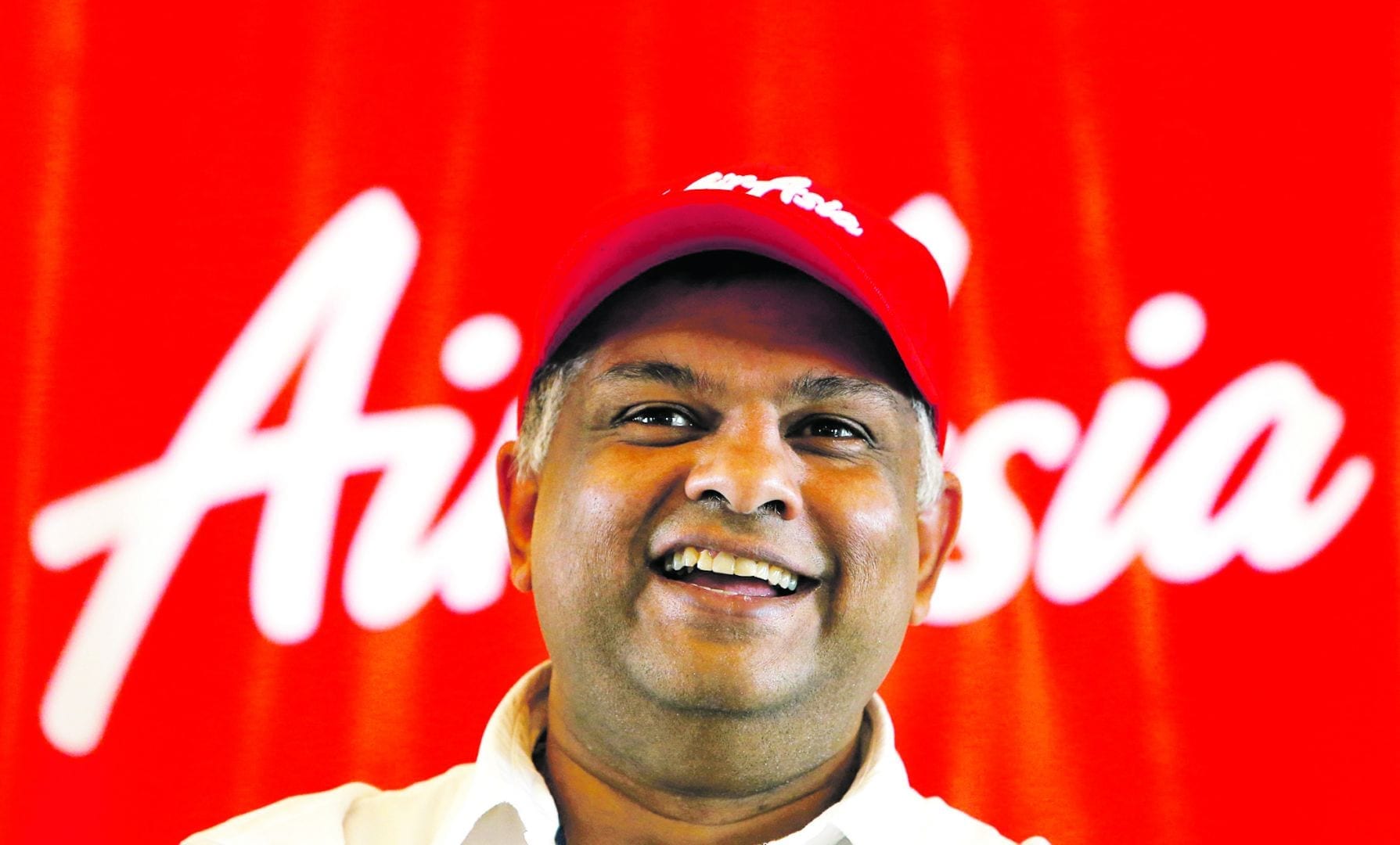
    “The coordination on Covid-19 is horrific,” AirAsia Group Bhd founder and group chief executive officer Tan Sri Tony Fernandes laments and claims in a direct swipe at world governments’ on how the global pandemic has been managed and its impact on the travel and aviation industries.

    BBC has today quoted Fernandes as saying that in his history of running an aviation business, he has never seen something so poorly coordinated.

    “It’s like nothing I’ve ever heard,” he said. “The United Nations, with the travel industry, should have come up with some standard protocols” earlier in the pandemic, but politics had got in the way, according to him.

    “Governments are petrified of their people, and they’re taking a very, very, very conservative view. They all want to be in control.

    “I just think that everyone’s… scared and just reacting in a very jingoistic and nationalistic way. I think countries are going to say, unless you’re vaccinated they’re not going to let you in without quarantine,” Fernandes said.

    The BBC report, which also quoted International Air Transport Association (IATA) director-general Alexandre de Juniac, said the world’s airlines need another US$70 billion (about RM283.5 billion) to US$80 billion of government support to get through the crisis caused by the coronavirus pandemic.

    de Juniac was quoted as saying the figures were “on top of the US$170 billion already granted”.

    It was reported that June 2021 is when he expects the first significant easing of travel restrictions, as the impact of vaccines begins to be felt.

    “Government travel restrictions and a huge fall in passenger confidence meant global demand for flights fell about 60% last year, according to IATA figures.

    “That means 2020 saw about 1.8 billion passengers fly, instead of the 4.5 billion in 2019. In an industry where profit margins were already thin it means airlines are estimated to have already lost US$118 billion, with worse set to come,” BBC reported.

  • Covid-19 troubles push over 100,000 businesses to suspend operations

    Covid-19 troubles push over 100,000 businesses to suspend operations

    The Covid-19 pandemic’s severe impacts have seen as many as 101,700 businesses in Vietnam close up shop in 2020, up 13.9 percent year-on-year.

    Of these 46,600 have registered to temporarily suspend operations, while 37,700 are waiting to complete dissolution procedures, according to a new report by the General Statistics Office. The report also says that 17,500 enterprises completed their dissolution procedures this year.

    The surge in business suspensions has been attributed to the adverse impacts of Covid-19, which has cripped key sectors and seriously affected socio-economic activities worldwide.

    The number of newly-established enterprises in Vietnam this year fell 2.3 percent year-on-year to 134,900 with a combined registered capital of VND2,200 trillion ($94.31 billion), up 29 percent.

    If the VND3,300 trillion in additionally registered capital for 39,500 companies is included, the total registered capital added to the economy this year is more than VND5,500 trillion, an increase of 39.3 percent year-on-year.

    The GSO report says a survey on business sentiment in the manufacturing and processing sectors in the fourth quarter of 2020 found 40.6 percent of enterprises experiencing improvement in business performance over the previous quarter, while 24.7 percent faced difficulties and 34.7 percent said their business remained stable.

    Almost 43 percent of companies expect things to get better in the first quarter of 2021, while 19 percent foresee more difficulties and 38.2 percent believe the situation will be stable.

    Vietnam’s economic growth slowed to 2.91 percent this year, its lowest level in a decade, given the negative impacts of Covid-19, natural disasters and a sluggish global economy. However, it was one of the few economies in the world to record positive growth, most others experiencing contractions.

  • I.T flags big loss as Covid-19 impacts shoppers’ enthusiasm

    I.T flags big loss as Covid-19 impacts shoppers’ enthusiasm

    Multibrand Hong Kong fashion retailer I.T Limited has warned shareholders it will likely post a loss of at least US$38.7 million for the six months to August, such has been the impact of the Covid-19 on sales.

    Chairman Sham Kar Wai said in a letter to shareholders that the Covid-19 pandemic had led to a decline in consumer-spending enthusiasm across the world. While it has offered extra discounts to boost sales volume amid “an incredibly difficult trading environment” sales were down substantially.

    This is the third profit warning the company has issued this calendar year, following earlier announcements in July and August. It is based on initial figures and subjects to change before final results are reported tomorrow, (October 29).

    “Although during the period ended 31 August, the group took rapid and decisive action to reduce costs considerably, the savings in operating costs were not sufficient to offset the decline in sales and gross margin,” he said.

    August’s likely half-year loss follows a deficit of $9.2 million in the same period last year.

    I.T Group operates its own brands, including Chocolate and 5cm, concept stores Izzue and Double-Park; international brands it has local licenses for including Kurt Geiger and Camper; and A Bathing Ape, which the company rescued from Japanese owners in 2011.

  • Covid-19 will strip US$95.4bn from Apac apparel market

    Covid-19 will strip US$95.4bn from Apac apparel market

    The coronavirus pandemic is likely to cost the apparel and footwear industries across the Asia-Pacific region US$95.4 billion in lost sales this year.

    The impact on the broader global industry will be a massive US$395.6 billion in lost sales, according to analytics firm GlobalData, which represents a 19.5-per-cent decline on last year’s figures. The sector will account for 29.1 percent of the total $1.3617 trillion impacts of lost revenues by the retail industry during the period.

    The figures are the result of an industry examination undertaken by GlobalData, which found that the apparel sector is still the worst affected by the outbreak, continuing to be hit by store closures and poor consumer demand. Rising unemployment and a possible recession is likely to worsen the situation for players in the industry.

    According to research conducted by the firm, 60 percent of consumers surveyed said that trustworthiness, risk-free and familiarity are factors currently influencing their choices of products/services.

    “Brands need to continuously engage with consumers through social media channels and personalized messages to stay in contact and engage with their customers,” said GlobalData Retail analyst Vijay Bhupathiraju.

    “They should continue to build trust by delivering messages addressing Covid-19 and social responsibility and advertise the safety and hygiene measures taken during the manufacturing process and in-stores to drive more consumers to the stores.”

  • Covid-19 drives broad shift in shopping behaviour

    Covid-19 drives broad shift in shopping behaviour

    The coronavirus pandemic has had a lasting impact on the shopping behavior of global consumers, according to new research by Adobe.

    The figures show that despite the lifting of lockdown restrictions in many countries worldwide, customer shopping habits and brand interactions have not returned to pre-coronavirus norms.

    According to the survey, 67 percent of responding consumers remain concerned about the pandemic’s impact on personal health (73 percent), jobs (40 percent) and the economy (36 percent). Millennial consumers registered far greater levels of concern than any other respondent age group.

    “The outbreak of Covid-19 has accelerated a broad shift in APAC consumer behaviors and attitudes that have been in the making for some time,” said Adobe MD Southeast Asia Simon Dale. “It is clear from the results of the study that brands that are nimble in pivoting to this digital ‘new norm’ will be able to create deep and enduring brand resonance while helping their customers feel truly supported. Marketers will need to pay close attention to their customers and ensure that they adapt their CX strategy to address different groups with relevant messages, more so now than ever.”

    Close to 100 percent of consumers expressed patience with those restrictions that remain in place, while just 61 percent agree with full lockdown measures – Chinese consumers being notably content to wait things out.

    Other findings showed increasing consumer concern with the way businesses treat staff (77 percent), while just 54 percent of consumers think firms care for the wellbeing of their employees. A high proportion of consumers think it important for brands to mirror the state of the world in their marketing collaterals in response to Covid-19 and have a duty to proactively offer help or provide special offers to customers in this era.

    Despite a sharp growth in online shopping and widespread anticipation of a permanent shift in consumer behavior towards e-commerce adoption, 70 percent of consumers reported a preference for purchasing grocery items in person, particularly in Australia.

    To respond to these and other nuances in customer preference, the majority of organizations are transforming their long-term strategy in case this period lasts for more than a year (79 percent), and are also changing their approach to future marketing efforts (82 percent).

  • Takashimaya plunges into the red as Covid-19 eats into sales

    Takashimaya plunges into the red as Covid-19 eats into sales

    Takashimaya, the Japanese department store operator, has reported a loss of US$190 million in the May quarter as it faced extraordinary payments related to the Covid-19 pandemic and falling sales.

    The company was forced to effectively close 22 stores in Japan from April 8 after Prime Minister Shinzo Abe declared a state of emergency. Only the food departments were allowed to continue to trade as the government ensured social-distancing measures.

    Sales in May plunged by more than 60 percent as a result, but last month’s decline was a much less dramatic 16 percent as cities began to reopen and consumers ventured out shopping again. For the full quarter, sales were down by 48 percent to $1.08 billion.

    As well as reduced domestic spending, Takashimaya sales were impacted by the absence of tourists as borders were closed as a Covid-19 prevention strategy.

    For the May quarter, Takashimaya recorded a one-off loss of $79.8 million relating to pandemic costs, including paid leave for staff unable to work due to the shutdown.

    The company did not release any figures on the performance of its overseas stores in Vietnam, Singapore, Thailand and Mainland China and it declined to proffer earnings guidance for the full year.

  • Covid-19 is accelerating the use of automation

    Covid-19 is accelerating the use of automation

    Companies are rapidly turning to automation to keep business running during the coronavirus outbreak, according to new research by Bain & Company.

    The firm’s data shows that processes are being automated to manage payroll, diagnose customer experience issues while call centers are closed, and resolve IT service issues. It is based on survey responses from nearly 800 executives worldwide.

    “The ongoing crisis forced companies to move their operations remote within a matter of days, underscoring a greater need than ever for automation technology to help maintain business continuity,” said Bain & Company partner Michael Heric. “As companies adapt to new routines and prepare for a pending downturn, automation solutions that might have been years away a few months ago, are suddenly right around the corner.”

    Companies are reporting cost savings of roughly 20 percent over the past two years from the implementation of automation, while nearly 45 percent of respondents report that their automation projects have not delivered the expected savings.

    The report shows companies lacking a rigorous automation agenda risk falling behind in their respective industries.

    The firm estimates the number of companies scaling up automation technologies will double over the next two years as the Covid-19 crisis likely accelerates.

  • AirAsia Indonesia suspends all flights starting April 1

    AirAsia Indonesia suspends all flights starting April 1

    Amid the alarming spread of COVID-19 across the country, low-cost carrier AirAsia Indonesia announced on Saturday that it would suspend all its QZ flight code services starting April 1.

    The carrier’s domestic and international routes will be temporarily suspended until April 21 and May 17, respectively.

    “AirAsia Indonesia will continue to monitor the development of the situation and conduct steps to anticipate what’s required to continue our flight services,” read the statement.

    The airline said affected passengers would be notified by email and SMS. Passengers can access support.airasia.com to either reschedule their flight before Oct. 31 at no additional charge, or convert the amount paid for the flight into a credit account that can be used for the next 365 days.

    Those who booked their flights through booking group services, travel agencies or other third parties are advised to contact the respective parties.

    Passengers who need to travel in the near future are advised to reschedule their flight to a date prior to April 1.

    Meanwhile, on March 20 national flag carrier Garuda Indonesia announced that it would continue to operate some of its services, including to Australia and Netherlands.

  • Burberry trench-coat factory to make coronavirus protection gear

    Burberry trench-coat factory to make coronavirus protection gear

    Luxury fashion label Burberry is retooling its Yorkshire trench-coat factory to produce non-surgical gowns and masks in response to the coronavirus outbreak.

    The supplies will be produced for patients and will be subject to approval from the Medicines and Healthcare Products Regulatory Agency (MHRA).

    Burberry is also working to leverage its existing supply chain to help deliver surgical masks, non-surgical masks and gowns for use by medical staff and patients in the UK.

    The firm’s other contributions include funding research into a single-dose vaccine for Covid-19 developed by the University of Oxford with human trials scheduled to begin next month, as well as donations to charities tackling food poverty across the UK.

    “The whole team at Burberry is very proud to be able to support those who are working tirelessly to combat Covid-19, whether by treating patients, working to find a vaccine solution or helping provide food supplies to those in need at this time,” said Burberry CEO Marco Gobbetti. “Covid-19 has fundamentally changed our everyday lives, but we hope that the support we provide will go some way towards saving more lives, bringing the virus under control and helping our world recover from this devastating pandemic.”

    The contributions reflect luxury fashion house Ralph Lauren’s commitment to making face masks and medical gowns in the US via its Ralph Lauren Corporate Foundation charity. The firm intends to produce 250,000 masks and 25,000 isolation medical gowns.

  • Covid-19 Hits UOB

    Covid-19 Hits UOB

    United Overseas Bank has confirmed a case of Covid-19 at Tower 2 of its UOB Plaza headquarters in Singapore.

    The employee who tested positive for the coronavirus works in a non-customer facing role and was last in the office on 16 March, the bank said in a statement on Thursday.

    He is currently under medical care, and colleagues with whom he had close contact are now on Leave of Absence until next week, and those who worked on the same floor are currently working from home, while monitoring their health for any flu-like symptoms, the statement said.

    Meanwhile, UOB is conducting a thorough deep cleaning and disinfection of the entire floor and the common areas of UOB Plaza 2.

    DBS was the first bank to evacuate its staff when a 62-year-old male employee at its Marina Bay Financial Center (MBFC) Tower 3 headquarters tested positive for Covid-19 in February.

    Later that month, another of its employees was hit – this time a 35-year-old male staff member at its Ngee Ann City office on Orchard Road. He was in close contact with the first DBS employee infected, a spokesperson said.

    The two have since recovered and have been discharged from the hospital.