Retail News CRM

Tag: covit 19

  • DHL Survey Reveals COVID-19 Impact on International Trade

    DHL Survey Reveals COVID-19 Impact on International Trade

    In addition to the current economic issues caused by COVID-19, there are other significant events in 2020, such as the U.S. presidential election and the United States-Mexico-Canada Agreement (USMCA) implementation, which could directly affect international trade.

    To collect deeper insights into how businesses are being impacted by COVID-19 and capture their perspectives on international trade developments, DHL conducted a survey of U.S. SMEs, including its customers.

    Key findings from the more than 2,000 responses include:

    • COVID-19 causes pullback on international business outlook: Almost half (49%) of respondents said the coronavirus has resulted in them taking a more conservative approach to their business’ global trade strategy. Only 15% are taking a more aggressive approach, while 36% are staying the path on their international approach as a result of coronavirus. It is no surprise that the majority are being conservative since according to our survey, overwhelming 78% of respondents have had business revenues decrease either slightly or significantly due to COVID-19.

    • International policies will the tip scales at the voting booths: An overwhelming majority (78%) of respondents said the U.S. presidential candidate’s view on international trade will affect the way they vote this election year.

    • Business owners are willing to make sacrifices to make trade easier: 37% would forgo all their vacation for a year if it guaranteed no additional international trade barriers/regulations for their business.

    • Asia remains a top business target: Despite COVID-19 originating in China, almost one-third (32%) of respondents said Asia is the top priority region for their business this year. In last year’s survey, 21% selected Asia as their top priority region. The YOY increase in confidence in Asia is likely due to progress in potential relief with China tariffs. Additionally, other countries in Asia, such as Vietnam and Japan, have emerged as top trade and manufacturing partners for U.S. businesses as a result of the U.S.-China trade war.

    Rosemary Coates, President of Blue Silk Consulting and a columnist for Supply Chain Management Review, feels that relations between the U.S. and China remain fragile:

    “The U.S. government is creating even more animosity toward China, blaming them for the pandemic and threatening more tariffs in retaliation for allowing the virus to spread to America,” she said. “This is creating an even bigger gap in cross-border trade and cooperation that will likely enflame the trade wars even further.”


  • Singapore locks down until June

    Singapore locks down until June

    The Singapore government has reduced the list of “essential services” as part of a tougher clampdown on social distancing as it tries to arrest the spread of Covid-19 in the city-state.

    The Ministry of Trade and Industry (MTI) on last night announced a trimmed list essential services applied during the “circuit breaker” period which has been extended for another four weeks and will likely not now end until June 1. Subsequently, more retailers including food and beverage outlets have to temporarily shut down its business – although this is initially going to be enforced only until May 4, subject to extension.

    Here are types of food and beverage retailers that must suspend their operations from today (April 22):

    • All food-and-beverage vending machines located in parks, regardless of what they sell, must be shut. Takeaway and delivery services located in parks are to close.
    • Stores predominantly selling beverages including bubble tea, fruit juice, alcoholic drinks and coffee.
    • Stores predominantly selling packaged snacks and loose snacks including nuts, potato chips, popcorn, bak kwa and cheese.
    • Stores predominantly selling desserts including ice cream, cakes, sweet pastries, grass jelly and red/green bean soup. However, these rules do not apply to hawker centres and food courts. Online retailing of these products is allowed, provided that they are from a licensed central kitchen, manufacturing facility or warehouse of the food-and-beverage company.
    • Optical shops can operate by appointment only, with walk-in customers banned.
    • Pet supplies stores and retail laundry services must close their physical stores, but are permitted to provide online sales and delivery.

    Other food-and-beverage outlets, including those selling hot or cooked snacks, bread or meals, are allowed to continue to sell, but only via takeaway or delivery services during the “circuit breaker” period. Dining-in is not permitted.

    However, the MTI contradicts itself in documentation explaining the new restrictions, possibly due to the rushed pace with which they were prepared. In an appendix, it says that “specialized stores and outlets that predominantly retail” coffee and tea must close. Immediately below that declaration, the MTI says “Only hawker centers, coffee shops and food courts are excluded”.

    So it remains unclear whether coffee chains such as Starbucks are allowed to continue to trade from today. Starbucks had not responded on its Singapore operations before deadline.

    Meanwhile, stores continue to serve hot meals (as well as coffee) may continue to trade – ostensibly selling coffee and meals, but not cakes or sweets (once existing stock runs out). But other media is reporting that stores will be classified by the predominant product they sell, which suggests coffee shops may not continue to trade, as they sell more coffee than meals.

    Inside Retail Asia is awaiting further clarification of this and other points and will update this story as further details come to light.

    Supermarkets and wet markets can continue trading as normal, however social-distancing practices must be observed.

  • COVID-19: How retailers can take control and lessen the impact

    COVID-19: How retailers can take control and lessen the impact

    Retailers and grocers have been some of the first businesses to be affected by the recent outbreak of COVID-19, as stores across the globe sell out of stock due to sudden surges in product demand.

    The virus, which continues to spread rapidly, is putting a huge strain on retailers as customers prepare for the worst, flocking to supermarkets to stockpile on supplies. Of the many regions affected by the COVID-19 pandemic, the South East Asia region was one of the first to see the demand for everyday products skyrocket as fears grew over the spread of the virus and the likelihood of disruption to normal life due to self-isolation. Over the past few weeks, items such as toilet paper, facemasks, soap, tinned food, disinfectant and food staples have been flying off the shelves as customers bulk-buy goods, leaving retailers scrambling to replenish their supply in time for the next wave of panicked customers.

    Real-time inventory insight

    Without a strong grasp of where goods are located in retail stores and supply chains, as well as where products are originally being sourced from, it is incredibly challenging for retailers in South East Asia to take control and maintain stability in their businesses.

    The COVID-19 pandemic is a reminder of just how important it is for retailers to have real-time insights into their product inventory, as well as stock suppliers, so that they can stay fully informed and react quickly to sudden market changes.

    Real-time transparency of the entire supply chain helps retailers to determine whether their product inventory is full enough to deal with spikes in demand, such as what is being experienced with COVID-19, and whether the products being supplied are coming from sources located in countries that are or could be impacted by COVID-19 restrictions.

    If suppliers are impacted and business as usual isn’t possible – due to reductions in their workforce and shutdowns affecting productivity – the flow on effect could be delays, halts or backlogs in both production and shipping of ordered goods.

    Maintaining business stability

    To maintain business stability at all times, retailers need a real-time view of product inventory and stock availability, at any point in the supply chain, including warehouse, transport, online shopping and in store. They also need a detailed list of all stock suppliers, which is always accessible and accurate.

    A centralised real-time viewpoint of what stock is in the supply chain and where it is located helps retailers to identify whether there is a need to order in more. This information also helps retailers to make assessments ahead of time around whether there is a risk that some of their usual stock sources and suppliers will have less of a capacity to deliver them product. If this is the case, retailers are then able to develop contingency plans like investigating what other suppliers are available for them to turn to as an alternative.

    Having just one single source of truth when it comes to inventory and stock suppliers available at any time and from any location, can help prepare retailers for challenging times. It means retailers can stay on the front foot and be ready for sudden increases in demand or last-minute changes in suppliers.

    Agile inventory fulfilment

    The current demands on supply chain operations during the COVID-19 pandemic is requiring retailers and grocers to quickly shift and reset their supply chains to be more reactive. For some businesses their supply chains are under much more pressure than ever before, even when compared to peak periods such as Black Friday and other sales events.

    Retailers are having to quickly get a grasp of their stock levels, stock turnover and short-term stock fulfilment needs, plus focus on heightened communication with suppliers, so they can quickly establish and execute an inventory strategy for this unprecedented situation.

    Inventory management is very difficult to get right when there are so many moving parts, and the current environment retailers are facing with COVID-19 has raised the stakes even more. Retailers always need full visibility of stock and suppliers  to help them take charge during uncertain times and give them full control of their business. This business agility allows them not only to keep up with current spikes in demand, but to sustain their profit margin and business stability into the future once things return to normal.

    By: Richard Wright, Managing Director, SEA, at Manhattan Associates

    For more information on how to ready your business for high demand periods, please visit www.manh.com/en-sg


  • Malaysia Airlines and AirAsia limit number of flights till March 31

    Malaysia Airlines and AirAsia limit number of flights till March 31

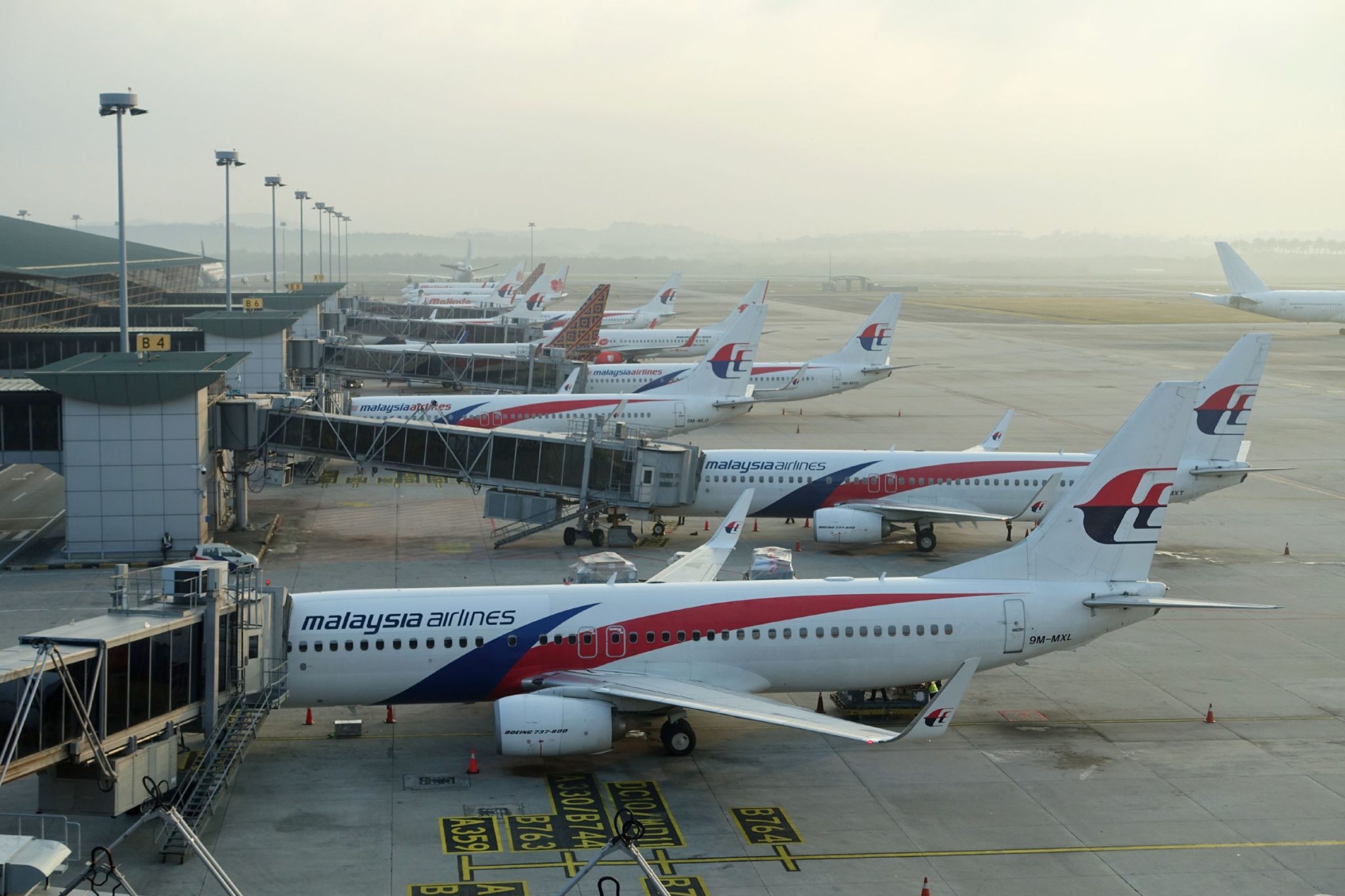
    Malaysia Airlines will significantly reduce its overall network, following the nationwide movement control order from March 18 to 31.

    International flights to India are suspended until the end of the month and flights to the Philippines are suspended between March 21 and 31, following the respective governments’ ban on travel to and from Malaysia.

    Malaysia Airlines group chief executive officer Captain Izham Ismail said the situation has been “rather fluid” since the airline has had to make last-minute cancellations to abide by the restrictions.

    “We are doing our best to re-route passengers via reallocation onto other carriers. We are also adjusting our low-load flights by canceling and merging them to manage costs while managing our customer expectations, ” he said.

    Prior to the order, Malaysia Airlines has suspended services to Saudi Arabia, South Korea, and parts of China (Beijing and Daxing), as well as the Kota Kinabalu-Shanghai route due to border controls.

    The carrier also reduced capacity to Australia and New Zealand due to the self-isolation policy of the two countries.

    To date, the company has canceled over 4,000 flights.

    “Our Global Contact Centre has been at the brunt of this situation with the number of calls peaking at 25,000 daily and up to 2,000 e-mail daily in the past three weeks, ” Izham said.

    He added that it will take the company longer to process refunds due to the sheer volume of requests.

    “I assure them that we are not here to take advantage of the situation. In fact we are one of few airlines that have offered unlimited flexibility in travel date change and waiver of certain fees, ” Izham said.

    Due to the significant capacity cut, Malaysia Airlines and all sister companies under the Malaysia Aviation Group’s back-office operations have also been reduced alongside flight and airport operations.

    A majority of its workforce globally are working from home in line with various governments’ requirements.

    Passengers with bookings may initiate changes online via the Covid-19 waiver assistance form available on the carrier’s website.

    Meanwhile, AirAsia has also significantly cut down its number of domestic and international flights.

    “AirAsia will be operating a limited number of domestic and international flights from today until 31 March, which are subject to change due to the fluidity of the current situation.

    “Affected guests will be promptly notified via email or SMS. AirAsia strongly encourages guests to update their contact details using the “My Bookings” feature on airasia.com to ensure that they receive timely notifications,” the airline said in a statement.

    For further and latest information regarding options and eligibility related to COVID-19, AirAsia guests can visit the Covid-19 Customer Guide on its website.

    A quick look at their booking page shows that there are only two flights a day from Kuala Lumpur to Kota Kinabalu, Kuching and Penang (and vice versa). Flights to other cities and towns including Johor Baru, Kota Bharu, Alor Setar, Kuala Terengganu, Sibu, Miri and Bintulu have all been suspended until April 1.

    Currently, there is one flight a day to Sandakan, Tawau and Labuan from KL but even these routes may be suspended within the next few days.

  • Updated Siri will screen you for the coronavirus

    Updated Siri will screen you for the coronavirus

    Apple has updated Siri so that she can perform a quick- and dirty screening to see if you need to contact your doctor in the face of the coronavirus pandemic. The update seems to have been disseminated today as iPhone users started to notice this new feature on Saturday. To get started, all you have to do is say, “Hey Siri, do I have coronavirus?” While it is not a pleasant question to ask, it does tell Siri that you want her to screen you

    If you tell Siri that you want to be screened by her, she will then ask whether you have a dry cough, a fever or shortness of breath. You can answer “Yes,” “No,” or “Not Sure.” If you answer “No,” you will be then asked whether you have been in close contact with someone who tested positive for the disease. Once again, the three options are “Yes,” “No,” or “Not Sure.” Depending on your response, you might be told that you’re at lower risk to be infected but need to remain vigilant for symptoms such as a fever, dry cough, or shortness of breath.

    Siri will also remind you to wash your hands for 20 seconds (sing the Happy Birthday song to yourself two times), and avoid close contact with people outside your household. Siri also wants you to know that you might not feel sick but you could still be carrying COVID-19 and spreading it to others. If your answers give Siri a reason to feel alarmed, she will ask whether your symptoms are extreme or life-threatening. If you answer in the positive, Siri will be ready to call emergency services (911) for you. If you answer with a negative response, Siri will tell you to stay home, avoid contact with others, and contact a doctor if the symptoms get more severe. At the end of the screening, Siri offers a link to the website for the Center for Disease Control (CDC.gov).

    Earlier today, we told you about the new Google Maps feature that shows a reminder every time you search for a doctor or hospital using the app. A box appears near the bottom of the screen that reminds you to call your doctor before driving to the hospital if you think you have COVID-19. And if you go to Google Search and tap in coronavirus, special tabs appear that will keep you up to date on the latest news, information, and more from reputable organizations. All major social media companies are trying to prevent fake news from being spread all over their platforms. Phony cures can do plenty of damage, and misinformation can lead to fear and panic. And the last thing we need to do right now is panic.

    The Siri screening is available only in the U.S. and it isn’t known whether Apple has plans to expand it overseas. According to Apple, the answers that Siri gives out for the screening come from the U.S. Public Health Service (a division of the Department of Health and Human Services), as well as the Centers for Disease Control and Prevention (CDC).

    Ironically, the same government that has been investigating Big Tech for possible antitrust violations and for growing too big and unwieldy, is now relying on the same companies to help get the country through this crisis. It seems that while conditions in China are slowly improving, the rest of the world has yet to see a peak in the number of cases. This can be seen easily through Apple’s decision to reopen all 42 Apple Stores in China while closing its brick and mortar stores everywhere else.

  • Apple waives interest for Apple Card users amid COVID-19 pandemic

    Apple waives interest for Apple Card users amid COVID-19 pandemic

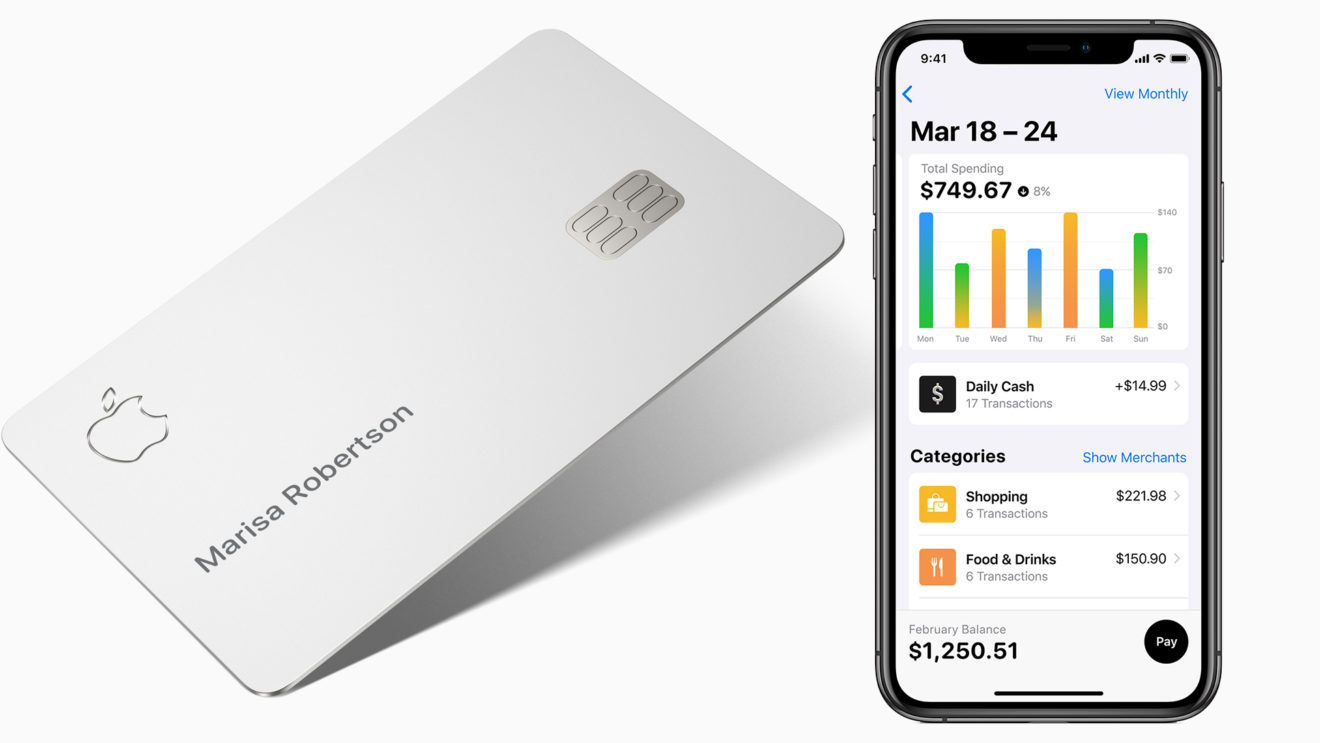
    Other than the very obvious health concerns caused by COVID-19, the ongoing pandemic is also causing much economic trouble. Apple introduced a customer assistance program for Apple Card users to help offset financial concerns.

    Many Apple Card users on Reddit have reportedly received an email about the new customer assistance program. Under this program, cardholders can skip their March payments without any additional interest.

    Apple hasn’t explicitly stated any eligibility requirements, so it looks like all Apple Card holders are eligible. They can enroll in this program in at least two ways: firstly, Apple evidently provides a direct link in their email announcing the program, which can be used to enroll.

    The other method is just as simple, with cardholders able to enroll through text by iMessaging the Apple Card Support line the following text: “I would like to enroll in the Customer Assistance Program”. The support number can be found in Apple’s support page for the credit card.

    Clearly, Apple is taking the COVID-19 outbreak very seriously, closing all Apple Stores outside of China for the time being as well as regulating App Store entries related to the virus. This latest offer is a kind gesture to its customers during a difficult time.

  • The virus outbreak is Asia’s call for digital business

    The virus outbreak is Asia’s call for digital business

    Coronavirus has significantly overwhelmed the world. The outbreak of Covid-19 caused the death of over 4,000 people and infected over 119,000. Some countries, including China, Italy, and Iran, have adopted restrictive measures, quarantining most of its citizens and canceling public events.

    The virus has had a negative impact on trading and markets, as most of the European markets suffered significant slumps. It also disrupted the working process, and several banks have advised its staff to work from home.

    This has become a problem for Asian countries and companies because most of their income depends on the physical presence of workers. It becomes impossible as most workers are currently in quarantine.

    China to think more about switching to digital business

    Most workers in China earn income from physical labor. They work in factories, which are the primary source of revenue for China. Yet, the emergence of Covid-19 has severely damaged the working process.

    China should probably learn from its European counterparts to focus more on digital business, as it does not require the physical presence of workers and is perfectly available for employees to work remotely.

    This trend has become very prevalent in European industries, especially online gaming. For instance, Armas Hämäläinen, who is the representative of online casino Spinia Finland has declared that the casino does not request its employees to come to work due to the fear over coronavirus. The company allows them to work from home, which helps keep employees safe and at the same time, keep the company active and functional.

    In contrast, China’s gambling industry is pretty much locked in. While Europe makes a lot of money from gambling. It has a legal framework, but in China, it is considered illegal and one of the weirdest facts about gambling in China is that they allow citizens to gamble in Macau which is technically their territory, but they cannot gamble inside mainland China.

    We can say the same about top European banks such as Credit Suisse and Deutsche Bank. Both banks strongly encouraged some of its employees to stay home and work remotely, to contain the spread of coronavirus.

    Therefore it is very convenient and useful for China if it switches to digital business more, as it will not only help to contain the virus but will create a wide range of possibilities as well.

    South Korea urges local communities to take part in social distancing

    Coronavirus took its toll in South Korea as well, killing over 50 people and infecting 7,700. South Korea is known in the world for its digital innovations and services, and unlike China, it did not have so many problems with working remotely, because a lot of people work in firms, where it is not necessary to be physically present at work. For instance, financial, insurance, IT, electronic companies – all of them are in favor of working from home.

    Conclusion

    It is hard to remember any virus, that caused so much disruption in the world, like coronavirus. No one would expect the damages to be so colossal, let alone the fact it distorted the working of companies, resulting in huge losses. As most countries in Asia, obtain revenues from the physical labor of workers, they should somehow find a way to adapt to digital services. Otherwise, it would further harm the workers and catalyze the spread of Covid-19.