Retail News CRM

Tag: cp

  • Thai Retail Giant CP Axtra Snaps Up The Food Purveyor in $421.6 Million Deal, Expanding Premium Grocery Footprint in Malaysia

    Thai Retail Giant CP Axtra Snaps Up The Food Purveyor in $421.6 Million Deal, Expanding Premium Grocery Footprint in Malaysia

    Thai retail powerhouse CP Axtra has secured a deal to acquire the Malaysian supermarket operator, The Food Purveyor, for a sum of US$421.6 million.

    The Food Purveyor’s Market Presence

    The Food Purveyor boasts a wide range of premium grocery brands under its umbrella, including Village Grocer, Ben’s Independent Grocer, BSC Fine Foods, OTK, and The Food Merchant. The company currently operates a broad network of 50 stores spread throughout Malaysia.

    CP Axtra’s Growth Trajectory

    CP Axtra, established in 1988, is one of the leading wholesale and grocery conglomerates in Thailand. It expanded into Malaysia by acquiring Tesco in 2020 and subsequently operating it under the brand name Lotus Malaysia. With a sprawling network of more than 2600 outlets spread across countries like Thailand, Malaysia, Cambodia, Vietnam, Singapore, Hong Kong, Oman, and the UAE, the company has established a significant presence worldwide.

    Strategic Acquisition

    This new acquisition forms part of CP Axtra’s comprehensive strategy to penetrate high-potential international markets, such as Malaysia. It also bolsters the company’s foothold in the premium grocery segment. Upon the deal’s completion, CP Axtra will operate in excess of 120 grocery chains nationwide. This figure combines 50 stores from The Food Purveyor and 70 stores from Lotus.

    The transaction is slated for completion in the fourth quarter, dependent on receiving the necessary regulatory approvals.

    Questions & Answers

    What major brands does The Food Purveyor operate under?
    The Food Purveyor operates major premium grocery brands such as Village Grocer, Ben’s Independent Grocer, BSC Fine Foods, OTK, and The Food Merchant.

    How has CP Axtra grown over the years?
    CP Axtra has grown significantly since its establishment in 1988. It now operates more than 2600 outlets across Thailand, Malaysia, Cambodia, Vietnam, Singapore, Hong Kong, Oman, and the UAE.

    What is the significance of this acquisition for CP Axtra?
    The acquisition of The Food Purveyor enables CP Axtra to expand into high-potential overseas markets such as Malaysia and strengthen its position in the premium grocery segment.
  • Dutch Retail Giant Makro Revives Philippine Presence Through Thai-ayala Alliance

    Dutch Retail Giant Makro Revives Philippine Presence Through Thai-ayala Alliance

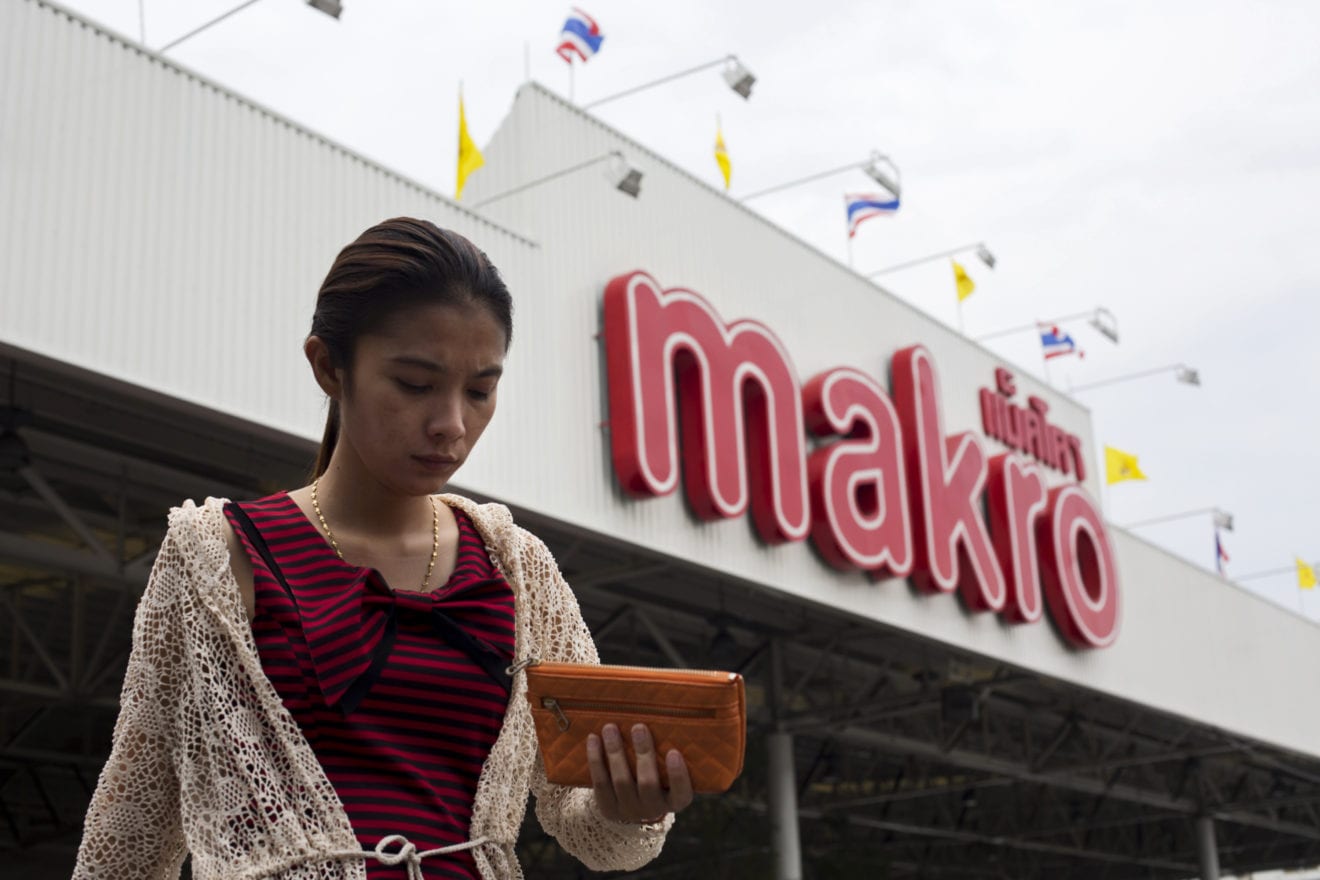
    After more than a decade of absence, Dutch wholesale retailer Makro is poised to make a comeback in the Philippine market. This return is made possible through an alliance between Thailand’s CP Axtra and Ayala Corporation.

    New Business Venture

    The collaboration has led to the creation of a new enterprise named M&Co Corp, which is tasked with running Makro stores throughout the country. The stores’ approach will prioritize offering a broad selection of both food and non-food items, catering to the needs of ordinary consumers and small business operators alike.

    Makro originally made its debut in the Philippines in 1996 through a joint effort involving SHV Holdings, Ayala, and SM Investments. Ayala subsequently sold its 28% stake to the SM Group, which then transformed the Makro outlets into its own hypermarket and supermarket formats in 2009.

    In the years since, SHV has relinquished its Asian Makro operations to CP Axtra, a subsidiary of Thailand’s Charoen Pokphand Group.

    Expansion Strategy

    Tanit Chearavanont, the group chief wholesale business officer at CP Axtra, expressed that this venture aligns with the company’s overarching goal to extend its operations across Southeast Asia. He noted that the Philippines stands as one of the most vibrant and rapidly developing markets within the region.

    Chearavanont elaborated, “Through this partnership, our proficiency in wholesale and retail management merges with Ayala Corp’s robust market presence, well-established customer base, and comprehensive experience in land and mall development.”

    However, further details about this business endeavor, such as its rollout plans, have yet to be revealed.

    Questions & Answers

    What is the new venture that Makro is involved in?
    The Dutch retailer is re-entering the Philippine market through a partnership with Thailand’s CP Axtra and Ayala Corporation, operating under a newly formed entity called M&Co Corp.

    What is the main focus of the Makro stores in the Philippines?
    The stores will focus on providing a wide variety of food and non-food products to meet the needs of both individual consumers and small business operators.

    What is CP Axtra’s broader strategy that this venture aligns with?
    This partnership is part of CP Axtra’s wider strategy to extend its operations across the rapidly growing and dynamic markets of Southeast Asia.

  • C.P. Vietnam Acknowledges Diseased Pork in Viral Image Originated from Its Site, But Denies Selling It

    C.P. Vietnam Acknowledges Diseased Pork in Viral Image Originated from Its Site, But Denies Selling It

    A recent Facebook post by Jonny Lieu—who claims to be a former C.P. employee—has ignited significant concern regarding the safety of meat products produced by C.P. Vietnam, a major player in the country’s meat industry. The post, which circulated widely, featured alarming images of diseased pork, triggering a wave of discussions about food safety across Vietnam.

    Confession from C.P. Vietnam

    On Monday, a representative from C.P. Vietnam confirmed that the disturbing images were taken on March 26, 2022, at the Dung Nga slaughterhouse in Hau Giang province—an establishment that operates under C.P.’s own stringent standards. Arresting the growing tide of concern, the owner, Tran Thi Nga, clarified that her facility slaughters between 30 and 40 pigs daily. On the specific day in question, several pigs exhibited signs of skin disease. These infected pigs were never sold to consumers; instead, they were repurposed as fish feed after being inspected by C.P. executives.

    Conditions at the Slaughterhouse

    The two pig pieces featured in Lieu’s post, weighing in at a hefty 72.7 kilograms, were declared safe for processing as fish feed, denying any allegations of risky meat entering the consumer market.

    Lieu further alleged that during his time working at a C.P. retail outlet in the nearby Soc Trang Province, he observed numerous instances of diseased meats being sold to consumers—products he described as having lumps, abscesses, bad odors, or pus. Backing up his claims, he shared photos and screenshots of internal communications to illustrate the alarming situation.

    Regulatory Actions Unfold

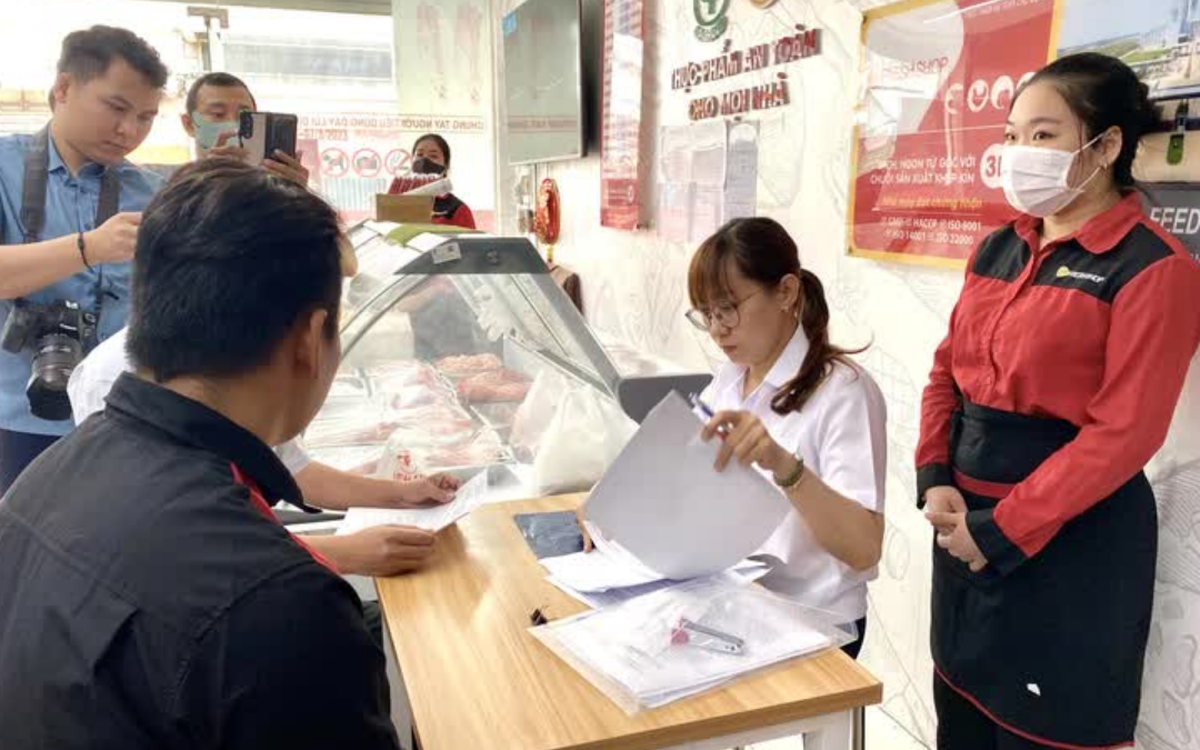
    Despite these serious allegations, a recent raid of multiple C.P. outlets in Soc Trang revealed no major safety violations. However, one particular store was found to have let its food safety certificate lapse back in early March, lacking the necessary documentation for food safety training of its staff. The inspection team swiftly sealed the store, issuing an ultimatum to present the required certifications within five days.

    Established in 1993 as a subsidiary of Thailand’s Charoen Pokphand Group, C.P. Vietnam has developed extensive operations across the country, specializing in poultry, pork, eggs, seafood, and processed foods. The company is well-known for its sausages, pre-marinated chicken, and an array of convenience items. While C.P. leads in the market, it now faces a challenge to restore consumer trust following these alarming revelations.

    Questions & Answers

    What sparked the concern over C.P. Vietnam’s meat products?
    A Facebook post featuring images of diseased pork allegedly from a C.P. facility raised significant concerns about the company’s meat safety.

    What actions did authorities take in response to the allegations?
    Authorities raided several C.P. stores in Soc Trang, though no major safety violations were found; one shop was closed for not renewing its food safety certificate.

    What is C.P. Vietnam known for?
    C.P. Vietnam specializes in poultry, pork, eggs, seafood, and processed foods, including popular convenience items like sausages and marinated chicken.

  • Thai 7-Eleven operator CP All appoints new CEO

    Thai 7-Eleven operator CP All appoints new CEO

    Thai retailer CP All has appointed Yuthasak Phoomsurakul as its new CEO of operations, overseeing the company’s network of more than 11,000 7-Eleven stores.

    Phoomsurakul started his career with the company as the deputy MD of marketing and product management in 2007.

    He has also held several key leadership roles in companies such as Big C Supercenter, B2S Company, Amarin Printing Company and Publishing Public Company over the years.

    “I am extremely grateful and honoured to have been trusted by the board of directors to be appointed as CEO,” said Phoomsurakul. “In continuation of our corporate philosophy, customers and employees are the heart of our business operations.”

    In his new role, he says he will work to grow the company sustainably bringing innovation and integrating the business both offline and online.

  • CP All to roll out 700 more 7-Eleven stores in Thailand

    CP All to roll out 700 more 7-Eleven stores in Thailand

    CP All Plc, the operator of 7-Eleven convenience stores, plans to spend 11.5-12 billion baht this year to expand its business.

    Kriengchai Boonboapichart, the company’s chief financial officer, said 4-4.1 billion baht of total spending is for investment in new projects, subsidiaries and distribution centres, 3.8-4 billion is slated for store expansion, 2.4-2.5 billion is for store renovations, and the remaining 1.3-1.4 billion is for fixed assets and IT systems.

    The company plans to open 700 new convenience stores this year, on par with last year.

    Some 155 new 7-Eleven stores were opened in the first quarter this year.

    “We will continue to open new stores, but with a more cautious approach. There are many uncertainties, so we will select locations that can build revenue and have real demand from customers,” Mr Kriengchai said.

    “Moreover, each location has to possess the capability to support our O2O [online-to-offline] retailing strategies.”

    CP All operated 12,587 branches of 7-Eleven at the end of the first quarter this year.

    Of the total, 6,771 stores belong to business partners and 5,816 stores were owned by CP All.

    Moreover, 85% of the stores were standalone with 15% located in PTT petrol stations.

    CP All reported total revenue of 547 billion baht in 2020, down 4.3% from the previous year, with a net profit of 16.1 billion, a decrease of 27.9%.

    In the first quarter this year, the company’s total revenue dropped by 8.5% year-on-year to 133 billion baht, with a net profit of 2.59 billion, a fall of 54%.

    The decrease in revenue was largely attributed to outbreaks of the pandemic, resulting in a slow recovery of domestic consumption, decreased consumer purchasing power and a lack of tourism.

    Footfall per store per day in the first quarter this year declined to 845, down from 949 in 2020 and a peak of 1,187 before the Covid-19 outbreak.

    The decrease is mainly a consequence of the first wave of the outbreak, followed by a new wave in late 2020.

    The government announced measures to control the pandemic, resulting in a decrease in economic activities.

    The slow recovery of the tourism industry and domestic consumption has also hurt prospects.

    Furthermore, customer lifestyles are shifting to shopping online.

    The company continues to implement O2O retail strategies, such as 7-Eleven Delivery, All Online and 24Shopping to satisfy customer demand.

    CP All aims to provide prompt access to various consumer products, including at 7-Eleven stores, with delivery and pick-up service at branches seeing a good response, said Mr Kriengchai.

  • Thailand’s CP All to launch 7-Eleven in Laos

    Thailand’s CP All to launch 7-Eleven in Laos

    Thailand’s CP Group is taking the 7-Eleven convenience-store chain into Laos after winning franchise rights for the country.

    The first 7-Eleven store in Laos will be opened in the capital city, Vientiane in 2022.

    “With its remarkable success in Thailand, I can think of no one better than CP All to bring the 7-Eleven brand to consumers in Laos,” said Joe DePinto, CEO at 7-Eleven. “This relationship promises to bring additional jobs and economic opportunities throughout the region.”

    Under the agreement, CP Group’s subsidiary CP All will oversee store construction and start to modernize the small-retail environment, according to the company. The 7-Eleven Laos network will offer international products, beverages, snacks, and consumables fresh foods with recipes developed for regional tastes.

    CP All now holds franchise rights for 7-Eleven in three Southeast Asian countries, with Laos following Thailand and Cambodia. Laos will be the 7-Eleven’s 20th international market.

    CP Group signed a master franchise agreement to operate the chain in Cambodia last year. In July, the company received reports of an unauthorized party representing itself as 7-Eleven’s master franchisee in the country and attempting to sell outlets.

  • Thailand’s CP wins 7-Eleven rights to operate in Cambodia

    Thailand’s CP wins 7-Eleven rights to operate in Cambodia

    Thailand’s CP Group will launch 7 Eleven Cambodia next year after winning the franchise rights for the country.

    CP Group, which operates 7-Eleven in Thailand, will run the business via its local subsidiary. The first outlet is expected to open in Phnom Penh.

    According to reporting in Nikkei, CP will be responsible for all business strategy and distribution activities of 7-Eleven Cambodia, and will bear the right to use the brand logo and signage.

    The operation will also include grocery sales along with some banking and delivery services.

    With 12,000 outlets, Thailand is the second-largest market for 7-Eleven after Japan.

    Founded in 1927 in Dallas, Texas, 7-Eleven is now owned by Japanese retail group Seven & I Holdings.

  • CP Group wins Tesco Asia business

    CP Group wins Tesco Asia business

    Tesco has accepted a US$10.6 billion bid for its Asian businesses from a consortium of companies controlled by Thai billionaire Dhanin Chearavanont.

    The deal, which remains subject to regulatory approval and Tesco Group shareholder approval, will be completed in the second half of this year.

    The price represents an earnings multiple of 12.5 times and marks a significant premium on analysts’ estimates of the business being worth about $9 billion.

    The CP Group entities which will buy the assets – Tesco Lotus in Thailand and a joint venture with Sime Darby in Malaysia – are CP Retail Development Company, Charoen Pokphand Holding Co, CP All Public and CP Merchandising Co. CP All runs the vast network of 7-Eleven stores across Thailand.

    Assuming shareholder approval for the deal, Tesco plans to return around £5 billion (US$6.59 billion) to shareholders via a special dividend.

    “This sale releases material value and allows us to further simplify and focus the business, as well as to return significant value to shareholders,” said outgoing Tesco CEO Dave Lewis.

    In a statement, Tesco said the disposal will “further de-risk the Tesco business by reducing indebtedness through a £2.5 billion pension contribution (in the UK) that, along with other measures, is expected to eliminate the current funding deficit and significantly reduce the prospect of having to make further pension deficit contributions in the future”.

    The deal announced today effectively sees CP Group buy back the Lotus operations in Thailand, which it sold to Tesco in 1997 to raise cash during the Asian Financial Crisis.

    CP also owns the Sam Makro grocery warehouse business with 130 stores, along with more than 11,000 7-Eleven stores.

    In winning the Tesco business, CP Group beat rival local bidders Central Group and TCC Group. The decision was reached quickly by the Tesco board given final binding bids closed on February 29.

  • IconSiam Bangkok due to open November 9

    IconSiam Bangkok due to open November 9

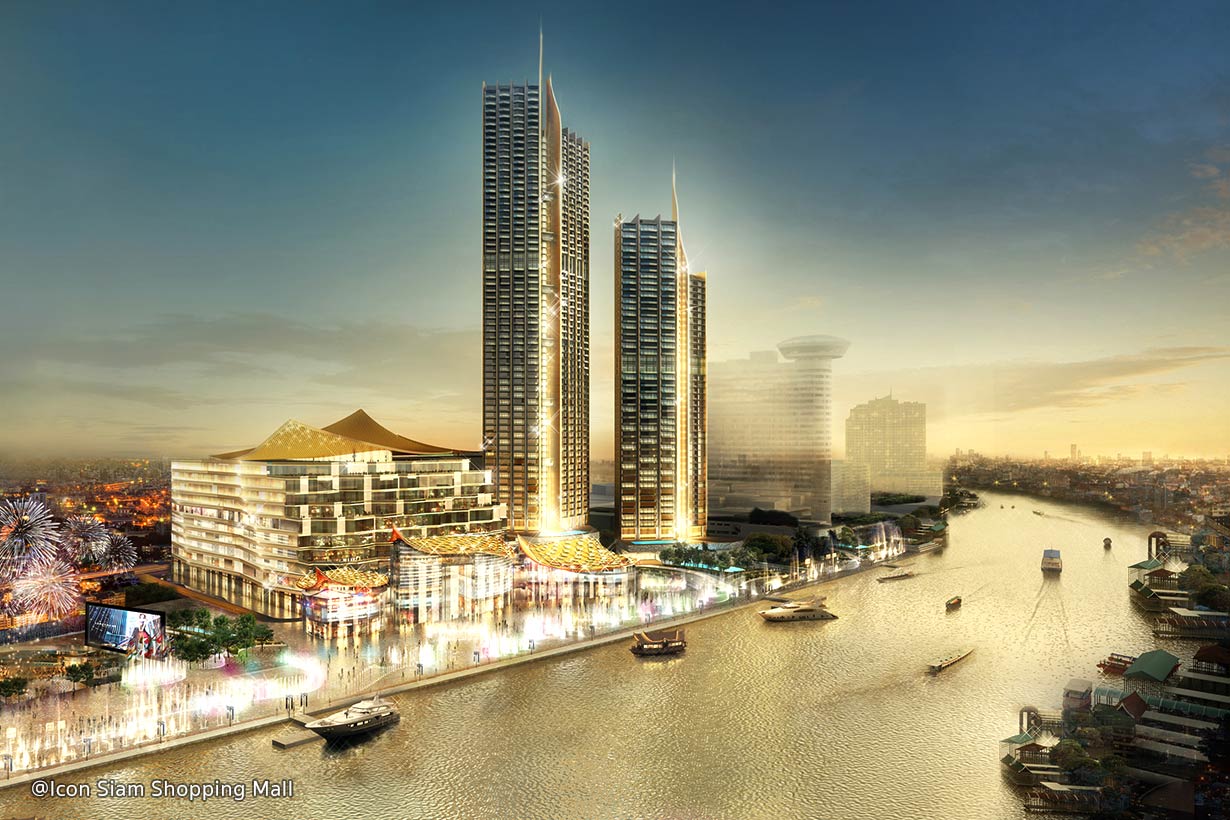
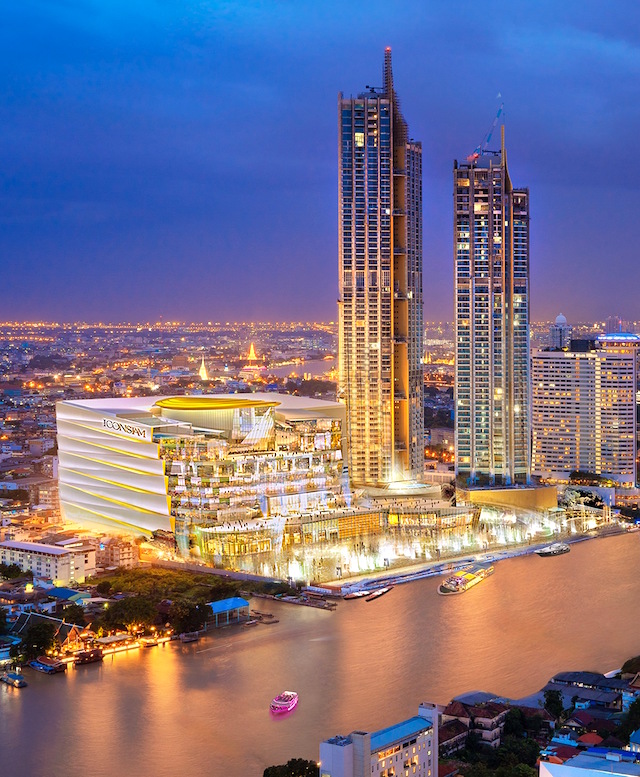
    Bangkok’s massive IconSiam development will open on November 9, its developers have confirmed.

    The US$1.67 billion complex being constructed on a 400-metre-long stretch of the Chao Phraya River will feature 14 flagship stores of internationally renowned brands, many of them taking space in the ultra-luxury 25,000sqm glass pavilion called IconLuxe, located next to the river and featuring the longest pillarless glass facade in the world.

    The development will be home to two shopping centres, whose tenants will include 188 brands and store concepts from around the world making their debut in Thailand, including duplex maisons for luxury brands.

    IconSiam CEO Supoj Chaiwatsirikul says IconSiam will represent “a completely new business model for destination development” in Thailand.

    “We are committed to making IconSiam a new national landmark and an exciting global destination. We have therefore placed particular emphasis on becoming the location of choice for the flagship stores of the world’s finest brands as well as introducing many firsts and innovations at the various outlets.”

    The development will comprise a 750,000sqm mega-destination featuring not only two shopping precincts, but theme parks, a museum, hotel and apartment towers.

    “IconSiam will excite visitors with a rich diversity of offerings, including art and culture, in addition to extraordinary dining and shopping possibilities,” said Chaiwatsirikul. “The project is co-designed and co-activated in collaboration with enterprises of all sizes and with people from all walks of life, and the benefits of the project are shared among all parties.

    “We have made every participant in IconSiam – whether they be outlets selling products, or designers and artists showcasing their creations, or even neighborhood communities helping in our operations – an inseparable part of our business model and they play a part in shaping our development.”

    Flagships line up

    Flagship stores at IconSiam will include the largest Adidas Original store in Asia, H&M-owned fashion label Cos, an Aland lifestyle concept store from Korea, and local accessories brand Naraya. H&M will open a three-level store.

    UK retailer JD Sports will open its first Thai store at the development and Nike’s store will be the first in Asia with a Kicks Lounge.

    The retail development is anchored by Thailand’s first Takashimaya department store from Japan which plans to introduce 170 brands into the market for the first time.

    Details have yet to be released about world-class restaurants and a rooftop bar planned for the complex. Besides those, IconSiam will feature seven food and beverage zones, each with a different atmosphere and concept. Tenants will include Singapore’s Jumbo seafood restaurant and Taiwan’s Harbour restaurant.

    Fitness First will open its largest Thai venue yet.

    Opening festival

    Chaiwatsirikul says IconSiam has budgeted THB1 billion (US$31 million) on an opening and launch festival, including extensive international communications.

    “Because IconSiam will be a showcase for the very best that Thailand has to offer and serve as a platform to propel Thai brands, products, artists, artisans and Thai culture onto the global stage, we are investing heavily to make IconSiam globally visible. We want IconSiam to be a magnet for the country, capable of drawing hundreds of thousands of international and local visitors a day, and to bring honour to Thailand,” he said.

    Meanwhile, the development’s two luxury residential towers remain under construction. The 70-floor, luxury Magnolia Waterfront Residences with 379 residential units is 90 per cent complete, while the 52-floor, super luxury The Residences at Mandarin Oriental Bangkok with 146 units is 80 per cent complete.

    IconSiam is being developed by three Thailand companies: shopping centre operator Siam Piwat, which owns Siam Center, Siam Paragon and Siam Discovery; residential developer Magnolia Quality Development Corporation; and multinational conglomerate Charoen Pokphand Group.

  • Siam Makro to open 15 stores in India

    Siam Makro to open 15 stores in India

    Thailand conglomerate Charoen Pokphand (CP) Group plans to invest Rs1000 crore (US$157 million) over the next five years to open Siam Makro wholesale stores in India.

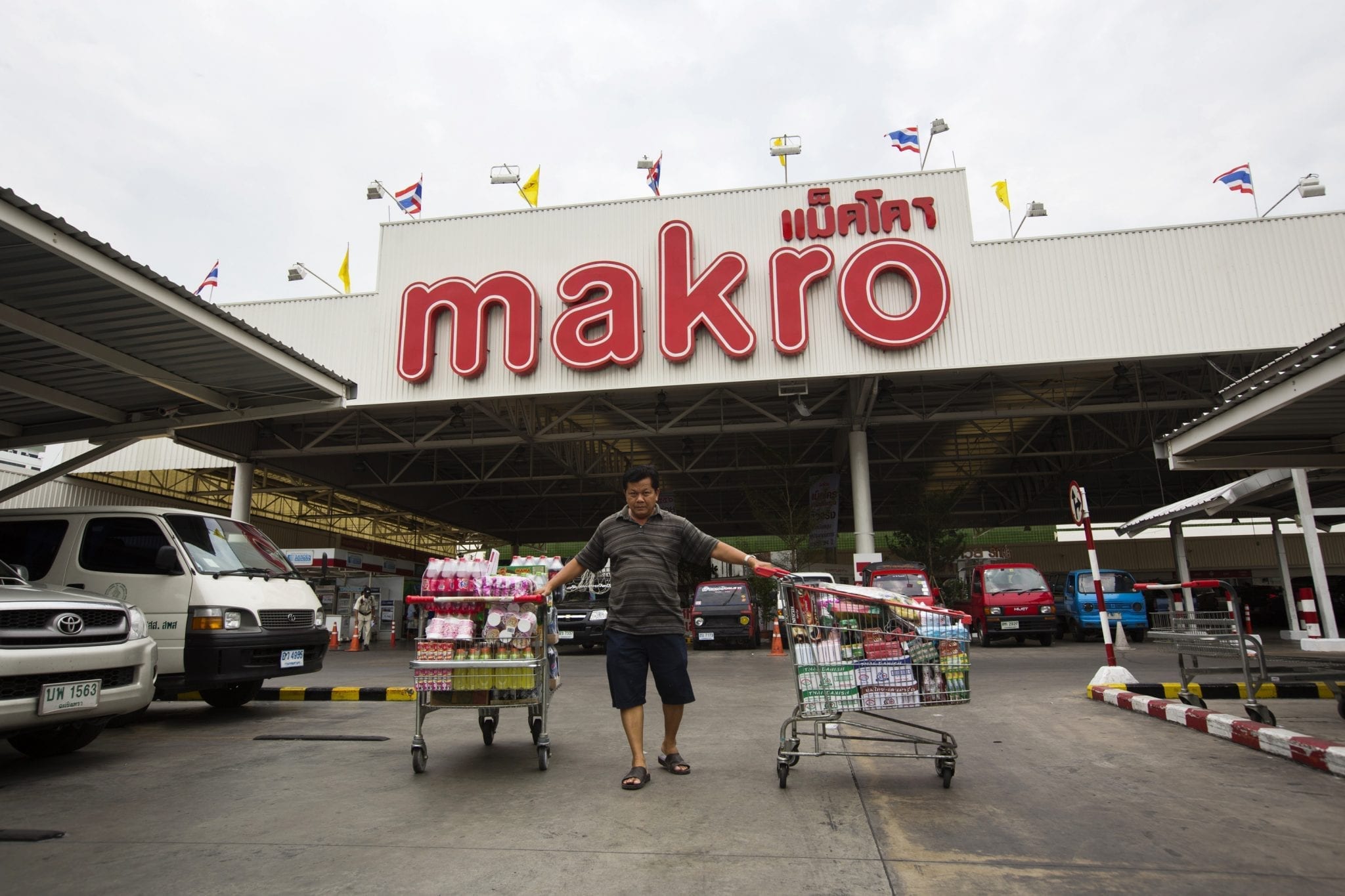
    Siam Makro, the company’s retail arm, will open 15 wholesale cash-and-carry stores in India, starting with Delhi-NCR, over the next three years under a new brand, Lots Wholesale Solutions.

    “India and the US are the two priority markets for us for future growth,” says MD Tanit Chearavanont of CP Wholesale India.

    The company hopes to open its first two stores, each covering more than 50,000sqft (4600sqm) in NCR by the end of the second quarter.

    CP Group has cash-and-carry businesses in Thailand, China, Cambodia and Myanmar. It has 123 Makro cash-and-carry outlets in Thailand, and 60 outlets in China under the brand Lotus.

    “We bring with us 28 years of experience in serving various business-to-business customers, such as hotels, restaurants and cafes, traders and service customers, through different cash-and-carry formats, large and small,” says Chearavanont. Hotels, restaurants and cafes, which account for about 28 per cent of the company’s business in Thailand, are seen as the largest segment in India as well.

    CP Group, which entered India in 2016 through CP Foods, its agro-industrial and food unit, is looking at making India its innovation hub for technology and digitisation, says Chearavanont.

    CP Wholesale India director (development and expansion) Sameer Singh says the company will look at competitive pricing to take on existing wholesalers in India. “We are also working on possible limited-period credit for customers. We are in discussions with banking institutions to finalise a strategy.” added Singh.

  • CP Lotus revenue drops

    CP Lotus revenue drops

    Revenue fell by 6.3 per cent for lifestyle retailer CP Lotus Corporation for its first half, dipping by RMB337.1 million (US$50.5 million) to RMB4.9 billion.

    It says the decrease was mainly the result of a 9.1 per cent decline in same-store sales, cushioned by the revenue generated from two new stores opened in the second half of last year plus two new stores and one Lotus Center opened during the review period.

    All merchandise categories had lower sales for the six months to June 30. Sales from apparel, electronics, hardline and personal care fell by about RMB189.7 million or 9.8 per cent, while fresh-food sales eased by 2.2 per cent.
    Gross profit margin was 17.5 per cent of sales (2016: 16.8 per cent), a reduction of RMB23.2 million or 2.6 per cent.

    The two stores opened during the six months were in Nanhai, Guangdong province, and Xian, Shaanxi province, where the Lotus Center mall was launched. The group owns and runs 63 retail stores, including 62 hypermarkets and one supermarket. It also runs two shopping malls.

    During the first half the group continued its efforts to enhance the merchandise mix and offerings. It continued to expand direct sourcing and more direct purchase of vegetables and fruit. CP Lotus says direct sourcing not only lowers prices but also allows for better control of product quality.

    “As consumers’ disposable income and their demand for high-quality imported food continued to rise, the group continued to bring in a wider range of imported products such as wine, beverages, snacks, health supplements, kitchenware and other groceries.”

    Also, the group’s house brand team continued to work with the merchandise and marketing team to develop competitively priced house-brand products.

  • Two Thai clans stay on Forbes rich list

    Two Thai clans stay on Forbes rich list

    The Chearavanont and Chirathivat families are among the 50 richest Asia families in 2016 as ranked by Forbes Asia magazine. Families in the top five of this year’s list are in businesses that span technology, livestock, real estate and oil and gas, the magazine reported in its latest issue published yesterday. Leading the list for the second year in a row is South Korea’s Lee family, the founder of Samsung Group, with a combined wealth of US$29.6 billion, up from $26.6 billion last year.

    Thailand’s Chearavanont family, which controls the Charoen Pokphand Group (CP Group), rose to second place with US$27.7 billion in wealth, moving up from fourth place and $19.9 billion last year.

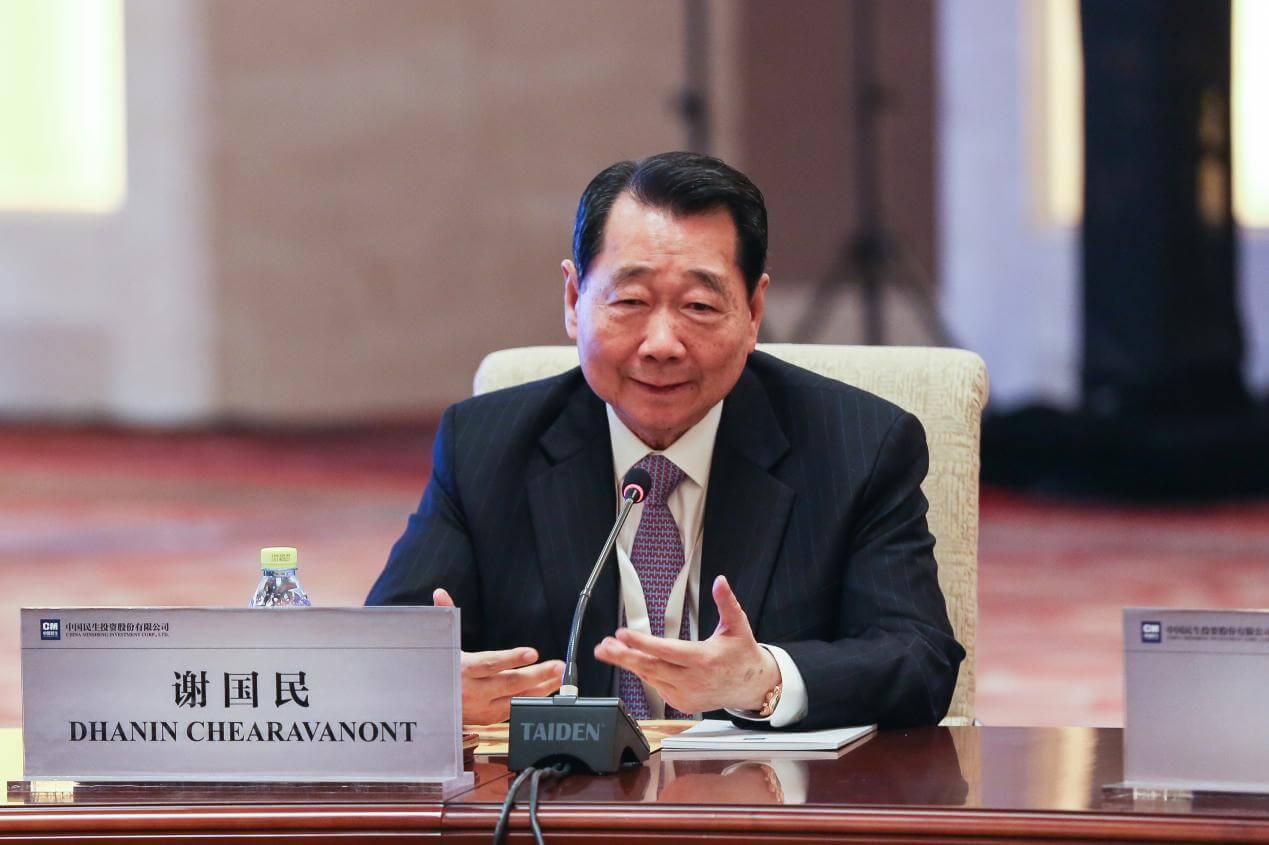
    CP Group led by billionaire Dhanin Chearavanont operates various businesses ranging from poultry, telecom and retail under the 7-Eleven convenience chain in Thailand.

    Third-richest are the Ambanis of India’s Reliance Group with a combined net worth of $25.8 billion, followed by the Kwok family of Hong Kong with $25.2 billion, Asia’s richest real estate family. The Lee family from Hong Kong ranks fifth with $24.7 billion.

    The Chirathivat family, which owns giant retail businesses in Thailand under the Central Group, retains the 14th spot with $13.8 billion. Its combined wealth grew from $11.7 billion last year.

    Headed by chief executive Tos Chirathivat, Central Group just restructured its organisation by recruiting professionals to run the group’s operations, including property, trading, food and online, which have combined sales revenue of about 320 billion baht this year.

    Slipping from this year’s list is the Ratanarak family, a Thai clan that controls Bangkok Broadcasting’s Channel 7 and ranked 45th with $3.5 billion in net worth last year.

    The reports notes that Indian families stood out on the 2016 Forbes list of Asia’s richest families, with 17 of the top 50 families hailing from India.

    Many of these Asian families’ conglomerates have worldwide footprints. Collectively, the top 50 families are worth US$519 billion.

    “Sources of Asian wealth are broadening. You can see that among the rich families here, and even within many of the families — no particular sectors of the economy dominate,” said Tim Ferguson, editor of Forbes Asia.

    The minimum net wealth to qualify for the list was $3.4 billion, up from $2.9 billion a year ago.

  • Siam Makro buys four food companies

    Siam Makro buys four food companies

    Siam Makro, which runs the Makro cash-and-carry store chain, has clinched a 3-billion-baht (US$85.75 million) deal to acquire four food companies.

    Through its wholly owned subsidiary Siam Food Services, Siam Makro has entered into an agreement to acquire an 80 per cent stake in each of Indoguna (Singapore), a listed firm on the Singapore Exchange, Indoguna Dubai, Lordly and Just Meat. Indoguna is listed on the Singapore exchange, while Lordly and Just Meat are Hong Kong listed.

    The funds will come from Siam Makro’s cash flow and bank loans.

    Siam Makro’s major shareholder, Charoen Pokphand Group (CP), has its strength in the food and agricultural businesses. CP acquired a 64 per cent stake in the cash-and-carry chain from the Dutch trading company SHV Holdings for $6.6 billion in 2013.

    Siam Makro has partnered with with local companies to take its Makro cash-and-carry chain to Cambodia. The JV is 70 per cent owned by Makro ROH, a wholly owned subsidiary of Siam Makro, and the balance by Cambodian investors, with $2 million in initial registered capital.

    Siam Makro plans to open 10 stores in Thailand this year, bringing its total outlets to 108 nationwide. During the first half, Siam Makro posted a net profit of 2.38 billion baht on revenue totalling 85.7 billion.

  • CP All supermarket has the lone laugh in drought hit Thailand

    Sales have tumbled at everything except one of Thailand’s prominent supermarkets as the most terrible drought season in 10 years strikes at the heart of the cultivating sector – the foundation of the rustic economy – and disappoints arrangements to open more stores in the regions.

    CP All is the only supermarket in Thailand to register a rise in same-store-sales growth, when the company reported a growth of 1.6 percent in Q3. Big C Supercenter, Thailand’s second-largest hypermarket chain after Tesco PLC, endured a 5.2 percent slide in Q3 same-store sales growth (SSSG) from a year prior, the most among its associates. About portion of Big C’s business originate from the inside Thailand where shoppers are worried about dry spell, low product costs and a feeble financial standpoint, investigators say. Tesco’s Thai unit does not report quarterly SSSG numbers.

    Big C, lion’s share claimed by Casino Group in France, has lessened its pace of extension like numerous different wary retailers. That is in sharp differentiation to the part’s forceful development arranges only a couple of years back.

    CP All, owned by billionaire Dhanin Chearavanont, is taking an alternate tack. The administrator of Thailand’s 7-Eleven stores is progressing with its extension, mostly to counterbalance slower deals at existing stores. That methodology is by all accounts working – same-store sales rose 1.6 percent in Q3. CP All was additionally the main retailer with any development in deals. The organization arrangements to open no less than 600 store a year to expand the aggregate number of stores to 10,000 by 2018.

    Analysis says retailers’ profit has bottomed in the second from last quarter, with government measures set up to invigorate utilization in the final quarter. That feeling is reflected in a pickup in purchaser trust in October, the first ascent in 10 months. In any case, the street to recuperation may be long, as general utilization could be dragged around falling homestead livelihoods one year from now. Climate forecasters say dried conditions could hold on through 2017. The agrarian area is the nation’s biggest business, representing 32 percent of Thailand’s work power.

  • CP All in USD433m drive to expand store operations

    CP All in USD433m drive to expand store operations

    Thailand’s retail company CP All Plc has earmarked THB14 billion (USD432.6 million) to expand its convenience and cash-and-carry store operations this year on the back of economic recovery and high consumer spending power.

    Of the total budget, THB9 billion will go to its own 7-Eleven convenience store expansion and the remaining THB5 billion to its subsidiary Siam Makro Plc, which operates Makro cash-and-carry stores.

    CP All plans to open 600 new convenience stores and improve its existing outlets, while Siam Makro will open 10 new Makro branches.