
Tag: cpi

  • May CPI Rises 0.16% as Housing and Utility Costs Surge

    May CPI Rises 0.16% as Housing and Utility Costs Surge

    Vietnam’s consumer price index (CPI) experienced a modest bump of 0.16% in May compared to the previous month, largely fueled by rising costs in rental housing, home maintenance materials, electricity, and dining out. This increase marks an ongoing trend in the Asian nation’s economic landscape, as the National Statistics Office, under the Ministry of Finance, reported that for the first five months of 2025, the CPI escalated by 3.21% year-on-year. During this same period, core inflation surged by 3.1%.

    Food and Housing Drive Inflation

    Food and catering services recorded a notable year-on-year increase of 3.83%, with pork prices soaring by 13.53%, attributing this spike to strict supply constraints paired with high demand during the holidays. Housing and utilities contributed significantly to the inflation narrative, climbing 5.43% and pushing the CPI up by a hefty 1.02 percentage points. Notably, rental costs ascended by 6.84%, while electricity expenses rose by 4.93%, and home maintenance materials saw a 2.71% uptick.

    As the cost of living rises, healthcare services and pharmaceuticals experienced a significant spike of 14.07%. This increase was primarily fueled by a recent pricing circular from the Ministry of Health. Household equipment and appliances were not spared from this upward trend either, facing a price increase of 1.58%.

    In a twist of fortune, transportation costs fell by 3.97%. Fuel prices took a dive of 13.39%, providing a much-needed reprieve for consumers. Additionally, postal and telecommunications services saw a modest decline, decreasing by 0.49%, mainly owing to the lower prices of older-generation mobile phones.

    Gold Prices Reflect Global Trends

    Gold prices mirrored global market movements, with domestic prices soaring by 10.47% month-on-month in May and a staggering 45.95% year-on-year. Over the five-month span, domestic gold prices surged by 35.37%. Meanwhile, the US dollar index trended downward, decreasing by 0.82% globally as market speculation suggested a possible interest rate cut by the US Federal Reserve. However, the demand for import-export payments in Vietnam caused the dollar index to rise by 0.68% month-on-month, showcasing a 2.69% year-on-year increase.

    The National Statistics Office also noted that core inflation in May saw a month-on-month growth of 0.33%, while year-on-year figures climbed to 3.33%. As the economy adjusts, consumers are left watching the prices, mentally preparing for their next shopping excursion where prices are anything but mundane.

    Questions & Answers

    What contributed to the recent rise in Vietnam’s CPI?
    The CPI rose mainly due to increased costs in rental housing, home maintenance materials, electricity, and dining out.

    How does core inflation compare from year-on-year in May?
    Core inflation climbed by 3.33% year-on-year in May, marking a steady rise alongside the overall CPI.

    What trends were observed in commodity prices over the first five months?
    Transportation costs decreased by 3.97% due to lower fuel prices, while food prices, particularly pork, saw significant increases driven by demand and supply issues.

  • Bank Indonesia’s top woman fights CPI with more than rates

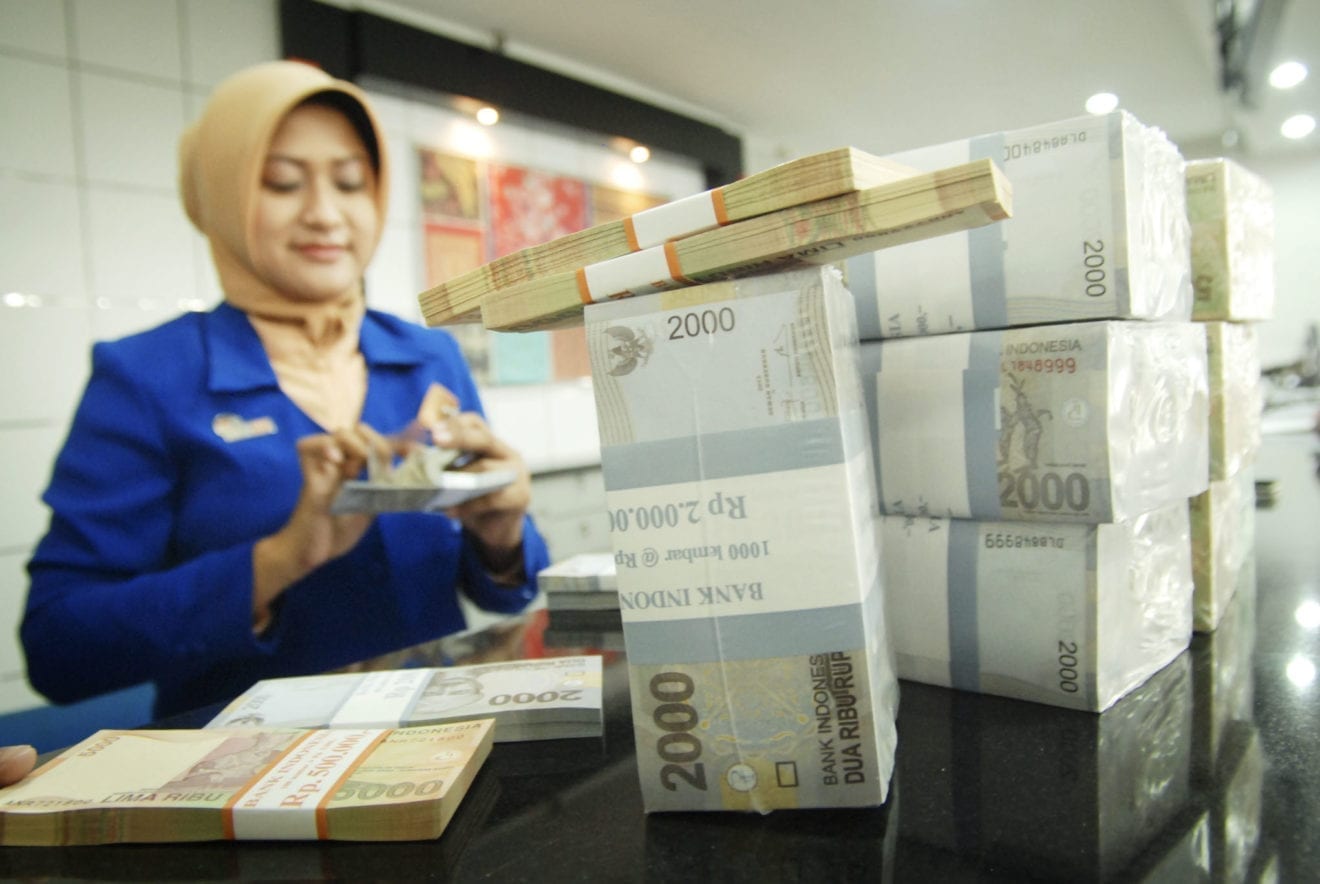
    Bank Indonesia’s top woman fights CPI with more than rates

    Rosmaya Hadi enlisted the help of 2,000 religious leaders to fight inflation when she ran Indonesia’s central bank in West Java region. In the world’s largest Muslim country, Hadi got them to spread a message of moderation in mosques on the eve of the Eid al-Fitr festival last year, when Indonesians usually step up spending on food and gift-giving to mark the end of the month of fasting. “Don’t shop excessively, don’t buy things at any price, it is good to haggle” they preached, she said.

    “People may not listen if it’s the central bank speaking, so we had to find new approaches and rely on local leaders and the local wisdom,” Hadi said in her first interview since taking office in January as deputy governor at Bank Indonesia and the highest-ranking female official.

    Hadi, 57, plans to use that same bottom-up approach in her new role. The career central banker who rose through the regional ranks is keenly aware that controlling inflation in the country of 250 million people dotted across more than 900 islands takes more than just setting interest rates.

    “Often we form a clear policy in Jakarta but the implementation in the regions is less clear, so this needs to change,” Hadi said at her office in the capital, overlooking the iconic National Monument tower.

    Making policy more effective has been a theme under Bank Indonesia Governor Agus Martowardojo. The bank overhauled its framework last year, adopting a new benchmark rate that would transmit adjustments more quickly to the economy.

    Regional Expertise

    While there’s been some success, banks haven’t passed on the full effect of last year’s 150 basis points of reduction in the benchmark: lending rates have fallen 112 basis points in the year through January, holding back credit growth at 7.9 percent last year — the slowest pace since the Asian financial crisis in 1999 — and capping economic growth at 5 percent.

    Hadi’s promotion brings more regional expertise to policy-making in a country where inflation varies widely across provinces. In Papua, consumer prices fell 0.77 percent in February from a month earlier after Freeport-McMoRan Inc. halted production at the world’s second-largest copper mine following a dispute with the government; in Manado, North Sulawesi, the monthly inflation rate was 1.16 percent due to the rising cost of tomatoes, a key ingredient in the local cuisine.

    For the country as a whole, consumer prices rose 0.23 percent in February and declined 0.02 percent in March.

    “Bank Indonesia’s policy will now be more focused as earlier it only considered the national aggregate,” David Sumual, chief economist at PT Bank Central Asia, said by phone on Hadi’s appointment. “Jakarta and West Java may have the strongest economies, but it’s possible that smaller regions can possess systemic risk.”

    The only board member who wasn’t educated at an overseas university, Hadi holds a law degree from Universitas Padjajaran in Bandung, West Java, and completed a master’s in social and political studies at the University of Indonesia.

    She is the first deputy governor elected from a pool of regional heads, busting a myth that being sent to work at offices outside of Jakarta was to hit the glass ceiling, she said. She began her career at the central bank in 1985, and has held various roles including as head of the payment systems department, deputy director for internal finances and running the rupiah transactions office.

    ‘Different Perspective’

    In her new role, she has pledged to ensure the bank does more to boost women’s participation in the economy. Like other Southeast Asian central banks, women are generally well-represented in senior positions compared to developed-world peers, such as the Reserve Bank of Australia and the U.S. Federal Reserve, but more can be done, she said.

    “When you say having more women leaders is important because of the different perspective we bring, I am the case in point,” she said.

    Bank Indonesia has had two women on the board previously: Siti Fadrijah was appointed deputy governor in 2005 and Miranda Goeltom held the role from 1997 before being named senior deputy governor in 2004. Both were named suspects in separate corruption cases. Fadrijah died in 2015 before she was given a verdict, while Goeltom served a three-year sentence that ended two years ago.

    Cabinet Ministers

    Women account for about 30 percent of the total workforce at Bank Indonesia and occupy 10 of the 33 executive director roles, the top spot below the board of governors, Hadi said.

    Still, the labor participation of females in the wider economy lags: it was 51 percent in 2014, equal to countries in the Organisation for Economic Co-operation and Development, but lower than the 61 percent in East Asia and the Pacific, according to World Bank data. The economic gender gap cost the country more than 16 percent of its gross domestic product last year alone, the International Monetary Fund estimated.

    “Some women have this mental block that keeps them from going full tilt, telling themselves to follow the husband or settling for good enough,” Hadi said. “But we’ve had a woman as president and we have women ministers, so the doors are open. Now it’s up to us to make the most of the opportunity.”

    Nine of Indonesia’s 34 cabinet ministers are women, including Finance Minister Sri Mulyani Indrawati, State-Owned Enterprises Minister Rini Soemarno and Fisheries Minister Susi Pudjiastuti. Megawati Soekarnoputri, who chairs the Indonesian Democratic Party of Struggle that backs current President Joko Widodo, was the country’s first female president in 2001.

    Bank Indonesia hasn’t yet had a woman at the helm. “It could be anybody,” Hadi said, laughing, when asked if she could be that person.

  • Most consumers install apps carelessly

    Most consumers install apps carelessly

    Kaspersky Lab has has published research indicating that consumers are installing apps on their devices, without being aware of the potential consequences.

    Kaspersky Lab’s “Are you cyber savvy?” Quiz, which questioned 18,507 consumers about their online habits, found that an alarming number of consumers are leaving their privacy, and the data on their phones, exposed to cyberthreats because they are not installing apps on their devices safely.

    A “shocking” 63% of consumers neglect to read the license agreement carefully before installing a new app on their phone and one-in-five (20%) do not read messages when installing apps. They simply go through the motions of clicking “next” and “agree,” without understanding what they could be signing up to.

    When users neglect to read license agreements or messages during the app installation process, they do not know what they are agreeing to. Some apps can affect user privacy, prompt the installation of other apps, or even change the OS settings of a device completely legally, because the user has “agreed” to it during the installation process.

    The quiz also discovered that just under half (43%) of users could be at risk from the apps on their mobile device, because they are not “cyber-savvy” enough to limit app permissions when installing apps.

    Further, 15% of respondents do not limit what their apps can do on their phone at all and 17% give apps permissions when prompted, but then forget about it, while 11% think they cannot change those permissions.

    When app permissions are left unchecked, it is possible, and legal, for apps to access the personal and private data on mobile devices, from contact information, to photos and location data.

    To protect themselves, consumers should only download apps from trusted sources; select the apps you wish to install on your device wisely; read the license agreement carefully during the installation process; read the list of permissions an app is requesting carefully. Do not simply click “next” during installation, without checking what you are agreeing to; and use a cybersecurity solution that will protect your device from cyberthreats.