Tag: crackdown

  • Crackdown on Underground Hospitality: Thailand Targets Illegal Hotels on Phuket Island

    Crackdown on Underground Hospitality: Thailand Targets Illegal Hotels on Phuket Island

    The Thai government is stepping up its measures against unauthorized accommodations, following the discovery of three illegal hotels on Phuket, the nation’s largest island. During a recent operation, Deputy Interior Minister Polapee Suwunchwee led a task force targeting three hotels consisting of approximately 200, 240, and 45 rooms. The investigation revealed that none of the properties held valid construction permits or operating licenses.

    Two of these establishments had initially received approval as residential buildings or condominiums but had been unlawfully converted into hotels. In addition, officials conducted online booking simulations, which showed that the hotels were mostly selling rooms to European and other international tourists, with very few Thai patrons.

    Illegal Ownership and Consequences

    The investigation further exposed suspected nominee ownership arrangements, involving companies with a shareholding structure that is 49% foreign and 51% Thai. In some instances, the properties were legally owned by Thai citizens but rented out to Chinese investors, who allegedly ran the hotels without the necessary licenses.

    This operation is part of a larger scheme covering over ten locations across Phuket. Local authorities, under the instruction of Phuket Governor Sophon Suwannarat, have been directed to immediately close businesses that fail to provide the necessary documentation.

    Director-General of the Department of Provincial Administration, Narucha Kosasivilize, highlighted the triple-edged harm of illegal lodging operations. They disadvantage legal, tax-paying businesses, pose safety hazards due to non-compliance with government safety standards, and damage Thailand’s reputation, thereby undermining long-term confidence in its tourism industry. Efforts are being made in conjunction with the Royal Thai Police, Ministry of Commerce, Department of Special Investigation, and other agencies to broaden probes into foreign business networks nationwide.

    In a separate development, Deputy Government Spokeswoman Lalida Pervsivatan announced that Thailand will implement a new intelligence-based screening system on August 1 to enhance the detection of nominee businesses. This system will scrutinize company registration records, shareholder structures, and financial statements to pinpoint high-risk firms with Thai shareholders in suspicious circumstances. Lalida emphasized, however, that these measures are not designed to deter rightful foreign investment but to distinguish legal investors from those employing nominee structures to operate illicitly.

    Questions & Answers

    What is the focus of the crackdown in Thailand?
    The Thai government is focusing on the detection and closure of illegal hotels without the necessary operating licenses.

    What consequences do these illegal operations bring?
    Illegal hotels disadvantage legal businesses, pose safety threats due to non-compliance with government safety regulations, and tarnish Thailand’s reputation, undermining confidence in its tourism sector.

    What is the future plan of the Thai government to curb these illegal operations?
    Thailand plans to introduce a new intelligence-based screening system to improve the detection of businesses that are high-risk or suspicious, focusing on those with Thai shareholders.

  • EU Slaps AliExpress with Record $629 Million Fine Over Counterfeit Goods Crackdown Failure

    EU Slaps AliExpress with Record $629 Million Fine Over Counterfeit Goods Crackdown Failure

    On Monday, AliExpress, Alibaba’s subsidiary, was slapped with a record-breaking €550 million (US$629 million) fine by the European Union for its failure to address sales of illegal, dangerous and counterfeit items on its platform. This penalty is considered to be the largest to date, issued by the European Commission in line with the EU’s Digital Services Act, a prominent law that mandates online platforms of substantial size to augment their efforts in combating harmful and illicit content.

    This penalty is the third of its kind issued by the European Commission, following charges placed on AliExpress in June of the previous year for non-compliance with a Digital Services Act stipulation. This regulation requires platforms to evaluate and reduce the risk of distributing illegal products. AliExpress was given until October 20 to suggest corrective actions. Should the regulatory body determine in December that the company has failed to meet the requirements of the Digital Services Act, further sanctions may be levied.

    The EU’s tech chief, Henna Virkkunen, expressed concern over this issue, describing it as highly risky for consumers and unfair to companies that abide by the rules. She highlighted the vast user base of AliExpress in Europe, standing at 193 million last year, compared to Shein’s 156 million and Temu’s 130 million. Temu has also been subject to fines under the Digital Services Act, and Shein is currently under investigation.

    AliExpress has voiced its intention to contest the fine, deeming it as excessive. “Today’s decision and disproportionate fine disregards our robust risk management structure and the substantial, proactive improvements we’ve implemented,” AliExpress stated via email. The company also indicated its active collaboration with the Commission to satisfy its evolving expectations.

    Assessment and Criticism of AliExpress’s Risk Management Practices

    The Commission criticized AliExpress for not adequately assessing whether it had sufficient personnel to manage risks and for overestimating the efficacy of its system in identifying and removing illicit products. Furthermore, the Commission took issue with the company’s ineffective penalty policy, which allowed penalized businesses to continue selling illegal products on its platform.

    The regulator also noted that AliExpress’s “brand authorisation” system, designed to deter counterfeit sales, was insufficient and easily bypassed by traders selling fraudulent items. There was also criticism of the company’s advertising and recommender systems for contributing to the spread of illicit products and relying on one quantitative indicator to assess the moderation system’s effectiveness in preventing the appearance or re-emergence of illegal products in similar forms.

    However, the regulator did consider the novelty of the Digital Services Act as a mitigating factor when determining the fine, which could have been even larger. This penalty far surpasses the €120 million fine imposed on Elon Musk’s social media platform X and the €200 million fine on Temu, both for Digital Services Act violations.

    Questions & Answers

    What is the significance of the fine imposed on AliExpress by the European Union?

    This penalty, amounting to €550 million (US$629 million), is a record-breaking fine issued by the European Commission under the EU’s Digital Services Act. It highlights the EU’s stance on ensuring large online platforms take more responsibility in preventing the distribution of illegal and harmful content.

    How has AliExpress responded to the fine?

    AliExpress has expressed its intention to appeal the fine, deeming it as excessive. The company asserts that this penalty neglects the robust risk management framework they have established and the proactive enhancements they’ve implemented in their operations.

    What criticisms has the European Commission voiced regarding AliExpress’s operations?

    The Commission has criticized AliExpress for inadequately assessing risks and overestimating its system’s effectiveness in identifying and removing illicit products. Other criticisms include the company’s ineffective penalty policy, its “brand authorisation” system’s shortcomings, and its advertising and recommender systems’ role in spreading illegal products.

  • Crackdown in Da Nang: Seven Retailers Face Hefty Fines for Peddling Counterfeit Luxury Brands

    Crackdown in Da Nang: Seven Retailers Face Hefty Fines for Peddling Counterfeit Luxury Brands

    The Market Surveillance Department has issued fines totaling VND215 million (US$8,163.74) to seven retail stores in Da Nang, Vietnam for selling fake merchandise from brands such as Gucci and Nike. The shops, located in popular tourist areas Son Tra and Hoi An, have been instructed to dispose of all counterfeit items.

    Counterfeit Items Seized in April Raid

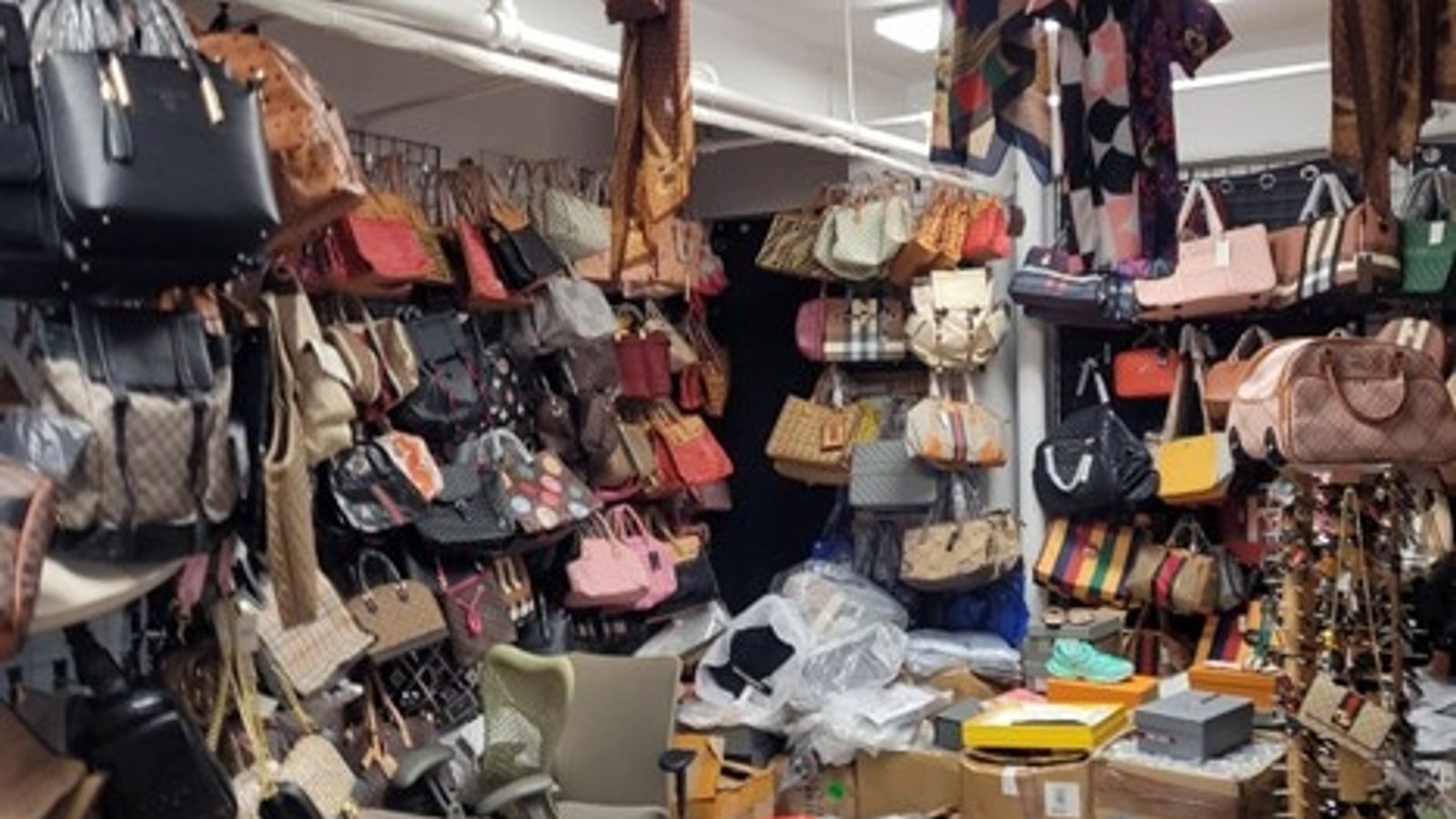
    The fines come as a result of an early April raid, during which authorities seized 295 handbags from brands such as Gucci, Chanel, Hermes, and Fendi, along with 27 pairs of Nike sneakers. All of these items were suspected to be counterfeit.

    The raided establishments were unable to provide proper documents or invoices for these goods, which are estimated to have a value of nearly VND178 million if they were authentically produced.

    Raids Part of Broader Campaign

    These raids are part of a larger initiative leading up to the Da Nang International Fireworks Festival, an annual event that draws large crowds of both local and international tourists.

    The Market Surveillance Department has indicated that they will continue to conduct inspections in shopping and tourist areas. They warned that repeat or serious offenders may be referred to investigative authorities if there is evidence of criminal activity.

    In an effort to further prevent the sale of counterfeit and low-quality goods, authorities are also ramping up public awareness campaigns. These initiatives aim to educate businesses on legal compliance and help consumers identify counterfeit products.

    Questions & Answers

    Why were these retail stores in Da Nang fined?
    They were fined for selling counterfeit merchandise from brands including Gucci and Nike.

    What action was taken after the counterfeit items were discovered?
    The shops were levied with fines and ordered to dispose of all counterfeit goods.

    What measures are authorities taking to prevent the sale of counterfeit goods?
    Authorities are conducting regular inspections, particularly in tourist and shopping areas. They are also running public awareness campaigns to educate businesses about legal compliance and help consumers detect counterfeit and low-quality goods.

  • Exploring Australia’s Potential Crackdown on Infant Formula Ads: A Move to Protect Breastfeeding Rates

    Exploring Australia’s Potential Crackdown on Infant Formula Ads: A Move to Protect Breastfeeding Rates

    The Australian federal government is currently seeking public feedback on the possibility of enacting laws to regulate the marketing of infant formula in the country. This consultation process is open for submissions until the 10th of April.

    The Background

    Prior to February 2025, a voluntary agreement had been set in place in which Australian formula brands pledged not to advertise formula products for infants aged 12 months or less. This agreement was instituted as part of an effort to encourage and safeguard breastfeeding practices. However, recent statistics have shown that the rates of breastfeeding in Australia are not as high as desired. This has prompted the government to consider not renewing the voluntary agreement and instead, exploring more stringent measures.

    These proposed measures are not intended to explicitly promote breastfeeding. The main objective is to curb marketing practices that present formula as a better or equivalent alternative to breastfeeding.

    The Problem with Formula Advertising

    Breastfeeding offers numerous health benefits for both the mother and child. These include protection against gastrointestinal and respiratory infections for newborns, decreased risk of obesity and type 2 diabetes later in life for the child, and a lower risk of ovarian and breast cancer for the mothers.

    In light of these benefits, Australian guidelines propose exclusive breastfeeding for the first six months of a child’s life. Additionally, the World Health Organization recommends continued breastfeeding for the first two years.

    Despite high rates of breastfeeding at birth in Australia, these rates significantly decrease over time. In 2022, it was reported that only 37% of babies were exclusively breastfed by the time they reached six months.

    There are various reasons why mothers choose not to breastfeed, but the advertising of formula products is a key area of concern. It has been found to muddle parents’ understanding of the nutritional benefits of breastfeeding versus formula, reduce the initiation and duration of breastfeeding, and position formula as a more favorable solution to breastfeeding challenges.

    The Role of Online Advertising

    Online advertising operates differently from traditional forms of advertisement. Online ads target individuals based on their search history, browsing activities, or significant life events. As such, they can reach new or expectant parents at times when they may be most uncertain or susceptible to suggestions.

    Analysis of Infant Formula Ads

    An analysis of online formula advertisements targeting parents in Australia was conducted by the ADM+S Australian Ad Observatory. The study found that formula brands used various tactics to appeal to parents. These included highlighting positive customer reviews, offering free downloadable resources such as cookbooks and baby proofing guides, and partnering with prominent retailers to direct individuals to online shopping platforms.

    Potential Government Actions

    The government is contemplating several options, including maintaining the status quo with no regulation, introducing legislation that mirrors the former voluntary agreement, or introducing legislation that also restricts the marketing of toddler milk for children aged one to three years.

    Questions & Answers

    What are the benefits of breastfeeding for mothers and children?
    Breastfeeding offers significant health benefits, including protection against gastrointestinal and respiratory infections for newborns, decreased risks of obesity and type 2 diabetes later in life for the child, and a reduced risk of ovarian and breast cancer for the mother.

    Why is the advertising of infant formula products a concern?
    Advertising can confuse parents about the nutritional benefits of breastmilk versus formula, decrease the initiation and duration of breastfeeding, and present formula as a more favorable solution to breastfeeding challenges.

    What potential actions is the Australian government considering?
    The government is considering several options including maintaining the status quo with no regulation, introducing legislation that mirrors the former voluntary agreement, or introducing legislation that also restricts the marketing of toddler milk for children aged one to three years.

  • Malaysia’s Luxury Car Crackdown: Over 1,050 High-End Vehicles Seized Amid Traffic Violation Storm

    Malaysia’s Luxury Car Crackdown: Over 1,050 High-End Vehicles Seized Amid Traffic Violation Storm

    Since July 2025, Malaysia’s Road Transport Department has confiscated over 1,050 high-end vehicles, including brands such as Rolls-Royce, Lamborghini, Mercedes-Benz, and BYD. The total value of these seized vehicles exceeds RM200 million (US$50.9 million). The operation aimed to address traffic violations committed by luxury car owners, including unpaid road taxes, lack of sufficient insurance coverage, and expired or invalid driving licenses.

    Strict Enforcement of Traffic Rules

    The Road Transport Department launched the ‘Ops Luxury’ operation to underscore its commitment to enforcing traffic regulations without exceptions. The department emphasized that owning an opulent vehicle does not exempt one from adhering to traffic rules.

    Datuk Muhammad Kifli Ma Hassan, the department’s Senior Enforcement Director, stated that the enforcement actions have heightened awareness among vehicle owners. He highlighted a decrease in the number of luxury vehicles found with invalid road taxes, indicating improved compliance. The strict operations have led to fewer vehicles being seized in recent times.

    Ongoing Surveillance

    Hassan noted that some owners have cited forgetfulness or financial limitations as reasons for their failure to renew their road taxes, even with cars that have a market value of RM3 million to RM5 million.

    He added that the department’s monitoring efforts persist, especially in Kuala Lumpur and Penang, and several vehicles remain under the department’s watchful eye.

    Previously, the department would only issue fines as low as RM300, which proved ineffective as a deterrent. However, since the department began seizing vehicles and requiring owners to clear their outstanding road tax dues, compliance rates have significantly improved. According to a local news source, about 90% of vehicle owners have settled their arrears.

    Questions & Answers

    What was the focus of the ‘Ops Luxury’ operation launched by Malaysia’s Road Transport Department?
    The operation targeted high-end vehicle owners who were in violation of traffic regulations, such as unpaid road taxes, lack of insurance coverage, and expired or invalid driving licenses.

    What impact has the operation had on compliance with road tax regulations among luxury vehicle owners?
    The operation has led to improved compliance, with fewer luxury vehicles found with invalid road taxes. Since the department started impounding vehicles, about 90% of vehicle owners have settled their outstanding road tax dues.

    What was the approach of the Road Transport Department towards traffic violations before the operation?
    Before launching the operation, the department would only issue fines as low as RM300 for traffic violations, which proved ineffective as a deterrent.

  • Vietnam Authorities Crackdown on Counterfeit Luxury Goods: Over 1,800 Fake Gucci, Hermes Items Seized

    Vietnam Authorities Crackdown on Counterfeit Luxury Goods: Over 1,800 Fake Gucci, Hermes Items Seized

    A significant crackdown operation in Vietnam resulted in the seizure of over 1,800 counterfeit luxury items, including fake Gucci glasses and Hermes watches. The operation targeted a store specializing in the sale of counterfeit branded merchandise.

    Vendor Fined for Counterfeit Goods

    The Market Surveillance Department in Quang Ngai Province revealed that a 35-year-old vendor in Tinh Khe Commune faced a hefty fine of VND102.5 million (US$4,200) for showcasing and selling 1,000 counterfeit Gucci glasses and 800 counterfeit Hermes watches. All seized items were confiscated and are slated for destruction.

    The authorities stated that the trademarks in question enjoy legal protection in Vietnam. The imposed penalties form part of a wider initiative to clamp down on the circulation of counterfeit, imitation, and substandard goods in local markets.

    Effects of Counterfeit Goods on the Market

    Market surveillance officials stressed that selling counterfeit branded items not only breaches intellectual property laws but also poses the risk of misguiding consumers and damaging the reputation and operations of genuine businesses.

    Additional Enforcement Operations

    In a separate enforcement initiative, a market surveillance team, in conjunction with the police, discovered a substantial amount of goods that lacked the necessary documentation. In one instance, a distributor was found in possession of 675 water filter cartridges branded as “A Qua” and “OCB” without any invoices or evidence of legal origin.

    Another business, engaged in the trading of electric bicycles and electric motorbikes, was flagged for violating labeling regulations, including the omission of compulsory details like manufacturing dates. The total value of the improperly labeled goods amounted to an estimated VND34.5 million.

    Strict Penalties for Commercial Fraud

    Market surveillance officers and local police appealed to businesses to sell only merchandise with verifiable origins and comprehensive documentation. They warned that commercial fraud for profit would be subjected to stringent penalties, and enforcement actions would only escalate.

    Questions & Answers

    What were the counterfeit items discovered in the operation?
    The operation uncovered over 1,800 counterfeit items, including 1,000 fake Gucci glasses and 800 counterfeit Hermes watches.

    What is the impact of selling counterfeit goods on the market?
    Selling counterfeit branded goods not only infringes on intellectual property laws but also risks misleading consumers and undermining the operations of legitimate businesses.

    What measures are being suggested to businesses to avoid legal issues?
    Market surveillance officers and local police encourage businesses to sell only goods with clear origins and complete documentation. Businesses are also urged to comply with labeling regulations.

  • Thailand’s Largest Bank Takes Bold Step: Foreign Tourists Unable to Open Accounts Amid Fraud Crackdown

    Thailand’s Largest Bank Takes Bold Step: Foreign Tourists Unable to Open Accounts Amid Fraud Crackdown

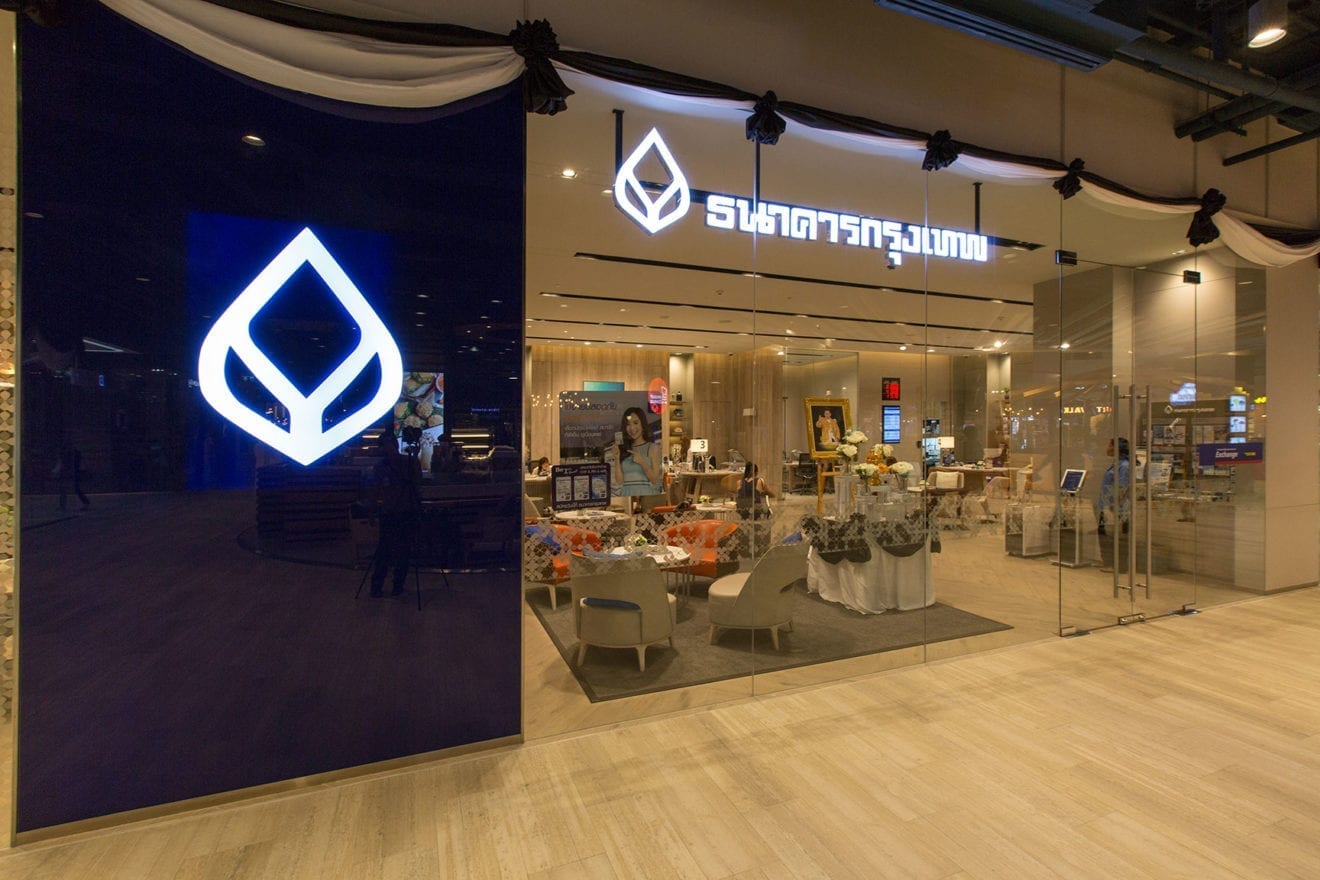
    In a significant policy shift, Bangkok Bank, Thailand’s largest bank by assets, has halted account openings for certain foreign customers without long-term residency. This move is a part of a broader crackdown on fraud that could impact visitors and some expatriates.

    Tightened Restrictions

    The bank’s updated policy also limits access to credit card services and mobile banking for individuals who do not meet the newly established eligibility criteria. “Customers flagged as suspicious under regulatory guidelines are required to undergo identity verification,” the bank stated, as reported by the Bangkok Post.

    Impact on Foreign Nationals

    The effects of this policy shift are already being felt, as numerous foreigners have taken to social media to express their frustrations over frozen accounts and blocked cards. The Bangkok Community Help Foundation has also received several similar reports.

    Exceptions to the Rule

    According to the Russian state news agency TASS, a spokesperson for Bangkok Bank confirmed that tourists are now ineligible to open accounts, though exceptions are made for foreigners with Thai spouses, property ownership, or long-term visa status. “An account with Bangkok Bank can be opened by foreigners present in the country under retirement or non-immigrant visas,” the spokesperson clarified.

    Seeking Assistance

    Customers navigating account issues or looking for further clarification are encouraged to reach out to Bangkok Bank through its official support channels. After all, even banks need a little TLC from their customers!

    Questions & Answers

    What prompted Bangkok Bank to implement this new policy?
    Bangkok Bank is cracking down on fraud, leading to a restriction on account openings for foreign customers without long-term residency.

    Who is still eligible to open an account at Bangkok Bank?
    Foreigners with Thai spouses, property ownership, or long-term visa status, including retirement or non-immigrant visas, can still open accounts.

    How can affected customers get assistance?
    Customers facing issues with their accounts should contact Bangkok Bank through its official support channels for help.

  • A Tech Crackdown Hits Alibaba Profit by Nearly 60%

    A Tech Crackdown Hits Alibaba Profit by Nearly 60%

    China’s economy has been battered by the fallout from strict COVID-19 curbs including lockdowns and transport restrictions that have kept consumers home, pushed up unemployment, and tangled supply chains. Alibaba has also had to contend with a wide-ranging regulatory crackdown on alleged anti-competitive practices by China’s tech giants.

    The Hangzhou-based group cited “macro challenges that impacted supply chains and consumer sentiment” as it announced a loss of 16.2 billion yuan ($2.56 billion) for the January-March quarter.

    It warned it would not give forward-looking financial guidance due to Covid risks and uncertainty.

    Alibaba has seen its market value plummet since Beijing launched its sweeping crackdown in 2020 on some of China’s largest home-grown companies.

    The crackdown included a last-minute cancellation of a planned IPO by Alibaba’s financial arm Ant Group, which would have been the world’s largest public offering at the time. The company was also hit with a record $2.75 billion fine for alleged unfair practices last year. But Alibaba Group said that its revenue grew around 9% in the last quarter to 204.1 billion yuan, better than expected in a Bloomberg forecast. The company’s revenues -generated mainly by its core e-commerce operations – were up 19 % for the fiscal year ending March 31. Meanwhile, its full-year profit came to 62 billion yuan ($9.8 billion).

    “Since mid-March 2022, our domestic businesses have been significantly affected by the Covid-19 resurgence in China, particularly in Shanghai,” the company said.  “Considering the risks and uncertainties arising from Covid-19… we believe it is prudent at this time not to give financial guidance as we typically do at the start of the fiscal year,” it added.

    Alibaba’s earnings follow a series of sluggish results by prominent Chinese tech firms, with internet giant Baidu reporting a net loss of 885 million yuan ($140 million) in the first quarter. Baidu’s business has been “negatively impacted” by China’s recent Covid-19 resurgence since mid-March, co-founder Robin Li said in a statement.  Virus-related challenges continue to pressure Baidu’s near-term operations, Li said.

    Tencent reported record low quarterly revenue growth at 135.5 billion yuan ($20.1 billion) in the first quarter, putting year-on-year expansion at nearly zero. China is the last major economy to stick to a strict zero-Covid policy, which is now being tested by the infectious Omicron variant.

  • Beijing’s Crypto Crackdown Sends Mining Abroad

    Beijing’s Crypto Crackdown Sends Mining Abroad

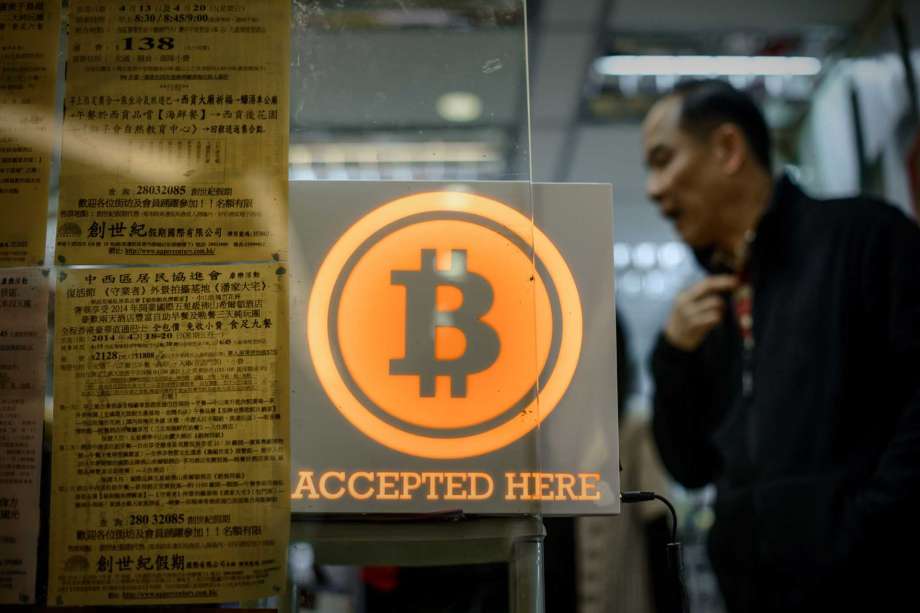
    Cryptocurrency miners in China are shifting their operations to other markets abroad following Beijing’s latest crackdown.

    A committee from China’s State Council announced on Friday that it would crack down on crypto, specifically naming Bitcoin as a major concern.

    The government will crackdown on bitcoin mining and trading behavior, and resolutely prevent the transfer of individual risks to the society, said the committee led by Vice Premier Liu He.

    Although the statement stopped short of communicating or signaling an outright ban, miners in China – estimated to account for as much as 70 percent of global crypto supply – are already planning to shift their operations abroad.

    Huobi Mall, an arm of major cryptocurrency exchange Huobi, said over the weekend that it had suspended its custody business and is now contacting overseas service providers to export mini rigs in the future.

    Crypto mining pool BTC.TOP also announced the suspension of its China business over regulatory risks and its founder Jiang Zhuoer said that the firm will mainly conduct its crypto mining operations in North America in the future.

  • China Widens Regulatory Net for Fintech Crackdown

    China Widens Regulatory Net for Fintech Crackdown

    More than a dozen major technology firms in China are set to face similar restrictions imposed on Jack Ma’s Ant Group as Beijing widens its fintech crackdown.

    13 tech titans – including Tencent, ByteDance, JD.com, Meituan and Didi Chuxing – were summoned to a meeting over a series of new requirements for their financial units, according to a joint statement by Chinese regulators.

    State representatives at the meeting included the central bank, the banking and insurance regulator, the securities regulator and the foreign exchange watchdog. The 13 tech firms will face similar requirements previously imposed on Jack Ma’s Ant Group including the restructuring of financial units into holding companies for regulatory supervision.

    Restrictions will be tightened in numerous areas such as payment links to financial products, collection of customer data, credit scoring services and overseas listings.

    The latest regulatory push against the broader fintech sector follows the headline crackdown against Ant Group with the latest move being a probe against its IPO backers and considerations for the divestment of Ma’s stake.