Tag: Craft beer

  • Medusa to Raise ₹200 Crore and Enter Spirits with Third Eye Distillery

    Medusa to Raise ₹200 Crore and Enter Spirits with Third Eye Distillery

    Medusa Beverages Pvt. Ltd plans to raise ₹200 crore over the next two fiscal years to scale operations and enter India’s spirits sector through a tie-up with Goa-based Third Eye Distillery.

    Under the agreement, founder and chief executive Avneet Singh is targeting gross revenue of ₹210 crore in FY27, up from ₹165 crore in FY26, as the brewer adds higher-margin spirits to offset seasonal dips in beer sales.

    The partnership gives Medusa exclusive rights to bottle, distribute and sell Third Eye brands across 15 states in North India and Jharkhand, targeting ₹20 crore in gross revenue in its first year. Medusa manufactures the lines through its network and sells them into bars, restaurants and hotels. The initial rollout includes Short Story gin and vodka, together with Stranger & Sons gin, followed by Peru Road gin and planned whisky lines.

    Margin Shift and Off-Peak Hedging

    Gross margins in India’s beer sector hover around 30 to 35 per cent, whereas premium spirits reach roughly 65 per cent, founder and chief executive Avneet Singh said. The arrangement lets Medusa add high-margin spirits lines without spending capital to build an operating distillery from scratch.

    Seasonal swings dictate the logic. Beer consumption in northern India drops sharply during the winter months, idling distribution assets and eroding cash flow. Packing a portfolio with dark spirits and gin smooths seasonal revenue while running the same sales pipeline into regional on-premise accounts.

    “The economics of the two categories are also different. Beer generates gross margins of around 30-35%, while premium spirits can generate margins of about 65%,” Singh said.

    The operational pivot places Medusa directly against established alcoholic beverage giants including United Breweries, Carlsberg and Anheuser-Busch InBev, alongside craft peers such as Simba and Kati Patang. While multinational brewers possess balance sheets capable of absorbing margin squeezes, smaller challengers face rising operational hurdles when state excise policies restrict price adjustments.

    By stepping into spirits, Medusa shifts execution risk onto retail trade compliance across India’s fragmented state alcohol boards. Securing shelf space and bar listings for craft spirits demands working capital upfront, particularly in price-controlled markets where distribution costs can outrun volume gains.

    Revenue Targets and Factory Footprint

    Medusa targets 210 crore rupees in gross revenue for FY27, up from 165 crore rupees reported in FY26. It sold 1.35 million cases of beer in FY26, though packaging cost increases and shortages of aluminium cans held performance below earlier corporate goals.

    Financial filings show profitability remains elusive for both businesses. Medusa reported a net loss of 4.2 crore rupees in FY25, widening from 2.8 crore rupees in FY24, according to platform Tofler. Third Eye Distilleries generated 17.9 crore rupees in FY25 sales, paring its annual net loss to 4.8 crore rupees from 24.1 crore rupees a year earlier.

    Contract facilities still handle all of Medusa’s beer manufacturing today. The company avoids sinking capital into owned brick-and-mortar breweries until regional sales volumes reach utilization thresholds that support fixed asset overhead.

    Capital Structure and Product Rollouts

    The planned 200 crore rupee fundraising round will close in two tranches, taking 50 crore rupees in FY27 through compulsorily convertible debentures and 150 crore rupees in FY28. The program follows a 56 crore rupee Series A round secured in January 2025 from private investors, including Ohm Stock Broker promoter Amal N. Parikh and Alchemy Capital Management co-founder Ashwin Kedia.

    Proceeds will fund commercial distribution, manufacturing infrastructure and inventory across its ten existing state markets, led by Delhi, Haryana and Uttarakhand. Affordable lagers like Medusa Premium Strong Beer generate 82 per cent of sales, with premium variants including its Air lager providing the remaining 18 per cent.

    Medusa will introduce its own branded whisky within the next 45 to 60 days, priced between 850 and 1,000 rupees a bottle.
  • Tribe Breweries Buys Collapsed Australian Craft Producer Black Hops

    Tribe Breweries Buys Collapsed Australian Craft Producer Black Hops

    Tribe Breweries bought collapsed Gold Coast craft brewer Black Hops out of voluntary administration on October 8 for an undisclosed sum. The deal absorbs the brand into its national beverage platform.

    The agreement secures the brand’s primary production brewery in Biggera Waters and its original taproom in Burleigh Heads. All Queensland staff and 90 per cent of national positions will stay.

    Rescue terms and production assets

    Black Hops joins a brewing portfolio that includes Stockade Brew Co, Mornington Peninsula Brewery, and gluten-free label Wilde Brewing Co. Production continues across both Gold Coast sites. That gives the buyer regional manufacturing capacity alongside its primary facility in Goulburn.

    The Goulburn plant has an annual capacity of 30 million litres. It handles proprietary brands and contract packaging for independent labels. Chief executive Heath Baker confirmed plans to streamline operational overheads while maintaining the Black Hops brand identity in retail distribution and on-premise venues.

    General manager Nathan Seamons said the agreement ends months of operational limbo for brewery workers.

    “This is a wonderful day for everyone involved in the business but also for the millions of Australians who simply love a Black Hops beer.”

    Consolidation pressure across craft brewing

    Independent brewers across Australasia face severe margin compression from escalating excise duties, rising raw material costs, and soft bar spending. Standalone production is now unsustainable without volume scale. That hits mid-tier producers that financed rapid capacity expansions between 2018 and 2021.

    For retail buyers and hospitality groups, the purchase removes near-term inventory risk on core Black Hops lines. Tap supply will concentrate among fewer independent consolidators. Cost containment remains the main hazard for Tribe. Taking on regional taprooms and separate production lines lifts overheads as retail shelf competition intensifies.

    Two administrations in seven months

    Debts exceeding AU$7 million ($4.5 million) forced Black Hops into its first voluntary administration in March 2024. A consortium of existing and new investors, including Darren Hill and managing director Luke McCormack, bought the assets two months later to restructure the business.

    That turnaround failed to stabilize cash flow. McCormack put the company back into administration in July after an agreed private buyout collapsed. Administrators then sought a trade buyer with existing logistics networks. Black Hops had already closed its Brisbane venue earlier in the year, which subsequently transferred to Salisbury-based Hiker Brewing.

    Ownership turnaround at Goulburn

    Tribe completed its own corporate overhaul after entering voluntary administration in February 2023 under administrator FTI Consulting. A consortium led by the Elsie Cameron Foundation, the philanthropic fund tied to Kathmandu co-founder Jan Cameron, bought the Goulburn business out of administration and restructured its balance sheet.

    The business gained B Corp certification in July. It is finishing construction on a hospitality venue at its Goulburn headquarters. Integration now turns to supply contracts and wholesale channel terms across Queensland bottle shops, with initial production schedules under the combined entity taking effect this quarter.

  • Independent Brewers Association Calls for Australian Alcohol Tax Reform

    Independent Brewers Association Calls for Australian Alcohol Tax Reform

    The Independent Brewers Association has called on the Australian government to review the national alcohol tax system, warning that tax disparities between beer and wine undermine public health goals.

    Draught and packaged beer face tax indexation twice a year under the current framework, while bulk wine retains preferential treatment under the Wine Equalisation Tax.

    Led by CEO Sabrina Kunz, the association responded in October 2026 to recommendations from the House of Representatives Standing Committee on Health, Aged Care and Disability, which urged Treasury to assess whether structural tax reform is needed.

    Disparity between beer and wine duties

    Small commercial brewers face higher tax obligations per standard drink than producers of bulk cask wine. The Wine Equalisation Tax applies to wholesale value rather than alcohol content by volume. This creates a persistent price gap on retail shelves.

    Parliamentary committee findings acknowledged that non-uniform taxation keeps cheap high-strength products widely available. Craft operators argue this structure penalises local brewers facing high domestic manufacturing costs. At the same time, it subsidises industrial wine output.

    Sabrina Kunz, chief executive of the Independent Brewers Association, said current policy fails to support health objectives: “If Government were serious about using taxation as a tool for harm minimisation, they would incentivise consumers to choose ‘low’ and ‘no’ alcohol products.”

    Shifting consumption patterns

    Official data shows per capita alcohol intake and risky drinking have fallen steadily across Australia over the past two decades. Underage drinking rates fell by half across the same period. Younger consumers have shifted away from volume consumption.

    Independent economist Professor Kym Anderson documented that moderation in beer was the primary driver of Australia’s declining alcohol intake over the past half-century. Small producers developed artisanal products alongside mid-strength and non-alcoholic alternatives. These offerings directly reshaped drinking habits.

    Excise policy has failed to keep pace with these shifts, industry advocates argue. Tax rates on packaged beer rise automatically every six months in line with the consumer price index. This drives retail prices higher even as overall consumption volumes shrink.

    Community venues under cost pressure

    Rising excise liabilities hit independent taprooms alongside escalating commercial rents, utility bills, and packaging costs. Independent operators lack the scale to absorb persistent excise hikes across high-volume networks.

    Taprooms operate as community hubs without gaming machines, generating regional employment and local supply chain demand. British Beer and Pub Association research showed that neighbourhood venues generate measurable community wellbeing benefits. Heavy taxation erodes those gains.

    Hospitality margins have contracted sharply across regional and suburban venues. The pressure forced several craft breweries into voluntary administration or consolidation over the past two years. Industry leaders argue that excessive duty on draught beer damages viable hospitality businesses without curbing heavy consumption of cheap alternative alcohol.

    Next steps for Treasury review

    The campaign follows a formal submission by the brewers association to the parliamentary committee in November 2024. The final committee report in May confirmed that the existing tax mix does not provide adequate economic or health safeguards.

    Treasury faces pressure from craft beverage manufacturers, public health advocates, and regional venue operators to deliver clear volumetric modelling. The brewing sector wants excise rates linked directly to alcohol volume across all beverage types. Brewers also seek duty exemptions or lower bands for mid-strength and zero-alcohol options.

    Federal ministers have not yet set a formal timetable for Treasury to publish its excise modelling or table legislative reforms ahead of the upcoming budget.

  • Southern Alps Brewing Launches NZ Low-Gluten Lager for $27 to $30

    Southern Alps Brewing Launches NZ Low-Gluten Lager for $27 to $30

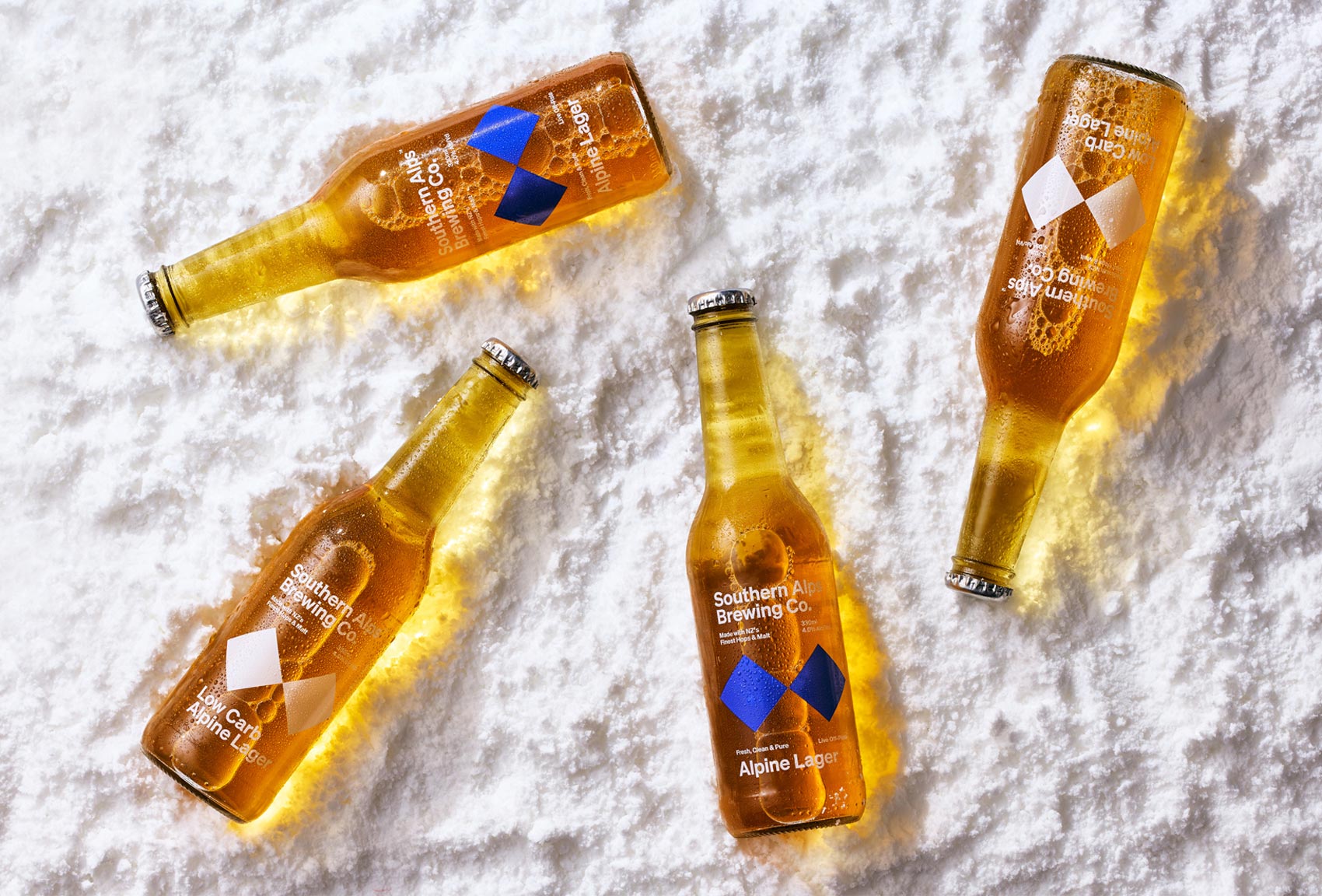
    In September 2026, Southern Alps Brewing launched New Zealand’s first premium low-gluten lager, priced between $27 and $30 for a 12-pack.

    The 4.8 per cent ABV beverage comes in 330ml packs and uses an enzymatic process that reduces gluten content to below 10 parts per million while maintaining a standard beer profile.

    Enzymatic reduction and local sourcing

    Southern Alps Brewing, a portfolio brand of Marlborough-based Moa Brewing Company, brews the product with New Zealand malt and southernmost-grown hops, with independent testing by Assure Quality verifying the gluten threshold.

    Traditional gluten-free beers rely on sorghum, rice, or millet, which often changes the body and flavor profile of the brew. By keeping barley malt and deploying enzymes to degrade the problem proteins, the brewer keeps the standard lager profile intact.

    Shelf space pressure in liquor aisles

    Supermarket operators and specialty liquor chains across Australasia face mounting competition in the better-for-you drinks category. Low-carbohydrate, zero-alcohol, and functional drinks have occupied an expanding share of refrigerated retail space over the past three years. For bottle shop owners, stocking low-gluten lines allows them to capture drinkers who might otherwise migrate entirely toward seltzers, cider, or spirits.

    Retail margins in the craft segment remain tight due to elevated excise rates and rising packaging inputs. A 12-pack priced up to NZ$30 places the product directly against mainstream craft four-packs and imported premium labels. Retailers will test whether mainstream shoppers pay a premium strictly for verified gluten reduction.

    Premium pricing in functional brewing

    Breweries across the region spent the last five years rationalizing standard stock keeping units while testing dietary variants. Moa Brewing Company has adjusted its brand portfolio to defend domestic market share against both international conglomerates and neighborhood microbreweries.

    Distribution now expands across New Zealand liquor merchants and retail grocers ahead of peak southern hemisphere summer beverage demand.

  • Balter Brewing Launches Dark Lager Exclusively with Liquorland in Australia

    Balter Brewing Launches Dark Lager Exclusively with Liquorland in Australia

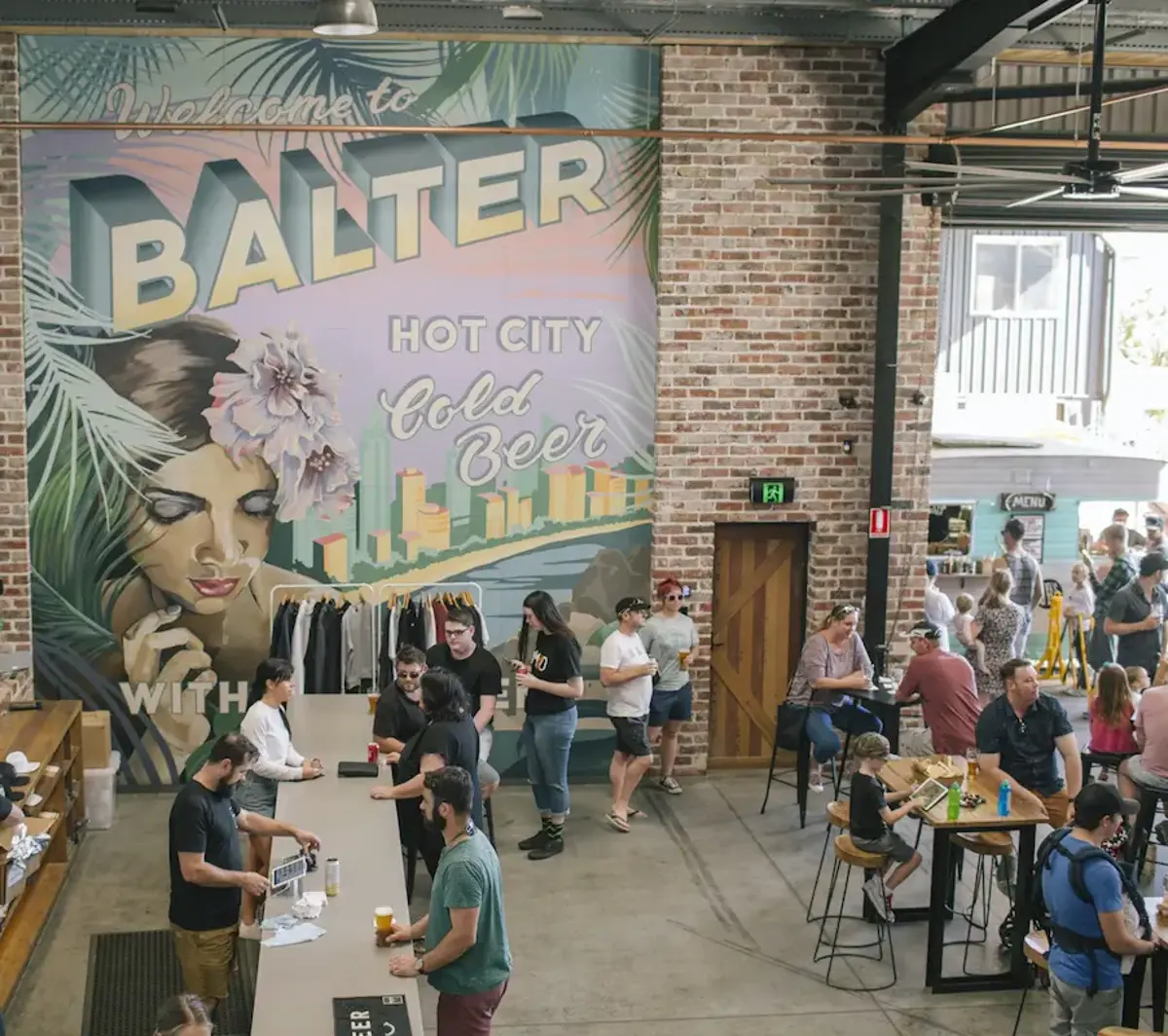
    Balter Brewing, an Australian craft beer producer, has unveiled its new dark lager, Balter Black. The product is launching as an exclusive retail offering through Liquorland, one of Australia’s prominent liquor retailers. This partnership highlights the growing consumer demand for diverse beer options, particularly in the dark brew segment.

    The Balter Black lager is designed to appeal to drinkers seeking an alternative to traditional heavy stouts. It combines the characteristic chocolate notes and mild roasted flavour of a dark malt with the lighter, crisp profile typically found in standard lagers. This approach aims to capture consumers who are drawn to the increasing popularity of dark beers, influenced by the resurgence of traditional varieties like Guinness.

    Exclusive Retail Partnership

    Initially developed as a limited-run special brew, Balter Black is now being brought to a wider market through its collaboration with Liquorland. This exclusive distribution model gives Liquorland a unique product in a competitive retail landscape, potentially driving foot traffic and sales for the retailer. For Balter Brewing, it secures significant shelf space and market penetration for their new product.

    Exclusive product launches and strategic retail partnerships are a common and effective strategy for brands seeking to gain market share or introduce new categories. In Asia, similar models are frequently seen, with craft brewers in markets like Japan and Singapore often partnering with specific supermarket chains or online platforms to launch new limited editions or seasonal brews. This allows brands to test market response while offering retailers a competitive edge. The trend for premium and craft alcoholic beverages continues to grow across the Asia-Pacific region, with consumers increasingly looking for unique flavour profiles and brand stories.

    Responding to Consumer Trends

    The introduction of Balter Black directly addresses evolving consumer preferences within the Australian beer market. The rising interest in dark beers, alongside a general appreciation for craft and specialty brews, indicates a shift from mainstream lagers towards more nuanced and experimental styles. By offering a dark lager that is both flavourful and approachable, Balter Brewing positions itself to capitalise on this trend, providing a product that caters to both seasoned dark beer enthusiasts and those exploring the category for the first time.

  • DFS Kicks Off Inaugural Craft Festival at Changi Airport

    DFS Kicks Off Inaugural Craft Festival at Changi Airport

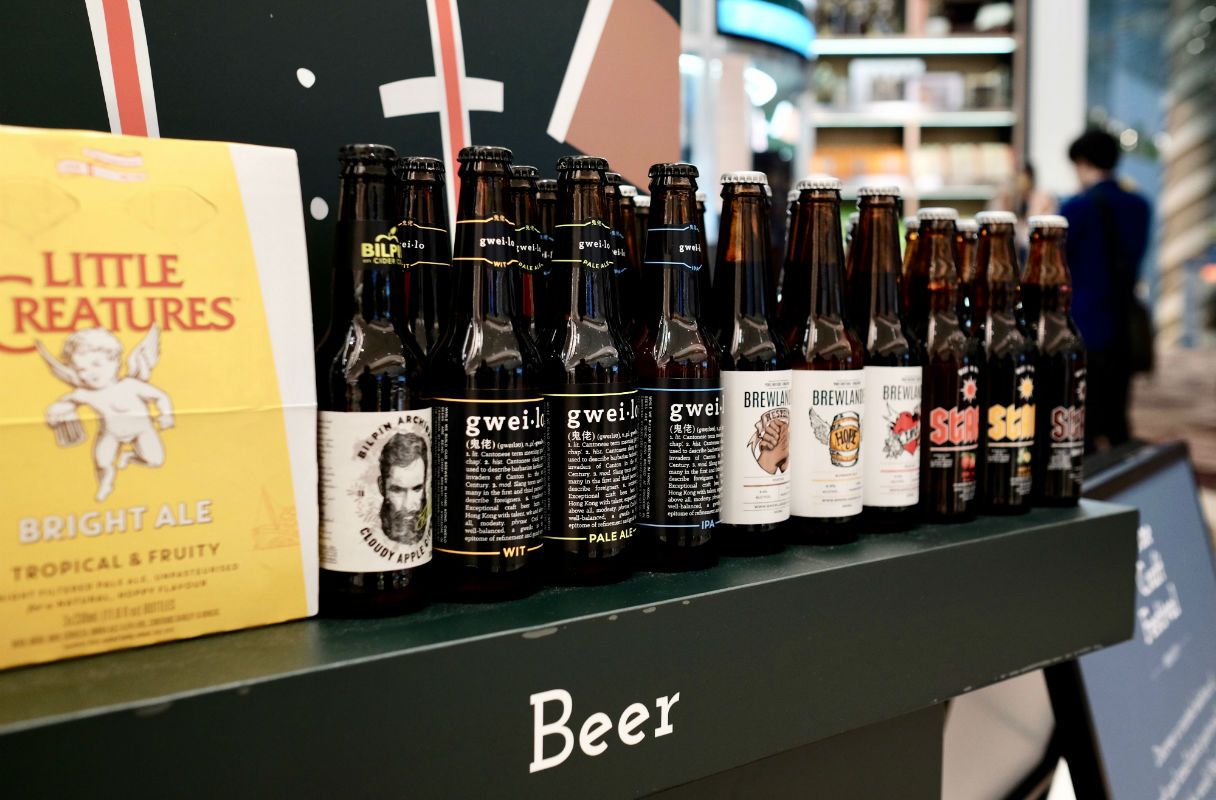
    In celebration of all things craft, DFS Group, the world’s leading luxury travel retailer, is hosting its first-ever Craft Festival at Singapore’s Changi International Airport. Taking place for six weeks from 21 September across Terminals 1, 2, 3 and 4, the festival will provide travelers with an opportunity to taste and engage with over 73 craft gin, whisky and beer brands, as well as meet with specialist craft distillers from around the globe.

    The craft spirits scene has seen an impressive boom in the last decade, with an increase in consumers looking to purchase and enjoy small-batch brands. Unique not only through the art of distillation, these brands also carry stories of rich heritage and are developed using bespoke local ingredients. A craft consumer’s dream, the festival will highlight the influence of distillers and their unique and varied approaches to craft. Combining entertainment with education, travelers will be invited to step into the world of craft to discover their drink personalities at DFS through tastings, brand engagements and hands-on cocktail mixing.

    “At DFS, we believe in providing our customers with new and engaging retail experiences,” said Wilcy Wong, DFS Group Managing Director Singapore and Indonesia. “The Craft Festival provides us with a platform to showcase our impressive collection of small-batch spirits and introduce our customers to unique and exclusive products, some of which can only be found at DFS.”

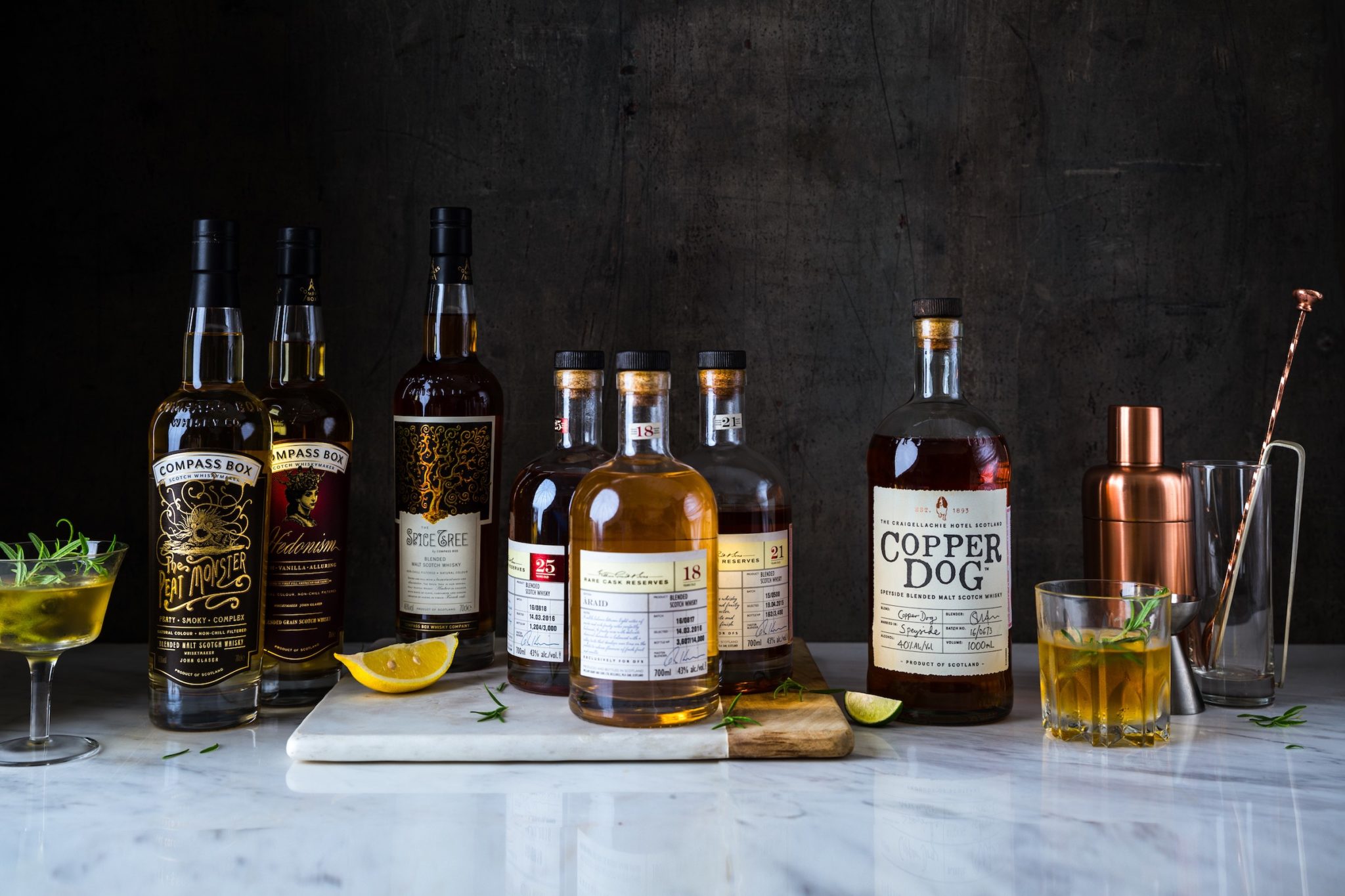
    Targeting true craft enthusiasts, each of the weekends throughout the festival will host different spirits brands and their ambassadors. The exciting list of brands include Whitley Neill, Oxley Gin, Botanist, Copper Dog and Tanqueray Gin. During these weekends, guests will be invited to enjoy complimentary tastings and gain unique insight and knowledge from the ambassadors on hand.

    Along with an impressive line-up of global brands, DFS is proud to be the first consumer retailer in Singapore to stock the newly launched, Tanglin Gin. Taking inspiration from the Little Red Dot, Tanglin Gin is the first made-in-Singapore gin and is infused with the essence of orchid, Singapore’s national flower. DFS is also excited to showcase a great collection of craft beers including Singapore’s award-winning Archipelago and Freemantle’s famed Little Creatures.

    “Today’s drinkers are looking for fresh brands that have a unique identity and heritage,” said Brooke Supernaw, DFS Group Senior Vice President Spirits, Wines, Tobacco, Food and Gifts. “Following a resurgence of the cocktail culture, consumers want to enjoy innovative and hard-to-find products, and DFS is proud to maintain its market-leading position by offering interesting brands with a strong story that reflects true craftsmanship.”

    Showcasing the best of small batch spirits and craft beers, festivities at Terminals 1, 2, 3 and 4 will feature a carnival theme. In each DFS store, travellers can enjoy entertainment and take part in fun and interactive games and stand a chance to win prizes, such as the latest generation iPhone XS.

    “With the rising popularity of craft spirits and beers, we are delighted to introduce the first ever Craft Festival with DFS. Passengers flying through Changi Airport can look forward to an outstanding line-up of the best of small batch craft brands and opportunities to come face-to-face with some of these artisanal distillers,” said Teo Chew Hoon, Group Senior Vice President of Airside Concessions, Changi Airport Group.