Retail News CRM

Tag: creditcard

  • Mastercard Partners with Dah Sing Bank and BBPOS MSL to Launch Hong Kong’s First Mobile App Card Payment Acceptance Solution for Local SMEs

    Mastercard Partners with Dah Sing Bank and BBPOS MSL to Launch Hong Kong’s First Mobile App Card Payment Acceptance Solution for Local SMEs

    Mastercard today announced its partnership with local companies Dah Sing Bank and BBPOS MSL to launch Tap on Phone, a first-of-its-kind solution that will allow small- and medium enterprises (SMEs) in Hong Kong to accept contactless card payments via mobile phone. At the same time, Mastercard is also introducing its sonic branding in Hong Kong to complement the new payment acceptance method.

    Tap on Phone is a simple, fast, safe and secure contactless payment acceptance solution that will allow local SMEs to accept contactless payments via the mobile app with any NFC-enabled Android phone. The new payments technology solution will provide business owners with an edge as it allows them to accept payments from contactless-enabled credit, debit and prepaid cards, mobile wallets and even smartwatches.

    In addition to the convenience and efficiency that Tap on Phone offers, the Mastercard melody indicates a successful and securely made payment, concluding a pleasant consumer journey for Mastercard cardholders.

    “We are thrilled to be the first bank in Hong Kong to partner with Mastercard for the Tap on Phone launch. It is in line with Dah Sing Bank’s commitment to bringing seamless digital experiences to our customers and supports our focus on facilitating the sustainable development of local SMEs, a vision that we share with Mastercard. Given the increasing prevalence of cashless transactions amongst consumers in Hong Kong, we have been prioritizing on bringing simple, diversified payment acceptance services to merchant customers so they can do business more easily and cost efficiently,” said Mickey Tang, general manager, head of banking products, retail banking division, Dah Sing Bank, Limited.

    “We are proud to partner with the visionary and innovative Mastercard team in developing the Tap on Phone mobile app payment acceptance technology. The app gives local merchants convenient features, and all they need to do is install it in their phones with no extra cost incurred to install a payment acceptance terminal,” said Alex Choi, president and chief executive officer, BBPOS MSL.

    With BBPOS MSL as the technology partner in developing the mobile point-of-sale app and Dah Sing Bank as the acquiring bank to process payments on merchants’ behalf, the solution also supports SMEs’ efforts to go paperless with electronic customer receipts. SMEs can also tap onto other business solutions such as invoicing, inventory management and analytics reporting.

    “Mastercard is committed to supporting local enterprises, especially SMEs. The new Tap on Phone solution helps merchants to lower their costs while processing fast, safe and secure payments. This partnership is also for Mastercard to further demonstrate its drive to contribute to Hong Kong’s development as a smart city. When cardholders hear the Mastercard melody they will have peace of mind knowing that their payment has gone through safely and securely,” said Helena Chen, managing director, Hong Kong and Macau, Mastercard.

    As the world’s fastest and most reliable global payments network, the same robust and multi-layered security protections that come with paying with a Mastercard are now provided by Tap on Phone to local merchants and consumers alike.

    Local SMEs are looking forward to welcoming the simple, fast and secure payment procedure. Kala Chan, shop manager at Yotsuba Café, said, “Sometimes, I have to manage the shop by myself including making coffee, handling cash transactions and cleaning tables. Having not enough cash for change at the shop is a major inconvenience.”

    Cindy Lo, senior marketing manager at Exhibition Group Limited, added, “If we wanted to receive payments in credit cards, we needed to ask banks to install traditional payment terminals, which is time consuming and incurs costs. We usually just accept cash, but it is inconvenient and unsafe to carry around large amounts of money in exhibitions.” Tap on Phone offers a solution to these common issues among local SMEs by allowing them to download just one app with no added hardware, which saves time and lowers costs.
  • One-in-three Hongkongers leaving plastic credit cards in favor of e-wallets

    One-in-three Hongkongers leaving plastic credit cards in favor of e-wallets

    More than one-third of Hong Kong consumers are ditching plastic in favor of e-wallets, according to a new FIS report on global retail payment trends.

    The report showed that e-wallets are now the preferred way for Hong Kong consumers to pay for goods online. Data from the Worldpay from FIS product suite shows that more than a third (36 percent) of all online retail purchases made in Hong Kong last year were via digital wallets, followed by credit cards (30 percent) and bank transfers (12 percent). In Hong Kong, digital wallets are the preferred payment method for shopping online for clothing and footwear, electrical goods, and health and beauty products, accounting for 36 percent, 44 percent and 32 percent of these purchases respectively.

    Even though credit cards still lead in-store, when it comes to shopping online, Hongkongers embrace digital wallets such as Alipay, WeChat Pay and PayPal, which now account for 36 percent of all online retail purchases.

    The report also shows a growing consumer preference for mobile commerce, which currently comprises 16 percent of all online retail in Hong Kong. Mobile commerce is expected to grow by 34 percent by 2022.

    “Consumers in Hong Kong are increasingly choosing digital payments over the more traditional credit-debit card combinations when shopping online, according to our 2019 Retail Global Payments Report,” said FIS GM for APAC, global enterprise e-commerce, merchant solutions Phil Pomford.

    The report also highlights Hong Kong’s strong overall retail e-commerce growth, which is expected to grow by more than 18 percent to almost US$4 billion by 2022. During the same period, in-store sales are also projected to grow by 4 percent compound annual growth rate (CAGR) to be worth US$70 billion, indicating the sustained long-term health of the retail industry in Hong Kong.

    The data was published in FIS’s 2019 Retail Global Payments Report, an analysis into payments trends of 16 countries from across the world, representing 80 percent of online global retail and 60 percent of instore global retail sales.

  • Samsung Pay Cash is a new virtual prepaid card aiming to help you spend less

    Samsung Pay Cash is a new virtual prepaid card aiming to help you spend less

    Samsung Pay has come a long way since making its US and Korea debut more than four years ago, spreading to over two dozen additional markets around the world and pretty much working anywhere physical credit and debit cards are accepted nowadays. That said, the mobile payment service seems to have slowed down its expansion and development a little in the last few months, returning to the spotlight just yesterday by releasing a killer new feature that its two main rivals are yet to support.

    But there’s actually another addition to the digital wallet platform worth discussing today in Samsung Pay Cash functionality. Despite what the name suggests, this doesn’t involve the exchange of real cash money, instead of keeping your funds within Samsung Pay “like cash in your wallet.” The idea is basically to help you spend less, which feels rather counterintuitive for an app that still has a long way to go before catching up to Apple Pay in terms of how many transactions it processes worldwide.
    Apart from simply storing your conventional credit and debits cards digitally, the newly launched feature enables Samsung Pay users to transfer funds from said cards or even directly from your bank account to a “virtual prepaid cash card.” That way, you can better manage your budget by only keeping a certain amount of money on hand for routine spending. In case you’re wondering, no, Samsung isn’t also launching its own physical credit or debit card to go after you-know-who.
    Your Samsung Pay Cash funds will obviously be accessible wherever you can use the main Samsung Pay platform, which means you’ll be able to spend this money in physical stores that use either NFC or magnetic POS terminals, as well as online at supporting e-commerce retailers. You can even effortlessly send money from your Samsung Pay Cash card to contacts in your phone. By the way, you’ll still need one of only a few Galaxy devices to download and access the Samsung Pay app, as well as this Pay Cash functionality. The list essentially includes all flagships starting with the Galaxy S6.
    Last but not least, it’s certainly worth pointing out that early Samsung Pay Cash adopters have a little something, something to gain from signing up for a “virtual prepaid cash card.” The first 20,000 people in the US to complete the registration process will receive a free $5 credit that they can use immediately without having to transfer any of their own funds.
  • Citi partners with Lazada to launch co-branded credit card

    Citi partners with Lazada to launch co-branded credit card

    The financial services company Citi has partnered with Lazada Group to launch the Lazada Citi credit card in Southeast Asia.

    Offering 10 times more rewards on Lazada purchases and Lazada Wallet top-ups, Citi and Lazada aim to reach more than 500,000 signups of the new card across the region during the next few years.

    “As a leading consumer lifestyle destination, we want to bring more value to our customers and a co-branded card that rewards users on their purchases,” said Mary Zhou, chief marketing officer at Lazada Group. “With the theme ‘Play-it-up’, this card brings lifestyle benefits to our valued customers advocating entertainment on top of our everyday promotions.”

    Asia Pacific cards and loans region head at Citi, Sergio Zanatti, said that through the partnership, Citi is looking to increase its consumer-banking customer base in Asia Pacific by about 2 million during the next few years.

    He said that with the new collaboration, Citi will be able to reach more potential customers who are millennials as they account for the vast majority of e-commerce customers while Lazada can now offer its customers new payment method to enhance their shopping experience through a global financial platform.

    The new credit card is already available in Malaysia and will be introduced in Lazada’s other regional markets during the next six months.

  • Credit Card spending jumps in August

    Credit Card spending jumps in August

    Retail card spending improved after a relatively flat five-month period, rising 1.1 percent over the month of August, to a total spend of $7.3 billion.

    Data from Stats NZ shows spending rose across five of the six retail industries when compared to the prior month.

    Hardware, furniture, and appliance retailing rose 1.7 percent over the month, up $22 million, while consumables (including grocery and liquor) rose 0.8 percent, up $16 million.

    Spending in hospitality rose 1.5 percent, an increase of $16 million, while apparel grew 4.5 percent ($13 million) and vehicle spending rose 4.4 percent ($7.8 million).

    The only industry that saw decreased spending was in fuel, which fell 1.4 percent – a decrease of $8.5 million.

    “Card spending in retail industries bounced back after a quiet period in the previous five months,” Stats NZ retail statistics manager Sue Chapman said.

    Overall sales were flat in July and June, fell 0.3 percent in May, rose 0.3 percent in April, and fell 0.2 percent in March.

    August’s result is the largest jump in spending that has been seen since the start of the year, when spending rose from -2.2 percent in December to 2.2 percent up in January.

    Over the month of August, Kiwi cardholders made 150 million transactions across all industries and averaged $49 per transaction.

  • OCBC Launches Mass-Market Travel Credit Card

    OCBC Launches Mass-Market Travel Credit Card

    The bank is hoping to capitalize on the rising trend of frequent traveling among the younger generation and the high share of rebates and reward card users who are also keen travelers.

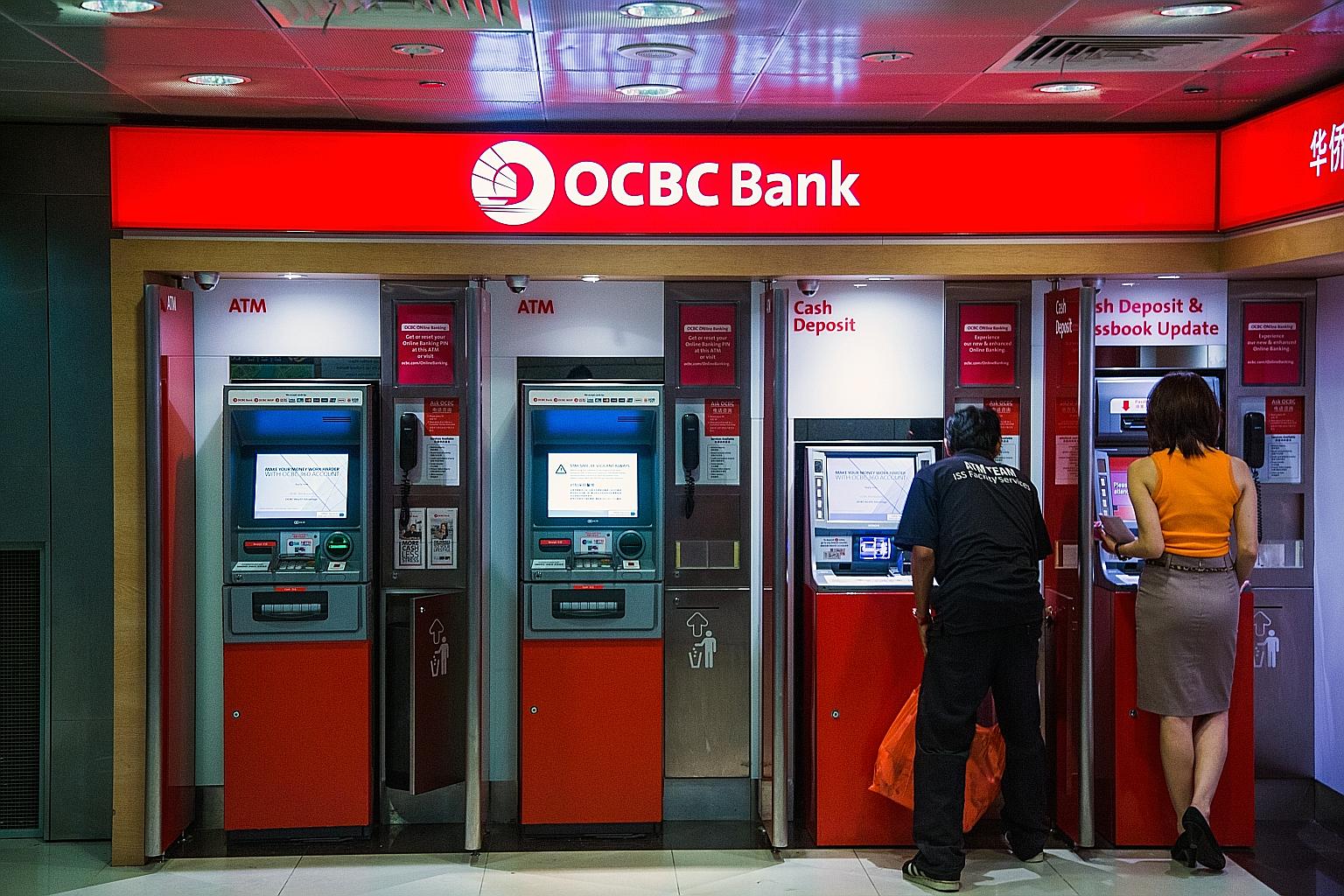
    OCBC Bank has launched its first mass-market miles card, the OCBC 90°N Card, with which it hopes to achieve $1 billion in annual billings within three years, the bank said in a statement.

    The credit card, which is targeted at fresh graduates, young professionals, management, executives and technicians (PMETs), as well as emerging affluent individuals, has a low annual income requirement (S$30,000), a brand new rewards currency that does not expire, and smaller redemption blocks with no fees, the statement said. The card also allows instant cashback ranging from an average of 1.5–5 percent and reward points that can be used for dining and shopping privileges.

    The bank said it hopes to attract 150,000 sign-ups, and is offering a launch bonus of up to 8 miles per dollar with no cap and minimum spend, as well as 7,000 miles to draw new customers.

    In the past five years, overseas credit card expenditure among OCBC cardmembers has «more than doubled,» Desmond Tan, OCBC’s head of group lifestyle financing, said.

    In addition, the bank has a total card base of 2.5 million customers, and its total card billings have registered a compound annual growth rate of 10 percent over the past three years.


  • Credit card companies want to get rid of Paper Receipts

    Credit card companies want to get rid of Paper Receipts

    Credit card companies in South Korea are consulting with financial authorities to make issuing paper receipts optional.

    For South Korean credit card companies, issuing paper receipts is a cost they want to phase out following last year’s reduction in transaction fees.

    Card companies argue that issuing paper receipts is not necessary since card users can check their transaction log via smart device applications or on its website.

    KB Kookmin Card Co, for example, plans to introduce a new policy to make issuing credit-card sales slips optional starting next month.

    “Financial authorities are positively considering the idea,” said a source familiar with the credit card industry. “We hope that they will decide on a plan that will ease off the cost.”

  • Credit Card spending up in April

    Credit Card spending up in April

    Retail spending on electronic cards rose in April as Kiwis took advantage of the extended holiday period to eat out and take holidays away from home.

    Card spending in April rose 0.6 percent seasonally adjusted after a 0.2 percent decrease in March, according to data from Statistics NZ.

    The increase in credit and debit card spending in April coincided with the timing of Easter and the school holidays.

    “Many employees took three days off to get a 10-day holiday over the Easter and Anzac Day period,” said Sue Chapman, retail statistics manager.

    According to Statistics NZ, retail sales increased despite the reduced trading hours in April.

    In April, spending on eating out and staying away from home (hospitality) rose $6.3 million (0.6 percent) on March, and spending on groceries (consumables) rose $10 million (0.5 percent).

    Apparel sales rose 1.8 percent in April after falling 2.9 percent in March. Fuel was up $17 million (2.8 percent), and durables, up $17 million (1.3 percent), also drove the increase in retail spending.

    Chapman said the increase in fuel spending was due to climbing fuel prices.

    “Fuel prices increased for the fourth consecutive month, after falling late last year,” she said.

    The retail durables industry, which includes furniture, hardware, appliances, and pharmaceutical retailing, bounced back after a 1.7 percent decrease in March.

    Core retail spending, excluding fuel and vehicle spending, saw a 0.5 percent lift following a 0.3 decline in March.

    The total value of electronic card spending, including the two non-retail categories (services and non-retail), saw a 0.4 percent increase in April, following a 0.1 percent fall in March.

    In actual terms, retail spending using electronic cards was $5.3 billion, up to $232 million (4.5 percent) from April 2018.

  • More Food, Snacks and Drinks for Less with Mastercard

    More Food, Snacks and Drinks for Less with Mastercard

     Shopping for your daily needs such as fresh food, snacks and beverages can be turned into fun and rewarding experiences! Pay with your mobile phones or devices and make every trip to the supermarket enjoyable with these exclusive offers and discounts with Mastercard!

    Every Saturday and Sunday from April 20 to June 30, 2019, Mastercard cardholders can enjoy a HK$40 instant discount for every single transaction of HK$500 when paying via Apple Pay, Google Pay or Samsung Pay linked with a Mastercard card at Wellcome Supermarket, Market Place by Jasons, 3hreesixty, Oliver’s The Delicatessen, Jasons .Food & Living and Jasons ichiba.

    Spend less and enjoy more when shopping with Mastercard!

  • Card-not-present fraud will cost retailers US$130 billion

    Card-not-present fraud will cost retailers US$130 billion

    Increasingly complex card-not-present fraud will cost retailers US$130 billion globally in digital sales over the next five years. A Juniper Research study predicts that retailers’ slow pace in keeping up with new fraud prevention requirements will allow cybercriminal practices to become more widespread as more and more consumers shop online. It observes that established point-of-sale vendors will need to move towards mobile POS technology in order to expand their reach into fresh markets and reduce their exposure to card-not-present fraud.

    “A layered fraud detection and prevention (FDP) solution naturally helps directly preventing fraud, but it also offers major gains in terms of recovering potentially lost revenue through false positives,” said the report’s author Steffen Sorrell. “This is something about which retailers remain undereducated, and has allowed fraudsters to capitalise on relatively low FDP spend”.

    An implication of the Juniper research is that a low understanding of FDP investment return is causing the low uptake of the technology. the report anticipates digital payment players will be spending $9.6 billion annually on FDP solutions by 2023.

  • Mastercard expands Indian research facility

    Mastercard expands Indian research facility

    Mastercard has opened its upgraded technology center in Vadodara, India as part of the company’s support of the government’s initiative to enhance India’s digital capabilities.

    Spread across 65,000 square feet, the state-of-the art facility will serve as a collaboration center for more than 700 employees.

    Mastercard’s Vadodara Centre is part of the company’s vision to build a world beyond cash in India and beyond. Over the past few years, it has contributed to the “Make in India” and “Digital India” campaigns.

    In 2017, Mastercard collaborated with the Indian government to launch Bharat QR, an application that provides local, small and medium enterprises with a low-cost way to accept digital payments from any type of mobile phone.

    Ari Sarker, co-president, Asia Pacific, Mastercard said, “With its incredible pool of talent and opportunities for digitization, India is a strategic market and innovation hub for Mastercard. The expansion of our Technology Centre in Vadodara is an extension of our undertaking to drive the next level of growth and support the government’s agenda to shape a digital future and less-cash society in the market.”

    “Every day, our teams are working relentlessly to deliver real-world technology that breaks down barriers and makes people’s everyday lives easier, more efficient and secure,” said Ed McLaughlin, president, Operations and Technology, Mastercard. “That’s what makes this office so important.  Our Vadodara team is crucial to the next generation digital services and solutions Mastercard will implement across the world.”

  • CIMB’s Corporate Card Solutions to see big growth

    CIMB’s Corporate Card Solutions to see big growth

    CIMB Bank Bhd’s newly-launched Corporate Card Solutions is expected to gain significant growth momentum, given that it is a gamechanger in the market.

    In collaboration with MasterCard, the CIMB Corporate Card Solutions offers convenience, control and transparency for business operational expenditure, through its corporate card, purchasing card and virtual card solutions.

    “We are very excited about this launch because the corporate segment has been a domain of the consumer segment in the past.

    “This is a very new solution, for us and in the market as well.

    “A lot of banks now do not do this business,” said CIMB Group transaction banking head Thomas Tan after the launch ceremony yesterday.

    New cards: (from left) MasterCard South-East Asia Indonesia, Malaysia and Brunei group country manager and Islamic payments group head Safdar Khan, Zafrul, MasterCard Asia/Pacific co-president Ari Sarker, and Tan having a closer look at the mock credit cards at the launch of CIMB’s Corporate Card Solutions.

    The Corporate Card Solutions offers unique, customised solutions for companies, such as setting spending limits and customising merchant categories by each individual card holder, with real-time overview of employees’ travel and entertainment expenditure.

    Meanwhile, the purchasing card automates the company’s procurement process by capturing card transactions in real time, which facilitates account reconciliation.

    Companies also have the option to decide on the billing cycles, like a 45-day or 60-day credit interest-free period, unlike consumer credit cards which have one determined billing cycle.

    As for the virtual card solution, businesses can randomly generate a 16-digit virtual card number that is associated with a specific payment, which is then securely transmitted to a specific supplier when payment is due.

    Data is captured real time and matching a unique virtual card number to a specific payment improves reconciliation and aids data analysis.

    These solutions help optimise cash flow, enabling businesses to operate more efficiently through the entire value chain.

    “In today’s business environment where cost management is a high priority, it is our aspiration to help organisations to significantly improve their operational and cost efficiency by automating their transactional flows.

    “These solutions offer unique savings features by optimising cashflows and working capital.

    “Our digital banking solutions such as these are also a response to Bank Negara Malaysia’s call for a reduction in the usage of cheques from 207 million in 2011 to 100 million by 2020,” said CIMB Group chief executive Tengku Datuk Sri Zafrul Aziz.

    The CIMB Corporate Card Solutions is targeted towards government and state agencies, small and medium enterprises (SME) as well as corporate sectors.

    Prior to yesterday’s official launch, CIMB had converted five corporate clients to its Corporate Card Solutions during the soft launch.

  • MasterCard launches Contactless Card in Myanmar

    MasterCard launches Contactless Card in Myanmar

    The latest of MasterCard’s efforts to better serve the people of Myanmar, the CB EasiTravel Prepaid MasterCard Contactless card provides consumers with a more convenient way to pay when travelling abroad without compromising security.

    U Kyaw Lynn, CEO and Vice Chairman, CB Bank said, “More Myanmar citizens are making trips to neighbouring countries than ever before, buoyed by the recent relaxing of entry visa restrictions. This trend will continue as the economy grows and gains traction. CB Bank is always looking for ways that will bring convenience to Myanmar travellers. CB Banks’s newly issued MasterCard Contactless card will give added convenience when making payments internationally.”

    Latest projections by the International Monetary Fund put Myanmar’s economic growth at around eight per cent for 2016. As well as seeing a growth in outbound tourists, inbound tourism is set to significantly contribute to Myanmar’s growth in the coming years.

    According to the inaugural MasterCard Asia Pacific Destination Cities Index launched earlier this year, Myanmar’s former capital Yangon is expected to see very strong growth in inbound tourism. Of the 167 cities ranked, Yangon has the third highest compound annual growth rate of 45.7 per cent for total inbound tourist expenditure over the period 2009-2015, just behind Kandy of Sri Lanka (47.3 per cent) and Okinawa of Japan (49 per cent).

    Antonio Corro, Country Manager, Thailand and Myanmar, MasterCard said, “Earlier this month, it was announced that four foreign banks were issued preliminary approval to operate in Myanmar. It is great to see the government taking further steps toward opening up Myanmar’s economy and we are optimistic that this will provide an excellent foundation for commerce to thrive. The people of Myanmar are also optimistic about the future of their country. MasterCard’s latest MasterCard Index of Consumer Confidence recently revealed that people in Myanmar have the most positive outlook on the future of any Asia Pacific market. With the launch of the first MasterCard contactless card in the country, we are continuing to develop the local payment landscape and look forward to more partnership opportunities that allow us to further financially empower the people of Myanmar.”

    Currently, more than 2,800 restaurants, retail outlets and hotels in Myanmar accept payment card

    According to MasterCard’s latest research, 61 per cent of people in Myanmar (also known as Burma) are seeking to travel abroad more in the next 12 months, a stark increase from just 25 per cent two years ago. To meet this growing demand for travel and cross-border spending, MasterCard together with Co-operative Bank Ltd (CB Bank) have launched the CB EasiTravel Prepaid MasterCard Contactless card.

  • Indonesian eCommerce boom

    Indonesian eCommerce boom

    Indonesians are embracing online shopping at an astonishing rate.

    The Indonesian eCommerce Association expects the total online market to treble between 2014 and 2016, worth Rp 283 trillion (US$24 billion) in 2016.

    According to Bank Central Asia, Indonesia’s largest private lender, an Indonesian eCommerce boom will see spending rise an estimated 127 per cent this calendar year. And next year, growth will be as high as a further 80 per cent.

    The head of BCA’s consumer card division, Santoso, says the bank recorded Rp 4.5

    trillion (US$326.3 million) in eCommerce transactions in the first nine months of the year and he is confident it will reach Rp 5 trillion by the end of the year. Shoppers are using both credit and debit cards online.

    Despite such figures, the Indonesian eCommerce market remains in relative infancy. Online shopping still accounts for just 0.5 per cent of sales. Consumers are wary of supplying card details online and a mere six per cent of Indonesians actually possess a credit card. Unreliable logistics infrastructure is a further barrier to growth, although this week’s agreement between Zalora and Pos Indonesia to have nearly 3000 of its post offices double as delivery and return points are a step towards addressing that issue.

    Driving the current growth is the small percentage of Indonesia’s affluent consumers – especially those living in second tier cities who lack physical access to branded retail stores or range of products.

    Next week, BCA will hold a three day long e-Shopping Carnival featuring 16 online merchants. It currently works with 420 eCommerce businesses and plans to add a further 150 to those ranks next year, including hotels, travel businesses and electronics vendors.

    Meanwhile, Indonesia’s National Online Shopping Day (Harbolnas) will take place on December 12 with 140 eCommerce sites offering discounts of up to 90 per cent for one day. The online retail event is likened in magnitude to the Jakarta Great Sale.

  • Aldi under fire on disclosure of credit card, tap-and-go fees

    Aldi under fire on disclosure of credit card, tap-and-go fees

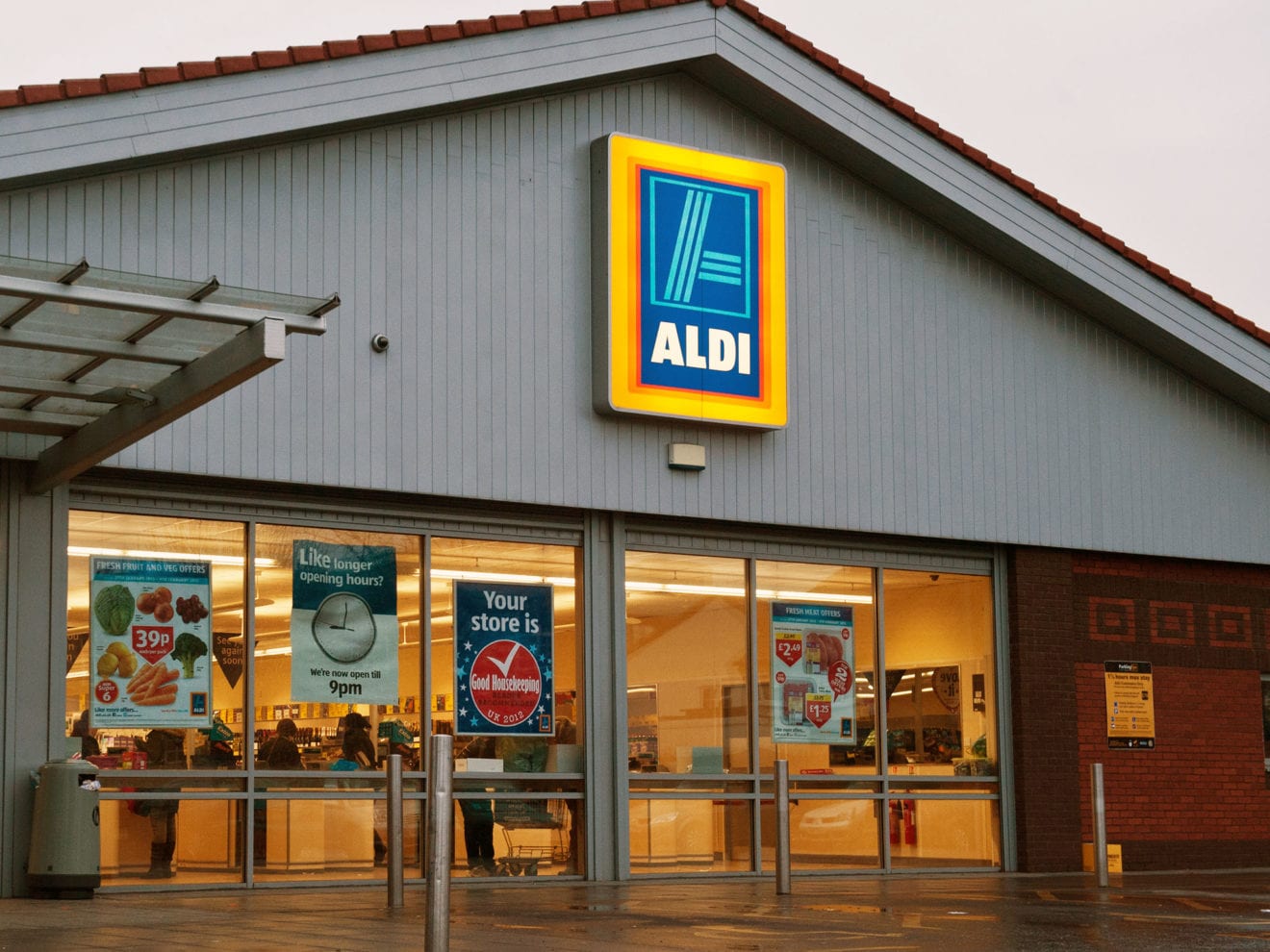
    The corporate regulator is expected to grill Aldi over its failure to consistently notify customers of fees for using credit cards and ‘tap and go’ cards, six months after the discount supermarket promised it had done so.

    Aldi told the Australian Securities and Investments Commission it would improve its disclosure of the 0.5 per cent surcharge by October last year, it is understood. It said it would do so through signs at the entrance of the stores and the registers, and by ensuring its cashiers notified shoppers before payments were made.

    But Aldi supermarkets visited by Fairfax Media have not consistently disclosed the surcharge, leaving customers disappointed and irritated. Fairfax Media spoke to Aldi customers outside Melbourne stores on Wednesday and none knew about the fee or were informed by their cashier.

    The store in Prahran does not have signs at the entrance. Instead, like many stores, it displayed the warning in tiny print on a sticker at the register.

    The Aldi store in Box Hill South put up signs in recent weeks, while the Balaclava store had none as at February.

    Aldi customer and German citizen Claudia Scent said, “I didn’t know before now, lucky I paid in cash. I come from Germany and there’s no surcharge at Aldi there.”

    St Kilda East resident Claire had just paid for some groceries with her credit card. “It would be nice to know. I’d like a bigger sign or for them to tell you,” she said.

    Aliska Angyal-Kvalic, of Greensborough, said, “They should probably let people know.  If you had a sign people could read you wouldn’t need to tell people.”

    A spokeswoman for Aldi said the supermarket had conducted an audit last year to ensure its stores had appropriate signs and stickers.

    “If for any reason an Aldi store does not have the required signage, we will ensure that this is corrected immediately,” she said.

    Aldi is the only supermarket chain to apply the surcharge on credit card and tap-and-go purchases. Woolworths, Coles, Costco and IGA supermarkets do not.

    Under the ASIC Act, a failure to adequately disclose surcharges, or creating the impression that surcharges do not apply, may be misleading or deceptive.

    But because Aldi’s was a voluntary undertaking, it’s understood there was no deadline for ensuring the signs were in stores, and there are no real consequences for failing to comply. ASIC can resume talks with Aldi, however, if it believes Aldi has not complied with its commitment.

    Aldi has 367 supermarkets throughout Australia and is eyeing 15 per cent market share through expansion into Western Australia and South Australia, and double-digit store openings each year on the east coast.