Tag: crisis

  • Cocoa Crisis Averted: Swiss Chocolatier Barry Callebaut Unfazed by Potential El Niño Impact

    Cocoa Crisis Averted: Swiss Chocolatier Barry Callebaut Unfazed by Potential El Niño Impact

    Swiss confectionery manufacturer, Barry Callebaut, anticipates that the cocoa market will remain stable, despite the potential emergence of a strong El Niño weather pattern in the upcoming months. This statement was made by the company’s Chief Financial Officer, Peter Vanneste, earlier this week.

    The United Nations weather agency recently announced an increased likelihood of a powerful El Niño weather pattern emerging soon. This weather phenomenon is known to significantly impact the cocoa industry and could potentially elevate global temperatures. However, Vanneste maintains a positive outlook, stating that the circumstances differ substantially from those experienced during the 2023 and 2024 cocoa market crises.

    Stability Amidst Uncertainty

    “Unlike the situation in 2023/2024, when El Niño coincided with the primary harvest season and triggered a third consecutive year of cocoa deficit, we are currently in a position of significant surplus,” Vanneste explained. “We have large volumes of cocoa stocks ready for the upcoming harvest season.”

    In addition to maintaining a strong surplus, Barry Callebaut, which supplies key chocolate industry giants such as Nestlé and Hershey, has fortified its resilience by diversifying its sources, enhancing its cocoa bean blending capabilities, and implementing several financial measures.

    Monitoring Market Trends

    Vanneste also noted that his firm is keeping a keen eye on cocoa grind data. This is a key indicator of chocolate demand, particularly important as they approach the second quarter of the year.

    Recent data from May shows a 39.7% year-on-year increase in cocoa grinding in the Ivory Coast, the world’s largest cocoa producer. “The expectation is for this trend to continue,” said Vanneste. “However, it’s important to remember that demand recovery will take time. This is something we will be closely monitoring moving forward.”

    Questions & Answers

    What is the potential impact of a strong El Niño on the cocoa industry?
    A strong El Niño weather pattern can have profound effects on the cocoa industry, often disrupting cocoa production and leading to a deficit in supply.

    How has Barry Callebaut prepared for potential market instability?
    Barry Callebaut has fortified its market stance through origin diversification, increased sourcing flexibility, enhancing its cocoa bean blending capabilities, and implementing financial measures.

    What is the significance of monitoring cocoa grind data?
    Cocoa grind data serves as a proxy for chocolate demand. Monitoring this data allows companies to effectively track and forecast market trends.


  • Durian Glut Crisis: Malaysias Fruit Boom Backfires Amidst Price Plunge and Oversupply

    Durian Glut Crisis: Malaysias Fruit Boom Backfires Amidst Price Plunge and Oversupply

    Over the years, durian growers in Malaysia have been increasing production levels to meet the rising demand from China. This surge in demand has resulted in an abundance of the fruit, causing a significant drop in prices.

    Malaysia, renowned for its prized Musang King durian — often referred to as the “Hermès of durians” — has seen a rapid increase in its export of the fruit over the past decade, particularly to China. This growing demand prompted numerous farmers to join the industry. Consequently, durian plantation areas in the Southeast Asian nation increased from just over 163,000 acres in 2016 to more than 227,000 acres by 2024. Simultaneously, the annual yield nearly doubled, reaching over 568,000 tons.

    According to Lu Yuee Thing, owner of several durian farms near Raub, also known as Malaysia’s durian capital, many people had replaced their rubber trees or oil palms with durian trees in the past. These trees are now starting to bear fruit, leading to an oversupply in the market, especially during the harvest seasons in producing states like Kedah, Penang, Perak, Selangor, Johor, and Pahang. This oversupply has caused prices to plummet, with Musang King retailing for as low as RM9 (US$2.2) per kilogram — a 90% decrease from the usual RM90-100.

    This situation has been exacerbated by fruit that doesn’t meet export standards and is therefore redirected to the local market. The oversupply of durians has proven advantageous for deal-seekers across Malaysia and its neighboring country, Singapore, but it is a major setback for growers.

    Impact on Durian Growers

    Durian farmers and sellers are feeling the strain due to the price drop. Han Sing Keng, a durian farmer and seller in Johor, has had to rely on other crops, such as bananas, to compensate for the lost profits from durian. Han expresses that the pressure from the market is overwhelming for him and believes that the inexpensive, widely available fruit may be substandard in quality.

    The Federal Agricultural Marketing Authority (FAMA) in Malaysia has stepped in to aid growers by buying durians directly from them. FAMA plans to purchase 1,000 tons worth RM7 million through 42 operational centers. Additionally, businesses and entrepreneurs supported by the agency have bought another 1,199 tons valued at RM3.28 million.

    Planning for the Future

    The challenge now is to ensure that demand keeps up with the rising production. This requires both expansion into new export markets and growing new businesses within the domestic market. FAMA has begun processing excess fruit into pulp, which is supplied to manufacturers of cakes, ice cream, and other food products.

    Additionally, Malaysia, as one of the world’s largest durian exporters, is collaborating with Thailand and Chinese customs authorities to develop a land transport route for durian shipments to China, expected to reduce logistics costs.

    Lastly, Malaysia’s trade promotion agency, Matrade, announced plans to increase durian exports to China to $229 million by 2030.

    Questions & Answers

    What has caused the oversupply of durians in Malaysia?
    The oversupply is due to increased production levels, with a significant number of trees planted in previous years now beginning to bear fruit.

    How has the oversupply affected the price of durians?
    The oversupply has led to a significant drop in the price of durians. The Musang King, for example, is now retailing for as low as RM9 (US$2.2) per kilogram.

    What measures are being taken to manage the oversupply situation?
    The Federal Agricultural Marketing Authority (FAMA) is buying durians directly from farmers. In addition, efforts are being made to increase demand by expanding into new export markets and creating new businesses within the domestic market.

  • Grab Defies Fuel Crisis with Double-Digit Growth: Record Earnings and Soaring Demand in Q1

    Grab Defies Fuel Crisis with Double-Digit Growth: Record Earnings and Soaring Demand in Q1

    Singapore-based Grab Holdings kicked off the new financial year on a high note, reporting double-digit growth in its first-quarter revenue and earnings, reflecting the company’s robust resilience in the face of market fluctuations.

    Impressive First-Quarter Results

    Grab’s revenue for the first quarter, ending March 31, climbed by 24%, amounting to US$955 million. This represents a 19% increase when considered on a constant currency basis.

    The gross value of the company’s on-demand merchandise, a key indicator of transactions from Grab’s mobility and delivery branches, also witnessed a significant jump. It surged by 24% according to reported figures and 21% on a constant currency basis.

    The firm recorded a striking 46% increase in its Adjusted EBITDA, reaching a record-setting figure of $154 million. Profits also displayed an upward trend, going from $10 million in the previous year to $120 million.

    Grab’s Group CEO and Co-founder, Anthony Tan, attributed these strong outcomes to the resilience of the company’s platform, particularly in the face of Southeast Asia’s unpredictable macroeconomic climate, which is currently grappling with a fuel crisis.

    Supporting Driver-Partners Amid Rising Fuel Prices

    Grab acknowledged an increase in its on-demand incentives during the quarter. This move was taken to bolster the earnings of driver-partners as fuel costs across the region spiral upwards. It also aimed to cater to the increased demand during the festive season.

    Segment-Wise Performance

    Looking at the performance of different sectors, the delivery revenue witnessed a 23% surge, totaling $510 million. The mobility revenue increased by 19%, amounting to $337 million. The financial services sector also saw a boost in revenue, with a 43% rise that led to $107 million.

    Outlook for the Full Year

    For the upcoming year, Grab maintains its revenue forecast, predicting a figure between $4.04 billion and $4.10 billion, indicating a 20-22% rise. The Adjusted EBITDA is also expected to grow by 40-44%.

    As the company moves forward, it reaffirms its commitment to ensuring durable, profitable growth while standing in solidarity with its communities. According to Tan, the company plans to leverage AI to deliver hyper-personalized experiences for users while creating more sustainable earning opportunities for ecosystem partners.

    Expansion Beyond Southeast Asia

    Earlier this year, Grab made its debut outside Southeast Asia by acquiring Delivery Hero’s Foodpanda business in Taiwan for $600 million.

    Questions & Answers

    What was Grab’s first-quarter revenue?
    Grab’s revenue for the first quarter was US$955 million, representing a 24% increase.

    What steps has Grab taken to support its driver-partners amid the fuel crisis?
    Grab has increased its on-demand incentives to bolster the earnings of driver-partners affected by rising fuel costs.

    What are Grab’s revenue predictions for the upcoming year?
    Grab estimates its revenue to be between $4.04 billion and $4.10 billion, indicating a 20-22% rise.

  • Air India Appeals to Tata, Singapore Airlines for Bailout Amid $2.4B Loss Crisis

    Air India Appeals to Tata, Singapore Airlines for Bailout Amid $2.4B Loss Crisis

    Air India has reported an annual deficit surpassing INR220 billion ($2.4 billion), a more substantial loss than initially anticipated. This unexpected financial setback has led the airline to seek monetary aid from its stakeholders.

    Fiscal Losses and Contributing Factors

    The fiscal loss was recorded for the financial year ending March 31. This period was characterized by various unfortunate incidents such as the deadly crash of a Boeing 787 Dreamliner, the shutting down of Pakistani airspace for Indian airlines, and escalating conflict in the Middle East.

    Air India’s principal owner, Tata Group, and minority shareholder Singapore Airlines, which holds a 25.1% stake, are currently engaged in discussions to infuse new capital into the struggling airline. However, the exact amount being deliberated remains undisclosed and may not completely address the airline’s financial needs. This shortfall might necessitate Air India to seek additional avenues for funding.

    Critical Period for Air India

    The unprecedented loss arrives at a critical juncture for Air India. The company’s CEO, Campbell Wilson, announced his intention to resign later in 2026. The airline was designated the least safe in the most recent annual audit by the aviation regulator, despite ambitious expansion plans. The carrier has also grappled with efforts to enhance service standards and yields.

    Air India began the fiscal year on a more positive note, with operating profits reported in early April 2025. Nevertheless, circumstances took a downward turn following the closure of Pakistani airspace to Indian airlines after a short-lived conflict in May. This situation necessitated longer routes to the United States and Europe. Subsequently, the fatal Dreamliner crash in June, which resulted in more than 240 casualties, further disrupted operations, compelling the airline to reduce both international and domestic services.

    External Pressures

    The airline also faced external pressures such as punitive tariffs imposed by the U.S. President on India and stricter controls on foreign worker visas. Air India found itself among the most adversely impacted foreign carriers due to the escalating tensions in the Middle East. This crisis disrupted flights to Europe and the U.S., requiring longer and costlier routes amidst rising jet fuel prices.

    Singapore Airlines, which acquired its minority stake following the merger of its local affiliate Vistara with Air India in 2024, has also faced a negative impact on its earnings due to the airline’s declining performance.

    Questions & Answers

    What is the extent of Air India’s annual loss?
    Air India has reported an annual loss of over INR220 billion ($2.4 billion).

    What factors have contributed to Air India’s substantial loss?
    Several factors have contributed to this loss, including an unexpected Boeing 787 Dreamliner crash, the closure of Pakistani airspace to Indian airlines, conflict in the Middle East, and punitive tariffs imposed by the U.S. President on India.

    What steps are being taken to mitigate the loss?
    The principal owner, Tata Group, and Singapore Airlines are discussing an infusion of fresh capital. However, the exact amount under consideration remains undisclosed.

  • Vietnam’s Fuel Tax Annihilation: A Boost for Economic Recovery Amid Global Energy Crisis

    Vietnam’s Fuel Tax Annihilation: A Boost for Economic Recovery Amid Global Energy Crisis

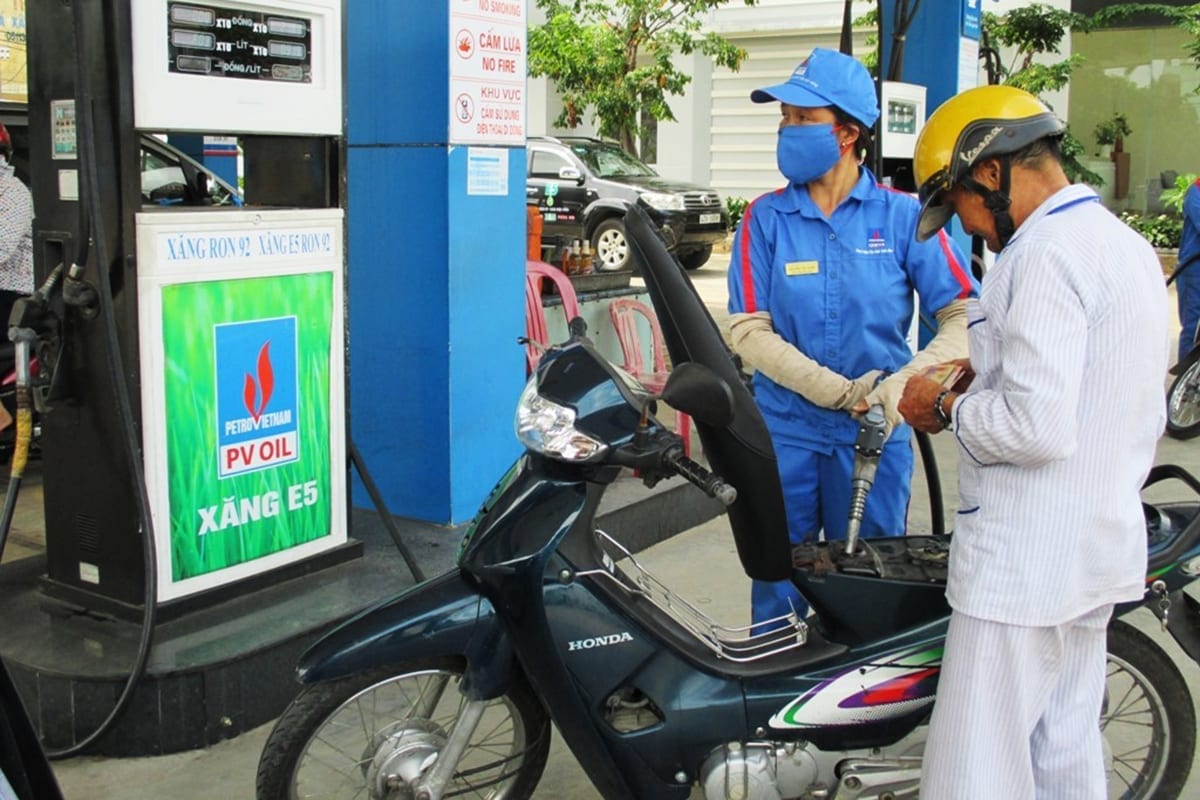
    The National Assembly (NA) of Vietnam has sanctioned the reduction of all fuel-related taxes to zero until June 30, in a move to mitigate price pressures, stabilize markets, and bolster economic resurgence in the face of global energy instability. This means that all taxes on gasoline, oil, and aviation fuel, covering environmental protection tax, value-added tax (VAT), and special consumption tax will be eradicated, as decreed by a resolution passed by the NA.

    Tax Cuts and Impact on Businesses

    The environmental protection tax on gasoline (excluding ethanol), diesel, aviation fuel, kerosene, and mazut will be nullified, along with the special consumption tax on gasoline. Additionally, gasoline, diesel, and aviation fuel will be exempt from VAT declaration and payment, though input VAT will remain deductible.

    This tax policy will be effective from April 16 through June 30. Businesses and importers handling gasoline, oil products such as diesel, kerosene, and mazut, and aviation fuel will not be obliged to declare or pay VAT at either the import or sales stages. In the event of emergencies, the government reserves the right to modify the duration of the policy, either shortening or extending it, and will report any such changes to the NA at its forthcoming session.

    According to the Ministry of Industry and Trade, taxes make up a substantial portion of fuel base prices, with VAT accounting for around 7.4%, environmental protection tax 2.7-6%, and special consumption tax approximately 6.7%. The annulment of these taxes is viewed as a strategy to support socio-economic development goals and curb inflation.

    Implications of the Tax Cuts

    Environmental protection tax, VAT, and special consumption tax on gasoline (excluding ethanol), diesel, and aviation fuel have already been lowered to zero under an existing decree, effective through April 15. However, kerosene and mazut have remained subject to environmental protection taxes of VND600 and VND1,000 per liter or kilogram, respectively, in addition to a 10% VAT.

    A government report states that reducing environmental protection tax on all types of fuel to zero is likely to decrease state budget revenues by an average of VND7.3 trillion ($277.19 million) per month. Despite this, the government views this move as a “special fiscal measure applied in exceptional circumstances” to alleviate the impact of global energy price fluctuations and preserve macroeconomic stability and social security.

    The ongoing conflict in the Middle East has significantly impacted global energy markets, including Vietnam, leading to a surge in fuel prices. The government has also implemented additional measures to manage fuel prices and support businesses and consumers.

    Questions & Answers

    What is the significance of this policy change by the Vietnamese government?

    The nullification of all fuel-related taxes is aimed at mitigating price pressures, stabilizing markets, and bolstering economic resurgence amidst global energy instability.

    What are the potential fiscal implications of reducing all fuel-related taxes to zero?

    The government anticipates a reduction in state budget revenues by an average of VND7.3 trillion ($277.19 million) per month. Despite this expected shortfall, they view it as a necessary measure under the current global energy circumstances.

    How has the conflict in the Middle East impacted Vietnam’s fuel market?

    The ongoing strife has significantly impacted global energy markets, including Vietnam, leading to a surge in fuel prices. Consequently, the Vietnamese government has had to implement measures to manage fuel prices and support businesses and consumers.

  • Malaysia’s Food Prices Set to Skyrocket by 50% in Wake of Fuel Crisis, Trade Associations Warn

    Malaysia’s Food Prices Set to Skyrocket by 50% in Wake of Fuel Crisis, Trade Associations Warn

    Trade associations in Malaysia are warning that the country’s food prices could potentially surge by up to 50% due to the escalating energy crisis linked to the conflict in Iran. This crisis has led to an increase in fuel costs, which in turn is inflating the prices of raw materials. These materials are vital in the preparation of daily staples like nasi lemak, a popular dish of rice and meat served on a pandan leaf with spicy chili paste. The prices of these ingredients have already witnessed a significant rise, leaving traders little choice but to pass on the increases to consumers.

    Impact on Traders

    Rosli Sulaiman, president of the Federation of Malaysian Hawkers and Traders Associations, noted that even before the spike in fuel prices, costs had already risen by around 20% to 30%. He warned that when costs are high and return profits are non-existent, traders are compelled to raise their selling prices, albeit at a small margin. The impact of this situation is most deeply felt by small traders, hawkers, and the general public.

    The Malaysian Muslim Restaurant Owners Association (Presma), representing the Indian-Muslim community’s 24-hour eateries, already reported a cost increase of up to 30% within the past year. These cost upticks are affecting raw ingredients like chicken and vegetables, as well as cooking gas and plastic packaging.

    Pressures on the Food and Beverage Industry

    Government data reveals that Malaysians’ expenditure on dining out surpassed MYR870 (US$216) per month in 2024, denoting a 17% rise from the previous year. This trend indicates a growing affinity towards eating out as opposed to cooking at home and accounts for over 12% of the median monthly household income of MYR7,017.

    However, experts caution that the country’s MYR60 billion food and beverage industry could struggle to maintain growth if global crude oil prices – which peaked at $115 per barrel recently – stay high for an extended period. Fertilizer shortages impacting agriculture, as well as increasing shipping and logistics costs, could also contribute to imported inflation, thus affecting the sector beyond higher energy and transport costs.

    Potential Impacts on the Economy

    Doris Liew, an economist specializing in Southeast Asian development, warns that these secondary effects are likely to be more persistent in a trade-dependent economy like Malaysia than the initial energy shock. Despite Malaysia’s targeted fuel subsidies potentially buffering households from immediate price shocks, they are unlikely to offset the rising input costs for businesses. These costs are anticipated to trickle down to consumers, which could dampen business sentiment and consumer confidence, leading both companies and households to curtail spending amidst uncertainty.

    Questions & Answers

    What impact is the energy crisis having on Malaysia?
    The energy crisis associated with the conflict in Iran is driving up Malaysia’s food prices, with potential surges of up to 50%. The cost increase is affecting raw materials essential for daily living, and these costs are being passed on to consumers.

    What impact could the surge in prices have on the wider economy?
    The surge in prices could dampen both business sentiment and consumer confidence, causing companies and households to reduce spending due to uncertainty. This has the potential to slow economic growth amidst increasing inflation.

    What are potential solutions to offset the rising costs?
    While Malaysia’s targeted fuel subsidies may buffer households from immediate price shocks, these measures are unlikely to mitigate the rising input costs for businesses. It is crucial for the government to assure citizens of sufficient fuel and food supplies, backing up these claims with data to regain public confidence.

  • Treasury Wine Estates in Crisis: Titantic Losses Spur Massive Transformation Plan

    Treasury Wine Estates in Crisis: Titantic Losses Spur Massive Transformation Plan

    Treasury Wine Estates (TWE), renowned for its ownership of the Penfolds brand, has experienced significant losses in the initial half of the 2026 fiscal year. In spite of this, the conglomerate remains dedicated to its long-term strategic overhaul.

    First-Half Financial Decline

    The financial woes for TWE are clear, with losses mounting to a total of $649.6 million in a mere six month period. This loss was not isolated to a specific market, but rather was experienced across all of TWE’s markets. This included a notable downturn for Penfolds, the company’s premier luxury wine, which recorded a drop in earnings by 19.6%.

    Sam Fischer, TWE’s CEO, expressed his optimism during these trying times, stating, “Our current results reflect the transformational phase we are in. It’s encouraging to see the significant progress made from implementing necessary measures to steer TWE back to a trajectory of sustainable and profitable growth.”

    US Market Struggles and Brand Impairments

    The company’s performance in the Americas was particularly disappointing, with earnings plummeting by 63.6%. TWE attributed this to a subdued wine market in the region. Further exacerbating the losses was an impairment of $770.5 million related to its 19 Crimes brand in the American market.

    When disregarding the impairments, the group managed to generate a profit of $236.4 million. However, this figure is still approximately 40% lower than the corresponding period in the previous fiscal year.

    CEO Fischer emphasized the company’s resolve to bounce back, stating, “Our attention is squarely on the future. We are committed to improving execution and building a more robust, resilient business for the long haul.”

    TWE Ascent Transformation Plan

    In a bid to turn the tide, TWE is persisting with its two- to three-year strategic transformation plan named TWE Ascent. This move will involve a critical evaluation of the company’s portfolio and an effort to attain $100 million per year in operational cost efficiencies.

    Fischer explained, “TWE Ascent is the linchpin of our strategic reset. This is a structured, multi-year transformation strategy aimed at sharpening our portfolio, streamlining our organization, and optimizing our cost base. So far, we are pleased with the strides we have made.”

    He further added, “It’s heartening to see our key brands continue to perform in the marketplace and strongly resonate with customers. This bolsters our confidence in the strength of our portfolio and in our ability to enhance performance as we progress with the business transformation.”

    Questions & Answers

    What is TWE’s response to the losses observed in the first half of 2026?
    CEO Sam Fischer has expressed his optimism, stating that the company is focussed on the future and is committed to long-term growth.

    What contributed to the significant losses in the Americas?
    TWE attributed the 63.6% decline in earnings to a subdued wine market in the region, as well as a $770.5 million impairment related to its 19 Crimes brand.

    What is the company’s plan to improve their financial situation?
    TWE plans to persist with its two- to three-year strategic transformation plan named TWE Ascent, which involves a critical evaluation of the company’s portfolio and aims to attain operational cost efficiencies of up to $100 million per year.

  • Tet Holiday Sees Durian Prices Skyrocket Amid Mekong Delta Supply Crisis

    Tet Holiday Sees Durian Prices Skyrocket Amid Mekong Delta Supply Crisis

    As the Lunar New Year, or Tet, approaches, the cost of durians has seen a significant spike due to the dwindling supply in the Mekong Delta region. Traders are currently buying the highest quality, or grade A, Monthong durians for a rate of VND140,000 (US$5.4) per kilogram, marking the highest price point in two years.

    Price Increases Across Durian Varieties

    The Grade A Ri6 durian is also witnessing a price surge, selling at VND80,000, which is an increase of 30 to 50 percent from prices recorded in November, marking the end of the main harvest period.

    Nguyen Thanh, a trader based in the Dong Thap Province of the Mekong Delta region, has reported challenges in obtaining a sizable quantity of durians, despite repeated offers of higher prices.

    Lower Harvests Impacting Supply

    The country’s primary durian supply comes from the off-season crop harvested in the Mekong Delta from November to March. However, farmers have reported lower harvests this year, which is impacting supply.

    A farmer by the name of Cuong, who owns a durian orchard in Can Tho City, decided to forego the harvest this year after experiencing a drastic dip in prices during last year’s Tet preparation. He is instead nurturing his trees for the main harvest season in April.

    Dien, a farmer from Dong Thap Province, expressed that many growers have opted out of the off-season crop this year due to unpredictable weather patterns, which have increased costs while simultaneously reducing yields. Despite a 30% decrease in output compared to last year, Dien managed to sell around 200 kilograms of fruit at VND130,000 per kilogram.

    Floods and Export Demands Affect Durian Supply

    According to the Vietnam Fruit and Vegetable Association, several delta orchards were severely affected by floods a few months ago and are still in recovery. High export demand is also contributing to the strain on supply.

    Last year, durian exports were valued at $3.86 billion, marking a 20% increase from the previous year, as per customs data.

    Questions & Answers

    Why have durian prices increased?
    Durian prices have increased due to a reduced supply caused by lower harvests, the damaging effects of recent floods, and high export demand.

    How are farmers responding to the increase in durian prices?
    Some farmers, despite the high prices, have decided to skip the off-season harvest this year due to reduced yields and increased costs caused by unpredictable weather.

    What factors affected the durian supply?
    The durian supply was negatively affected by disruptive weather patterns, floods that damaged several orchards, and high export demand, which strained the already limited supply.

  • Dak Lak Durian Crisis: Testing Halt Triggers Heavy Losses for Farmers and Exporters

    Dak Lak Durian Crisis: Testing Halt Triggers Heavy Losses for Farmers and Exporters

    Durian orchards in Dak Lak Province are suffering significant losses as export activities have halted and demand has plummeted due to delays in chemical residue testing. Doan Thi Thuy, an orchard owner in Krong Pak District, has experienced the harsh realities of this situation with fruits beginning to fall from her over 100 durian trees in recent days.

    Failed Deals and Falling Prices

    Thuy mentioned that several large-scale traders had shown interest in purchasing her durians for VND82,000 (US$3.12) per kilogram, even going so far as to put down deposits. Unfortunately, these deals fell through, forcing her to sell the now overripe fruits to smaller traders at a significantly reduced price of VND20,000-25,000 per kilogram.

    Impacts of Testing Delays

    The Dak Lak Durian Association recently highlighted that almost 2,000 containers of fruits have been stuck at various locations including warehouses, packing facilities, and border checkpoints since October 11. This bottleneck has occurred due to the halt in chemical residue testing, which is a critical step in obtaining the necessary certifications for export.

    The peak durian harvesting season in Dak Lak, a key producing province in the Central Highlands, is currently underway. However, the paused testing has resulted in significant losses for farmers.

    Orchard Owners Bearing the Brunt

    Doan Kiem, a durian farmer, has resorted to selling his durians, originally intended for export, at just a quarter of the agreed-upon price to anyone willing to buy. Kiem spends approximately VND600 million annually to maintain his 500-tree orchard and estimates his losses in the hundreds of millions due to this predicament.

    The pause in testing has not only affected farmers but also exporters who are left with no other option but to wait for the test results. Some businesses, fearing their fruits will spoil, have tried to sell in the domestic market or have processed them. Delays in testing have even caused several shipments of durians to crack and spoil, leading to losses amounting to billions of dong.

    The Path Forward

    A testing center in northern Vietnam expects to resume operations shortly. The temporary halt was to ensure the stability and accuracy of the equipment after its heavy use during the peak season. Vietnam has 24 labs that have been approved by Chinese customs to test a total of 3,200 samples per day. However, the heavy workload has led to equipment breakdowns at many labs, while others have had to pause operations due to license renewal processes.

    The Ministry of Agriculture and Environment has instructed relevant agencies to review all labs and provide necessary assistance. It has also advised the Plant Protection Department to cooperate with Chinese authorities to get more testing facilities approved.

    The Vietnam Fruit and Vegetable Association has suggested that testing facilities should plan their maintenance schedules in advance and notify businesses sooner to avoid further bottlenecks. It also encourages exporters to keep a close eye on market trends and adjust their shipping schedules to avoid congestion during peak seasons.

    Despite the current challenges, Vietnam managed to export $1.8 billion worth of durians in the first eight months of 2025. Fresh fruit shipments accounted for $1.52 billion of this total, marking a 25% decline from the previous year. However, frozen durian exports saw an impressive increase, up 127% to $265 million.

    Questions & Answers

    What is the main reason for the current losses in Dak Lak’s durian industry?
    The primary reason is the delay in chemical residue testing, which has halted exports and led to a significant drop in demand.

    How have testing delays affected durian farmers and exporters?
    Testing delays have resulted in massive losses for durian farmers, with fruits falling from trees and deals with traders falling through. Exporters are also in a bind as they can’t export their produce without the necessary certifications.

    What measures are being taken to resolve this issue?
    A testing center in northern Vietnam expects to resume operations shortly. Additionally, the Ministry of Agriculture and Environment has instructed relevant agencies to review all labs, provide necessary assistance, and work with Chinese authorities to get more testing facilities approved.

  • UBS Highlights Global Crisis as Potential Threat to Retail Sales Growth

    UBS Highlights Global Crisis as Potential Threat to Retail Sales Growth

    Swiss Banking Giant Highlights Potential for Global Crisis

    In its latest earnings report for the first quarter, UBS has underscored the growing uncertainties in the macroeconomic landscape, particularly as tensions escalate in the ongoing trade war. The bank has re-evaluated its economic scenarios, introducing a new global crisis scenario to better account for potential risks.

    Revised Economic Scenarios Reflect Rising Geopolitical Tensions

    UBS’s decision to modify its expected credit loss (ECL) models comes amid significant political and economic turbulence. “As of March 31, 2025, the geopolitical and macroeconomic environment appeared increasingly complex and uncertain,” the bank noted, emphasizing the potential impact of future tariff implementations by the U.S. government.

    With tariffs introduced in April 2025, UBS conducted its assessment based on prevailing uncertainties at the time of reporting, indicating a meticulous approach in navigating these challenges.

    New Risk Assessments Signal Caution

    The updated forecasts reflect a notable shift in UBS’s outlook. The bank has replaced its previous “stagflationary geopolitical crisis scenario” with a more broad-ranging “global crisis scenario,” now pegged at a 15% likelihood. This scenario accounts for risks such as sovereign defaults and potential strain in emerging markets, while also introducing a “mild stagflation crisis scenario” at a 30% probability.

    In contrast, the bank has scaled back the likelihood of stable economic conditions, reducing its baseline scenario to a 50% chance from 60% previously, highlighting a cautious stance as global conditions evolve.

    Ongoing Market Monitoring

    UBS is committed to closely tracking the ever-changing market landscape and has indicated that it may revisit these economic narratives and weightings in the second quarter of 2025 to ensure they remain relevant amid potential developments.

    Impact on Retail Sector and Consumer Trends

    UBS’s revised outlook is likely to reverberate through the retail sector, where businesses are already adapting to shifting consumer trends and economic pressures. As brands navigate this uncertain environment, an emphasis on monitoring consumer demand and adjusting strategies will be vital for sustaining growth and resilience in the face of potential economic challenges.

  • Apple Makes Easy Escape From Supply Crisis, But Others Like Tesla May Have To Wait

    Apple Makes Easy Escape From Supply Crisis, But Others Like Tesla May Have To Wait

    Apple Inc’s triumph over the global chips supply-chain shortage has signaled good news amid troubled markets around the world. Not so fast, say analysts. The iPhone maker, which had warned three months ago that supply issues would dent its holiday-quarter revenue, on Thursday posted record results largely boosted by sales of its premium phones. It sees an improving situation, if some remaining shortages.

    “Most of the supply-constrained issues are over for Apple, but not necessarily for everybody else,” said Bob O’Donnell, chief analyst at TECHnalysis Research.

    Companies from electric automaker Tesla Inc to wafer fabrication equipment supplier Lam Research have warned again that supply chain issues, which crippled several industries, would continue to limit production this year.

    Semiconductor companies tend to give priority to bigger players such as Apple, for its massive buying power, huge demand for its products, and the company’s ability to place custom orders for components used in its products. And Apple’s high-end chips are costly, an attraction for the chip makers.

    This essentially means Apple has an advantage and can procure components relatively faster than rivals.

    Still, while Apple got better service for more sophisticated chips, like many others, it faced troubles with some of the older technology chips, Daiwa Capital Markets analyst Lou Miscioscia said.

    Chips used in Apple iPads, which saw a 14% drop in revenue, use chips with older technology, and supplies of those older chips were particularly tight, Apple Chief Executive Tim Cook told analysts.

    Cook said the constraints on the older chips, or nodes, were very significant in the holiday quarter. “Overall, we do see an improvement in the March quarter in terms of the constraints going down versus what they were in the December quarter,” he said.

    Tesla CEO Elon Musk this week said supply chain woes would limit manufacturing output in all company factories. “So the chip shortage, while better than last year, is still an issue,” he told analysts.

    Semiconductor equipment maker Lam Research noted new supply challenges, with the Omicron surge adding more disruption to freight and logistics operations. The company said it was seeing scarcity of certain components and parts, including semiconductors, a few weeks into 2022.

    Analysts and market leaders in the semiconductor space held out hopes that supply issues would ease later this year.

    “That’s going to remain a concern for the industry, but Apple may be the exception to the rule,” said Romeo Alvarez, technology analyst at William O’Neil + Co.

  • Tens Of Thousands Losing Jobs As India’s Auto Crisis

    Tens Of Thousands Losing Jobs As India’s Auto Crisis

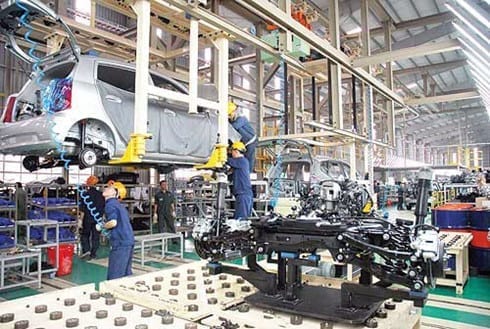
    Slumping sales of cars and motorcycles are triggering massive job cuts in India’s auto sector, with many companies forced to shut down factories for days and axe shifts, multiple sources said. The cull has been so extensive that one senior industry source told Reuters that initial estimates suggest that automakers, parts manufacturers and dealers have laid off about 350,000 workers since April.

    Within this previously unreported figure, car and motorcycle makers have laid off 15,000 and component manufacturers 100,000, with the remaining job losses at dealers, many of which have closed, the industry source said.

    Reuters was able to identify at least five companies that have recently cut or plan to cut hundreds of jobs, mainly from their temporary labor force.

    The downturn – regarded by industry executives as the worst suffered by the Indian auto industry – is posing a big challenge for Prime Minister Narendra Modi’s government as it begins its second term at a time when India’s jobless numbers are climbing.

    To revive the sector, auto executives plan to demand tax cuts and easier access to financing for both dealers and consumers at a meeting with officials from India’s finance ministry scheduled for Wednesday, the senior industry source said. The industry’s plight was highlighted by the Automotive Component Manufactures Association of India (ACMA), with the trade body’s director-general, Vinnie Mehta, saying the sector was experiencing a “recessionary phase”.

    The malaise has been spreading across much of the industry, both in terms of vehicle type and components as well as geographically in India’s manufacturing hubs.

    For example, Japanese motorcycle maker Yamaha Motor and auto components makers including France’s Valeo and Subros have laid off about 1,700 temporary workers in India after a slump in sales, sources told Reuters.

    Subros, which is part-owned by Japan’s Denso Corp and Suzuki Motor Corp, has laid off 800 workers. Indian parts maker Vee Gee Kaushiko has cut 500 people while Yamaha and Valeo last month reduced their workforces by 200 each, said several sources aware of the cuts.

    Meanwhile, automotive supplier Wheels India could cut its temporary workforce by as much as 800 and has started realigning its shifts, two of the sources said. The layoffs come as carmakers including Honda Motor Co, Tata Motors and Mahindra & Mahindra have implemented brief suspensions to production in recent weeks in the face of slow demand, separate sources said.

    The auto sector, which contributes more than 7% of India’s GDP, is facing one of its worst downturns.

    Passenger vehicle sales have dropped for nine straight months through July, with some automakers suffering year-on-year declines of more than 30 percent in recent months.

    Manpower is the only variable factor for companies and more workers will face the axe, said ACMA’s Mehta.

    Yamaha, Subros, Vee Gee Kaushiko and Wheels India did not respond to requests for comment.

    Valeo India said it is realigning for changing conditions and has trimmed its temporary workforce.

    The fallout from the auto slump could be huge. The sector employs more than 35 million people, directly and indirectly, accounting for nearly half of India’s manufacturing output.

    India’s jobless rate rose to 7.51% in July 2019 from 5.66% a year earlier, according to private data group CMIE. The CMIE data is more up-to-date than government figures and regarded in financial markets as more credible.

    At least 7% of temporary workers employed by 15 automakers in India have lost their jobs in recent months, said Vishnu Mathur, director-general at the Society of Indian Automobile Manufacturers (SIAM).

    “It is a conservative estimate based on our initial analysis,” he said.

    Maruti Suzuki, India’s biggest carmaker, cut its temporary workforce by 6% over the past six months.

    There is little sign of a revival.

    Tata Motors has had week-long shutdowns at four of its plants in the past two weeks, while Mahindra has said it had 5-13 days without production at various plants between April and June.

    A statement from Tata Motors said it has aligned production with demand and adjusted the shifts and temporary workers.

    Honda has stopped production of some car models at its plant in the northwestern state of Rajasthan since July 16 and is halting manufacturing entirely at its second plant in Greater Noida on the outskirts of Delhi for 15 days from July 26, two sources said.

    The company’s Indian business said that production management will be critical throughout the year and it is seeking to avoid stock build-up.

  • Indonesia Experiencing Salt Crisis

    Indonesia Experiencing Salt Crisis

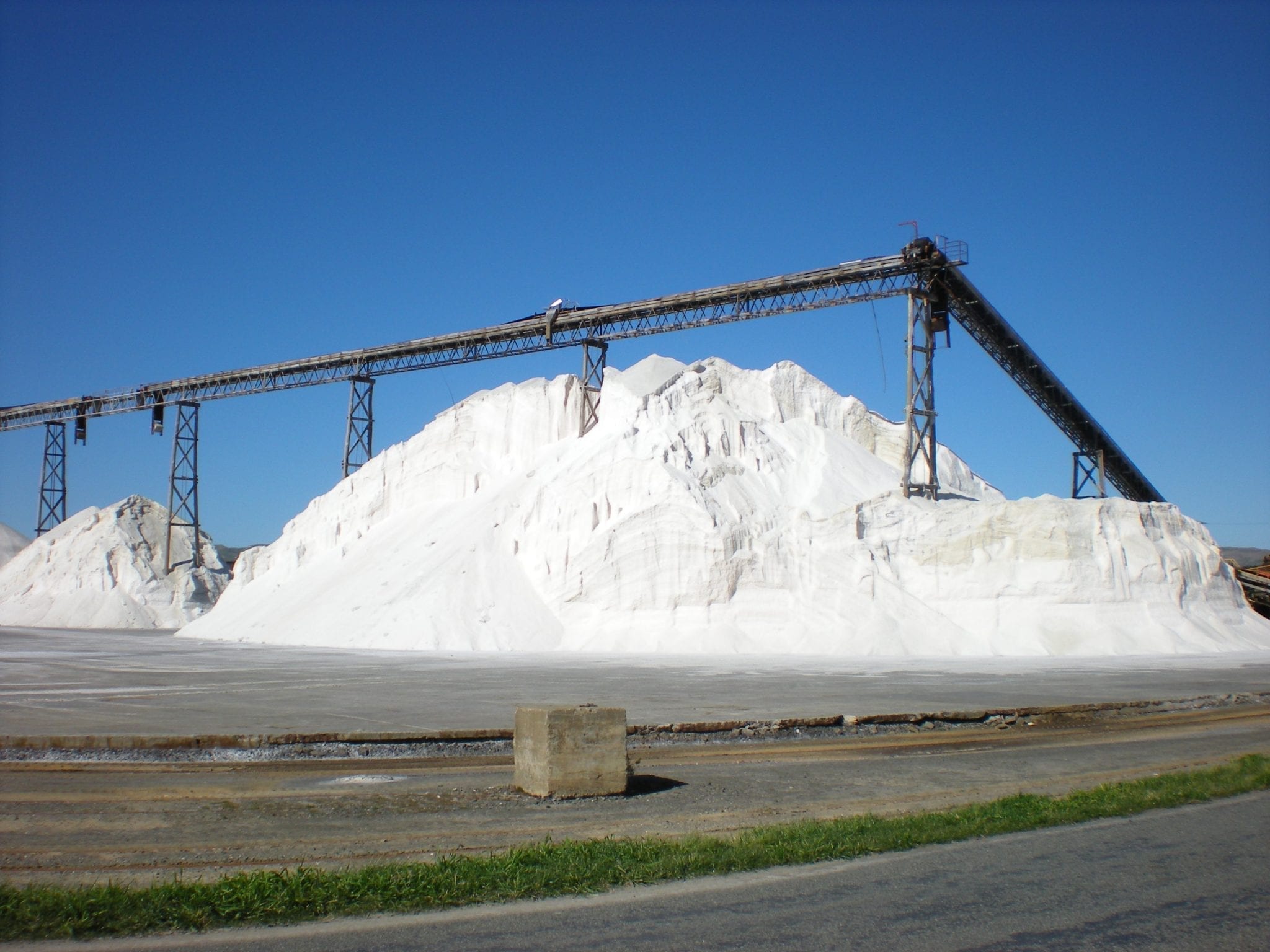
    Indonesia is experiencing a salt crisis. This is very strange because Indonesia has easy access to the sun, sea, and coastlines more than most countries in the world. In fact, we know, that just by evaporating seawater that depends on the three components, salt can be made.

    The signs of a salt crisis have been seen from long ago. For example, since Eid al-Fitr, the price of salt has almost never dropped again as usual. The price actually continues to soar and has now increased four times. Or, just look at the signs of national needs and production of salt.

    Indonesia needs 4.3 million tons of salt per-year, including the industrial salt with sodium chloride (NaCl) content of above 97 percent or consumption salt with its NaCl content below it. A total of 1.8 million tons of which are supplied domestically, mostly for consumption salts that are now scarce.

    Since the beginning of the year, supply from the domestic fields has been dragged. In the salt fields owned by PT Garam in Sumenep, for example, the salt production in May-June was only 50 tons, while it can usually reach 2,500 tons.


  • Trade Minister Warns about E-Commerce Funding Crisis

    Trade Minister Warns about E-Commerce Funding Crisis

    Trade Minister Thomas Lembong asked Indonesia e-commerce companies to be careful in assessing risks posed by the e-commerce business.

    “What would happen if the funding stopped? In the United States, tech business boom has started to decline,” Thomas said at the Indonesia E-commerce Summit & Expo in BSD, South Tangerang, on Wednesday, April 27, 2016. “I’m always paranoid. As a risk manager, I always ask ‘what if’.”

    Thomas added the natural selection in online business would determine which companies would continue exist. According to him, a business with a fast downturn will have a short cycle. Therefore, Thomas suggested business owners to prepare for “rainy days”.

    The Trade Minister revealed that other ministers in President Joko “Jokowi” Widodo’s Working Cabinet were proud with Indonesia’s e-commerce rapid growth. Thomas said that he wanted his ministry to learn from former US President Bill Clinton’s administration that supported the development of the Internet. Thomas explained Clinton improved the Internet with ‘light touch’ and refused the temptation to regulate everything on the Internet.“Innovation can thrive without restrictions. There has to be a space to develop. Innovators are usually rebellious,” Thomas added.

  • European Markets Dropped On Renewed China Worries

    European Markets Dropped On Renewed China Worries

    The European markets ended Monday’s session in negative territory, as renewed concerns over China weighed on investor sentiment. Concerns over the upcoming snap elections in Greece and the likelihood of a near-term U.S. interest rate hike also contributed to the negative mood at the start of the new trading week.

    The Financial Times reported that the Chinese government has decided to abandon attempts to boost the stock market through large-scale share purchases. Senior regulatory officials told the Financial Times China’s leaders feel they mishandled their efforts to rescue the stock market.

    The Chinese government resumed large-scale stock buying late in the trading day last Thursday to help the Shanghai Composite Index finish sharply higher, but officials said the government will refrain from further large-scale buying of equities.

    The Euro Stoxx 50 index of eurozone bluechip stocks decreased by 0.52 percent, while the Stoxx Europe 50 index, which includes some major U.K. companies, lost 0.30 percent.

    The DAX of Germany dropped by 0.38 percent and the CAC 40 of France fell by 0.47 percent. The SMI of Switzerland finished higher by 0.45 percent, but the FTSE of the U.K. was closed for a banking holiday.

    In Frankfurt, Volkswagen decreased by 1.14 percent. Japan’s Suzuki Motor Corp said that it would buy back the 19.9 percent stake it sold to the German automaker after an international court settled a dispute between the automakers over their soured partnership.

    BMW fell by 0.90 percent and Daimler lost 0.97 percent.

    Insurer Allianz rose by 0.18 percent, on reported that its infrastructure arm is weighing bids for London City Airport.

    RWE sank by 4.25 percent and E.ON dropped by 1.60 percent.

    In Paris, Renault surrendered 2.28 percent and Peugeot weakened by 1.19 percent. Car parts maker Valeo also decreased by 1.45 percent.

    Total tumbled by 0.91 percent and Technip lost 0.99 percent.

    Givaudan gained 0.73 percent in Zurich, after it agreed to acquire Induchem Holding, a cosmetic ingredient producer.

    Shares of NeuroVive Pharmaceutical AB plunged by 39.13 percent in Stockholm after the mitochondrial medicine company announced that it would not pursue development of CicloMulsion in the indication of acute myocardial infarction.

    Eni SpA climbed by 1.53 percent in Milan. The company announced over the weekend that it has discovered a massive natural gas discovery off the coast of Egypt.

    Eurozone inflation remained unchanged at a very low level in August as further fall in oil prices curbed its ability to move upward. Inflation came in at 0.2 percent in August, the same rate as seen in July and June, preliminary data from Eurostat showed Monday. It was forecast to ease to 0.1 percent.

    Germany’s retail sales rebounded in July to grow at the fastest pace in nine months, signaling that consumer spending boosted economic growth at the start of the third quarter. Retail sales advanced 1.4 percent on a monthly basis in July, Destatis reported Monday. This was the fastest growth since October 2014, when sales climbed 1.8 percent.

    Italy’s retail sales dropped for the second straight month in June, figures from the statistical office Istat showed Monday. Retail sales fell a seasonally adjusted 0.3 percent month-over-month in June, following a 0.2 percent decrease in the previous month. In April, sales had risen 0.7 percent.

    Greece’s retail sales declined in June after rising in the previous month, preliminary figures from the Hellenic Statistical Authority showed Monday. The volume of retail sales decreased 0.4 percent year-over-year in June, in contrast to a 4.1 percent sharp gain in May, which was revised down from 4.2 percent. In April sales had fallen 1.8 percent.

    China’s trade deficit in services widened in July, the State Administration of Foreign Exchange said Monday. The deficit on trade in services increased to $17.6 billion in July from $14.9 billion in June. At the same time, the merchandise trade showed a surplus of $46 billion in July.

    Business activity in the Chicago area unexpectedly grew at a slower rate in the month of August, according to a report released by MNI Indicators on Monday. MNI Indicators said its Chicago business barometer dipped to 54.4 in August from 54.7 in July. While a reading above 50 indicates growth, economists had expected the index to inch up to 54.9.