Tag: Cross border eCommerce

  • Chinese cross-border eCommerce rankings revealed

    Chinese cross-border eCommerce rankings revealed

    Surprisingly, Asia does not feature in the top 10 destinations of Chinese cross-border eCommerce during the holiday season.

    First to market, DHGate.com, a B2B transactional crossborder eCommerce marketplace, has released lists of the 10 destinations accounting for the largest volumes of shipments during the holiday season.

    The data includes the highest-selling product categories, the top countries for GMV (gross merchandise volume), the best-selling products, and the product categories with the largest increase in sales…

    Top 10 product categories
    1. Cell phones and accessories
    2. Consumer electronics
    3. Home and garden
    4. Health and beauty
    5. Sports and outdoors
    6. Shoes and accessories
    7. Apparel
    8. Toys and gifts
    9. Baby/children/parenting products
    10. Lights and lighting

    Top 5 products
    1. Holiday projector using LED lights to project Christmas images
    2. Baby shoes with LED lights
    3. Children’s building blocks, mini-figures
    4. Christmas-themed sequin cushion covers
    5. Nail-art stickers and tools

    Largest increase in sales
    1. Home and garden
    2. Health and beauty
    3. Shoes and accessories
    4. Apparel
    5. Baby/children/parenting products

    Top 10 countries for GMV
    1. US
    2. UK
    3. Canada
    4. Australia
    5. France
    6. Spain
    7. Italy
    8. Holland
    9. Germany
    10. Mexico

    Founded in 2004, DHgate.com services about 10 million global buyers from 230 countries and regions, with 1.4 million global sellers offering 40 million products.

  • Cross-border eCommerce ‘set to skyrocket’ in China

    Cross-border eCommerce ‘set to skyrocket’ in China

    Cross-border eCommerce (CBEC) is set to skyrocket in China according to a new report from international think tank Fung Global Retail & Technology.

    To capitalise on this, international retailers need to complement their existing expansion strategy with online sales platforms, says Fung Global MD Deborah Weinswig.

    Cross-border eCommerce is the most efficient platform to reach increasingly affluent and sophisticated Chinese shoppers seeking products from overseas, says the report, The International Retailers’ Guide to Cross-Border E-Commerce in China.

    With Chinese authorities relaxing the rules, online purchases of overseas products are expected to increase to US$285 billion in value in 2018, up from US$136 billion last year.

    As well as authenticity being less of a concern, eCommerce purchases attract less taxes so are cheaper for consumers, writes Weinswig. As a result, it is projected that a quarter of the population will shop on foreign sites or through third parties in 2020, up from 15 per cent this year.

    “We expect CBEC will drive the next leg of eCommerce growth as Chinese eCommerce companies and international retailers launch globalised versions of their portals. By selling through CBEC, international retailers can reach Chinese shoppers regardless of whether or not they have a physical presence in China.”

    China is already the largest eCommerce market in the world, with the use of CBEC via such marketplaces as JD Worldwide and Tmall Global being attributed to the continuing rise of the upper middle class with its growing use of the internet and belief that international brands are of higher quality.

    Regulations formalised

    Most shoppers seek items related to wellbeing such as cosmetics and organic foods, expensive or hard to find domestically, says the report. Many foreign eCommerce companies have launched Chinese websites, and since late 2014 authorities have been formalising regulations including tax reforms and expediting customs clearances.

    Japanese companies in particular are targeting Chinese CBEC shoppers, using mobile apps such as Rakuten and China’s Wandou.

    Choosing the right platform is crucial, writes Weinswig. Options include…

    • Online marketplaces such as Alibaba’s Tmall Global, a third-party eCommerce platform that lets brands open a storefront. International distributors using this platform include Macy’s, Metro, Shiseido and Uniqlo.
    • Online direct sales such as Amazon.cn, Jumei Global Store, Kaola.com (for smaller brands) and Vipshop. Distributors buy from the retailers to resell to consumers.
    • Hybrid eCommerce platforms such as JD Worldwide that combine elements of an online marketplace and online direct sales. JD Worldwide partners include eBay, Lotte, Rakuten and Unilever.
    • Overseas shopping platforms.

    “To succeed in the Chinese market, international retailers are advised to have a strategic plan for CBEC that complements their China strategy,” writes Weinswig. “International retailers will need to decide which cross-border channels to sell on, driven by considerations of each platform’s targeted clientele and product category, costs, track record and suite of value-added services.”

    Fung Global Retail & Technology is based in Hong Kong, London and New York.

  • Asia Pacific leads for mobile cross-border shopping

    Asia Pacific leads for mobile cross-border shopping

    Asia Pacific leads the world in mobile cross-border shopping, according to the third PayPal Annual Global Report, released in conjunction with global market research company Ipsos.

    With its investigation of the online domestic and cross-border shopping habits of more than 28,000 consumers in 32 countries, the report reveals international opportunities for merchants.

    Of the Asia Pacific shoppers interviewed, 68 per cent said they had made a cross-border purchase by smartphone in the past 12 months.

    There has been a marked shift to mobile purchasing in China, with an average of 35 per cent of cross-border purchases being made on a smartphone this year compared to 27 per cent last year.

    Fewer than 15 per cent of shoppers in both western and eastern European as well as North America, however, used a smartphone for cross-border purchases.

    Meanwhile, their online spending will increase in the next 12 months according to 64 per cent of internet users in China, 39 per cent in Russia and 26 per cent in the UK. This is primarily driven by convenience (76 per cent), changes in disposable income (30 per cent), faster shipping (35 per cent) and cheaper shipping (27 per cent).

    “Selling internationally is a substantial opportunity for merchants around the globe to grow their business,” says PayPal director of global initiatives Melissa O’Malley. “We’ve seen our cross-border volume grow 38 per cent in the past two years, from $14 billion in the third quarter of 2014 to $19 billion in the same quarter this year.

    Merchant benefits

    “PayPal’s mobile payment volume is also up 56 per cent over last year, so we see the direct benefits merchants can reap by optimising their mobile shopping offerings.”

    For the first time in the survey’s three years, China is the most popular online cross-border shopping destination – 21 per cent of online shoppers interviewed claimed to have shopped from Chinese websites in the past 12 months, followed by the US (17 per cent) and the UK (13 per cent).

    What is attractive about cross-border shopping? Of the global consumers in the survey, 76 per cent cited better prices, while 65 per cent said they could buy items not available in their own country.

    Factors that would make online shoppers more likely to buy from a website in another country include free shipping (46 per cent of respondents) and secure payment system (44 per cent).

    In 24 of the 32 countries surveyed, PayPal is most used for payments. Key factors for choosing particular payment methods include security (53 per cent of respondents), convenience (44 per cent) and acceptance by retailers (41 per cent).

    Of the shoppers using PayPal, 44 per cent say it is their preference as they do not need to share financial details with the seller.

    On behalf of PayPal, Ipsos interviewed a representative quota sample of about 800 to 2000 (28,012 in total) adults who use an internet-enabled device in each of 32 countries, including China, India, Japan, Singapore and Thailand. Interviews were conducted online between late August and early October.

  • Chinese cross-border eCommerce has peaked

    Chinese cross-border eCommerce has peaked

    Chinese cross-border eCommerce has reached a turning point, says new research from Oliver Wyman.

    Spending online offshore by Mainland Chinese reached RMB 120 billion (US$17.963 billion) in 2015 according to iResearch, and is expected to grow more than 60 per cent, reaching 7 per cent of total Chinese eCommerce value by 2018.

    However, Oliver Wyman warns increasing regulation may mean the industry has now reached an inflection point.

    “Chinese consumers are probably the most informed and digitalised in the world,” said Wai-Chan Chan, Oliver Wyman partner and author of the report. “As Chinese consumers travel abroad, they are increasingly aware of offline prices around the world.

    Exhibit 1

    Cross-border eCommerce provides Chinese consumers with access to the best products at the best prices without leaving home. At the same time, companies entering or currently in the market need to consider their positions.”

    The report, titled Shopping Without Boundaries found that one in five online Chinese shoppers made a purchase on cross-border eCommerce platforms in 2015, double the proportion in 2014. This represents more than 3 per cent of total eCommerce transactions in China including both B2C and C2C.

    Today’s cross-border eCommerce businesses expanded out of the Daigou model which involved small businesses abroad who brought or sent products back to China. In 2013, the Chinese government established experimental zones of cross-border eCommerce for better regulation. Shanghai was the first to be selected, followed by 11 further cities by June 2016.

    International brand owners and retailers are taking advantage of the new channels through different models. The most common are platform providers such as Tmall International and self-operated plays such as Jumei. JD Worldwide operates across both models. Vertical specialists have also emerged, including the rapidly-growing Xiao Hong Shu (Little Red Book) that has established itself as a challenger.

    Exhibit 2

    After a strong boom, the report finds that cross-border eCommerce has arrived at a tipping point.

    “The future now seems unclear to many players due to a series of government regulations,” concluded the report. “Covering a wide range of topics such as tax, product safety, manufacturing standards and logistics, these regulations have not been fully defined and leave room for speculation.”

    “While cross-border eCommerce still presents great opportunities, companies may want to have a Plan B in case the market dynamics change completely due to the new regulations,” added Chan.

    The full report details how both incumbents and new brands should review and adapt their strategic approach to China’s cross-border eCommerce market. For example, incumbents need to define what role cross border eCommerce should play in their overall Chinese business while ensuring global price harmonisation.  New entrants, need to select a product that appeals to online shoppers in China.

  • SingPost eCommerce growth, investment shape results

    SingPost eCommerce growth, investment shape results

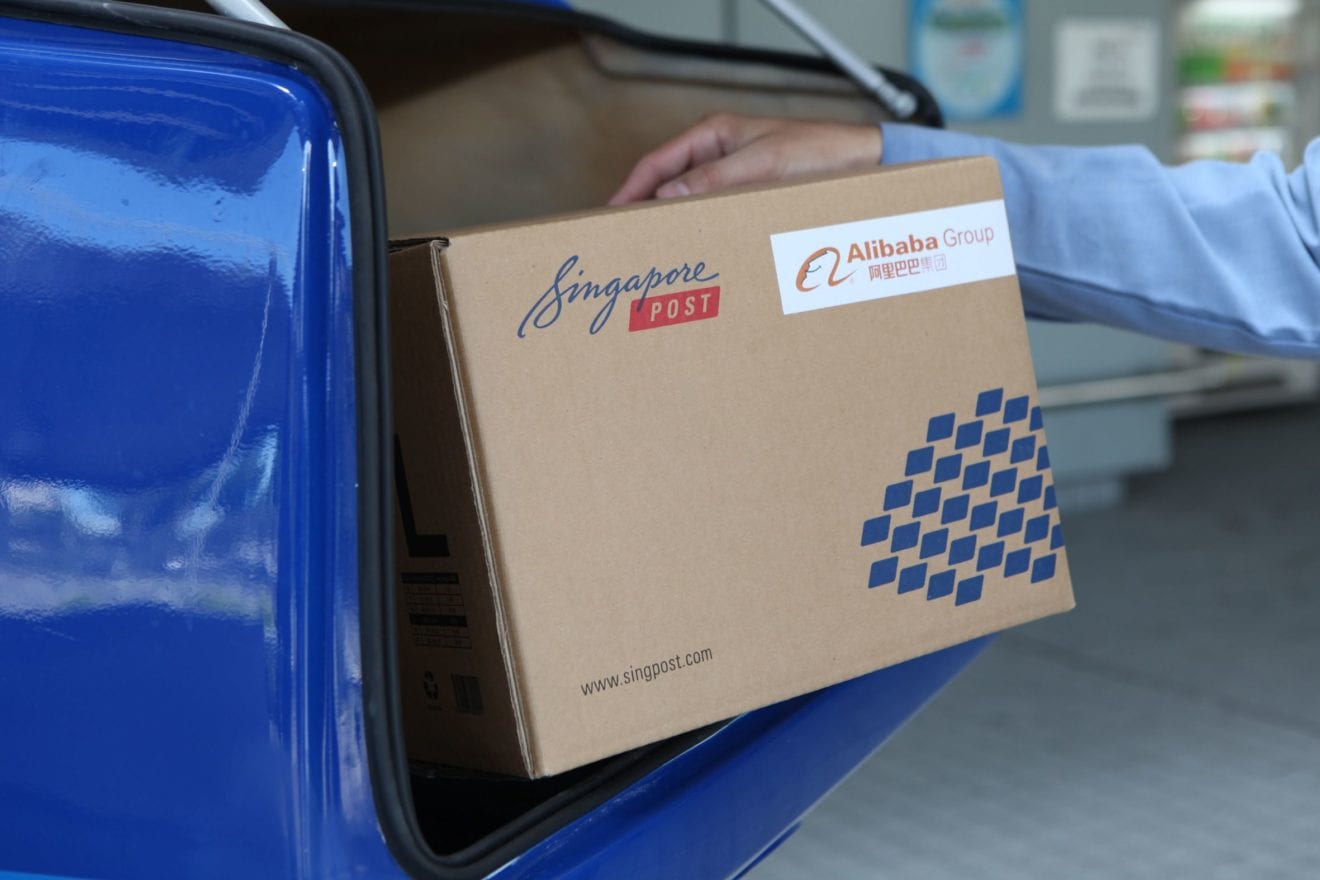
    SingPost eCommerce delivered soaring sales growth – and expenses – in the last quarter.

    Revenue in the three months to June 30 grew a robust 30.9 per cent to S$333.4 million, buoyed by continued expansion of cross-border eCommerce-related activities, and the inclusion of contributions from new subsidiaries.

    But net profit attributable to equity holders declined 23.0 per cent to $35.9 million, due largely to one-off gains from the divestments of Novation Solutions and DataPost HK in the corresponding period last year. Underlying net profit, which excludes one-off items, was down 11.2 per cent, due to investments in business transformation.

    Interim group CEO Mervyn Lim said the company continued to invest in its business transformation and that will take time to contribute materially to earnings.

    “We are focused on executing our strategy to create value from our acquisitions and build an integrated global eCommerce logistics ecosystem. SingPost’s strategy to protect the postal core and grow its eCommerce logistics network remains on track.”

    eCommerce-related revenues from across the postal, logistics and eCommerce segments more than doubled from $73.1 million to $164.1 million and now make up 49.3 per cent of group revenue – up from 28.7 per cent last year.

    “The sharp increase reflects continued expansion in cross-border eCommerce-related activities across the group, as well as the inclusion of new US subsidiaries TradeGlobal and Jagged Peak,” the company reported.

    “Correspondingly, overseas revenues rose to make up 50.2 per cent of group revenue, up from 37.8 per cent last year. Increased cross-border eCommerce-related activities led postal revenues to a 1.5 per cent rise, despite the deconsolidation of subsidiaries divested during the previous financial year.

    International mail revenue was up 30.3 per cent to $65.5 million, while domestic mail revenue declined 4.3 per cent to $64.0 million due to lower volumes.

    Logistics revenue rose 11.9 per cent to $156.7 million, with steady organic growth at Quantium Solutions and CouriersPlease, as well as the inclusion of a new subsidiary under Famous Holdings.

    Revenue growth for the eCommerce segment was due mainly to the consolidation of new US subsidiaries, TradeGlobal from November 2015 and Jagged Peak from March 2016.

    Operating losses from the segment increased from $1.9 million to $3.5 million as contributions from the newly acquired US subsidiaries were offset by continued investments in eCommerce IT and operational capabilities, as well as marketing and sales efforts in the US to build scale. Beyond these direct contributions, the eCommerce segment was an important driver of warehousing, freight, last mile delivery and customer care services for the logistics segment.

    Rental and property-related income decreased 8.6 per cent to $9.7 million due to the loss of retail rental income from the redevelopment of SPC retail mall, which is due for completion by mid-2017.

  • Paypal now available for iPay88 merchants

    Paypal now available for iPay88 merchants

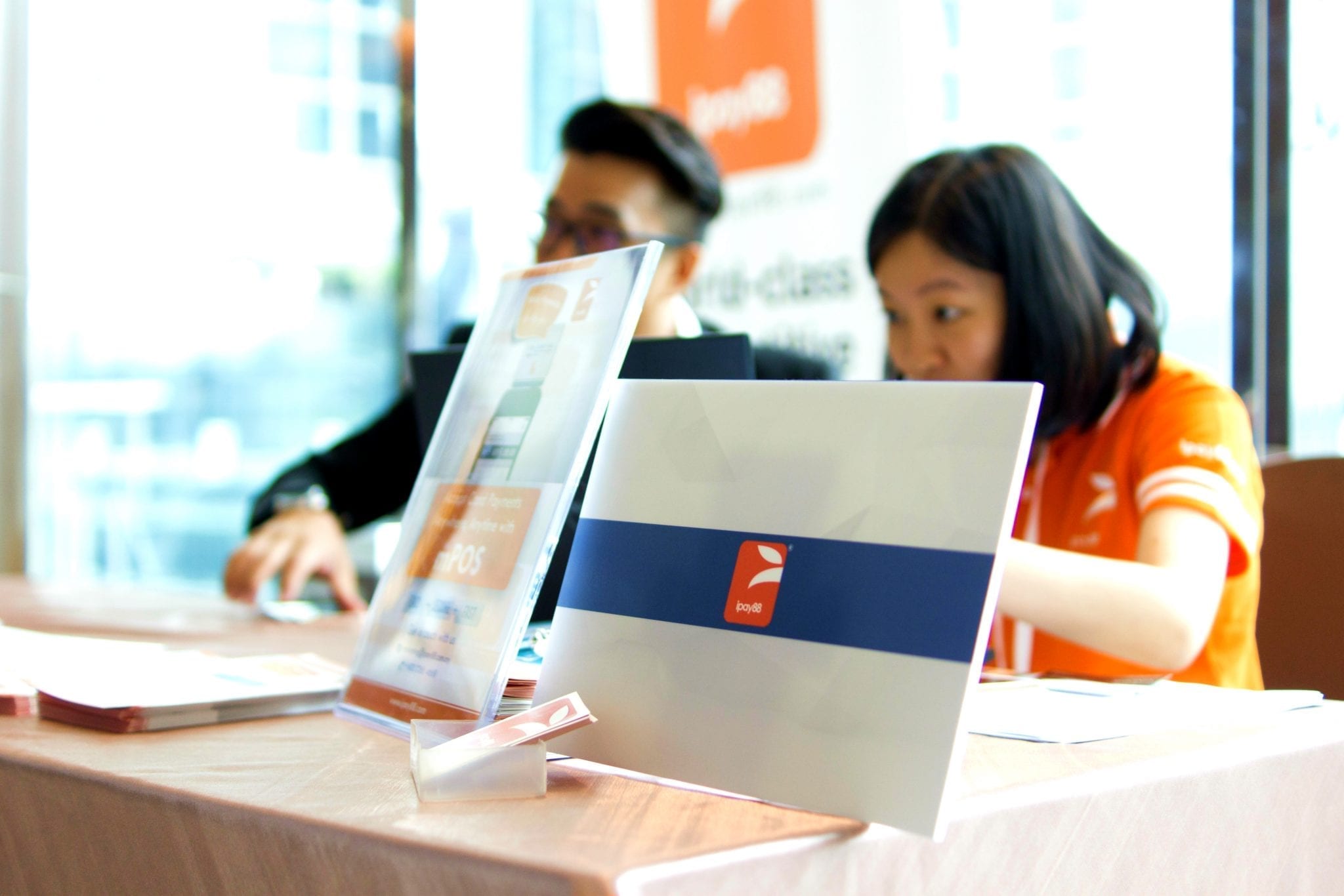
    Malaysian online payment service iPay88 has entered a collaboration with online payment company PayPal to promote and support cross-border trade for iPay88 merchants.

    For small businesses in particular, cross-border eCommerce provides a chance to sell to the world, and iPay88 believes the collaboration will enable its merchants to leverage PayPal’s 184 million active accounts and presence in more than 200 markets.

    OLYMPUS DIGITAL CAMERA

    Executive director KL Chan says iPay88 has nearly 10,000 e-merchants, including SMEs and conglomerates, but there is also a large, untapped market of businesses and companies still considering moving into eCommerce. “This collaboration with PayPal is timely as it will help capture this market effectively by offering both online banking and credit-card payment options.”

    Merchants signing up for a PayPal account can now do so through iPay88. Approvals will be sent to merchants within three working days. Aside from the quick sign-up process, iPay88’s online merchants will also be able to benefit from PayPal’s multi-currency checkout.

    Chan estimates the collaboration will drive extra revenue for iPay88 in 12 months.

    “It has always been a challenge for businesses, especially small ones, to expand and sell overseas,” says PayPal Southeast Asia GM Rahul Shinghal. “PayPal is committed to helping them grow by leveraging the power of eCommerce, which gives them a level playing field when competing with larger export houses.”

    A subsidiary of NTT Data Corporation, iPay88 was set up in Kuala Lumpur in 2006 and has an established presence in Indonesia, Singapore, Thailand, the Philippines and Vietnam.

  • Chinese etailer Globalegrow boosts authenticity promise

    Chinese etailer Globalegrow boosts authenticity promise

    Chinese etailer Globalegrow says it has taken steps to ensure what foreign customers order is what they get at a time foreign shoppers are increasingly wary of the authenticity of Chinese-sourced products.

    Globalegrow, whose full name is Shenzhen Global E-Grow Electronic Commerce Co, operates several eCommerce websites in the US, including SammyDress.com, RoseGal.com and Zaful.com, providing consumers direct access to “affordable, trendy fashion”.

    A company spokesperson said while its primary focus is on maintaining low prices, it considers it of equal importance that customers are assured its products and services meet their needs and expectations.

    “To that end, the company has developed a two-year plan to enhance its quality assurance and customer service procedures.’

    That plan includes:

    • In-house inspection of all Globalegrow products before shipping, to ensure all consumers receive the high-quality items that they expect.
    • In-house advertising, in which the company will photograph 100 per cent of the items sold on its websites to ensure accurate representation of its products.
    • Streamlined and clarified return policies.

    The company has already increased its customer services agent staffing levels by 150 per cent during the last six months and now has agents available 24/7 to respond to customers via email or on live chat.

    Globalegrow says it has also enhanced its vendor selection process and has ended relationships with vendors that “were not meeting its standards of honesty, quality, and trust”.

    “The company follows a four-step process that includes reviewing product quality, inspecting factories and production processes, verifying certifications and qualifications and instituting an ongoing process for continuing assessments and feedback.

    “Globalegrow is dedicated to honesty, quality, and trust, and welcomes feedback and suggestions as it continues to develop its international business offering direct-to-consumer affordable fashion,” the spokesman said.

    Founded in 2007, Globalegrow describes itself as a cross-border eCommerce enterprise that imports products to China and exports Chinese products all over the world.

  • BeautyFresh has bold Asian ambitions

    BeautyFresh has bold Asian ambitions

    Singapore cosmetics startup BeautyFresh is eyeing the eCommerce potential in its home market and broader Asia.

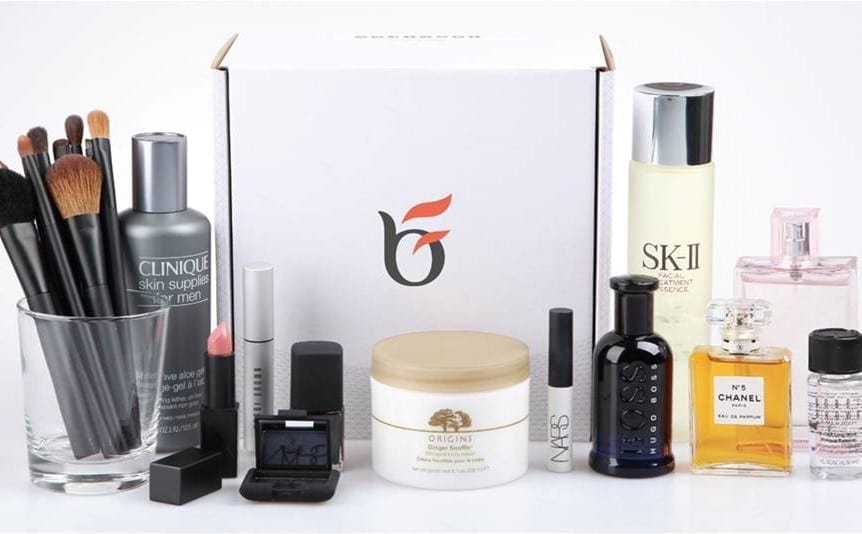
    Stocking more than 70 international brands including Chanel, Dior, Jo Malone and Nars, the company ensures authenticity of its products by scanning them with ultraviolet light to check for defects. Employees also check to ensure products are not near expiry dates.

    Director Jack Wong has a background in online security, so is using his expertise to ensure that client data is secure. The web developments and encryption of the BeautyFresh site are similar to those of online banking (signified by a green lock in the URL).

    Meanwhile, market research firm Mintel says that a growing number of Chinese consumers are going online to buy international beauty products.

    Jo Malone_BeautyFresh.com (1)

    Its research shows that 58 per cent of Chinese consumers bought foreign products online from a domestic shopping website in the six months to the end of November last year. The top three countries buying beauty products were South Korea (47 per cent), Japan (29 per cent) and France (27 per cent).

    According to the report, cross­-border eCommerce grew more than digital retail generally last year, a trend that is expected to continue.

    While cross-border eCommerce is increasingly competitive and provides great sales opportunities, the report warns that brands need to be increasingly responsive to consumer demand.

    Quality of products (63 per cent) and prices (38 per cent) are the top concerns for Chinese online buyers.

    BeautyFresh offers free delivery on orders worth US$40 or more, and offers a 30-day money back guarantee.

  • Jack Ma’s grand eCommerce plan

    Jack Ma’s grand eCommerce plan

    Alibaba Group executive chairman Jack Ma wants to knock down barriers to global eCommerce by creating a business-driven, Internet-based platform that will function something like the World Trade Organization – but without all the controversy.

    Speaking at the Boao Forum for Asia, the founder of the world’s largest eCommerce company called for the establishment of “a new platform on which we are not debating, not having disputes, we are sharing trade,” Ma said.

    “On this platform we are promoting technologies as well as inclusive financing, so all [small businesses] and young people can enjoy the benefits of trade, so we are connecting the world with trade.”

    Ma’s ultimate goal is the creation of a virtual, borderless economy not constrained by politics. He calls the vehicle for achieving this the World e-Trade Platform, or eWTP. As envisioned, the eWTP would be set up primarily to formulate international rules to eliminate barriers to eCommerce and help small businesses and consumers everywhere participate in cross-border trade. The online platform would be open to a wide range of stakeholders including SMEs and would not be dominated by governments and multinational corporations.

    At the Boao forum – a business, government and academic leadership conference held annually on China’s Hainan Island – Ma said the WTO, which promotes free trade through lower tariffs and other trade barriers, “did a great job” in the last century in fostering a more global economy.

    China in particular after its accession to the WTO in 2001 experienced tremendous economic growth, he noted.

    But globalisation’s benefits have accrued unevenly and the WTO’s current rulemaking round, called the Doha Development Round, has been stalled for the last 15 years, largely over differences between developed and developing nations, Ma pointed out.

    The eWTP’s purpose is to help “the 80 percent of companies and developing countries that cannot participate in world trade,” he said, adding, “It is not the purpose of the eWTP to destroy the WTO, but to try to destroy trade protectionism.”

    Ma, who said last year he wants to help 10 million small businesses outside of China sell into global markets, stressed that he saw the proposed body as “complementary to the WTO … [so that] more nations that are poor like China was 15 years ago, let them enjoy the trade.”

    “Let’s make trade simpler, let’s take out some of the rules and laws that are not working, to move trade faster,” Ma said. “Let businesses drive it with governments and NGOs and other organisations participating.”

    During a Boao panel discussion focusing on Ma’s eWTO proposal, Indonesian trade minister Thomas Lembong and Luis Alberto Moreno, president of the Inter-American Development Bank, expressed support for the initiative.

    The explosive worldwide growth of eCommerce is spawning new business models and has the potential to spark fundamental changes in the way international trade is conducted by eliminating costly layers of intermediaries and shortening global supply chains. At the same time, the borderless, relatively frictionless nature of Internet trade offers small-and medium-sized businesses everywhere unprecedented access to global markets.

    “It’s hard to comprehend how fast things are changing, how fast things are moving,” Lembong said. “We really are talking about the dawn of a new era alongside the old one.”

    The eWTP could speed these changes, Lembong said, calling it “an intriguing concept.”

    “To me, eCommerce is an oasis of freedom in a world that threatens to be over-regulated and politicized” by protectionist trade barriers, he said, comparing the current trade regime to “a traffic jam.”

    Ecommerce “is an antidote to the poison of protectionism,” Lembong said. “Technology is a great equaliser, the best tools are available to the smallest companies. Now, thanks to technology and the mobile Internet, anybody with a mobile phone can become an entrepreneur.”

    Moreno noted that international eCommerce faces a number of challenges. Products can’t be consistently delivered quickly across borders because of inefficiencies in international logistics and customs procedures.

    “For a product to enter a country there might be 10 agencies you have to deal with,” Moreno said.

    Boao panelist Kasper Jakobsen, CEO of US-based infant formula maker Mead Johnson, agreed that global import regulations needed greater uniformity.

    “The biggest barrier to expanding [trade] platforms across boundaries is so many products have to comply with different regulations in all the markets they are sold in,” Jakobsen said.

    A clue to what reduced barriers with eWTP might look like can be seen in China’s efforts to boost cross-border eCommerce by setting up free-trade zones and bonded warehouses where certain goods ordered by Chinese consumers from overseas companies are subject to lower tariffs and receive expedited customs processing.

    “We have to ramp up and get ready for that platform Jack is inviting us to join,” Moreno said.

    Panelists also agreed backing should be sought for the eWTP proposal from world leaders at the upcoming G20 summit, scheduled to be held in September in Hangzhou, China, where Ma’s Alibaba Group is headquartered.


  • Fast rise for Chinese cross-border eCommerce

    Fast rise for Chinese cross-border eCommerce

    Chinese cross-border eCommerce will rise at a rate of 18 per cent annually through to 2020, predicts market research house Mintel in a new report.

    Mintel’s Haitao Retailing says Chinese spending on cross-border eCommerce soared more than 60 per cent in 2015.

    “The reason we chose to do this report was both due to Haitao becoming so large, and because this market is now becoming well-regulated, and encouraged by the central government,” said the report’s author Matthew Crabbe.

    “This was therefore clearly an important development in China’s international trade, its domestic consumer market, and as a route to entry for foreign companies hoping to sell to Chinese consumers.”

    Mintel surveyed more than 3000 Chinese online shoppers, of whom nearly 60 per cent said they had bought foreign products online from domestic shopping websites between June and November.

    The most popular products were beauty and skincare lines from South Korea, Japan and France; and food from Hong Kong, Macau, Taiwan and New Zealand. They also shopped for personal electronic devices from Japan and the US.

  • The future of cross-border eCommerce

    The future of cross-border eCommerce

    Unrestricted by geographic borders, today’s consumers are buying from international merchants more than ever before.

    While B2C eCommerce sales in Asia Pacific are projected to increase at moderate double-digit rates through to 2019, consumers are increasingly expecting brands to maintain service levels with prompt delivery and regular updates on their order status.

    Nevertheless, retailers serving eCommerce customers in other countries often face challenges  with customs procedures, regulatory requirements and taxation issues. These complications can lead to delays in shipping, as well as making it hard to predict delivery times.

    With the final part of the delivery journey (the “last mile”) being the most important touchpoint between a brand and a consumer, having the right fulfilment strategy is vital.

    Technology helps determine the efficiency of cross-border eCommerce. For example, Flexible Order Management Systems and Warehouse Management Systems are software packages designed to support eRetailers with multi-channel sales and distribution. They help to improve order accuracy as well as drive efficiency in processing orders.

    Moreover, data analytics offer businesses insights into buying behaviour, sales cycles and trends, as well as help with troubleshooting.

    Internet of Things (IoT) technologies also play a significant role in last-mile fulfilment by connecting parcels, machineries, logistical equipment and transport vehicles, thus driving dynamic new business models.

    One interesting aspect in IoT-enabled last-mile fulfilment is the flexible delivery address. This offers recipients greater accuracy about expected delivery times, enabling them to specify a change in address if necessary (such as having their parcel delivered to their workplace instead of their home).

    It is crucial for retailers to work with the right fulfilment partners, especially with consumers demanding greater flexibility in shipping options. Partners that offer both domestic and international delivery options at affordable rates will allow businesses to meet customers’ wishes regarding deliveries.

    Another key consideration is a fulfilment partner’s ability to overcome the legal limitations of each country. Duties and taxes, import and export laws, packaging and returns, and varied consumer privacy and protection laws hinder prompt door-to-door delivery. A fulfilment centre in the right location is an asset to online and offline merchants, who will be seen as reliable while slashing costs commonly associated with cross-border logistics.

    eCommerce consumers have zero tolerance for delivery delays or problems. Retailers, logistic service providers and fulfilment centres all play an integral role in ensuring the “last mile” is a success. The entire eCommerce chain needs to collaborate to ensure delivery times are prompt, costs are kept low and customer experiences stay positive.

  • Chinese luxury spend abroad soars in 2015

    Chinese luxury spend abroad soars in 2015

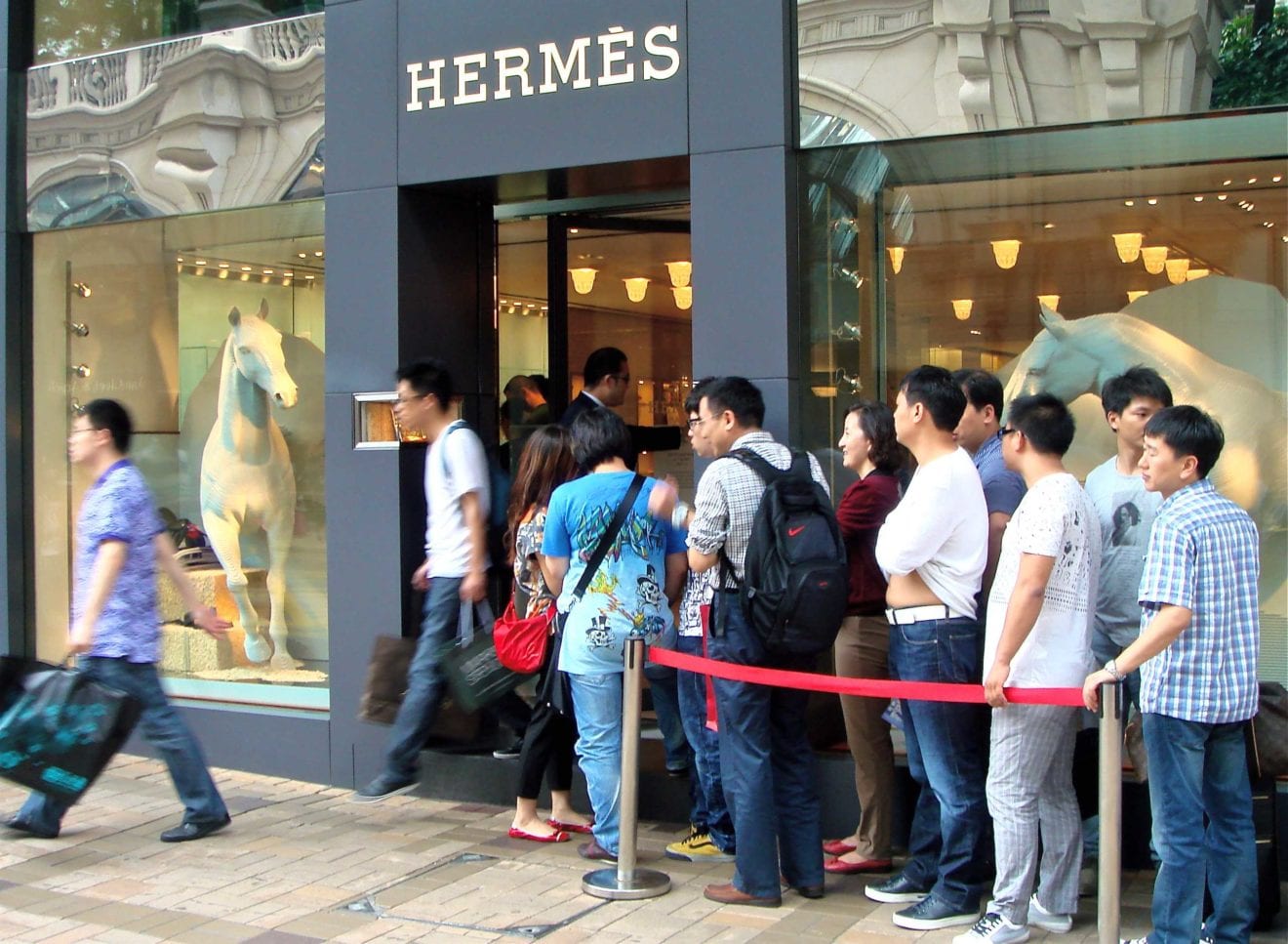
    Mainland Chinese shoppers increased their spending on luxury goods overseas by 10 per cent last year according to new research from Bain & Company.

    The increase comes as a surprise given the significant slowdown in China’s economic growth, the much-publicised clampdown on gift-giving and the struggle of Hong Kong watch and jewellery retailers over the past 12 months.

    Bain & Company’s report, the 2015 China Luxury Market Study says mainlanders are shopping more on cross-border eCommerce and travelling to new destinations to indulge.

    In 2015, they shunned Hong Kong and Macau in favour of places like Japan, where spending soared 200 per cent.

    Bain’s research, which included a survey of nearly 1500 Chinese consumers, found a sizable shift in shoppers’ geographic preferences for luxury shopping in 2015. Japan, South Korea, Europe and Australia were all popular shopping destinations, due to favourable exchange rates and competitive pricing on luxury goods in these markets.

    As overseas travel among Chinese shoppers increased – up an estimated 32 per cent from 2014 – consumer reliance on Daigou, or overseas personal shoppers who buy and send luxury goods to customers in China – contracted. The growing channel choice in 2014, Daigou decreased to an approximately 43 billion RMB market last year.

    Bain attributes the drop to several factors including price adjustments by key brands that reduced Daigou margins, government efforts to tighten control over imports, including Daigou, a weakened RMB, and an increased reliance on other purchase channels – notably cross-border and overseas websites, which accounted for 48 billion RMB of the 293 billion RMB luxury spend overseas.

    The report highlights the increasing popularity of cross-border and overseas websites as luxury shopping channels: nearly half of those surveyed said they purchased luxury goods via these sites last year.

    According to Bain, increased international tourism, and growing comfort and trust in some business-to-consumer (B2C) overseas websites among China’s shoppers helped stimulate overseas purchases. This resulted in a slowdown in China’s overall luxury market, which dipped 2 per cent to 113 billion RMB last year, driven by a decline in watches, men’s wear and leather goods.

    Luxury brands seeking to overcome the economic slump and reinvigorate consumer spending domestically must employ a more tailored, localised marketing strategy, with high fashion content and adjust their pricing to reduce disparities across geographies.

    “We saw notable changes in where and how Chinese consumers acquired luxury goods last year,” said Bruno Lannes, a Bain partner based in Shanghai and author of the report.

    “Buying overseas has been a trend for years, but destinations have changed, and Daigou is declining because of multiple and converging drivers from major industry players, including the government,” he said.

    “Our research found that the industry is quickly adapting to these challenges in an effort to drive more luxury consumption at home through strategies such as global pricing and a greater focus on fashion.”

    A corollary to the drop in domestic sales is a reduction of the store footprint by most brands, with a greater focus on fewer, larger and better located stores. Many brands realise they need to regain their exclusive image, which has been somewhat blurred by over extension.

    As in 2014, the research shows the greater importance of fashion and exclusive designs to win domestically. Brands with a strong fashion heritage and stronger emphasis on original design did well in 2015.

    The survey reveals that nearly 80 per cent of respondents said they normally get information on luxury brands from the internet or apps, and a full 60 per cent identified social media channels Weibo and WeChat as their online source for information on luxury goods. As a result, brands spend, on average, 35 per cent of their marketing budget on digital, and it is growing.

    Looking ahead, Bain expects these and other 2015 trends to continue this year, prompting further challenges, opportunities and requirements for brands:

    • Macro environment expected to remain similar while the rising middle class becomes more sophisticated and knowledgeable about luxury.
    • Overseas channels will stabilise (daigou will decline). Global pricing by leading brands and government efforts to localize consumption will spur domestic growth. Global pricing, will likely spread further to other brands.
    • Luxury brands should strengthen both digital platform building (e.g., Weibo WeChat, apps) and digital content creation, with an emphasis on localisation to reflect local market preferences.
    • Luxury brands must place greater emphasis on making their brand “younger” and more fashionable to capture the next generation of trendy customers. There will also be an increased focus on “exclusivity,” both in product design and store footprint.

    “Despite persistent macro, economic and industry challenges in China, all hope is not lost for luxury brands,” said Lannes.

    “There are plenty of growth opportunities for those with more exclusive and fashion collections, digital platform engagement and digital content creation, as well as with pricing that encourages Chinese consumers to spend locally.”

  • Rakuten to open on JD.com

    Rakuten to open on JD.com

    Rakuten, Japan’s largest eCommerce company, is to open an online flagship on Chinese cross-border eCommerce platform JD.com.

    The Japanese company says it aims to take “the best Japanese products to Chinese consumers”. It launched a beta version of the new marketplace on JD Worldwide earlier this month. Plans are under way to expand the merchandise range over coming months, with an initial focus on categories such as cosmetics, snacks and health food products.

    Masato Takahashi, managing executive officer of Rakuten, said the partnership between Rakuten and JD.com will promote cross-border trade by connecting Chinese consumers with authentic and popular Japanese products from a top selection of Rakuten’s merchants from around Japan, both small and large.

    “Rakuten will continue to work to expand our offering to Chinese consumers.”

    Haoyu Shen, CEO of JD Mall, said imported Japanese products have proven popular in China to date.

    “Our focus remains on partnering with the most trusted retailers in key overseas markets to meet the growing demand for premium imported products.”

    Expansion of the product line-up will continue over the coming months.

  • Exporting the key to Asian SME growth

    Exporting the key to Asian SME growth

    If you’re an Asian SME and a retailer and you are not pursuing an export strategy – you’re missing out, according to a study completed by FedEx.

    Small- to medium-size enterprises throughout Asia Pacific that export to overseas markets are twice as likely to be experiencing growth of 11 per cent or more than SMEs who are focused solely on their home market.

    That’s the conclusion of a new global research study commissioned by FedEx Express, the world’s largest express transportation company.  In the survey that includes six key markets in the region –China, Hong Kong, Japan, Singapore, South Korea and Taiwan – 22 per cent of exporting SMEs reported that they were growing rapidly, compared to just 11 per cent of SMEs that sell only in their home market.

    The independent study, entitled Global opportunities: Examining Import and Export Trends Among Small Businesses, reveals the considerable revenue opportunities on offer to SMEs that export.  In Apac, SMEs reported that exports generate an average of US$1.8 million in revenue each year – the highest of the four global regions in the study.  In certain Apac markets, this figure was far higher: Taiwanese SMEs generate an average of US$2.8 million in revenue per year from exports, the highest level of export-driven revenue in the study, while Hong Kong SMEs came in second place, generating an average of almost US$2.6 million.

    “Small businesses are a critically important part of the Asia Pacific economy, and this study shows how they are able to thrive when they grasp the opportunity to sell to markets beyond their own borders,” said Karen Reddington, president, FedEx Express Asia Pacific.

    “However, while many Asia Pacific SMEs see the potential of exporting, they are not confident in their ability to translate that potential into business success as they feel they lack the necessary advice and support. This should serve as a wake-up call to all stakeholders. Helping SMEs to succeed in overseas markets can only be good for the entire region,” she said.

    Despite this significant opportunity, many SMEs are still hesitant about targeting overseas markets.  Currently, only 36 per cent of Apac SMEs are exporting, despite a much higher proportion (77 per cent) recognising that there is a whole world of customers out there.

    One of the reasons for this seems to be a lack of advice and support. Only 10 per cent of Apac SMEs believe they already have sufficient support to succeed in international markets – the lowest level among the four global regions in the study.

    Logistics plays a vital role in tackling this confidence gap. SMEs in Singapore and Taiwan ranked logistics providers as their top source of expertise on exporting, and SMEs in five out of six Apac markets rank logistics providers among their top sources. A reliable logistics service provider plays an important role in connecting SMEs with overseas opportunities and shaping the experience that SMEs provide to their customers.

    Despite the perceived barriers, SMEs are optimistic about the prospect of exporting in the future. Some 52 per cent of Apac SMEs anticipate they will be doing so by 2020, an increase of 16 per cent on the current level. They are even more positive when it comes to international business growth: 61 per cent anticipate greater revenue from overseas business in five years’ time, compared to just 45 per cent that predict this for their domestic business.

    The study was conducted by market research consultancy Harris Interactive on behalf of FedEx Express to provide insights into global import and export behavior among SMEs and the challenges they face. Completed in September, the results are based on interviews with 6891 senior executives from 13 markets across four regions, including 3315 from Apac.

  • Yi Hua signs cross-border eCommerce pact

    Yi Hua signs cross-border eCommerce pact

    Yi Hua Department Store Holdings has entered into a strategic purchasing pact with China Merchants Food to jointly develop cross-border eCommerce and bonded merchandise business.

    Yi Hua operates a group of retail businesses in Mainland China, including supermarkets, department stores, electrical appliance retailers and furniture stores, and provides consulting and planning services. Since August this year, the company has started importing merchandise and developed a cross-border eCommerce business.

    Integrating with its bricks and-mortar imported merchandise direct sales stores, this online-to-offline (O2O) business model uses its fully-fledged sales channels and comprehensive online network for the sale of imported goods, the company says.

    Under this week’s pact, Yi Hua will entrust the purchase of imported merchandise to Hong Kong-based China Merchants Food, which will provide logistics, storage, and distribution as well as customs clearance and inspection services.

    Most of the cooperation will centre around two imported merchandise direct sales stores opened in Zhongshan City and Jiangmen City since August. The Yi Hua board believes combining its retail and distribution network with the overseas purchasing network and superior financial strength of China Merchants Food, will lower purchasing costs, ultimately resulting in a win-win situation for both companies.

    Furthermore, Yi Hua will be able to widen its merchandise purchasing channels.

    “These will build a firm foundation for the group to quickly develop cross-border eCommerce and imported merchandise direct sales experience stores in the next step,” the company said in a statement.