Tag: cross-border payments

  • All 7-Eleven Stores in Malaysia Accept Alipay+ for Cross-Border Payments

    All 7-Eleven Stores in Malaysia Accept Alipay+ for Cross-Border Payments

    All 7-Eleven stores across Malaysia now accept Alipay+ as the retailer pursues what it describes as a ‘smooth, digital in-store experience’ for shoppers.

    Announced on 26 June 2023, the integration equips the convenience chain’s entire nationwide network to process transactions from Asian mobile wallets directly at checkout counters.

    The deployment enables cross-border digital payments across Malaysia just days after payment provider GHL collaborated with Alipay+ to activate 2,600 Thai merchants on 20 June 2023.

    Cashless Terminals in Southeast Asian Convenience

    Convenience operators across Southeast Asia continue to convert checkout counters to multi-currency digital terminals as regional tourism rebounds. Adding regional payment interoperability eliminates physical cash handling costs for store clerks and reduces transaction abandonment during peak shopping hours. 7-Eleven operates the densest retail footprint in Malaysia, making comprehensive platform acceptance an immediate scale test for cross-border transaction volume.

    For payment aggregators and commercial landlords, national coverage by an anchor convenience operator sets a baseline expectation for surrounding retail tenants. Independent merchants in tourist transit zones face pressure to match the payment flexibility offered by standardized chains. The operational risk shifts toward network latency and gateway reliability, where processing delays at the till immediately generate customer queues.

    Merchant Expansion Across the Thai Border

    Payment provider GHL partnered with Alipay+ in Thailand to activate cross-border acceptance across 2,600 local merchants on June 20, 2023. That merchant rollout targeted tourist-heavy retail corridors, giving visitors from Asian markets direct mobile wallet access across small shops, dining venues, and hospitality outlets.

    The parallel deployments in Malaysia and Thailand trace a coordinated effort to consolidate retail acceptance points across major travel corridors in the Association of Southeast Asian Nations. Mobile wallet usage across Asia has outpaced Western adoption rates since 2018, pushing payment infrastructure providers to secure dense store networks ahead of peak travel quarters.

    Processing Targets and Network Integration

    Physical store transactions in Southeast Asia remain split between local domestic QR networks, international card schemes, and proprietary cross-border platforms. Retail operators that standardise software across thousands of company-operated and franchised sites gain transaction data visibility while avoiding fragmented terminal hardware on store counters.

    Retailers across the region are monitoring consumer uptake rates and checkout processing speeds as cross-border visitor traffic flows through transport hubs and border crossings.

  • 3 Southeast Asian Central Banks Partner on Cross-Border Digital Money Initiative

    3 Southeast Asian Central Banks Partner on Cross-Border Digital Money Initiative

    Central banks in Singapore, Malaysia and Thailand have formed a cross-border digital money partnership to standardise commercial acceptance and settlement across the three jurisdictions.

    The Monetary Authority of Singapore led the rollout of the initiative, operating under the name BLOOM, which stands for Borderless, Liquid, Open, Online, Multi-currency.

    Announced last Friday, the central banks of Malaysia and Thailand entered the programme as official policymaker participants alongside Singapore’s monetary authority. Commercial banks, merchant payment networks and financial technology providers across all 3 markets will work directly with the regulators to establish standard operating practices for multi-currency transactions.

    Setting Terms for Regional Digital Settlement

    Work under the framework focuses on defining how distinct forms of digital money can clear, settle and exchange without institutional friction across borders. Participating teams will address three concrete tracks: cross-border acceptance and settlement mechanisms, technical interoperability between domestic payment systems, and programmable transaction controls.

    Implications for Cross-Border Merchants

    For cross-border retailers and online marketplace platforms operating across the Singapore-Malaysia-Thailand corridor, disparate clearing mechanisms create structural working capital delays. Wholesale clearing channels often demand days to convert and settle local balances.

    By establishing common protocols for programmable and digital currencies, central banks are testing ways to bypass fragmented correspondent banking relationships. The operational risk sits in technical compliance, where commercial operators must adapt their checkout infrastructure to central bank specifications while managing distinct domestic regulatory requirements across each border.

    The Trajectory of Southeast Asian Payments

    The BLOOM framework builds on existing cross-border links established across the region over recent years. While those early retail integrations connected consumer smartphone apps for tourist spending, they relied on conventional commercial bank rails behind the scenes.

    BLOOM shifts the focus from consumer front-ends to the core settlement layer, evaluating programmable digital tokens to automate settlement conditions directly. The test phase will determine operational guidelines, with the participating regulators due to outline technical specifications and initial private-sector pilot results in upcoming joint releases.

  • DBS Survey Finds 88% of Businesses Use or Pilot Tokenised Money

    DBS Survey Finds 88% of Businesses Use or Pilot Tokenised Money

    Corporate adoption of tokenised money reached 88 per cent among large enterprises deploying or piloting digital asset tools across 11 key markets, according to findings released on October 28 by Singapore lender DBS Bank.

    The study surveyed 422 senior business and treasury leaders from companies generating more than US$500 million in annual revenue across Australia, China, Germany, the UK, and the US.

    Roughly two-thirds of surveyed companies have already put tokenised money to work at scale or introduced it across selected regional operations. Businesses are relying on digital assets to manage cross-border corporate liquidity and open settlement corridors into new geographic markets without relying on traditional correspondent banking rails.

    Stablecoins take the lead in corporate liquidity

    Stablecoins emerged as the single most adopted tokenised instrument in the survey, with 63 per cent of corporate leaders reporting active use. Tokenised commercial bank deposits followed at 53 per cent, while tokenised money market funds accounted for 52 per cent.

    Treasury teams prefer stablecoins because they settle instantly across fragmented networks without waiting for clearing house cut-offs. Lim Soon Chong, group head of global transaction services at DBS Bank, pointed to friction in legacy payment processing as a prime driver.

    “Stablecoins, as you know, offer better fungibility across payment intermediaries, not just across banks. They are less cumbersome from a permissioning standpoint,” he said.

    The speed of liquidity rebalancing gives commercial operators direct control over working capital. Cross-border wholesalers and supply chain aggregators save days of trapped cash during supplier invoicing and customs clearance runs.

    Southeast Asia leads target markets for business expansion

    Corporate expansion strategies remain centred on Asia-Pacific corridors, with Southeast Asia ranking as the top destination for cross-border capital deployment. Australia and New Zealand took the second position for corporate entry, followed closely by India in third place.

    Consumer goods distributors, e-commerce platforms, and logistics operators moving capital across these growth corridors face sharp exchange costs and clearing delays under bilateral banking rails. Tokenised rails allow international firms to bypass batch clearing, running continuous payouts directly to supplier balance sheets across Association of Southeast Asian Nations economies.

    The operational shift changes how multinational retailers fund local inventory. Instead of pre-funding merchant accounts days ahead through intermediary banks, corporate treasurers can keep capital centralised until invoices come due at the point of fulfillment.

    Trade settlement tilts toward the Chinese yuan

    Bilateral payment preferences are shifting alongside tokenisation infrastructure. More than half of corporate executives surveyed in both Australia and the UK stated they are considering settling cross-border trade in Chinese yuan over the next one to two years.

    Recent appreciation in the currency has prompted Chinese exporters to offer improved commercial pricing and credit terms for contracts denominated directly in renminbi rather than US dollars. Exporters in China are actively shifting counterparty terms to avoid foreign exchange volatility on their own domestic books.

    The commercial incentives align with Beijing’s ongoing campaign to widen international adoption of its sovereign currency across key trade routes. Western and regional importers buying goods manufactured in China gain direct supplier discounts by settling directly in yuan, reducing exposure to dollar conversion fees.

    Earlier pilots set the stage for commercial rollouts

    The survey data shows those experiments have moved out of development labs and directly into commercial treasury departments. Multinationals with annual turnover exceeding half a billion dollars are no longer waiting for universal public central bank digital currencies, turning instead to commercially available stablecoins and deposit tokens to fix immediate cash drags.

    Corporate treasurers now face clear execution milestones as Australia and UK companies finalize contract reviews for yuan-denominated billing cycles scheduled across the coming 12 to 24 months.

  • DuitNow Caps Singapore Cross-Border Fund Transfers at RM3,000 a Day

    DuitNow Caps Singapore Cross-Border Fund Transfers at RM3,000 a Day

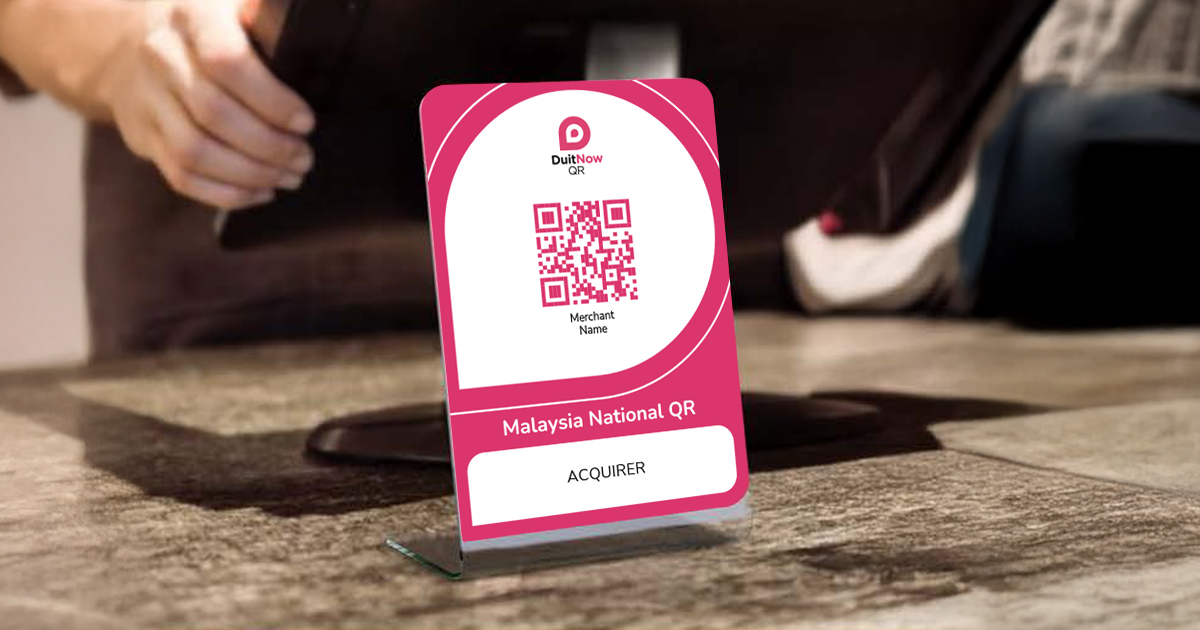
    Malaysian merchants processing cross-border remittances through the national DuitNow payment network face an outbound ceiling of RM3,000 a day for fund transfers to Singapore as of October 2026.

    Domestic business transfers across the same network clear up to RM10 million per transaction, highlighting the gap between local retail payment rails and regional settlement links.

    Operated by Payments Network Malaysia, known as PayNet, the retail payments platform functions under the primary ownership of Bank Negara Malaysia alongside commercial lenders. The infrastructure connects commercial banks and non-bank e-wallets into a single interoperable clearing system. Retailers and suppliers send and receive funds using proxy identifiers including mobile numbers, identity card records and verified Business Registration Numbers issued by the Companies Commission of Malaysia.

    Domestic Transfer Limits and Merchant Fees

    Consumer transactions clear up to RM50,000 per transfer through commercial banking applications, with transfers up to RM5,000 processed without consumer transaction charges. Above that threshold, financial institutions may levy a 50 sen fee, though individual retail banks retain discretion to waive the charge. Commercial users maintain higher headroom, clearing up to RM10 million per transaction subject to institutional credit and fraud underwriting terms.

    Point-of-sale retail payments operate through unified QR standards. Merchants deploy a single static or dynamic QR code that accepts clearing requests from all domestic mobile banking applications and licensed e-wallets. Consumer payments remain fee-free at retail counters, while merchant discount rates apply to retail enterprises depending on their merchant acquirer contract.

    E-commerce checkout integrations route directly through DuitNow Online Banking and Wallets, bypassing traditional payment card rails. The direct routing pulls cleared funds directly from buyer accounts without requiring debit card credentials. For recurring invoicing, the network deploys AutoDebit protocols that clear utility billings, subscriptions and recurring wholesale invoices under pre-authorised value limits without recurring manual approvals.

    Regional Settlement Links and Currency Controls

    Inbound cross-border retail acceptance currently covers visiting consumers from six Asian economies: China, Indonesia, Singapore, Thailand, South Korea and Cambodia. Tourists and business travellers scan local merchant QR codes using their domestic banking apps. Settlements convert automatically, crediting Malaysian merchant bank accounts exclusively in Malaysian ringgit.

    Merchants cannot hold foreign currency balances directly inside the DuitNow clearing architecture. Exchange rates for incoming tourist QR spending are determined by the originating overseas payment application at the point of interaction. This leaves cross-border sellers exposed to conversion markups set by foreign issuing institutions.

    Outbound commercial transactions across the border face structural barriers. While the bilateral corridor with Singapore enables retail peer-to-peer transfers, the daily cap of RM3,000 or S$1,000 restricts corporate trade settlement. Companies paying overseas manufacturers, regional software vendors or inventory partners require separate international clearing rails or multi-currency corporate banking accounts.

    Payment Rail Fragmentation Across Retail Chains

    Retail chains across Southeast Asia are weighing single-currency domestic payment rails against cross-border fintech platforms. The local DuitNow architecture eliminates domestic card processing interchange fees, yet fails to provide working capital accounts in trade currencies such as the US dollar.

    Cross-border procurement teams that purchase stock from Mainland China or regional suppliers cannot use PayNet rails to settle trade invoices. The limitation forces operators to run dual payment workflows: national QR and real-time bank transfers for domestic store sales, and cross-border platforms such as WorldFirst or SWIFT wire transfers for import settlement. For high-volume retail chains, maintaining dual clearing mechanisms adds operational reconciliation costs and exposure to retail foreign exchange spreads.

    The operational split gives pure-play international corporate treasury providers an opening against state-backed retail clearing systems. Commercial banks capture high spreads on foreign exchange wire transfers, driving online sellers and cross-border merchants toward multi-currency accounts that issue local clearing details in overseas markets.

    Building the Regional Payment Network

    PayNet developed DuitNow to consolidate a fragmented mobile payment sector where competing digital wallet operators deployed incompatible proprietary QR codes. The central bank intervened to mandate standardisation, creating a shared national QR code and central proxy registry.

    The central bank expanded the domestic retail clearing platform through bilateral central bank linkages, starting with Thailand and Indonesia before connecting Singapore PayNow. The bilateral linkages aim to reduce regional reliance on traditional card networks and correspondent banking systems for micro-transactions and tourism spending.

    Bank Negara Malaysia and regional central banks continue testing multilateral clearing arrangements across ASEAN economies, with broader business settlement ceilings remaining the key requirement for commercial supply chain operators.

  • Dtcpay Completes $25 Million Series A Funding Led by SBI Group

    Dtcpay Completes $25 Million Series A Funding Led by SBI Group

    Singapore payment institution dtcpay completed its $25 million Series A funding round after securing late-stage capital from Japanese financial conglomerate SBI Group. The transaction closes out a financing round first opened by Vertex Ventures Southeast Asia & India in April 2026, bringing fresh institutional weight to the firm’s cross-border settlement rails.

    SBI Group entered through its subsidiary SBI Ventures Asset and the SBI-NTU-Kyobo Digital Innovation Fund, joining Singapore-based asset manager Genedant Capital and existing backer Kwee Liong Tek. The capital gives dtcpay direct balance-sheet support to build out corporate settlement software and expand merchant acceptance across regional retail networks.

    Enterprise Portals and Merchant Networks

    Founded by chief executive Alice Liu, the payments company processes commercial transactions using fiat and regulated stablecoins. The fresh cash targets two technical milestones before the end of 2026: a redesigned enterprise management portal for corporate treasuries and an expanded feature set inside its consumer application.

    Traditional merchant acquirers across Southeast Asia charge between 1.5 per cent and 3.5 per cent on cross-border card settlements, with transactions taking up to three business days to clear. By routing payments through regulated stablecoin tokens, dtcpay settles transfers instantly at lower processing fees. That cost gap gives payment aggregators an opening among luxury retailers, hospitality operators, and cross-border wholesalers that handle high average order values.

    Regulatory Footprint in Asia and Europe

    Licensing barriers have historically held back digital asset adoption in Asian commerce, forcing merchants to rely on offshore intermediaries. Liu pursued a direct compliance route instead. The company holds a Major Payment Institution licence from the Monetary Authority of Singapore, allowing it to handle merchant acquisition, domestic money transfers, and cross-border remittances under strict local reserves oversight.

    Overseas expansion relies on a parallel structure in Europe, where dtcpay holds an Electronic Money Institution licence in Luxembourg. That European passport allows the firm to onboard Western brands and process consumer payments from European buyers without relying on correspondent banking partnerships.

    Institutional Backing and Market Expansion

    Strategic investors in the round provide commercial distribution that standalone venture funds cannot match. Vertex Ventures provided early operational support across Southeast Asian markets, while SBI Group brings established clearing relationships, banking partnerships, and securities networks across Japan and North Asia.

    Genedant Capital, which operates under MAS regulation in Singapore, and property investor Kwee Liong Tek provide access to regional commercial real estate and hospitality accounts. For regional retailers, integrating compliant digital asset rails removes currency conversion friction for overseas tourists and high-net-worth consumers.

    Product Roadmap for 2026

    Commercial execution now hinges on software delivery and corporate client acquisition. Dtcpay plans to roll out its upgraded business portal to commercial clients through the fourth quarter of 2026, targeting regional enterprises that manage multiple currency accounts across Southeast Asia.

  • Standard Chartered Creates Dedicated Yuan Unit as Offshore Bond Issuance Surges 60 Percent

    Standard Chartered Creates Dedicated Yuan Unit as Offshore Bond Issuance Surges 60 Percent

    Standard Chartered appointed Jerry Zhang as global head of RMB commercialisation in Hong Kong, targeting cross-border corporate trade as offshore dim sum bond issuance jumped 60 per cent.

    Panda bond sales in mainland China rose 69 per cent during the first half of 2026, prompting international lenders to centralise their currency desks to capture corporate transaction flows. Zhang retains her position as global head of banks and broker dealers alongside the new role. The bank currently offers yuan-denominated account, remittance, foreign exchange, and trade financing services across 35 markets, spanning Southeast Asia, the Middle East, Europe, and Africa.

    Fixing Corporate Balance Sheets

    Corporate balance sheets across Asia show a persistent structural mismatch between day-to-day revenue and underlying liabilities. Internal research from Standard Chartered shows that multinational corporations generate 23 per cent of their revenue and pay 25 per cent of their procurement costs in yuan, yet denominate only 14 per cent of their debt in the currency. This exposure leaves cross-border supply chains vulnerable to sharp foreign exchange fluctuations against the US dollar.

    For consumer goods manufacturers and electronics suppliers across Asia, closing that gap requires shifting working capital facilities directly into yuan. Refinancing through local currency instruments reduces conversion costs when purchasing mainland inputs. The risk sits with corporate treasurers who delay adjusting their liability mix while cross-border trade settlements in the Chinese currency continue to rise across more than 130 partner markets.

    Liquidity Backstops and Digital Clearing

    Central bank facilities are expanding offshore liquidity pools to meet corporate credit demand. The Hong Kong Monetary Authority raised the quota for its RMB Business Facility in stages during 2026 from 100 billion yuan to 500 billion yuan. That expansion allows commercial banks to extend larger working capital loans directly to regional corporate clients operating outside mainland China.

    Clearing infrastructure is also shifting toward digital platforms. Standard Chartered joined the People’s Bank of China Cross-border e-CNY Transfer Services platform in June as a direct foreign participant, testing blockchain architecture to settle international digital yuan payments faster. The pilot connects with mainland capital market pipelines, where international investors access onshore assets through the established Stock Connect and Bond Connect routes.

    There is a natural and strong demand for greater use of the RMB internationally, not only in the traditional payment trade, but also in financing, risk management and asset allocation.

    Cross-Border Read Across for Asian Supply Chains

    International commercial banks in Hong Kong and Singapore are reorganising their debt syndication and trade desks to defend market share against Chinese state-owned lenders. Industrial and Commercial Bank of China and Bank of China have long dominated primary panda bond issuance and trade settlement clearing. By deploying a single coordination head across global transaction banking and institutional dealer desks, Standard Chartered is pitching unified pricing on cross-currency swaps, trade letters of credit, and offshore bond distributions.

    Retail importers, regional contract manufacturers, and commodity buyers in Southeast Asia face practical consequences from this banking shift. When international lenders provide integrated yuan debt alongside digital settlement rails, regional operators can negotiate direct pricing with mainland vendors without paying dollar conversion margins. Financial institutions that fail to integrate local clearing pipes risk losing corporate cash management mandates across ASEAN supply chains.

    What Regulators and Treasurers Watch Next

    Policy momentum built through mid-2026 following the Lujiazui Forum in June, where People’s Bank of China governor Pan Gongsheng launched an offshore foreign exchange trading pilot inside the Shanghai Free Trade Zone. Pan followed with 11 financial connectivity measures in Hong Kong in July, while the central bank held bilateral currency-swap agreements with more than 30 countries valued above 4.3 trillion yuan.

    Market participants are now tracking regulatory approvals that would permit offshore institutional investors to pledge onshore Chinese bond and equity holdings directly as collateral for international repo financing. Implementation dates for expanded collateral frameworks across the Bond Connect channel will determine how quickly corporate treasurers shift their liquidity buffers into yuan assets.

  • Ant International Deploys AI Agents Across 1.5 Billion-Account Network

    Ant International Deploys AI Agents Across 1.5 Billion-Account Network

    Ant International is deploying artificial intelligence agents across its global merchant acquiring network this quarter to automate cross-border payments and digital commerce workflows.

    Based in Singapore, the fintech arm of Ant Group processes transactions across dozens of partner e-wallets. Together, those wallets serve over 1.5 billion consumer accounts worldwide.

    Automating Cross-Border Commerce

    Autonomous AI systems are being integrated directly into merchant settlement channels and checkout interfaces. These software agents handle currency conversions, fraud monitoring and automated order reconciliation without manual intervention. Ant International is embedding the technology into its Alipay+ cross-border payment platform and WorldFirst business account solutions.

    Engineering teams in Singapore and Hangzhou designed the architecture. It allows software agents to execute transactions autonomously based on predetermined consumer and merchant parameters.

    The Regional Shift to Agentic Commerce

    Competition is heating up. Ant International is racing regional rivals to capture merchant transaction fees as generative artificial intelligence moves from text prompts to autonomous execution. Competing operators including Grab, Tencent and regional banking groups are testing similar machine-to-machine checkout models across Southeast Asia. The shift aims to lower settlement dispute rates and cut conversion friction for cross-border retailers selling to outbound travelers and digital buyers.

    For independent merchants, autonomous agent integration lowers payment handling overheads across multi-currency checkouts. Verification protocols remain the primary operational risk. Unauthorized autonomous agent decisions can trigger false approvals or dispute liabilities across fragmented regulatory jurisdictions.

    Building Beyond Traditional QR Networks

    Merchant acceptance under Alipay+ recently passed 90 million points of sale across travel hubs in Japan, South Korea, Europe and Southeast Asia. That network previously relied on consumer-initiated QR code scans to route local e-wallet transactions across national borders.

    Commercial deployment across enterprise merchant accounts begins later this quarter. Cross-border clearing metrics are due in the group’s next operational update.

  • Alipay+ Links to QR Ph to Connect 2.5 Million Philippine Merchants to Global Wallets

    Alipay+ Links to QR Ph to Connect 2.5 Million Philippine Merchants to Global Wallets

    Philippine Payments Management Inc. And Ant International have integrated Alipay+ into QR Ph, opening the country’s standardized merchant network to international digital wallet users across 2.5 million businesses.

    The integration connects arriving tourists directly to local point-of-sale systems after QR Ph transaction volumes jumped more than thirteenfold in 2025.

    Under the rollout, overseas visitors pay by scanning existing merchant QR Ph counter stands with their home banking applications and digital wallets. Filipino merchants receive payments in Philippine pesos through their standard settlement accounts without installing separate point-of-sale hardware or signing individual foreign merchant contracts. Bangko Sentral ng Pilipinas figures show digital channels handled 64.69 percent of total retail transaction volume nationwide in 2025.

    How the Cross-Border Routing Works

    Ant International operates Alipay+ as an aggregation switch connecting more than 50 e-wallets, bank apps, and domestic clearing systems covering two billion accounts globally. The Philippine Payments Management Inc., established under the National Payment Systems Act to oversee retail clearing houses PESONet and InstaPay, acts as the local operational counterparty under central bank supervision.

    Transactions clear instantly over the domestic interbank infrastructure. By routing foreign user credentials through the standardized QR Ph matrix, independent grocers, transport operators, and shopping mall tenants process foreign spend through their existing merchant acquiring banks.

    Through our partnership with Alipay+, we are extending that connectivity beyond our borders, enabling Filipino merchants, particularly SMEs, to serve international customers.

    Carmelita Araneta, general manager of Philippine Payments Management Inc., confirmed the system enables local micro, small, and medium businesses to capture inbound tourist spending directly without upgrading terminal hardware.

    Regional QR Linkages Across Southeast Asia

    Central banks across the Association of Southeast Asian Nations spent five years connecting national QR systems through bilateral central bank arrangements, including links between Singapore, Thailand, Malaysia, and Indonesia. Ant International has taken a parallel commercial route by plugging its private wallet switch directly into ten national QR schemes across Asia, the Middle East, and Latin America.

    Retailers benefit immediately from broader payment acceptance, yet the shift consolidates settlement traffic onto private gateway protocols rather than public central-bank settlement rails. For merchant acquirers and payment processors in Manila, merchant acquisition margins face pressure as payment routing shifts toward high-volume, low-margin standard QR processing.

    Central Bank Mandates and the Next Phase

    The Bangko Sentral ng Pilipinas designated PPMI as the country’s official payment system management body under Circular 980 in 2018, mandating standardized QR codes to eliminate proprietary closed-loop merchant terminals. That policy push cleared the ground for interoperability between competing domestic mobile wallets before enabling cross-border integrations.

    Ant International is now rolling out artificial intelligence analytics and fraud screening modules across its regional merchant network to manage currency conversion risks and transaction disputes. The Philippine clearing body will monitor cross-border settlement volumes through InstaPay as inbound tourist arrivals ramp up across provincial retail corridors.