Tag: cross-border retail

  • Nebula Brands Secures $50 Million Series B at $530 Million Valuation

    Nebula Brands Secures $50 Million Series B at $530 Million Valuation

    Beijing-based e-commerce aggregator Nebula Brands raised $50 million in a Series B funding round, valuing the enterprise at $530 million. Consumer private equity firm L Catterton Asia led the capital injection.

    Matrix Partners China and early backer Alpha Startups joined the round, lifting total capital raised by the rollup operator to roughly $60 million across two institutional financings. Founded in May 2021, the venture acquires profitable, high-volume Chinese third-party merchants operating on Amazon’s international storefronts and integrates them into a centralised supply chain and brand management network.

    Financing the Buyout Pipeline

    Proceeds from the transaction provide dedicated balance-sheet capacity to accelerate merchant acquisitions. Nebula Brands had already completed one vendor purchase and lined up several pipeline targets before the round closed.

    The business model targets established domestic vendors that have reached multimillion-dollar annual sales volumes on Amazon but lack the working capital, brand marketing expertise, and overseas infrastructure required to scale. The company handles cross-border operations, product development, digital marketing, and local manufacturing relationships directly from its headquarters in China. The company’s prior equity raise was a $10 million Series A led by Matrix Partners China in January 2021.

    The Cross-Border Vendor Battle

    Chinese storefronts account for more than one-third of Amazon’s active merchant base. About 600,000 mainland third-party vendors generate roughly $135 billion in gross merchandise value on the marketplace, with projections showing their share expanding to 45 per cent of all third-party sales on the platform by 2025.

    Foreign aggregators including Berlin Brands Group, Razor Group, and Thrasio have set up sourcing outposts inside China to acquire those same merchants. Nebula Brands takes an opposing position by establishing domestic operational control, banking on local proximity to manufacturing clusters to outmanoeuvre European and American acquirers. Aggregators operating from Western markets struggle to verify proprietary supplier contracts and factory relationships on the ground. Operating locally removes that information barrier.

    Valuation Demands and Operational Realities

    A $530 million valuation on $60 million of equity capital raised establishes aggressive performance targets for an operator that launched within the same calendar year. The Fulfillment by Amazon aggregation model demands continuous operational improvements across acquired storefronts, not merely passive balance-sheet consolidation.

    Risk sits directly in marketplace execution. Amazon’s routine algorithmic changes, advertising cost inflation, and account enforcement policies expose rollup portfolios to sudden operational disruptions. Public comparable operators demonstrate the broad spread of multiples applied across digital consumer channels, where marketing service providers like Shanghai Lily & Beauty trade around 1.5 times revenue while facing volatile operating income margins. Sustaining profitability requires Nebula Brands to avoid the inventory bloat that penalises aggregators once acquisition pipelines outpace supply chain integration.

    The Trajectory of China’s Amazon Aggregators

    The institutional backing from L Catterton matches the playbook private equity applied across North American and European direct-to-consumer networks over the past decade. L Catterton provides global operational channels and consumer marketing resources, while Matrix Partners China supplies local capital syndication.

    Competition for high-margin third-party sellers remains tight across consumer categories including household goods, electronics, and personal wellness accessories. Aggregation platforms must balance acquisition purchase multiples against rising inventory carrying costs and international container shipping friction.

    Nebula Brands plans to complete its initial slate of pending vendor acquisitions while preparing its infrastructure for the targeted 45 per cent market share expansion anticipated from Chinese Amazon sellers through 2025.


  • Singles’ Day Spending Lifts Asia-Pacific Merchant Volume 16 per Cent

    Singles’ Day Spending Lifts Asia-Pacific Merchant Volume 16 per Cent

    Online spend across Asia-Pacific merchants climbed 16 per cent above daily averages during Singles’ Day 2025, driven by department stores and apparel sales. The spike measured transaction processing volumes on 11 November compared to daily averages over the previous seven days.

    Department store processing volumes across the region surged 70 per cent during the period, while general retail expanded roughly 20 per cent and clothing transactions gained 16 per cent. Combined volume across those three segments rose nearly 25 per cent in Asia-Pacific, outpacing the 4 per cent increase recorded for identical retail categories in markets outside the region.

    Department Stores Drive Regional Gains

    Payment flows processed by Checkout.com demonstrate that retail drove the concentrated activity across Asian seller accounts rather than services or digital subscriptions. The data tracks seller settlement regions, isolating domestic and cross-border merchant accounts established within APAC territories.

    Clothing retailers operating in the region saw steady gains, matching the wider 16 per cent baseline uplift. The figures show spending stayed focused on physical goods categories, reversing soft pre-holiday volumes reported earlier in November across regional merchant accounts.

    European Spillover Widens Promotional Reach

    The China-born shopping event generated secondary transaction gains for sellers outside its primary Asian heartland. British merchants recorded a 31 per cent gain in general retail, a 23 per cent rise in clothing, and a 37 per cent jump in food and drink spend compared with the prior Tuesday.

    Central and Eastern Europe emerged as the fastest-expanding international territory by cardholder volume, generating a 24 per cent spending bump on the day. Individual cardholder transaction volumes advanced 36 per cent in Poland, 30 per cent in Croatia, 26 per cent in the Czech Republic, and 23 per cent each in Slovakia and Lithuania.

    Western European consumer activity presented sharper geographic divergence across card accounts. Italian card spend rose 19 per cent and Norwegian transactions surged 52 per cent, while surrounding major continental markets registered flat payment volumes.

    Singles’ Day is the first real test of the peak season, and last year’s data shows exactly where shoppers are ready to spend: fashion, department stores and general retail. Merchants who get their promotions and their checkout right will be best placed to turn that early demand into lasting growth through Black Friday and beyond.

    Operational Pressures Shift to Fulfillment

    For APAC store operators and e-commerce aggregators, an early seasonal bump concentrates warehouse packing windows ahead of late-November global discounting periods. Regional merchants relying on cross-border logistics face immediate inventory reallocation demands to satisfy delivery commitments before western peak order books open.

    Aggressive promotion schedules pulled forward consumer outlays rather than simply creating incremental fourth-quarter volume. Merchants balancing discounted inventory clear-outs during early November risk margin compression if logistics surcharges rise before peak year-end shipments conclude.

    Payment Networks Expand Enterprise Footprint

    The annual singlehood event, which began as an alternative university observance in mainland China, now anchors the opening phase of fourth-quarter trade ahead of Black Friday. Checkout.com, which handles payment infrastructure for enterprise clients including Samsung, Sony, and ASOS across more than 150 processing currencies, expects its total platform volume to reach $500bn during 2026.

    Merchant operators now watch conversion rates across Asian checkout gateways as Black Friday approaches on 27 November 2026. Retailers across the region are tracking whether the early 16 per cent promotional bump carries into broader end-of-year inventory clearance.

  • Thailand Approves up to 30% Import Duties on Cross-Border E-Commerce

    Thailand Approves up to 30% Import Duties on Cross-Border E-Commerce

    Thailand’s cabinet approved import tariffs reaching up to 30 percent on goods ordered through cross-border e-commerce platforms, Finance Minister Ekniti Nitithanprapas confirmed on Tuesday.

    The policy targets small postal consignments entering through international mail and express freight networks, with tax collections projected to yield 6.3 billion baht.

    Customs Director-General Phantong Loykulnanta confirmed the higher tariff schedules will take effect early next year across all standard customs categories. Under the new rules, the government will override an existing Customs Department notification that previously granted duty cuts or blanket exemptions for commercial goods shipped in small parcel form.

    Reverting to Standard Tariff Classifications

    The revised regime brings direct-to-consumer parcels back under standard national tariff lines. Duty on imported plastic goods rises from 20 percent to 30 percent. Tariffs on imported headphones, microphones, and fitness gear increase from 10 percent to 30 percent. Duties on women’s handbags jump from 20 percent to 30 percent, sunglasses climb from 5 percent to 30 percent, and imported jewellery faces a 30 percent tariff, up from zero. Clothing import duties remain fixed at 30 percent.

    Customs authorities will collect duties directly at digital checkout or upon physical parcel entry through technical links with postal carriers and e-commerce platforms. Officials maintained that resetting small parcel duty rates to standard tariff schedules complies fully with regional trade commitments under the Asean-China Free Trade Agreement.

    Pressure Mounts on Cross-Border Marketplaces

    For regional marketplaces relying on cross-border merchant corridors, the end of parcel exemptions dismantles their core pricing advantage. Sellers operating on platforms will see landing costs jump overnight, forcing merchants to absorb the margin hit or pass increases directly to Thai shoppers. Local logistics partners handling final-mile distribution must prepare for higher cart abandonment rates as retail sticker prices climb across key consumer tech and lifestyle categories.

    Domestic retail conglomerates and brand distributors, by contrast, gain immediate breathing room against unregulated grey-market parcel flows. Importers with physical warehousing inside Thailand have long absorbed full commercial import duties, storage overhead, and inspection clearance fees. Forcing low-value consumer parcels into identical duty brackets eliminates the structural loophole that penalised formal supply chains.

    Closing the Low-Value Tax Loophole

    This tariff revision follows an earlier tax adjustment introduced at the start of the year. On January 1, the government began collecting 7 percent value-added tax alongside standard duties on small parcels valued below 1,500 baht, ending a long-standing de minimis exemption.

    Ekniti stated that the surge in cross-border e-commerce volumes had saturated local distribution channels with low-cost imported products, undermining pricing power for domestic small and medium-sized manufacturers. By closing parcel-level tariff breaks, the finance ministry intends to equalise terms between cross-border digital sellers and domestic physical businesses.

    Thai customs authorities are now finalising technical integration protocols with international courier networks ahead of the formal enforcement date early next year.

  • Hyundai Glovis Partners with Shopee to Serve 700 Million E-Commerce Users

    Hyundai Glovis Partners with Shopee to Serve 700 Million E-Commerce Users

    Hyundai Glovis began operating an end-to-end logistics partnership with Shopee Korea this month, taking over the complete supply chain for domestic cosmetics brands expanding abroad.

    The agreement links the freight forwarder to Shopee’s customer base of about 700 million users across Southeast Asia, Taiwan and Brazil, packaging international shipping into a single contract.

    Announced on Monday, the collaboration handles cross-border operations as Hyundai Glovis targets raising non-affiliated business to 40 percent of its total revenue by 2030.

    Consolidating the Cross-Border Chain

    Under the arrangement, merchants receive a single service point covering domestic cargo pickup in South Korea, air and ocean line-haul, export-import customs clearance, in-country regulatory filings and destination fulfillment. Previously, cosmetics labels contracted separate logistics handlers for domestic trucking, international freight and destination deliveries. That fragmentation created handoff delays and customs clearance bottlenecks at regional entry ports.

    Cross-border cosmetics exporters regularly encounter divergent health authority approvals across Southeast Asian jurisdictions, where labeling regulations and ingredient clearances vary between markets. Handling domestic regulatory compliance directly allows merchants to avoid third-party agency handoffs that routinely slow inventory onboarding.

    Diversifying Beyond Captive Car Hauling

    For Hyundai Glovis, handling consumer parcel flow serves a long-term commercial balance sheet target. The company wants non-affiliated commercial contracts to generate 40 per cent of its total corporate revenue by 2030.

    Carriers serving South Korean e-commerce have historically struggled with unit economics on low-weight parcel shipments compared to bulk automotive and industrial cargo. Running cross-border beauty logistics shifts Glovis into higher-frequency retail operations, competing against dedicated regional integrators and postal networks. Success depends on whether consolidated freight pricing beats the decentralized local forwarders merchants currently use.

    Export Demand Drives Freight Integration

    South Korean cosmetics manufacturers have leaned harder into direct platform exports as consumer appetite for premium skincare formulas climbed across Southeast Asia and Latin America. Rather than building local retail store footprints or signing sole distributorships, mid-tier beauty labels increasingly use marketplace storefronts to test market appetite before committing physical capital.

    Shopee operates dominant marketplace market shares across Southeast Asia, alongside expanding operations in Brazil. Supplying those territories with consolidated freight infrastructure gives platform sellers predictable delivery timelines against local beauty retail alternatives.

    Next Steps for Latin America

    Initial rollouts focus on South Korean sellers fulfilling consumer orders into Southeast Asian markets. The companies plan to extend the service footprint into Brazil and other Latin American territories once operations across the primary Asian hubs stabilize.

    Execution hinges on Glovis meeting delivery timetables while building non-captive freight volume toward that 2030 target.

  • Temu Pays $3 Million to Settle Texas Data Privacy and Safety Claims

    Temu Pays $3 Million to Settle Texas Data Privacy and Safety Claims

    Chinese discount marketplace Temu agreed to pay $3 million to settle Texas state data privacy claims. The deal also restricts how it handles personal customer information.

    Enforcement targeted a massive footprint. As of September 2023, Temu counted more than 82.4 million active users across the United States.

    Data firewalls and transfer limits

    Documents released October 16 show Temu agreed to store personal information on US servers. Transmissions to China must be limited strictly to details required to complete and deliver orders, such as shipping addresses.

    State officials confirmed this is the first binding settlement where Temu accepted formal limits on cross-border data routing. Non-compliance carries real teeth. Texas can impose penalties of $8 million for each year a violation occurs.

    Temu admitted no wrongdoing under the consent order. The company stated it “has come to an agreement to resolve this matter as we continue to focus on serving consumers and supporting businesses across Texas.”

    Mandatory audits and seller bans

    The terms reach beyond digital privacy into physical supply chain liability. Temu must run annual independent safety audits to screen merchandise for hazardous chemicals and toxic materials. Regulators are focusing heavily on apparel and children’s goods.

    When tests flag unsafe inventory, listings must come down immediately. The company must also terminate responsible merchants and their storefronts, alert affected Texas buyers, and process full refunds.

    Attorney General Ken Paxton said the agreement forces Temu to run strict product audits while blocking unchecked harvesting of consumer data.

    The squeeze on direct-from-China models

    For cross-border operators in Guangzhou and Yiwu, the settlement alters the math of selling into North America. Direct-to-consumer platforms built scale by cutting out local importers and skipping conventional compliance overheads. Mandatory third-party testing and fast merchant bans now add friction to low-margin supplier models.

    Other state regulators now have a blueprint to replicate. Asian e-commerce platforms face rising costs to keep access to American shoppers. That means spending more on software audits and product verification.

    Escalating state scrutiny

    Paxton’s office sued over allegations that apps run by Temu and parent PDD Holdings sought excessive device permissions. Temu rejected those claims throughout the case.

    Lawsuits in several other states target Temu over cybersecurity risks and server links to China. Texas is the first to extract financial penalties and binding operating commitments.

    Outstanding state dockets

    Multiple state-level lawsuits remain active across the US court system. PDD Holdings still faces enforcement inquiries elsewhere, with attorneys general weighing similar data restrictions, vendor safety rules, and compliance penalties.

  • Taobao Overhauls Cross-Border Platform Covering Three Billion Products

    Taobao Overhauls Cross-Border Platform Covering Three Billion Products

    Taobao Tmall World revamped its cross-border shopping platform across international markets on October 15, introducing artificial intelligence curation across a catalog exceeding three billion products.

    The overhaul follows a 10 percent year-on-year increase in cross-border shoppers spending more than RMB 500 per order during the 2025 Double 11 shopping festival.

    Under the restructuring, Taobao established the Curated Supply System, a framework combining machine-learning models with human review. The system filters merchants and inventory using four benchmarks: product quality, distinctiveness, price competitiveness, and post-sale service. Taobao paired this mechanism with upgraded logistics routing, refreshed international user interfaces, and automated recommendation engines designed to steer overseas buyers toward higher-value Chinese merchandise.

    Fifteen Curated Channels in New Discover Hub

    Central to the interface redesign is a dedicated channel called Discover. The section organizes products into 15 themed categories, covering women’s fashion, footwear, menswear, furniture, toys, stationery, pet supplies, fitness equipment, and automotive accessories. When shoppers enter the hub, algorithmic feeds surface specific storefronts and brand narratives rather than raw search results, encouraging visual browsing over keyword queries.

    Taobao is rolling out specialized generative software to resolve common pain points in cross-border commerce, particularly size uncertainty and spatial planning. The tools include virtual clothing try-on, virtual makeup simulation, 3D room placement for furniture items, voice-activated search, and interactive pet care manuals. The company also plans to deploy more than 30 conversational AI Lifestyle Experts to assist shoppers with styling and home baking inquiries.

    Ye Tian, general manager of Taobao Tmall World, outlined the operational rationale behind the shift to curated inventory.

    “The core value of Taobao is anchored in a cross-border catalog of over three billion products offering quality at competitive prices, reinforced by trusted cross-border logistics and localized services we have been building in individual markets over time,”

    Shifting Away From Pure Discount Battles

    For cross-border e-commerce operators across Southeast Asia and East Asia, the initiative shows Alibaba steering its primary export engine away from uncurated low-cost volume. Regional competitors like Shopee, Lazada, and Temu have spent two years engaged in aggressive price discounting across small-ticket general merchandise. By pushing branded design, niche toys, and larger home furnishings through dedicated algorithmic curation, Taobao is attempting to defend merchant profit margins and capture higher basket values from middle-class consumers.

    Suppliers in China face tighter operational standards under the new four-metric evaluation. Factories that previously competed solely on price must now maintain baseline ratings for delivery speeds and return handling to qualify for international placement. The operational risk sits with international logistics execution: shipping furniture, delicate designer goods, and higher-ticket items cross-border increases damage liability and reverse-logistics costs if virtual sizing and room-fitting tools fail to prevent consumer returns.

    Broader Global Strategy

    The push builds on regional content tests that Taobao rolled out across overseas territories earlier this year, including market-specific fashion roundups under its NowWear and Trend banners. Cross-border platforms previously relied on simple language translations and search indexing, which created high friction for non-Chinese speakers attempting to navigate millions of unverified third-party storefronts.

    To support the rollout ahead of the peak year-end retail season, Taobao partnered with actor Zhang Linghe to promote its six core shopping categories across key export destinations. The platform will roll out the remaining conversational AI Lifestyle Expert agents across its regional applications as peak Double 11 fulfillment volumes ramp up in November.

  • Buy&Ship Joins Tokyo Stock Exchange Hub as First Hong Kong Scale-Up

    Buy&Ship Joins Tokyo Stock Exchange Hub as First Hong Kong Scale-Up

    Hong Kong cross-border e-commerce platform Buy&Ship has joined the TSE Asia Startup Hub, becoming the first scale-up from the city to enter the Tokyo Stock Exchange program.

    The initiative gives the logistics and shopping platform institutional backing in Japan. That support comes as Buy&Ship builds retail partnerships, deploys artificial intelligence tools and evaluates a potential Tokyo initial public offering after recently securing a 12 million US dollar first closing in Series C funding.

    Expanding Japanese Logistics and Retail Routes

    Buy&Ship runs parcel-forwarding and cross-border shopping services across Asia. The service lets consumers buy directly from overseas merchants. Japan is one of its central sourcing corridors, driven by consumer demand in Hong Kong and Southeast Asia for Japanese goods.

    To support that volume, the company recently relocated its Japanese processing warehouse to Chiba. Joining the exchange hub gives the operator direct access to Japanese consumer brands seeking export channels without building their own international distribution networks.

    The Exchange Strategy for Asian Tech

    Tokyo Stock Exchange created the Asia Startup Hub to attract growth-stage companies with existing commercial ties to Japan. It connects regional tech firms with domestic underwriters, commercial partners and institutional capital. Through the program, the exchange aims to position Tokyo as a primary listing venue for Asian tech scale-ups.

    For Buy&Ship, the relationship provides corporate introductions and regulatory guidance foreign operators rarely secure alone. Cross-border platforms often face customs clearance hurdles, carrier contract limits and seller recruitment bottlenecks in Japan without domestic partners.

    Funding and Regional Scaling

    Cross-border commerce across Asia has shifted away from basic freight forwarding. Platforms now handle payment, customs, localization and return logistics under one roof. Those securing direct tie-ups with domestic brand owners capture higher margins than pure parcel consolidators.

    Regional logistics networks and domestic marketplaces are battling hard for parcel volumes across East Asian freight corridors. Direct integration with Japanese merchants gives specialized platforms a defensible product inventory that general freight forwarders cannot match.

    Earlier Capital and US Market Expansion

    Buy&Ship entered the exchange hub after securing a first closing of 12 million US dollars in Series C funding. That capital is financing its international expansion, including its entry into the United States market and upgrades to its software stack.

    Next, the platform will expand merchant onboarding programs in Tokyo while working through the exchange hub’s advisory track ahead of a planned public listing.

  • Amazon Rolls Out Agentic AI Service for Third-Party Sellers

    Amazon Rolls Out Agentic AI Service for Third-Party Sellers

    Amazon on Wednesday, September 25, 2026, introduced a new agentic artificial intelligence service for third-party sellers on its main e-commerce site, expanding automation for listing and inventory management.

    The service performs multiple actions with little to no human intervention and is free and optional for any seller to use, according to Amazon vice president Mary Beth Westmoreland.

    How the autonomous workflows operate

    Known as “workflows,” the system runs continuously through the Seller Assistant platform to carry out prompts such as alerting sellers if ratings drop, monitoring product pricing, and connecting to Anthropic’s Claude and Amazon’s Quick.

    Amazon built the capability into its Seller Assistant platform. The system stores merchant profiles to generate recommendations for discount schedules, promotions, and reorders.

    Integration with external models

    Plug-ins connect the service directly to third-party artificial intelligence platforms. The initial rollout supports connections to Amazon Quick and Anthropic’s Claude models.

    Mary Beth Westmoreland, vice president of worldwide selling experience at Amazon, said the agentic tool is free and optional for registered merchants. Sellers also control the volume of operational and personal account data shared with the system.

    Shift toward autonomous seller operations

    Platforms across Asia and Western markets already use generative tools for copywriting. Agentic systems shift the focus to operational execution. Cross-border sellers managing thousands of stock keeping units across multiple time zones can modify listings without waiting for staff review.

    Risks center on algorithmic errors and sudden price wars. Margin compression can accelerate across crowded product categories when thousands of automated agents adjust pricing at the same time.

    Platform automation timeline

    Over the past two years, platform automation has expanded from listing summaries to predictive warehouse inventory placement. Multi-step software agents represent the next stage in reducing support overhead.

    Adoption rates across North America, Europe, and Asia-Pacific regional hubs will determine whether Amazon expands plug-in access to more external AI models later this year.

  • Shein Net Profit Drops 67 Percent to 228 Million Dollars as Air Freight Squeezes Margins

    Shein Net Profit Drops 67 Percent to 228 Million Dollars as Air Freight Squeezes Margins

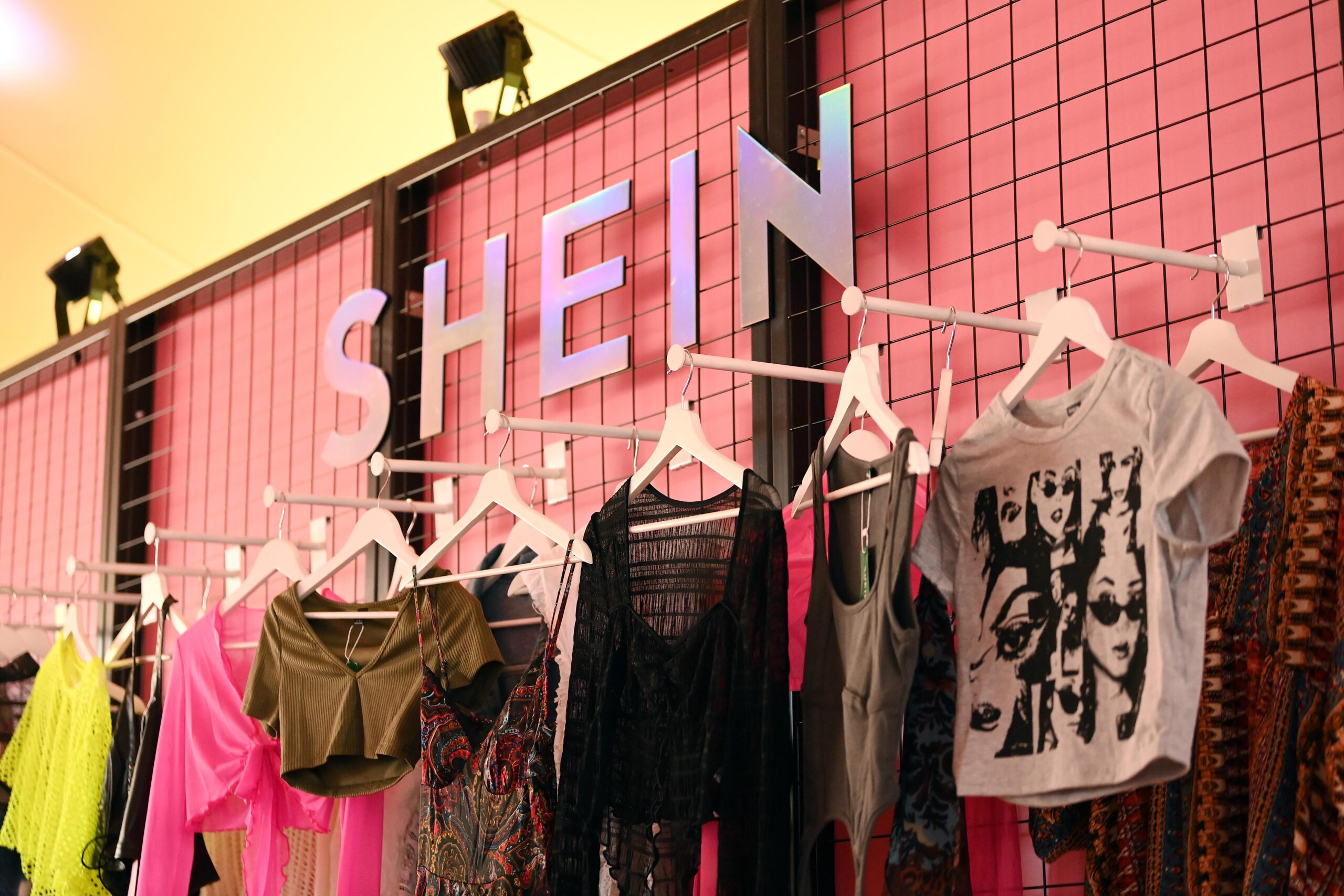
    Shein reported a 66.6 per cent slump in second-quarter adjusted net profit to $228 million, hit by surging air cargo rates and falling revenue in Western markets.

    Net profit margins narrowed to 2.1 per cent from 6.2 per cent a year earlier, even as the platform fulfilled 298 million orders between April and June.

    Group revenue inched up 0.9 per cent year-on-year to $11.08 billion during the period. Active customers climbed to 291 million over the 12 months to June, up from 254 million, but shoppers spent less per order while overhead surged.

    Higher shipping costs hit the bottom line

    Fulfillment costs surged 18.1 per cent during the three-month period. Shein relies on direct air shipments from contract factories in southern China to consumers worldwide, leaving operating margins exposed to sudden swings in aviation fuel and commercial cargo pricing caused by Middle East route disruptions.

    Growth in Latin America compensated for contractions in primary markets, preventing top-line sales from shrinking outright. Total order volume increased by 21 million transactions compared with the second quarter of last year.

    Tariffs and parcel fees bite in the West

    Revenue from Europe fell 13.9 per cent to $3.77 billion as Shein pulled back on digital marketing spend and lifted retail prices ahead of regional regulatory changes. The European Union introduced a flat 3-euro customs fee on low-value e-commerce packages on July 1.

    United States revenue declined 6 per cent to $2.5 billion. Price adjustments followed the removal of de minimis duty exemptions by US authorities, which had previously allowed parcels valued under $800 to enter the country free of import tariffs.

    Warehouses and premium labels

    Cross-border operators in Asia now face the end of the frictionless air-freight model that built ultra-fast fashion. Temu and AliExpress face identical regulatory scrutiny in Brussels and Washington, but Shein carries heavier direct inventory risk as it attempts to reposition itself toward higher-priced apparel categories.

    Shifting higher up the price ladder creates direct competition with established European apparel chains such as Inditex and H&M without guaranteeing the same local store network or brand equity. Shein must absorb heavy fixed property costs across Europe while defending its low-cost apparel base against newer discount apps.

    Hong Kong stock slides

    The company listed in Hong Kong on September 1 at an offer price of HK$48.56 per share. Trading has dropped 27.3 per cent since the debut, reflecting investor concern over margin erosion and sluggish Western revenue.

    To reduce dependence on individual air parcels, the group is expanding land-based logistics hubs inside the European Union. Shein opened a 740,000-square-metre distribution facility in Wroclaw, Poland, in December and leased an additional 66,000 square metres of warehouse space from industrial developer CTP earlier this year.

    Investors now await third-quarter earnings figures in November, which will show the full impact of the European Union’s 3-euro parcel surcharge during the peak autumn trading period.

  • Shein Second Quarter Profit Plunges 67 per Cent to US$228 Million

    Shein Second Quarter Profit Plunges 67 per Cent to US$228 Million

    Shein posted an adjusted net profit of US$228 million for the second quarter, down 67 per cent from a year earlier. Freight costs surged while sales across Europe fell.

    Net margin shrank to 2.1 per cent from 6.2 per cent a year ago. Flying low-cost parcels directly from Asian factories to consumers worldwide became far more expensive. Total revenue edged up 0.9 per cent to US$11.08 billion for the three months to June 30. Gains in Latin America counterbalanced declining receipts in Western markets.

    European sales dropped 13.9 per cent to US$3.77 billion during the quarter. The retailer raised prices and trimmed marketing budgets across the region ahead of July 1, when the European Union introduced a 3-euro customs charge on low-value parcels. United States revenue declined 6 per cent to US$2.5 billion. That drop continued a slide that began after American authorities ended duty-free treatment under de minimis rules last year.

    Air Freight and Customs Squeeze Margins

    Conflict in the Middle East disrupted aviation routes and pushed up jet fuel prices. That drove an 18.1 per cent increase in quarterly fulfillment costs. Shein’s direct-to-consumer model depends entirely on affordable air cargo capacity out of southern China. When air freight rates spike, the margin on five-dollar apparel vanishes.

    Shares in Hong Kong have fallen 27.3 per cent below their HK$48.56 offer price since the company went public on September 1. Institutional investors had already priced in regulatory scrutiny. Even so, the rapid deterioration in core operating earnings caught market analysts off guard.

    European Warehouses and On-the-Ground Logistics

    Shein is shifting inventory onto European soil to insulate operations from cross-border customs fees and volatile air cargo rates. The group opened a 740,000-square-metre logistics hub in Wroclaw, Poland, in December. It secured an additional 66,000 square metres of Polish warehouse space through developer CTP earlier this year.

    Holding stock locally cuts delivery transit times and skirts per-parcel import tariffs. Yet it also creates lease liabilities and inventory holding risks the platform once avoided. For suppliers in Guangdong province, bulk sea shipments to European distribution centres require longer production planning cycles. That slows down the ultra-fast test-and-reorder batches that built the brand.

    Pivot to Higher Price Points and Brand Acquisitions

    Executive leadership plans to adjust the product catalogue toward higher price tiers to rebuild profitability. Moving beyond ultra-cheap garments requires winning market share from established mid-market apparel groups. It also means managing higher marketing and acquisition costs.

    “As the product mix shifts towards brands at higher price points, the platform’s overall average selling price will rise accordingly,” Shein chief executive and chair Yangtian Xu said in a statement.

    Potential fast-fashion acquisition targets are under review as the company seeks to build a portfolio of distinct labels across different price tiers. Buying regional brands gives the group immediate recognition in overseas territories. It avoids relying purely on paid online advertising to acquire customers.

    Next Steps on Customs and Third Quarter Results

    Second-quarter figures reflect business conditions before the European Union’s 3-euro parcel levy took effect in July. Shein cautioned that the full financial hit could exceed the disruption caused by the end of American de minimis exemptions.

    Investors will watch third-quarter trading updates to see whether European warehouse operations can restore gross margins before the peak year-end holiday shopping rush.

  • JD.com Pushes Past 700 Million Active Shoppers on Repeat Buying

    JD.com Pushes Past 700 Million Active Shoppers on Repeat Buying

    JD.com has passed 700 million annual active customers in China. It is expanding offline stores and after-sales networks to generate repeat business beyond discount promotions.

    During the 2025 11.11 shopping festival, the Beijing-based group lifted shopper numbers by 40 per cent year on year. Order volumes climbed nearly 60 per cent across digital and physical channels.

    Building Out Physical Malls and Services

    Customer retention now relies on in-house procurement, fulfilment, and post-purchase service rather than livestream discounts alone. That operational backbone gave JD.com an edge in high-consideration categories like smartphones, personal computing, and home appliances. In these segments, punctual delivery and installation support drive buyer choices.

    Store expansion through JD Mall sites and electronics outlets now runs alongside new service categories. The group added food delivery, travel bookings, and home repair services to generate daily touchpoints that funnel transactions into core retail channels.

    Targeting High-Value Brand Alliances

    Pitching cross-border trade to international suppliers, the platform is targeting high-retention consumer tiers. Marcia Mao of JingDong Cross-Border spoke at the 2026 UK-China Brand Excellence Summit. She told overseas merchants that sustainable entry requires targeting specific buyer profiles instead of chasing raw traffic.

    This strategy contrasts with rivals using heavy subsidies and flash sales to inflate gross merchandise volume. JD.com gives foreign brands direct control over inventory authenticity and customer service. That protects brand equity while domestic consumer spending stays cautious.

    Running owned warehouses, installation crews, and shopping centres in lower-tier cities carries steep capital costs. Competing discount platforms run asset-light marketplaces with lower take-rates. Those setups give sellers cheaper entry points when consumer demand for general merchandise softens.

    From Scale to Shopping Frequency

    JD.com built its scale by investing billions of yuan in nationwide logistics hubs, promising next-day delivery across hundreds of mainland cities. The network proved essential when domestic e-commerce competition escalated in 2024. The group defended market share by turning reliable service into repeat purchases.

    Chief executive Sandy Xu pointed to user engagement as the main driver for the company’s next stage of growth.

    “We are also seeing encouraging signs from new initiatives, and we believe these emerging opportunities will further position us for long-term, high-quality growth,” Xu said.

    The Next Test for Everyday Consumption

    Management now faces the challenge of converting foot traffic from regional JD Malls into daily online orders across tier-two and tier-three cities.

  • Japan Cat Litter Brand ZuttoNyan Enters US Market via Amazon and TikTok Shop

    Japan Cat Litter Brand ZuttoNyan Enters US Market via Amazon and TikTok Shop

    Japanese pet brand ZuttoNyan launched direct sales in the United States on September 15, listing its plant-based mixed cat litter products on Amazon and TikTok Shop.

    The push gives the Tokyo-born brand immediate digital access to American consumers just thirteen months after its commercial debut in Japan.

    Plant-based formulas across social commerce

    ZuttoNyan enters the North American market with two primary formulations: a tofu mixed litter and a cassava mixed litter. The brand blends plant materials to improve liquid absorption, harden clumping, and reduce dust compared to standard single-material clay litters. Its packaging design previously took a Silver Award at the London Design Awards.

    Instead of pitching brick-and-mortar pet specialty chains first, the company is routing inventory directly through social commerce and third-party marketplace channels. Selling via TikTok Shop and Amazon lets Asian consumer brands test regional demand without locking capital into overseas warehouse leases or distributor agreements.

    The cross-border pet care push

    Asian pet care manufacturers are targeting Western markets where pet spending per household sits at record highs. Japanese brands hold a reputation for functional design and clean ingredient profiles, yet selling heavy, low-margin bulk consumables across oceans carries steep logistics costs.

    Shipping compressed plant-based litter overseas works only if the product commands premium pricing and repeat subscription orders. Success in the United States requires ZuttoNyan to win customer retention against established domestic players while absorbing standard platform take-rates and local fulfillment fees.

    From domestic debut to overseas retail

    The company started rolling out products in the Japanese market in August 2025. Four months later, in December 2025, the brand completed an operational relaunch focused on companion-animal science and updated product formulations.

    ZuttoNyan stated it will use initial US digital sales data to evaluate further product development and additional line extensions for North American pet owners.

  • China’s Meiyijia Opens Two Ohmee Stores at Petrolimex Stations in Hanoi

    China’s Meiyijia Opens Two Ohmee Stores at Petrolimex Stations in Hanoi

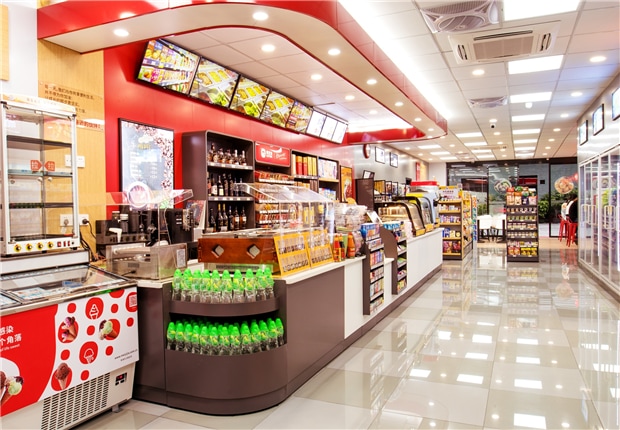
    Chinese convenience chain Meiyijia has opened two Ohmee Express stores at Petrolimex petrol stations in Hanoi following its entry into Vietnam in April. The pilot tests a forecourt retail model in the chain’s first overseas market.

    The tie-up links China’s largest convenience operator with Vietnam’s dominant petroleum distributor. Meiyijia runs more than 40,000 stores in its domestic market.

    Pilot Sites on Hanoi Arteries

    Both outlets operate on Ngoc Hoi and Nguyen Quy Duc streets in Hanoi. They stock packaged food, drinks and daily necessities alongside standard fuel station services.

    Petrolimex deputy general director Nguyen Ngoc Tu said the partnership supports plans to convert traditional petrol stations into multi-service commercial hubs. The strategy responds to shifts in vehicle energy use and digital payments.

    Fuel Forecourt Competition in Vietnam

    Forecourt retailing gives convenience operators a direct way to bypass street-level real estate bottlenecks in Southeast Asia. Securing prime roadside retail space in Hanoi and Ho Chi Minh City carries steep rents and heavy competition from players like Circle K, WinMart+ and GS25. Partnering with a state-backed fuel network gives Meiyijia immediate roadside access and built-in vehicle traffic without negotiating individual retail leases.

    Customer conversion presents the main operational challenge. Petrol buyers in Vietnam make brief refuelling stops on motorbikes. Basket sizes stay modest unless the forecourt store offers quick food service or payment utilities that draw riders off their bikes.

    Cross-Border Expansion from Guangdong

    Meiyijia entered Vietnam in April under the Ohmee banner, selecting the country for its first international expansion. Founded in Guangdong in 1997, the company built its domestic network on a low-cost franchise model. It penetrated lower-tier Chinese cities before expanding into higher-density urban centres.

    Results from the two Hanoi pilot stores will determine whether Meiyijia and Petrolimex roll out the Ohmee Express format across the fuel distributor’s nationwide network of filling stations.

  • Philippine Retailers Seek Abolition of P10,000 Import Tax Exemption

    Philippine Retailers Seek Abolition of P10,000 Import Tax Exemption

    Philippine retail groups are demanding the complete abolition of the country’s 10,000-peso duty-free import threshold ahead of peak holiday shopping.

    The Philippine Retailers Association estimates that 57.4 billion pesos ($1.02 billion) in cross-border parcels entered the country tax-free in 2023 out of a 287 billion peso total e-commerce market. Under current customs regulations, commercial shipments valued below 10,000 pesos avoid all import duties and local taxes, giving offshore digital storefronts a structural pricing edge over domestic brick-and-mortar operators.

    Tax exemptions under fire

    PRA chair Roberto Claudio Sr., founder of sporting goods chain Toby’s Sports, said the association has petitioned the Department of Finance, the Department of Trade and Industry, and Congress to eliminate the exemption for commercial cargo. The group previously favored reducing the threshold value, but Claudio noted that partial cuts fail to curb the influx of untaxed and counterfeit inventory flooding local online marketplaces.

    Domestic retail accounts for 16 percent to 18 percent of Philippine gross domestic product, pays 780 billion pesos in annual taxes, and employs up to 12 million workers. PRA president Alice Liu acknowledged that removing the duty exemption could lift prices on small consumer parcels, but argued the revenue loss and employment risks for domestic operators outweigh individual transaction savings during the critical year-end sales cycle.

    Regional crackdown on cross-border parcels

    The push reflects a broader regulatory shift across Southeast Asia, where finance ministries have steadily dismantled low-value import exemptions to protect domestic supply chains. Indonesia banned direct cross-border trade below $100 on e-commerce platforms and tightened customs clearance on imported apparel, while Malaysia and Thailand introduced value-added taxes on low-value imported goods to close similar digital loopholes.

    Economic managers at the Department of Finance have not yet scheduled formal hearings on the PRA submission, leaving the 10,000-peso de minimis threshold in place as fourth-quarter import volumes begin to climb.

  • PDD Profit Falls 12% as Price Wars and Overseas Tariffs Bite

    PDD Profit Falls 12% as Price Wars and Overseas Tariffs Bite

    PDD Holdings posted a 12 per cent drop in second-quarter net profit to 27.2 billion yuan as domestic price discounting squeezed margins. Revenue at the Chinese e-commerce group rose 8 per cent to 112.36 billion yuan ($15.7 billion) in the three months ended June 30, missing the 116.35 billion yuan consensus collected by LSEG.

    Adjusted earnings per American depositary share reached 19.33 yuan, beating analyst expectations. Shares rose 2.3 per cent in early New York trading following the release.

    Domestic price wars and margin compression

    The company operates discount platform Pinduoduo in China, where it trades against Alibaba Group’s Taobao and Tmall, JD.com, and ByteDance’s Douyin. Weak consumer confidence, real estate market weakness, and persistent employment worries kept shoppers cautious through the peak ‘618’ shopping festival in June. Platform operators responded with direct subsidies, price-matching guarantees, and merchant incentives, pushing profitability down across the sector.

    Management told analysts that platform governance spending will increase as the fight for market share continues. PDD increased spending on logistics and merchant support programmes during the quarter to lower consumer prices and protect seller retention.

    For retailers across Asia, PDD’s slowing topline growth shows the limits of low-price customer acquisition when competitors match subsidies yuan for yuan. Alibaba and JD.com have reoriented their core marketplaces around low-price algorithms over the past year, stripping Pinduoduo of the uncontested cost advantage it held during its initial expansion.

    Cross-border tariff friction in Western markets

    Temu, the group’s international marketplace, confronts tightening import policies in its core Western territories. The platform built its market share by dispatching low-cost parcels directly from Chinese factories to consumers, using de minimis customs exemptions to bypass import duties.

    Policy changes in the United States have eliminated duty-free status for low-value Chinese parcels, while the European Union introduced a customs fee on small inbound packages in July. Rising shipping and compliance overheads have forced marketplace merchants to lift retail prices, slowing cross-border parcel volumes.

    “In the short term, cross-border orders in the affected markets will face slower fulfilment efficiency and higher costs which will have a considerable impact on those parts of our business,” said PDD co-chief executive Chen Lei.

    Investors now await third-quarter customs clearance data from European ports and the platform’s upcoming gross merchandise volume figures during the year-end holiday shopping cycle.