Tag: cross-border trade

  • Johor-Singapore Economic Zone Master Plan Launch Could Coincide with December Retreat

    Johor-Singapore Economic Zone Master Plan Launch Could Coincide with December Retreat

    The launch of the master plan for the Johor-Singapore Special Economic Zone could coincide with the two countries’ bilateral Annual Leaders’ Retreat scheduled for December 4. Malaysian Prime Minister Anwar Ibrahim and Singaporean Prime Minister Lawrence Wong have committed to witness the unveiling directly, while officials evaluate whether to hold the ceremony in Ipoh, Perak.

    The joint framework aims to bind Singaporean capital and logistics networks to southern Malaysia’s industrial land, labour pool, and consumer infrastructure. Malaysia’s Economy Minister Akmal Nasrullah Mohd Nasir discussed the arrangements following community events in Johor Bahru, noting that logistical plans for the retreat are currently under review.

    Bilateral Ministerial Committee Convenes

    Before the December summit, delegations from both countries will meet in Singapore on Monday. The session represents the first formal gathering under the new Johor-Singapore Cooperation Ministerial Committee structure.

    Akmal Nasrullah leads the Malaysian delegation alongside Johor Menteri Besar Onn Hafiz Ghazi. Singapore’s delegation is headed by National Development Minister Chee Hong Tat. The discussions will review progress on operational guidelines, customs protocols, and regulatory coordination across the border corridor.

    Implications for Cross-Border Commerce

    For retailers, logistics operators, and commercial developers, the formalisation of the economic zone reduces friction across the world’s busiest land border crossing. Speeding up the movement of goods and personnel alters warehousing strategy for consumer brands operating across Southeast Asia. Singapore-based distribution centres can decentralise fulfillment and inventory staging into Johor’s industrial parks without confronting previous administrative bottlenecks.

    Commercial real estate operators face immediate operational shifts. Cross-border commercial traffic will alter retail catchments in southern Johor, drawing Singaporean household expenditure while encouraging multinational brands to treat both territories as an integrated consumer market. The principal operational risk sits with customs integration and administrative execution, where differences in regulatory clearance speeds often delay freight flows.

    Regional Framework and Preceding Agreements

    The upcoming launch follows a preliminary memorandum of understanding signed earlier to align customs, immigration, and investment incentives across the boundary. Banking institutions and trade bodies have already begun positioning capital, including formal partnerships struck by regional lenders with Singaporean manufacturing federations to fund mid-tier cross-border expansion.

    Industrial clusters in locations such as Sedenak have also begun zoning parcels to accommodate data centres, advanced manufacturing, and regional supply chain hubs. These private sector agreements anticipate the concrete policy incentives expected in the December release.

    Key Dates to Watch

    Focus shifts immediately to the outcome of Monday’s bilateral ministerial talks in Singapore. Those discussions will determine the specific administrative provisions submitted to Anwar and Wong ahead of the December 4 summit in Perak.


  • Pakistan Accelerates Alibaba Projects Under $1 Billion AI Strategy

    Pakistan Accelerates Alibaba Projects Under $1 Billion AI Strategy

    Prime Minister Shehbaz Sharif on Wednesday directed federal ministries to accelerate joint projects with Alibaba Group to drive agricultural exports and digital trade, tying the initiative to the country’s plan to invest $1 billion in artificial intelligence by 2030.

    Chairing a progress review in Islamabad, Sharif instructed relevant ministries to complete all necessary measures by November following a memorandum of understanding signed at Alibaba’s Hangzhou headquarters in May.

    Under the trade measures, the Small and Medium Enterprises Development Authority is rolling out a two-year programme with Alibaba to grant local businesses access to international buyers and training. Trade documentation is now handled through the operational Pakistan Single Window digital verification system, alongside a dedicated Pakistan pavilion established on Alibaba’s platform to market domestic products internationally.

    Automating Fresh Produce Shipments

    For fresh produce exporters, the collaboration introduces artificial intelligence tools designed to monitor crop quality and streamline clearance. State bodies are rolling out digital export platforms specifically for citrus fruits and olives. The system uses automated track-and-trace technology alongside crop modeling, aiming to cut border clearance delays that frequently spoil perishable shipments.

    Automation is also extending into domestic commodity oversight. The Oil and Gas Regulatory Authority received Alibaba analytics tools to monitor the movement of petroleum products, while tobacco supply chains are adopting similar tracking systems to curb undocumented trade.

    Alibaba’s Frontier Market Play

    Alibaba’s deepening presence in South Asia demonstrates how the Chinese marketplace operator uses sovereign agreements to secure wholesale merchant bases. Rather than competing directly in localized consumer app delivery, the Hangzhou company is anchoring its cloud and trade rails directly into national export architecture. This mirrors business-to-business models Alibaba deployed across Southeast Asia, locking regional manufacturing and farming cohorts onto its international marketplaces.

    For local exporters and suppliers, the state-backed setup reduces the costs of entering overseas marketplaces. The real vulnerability rests on compliance and infrastructure readiness inside Pakistan. Previous government e-commerce portals struggled with shipment delays, clearing snags, and fragmented digital banking channels that deter foreign wholesale purchasers.

    Hangzhou Pacts Take Concrete Shape

    The operational review follows a memorandum of understanding signed during Prime Minister Shehbaz Sharif’s four-day visit to China in May. That agreement pledged closer cooperation across artificial intelligence, enterprise software, and international commerce, coinciding with Pakistan’s backing of the World Artificial Intelligence Cooperation Organisation. Deputy Prime Minister Ishaq Dar signed the formal charter establishing that multilateral body in Shanghai in July.

    Ministries face a November deadline to submit verifiable progress reports to the Prime Minister’s Office detailing SME enrolments, pipeline analytics deployments, and farm export shipments moving through the new trade corridor.

  • Coupang Partners with Sartori Cheese to Expand US Dairy Exports

    Coupang Partners with Sartori Cheese to Expand US Dairy Exports

    Sartori Cheese has partnered with Fortune 150 retail and technology firm Coupang to expand distribution of its artisanal cheese across South Korea, targeting a consumer base of more than 51 million people. The arrangement builds on Coupang’s export pipeline, which generated over $5 billion in overseas sales of U.S. Goods and services in 2025 alone.

    Through Coupang’s Rocket Fresh online grocery service, the Plymouth, Wisconsin-based manufacturer is introducing flagship lines including SarVecchio Parmesan and BellaVitano varieties directly to Korean households. Bert Sartori, chief executive of the fourth-generation family-owned company, noted that the digital platform allows the producer to reach Asian buyers faster and at greater scale after more than a decade of developing international sales.

    South Korea stands as Wisconsin’s third-largest overseas agricultural market. Coupang absorbs the primary operational hurdles of cross-border trade for Sartori by managing international marketing, shipping logistics, customs paperwork, foreign regulatory compliance and last-mile delivery across the country.

    Cold Chain Distribution from Plymouth to South Korea

    Exporting perishable dairy across the Pacific requires strict temperature control and fast customs processing. Coupang takes over ocean and air freight logistics, customs filings, regulatory approvals and last-mile cold-chain delivery for the American producer, bypassing domestic wholesale distributors.

    Sartori produces its cheese in Plymouth, Wisconsin, sourcing 150,000 gallons of milk daily from Majestic Crossing Dairy and other family farms located within 75 miles of its plants. The manufacturer converts local raw dairy into finished cheese wheels within hours of collection before packaging them for international transit.

    Coupang Builds Cross-Border Export Corridor

    Coupang generated more than $5 billion in overseas sales of American goods and services in 2025 alone. The retail operator deploys automated fulfillment facilities, robotics and artificial intelligence routing across its South Korean hub network to absorb cross-border volume from thousands of American suppliers.

    The company also runs a parallel trade corridor connecting American brands directly into Taiwan. By managing regulatory compliance and inventory intake centrally, Coupang acts as both merchant of record and logistics carrier for food businesses that lack overseas offices.

    Direct Import Threatens Traditional Importers

    Coupang’s end-to-end import model cuts out South Korea’s traditional multi-tiered food brokerage cartels. Conventional food importers usually take hefty margins while struggling to guarantee cold-chain integrity across urban delivery networks, leaving foreign specialty brands confined to high-end department store basements.

    Rocket Fresh changes that distribution math by placing short-shelf-life dairy directly onto consumer doorsteps within hours of ordering. Rival platforms now face heavier pressure to source overseas agricultural goods directly rather than buying through local intermediaries.

    Building Out Fresh Fulfillment Infrastructure

    The Wisconsin partnership follows heavy capital expenditure by Coupang into automated regional distribution centers across South Korea over the past three years. The platform poured billions of dollars into automated sorting machinery and temperature-zoned storage facilities to protect perishable grocery margins.

    Those investments turned Coupang from a general merchandise marketplace into South Korea’s dominant online grocery seller. The company now uses that infrastructure to win exclusive digital distribution arrangements with foreign agricultural cooperatives and specialty food makers.

    Volume Targets in Korea

    Attention turns to how fast Coupang can scale fresh dairy turnover across secondary Korean cities. Competitors will watch whether Coupang extends the Sartori cold-chain template to replicate similar direct-import arrangements for European and Australasian dairy producers.

  • Vietnam and Cambodia Trade Hits $8.7B as Both Nations Eye $20B Target

    Vietnam and Cambodia Trade Hits $8.7B as Both Nations Eye $20B Target

    Bilateral trade between Vietnam and Cambodia reached 8.7 billion dollars in the first eight months of 2026. That represents an 8.3 percent increase year on year.

    The pace keeps both governments on track toward their target of 20 billion dollars in annual trade. Last year, bilateral trade reached a record 11.3 billion dollars.

    Vietnamese Customs figures show exports to Cambodia rose 13.8 percent to 4.3 billion dollars between January and August. Imports from Cambodia reached 4.4 billion dollars, up 3.4 percent over the same period. Vietnam currently ranks as Cambodia’s third-largest trading partner, its second-largest supplier of imported goods, and its second-largest export destination.

    Supply Chains and Commodity Flows

    Factories in Vietnam supply Cambodia with industrial inputs and finished goods, including textiles, garments, steel, footwear components, fertilizer, animal feed, paper products, plastics, and industrial machinery. Cambodia sends agricultural commodities and raw inputs back across the border. Shipments to Vietnam concentrate in 14 primary product categories, led by cashew nuts, natural rubber, cassava, rice, timber, fresh produce, and textile materials.

    The flow reflects an integrated supply chain rather than simple merchant trade. Cambodian farms provide raw commodities. Vietnamese processors then package and distribute those goods through domestic retail networks or export them overseas. Linking Cambodia’s agricultural base with Vietnam’s processing capacity and transport network yields higher margins than raw trade alone.

    Investment Capital and Manufacturing Footprint

    Companies from Vietnam hold 223 registered investment projects in Cambodia, representing nearly 3.4 billion dollars in committed capital. These ventures span agriculture, manufacturing, and telecommunications. Together, they employ tens of thousands of workers in Cambodian border provinces and industrial hubs.

    Cross-border manufacturing helps firms diversify production risks while keeping freight costs below distant East Asian supply routes. However, regulatory differences remain a hurdle. Customs procedures, technical standards, and clearance speeds still differ across the frontier.

    Transport Links and Border Infrastructure

    Border infrastructure has expanded to handle heavier commercial freight. Officials opened the Khanh Binh-Chrey Thom international border gate on October 3, 2026, linking Vietnam’s An Giang province directly with Cambodia’s Kandal province. That followed the late 2025 opening of the Meun Chey-Tan Nam crossing between Tay Ninh and Prey Veng.

    Planners now focus on connecting the Ho Chi Minh City-Moc Bai expressway to the Bavet-Phnom Penh expressway corridor. The highway link will cut transit times between southern Vietnamese ports and the Cambodian capital. It will also reduce freight rates and support industrial park development along the route.

    Policy Alignment at the Executive Level

    Government leaders reviewed economic ties at the Vietnam-Cambodia Business Forum in Phnom Penh on October 9, 2026. Vietnamese Prime Minister Le Minh Hung and Cambodian Prime Minister Hun Manet agreed to review trade pacts and eliminate border clearance bottlenecks.

    Negotiators will meet again before year-end to review cross-border trucking permits and customs data exchange protocols.

  • Germany Blocks COSCO Buy as Chinese Logistics Firms Face EU Scrutiny

    Germany Blocks COSCO Buy as Chinese Logistics Firms Face EU Scrutiny

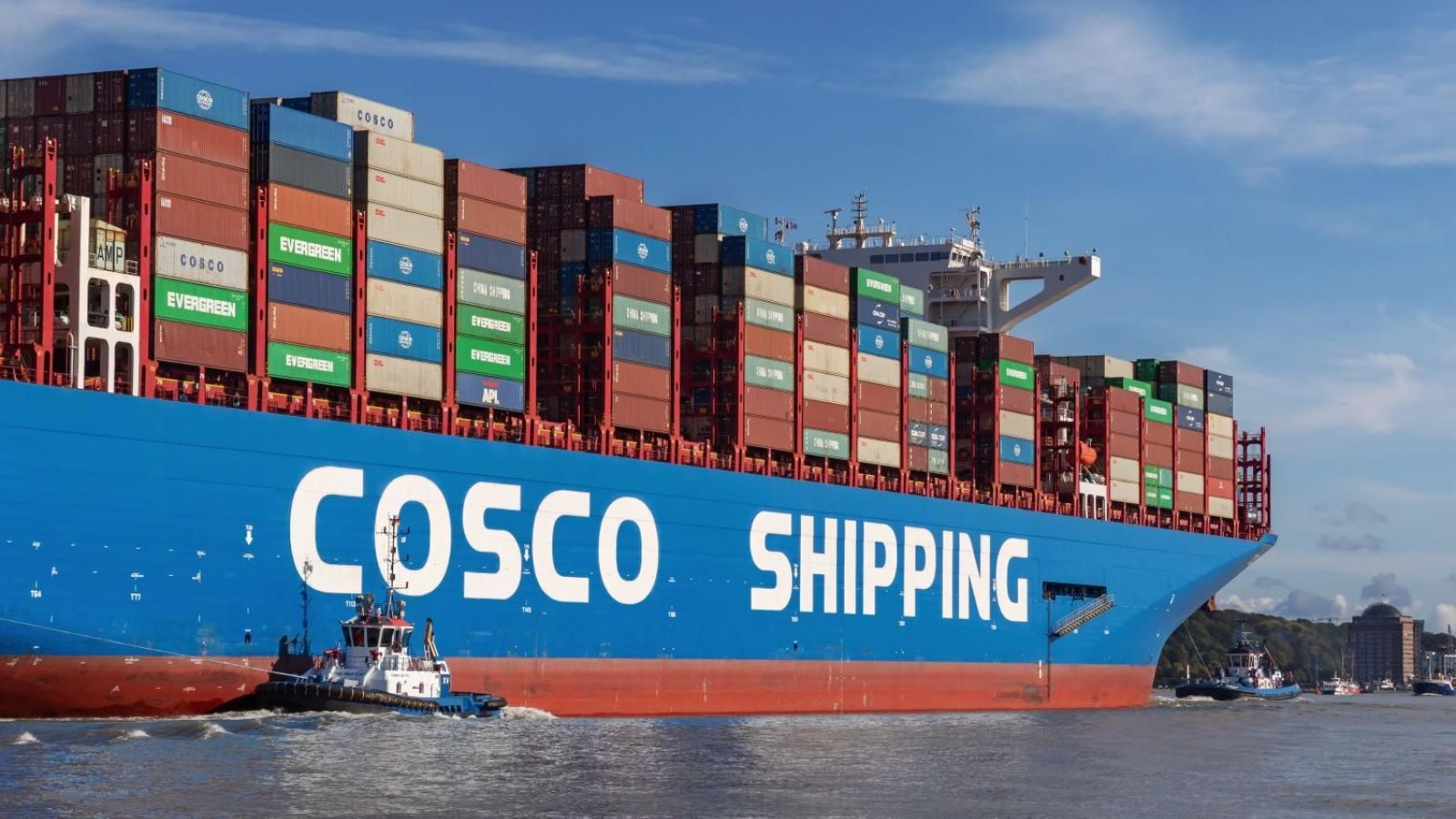
    Germany this week blocked Chinese state-owned shipping giant COSCO from acquiring one local business over national security concerns. The regulatory veto arrives as European authorities tighten oversight across transport networks and critical infrastructure assets connected to mainland firms.

    The decision immediately complicates European expansion plans for other Chinese logistics providers, including startup Speedaf. That company is working to establish a delivery hub in Switzerland and expand services into Ireland.

    Security reviews across European freight hubs

    European Union authorities have intensified investment screening across transport corridors and data-heavy distribution networks. Berlin’s intervention against COSCO sets a stricter regulatory precedent for cross-border logistics deals involving Chinese capital. Emerging operators seeking European footholds now face heightened compliance hurdles before securing warehouse assets or operational permits.

    Speedaf built its initial delivery model across developing trade lanes before targeting European distribution nodes. Establishing transport links through Switzerland and Ireland requires local clearance, which European regulators increasingly assess through the lens of strategic asset protection.

    Shifting trade dynamics between Brussels and Beijing

    Logistics operators from Asia now face higher regulatory friction when deploying direct capital into European domestic supply chains. For e-commerce platforms and Asian cross-border merchants relying on Chinese logistics operators, tighter European scrutiny raises the cost of building dedicated last-mile capacity across the bloc. Investors in cross-border logistics will need to weigh the likelihood of extended regulatory reviews or forced restructuring of planned European acquisitions.

    Trade friction between the European Union and China extends beyond freight infrastructure into high-value manufacturing. European trade officials recently held talks in Beijing addressing electric vehicle tariffs and a widening bilateral trade deficit, signaling broader economic disputes.

    Scrutiny turns to private logistics networks

    Chinese state-backed port operators have spent years purchasing stakes in European maritime terminals, drawing steady pushback from national security regulators. Berlin previously reviewed COSCO’s investment in Hamburg port infrastructure, setting the stage for wider screening across logistics assets.

    Speedaf’s planned expansion in Ireland and delivery network rollout in Switzerland now face review under these expanded European screening frameworks.

  • Trump and Xi Summit in Washington Yields Limited Progress on Tariffs

    Trump and Xi Summit in Washington Yields Limited Progress on Tariffs

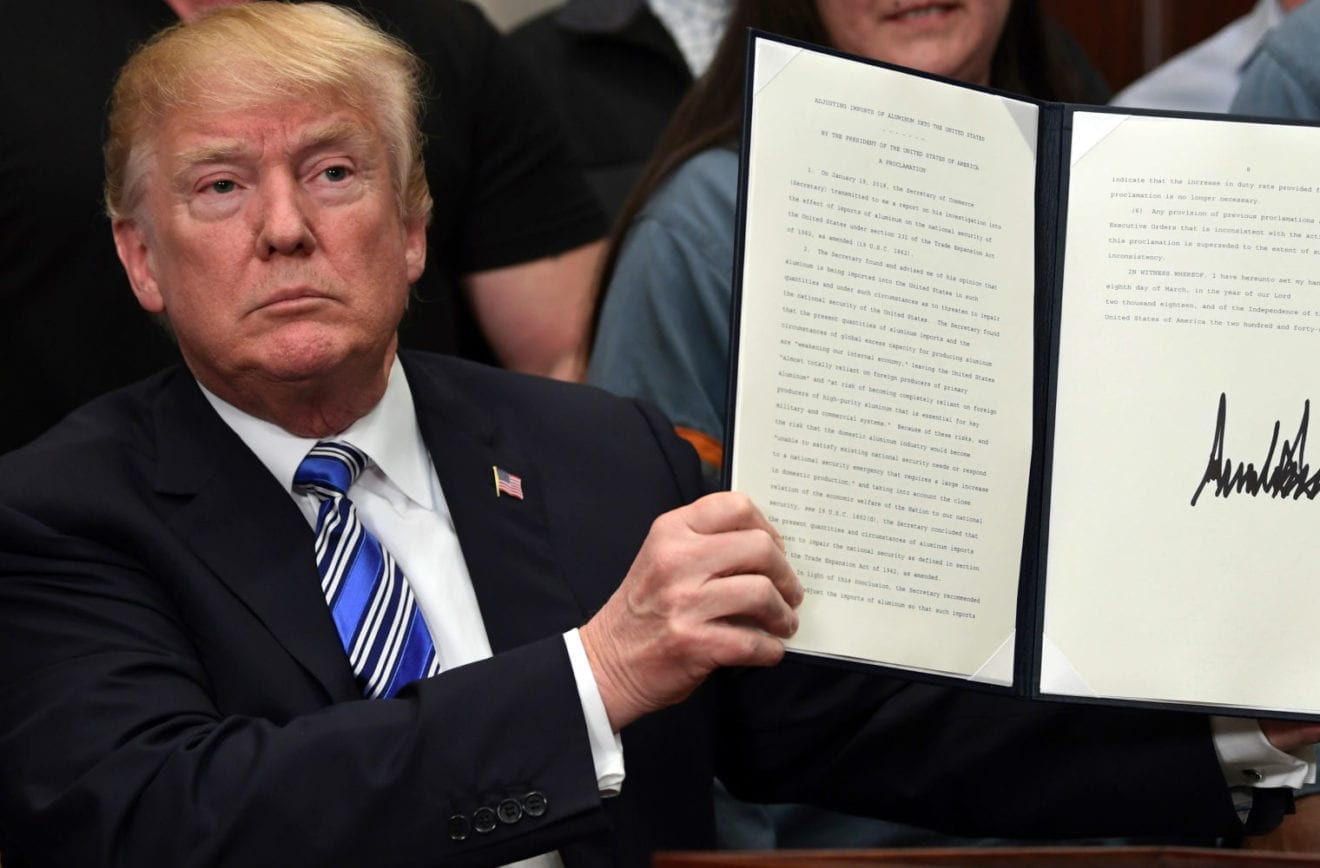
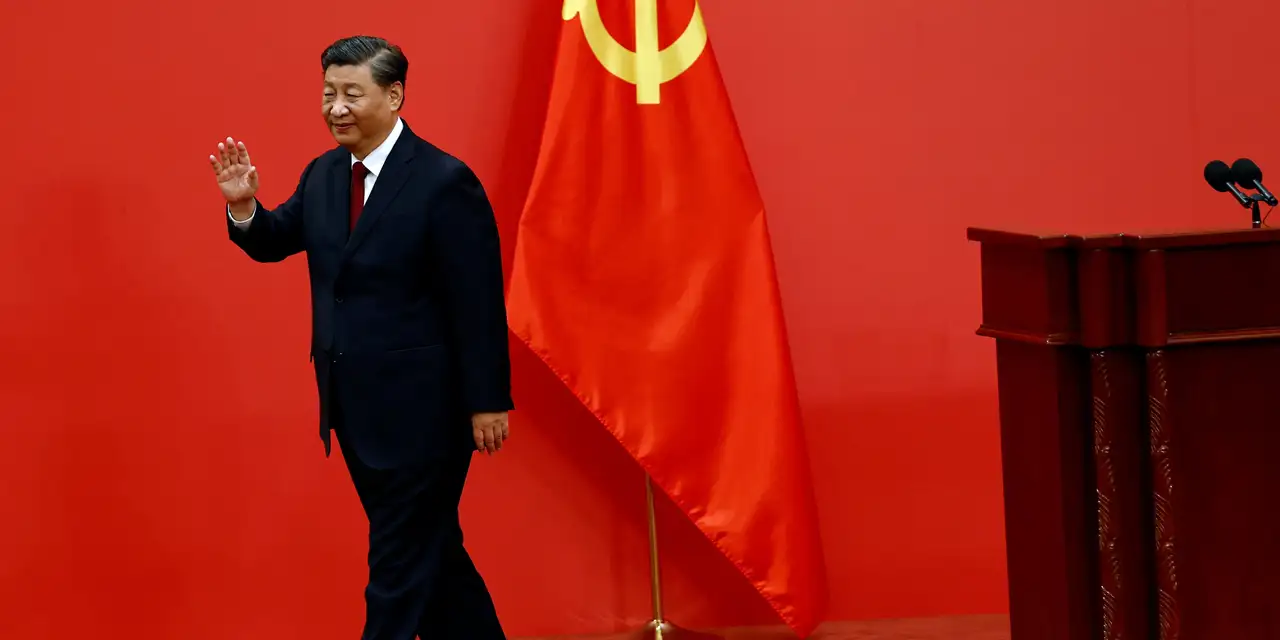
    President Donald Trump and Chinese leader Xi Jinping met in Washington last week for a summit that yielded limited progress on tariffs, leaving bilateral relations in what analysts describe as a managed stalemate.

    The limited outcomes showed how far apart Washington and Beijing remain on core economic issues, reinforcing analyst views that China sees little incentive to grant major political concessions ahead of November’s midterm elections.

    Limited Progress on Technology and Supply Chains

    Asia-Pacific supply chains face operations without clear visibility into 2027. Negotiators deferred binding settlements on critical trade disputes. These include China’s export limits on rare earth materials and US trade restrictions on advanced semiconductor shipments.

    Xi arrived in Washington seeking trade predictability as domestic retail spending softens in mainland China. Chinese factory exports have reached record levels globally. Still, falling residential property prices and persistent youth unemployment continue to depress household demand across tier-one and tier-two cities, where homeownership stands near 80 percent.

    Stalemate Over Tech Controls and Taiwan

    Artificial intelligence discussions ended without operational safeguards or a formal bilateral pact. Xi argued during the meetings that advanced computing systems must stay under direct human control. Meanwhile, the White House maintained its broader export controls on cutting-edge processors.

    Geopolitical friction also limited commercial progress. Xi reiterated that American arms sales to Taiwan cross a fundamental red line for Beijing, following a May warning that mishandling the territory could spark direct conflict. The US administration continues to hold a pending 14 billion dollar arms package for the island, using it during negotiations.

    What Operators and Exporters Face Next

    For consumer electronics makers, apparel brands and contract manufacturers across East Asia, the outcome changes little on the ground. Companies that accelerated factory shifts into Southeast Asia to dodge unilateral duties must continue carrying dual-supply chain overhead.

    Retailers sourcing consumer goods through southern Chinese hubs face an immediate cost risk early next year. The three-month extension merely pushes tariff uncertainty past the November US midterm elections without removing the threat of sudden duty hikes.

    January brings the next formal test for cross-border logistics and bilateral commerce, when the current tariff pause expires and working groups resume formal negotiations over market access and tech controls.

  • Chinese Beauty Accessory Sales Surge Across the United States

    Chinese Beauty Accessory Sales Surge Across the United States

    Sales of Chinese-made beauty accessories are surging across the United States in 2026, according to exporter Joe Wu, as wigs and nails ride a social media boom.

    The export growth comes this week amid a presidential summit shadowed by trade friction over high-profile Chinese shipments of cars and batteries.

    Export hubs in central China

    Production is concentrated in central Chinese hubs like Xuchang, supplying US consumers with pre-bleached straight hair wigs, wavy clipped extensions and coffin-shaped nails.

    “This market is growing,” said Joe Wu, an exporter based in Xuchang. Suppliers in the region are managing steady order books from overseas buyers despite shifting trade patterns in broader commerce.

    Consumer trade outside strategic disputes

    The acceleration in non-strategic consumer goods runs alongside political scrutiny over high-profile Chinese exports such as electric vehicles and industrial batteries. Beauty accessories remain largely separate from those high-level trade disputes.

    Cross-border merchants rely on rapid production cycles to match viral online styling trends. Low tooling costs and deep supply ecosystems allow workshops to switch styles within days.

    Supply chain agility for digital retail

    Online retail platforms continue to compress the timeline between cosmetic trend cycles and factory output. Fast fulfillment models give specialized producers a direct route to Western consumers seeking affordable personal care accessories.

    For independent exporters, small-batch logistics provide steady cash flow while avoiding the inventory risks carried by larger consumer electronics or automotive components.

    Order volumes heading into peak season

    Production facilities in central China are maintaining high output schedules to meet American retail restocking deadlines. Factory managers are tracking platform shipping costs and digital advertising conversion rates closely as seasonal demand builds.

  • Vevor Plans First European Store in France for 2027 Following Berlin Debut

    Vevor Plans First European Store in France for 2027 Following Berlin Debut

    Cross-border hardware brand VEVOR will open its first European brick-and-mortar store in France in 2027. A regional network of 22 distribution warehouses will support the site.

    That launch follows the brand’s five-day show at the IFA trade show in Berlin. There, the company presented 20 product lines spanning tools, kitchen equipment and outdoor gear.

    VEVOR currently distributes roughly 15,000 stock keeping units to European buyers through direct storefront sales and third-party marketplaces. The planned French site is its second physical retail location globally. Its first was a 32,000-square-foot flagship store in Houston, Texas, opened in March 2026.

    Shifting from Pure Marketplace to Physical Aisles

    Asian export brands are shifting strategies across European real estate. Pure digital distribution on Amazon and domestic marketplaces delivers fast volume. However, it exposes merchants to rising ad costs, platform commissions and counterfeit disputes. Dedicated storefronts give hardware sellers direct control over their branding. These sites also double as service centers, lowering the high return rates typical of heavy workshop machinery.

    Established European tool retailers now face tighter margins. Direct-to-consumer suppliers from China previously competed only on price through parcel delivery. Now, factory-direct brands pair local inventory with walk-in repair desks and showroom displays. That approach eats into the after-sales edge long held by traditional DIY chains.

    Building Out the Western Logistics Footprint

    Warehouse expansion across Western consumer markets underpins the European store rollout. VEVOR operates more than 200 fulfillment hubs worldwide. In total, the business supplies equipment to roughly 30 million households across 50 countries.

    “Our first European store in France opening next year will be an important next step in our long-term growth in the region,” said Shirley Liu, Head of E-commerce at VEVOR Europe.

    Company officials are finalizing site selection and store dimensions in France ahead of the 2027 opening.

  • Xi Visits India for First Time in Seven Years as Business Ties Stall

    Xi Visits India for First Time in Seven Years as Business Ties Stall

    Chinese President Xi Jinping arrived in New Delhi this week for his first visit to India in seven years, facing entrenched regulatory barriers that continue to block major bilateral investments.

    Cross-border commercial projects remain frozen across consumer electronics, automotive manufacturing and financial services despite tentative diplomatic progress at the annual BRICS summit.

    Indian authorities have blocked a proposal by Ant Group affiliate Alipay to connect to the domestic instant payments system on national security grounds. Regulators are also reviewing a recommendation by the Serious Fraud Investigation Office to investigate smartphone vendor Xiaomi over alleged foreign investment law breaches. Xiaomi stated it complies with all local regulations and has received no notice from investigators.

    Carriers and Factories Caught in Scrutiny

    Industrial hurdles run both ways across the border. Vehicle makers BYD and Great Wall Motor shelved planned manufacturing outlays in India following heightened regulatory checks from New Delhi, while Beijing has instructed domestic suppliers to withhold shipments of critical mobile manufacturing equipment, solar panels and port hardware.

    Heavy industrial machinery remains caught in transit. Massive Chinese tunnel-boring machines designated for Indian urban transit and infrastructure sites have sat stranded at customs checkpoints for more than a year, while business executives from both sides report recurring visa rejections.

    Supply Chains Face use Risks

    For consumer electronics vendors and appliance assemblers, the standoff keeps operating costs elevated across South Asia. Indian contract manufacturers rely heavily on Chinese tooling and sub-assemblies to feed domestic assembly lines, leaving production schedules exposed whenever border customs tighten component inspections.

    Suppliers attempting to build local joint ventures face a double squeeze. Beijing now subjects outward technology transfers to stricter internal reviews, while New Delhi retains case-by-case screening on foreign capital from bordering nations even after easing rules for select solar and capital goods ventures in March.

    China has economic heft and there is a good opportunity to use that and emerge as a reliable partner, especially when both nations are impacted by America’s trade policies.

    The Path Since Galwan

    Bilateral economic relations chilled after a 2020 border clash in the Galwan Valley resulted in casualties on both sides, prompting New Delhi to ban hundreds of Chinese apps and restrict direct foreign investment. Direct commercial flights between the two countries resumed last year alongside an initial pilot easing business visa clearance protocols.

    A preliminary assembly partnership between India’s Dixon Technologies and handset maker Vivo Mobile secured formal clearance following those initial concessions. Whether additional industrial joint ventures gain clearance now hinges on the scheduling of a formal bilateral meeting between Prime Minister Narendra Modi and Xi before the summit concludes.

  • Cettire Net Loss Widens to $8.5 Million as US Tariffs Hit Sales

    Cettire Net Loss Widens to $8.5 Million as US Tariffs Hit Sales

    Australian luxury platform Cettire posted an annual net loss of $8.5 million for the year ended June 30, more than trebling its deficit from a year earlier.

    The loss widened from $2.6 million in the previous financial year as sales revenue dropped 3.2 per cent to $718.4 million. Gross revenue fell 2 per cent, though it posted a small gain when measured on a constant currency basis.

    Tariff Friction and Middle East Disruption

    Active customer numbers fell 8 per cent to 605,000 during the twelve-month period. Management attributed the decline to weaker demand in the United States and a deliberate cut in paid marketing expenditure.

    The platform ran into direct regulatory friction in its largest market after US authorities removed the de minimis import duty exemption. In the second half of the financial year, consumer sentiment in high-growth Middle Eastern markets also weakened as regional conflict disrupted cross-border trade.

    During the period, US tariff changes, including the impact from the removal of the de minimis exemption, contributed to ongoing challenges in our largest market.

    Dean Mintz, founder and chief executive of Cettire, said US tariff refunds helped ease pressure late in the financial year.

    Momentum Outside North America

    Business outside the United States delivered better results, with sales revenue rising 14 per cent across the rest of the company’s geographic footprint. The expansion beyond North America cushioned the top-line decline and delivered market share gains across secondary regions.

    Pure-play luxury aggregators in Asia-Pacific have spent the past two years wrestling with excess inventory and fading post-pandemic demand. Cettire’s reliance on cross-border drop-shipping makes it unusually sensitive to customs thresholds, putting operational execution under scrutiny as border rules tighten.

    Attention now turns to trading updates in early fiscal 2027 to see whether the 14 per cent growth rate outside the US can offset lingering drag in North America.