Retail News CRM

Tag: cruise

  • Thailand Plans $362M Mega Cruise Terminal on Koh Samui to Boost Tourism

    Thailand Plans $362M Mega Cruise Terminal on Koh Samui to Boost Tourism

    Thailand is advancing a significant cruise terminal project, valued at THB12.2-billion (US$362-million), on Koh Samui, the country’s second-largest island. The terminal has been designed to accommodate large cruise ships and is part of 262 substantial transport initiatives slated for completion by 2027. The collective investment for these projects totals THB229.76 billion, as divulged by the Transport Ministry.

    Project Management and Approval Process

    The Marine Department is overseeing this major development, which aims to bolster maritime transportation, host larger cruise vessels and facilitate the growth of Thailand’s cruise tourism industry. The project is presently under review by the Transport Ministry, and once approved in principle, it will be put forward to the Cabinet for further approval.

    Simultaneously, applications for land usage under the jurisdiction of pertinent agencies such as the Royal Forest Department are being processed. The ministry expects Cabinet approval by 2027, followed by the bidding process in 2028. Construction is anticipated to begin shortly after and operations are projected to start by 2032, with an operational period of 30 years.

    Projected Benefits and Economic Impact

    Upon completion, the terminal is slated to serve between 200,000 and 400,000 tourists annually and should be able to manage approximately 240 cruise ship dockings each year. A study of the project estimates that the terminal could produce around THB46 billion in economic value over its 30-year lifespan, with an economic rate of return exceeding 15%.

    Koh Samui, located in the Gulf of Thailand and approximately 700 kilometers south of Bangkok, is the country’s second-largest island after Phuket. The island is renowned for its stunning beaches, luxurious resorts, vibrant nightlife, and access to nearby marine attractions such as the Mu Ko Ang Thong National Marine Park.

    Questions & Answers

    What is the main purpose of the cruise terminal project on Koh Samui?
    The cruise terminal project aims to enhance maritime transportation, accommodate larger cruise vessels, and support the growth of Thailand’s cruise tourism industry.

    When is the terminal expected to commence operations?
    The terminal is projected to start operations by 2032, with an operational period of 30 years.

    What is the expected economic impact of the terminal?
    The terminal could generate approximately THB46 billion in economic value over 30 years, with an economic rate of return surpassing 15%.

  • Singapore Cruise Operators Navigate Rising Fuel Prices with Speed Cuts and Route Adjustments

    Singapore Cruise Operators Navigate Rising Fuel Prices with Speed Cuts and Route Adjustments

    Cruise operators in Singapore are taking measures such as reducing sailing speeds, modifying routes, and discontinuing promotional offers in an effort to mitigate the effects of surging fuel prices triggered by the ongoing conflict in the Middle East. StarDream Cruises, which operates three vessels, disclosed that its operational expenses have increased primarily due to the global surge in fuel prices.

    The company’s president, Michael Goh, noted that while there have been minor adjustments made in certain areas of their network, the Asia itineraries, including those stopping in Singapore, have generally remained steady. These changes, made as part of regular operational optimization, have been managed carefully to ensure that the overall guest experience remains unaffected.

    In response to the escalating costs related to the Middle East conflict, StarDream Cruises announced a fuel surcharge of SGD15 (US$11.82) per person in March. The company has also implemented measures such as itinerary and route adjustments, speed management, and energy efficiency initiatives across its fleet.

    Cruise Industry Resilience Amidst Rising Costs

    Despite the rising fuel costs, international cruise arrivals to Singapore saw a 10% year-on-year increase in March, as stated by the Singapore Tourism Board. The board’s director of cruises, Chitra Rajesh Kumar, highlighted Indonesia, mainland China, and Malaysia as the top three source markets, with passenger numbers from these markets also seeing an increase.

    The primary marine fuel used by cruise ships experienced a global price surge from approximately $550 per tonne in February to around $1,060 per tonne in March. As of May 5, the price stood at $975 per tonne. This has prompted some operators to revise their routes in response to the geopolitical situation and the energy crunch.

    Several cruise operators have made similar moves, revising their schedules and routes to avoid areas of conflict and minimize exposure. For instance, Oceania Cruises has rerouted its ship Oceania Vista, originally set to transit the Suez Canal on a voyage from Singapore to Southampton in the United Kingdom, to now sail via Cape Town, South Africa, and up the continent’s west coast.

    Despite the challenges, the demand for cruise holidays has proven resilient. The Singapore Tourism Board noted that the cruise industry has demonstrated resilience with steady bookings for future months. This continues to be supported by sustained global interest in cruising, the strength of regional source markets, and excellent air connectivity.

    Questions & Answers

    What measures have Singapore’s cruise operators taken to manage rising fuel costs?
    Singapore’s cruise operators are reducing sailing speeds, modifying routes, and discontinuing promotional offers to manage the impact of rising fuel costs. They are also implementing energy efficiency initiatives across their fleets.

    How has the increased fuel price affected the cruise industry?
    While the price of marine fuel has significantly increased, the cruise industry has demonstrated resilience, maintaining steady bookings for future months. Cruise operators have adjusted their operations, such as rerouting ships and adding fuel surcharges, to manage these costs without significantly impacting the guests’ experience.

    How is the demand for cruise holidays in the current climate?
    The demand for cruise holidays remains strong, as indicated by steady advance bookings. The strength of regional source markets, sustained global interest in cruises, and excellent air connectivity contribute to this resilience. Despite the challenges, more travellers are exploring cruising as a convenient and value-driven option.

  • Disney’s Inaugural Asia Cruise from Singapore Postponed by Three Months: What to Know!

    Disney’s Inaugural Asia Cruise from Singapore Postponed by Three Months: What to Know!

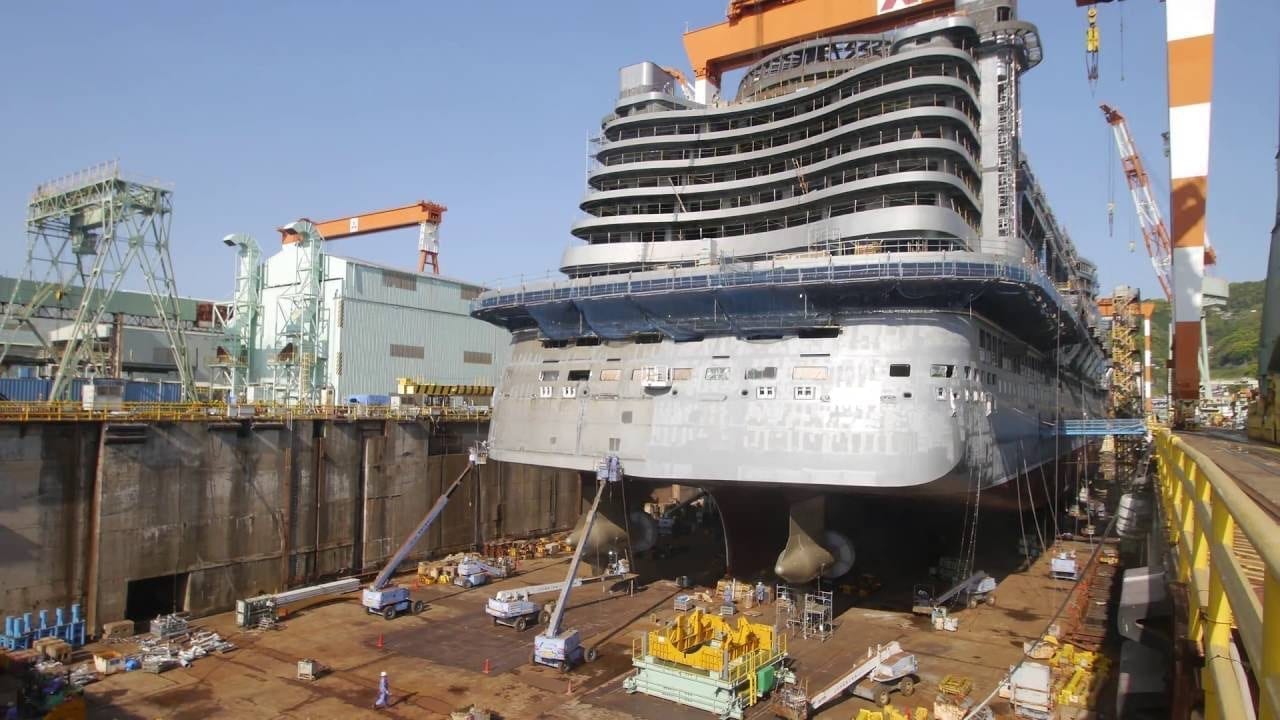
    In a significant adjustment for eager travelers, Disney has relocated the inaugural sailing of its new cruise ship, the Disney Adventure, from December 15 to March 10 of next year. The shift comes in light of unexpected delays in the shipbuilding process, a decision Disney Signature Experiences President Joe Schott addressed during inquiries from Mothership. “To ensure the experience we deliver reflects our commitment to excellence, we’ve made the decision to adjust our timeline,” he stated, acknowledging the potential disappointment for guests.

    For those affected by the change, Disney is actively providing flexible rebooking options to maintain consumer trust. Guests originally booked for the December voyage will automatically be transferred to the new March sailing, and in a move that mirrors the magic of Disney, they will also receive a 50% refund for the inconvenience, as reported by The Straits Times.

    A Dedicated Home Port in Singapore

    The majestic Disney Adventure, which recently began sea trials to test its systems, will be stationed in Singapore for a minimum of five years. Those unable to join the March 10 voyage can opt for a full refund or rebook any future sailing at half price, available for cruises departing on or before March 31, 2027.

    A Floating Theme Park Awaits

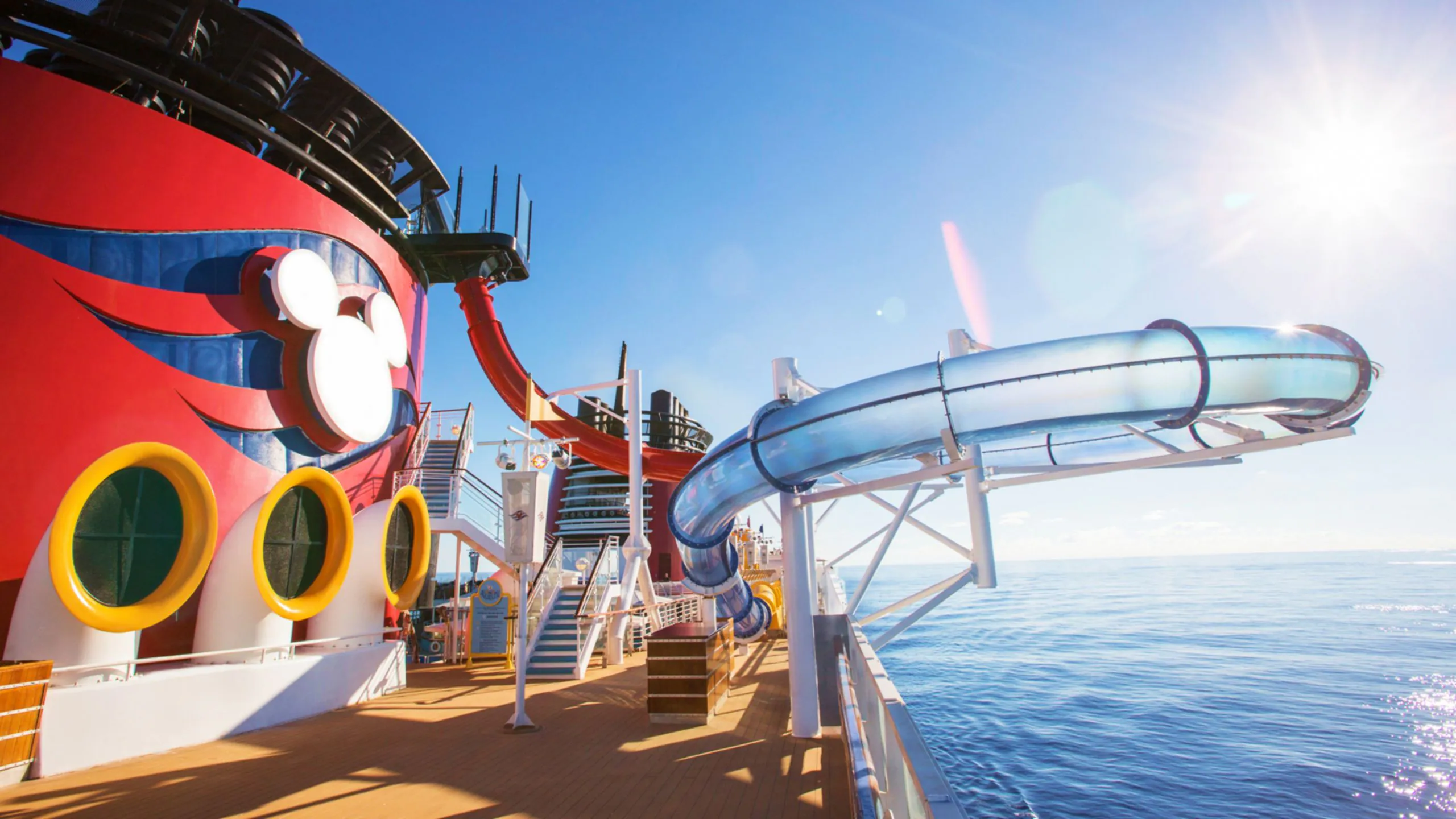
    Originally marketed as a floating theme park for travelers from Southeast Asia and India, the Disney Adventure promises seven themed zones, including the standout feature—a 250-meter Iron Man rollercoaster on the upper deck. This thrilling ride is branded as the longest rollercoaster at sea and the first of its kind on a Disney cruise, guaranteeing a memorable adventure for all guests.

    Impact on Bookings and Capacity

    While the exact number of affected guests remains undisclosed, industry analysts from Bloomberg report that around 25 sailings will experience this rescheduling. With a capacity for up to 6,700 passengers, the Disney Adventure generated considerable buzz when tickets for its maiden voyage sold out on the first day of general sales last December. Pricing for three- and four-night cruises in 2026 starts at $1,060 and $1,412 per person, respectively, according to the cruise’s booking website.

    Delays in maiden voyages are not an uncommon occurrence within the cruise industry. The launch of Disney’s Florida-based ship, Disney Wish, faced similar challenges in 2022, while competitors like Princess Cruises and Royal Caribbean International have also postponed inaugural sailings due to ship completion issues. Notably, the Disney Adventure stands apart from the rest of Disney’s lineup, having been acquired partially built from Genting Hong Kong in 2022.

    Strategic Growth Plans

    Looking ahead, Disney has laid out an ambitious strategy, announcing plans to double its investment in the cruise and parks business to $60 billion by 2033. Alongside this financial commitment, Disney aims to expand its fleet from the current six ships to a total of 13 by 2031, fueling excitement for the future of its cruise offerings.

    Questions & Answers

    How has Disney addressed the change in the Disney Adventure’s maiden voyage schedule?
    Disney has automatically transferred guests to the new March 10 sailing and is offering a 50% refund to those impacted by the delay.

    What unique features will the Disney Adventure offer its guests?
    The ship will showcase seven themed zones, including the first-ever Iron Man rollercoaster at sea, the longest rollercoaster on a Disney cruise, making it a standout in the experience it offers.

    What are Disney’s future plans for its cruise business?
    Disney aims to double its investment in cruise and parks to $60 billion by 2033 and to expand its fleet from six to 13 ships by 2031, indicating significant growth in its cruise operations.

  • Set Sail for Style: Louis Vuitton Unveils Cruise Ship-Inspired Store in Shanghai

    Set Sail for Style: Louis Vuitton Unveils Cruise Ship-Inspired Store in Shanghai

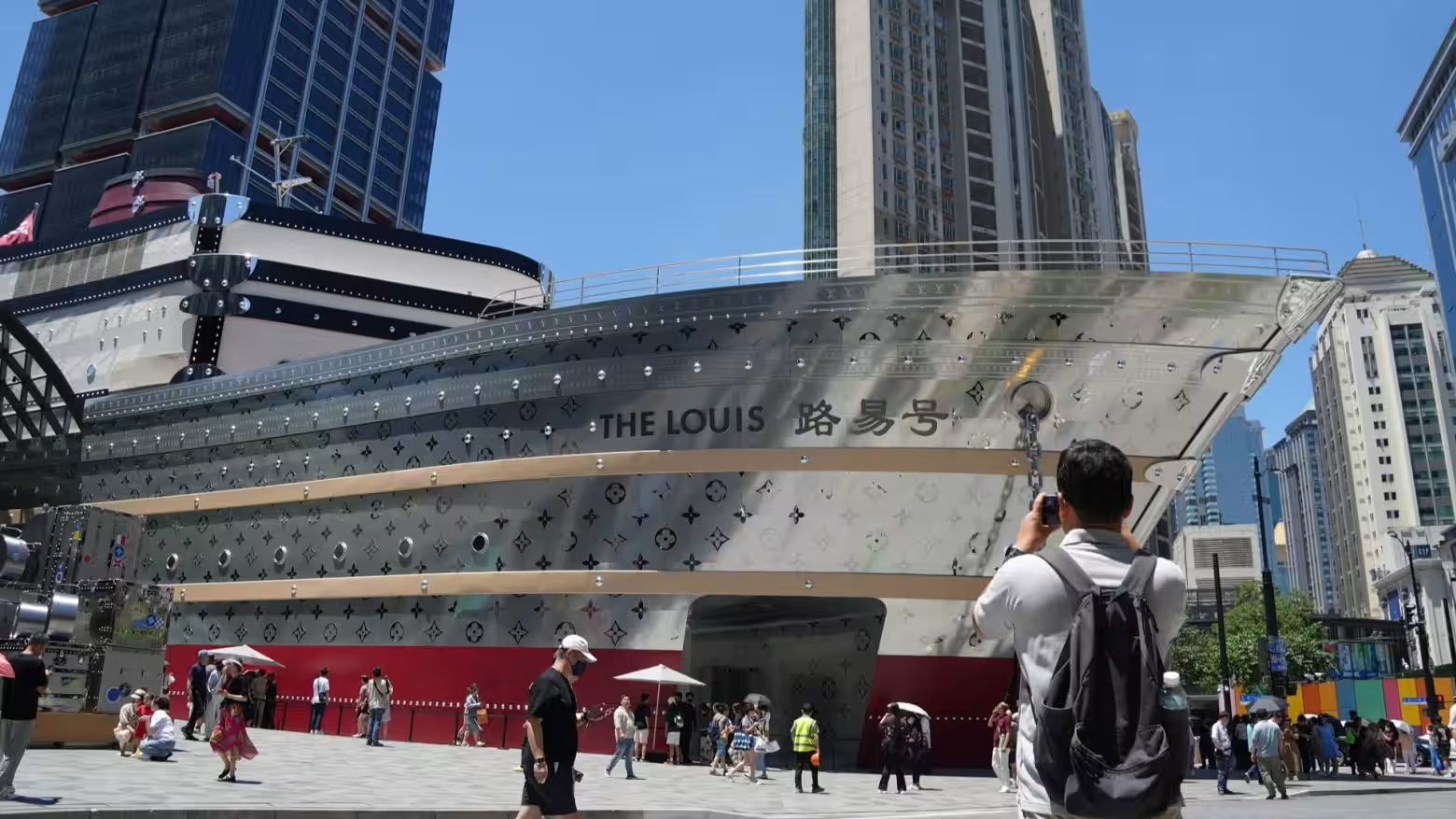
    Louis Vuitton’s latest venture into retail has set sail in the heart of Shanghai with a striking cruise ship-themed concept store that is stirring excitement among both shoppers and social media enthusiasts. With its whimsical design, the three-story venue has quickly established itself as a go-to hotspot for those looking to capture the perfect Instagram moment.

    An Immersive Shopping Experience

    This innovative store offers more than just a place to browse and buy. It incorporates an expansive sales area, a chic café, and curated exhibits that delve into the rich culture and history of Louis Vuitton. It’s a retail experience that invites customers not only to shop but to engage with the brand in a fun and educational way—like taking a cinematic journey without ever leaving the building!

    A Blend of Retail and Art

    As guests wander through the store, they encounter a stunning array of merchandise, art installations, and interactive displays that celebrate the brand’s legacy. This is more than just retail therapy; it’s a celebration of the craftsmanship and artistry that define the Louis Vuitton name. The store cleverly marries the allure of luxury fashion with an engaging narrative experience, captivating the interests of a diverse clientele.

    Strategic Location Fuels Popularity

    Situated in a bustling area of Shanghai, the store is perfectly positioned to attract both tourists and locals, making it a prime destination on the city’s retail map. The balance of luxury and accessibility is evident as chatter fills the café and excited voices exclaim over creatively designed displays. It appears that luxury shopping has found a new rhythm that resonates with the modern consumer’s desire for memorable experiences.

    Questions & Answers

    What makes the Louis Vuitton store unique compared to traditional retail locations?
    The Louis Vuitton store in Shanghai stands out with its cruise ship theme and immersive experience, blending retail with art and education about the brand’s heritage.

    How does the store enhance customer engagement beyond shopping?
    The store features exhibits showcasing Louis Vuitton’s culture, interactive displays, and a café, transforming the shopping experience into a multi-faceted engagement with the brand.

    Why is the location significant for the store’s success?
    Located in a bustling part of Shanghai, the store attracts both tourists and locals, creating a vibrant atmosphere that drives foot traffic and enhances its appeal as a social hotspot.

  • SES Networks to provide connectivity luxury cruise ships

    SES Networks to provide connectivity luxury cruise ships

    SES Networks has won a deal to provide high-speed satellite broadband services for a fleet of luxury cruise ships in the Asian market.

    The Luxembourg-based satellite operator has signed a contract to provide its Signature Cruise Solution to Dream Cruises, a subsidiary of Hong Kong’s Genting Cruise Lines.

    Dream Cruises will use the connectivity solution for its cruise ship fleet, consisting of the World Dream, Genting Dream and newly-launched Explorer Dream.

    The solution has already been implemented onboard World Dream and Explorer Dream, and will be introduced on Genting Dream in September.

    It uses SES Networks’ O3b constellation of medium earth orbit (MEO) satellites, with backup from its geostationary fleet for added network resilience, as well as a suite of managed services.

    “Today’s cruise passengers demand excellent connectivity even when they are traveling on the high seas,” Dream Cruises president Thatcher Brown said.

    “As part of our efforts to provide our guests with the best possible services and amenities on board our ships, we partnered with SES Networks because of their high-speed capability to deliver a terrestrial broadband-like internet experience in some of the most challenging of conditions.”

  • Hong Kong to have its first Superyacht Management Services Center

    Hong Kong to have its first Superyacht Management Services Center

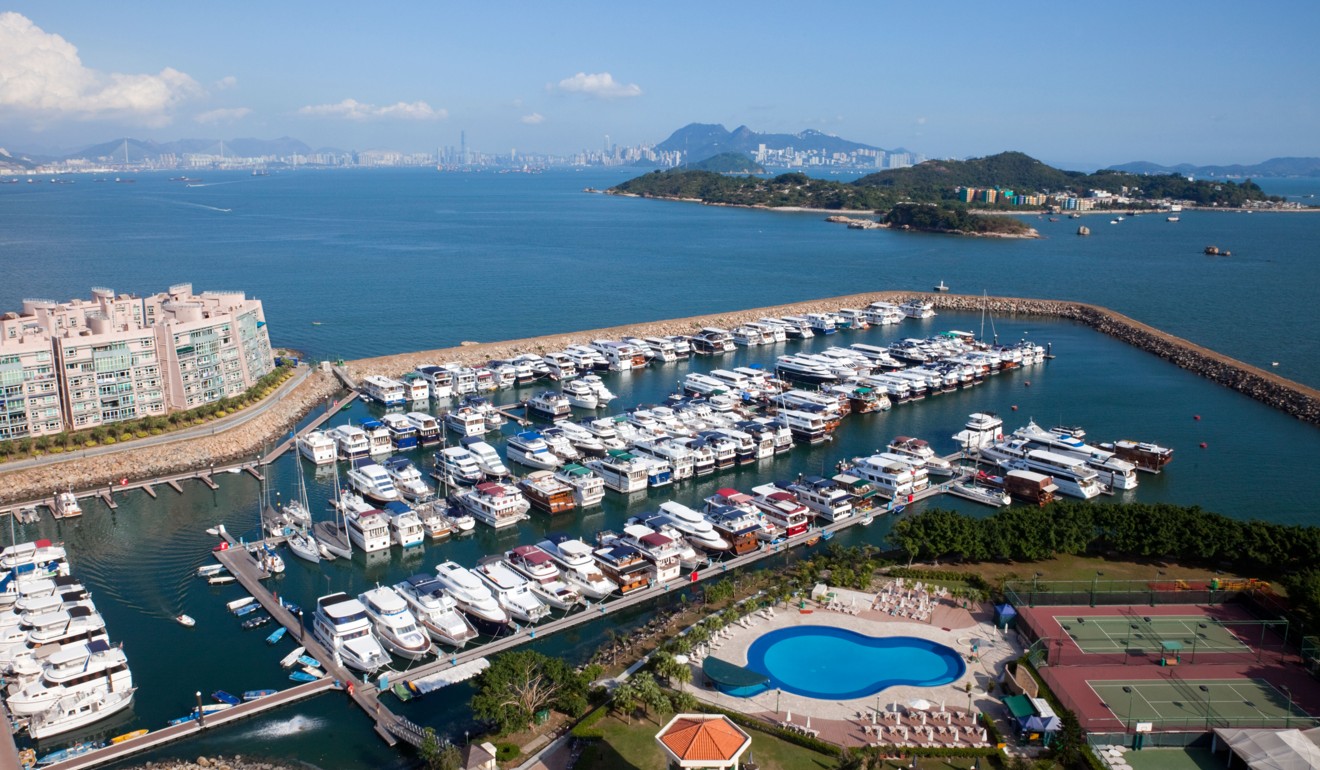
    Hong Kong Cruise and Yacht Industry Association (HKCYIA) has reached a partnership agreement with the China Merchants Industry Holdings Co. Ltd for the establishment of the Hong Kong’s first Superyacht Management Services Center in Tsing Yi. Located at the Yiu Lian and Euroasia Dockyards, the centre will provide world-class supporting services for superyachts of over 45 meters, including yacht refit, repair and maintenance services.

    Speaking at the signing ceremony witnessed by lawyers of Stephenson Harwood, Kara Yeung, HKCYIA Executive Director said “the establishment of a yacht management services center specifically designed for superyachts has marked a major milestone in the development of the yacht industry in Hong Kong. As more yachts are becoming bigger in recent years, the demand for quality superyacht management services is on the rise. However, existing facilities in Hong Kong are lagging behind leaving some very big space for development in this field.”

    “Currently the majority of the maritime business in Hong Kong is taken up by commercial and cargo ships, with the repair and maintenance systems being mainly designed for these kind of ships. However, yacht management and maintenance is another service segment which the current system cannot cater to meet their specific needs,” She said.

    Yeung remarked that the move is in line with China’s plan to develop the maritime economy. According to the Outline of the 13th Five-Year Plan for the National Economic and Social Development of China, the maritime economy grew by 7.5 per cent annually on average in the past five years reaching 7.8 trillion yuan in 2017. Beijing expects the maritime industry to be worth 10 trillion yuan by 2020 and account for around 15 percent of her GDP by 2035, showing the bright future of the maritime business.

    As Hong Kong is expected to be a “super connector” in the implementation of the Belt and Road Initiative and the strategy to build a 21st century maritime Silk Road, the enhancing of multilateral maritime co-operations and fostering of world-class marine industrial clusters in the Greater Bay Area will be of special significance for Hong Kong.

    Yeung said the HKCYIA Superyacht Management Services Center is set up in response to this national strategy as it will provide a transit point for superyachts to obtain supplies and fuel when they travel to destinations in Asia. Not only will more superyachts come to Hong Kong to help promote tourism, but also more foreign investors are expected to come and develop the related businesses.

    According to Yeung, the HKCYIA Superyacht Management Services Center will collaborate with international yacht brands and top yacht management companies in providing world-class supporting services, including repair and maintenance, audit and survey, bunkering services, crew administration, logistics support, etc. Exclusive onshore tours with tailor-made itinerary can also be provided for ship owners and their crew.

    HKCYIA will also join hands with the Maritime Services Training Institute (MSTI) and RINA Services S.p.A. to develop a superyacht management course, providing hands-on training to young people who have an interest in pursuing their careers in the yacht industry.

    Yeung said this programme will be the first of its kind and the collaboration with RINA will provide training that meets international standards. “Nurturing the next generation is important for the long-term development of the high-end maritime economy. The Superyacht Management Services Center will provide the perfect environment for youngsters to learn the necessary skills from industry practitioners, as well as getting the opportunities to develop their careers.

    Since last year, HKCYIA has been working closely with the relevant associations and organizations, with the plan of fostering the development of the yacht industry in China. A Memorandum of understanding was signed between the association and Asia Pacific Superyacht Association (APSA); Taiwan Yachts Industry Association (TYIA); Shenzhen Boating Industry Association (BIA); Zhuhai Ocean Association; Yacht Industry Development Association of Fujian; Hainan Cruise and Yacht Association and Sanya Yachting Association (SYA) to provide the foundations for future co-operations.

    HKCYIA will also participate in the Singapore Yacht Show 2019 in April and the Versilia Yachting Rendez-vous in Viareggio in May in meetings with industry experts to seek further co-operations. Yeung has been invited as a guest speaker of the Asia Pacific Superyacht Conference 2019 to share her insights on the development of yacht industry in Hong Kong.

  • HKCYIA Offers Cruise Talks to the Public FREE

    HKCYIA Offers Cruise Talks to the Public FREE

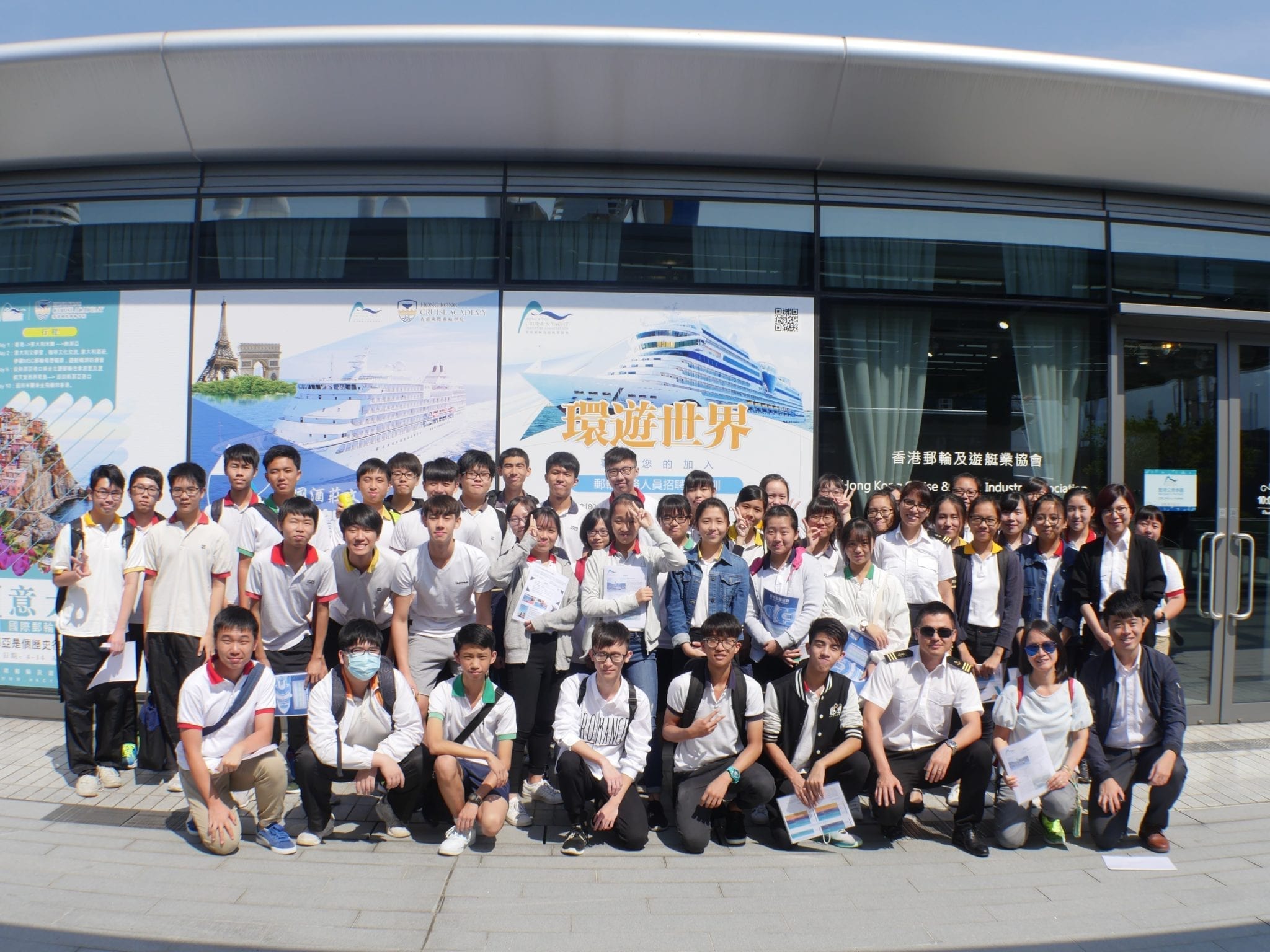
    To promote public awareness of the cruise industry and its contributions to the economy, the Hong Kong Cruise & Yacht Industry Association (HKCYIA) is to provide free talks on cruise careers for youths. This follows the talks for Tourism and Hospitality Studies students which received overwhelming response with over 70 secondary schools having enrolled for the talks since last October.

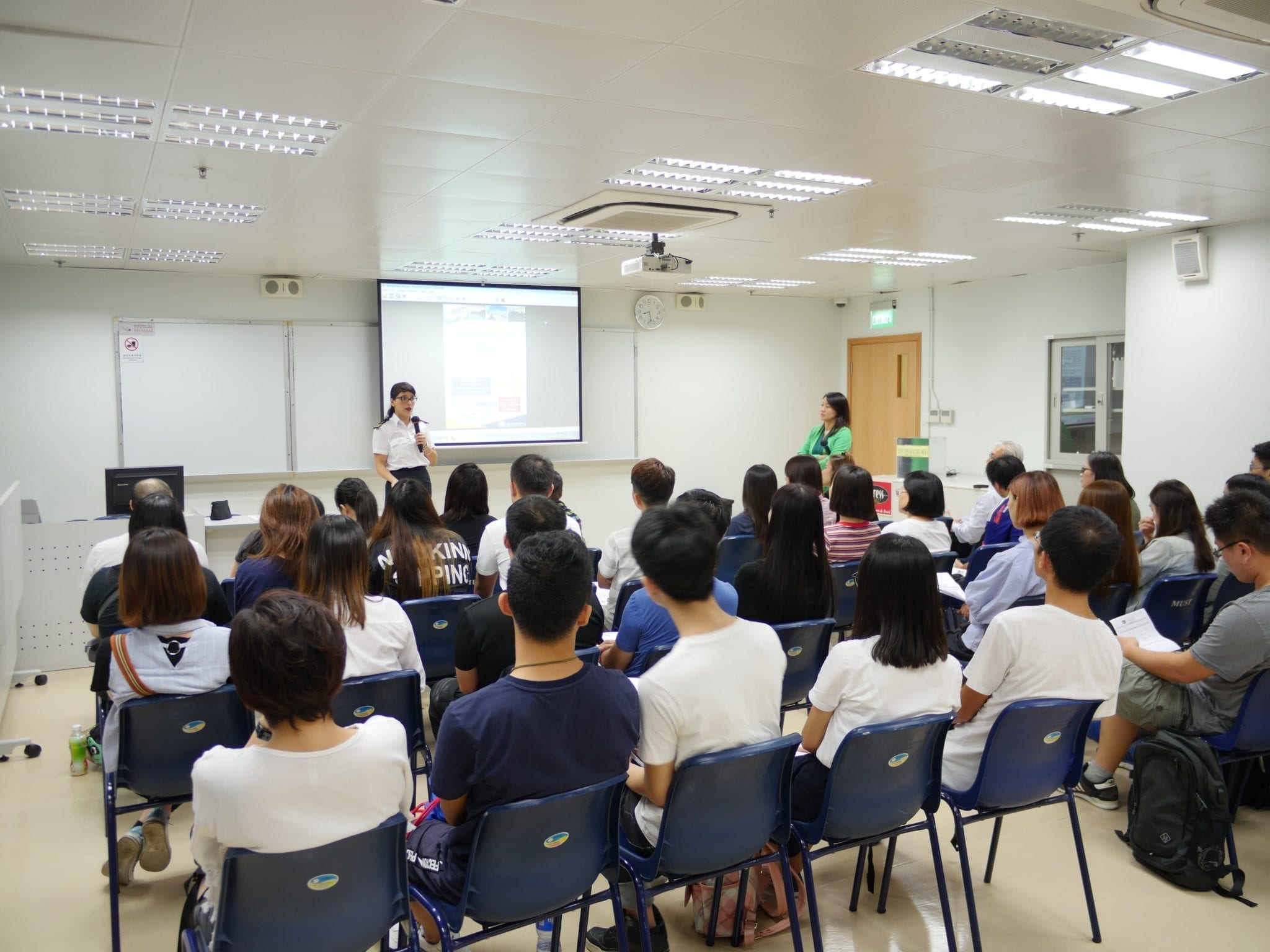
    The cruise talks for the public will be held from now till March. The 3-hour talks will be conducted in English and given by HKCYIA Purser Trainer Laura Escobar, who has over 10 years of experience in the management of European cruises. The talks will cover international cruise information, structure of international cruises, introduction to cruise travel, and career development in cruise industry, providing the public with information about cruise careers and industry developments.

    Kara Yeung, Executive Director of HKCYIA, said “In view of the relatively low awareness of the cruise industry among Hong Kong people, HKCYIA is dedicated to advancing the long-term development of the Hong Kong cruise industry through free talks to the general public. The talks are designed to enable them to acquire a broad knowledge and understanding of the global cruise industry, thereby promoting employment in the fast-growing cruise sector.”
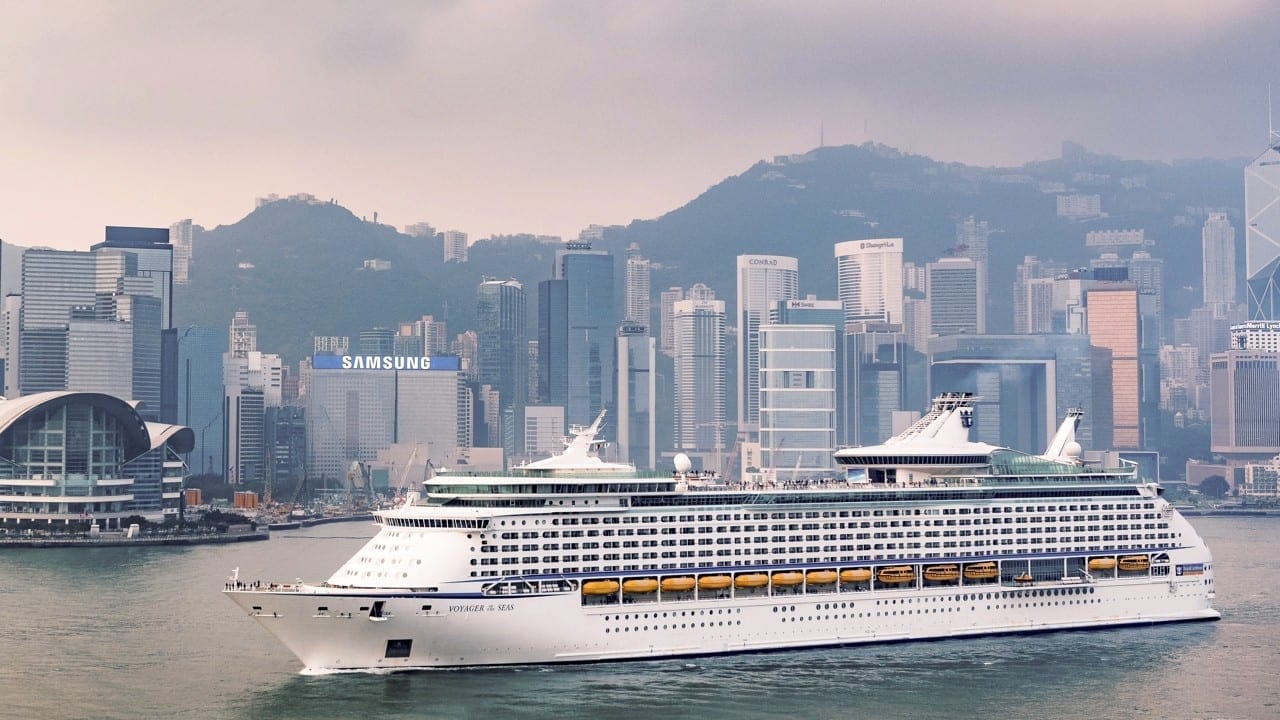
    The free talks will be held at Kai Tak Cruise Terminal where most international cruises berth in Hong Kong.

    Participants can have the opportunity to watch international cruises visiting Hong Kong, including Costa neoRomantica of the Italian Costa Cruises, Queen Elizabeth and Queen Mary 2 of the British Cunard Line. They can also visit the Kai Tak Cruise Terminal and the HKCYIA office. Those wanting to visit the cruises are required to make prior arrangements with travel agencies on their own. For those interested in attending the free talks, please contact Ms. Chan at (852) 2180 0723 for registration as seats will be available on a first-come-first-served basis.


  • Costa offers WeChat for duty free shopping on Chinese cruises

    Costa offers WeChat for duty free shopping on Chinese cruises

    Costa Cruises is launching a WeChat payment service onboard its fleet in China. It allows Chinese guests to use the online social communication platform to enjoy hassle-free mobile payment options, including duty free shopping – claimed to be a first for the global cruise industry.

    The WeChat service (also known as Weixin in China) launched on 2 September 2017 onboard Costa Atlantica. The integrated platform for instant messaging, commerce and payment services from Tencent Holdings, has over 963 million monthly active users.

    Chinese guests can use the online social communication platform to enjoy hassle-free mobile payment options, including duty free shopping.

    Costa – one of ten brands from Carnival Corporation – initially launched a WeChat Mini Program in August to book and pay for cruise itineraries. This latest addition extends payments to onboard duty free shopping, restaurants, spa, and other services through a complimentary intranet service.

    Costa Group Asia President Mario Zanetti said: “With China being one of the world’s leaders in mobile and digital advancements, we see great potential in leveraging WeChat’s leading position and technologies (and) also provide a more immersive and digitised onboard experience for our guests.”

    Costa Cruises claims it was the brand “that brought cruising to China in 2006” and is the leader in the Chinese cruise market today. Costa Cruises operates year-round in the Chinese market and has provided cruise vacations for over two million Chinese guests through four ships based across north, east and south China.

  • Dufry Cruise services onboard the Norwegian Joy in China

    Dufry Cruise services onboard the Norwegian Joy in China

    Dufry today announced an ambitious expansion of its cruise line retail activities with the creation of Dufry Cruise Services and a related Center of Excellence, based in Miami, USA.

    The world’s largest travel retailer underlined its ambitions for the channel by also revealing that it has just started operations onboard Norwegian Joy. The Norwegian Cruise Lines vessel was especially built for and customised to the Chinese cruise market.

    Norwegian Joy is Norwegian Cruise Line’s first ship to have been built specifically for Chinese travelers.

    Dufry CEO of Division 4 Rene Riedi  commented: “The new operational offices will complement the current operations and logistics-purchasing platform, in order to have our resources close to the main cruise ship itineraries. It allows a global footprint with specialised local knowledge and regional expertise.

    Dufry’s cruise ship operations cover routes from the USA to the Caribbean, Alaska, Europe and Asia. The company operates total retail space of close to 9,000sqm, ranging from 140sqm to near 2,000s m per store on vessels owned by Norwegian Cruise Lines, Carnival and Pullmantur.

    Dufry is currently present on 17 cruise ships and offers a full range of traditional duty free products as well as brand boutiques similar to airports and specialist shops, such as the Colombian Emeralds jewellery shops.

    Dufry debuts on Norwegian Joy with nine shops covering 1,950sq m of retail space. The ship is the first Norwegian cruise liner which has been built specifically for Chinese travelers.

    The new Breakaway-Plus Class Ship caters for the 3,850 guests it can accommodate with luxurious suites in an exclusive ‘ship-within-a-ship’ complex. “For Dufry this is an important strategic step to open the Asian cruise market and further expand this growing channel,” the company said.

    According to the Cruise Lines International Association (CLIA), ocean cruise passengers reached 24.7 million in 2016. For 2017, CLIA projects another year of growth with a passenger forecast of 25.8 million.

    Part of that rise can be attributed to the development of the Asian market, whose ocean capacity was up by +9.2% in 2016, representing a +38% increase compared to 2015, Dufry said.

  • 60,000 Tourists Visit Bali by Cruise Ship

    60,000 Tourists Visit Bali by Cruise Ship

    A luxury cruise ship line Princess Cruises will bring more than 60,000 foreign tourists to experience the natural charm and culture of Indonesia.

    During the 2017-2018 holiday season, Princess Cruises will offer exciting travel plans to Bali, Lombok, Komodo Island, Makassar, Semarang, and Probolinggo. Bali is a favorite destination out of the 20 total destinations.

    “Princess Cruises continues to enhance tourism in Indonesia by dedicating five cruise ships that will have 26 trips to Indonesia.”

    The five cruise ships that have trips to Indonesia are Sapphire Princess, Diamond Princess, Golden Princess, Sun Princess, and Sea Princess.

    According to data from the Cruise Line INternational Assistance Association (CLIA), more than 2 million people were on the Continent of Asia cruise in 2015. This number is expected to double to 4 million by 2020.

    In 2014, CLIA also noted there were more than 18,000 yacht tourists coming from Indonesia, and that number doubled to 40,000 by 2015.

  • Hong Kong’s 1st Diploma in Cruise Service offered to meet growing talent demand

    Hong Kong’s 1st Diploma in Cruise Service offered to meet growing talent demand

    In view of the growing demand for skilled workers in the cruise and hospitality sectors, the Hong Kong Cruise Academy (HKCA), a member of Hong Kong Cruise & Yacht Industry Association (HKCYIA), and Hong Kong Cruise Services Academy (HKCSA) will jointly organize a Diploma in Cruise Service and Hospitality Management. The programme will cultivate young talents for the industry by providing professional training in tourism, hospitality and cruise services. Kara Yeung, Executive Director of HKCA, and Sunny Ng, School Manager and CEO of HKCSA, have signed a co-operation agreement to officially launch the programme in September.

    The programme is designed to equip students with the knowledge and skills needed for a successful career in the cruise services industry. The 1-year programme covers cruise and hospitality knowledge, cruise operations, overview of tourism industry, customer services, foreign languages, Standards of Training, Certification and Watchkeeping for Seafarers (STCW) Certificate, as well as other vocational skills and management knowledge. The entry requirement for the programme is five HKDSE subjects at Level 2; or five passes in HKCEE; or other equivalent qualifications. The programme will be held at Kai Tak Cruise Terminal, with a shuttle bus service which will operate between Kowloon Tong and the cruise terminal.

    The programme is the first diploma programme in Hong Kong that includes the STCW Certificate. Graduates of this programme who have completed an internship and passed the examination can get a STCW Certificate, the minimum legal requirement for working in the hotel department on international cruise lines.

    Combining theoretical learning with hands-on practical training, the programme provides students with internship opportunities in ground services in cruise terminal and commercial yacht management services. Internship opportunities in international cruise lines, such as Costa Cruises, MSC Cruises and Carnival Cruise Line, will also be arranged to allow students to apply their knowledge to real world situations. The programme also offers a comprehensive job referral network, helping graduates start their careers in cruise services.

    Enrolment for the programme is now open. For details, please visit www.hkcsa.edu.hk or call 2728 0638.

  • Pelni and Pertamina building a cruise ship

    Pelni and Pertamina building a cruise ship

    State shipping company PT. Pelayaran Indonesia (Pelni) will team up with Patra Jasa, a subsidiary of state-owned energy company PT. Pertamina, to build a cruise ship, to support the countrys tourism industry.

    “We already signed a memorandum of understanding (MoU) to build a cruise ship to support the countrys tourism industry especially in 10 tourist destinations,” head of the Kupang branch of PT Pelni Adrian said here on Saturday.

    The ship is being built in South Korea expected to be completed and to be operational in 2018, Adrian said.

    Earlier Pelni and Patra Jasa planned to buy a cruise ship, but the plan could not be realized with a regulation banning government agencies including state companies to buy second hand goods from abroad.

    “Therefore, Pelni and Pertamina decided to build one that would take a year for completion,” Adrian said, adding the cruise ship would serve transport to 10 tourist destinations recognized by the government.

    The ten tourist destinations include Labuan Bajo and under sea destination in Riung, East Nusa Tenggara.

    Currently Pelni operates not only passenger ships but it also has ship for the transport of cargoes and livestock and tourists.

    Business in passenger transport has declined as most passengers choose air transport which much faster.

    “Mr (Ignasius) Jonan , when he was transport minister, once told us that it was time for Pelni to focus on other lines of business, but business in passenger transport continues,” Adrian said.

    He said business in tourism industry is growing that cruise ships is important . The government has been more aggressive in developing its tourism industry to make use of the countrys tourism wealth .

    The government is set to double the number of foreign tourists visiting the country to around 20 million in 2019.

  • Carnival targets cruise shoppers with Alipay option

    Carnival targets cruise shoppers with Alipay option

    Carnival Corporation, the world’s largest cruise group, has introduced cashless Alipay payment services on its ships in Asia, including those in China.

    The move will enable Chinese guests in the region to pay for products onboard using the mobile payment platform, said to be the most popular in China.

    Carnival’s largest brand in China – Costa Cruises – has launched the service this month. Passengers can now use their Alipay accounts to pay for all onboard spending, including shopping, food and drinks, activities and excursions. These are added to guest cabin folios as purchases are made, and then cleared nightly via their Alipay account.

    Alipay – which has over 450 million users in China – is operated by Ant Financial Services Group, a related company of Alibaba, the largest online commerce company in the PRC.

    The deal means that Carnival Corporation’s other leading brand in the region, Princess Cruises, also has the potential to offer Alipay on its ships sailing in Asia, including the all-new Majestic Princess that begins its first homeport season in Shanghai this July. “It is the first cruise ship tailor-made for the Chinese market,” said Carnival. However, future roll-out plans are not yet confirmed.

    Riding the digitalisation wave

    Carnival Corporation wants to ride the digitalisation wave to give cruise guests in Asia a more seamless experience. Costa Group and Carnival Asia Group CEO Michael Thamm, who oversees operations in China for Carnival Corporation, commented: “As we continue to grow interest and demand for cruising within the larger vacation market in China, this is another example of being able to stay close to our guests – understanding their needs and tailoring our offerings to their preferences.”

    Carnival is a core cruise operator in China with six ships based in the market across the Costa and Princess brands. The company handles four million passenger cruise days and nearly half of the overall cruise market in China, it claims.

    Alipay, meanwhile, is increasingly targeting the travel channel. Angel Zhao, COO of International Business Unit and Vice President of Ant Financial, said the company has been offering payments on some flights between China and Europe “since this Lunar New Year Chinese”. He added: “One of the most important goals of Alipay going overseas is to provide convenient ‘cashless’ experiences for both Chinese tourists and global merchants.”

  • Indonesia raises bet on lucrative cruise industry

    Indonesia raises bet on lucrative cruise industry

    The shimmering sound of Balinese music played by a local gamelan group welcomed the Pacific Eden cruise ship as it approached Benoa Port in Bali on Thursday Guided by a tugboat, the 219-meter-long vessel, operated by P&O Cruises Australia, needed 30 minutes to smoothly dock at the port that sunny afternoon.

    Carrying over 1,000 tourists, mostly Australians, Pacific Eden has made a breakthrough in Indonesia’s tourist industry as it became the first cruise ship ever docked at a local port.

    “This makes a huge difference in the experience of our guests,” P&O Cruises Australia president Sture Myrmell said to government officials invited onboard to celebrate the historical milestone.

    Despite its potential in coastal and maritime tourism, Indonesia has been struggling to tap into opportunities of cruise ships coming to the archipelago.

    Previously, incoming cruise ships preferred to moor off shore mainly due to technicalities, such as lack of supporting infrastructure and the absence of a reliable under-water topographic maps, known as bathymetric charts. Passengers who want to go ashore were then transported on small boats.

    In the case of Pacific Eden, the docking was made possible after the government completed the bathymetric chart for Benoa water and after state-owned port operator PT Pelabuhan Indonesia (Pelindo) III, which manages Benoa Port, upgraded the facility to a cruise terminal.

    “We sent supporting data about Benoa waters to P&O executives so their ship captains could devise strategies on how to enter the port safely. Their presence here proves that we have finally convinced them about safety,” Pelindo III general manager for Benoa Port Ardhy Wahyu Basuki said.

    Last year, Indonesia welcomed 11.5 million foreign tourists, with those from China topping the list at 1.43 million arrivals.

    President Joko “Jokowi” Widodo has set his sights on developing the tourism sector. His administration hopes for 20 million foreign tourist arrivals in 2019, with this year’s target standing at 15 million.

    The number of tourists entering the country by cruise ships has shown progress, but still only makes up a tiny fraction of the total incoming foreign tourists.

    Last year, visiting cruise ships made 350 stops in Indonesia, down from 400 stops in 2015, said Tourism Minister Arief Yahya. The number of passengers onboard, however, increased by 30 percent to 260,000 from 200,000.

    “This shows that there is a changing trend in which passengers prefer to travel on mediumsized cruises instead of small ones,” Arief told reporters, underlining the importance of port infrastructure upgrades to accommodate such a trend.

    Apart from huge, lavish vessels, the cruise business is known to attract high spenders. A family of four, for example, should pay A$7,200 (US$5,400) to stay in a Pacific Eden suite room and enjoy a 12-night journey to popular tourist destinations, such as Bali, Lombok and Komodo National Park.

    According to data from Cruise Lines International Association (CLIA), there were 23.2 million people traveling on cruise ships in 2015, with the United States accounting for the most passengers at 11.3 million, followed by Germany, Australia and China. The figure is predicted to increase to 25.3 million this year.

    Arief did not mention the government’s short-term target for incoming cruise passengers. He, however, pointed to Thursday’s inaugural docking as momentum for the government to propel the industry, including by upgrading port infrastructure on Bali, which the government expected to become a regional cruise hub, as well as by reviewing cost structures that might hamper the industry’s growth.

    Indonesian ports currently charge a cruise ship between $60,000 and $100,000 daily for docking fees, much higher than regional competitors that can charge as low as $20,000 per day, Arief said.

    “This has dragged down our competitiveness in the sector,” he said. “Thus, deregulations and infrastructure upgrades should go hand-in-hand to boost the sector.”

  • China’s cruise passengers set to soar to 5.4m by 2020

    China’s cruise passengers set to soar to 5.4m by 2020

    In a conference session entitled ‘China’s cruise market sets sail’, Mike Feely, Vice President of research agency Horizon Consumer Science, revealed the telling statistic that, Asia will be the No 2 cruise region by 2020, if it maintains its growth trajectory.

    The session took place on day two of the China’s Century Conference in Guangzhou.

    Chinese already account for half of Asian cruisers and are predicted to grow from 1m passengers to 5.4m in 2020. In this respect Feely said that the onboard retail market poses a great opportunity for international brands to introduce and showcase their products to middle class Chinese consumers, but that it isn’t really being taken advantage of at present.

    According to the China Cruise & Yacht Industry Association, the volume of inbound and outbound passengers calling at Chinese ports has increased more than 50 times since 2006.

    During his session, Feely revealed highlights of a TFWA-sponsored study into the cruise market in East Asia while Jared Lee, VP Product Management & Guest Services of Costa Cruises – the first international cruise line in China – offered his perspective.

    CRUISE & AIRPORT RETAIL TOO SIMILAR?

    From the initial field research – among 1,200 cruise passengers – Feely concluded that much more could be done to take advantage of the uniqueness of the cruise environment, and not enough was being done to differentiate the offer from airports.

    During a session taking place on day two of the China’s Century Conference in Guangzhou, Feely revealed highlights of a TFWA-sponsored study into the cruise market in East Asia.

    Feely also pointed out that the novelty of cruising for the Chinese in particular could actually be viewed as a hindrance to onboard shopping, as many customers are being exposed to the high seas for the very first time and shopping may be one of the last activities on their agenda.

    He also suggested that the dwell time afforded to cruise ship retailers – three-plus days – is simply being missed. Feely suggest that perhaps the integration of entertainment might encourage more passengers to shop.

    “Cruises present ripe venues for onboard events, activities and education that can all be linked with retail, to make shopping more experience-centric,” said Feely.

    LACK OF TOYS AND AFFORDABLE GIFTS

    He also said that the product portfolio onboard does not currently cater very well to children; important customers onboard cruise ships.

    “There are very few products onboard for children and when you are aboard these ships you suddenly realise how important they are,” added Feely. “Cruises are safe and carefree environments ideal for the elderly and children, so there are many more onboard these cruise ships.”

    Feely says the motivation to spoil ‘only children’ (those with no siblings) is only intensified in this environment.

    “There are very few products onboard for children and when you are aboard these ships you suddenly realise how important they are,” said Feely.

    What’s more is that Chinese passengers are also looking to spoil their friends and family back home, but potential gift items at affordable prices are lacking, says Feely.

    “Accessibly-priced accessories (that aren’t made in China) are in demand by passengers, but tend to be lacking in onboard retail,” he said today.

    HIGHLIGHT POPULAR PRODUCTS

    When Chinese passengers actually make it into the stores, retailers and brands appear to be communicating ineffectively with them, even unknowingly creating negative perceptions of the offer.

    “Cruise ships need to highlight the popularity of their products to Chinese shoppers who respond positively to popularity indicators on products such as ‘ this is the No 1. most searched items on Baidu’.” [Baidu is a Chinese-American web services company.]

    Feely said that there is potential to capture on-shore spend and increase spend on-board, but currently the on-shore shopping experience is ‘insufficient, rushed and tiring’.

    Jared Lee, VP Product Management & Guest Services of Costa Cruises (part of Carnival Cruise Line which boasts 46% global cruise market share) importantly pointed out that the onboard cruise market must be treated differently to airports retail. “Most passengers onboard are holidaymakers whereas those at airports are there for numerous reasons,” said Lee.

    He also pointed out that the average duration of a cruise trip is 4-5 nights in China, where travellers have fewer national and public holidays to take advantage of.

    GWPS ARE EXCELLENT MOTIVATORS

    When asked what sort of initiatives could be employed to make the most of the captive cruise audience, Lee suggested offering a free gift with purchase would bring passengers ‘in their hundreds’ into stores.

    He also said that the current retail model – one concessionaire taking care of the whole onboard retail channel – is now outdated and is likely to evolve to include various companies specialising in certain categories.

    “This is slowly changing,” he said, “it’s difficult for one concessionaire to be good at all things. The retail model will evolve to incorporate more players.”

    Lee reiterated Feely’s point about the integration of retail with entertainment and activities as Chinese passengers often like to ‘get involved’ in these.

    When asked why the cruise market isn’t making the most of its captive audience and phenomenal dwell time, Lee said that passenger satisfaction is very hard to maintain at a high level, compared to airlines and airports.