Tag: cultural

  • Massimo Dutti Debuts Cultural Fusion Flagship Store in Seoul: A New Retail Epoch in South Korea

    Massimo Dutti Debuts Cultural Fusion Flagship Store in Seoul: A New Retail Epoch in South Korea

    Spanish fashion retailer, Massimo Dutti, has expanded its presence in South Korea with the opening of a novel flagship store in Seoul’s Hannam district. This store, which is a blend of fashion, design, and cultural experiences, marks the brand’s first foray into street-level retail in the country.

    A Groundbreaking Retail Concept

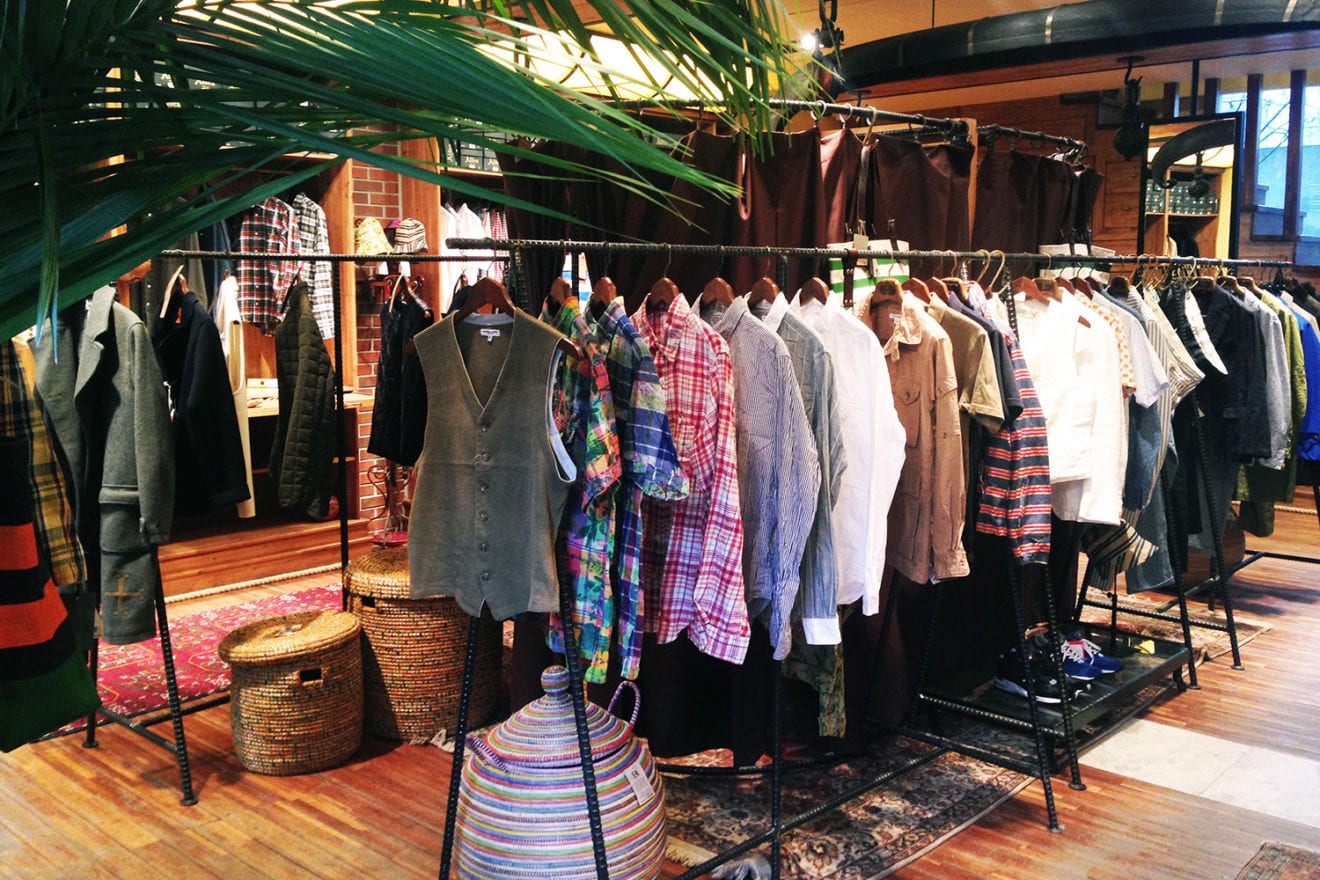
    Located on Itaewon-ro in Yongsan-gu, the multi-level flagship store showcases the brand’s women’s and men’s collections. It represents a unique retail concept that merges local culture, architecture, and fashion, offering a fusion of tradition and contemporary creativity.

    The brand stated, “Our first street-level store in Korea repurposes a historic building in Seoul, where heritage and modern creation intersect. It is a space that successfully melds fashion, architecture, and local culture.”

    The design of the store has been a collaborative effort, involving local galleries, artists, landscape designers, and tea artisans. These collaborations have incorporated elements of Korean culture into the customer experience, through curated exhibitions and dedicated cultural spaces.

    Continued Investment in Asian Market

    The launch of this flagship store is indicative of Massimo Dutti’s ongoing commitment to investing in both physical and digital channels across Asia. In 2024, the brand made a significant move when it collaborated with a popular Chinese e-commerce platform to launch a flagship store that offers over 1000 products spanning men’s and women’s fashion, accessories, and a range of exclusive curated items.

    Questions & Answers

    What is unique about Massimo Dutti’s new flagship store in South Korea?
    The new store is unique in that it is Massimo Dutti’s first street-level store in Korea, located in a historic building and incorporating elements of local culture, fashion, and architecture.

    Who did Massimo Dutti collaborate with for their store design?
    Massimo Dutti collaborated with local galleries, artists, landscape designers, and tea artisans to incorporate elements of Korean culture and create a unique customer experience.

    What does the launch of this new store indicate?
    The opening of this flagship store indicates Massimo Dutti’s continued commitment to investing in both physical and digital retail channels across Asia.

  • Revamped Pokémon Center Singapore Unveils Cultural Heritage-Inspired Store and Exclusive Merchandise

    Revamped Pokémon Center Singapore Unveils Cultural Heritage-Inspired Store and Exclusive Merchandise

    After a three-month refurbishment, Pokémon Center Singapore celebrated its reopening at Jewel Changi Airport, presenting a fresh store design influenced by Singapore’s rich cultural heritage and an array of exclusive new merchandise. The updated store boasts unique interiors inspired by traditional local architecture and features a variety of themed spaces, such as a food court-inspired zone and an ocean-themed event section.

    Revitalizing Pokémon Center Singapore with New Symbol and Exclusive Products

    In addition to its fresh new look, the store has adopted Solgaleo as its new emblem Pokémon. The iconic Legendary Pokémon now graces the official logo and stands proudly at the entrance, accompanying Pikachu.

    The Pokémon Center Singapore, strategically placed at Jewel Changi Airport, continues to serve as a lively community hub and a cherished destination for locals and global travelers. The reopening is a significant step in enhancing relationships with local consumers and Pokémon enthusiasts worldwide.

    To commemorate the grand reopening, the Pokémon Singapore team is set to launch 20 exclusive celebratory products in two stages. The first wave, released on July 1, includes Singapore-inspired lifestyle items. A second collection, expected to be available on August 7, comprises locally-themed merchandise such as Pikachu bag charms, Peranakan-inspired pouches, T-shirts, and tote bags.

    Established in 2019, the Pokémon Center Singapore was the first permanent Pokémon Center in Southeast Asia. The brand is progressing its regional expansion with the planned opening of its second Southeast Asian store at CentralWorld in Thailand.

    Questions & Answers

    What is the new design concept of the refurbished Pokémon Center Singapore?
    The newly refurbished Pokémon Center Singapore features a design concept inspired by traditional local architecture and Singapore’s cultural heritage.

    What is the new symbol Pokémon for the store?
    The store has chosen Solgaleo as its new symbol Pokémon, which now features on the official logo and at the entrance alongside Pikachu.

    Are there any special events or products to mark the reopening?
    Yes, the reopening is being marked with the launch of 20 exclusive commemorative products in two waves. The first wave includes Singapore-inspired lifestyle items, and the second wave features locally-themed merchandise such as Pikachu bag charms, Peranakan-inspired pouches, T-shirts, and tote bags.

  • Lululemon Issues Apology in China for Cultural Misstep at Great Wall Event

    Lululemon Issues Apology in China for Cultural Misstep at Great Wall Event

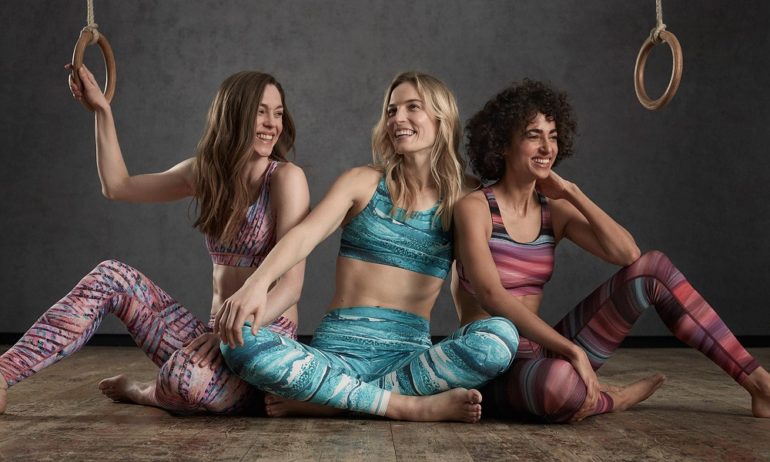
    Lululemon, the popular athleisure brand, has publicly apologized in China following controversy surrounding a performance during a company-sponsored event at the Great Wall. The incident incited negative reactions on social media due to the apparent use of a Japanese drum, viewed as culturally insensitive by some.

    Controversy and Apology

    The company expressed remorse on Weibo, the Chinese social media platform, acknowledging that they had failed to anticipate the potential cultural sensitivities associated with the drum performance. They attributed this oversight to “limitations in professional knowledge”. Lululemon went on to apologize both to their customers and brand ambassador Zhu Yilong, a well-known Chinese actor. The company also announced that they had taken down all promotional materials related to the event.

    The controversy was triggered by a grand yoga festival organized near Beijing in the previous month to commemorate Lululemon’s decade-long presence in mainland China. The event attracted over 2,000 participants and was part of the brand’s broader initiative to further engage with Chinese consumers through community-centered experiences.

    A drum performance featuring Zhu Yilong and the HiiKo Drum Group became a hot topic of debate when some social media users noted the drum used resembled a Japanese taiko drum, not a traditional Chinese one. The criticism rapidly proliferated across Chinese social media platforms.

    In their public apology, Lululemon stated that the event was designed to honor Chinese culture, but conceded that they had underestimated the cultural implications. They expressed that they have “learned profound lessons” from the experience and will improve their review processes for upcoming events.

    Challenges for International Brands

    This incident underscores the difficulties global brands can encounter when attempting to understand and respect cultural nuances in foreign markets. Earlier in the year, French fashion brand, Lemaire, also found itself apologizing after a fragrance campaign was criticized by Chinese consumers who felt the brand had used culturally insensitive imagery and messaging.

    Questions & Answers

    What was the cause of the controversy involving Lululemon in China?
    The controversy was sparked when Lululemon used a drum in a performance that was alleged to be a Japanese taiko drum instead of a traditional Chinese drum. This was viewed as culturally insensitive by some.

    What was Lululemon’s response to the backlash?
    Lululemon issued a public apology on Weibo, acknowledging their failure to anticipate potential cultural sensitivities. They also removed all promotional materials connected to the event and apologized to their customers and brand ambassador, actor Zhu Yilong.

    What lessons has Lululemon learned from this experience?
    According to their public apology, the company “learned profound lessons” and intends to strengthen its review processes for future events to better recognize and respect cultural nuances.

  • Prada Embraces Indian Craftsmanship: Launches Authentic Kolhapuri Sandals to Mend Cultural Appropriation Rift

    Prada Embraces Indian Craftsmanship: Launches Authentic Kolhapuri Sandals to Mend Cultural Appropriation Rift

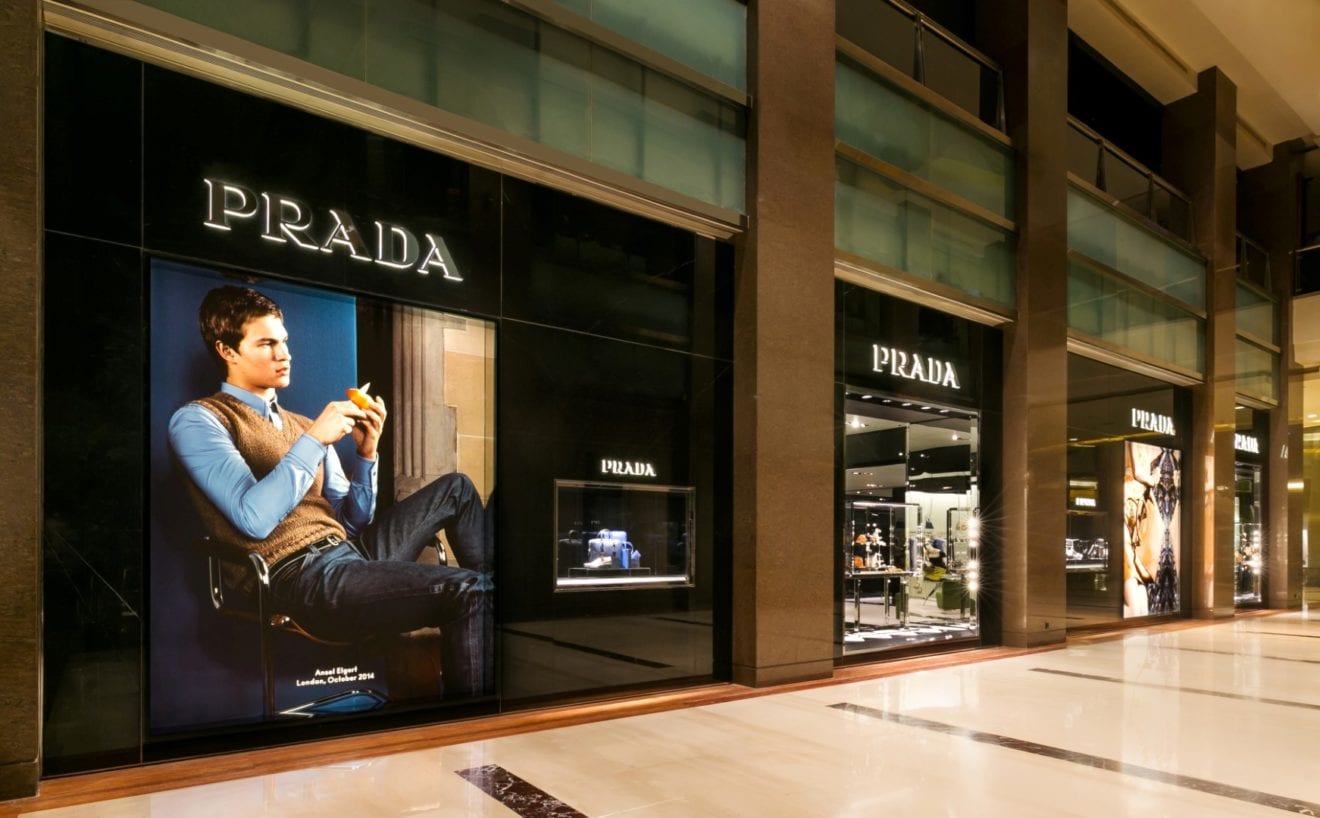
    Prada, the renowned Italian luxury brand, is set to debut a limited-edition collection of sandals crafted in India, bearing a keen resemblance to the traditional Indian Kolhapuri footwear. This initiative comes just months after the brand had to face a wave of criticism for showcasing similar designs without giving due credit to their Indian origins.

    Price Point & Controversy

    These exclusive pairs, each having a price tag of approximately 750 euros (US$881), are set to make a grand entrance into the luxury fashion platform. This initiative has its roots in a controversy that stirred up in June 2025. Prada was under fire for presenting sandals at a Milan fashion show which greatly resembled the traditional Indian Kolhapuri chappals. This led to an uproar among Indian artisans and political figures, who claimed this to be a case of cultural appropriation.

    In response, Prada acknowledged the inspiration drawn from the timeless Indian styles and disclosed that it had initiated discussions with artisan groups for potential collaboration.

    Production & Distribution

    In December, Prada revealed its plans to manufacture a total of 2000 pairs of these Indian-inspired sandals. This production will take place in the Indian states of Maharashtra and Karnataka, as part of agreements with two state-endorsed organizations. This collaboration aims to blend localized craftsmanship with innovative Italian technology.

    The brand announced that these sandals will be available for purchase in 40 carefully chosen Prada outlets around the globe, as well as online.

    Artisan Training Programme

    Moreover, Prada has initiated a three-year training programme specifically designed for artisans hailing from the eight districts in India traditionally associated with the crafting of Kolhapuri sandals. This programme, divided into six-month structured modules, will be delivered by two esteemed Indian design institutes. The objective is to enhance the skills of 180 artisans, with the first batch starting next month.

    In a statement, Tanu Kashyap, the director general at the National Institute of Fashion Technology, expressed her enthusiasm for the initiative, stating, “It is time that Indian traditional crafts take their rightful place on the world stage”.

    Additionally, these artisans will be given a chance to visit the Prada Group Academy in Italy to enhance their technical prowess further.

    Questions & Answers

    What was the controversy Prada faced in June 2025?
    Prada faced backlash for showcasing sandals at a Milan fashion show that resembled traditional Indian Kolhapuri chappals, without acknowledging their cultural origin.

    How is Prada merging traditional Indian craftsmanship with Italian technology?
    Prada plans to manufacture 2000 pairs of sandals in Maharashtra and Karnataka in India, in collaboration with local artisans and under agreements with two state-backed organizations.

    What is the three-year training programme initiated by Prada?
    Prada has kicked off a three-year training programme for artisans from eight districts in India traditionally associated with Kolhapuri sandal-making. Delivered by two leading Indian design institutes, the programme aims to enhance the skills of 180 artisans.

  • Levi’s Makes a Fashion Statement: Weaving into the Cultural Fabric of Australia

    Levi’s Makes a Fashion Statement: Weaving into the Cultural Fabric of Australia

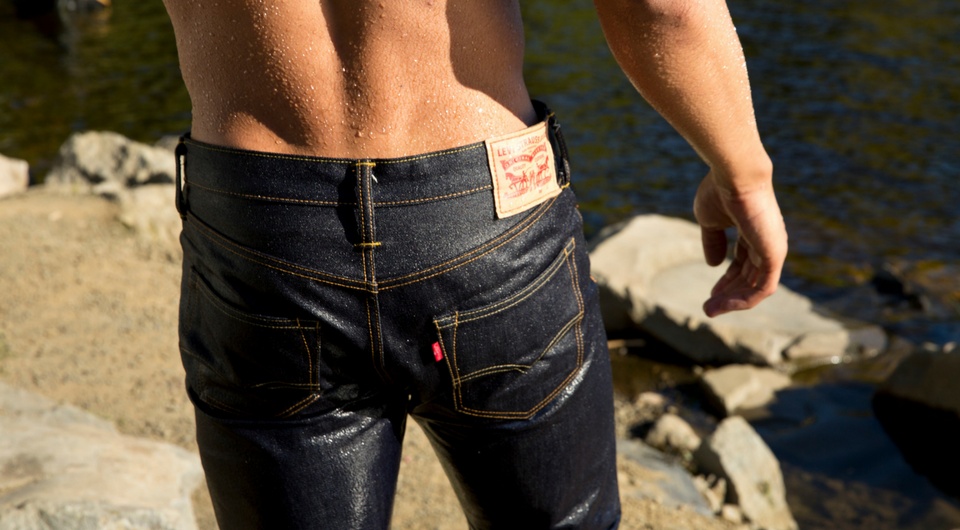
    At the 2025 National Gallery of Victoria (NGV) Gala, an unexpected element caught everyone’s attention – a denim carpet. This unusual red carpet replacement was not just a whimsical twist, but a calculated move by Levi’s, the clothing brand sponsor, showcasing its deep-rooted connections within the cultural matrix of today.

    The NGV Gala, one of Australia’s most esteemed events, is a grand celebration of art, fashion, and food. Levi’s participation in the grand event extended beyond a mere brand appearance. It signaled a strategic step in its plan to establish itself firmly at the confluence of culture in the Australasian region. Levi’s seized this opportunity to position itself not just as a heritage brand but as a proactive player in shaping modern creativity.

    A Strategy Rooted in Authenticity

    The General Manager of Levi’s ANZ, Michael Baer, had highlighted the crux of the partnership prior to the Gala. He stressed the importance of cultural credibility, maintaining that it had to be genuine and earned rather than contrived.

    Baer insisted, “It is of utmost importance that every partnership we form feels authentic and reciprocal.” This philosophy was at the heart of Levi’s strategy: forging ties that mirrored the brand’s ethos and resonated with its community.

    This authenticity was evident in every decision made during the Gala, starting with the Levi’s Denim Carpet. This innovative centerpiece replaced the traditional red runway with a deep indigo denim sprinkled with the iconic red tab, a subtle yet powerful homage to the brand’s heritage. It represented Levi’s 150-year-old legacy of turning workwear into something functional yet fashionable, ordinary yet iconic.

    Fashion, Music, and Art Fusion

    Levi’s aimed to transcend mere visibility. It sought to establish a presence where its audience already existed – in music, art, and fashion. The Gala offered the ideal environment for this.

    Manly-based musician Don West, known for his effortless cool and natural affinity for denim, was the star attraction of the night. He performed with his seven-piece band, all bedecked in bespoke Levi’s pieces fashioned in collaboration with designer Karen Walker.

    This performance highlighted Levi’s capacity to leverage live culture as a narrative medium – one that amalgamated sound, style, and substance.

    Complementing the concert was a fashion runway featuring designs by RMIT’s top fashion students. Their designs, a fusion of innovation and sustainability, mirrored Levi’s ongoing commitment to nurture young talent and advocate environmentally friendly design.

    Local Connections, Global Resonance

    The NGV Gala partnership reflected Levi’s broader regional strategy: forming meaningful collaborations with local creative communities to expand its cultural influence.

    Levi’s aspired to reflect the diversity and creativity of its consumers in Australia and New Zealand, from collaborating with visual artists to engaging musicians. This strategy aimed to solidify Levi’s enduring presence within Australia’s cultural institutions, ensuring the brand remained not just relevant, but central to the country’s creative dialogues.

    Heritage Melding with Modern Culture

    The NGV’s star-studded exhibition featuring Vivienne Westwood and Rei Kawakubo provided a fitting backdrop. Like Levi’s, both these fashion houses embody a rebellious spirit and a lasting impact on style and identity.

    By the end of the event, it was evident that Levi’s wasn’t merely a sponsor – it was a story weaver. Levi’s impact at the NGV Gala showcased a disciplined strategy founded on authenticity, creativity, and cultural partnerships.

    Questions & Answers

    What was the significance of the Levi’s Denim Carpet at the 2025 NGV Gala?
    The Levi’s Denim Carpet, replacing the traditional red carpet, signified the brand’s deep-rooted connection with the cultural fabric of society. It was also an homage to the brand’s heritage.

    What was the intention behind Levi’s partnership with the NGV Gala?
    Levi’s aimed to establish itself firmly at the crossroads of culture in the Australasian region, positioning itself as a proactive player in shaping modern creativity.

    How did Levi’s reflect its commitment to authenticity and creativity at the Gala?
    Levi’s showcased its commitment to authenticity and creativity by creating meaningful collaborations with local creative communities, nurturing young talent, advocating environmentally friendly design, and leveraging live culture as a narrative medium.

  • Authenticity In Retail: How Employees Shape Brand Culture For Competitive Advantage

    Authenticity In Retail: How Employees Shape Brand Culture For Competitive Advantage

    In the dynamic world of retail, heritage brands and new entrants alike are recognizing the power of authenticity. This realization was notably demonstrated when a sponsored post by an employee reached a staggering 3.9 million views. In this case, the loss experienced by Chick-fil-A in terms of authenticity was compensated for by Shake Shack, which gained significantly in cultural credibility. This situation illuminated the compelling fact that employees can serve as highly effective cultural translators, particularly when they are empowered to express their unique perspectives.

    The Power of Culture

    Culture is not just a buzzword; it’s a unique element that sets one brand apart from another. While it is possible to invest considerable resources into marketing strategies, creating a ‘cool’ image is not something that can be purchased. Similarly, authenticity, a highly coveted trait in today’s retail environment, cannot be feigned.

    The implication for organizations is that they need to consider whether they are sufficiently courageous to allow their employees to mold, interpret, and enhance their culture. This approach necessitates an openness to divergent viewpoints and a willingness to relinquish a degree of control over the organizational narrative.

    Authenticity: A Critical Competitive Advantage

    In an increasingly cluttered retail landscape, authenticity allows brands to distinguish themselves from their competitors. An authentic culture resonates with consumers, who are increasingly seeking out genuine connections with the brands they support. This authenticity can be instrumental in fostering customer loyalty and driving business growth.

    While the concept of authenticity might seem intangible, it is deeply rooted in the actions and attitudes of an organization’s employees. By empowering employees to serve as cultural ambassadors, organizations can tap into their unique insights and perspectives, fostering an authentic culture that resonates with consumers.

    Questions & Answers

    What role do employees play in shaping a brand’s culture?
    Employees play a crucial role in shaping a brand’s culture. They can serve as cultural translators, offering unique insights and perspectives that can help define and enhance an organization’s culture.

    Why is authenticity important in today’s retail environment?
    Authenticity is important because it allows brands to distinguish themselves in an increasingly competitive market. Consumers are increasingly seeking genuine connections with the brands they support, making authenticity a critical factor in fostering customer loyalty and driving business growth.

    How can organizations foster an authentic culture?
    Organizations can foster an authentic culture by empowering their employees to express their unique perspectives, thereby shaping, interpreting, and enhancing the organizational culture.