Retail News CRM

Tag: cup

  • Cleaning the oceans one cup at a time

    Cleaning the oceans one cup at a time

    Sam Stone and Christie Kamphuis have been close friends for a long time, and one of the pillars of their friendship has always been going to events together. “We always hated the overflowing bins, and walking over cigarette butts, chewing gum, and cups all over the ground,” Sam bemoans. “When we heard of a few niche events implementing reusable cups in Europe, we jumped at the chance to bring the idea here.” Fortunately, Sam says, she and Christie have complementary skills that have helped them make the best of being co-founders. “We take on different parts of the business without too much fighting over who does what!” Sam laughs.

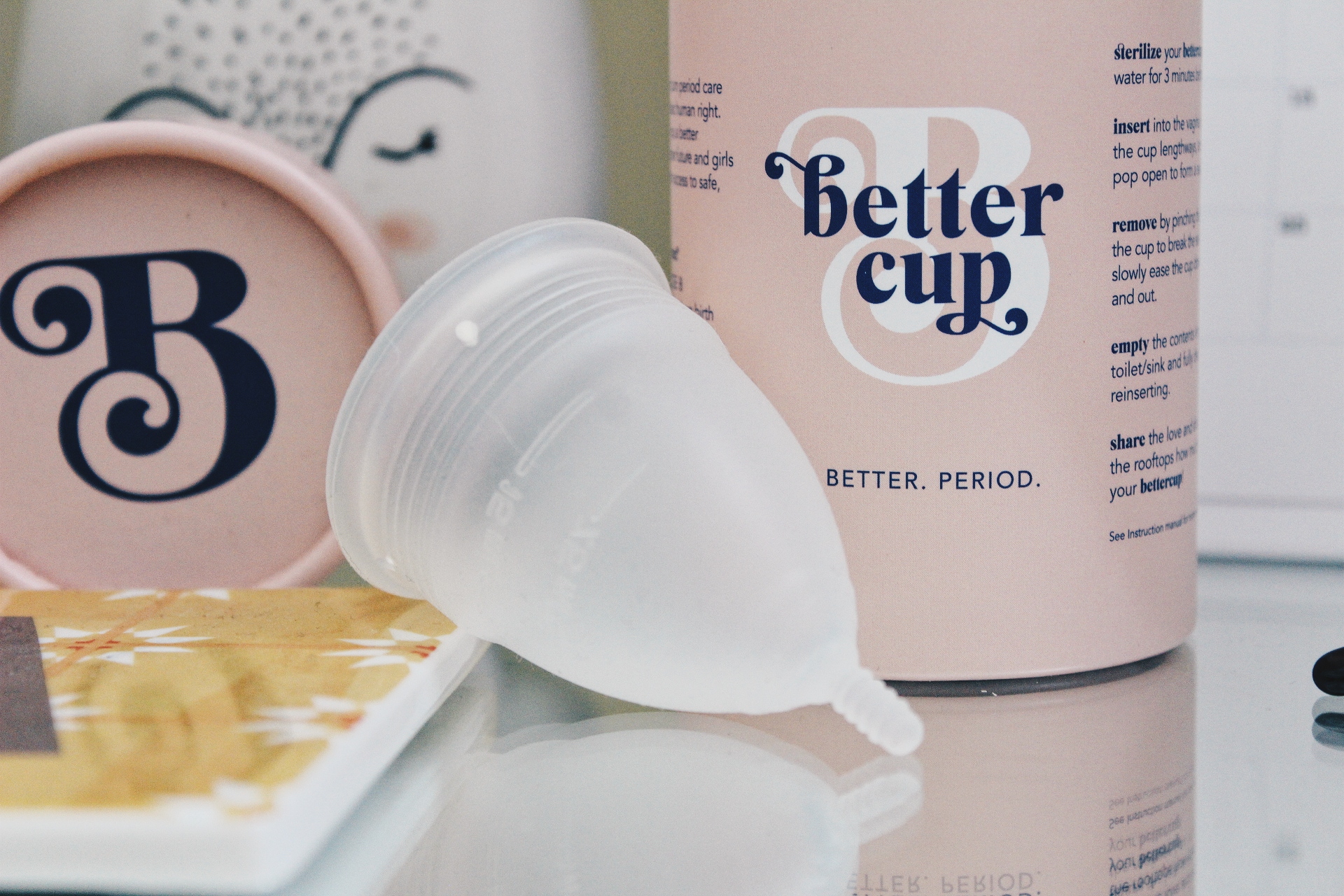
    Their business, Bettercup, provides reusable cups in various shapes for both rent and purchase to suit different budgets. “Clients can choose between our Bettercup branding or the branding can be customized to the event,” Christie explains. “We emphasize that the cups should always be designed with longevity in mind so that they can be reused many times,” she adds. So, they eschew branding that includes dates or other details that aren’t suitable for reuse, and after each event they service, they provide a report that analyses the amount of waste saved by using their cups compared to going down the single-use route. “This is a neat way for people to see how a simple change can have a huge positive environmental impact,” Christie explains.

    Sam says that the scope for reusable cups is basically endless. “Any time you’re using a single-use cup, you could be using a reusable one!” he says. Bettercup has been adopted as the provider of choice by local councils, stadia, universities, and breweries as well as many other types of events. “We offer cup washing, either on or off-site, as well as end-to-end consulting for those who want to implement their own reuse systems but aren’t sure where to start,” Sam says. “With reusable, you’ll always get that extra labor factor, so we do our best to make sure our customers are prepared to either take that on themselves or hand it all over to us.”

    In 2020, Christie was the project manager on behalf of the Sustainable Event Alliance for the Global Reusables on that organization’s Events Hygiene Project that led to the creation of a global working group made up of event industry, health and safety and sustainability stakeholders. “The guidelines detail the global best practices for implementing reusables consistently and safely at events and venues, and were released publicly in October 2020,” Christie says. “We also have an amazing partnership with Green Music Australia, a like-minded charity that harnesses the cultural power of the music scene to create a greener future. We’ve collaborated with them on a number of initiatives across various events in order to achieve the common goal – to reduce waste!”

    Despite their work, the enthusiasm for it – Bettercup has recently expanded its operations into New Zealand – and the type of global initiative they’re involved with, Sam and Christie feel that the broader business community needs to go a lot further in the fight against single-use plastics, and waste in general. “At the moment it [waste] seems to be brushed off as a non-issue,” Sam says. “If businesses address this by highlighting areas where waste is a problem – even just by removing single-use cups and stirrers in office kitchens – then workers will start to think about the waste they’re generating and how they can mitigate against it.”

    For her part, Christie believes that making informed, good environmental choices behind the scenes is just as important as what customers see up front. “Using ethical banks, suppliers with active sustainability policies in place and choosing local options wherever possible drive the necessary systemic changes we need for a sustainable future,” Christie avers.

  • South Korea introducing disposable cup deposits

    South Korea introducing disposable cup deposits

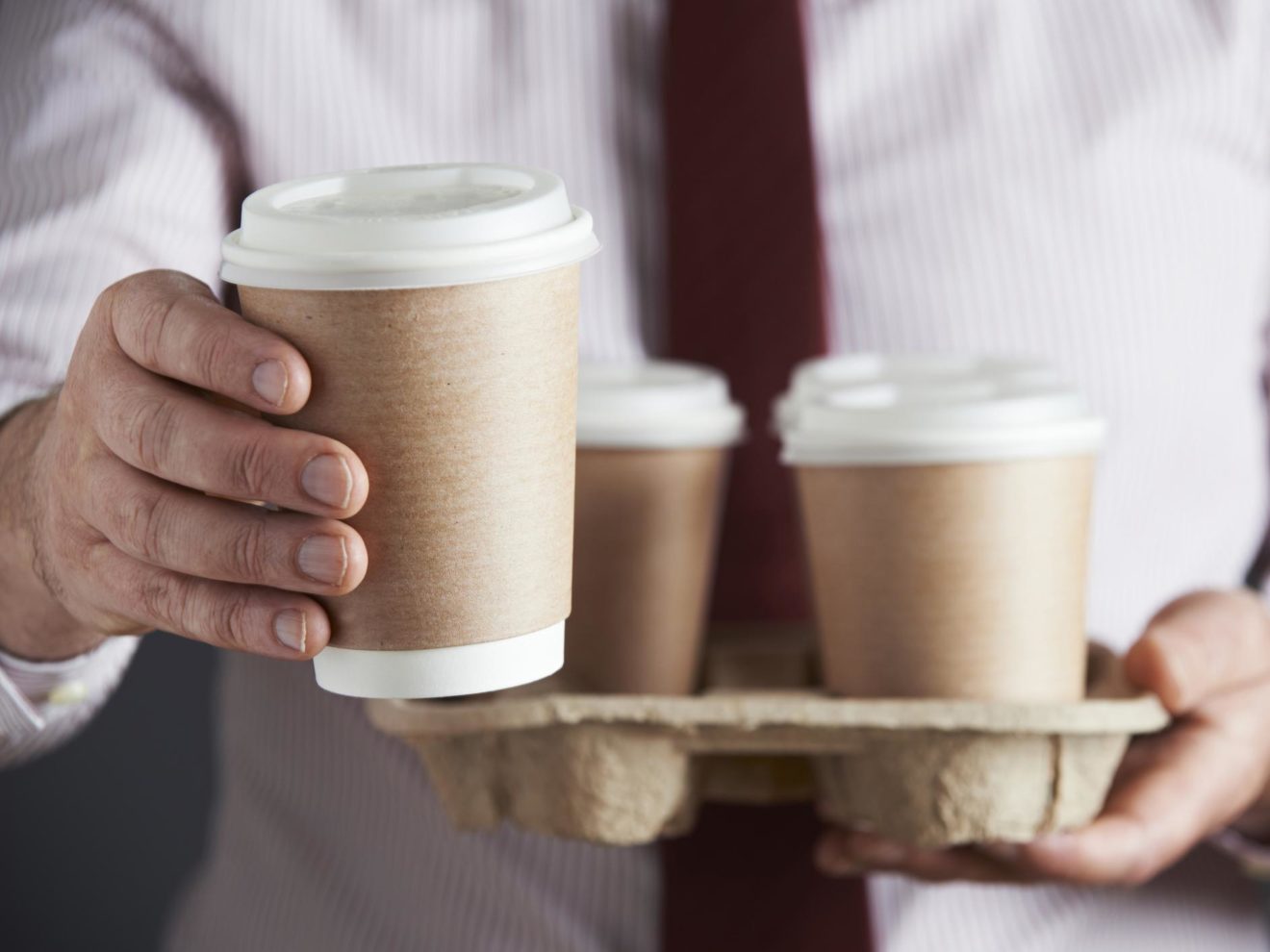
    South Korea is set to introduce disposable cup deposits at coffee shops and fast-food outlets, starting 2022, in its latest efforts to cut carbon emissions.

    Under a set of bills approved in Parliament this week, businesses will factor the deposits into prices and refund the amount when customers return used disposable cups. It usually takes from six months to two years for passed bills to go into effect.

    The country’s environment ministry said it plans to set the value of disposable cup deposits based on manufacturing costs and policy needs.

    The ministry expects the policy to help reduce carbon emissions by 66 percent by boosting recycling and cutting costs related to waste incineration.

    It estimated the economic benefits coming from the plan would total 44.5 billion won (US$36.2 million) each year.

    The ministry also plans to minimise the inconvenience by allowing consumers to return the cups anywhere (ie: not from where the cup was purchased) through talks with relevant industries.

  • Disposable cups transformed into photographic paper

    Disposable cups transformed into photographic paper

    The use of disposable cups and other products is on the rise as consumers are prioritizing safety from the coronavirus.

    Disposable protective masks, plastic gloves, and plastic cups are being consumed en masse across South Korea and elsewhere in Asia.

    In the meantime, a new ‘filaroid’ service that recycles disposable products into photographs is becoming popular.

    Disposable cups made from paper, are notorious for hurting the environment due to the laminated substance in the cup’s interior which makes it very difficult to be recycled.

    Filaroid replaces plastic photographic papers with an eco-friendly material recycled from paper cups.

    Paper disposable cups are usually thrown away without any particular damage, making it easier to recycle their sturdy fibre which can be used in photographic paper.

    Downloading a filaroid app on a smartphone allows users to create and edit photos that they want to be printed on the recycled photographic paper.

    “We are working on teaming up with a local paper producer to begin mass production of photo paper recycled from paper cups,” said Oh Seung-ho, CEO of Taeoa Corp, a filaroid service provider.

    Environmental value and profits raised from the recycled products are shared again with consumers. Filaroid offers free printing services every month to reduce the amount of paper cups incinerated each year.

  • Animal rights activists condemn Taylor Swift for accepting Melbourne Cup offer

    Animal rights activists condemn Taylor Swift for accepting Melbourne Cup offer

    Multiple Animal rights activists have flooded Taylor Swift’s social media channels asking her to refuse the offer that she just accepted from the Melbourne Horse Racing Cup 2019.

    According to a Guardian report, animal activist coalitions are starting campaigns all over websites such as Facebook, Instagram, and Twitter imploring the famous American singer to “not entertain horse killers”.

    According to the activists, racing tournaments kill hundreds if not thousands of horses almost on a yearly basis, due to the terrible conditions and inhuman treatment.

    The organizers of the Melbourne Cup have yet to respond to these kinds of claims, as the mistreatment of horses has never been discussed before.

    One comment that we can base the condition of the cup on is from the chief executive of the Victoria Club himself, Neil Wilson.

    Wilson expresses his gratitude and excitement about Swift’s performance during the race and hopes they can captivate her with the entertainment they’ve been offering to the public for decades.

    What else do the activists protest?

    Further allegations from the animal rights activists mention the use of animals’ lives as profit from gambling activities within the country.

    Aside from regular casino games and sports betting, horse racing bets are some of the most popular forms of gambling in Australia and have been for more than a century.

    Mick Arnold, a betting options provider for some of the best Australian VIP casinos has commented:

    “I don’t understand where the accusations of the animal rights activists are coming from.

    Every single horse breeder and the professionals themselves take extremely good care of their animals.

    And why wouldn’t they? An unhealthy horse isn’t in a shape to win the race, so why would they use it for the sport?

    I believe that animal rights activists are basing their accusations on emotions rather than facts. Every horse that takes part in these races is treated humanely and with great care.”

    It is unlikely for Arnold’s comments to be taken well by the animal rights activists, as he represents the companies these people are actually protesting.

    But when it comes to Taylor Swift herself, it needs to be noted that the “#NupToTheCup” is still relatively new, and she may not have had the chance to notice it on some of her channels.

    Whether or not she refuses the concert is yet to be seen, but considering how well her initiative was received by the executive director, it is unlikely to be the case.

  • Twiice launches edible coffee cups

    Twiice launches edible coffee cups

    New Zealand-based online retailer Twiice has recently launched single-use coffee cups that are both biodegradable and edible.

    Twiice director Jamie Cashmore said it took four years to create the product and the company only felt ready to launch it to the public recently. They are now offering pre-orders on their website and have stocked one cafe, Freaky Cafe on Wakefield Street in Auckland.

    Plastic pollution has been a major problem worldwide for years. Tonnes of plastics are estimated to wind up in the ocean each year. A United Nations report has even identified this as a major global health risk.

    Twiice’s coffee cups avoid this waste issue by being compostable, meaning they degrade into soil within days. But Cashmore is hoping people will just eat them instead.

    “Every cup eaten is one saved from the landfill,” he said.

    The cups, which are made of a firm biscuit substance formulated by Cashmore and his wife Simone and his parents, taste like cookies and are baked in a way that sogginess is not a problem.

    “We have developed a method to make the cups over the last four years,” he said. “It’s this method that makes the cups able to take hot drinks.”

    The business is currently based in Auckland, but Cashmore said they are planning to branch out in a month or so.

    “We’ve only been open three weeks and are accepting pre-orders on our website,” he said.

    Cashmore said they can’t stock more coffee shops for another four weeks because they are still waiting for the packaging.

    “We are currently waiting on our wholesale packaging which should arrive in a month or so. Then we’ll be able to ship all over New Zealand.”

    Cashmore said he and his family started the business in 2015 and it took them four years to finish the product.

    “There’s a variety of things going on in the market around coffee cups, with a range of compostable, reusable (with a deposit), and now edible products becoming available in the market,” he said. “They are awesome products, but likely to be fairly niche for the moment.”

    Cashmore said the new cups could soon enter the mainstream and might help wean consumers off their plastic habit.

  • Thousands of visitors sample Indonesian coffee in Amsterdam

    Thousands of visitors sample Indonesian coffee in Amsterdam

    Visitors at the “Taste of Amsterdam” annual culinary promotion event in Amsterdam, the Netherlands, sampled Indonesian coffee, noted a press release from the Indonesian Embassy in The Hague, the Netherlands, received by ANTARA News here, Tuesday.

    At the annual event, some 5,314 people were able to sample coffee in a booth themed “Indonesia Coffee House.”

    Indonesian Ambassador to the Netherlands I Gusti Agung Wesaka Puja stated that the Taste of Amsterdam was an event for Indonesia to conduct culinary diplomacy.

    “This year is the third time the Embassy in The Hague has participated in the event. In 2016, we are promoting Indonesian coffee,” he noted.

    Coffee has become a part of the history of relations between Indonesia and the Netherlands as it was the Dutch traders who had brought coffee seeds to Indonesia in the 17th century.

    According to the ambassador, coffee is one of Indonesias leading export commodities. Indonesia is the fourth-largest coffee producer in the world. In 2015, Indonesia had produced 550 thousand tons of coffee beans.

    Until the end of the event, 7,001 people had visited the Indonesia Coffee House and enjoyed coffee and Indonesian culinary delicacies.

    Among those visiting the booth, 5,314 people sampled Aceh Gayo and Malabar Natural coffees, which were served free of charge.

    Harry Puts, a visitor, praised the taste of Indonesian coffee. He suggested that Indonesian coffee should be made without blending it with coffee from other regions.

    Some cafe businesses and food importers have contacted the Indonesian Embassy in The Hague and have expressed their keeness to start selling Indonesian coffee in the Netherlands.

    As many as 125 renowned restaurants and cafes from all over the Netherlands took part in the Taste of Amsterdam event in 2016. Every year, the event receives over 30 thousand visitors, with each spending at least 50 Euros to enjoy food and beverages at the event.