Tag: cupertino

  • Apple Launches $299 HomeView Smart Display in Siri AI Connected Home Push

    Apple Launches $299 HomeView Smart Display in Siri AI Connected Home Push

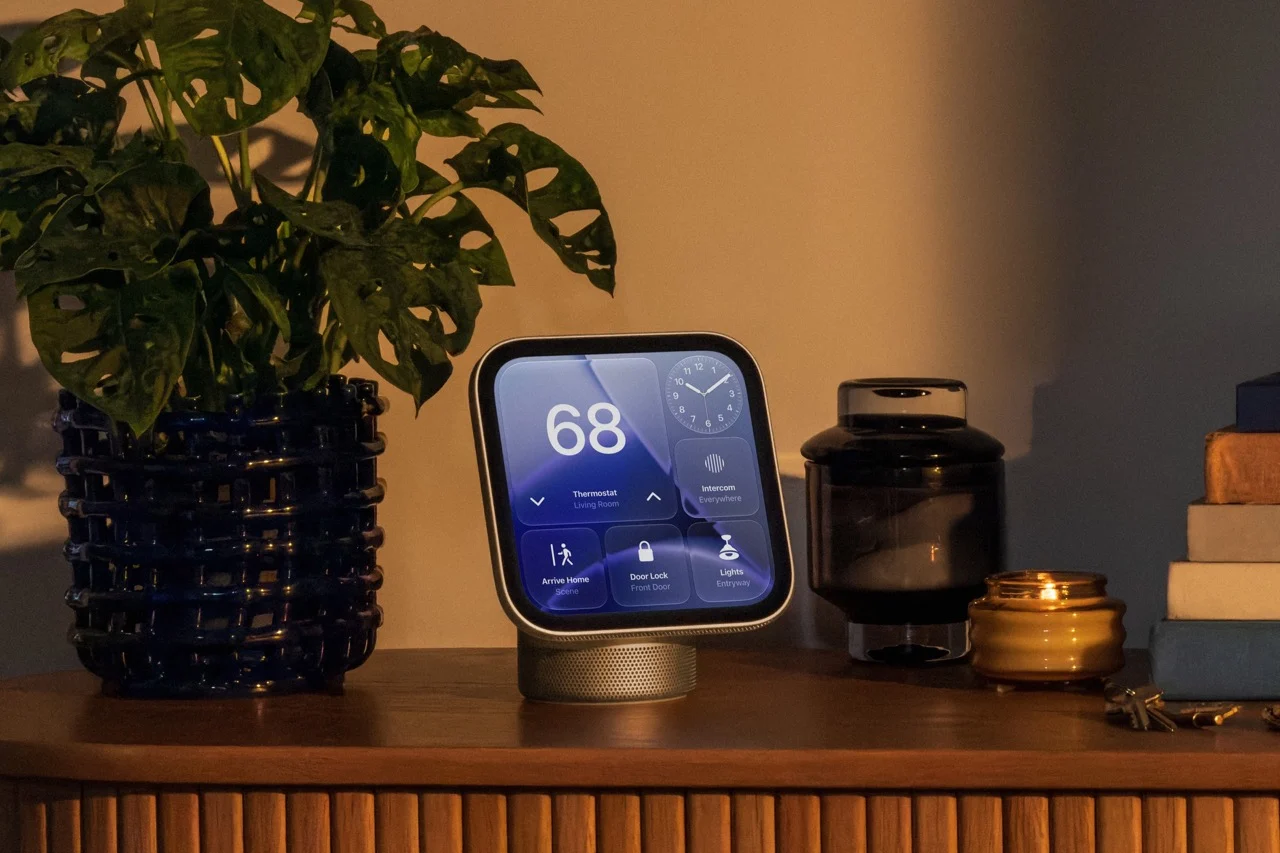
    Apple rolled out its HomeView smart display on Tuesday priced from $299. The device aims to revive the company’s connected home division with upgraded Siri artificial intelligence features.

    Shipments of the 7-inch touchscreen begin next month. The hardware incorporates facial recognition to control doorbells, thermostats and digital locks across household networks.

    The display resembles the arm-mounted screen of Apple’s classic sunflower iMac desktop. It displays customized app icons based on which resident stands in front of the camera. Voice control through Siri handles primary navigation rather than manual taps, tying the hardware directly to Apple’s home operating environment.

    Hardware specifications and partner accessories

    Alongside HomeView, Apple updated its HomePod smart speaker and Apple TV set-top box. To solve peripheral compatibility hurdles that stalled previous smart home initiatives, Apple partnered with South Korea’s LG and European industrial group Schneider Electric to release companion doorbells, indoor cameras and smart thermostats tailored for the ecosystem.

    That collaboration aims to widen peripheral distribution through third-party retail channels and regional electronics chains. Apple has struggled to build standalone smart home market share in those venues over the past decade.

    Services revenue and platform competition

    Hardware expansion into residential hubs serves a broader financial target: sustaining subscription revenue across services including iCloud, Apple TV and Apple Pay. Visible Alpha Research at S&P Global Market Intelligence projects Apple’s annual services revenue will rise 12 per cent to $138 billion by 2027.

    Securing the living room countertop is essential for that growth curve. Smart displays act as persistent digital billboards inside consumer households, driving daily engagement with paid streaming and cloud storage platforms.

    Competitors hold an entrenched lead. Amazon expanded its smart hardware lineup last week with dedicated tablets running Alexa, backing an existing base of Echo smart speakers and Ring security systems. Artificial intelligence developer OpenAI is also exploring proprietary consumer devices.

    “Apple needs to demonstrate that its AI capabilities can deliver meaningful benefits beyond basic voice commands, simplifying everyday tasks and bringing greater intelligence to the home,” said PP Foresight analyst Paolo Pescatore.

    Upgraded Siri and multi-year AI deals

    Apple overhauled Siri’s underlying software architecture during its Worldwide Developers Conference earlier this year. That work leaned on a multi-year foundation model partnership signed with Google in January 2026. The upgraded assistant processes conversational commands locally and via secure cloud servers, matching query context across connected household devices.

    Retail availability begins across global markets in November 2026. Initial shipments will test consumer appetite for premium smart home displays against lower-cost alternatives.

  • Apple to Unveil First Foldable iPhone as Sector Shipments Grow 30%

    Apple to Unveil First Foldable iPhone as Sector Shipments Grow 30%

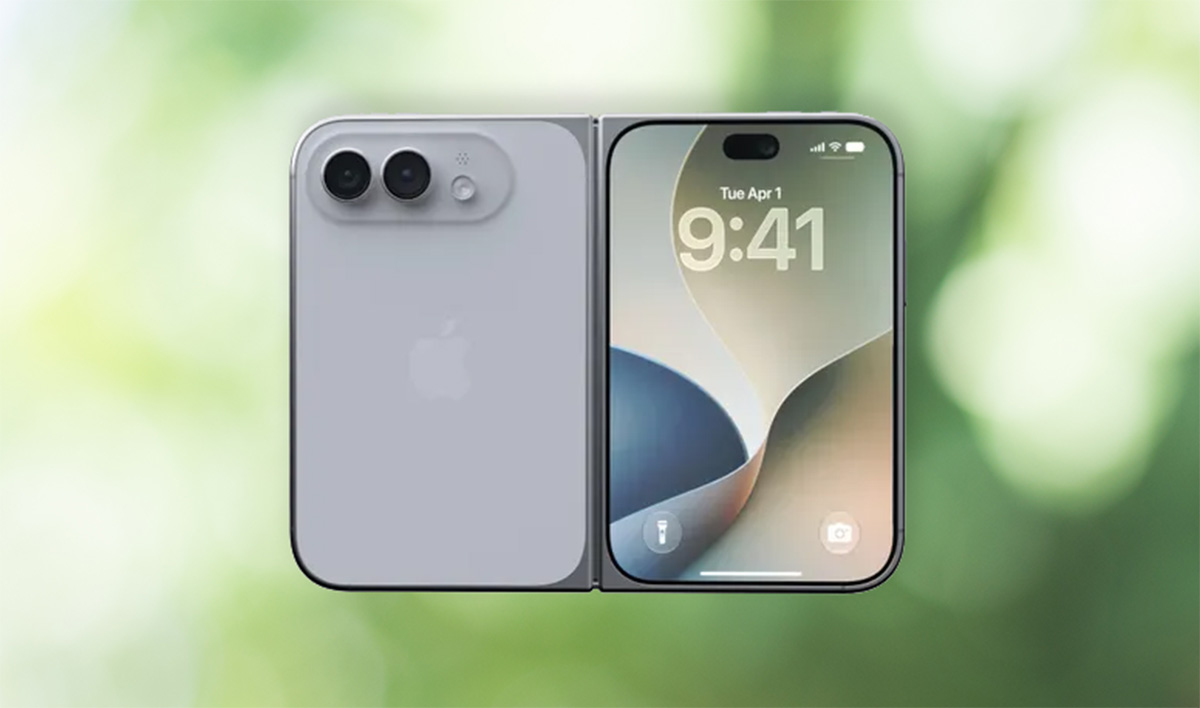
    Apple is expected to unveil its maiden foldable iPhone at its Cupertino headquarters later on Wednesday, entering a product category where Asian rivals hold a combined 70 per cent share.

    Samsung leads the global foldable smartphone sector with a share of about 40 per cent, followed by Huawei with 30 per cent, according to research firm Counterpoint.

    The new handset is expected to adopt a wider passport-style aspect ratio geared toward video and media consumption, arriving as supply-chain advances make flexible displays more durable and less prone to creasing.

    Asian Rivals Defend Premium Dominance

    For Samsung and Huawei, Apple’s entry turns a high-margin hardware niche into an open battleground across Asian retail channels. Both manufacturers spent years refining flexible hardware, using early technical missteps to improve hinge durability and lock down premium market share in China, South Korea and Southeast Asia.

    Asian component suppliers and display manufacturers stand to gain volume as Apple scales production. The primary risk sits with Android hardware makers in the upper price tiers, who lose their sole hardware differentiator once iOS software is available on a flexible screen.

    The Long March from Early Hinges

    Chinese display maker Royole shipped the first commercial foldable device in 2018 with its outward-folding FlexPai. Samsung launched the US$2,000 Galaxy Fold in 2019, withdrawing initial review units to redesign the display before releasing refined models such as the Fold 8. Huawei followed with the Mate X in 2019, before pushing hardware boundaries further in September 2024 with a US$2,800 tri-fold model.

    Apple’s entry will surely increase competition at the premium end. However, foldables are still a very small part of the overall smartphone market, so there is room for the category to grow well beyond current volumes.

    Growth Divergence in Handset Shipments

    Foldable devices account for a single-digit percentage of total handset sales, constrained by high retail pricing and consumer doubts over long-term screen durability. Google entered the segment in 2023 with the US$1,799 Pixel Fold, while Microsoft discontinued its dual-screen Surface Duo line.

    Research firm IDC expects global foldable shipments to grow nearly 30 per cent this year, outpacing an estimated 1.4 per cent decline in standard smartphone sales as Apple unveils its device later on Wednesday.

  • Tim Cook Steps Down as Apple Chief Executive and Hands Reins to John Ternus

    Tim Cook Steps Down as Apple Chief Executive and Hands Reins to John Ternus

    Tim Cook will step down as Apple chief executive to become executive chairman, handing control of the 4.5 trillion dollar company to hardware chief John Ternus.

    The transition ends a 15-year tenure that increased Apple’s annual sales from 108 billion dollars to 416 billion dollars, with net profit surging fourfold to 112 billion dollars.

    Cook will guide Apple’s government relations and trade strategy between Washington and Beijing starting September 1. A regulatory filing shows Ternus receives a base salary of 3 million dollars and an annual equity target of 55 million dollars beginning in 2027. Cook will draw an annual salary of 2 million dollars effective September 26, alongside a 45 million dollar target award in restricted stock units.

    The Asian Manufacturing Pivot

    Ternus inherits a hardware empire undergoing its biggest geographic realignment since the launch of the original iPhone. Apple is shifting assembly lines outward from mainland China to insulate its retail pricing from tariffs and geopolitical disputes. The company plans to manufacture the majority of US-bound iPhones in India by the end of 2026, while routing AirPods and iPad assembly through Vietnam.

    Cook built Apple’s initial dominance on Chinese factory scale, but the post-pandemic supply map demands distributed capacity. For electronics retailers and component suppliers across Asia, the succession confirms that Apple’s diversification away from single-country manufacturing will continue under a hardware-focused chief executive.

    Hardware Strategy and Artificial Intelligence

    Beyond factory logistics, Ternus faces immediate product hurdles across consumer markets. Wearables generated 35 billion dollars in fiscal 2025 sales from devices like the Apple Watch and AirPods, yet the 3,499 dollar Vision Pro headset struggled to capture high volumes. Apple also scrapped its decade-long electric vehicle program in 2024 and continues working to catch rivals in artificial intelligence features and voice assistance.

    The new leadership team must now execute the late-2026 India iPhone production target without eroding gross margins across the 2.5 billion active device base.

  • John Ternus to Take over as Apple CEO as Tim Cook Becomes Executive Chairman

    John Ternus to Take over as Apple CEO as Tim Cook Becomes Executive Chairman

    Apple chief executive Tim Cook will step down after 15 years, handing leadership of the US$4.5 trillion tech company to hardware head John Ternus.

    Cook expanded Apple from a US$350 billion business into the world’s most valuable hardware maker before preparing to shift into the executive chairman role in September.

    Hardware leadership and AI priorities

    Ternus takes charge as Apple faces growing pressure across artificial intelligence development and device assembly. Having run Apple’s hardware engineering division, he oversaw major product portfolios across iPhone, Mac, and iPad product cycles.

    Cook built Apple’s post-2011 growth on rigorous manufacturing coordination and deep consumer distribution networks. His operational playbook turned the brand into a retail powerhouse across China, Japan, and newer retail growth corridors such as India and Southeast Asia.

    Production footprint and next steps

    For electronics supply chains in Asia, the executive change lands as hardware brands reshape procurement and expand production footprints beyond mainland China into India and Vietnam. Regional competitors are simultaneously pushing rapid consumer AI deployments to test Apple’s premium smartphone sales.

    Ternus takes the top post this September as Cook moves into the board chairmanship.