Retail News CRM

Tag: cups

  • Nespresso to reward consumers who return pods for recycling

    Nespresso to reward consumers who return pods for recycling

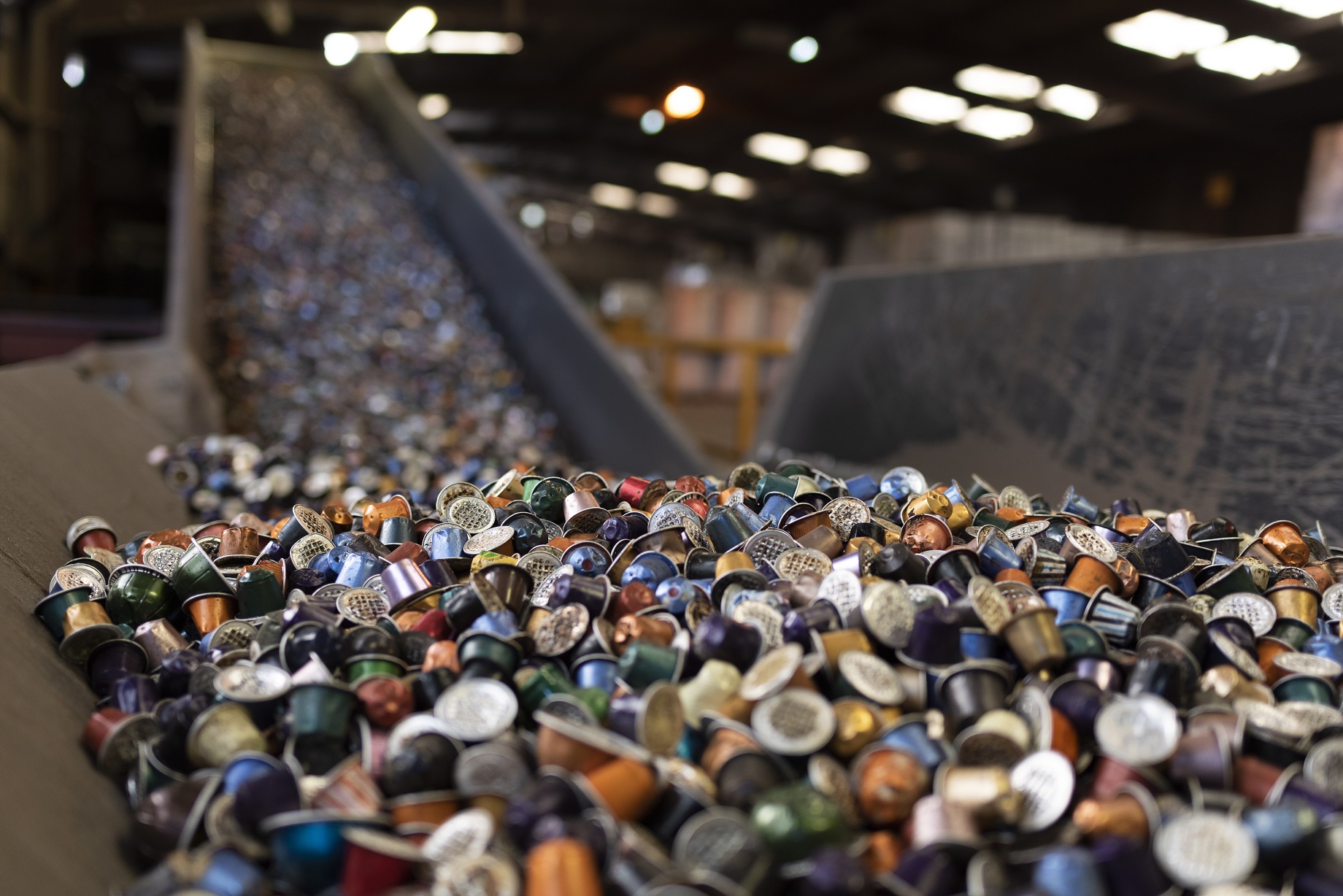
    Nespresso has launched a new Recycling Rewards scheme, offering consumers incentives to recycle their used aluminum coffee capsules at Nespresso boutiques.

    From 16 to 30 June, anyone who returns a full bag of 100 used aluminum coffee capsules of any kind to a Nespresso Boutique can receive a free gift in return.

    Rewards include a free sleeve of Nespresso coffee, a notebook made with recycled coffee grounds, and a beach towel. To claim their gift, participants must register their recycling via a QR code in-store.

    “Over the last decade, our recycling program has evolved to ensure convenient access to every customer in Australia, with multiple channels for involvement. Now, we are exploring new ways to accelerate participation, starting with [Nespresso] boutiques,” says Jean-Marc Dragoli, General Manager at Nespresso Oceania.

    “The Recycling Rewards trial is part of a broader strategy which seeks to better understand recycling behavior, raise awareness of and engagement with our recycling program, and give more aluminum coffee capsules a second life.”

    The two-month trial is part of Nespresso’s commitment to creating a sustainable, circular coffee economy. It aims to accelerate participation in the company’s coffee capsule recycling program while gathering valuable insights into whether incentives have a role to play in driving recycling behaviour in the future.

    Once returned to Nespresso, used capsules are taken to a dedicated recycling facility in New South Wales where the coffee grounds and aluminium are separated. The recovered coffee grounds are sent to another local facility and used as soil in landscaping applications or compost. The aluminium component of the capsule is compacted and sent for smelting and refining. Aluminum is recyclable and can be used to make a range of products from bicycles to mechanical pencils.

    The Recycling Rewards trial is boutique-based only, however, Nespresso’s broader recycling program currently offers three additional ways for customers to recycle, including dropping capsules off at a participating collection point, posting capsules back to Nespresso using a special Australia Post satchel, and the option to participate in a bulk recycling collection initiative where workplaces or community locations can become a recycling point.

    To find out more about the Recycling Rewards initiative, visit www.nespresso.com/au/en/recycling-rewards.

  • Starbucks giving 2 million reusable cups away across Asia Pacific

    Starbucks giving 2 million reusable cups away across Asia Pacific

    Starbucks is giving away 2 million reusable cups across the Asia Pacific on Tuesday as part of its global commitment to reduce the waste footprint by 50 percent by 2030.

    The initiative, starting Tuesday, coincides with the coffee chain’s 50th anniversary. Starbucks’ new campaign aims to encourage its customers to use reusable cups when buying beverages and shift away from single-use plastics.

    The Starbucks limited-edition 50th anniversary cups will be first rolled out across selected Asia Pacific markets before expanding across the region in the coming months. The coffee chain said on September 28 alone, it expects to reach more than 2 million customers across the Asia Pacific region.

    “As we mark our anniversary milestone, this reusable cup is our gift to customers and our invitation to join Starbucks on our journey to becoming a resource-positive-company,” said Sara Trilling, president at Starbucks Asia Pacific.

    “This step is only one part of many more to come. Together with our customers, we’re constantly innovating new ways to scale more sustainable solutions across the region.”

    The offer will be available at participating stores, as well as select Mobile Order & Pay and delivery channels, across Cambodia, Hong Kong, Indonesia, Korea, Malaysia, Singapore and Taiwan, with an India offer on October 2.

    Customers are encouraged to bring back their cups when they next visit Starbucks to enjoy benefits and redeem additional offers.

  • 7-Eleven, Simply Cups rescue 20 million cups from landfill

    7-Eleven, Simply Cups rescue 20 million cups from landfill

    “Australians love their coffee so it’s vital that they can easily and reliably recycle their disposable coffee cup and reduce the huge number of takeaway cups that currently end up in landfill each year,” Assistant Minister Evans said. “Rather than just being put into the rubbish bin and ending in landfill, Simply Cups collect and then reprocess the used coffee cups, transforming them into new items like outdoor furniture, coffee cup trays, and even traffic solutions like roadside kerbing.”

    “Simply Cups’ recycling scheme now collects almost 1 million cups every month Across Australia, with nearly 1000 collection points at 7-Eleven stores, cafes, hotels, hospitals and universities,” said Assistant Minister Evens. “Australians care deeply about recycling, and disposing of coffee cups at a designated Simply Cups collection point, they will be doing their part to increase recycling and reduce waste. This is a great practical example of Australia’s growing circular economy in action, and shows how we will all benefit from an invigorated waste and recycling industry.”

    Founded by circular economy specialist Closed Loop, Simply Cups has installed almost 1,000 cup collection points across Australia in less than three years, including 632 7-Eleven stores nationwide. Rob Pascoe, Closed Loop Managing Director, said Simply Cups aims to make cup recycling mainstream and to recycle 100 million cups every year.

    “Simply Cups is a perfect example of the circular economy in action,” said Pascoe. “It is a practical solution that increases recycling rates and reduces waste, while creating supply and demand for products made from recycled material. It is fantastic to see so many people embracing Simply Cups, because it really is a win-win for the environment and the economy.”

    “Our circular economy will grow quickly if people choose Australian-made and recycled over other alternatives. After all, recycling doesn’t actually happen when you put an item in a bin, it only happens when that item is given a second life,” Pascoe added.

    7-Eleven is the pioneering partner of Simply Cups and leads the way with the most collection points and most cups diverted from landfill (2.7 million cups since 2018).

    “Saving 10 million coffee cups from landfill is a fantastic achievement, but it’s just the tip of the iceberg,” said 7-Eleven Chief Executive Officer, Angus McKay. “We encourage customers to up the ante and deliver any brand of used coffee cup or straw to our cup collection points at store, and we’ll make sure they get recycled via Simply Cups.”

    “We agree that the best option is not to create waste in the first place. We encourage reusable coffee cups and have an rCUP available for purchase, which is a reusable coffee cup made from recycled coffee cups. We also regularly run promotions on Slurpee bottles to encourage the use of those instead of paper cups.”

    “In addition, we’re rolling out a Cup Rescue community program to fund the recycling of cups for small business, community groups and schools by providing them with their own cup collection units.  This is perfect for organisations that are either too small to set up their own recycling with Simply Cups or are community organisations like schools,” said McKay.

    As well as 7-Eleven stores, Simply Cups collection points can now be found in cafes, office buildings and shopping centres across Australia. Simply Cups has grown exponentially since starting in May 2017, collecting 1 million cups in the first 12 months and 10 million cups within 3 years.

  • McDonald’s US starting up innovating cup-reusing system with Terracycle

    McDonald’s US starting up innovating cup-reusing system with Terracycle

    McDonald’s is to launch a reusable cup option for hot beverages with TerraCycle’s circular packaging service Loop. At first, the service will be trialed in the US before being introduced in other markets.

    In the program, customers will get the durable cup for a small deposit, which can be redeemed by returning the cup to participating McDonald’s restaurants. The Loop system, in partnership with Ecolab, will sanitize the cup for the next use.

    “We’re on a journey to rethink how we package products to give customers options that reduce waste, maintain the highest safety standards, and enhance the McDonald’s experience they expect and enjoy,” said Jenny McColloch, vice president global sustainability at McDonald’s.

    “This pilot will generate important local insights and lessons to share along the way. We will accelerate circular-packaging solutions with our partners around the globe,” McColloch said.

    McDonald’s will pilot the campaign at select McDonald’s restaurants in the UK next year. McDonald’s has invested in several packing initiatives across the world, including the Recup system in Germany and NextGen Cup Challenge in the US.

    “The partnership paves the way for reusables to become an accessible option for consumers as they enjoy their meal on the go.” said Tom Szaky, CEO at TerraCycle and Loop.

    As yet, no images of the new device have been released, and it is not clear what it will be constructed of. Nor is it clear if the cups will be washed in stores or returned to a central hub.

  • Disposable cups transformed into photographic paper

    Disposable cups transformed into photographic paper

    The use of disposable cups and other products is on the rise as consumers are prioritizing safety from the coronavirus.

    Disposable protective masks, plastic gloves, and plastic cups are being consumed en masse across South Korea and elsewhere in Asia.

    In the meantime, a new ‘filaroid’ service that recycles disposable products into photographs is becoming popular.

    Disposable cups made from paper, are notorious for hurting the environment due to the laminated substance in the cup’s interior which makes it very difficult to be recycled.

    Filaroid replaces plastic photographic papers with an eco-friendly material recycled from paper cups.

    Paper disposable cups are usually thrown away without any particular damage, making it easier to recycle their sturdy fibre which can be used in photographic paper.

    Downloading a filaroid app on a smartphone allows users to create and edit photos that they want to be printed on the recycled photographic paper.

    “We are working on teaming up with a local paper producer to begin mass production of photo paper recycled from paper cups,” said Oh Seung-ho, CEO of Taeoa Corp, a filaroid service provider.

    Environmental value and profits raised from the recycled products are shared again with consumers. Filaroid offers free printing services every month to reduce the amount of paper cups incinerated each year.

  • Juice bar makes appealing bioplastic cups from orange peels

    Juice bar makes appealing bioplastic cups from orange peels

    International design and innovation office Carlo Ratti Associati has developed an experimental orange squeezer that 3D-prints bioplastic cups from orange peels.

    The “Feel the Peel” project was completed in partnership with global energy company Eni with the aim to bring circularity to everyday life. The juice bar turns squeezed oranges into a filament that is dried, milled, and converted into a bioplastic by combining the substance with polylactic acid. The plastic is then printed into recyclable cups that can be used to drink fresh orange juice.

    The 3.1-meter-tall prototype, topped with a dome filled with 1,500 oranges, will start touring public spaces around Italy over the coming months.

    “The principle of circularity is a must for today’s objects,” said CRA founding partner and MIT director of the sensible city lab Carlo Ratti which designed a system which makes bioplastic cups from orange peels.

    “Working with Eni, we tried to show circularity in a very tangible way, by developing a machine that helps us to understand how oranges can be used well beyond their juice. The next iterations of Feel the Peel might include new functions, such as printing fabric for clothing from orange peels.”

    The project is among a series of collaborations between CRA and Eni exploring circularity and design

  • Twiice launches edible coffee cups

    Twiice launches edible coffee cups

    New Zealand-based online retailer Twiice has recently launched single-use coffee cups that are both biodegradable and edible.

    Twiice director Jamie Cashmore said it took four years to create the product and the company only felt ready to launch it to the public recently. They are now offering pre-orders on their website and have stocked one cafe, Freaky Cafe on Wakefield Street in Auckland.

    Plastic pollution has been a major problem worldwide for years. Tonnes of plastics are estimated to wind up in the ocean each year. A United Nations report has even identified this as a major global health risk.

    Twiice’s coffee cups avoid this waste issue by being compostable, meaning they degrade into soil within days. But Cashmore is hoping people will just eat them instead.

    “Every cup eaten is one saved from the landfill,” he said.

    The cups, which are made of a firm biscuit substance formulated by Cashmore and his wife Simone and his parents, taste like cookies and are baked in a way that sogginess is not a problem.

    “We have developed a method to make the cups over the last four years,” he said. “It’s this method that makes the cups able to take hot drinks.”

    The business is currently based in Auckland, but Cashmore said they are planning to branch out in a month or so.

    “We’ve only been open three weeks and are accepting pre-orders on our website,” he said.

    Cashmore said they can’t stock more coffee shops for another four weeks because they are still waiting for the packaging.

    “We are currently waiting on our wholesale packaging which should arrive in a month or so. Then we’ll be able to ship all over New Zealand.”

    Cashmore said he and his family started the business in 2015 and it took them four years to finish the product.

    “There’s a variety of things going on in the market around coffee cups, with a range of compostable, reusable (with a deposit), and now edible products becoming available in the market,” he said. “They are awesome products, but likely to be fairly niche for the moment.”

    Cashmore said the new cups could soon enter the mainstream and might help wean consumers off their plastic habit.

  • Single-use cup consumption on the fall in South Korea

    Single-use cup consumption on the fall in South Korea

    Single-use cup consumption at Korean fast-food restaurants has plunged by 72 per cent.

    The changes have occurred in the year since establishments began to participate in a move initiated by the government to pull back plastics use.

    The Korean Ministry of Environment assessed 1000 outlets under 21 brands over the past year, of which 16 were coffee chains (including Starbucks) and five fast-food restaurants (including Lotteria and McDonald’s) all located in metropolitan Incheon and its environs.

    The findings showed that 81 per cent of the outlets served beverages in multi-use cups, reducing the stores’ reliance on disposable cups from 206 tons last July to 58 tons in April. All brands assessed offered discounts to customers bringing their own cups, and many replaced plastic drinking straws with other alternatives.

    “We can live without disposable products and they can be replaced,” said a ministry official. “It is inconvenient without them, but we have to make the effort.”

  • Capsules serve up competition in Singapore’s coffee market

    Capsules serve up competition in Singapore’s coffee market

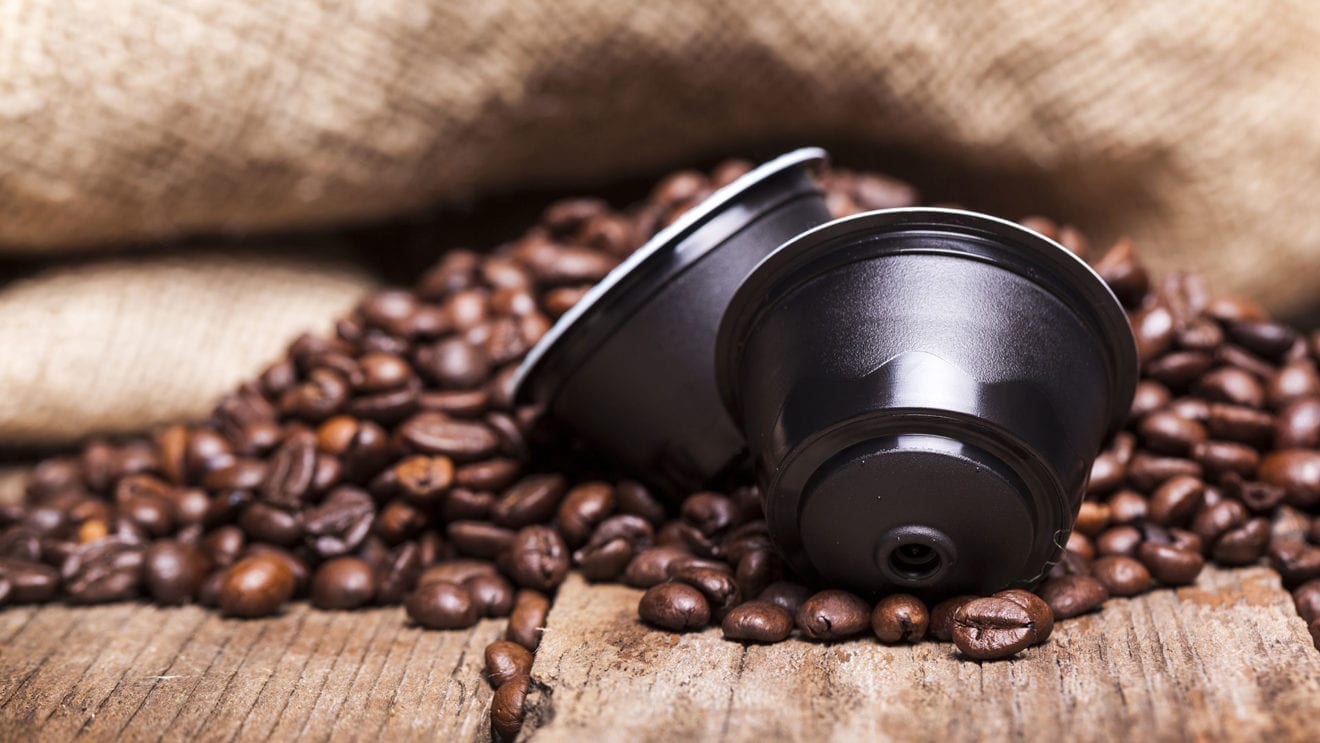
    These days, Ms Crystal Ling’s morning coffee comes in the form of a teal-coloured, bucket-shaped capsule.

    By popping it into a Nespresso machine in her office’s pantry, black coffee covered by a light caramel-coloured froth fills her espresso cup in about 40 seconds.

    “I like dark espresso that’s a bit bitter. There’s a café near my office that has what I want but at S$7 a cup, it’s not something that I should be having every day,” said the 27-year-old marketing executive, who is contemplating getting her own coffee machine.

    “Because these capsules need to be used with the Nespresso machine, I’m thinking of having one at home. My parents say it’s an expensive toy but I think ultimately, it will be cheaper than what I have been spending at cafes previously… The capsules cost less than S$1 each and for that price, it’s not bad.”

    Banking on novelty, convenience and an array of flavours, coffee capsules and machines, such as those from Nestle’s high-end brand Nespresso, are fast winning over local consumers like Ms Ling. According to research house Euromonitor, single-serve pods – including soft pods made from filter paper and hard pods that are often known as capsules – have been the fastest growing segment in Singapore’s coffee market since 2011, outpacing other segments with average year-on-year growth of nearly 5 per cent in terms of retail value. In comparison, the instant coffee segment grew an average of 2 per cent year-on-year during the same period.

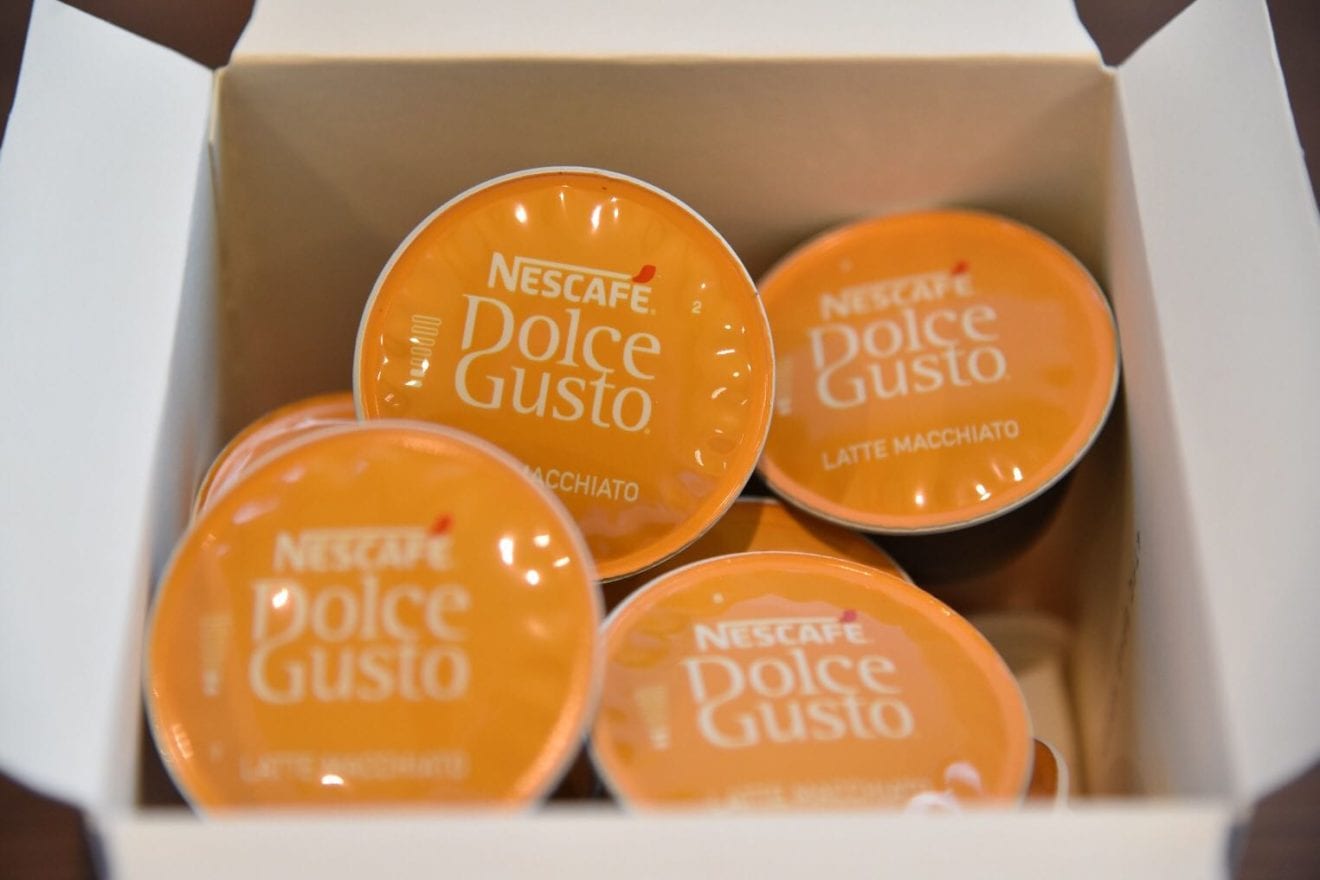
    Within this burgeoning segment, Nespresso, which first entered the local market in 2008, remains the dominant player. Nestle’s younger and cheaper range of single-serve coffee Dolce Gusto follows behind in terms of market share, helped by its lower pricing and wider variety of retail channels, noted Euromonitor’s research analyst Andrea Lianto.
    And even amid an increasingly sluggish economy, industry observers remain upbeat that the coffee-in-a-capsule segment will continue to outperform the broader coffee market in the upcoming years.

    “With higher disposable income, increased need for convenience and growing interest in high-quality coffee, coffee capsules still have room for growth in Singapore,” said Ms Lianto. “(Industry players) need to educate and convince consumers about the convenience and quality of capsules so that consumers are compelled to pay a premium for the product. The sustainability of capsules also depends on players’ efforts to maintain consumers’ excitement in the category, for example through new flavour launches.”

    This optimism is also shared by the market players.

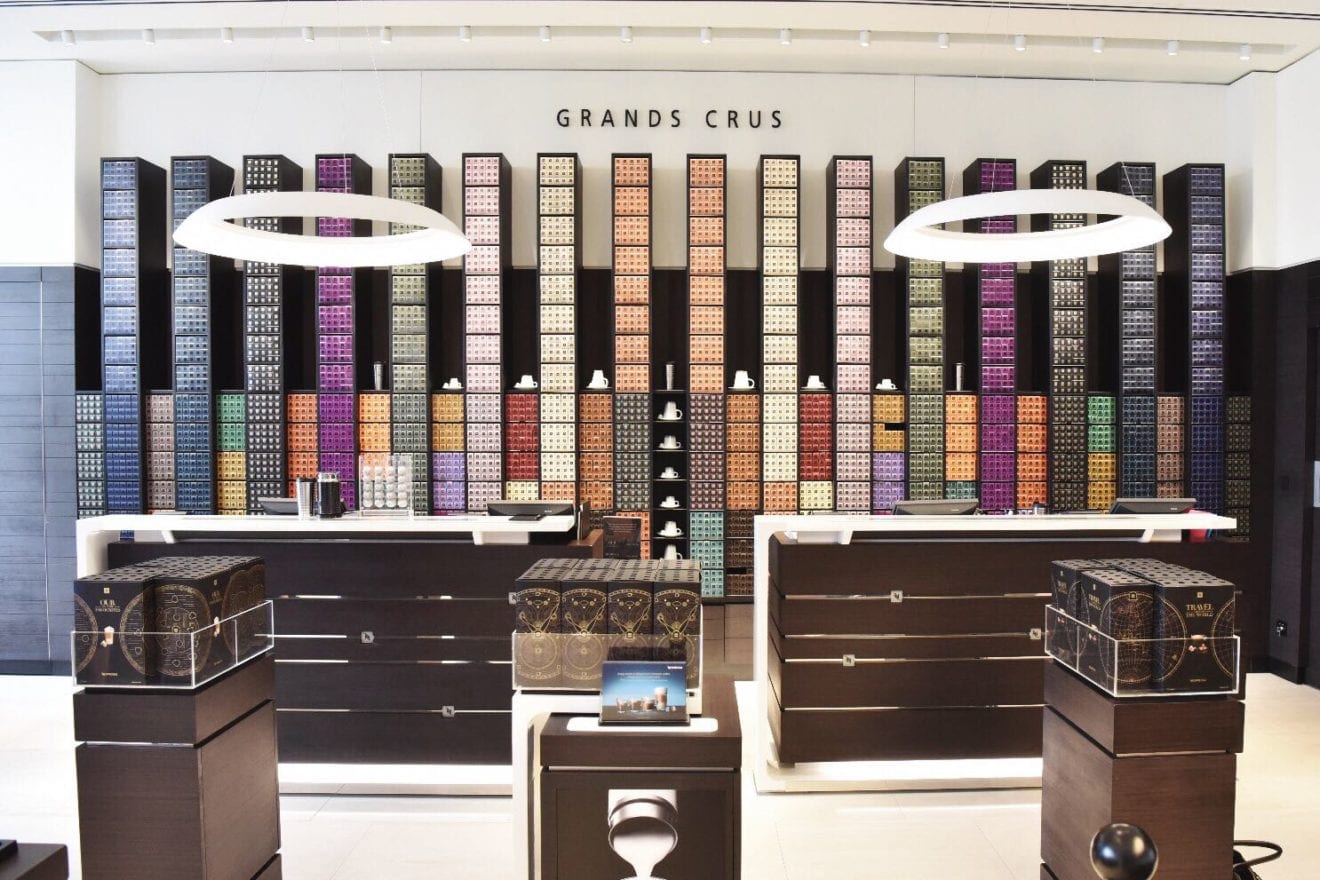
    Nespresso Singapore, for instance, believes that its price adjustment in November means that its capsules have become an “affordable luxury experience” that consumers can have on a daily basis.

    “Even with the slowdown, people will still want to enjoy life and have moments of indulgences… if you look at the new Nespresso capsule prices, you will realise that a cup of Nespresso coffee is now an affordable luxury that you can have every day,” country manager Matthieu Pougin told Channel NewsAsia. “This is what we see in our boutiques as well. Even with the economy slowing down over the past two years, people continued to shop at our boutiques.”

    Over at Nescafe Dolce Gusto, expectations remain for the brand to see more than 5 per cent growth in the coming years. The Nestle range, which stands for “sweet flavour” in Italian, has logged double-digit growth year-on-year since its foray into Singapore six years ago.

    “The Singapore economy is facing some of its toughest challenges now (but) for the coffee capsule segment, there should still be good growth,” said Mr Chow Phee Chat, the brand’s head of business in Singapore. “Currently, the capsule segment remains one of the smallest within the market so we do project that it will still be growing very fast.”
    BREWING COMPETITION

    But for these brands, a slowing economy that could tighten consumers’ purse strings is not just the only potential challenge looming ahead.

    While Nestle’s dual-brand strategy has continued to ensure its dominance in the Singapore capsule market, it is a different picture globally.

    Keen competitors such as US single-serve coffee company Keurig Green Mountain and other upstarts that have begun making less-expensive capsules compatible with Nespresso machines, have been eating into Nestle’s global market share. According to Euromonitor, the Swiss food giant controlled 11.1 per cent of the global coffee capsule market in 2015, down from 13 per cent in 2011.

    In Singapore, a handful of homegrown instant beverage makers like Owl International and Boncafé have rolled out their respective capsule ranges, and there are other brands of Nespresso-compatible pods that can be easily purchased online. While alternative options have emerged, Ms Lianto said the “minimal presence” of these selections means Nestle will likely be unrivalled for now.

    But that does not mean that local capsule coffee lovers have not begun exploring other options.

    Ms Lim Shiyun, who owns a coffee machine from Nespresso, has bought capsules from other brands such as local café chain The Providore. “I’m quite adventurous when it comes to coffee. Since these capsules work with my Nespresso machine, there’s no harm trying out new flavours,” the 29-year-old said.

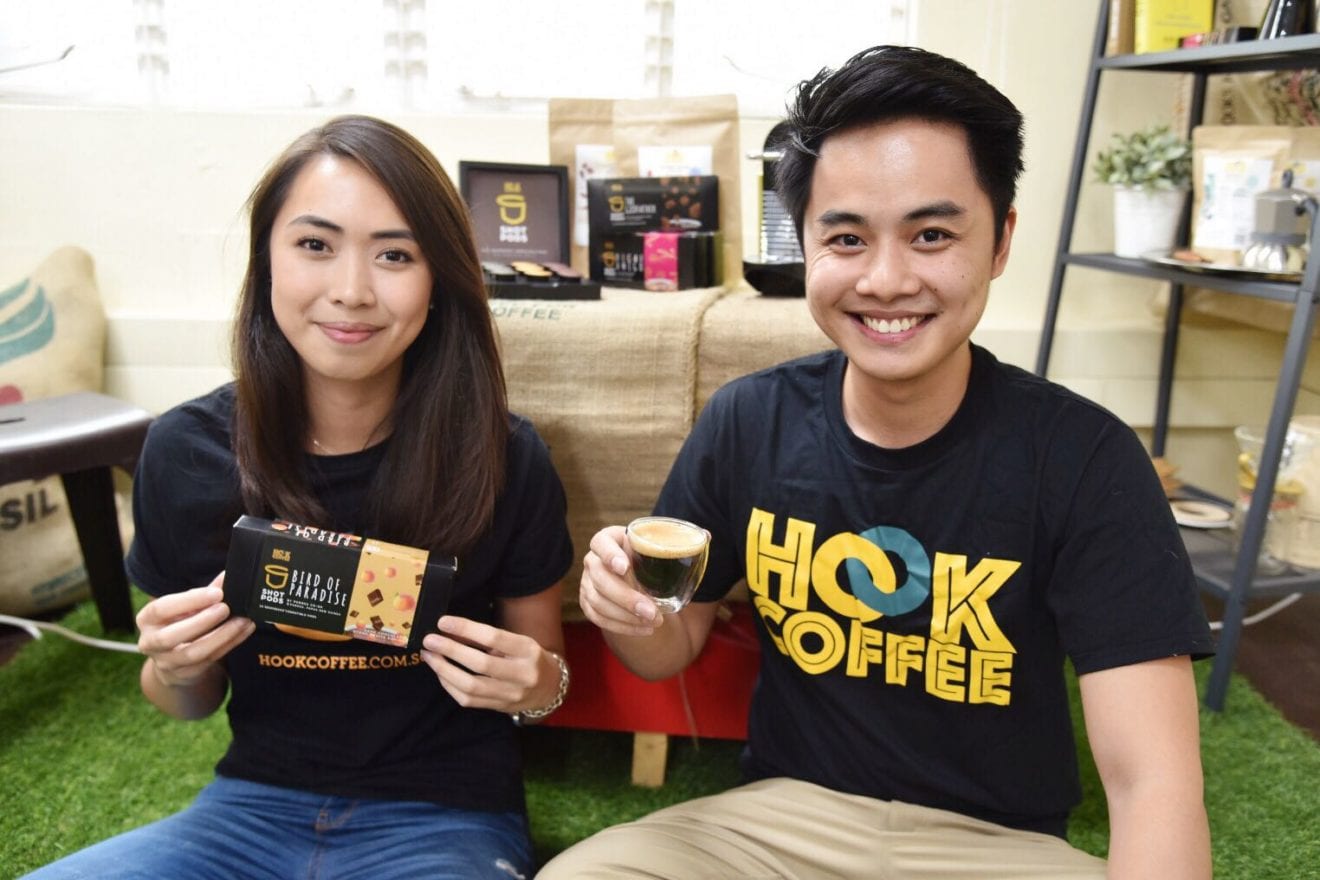
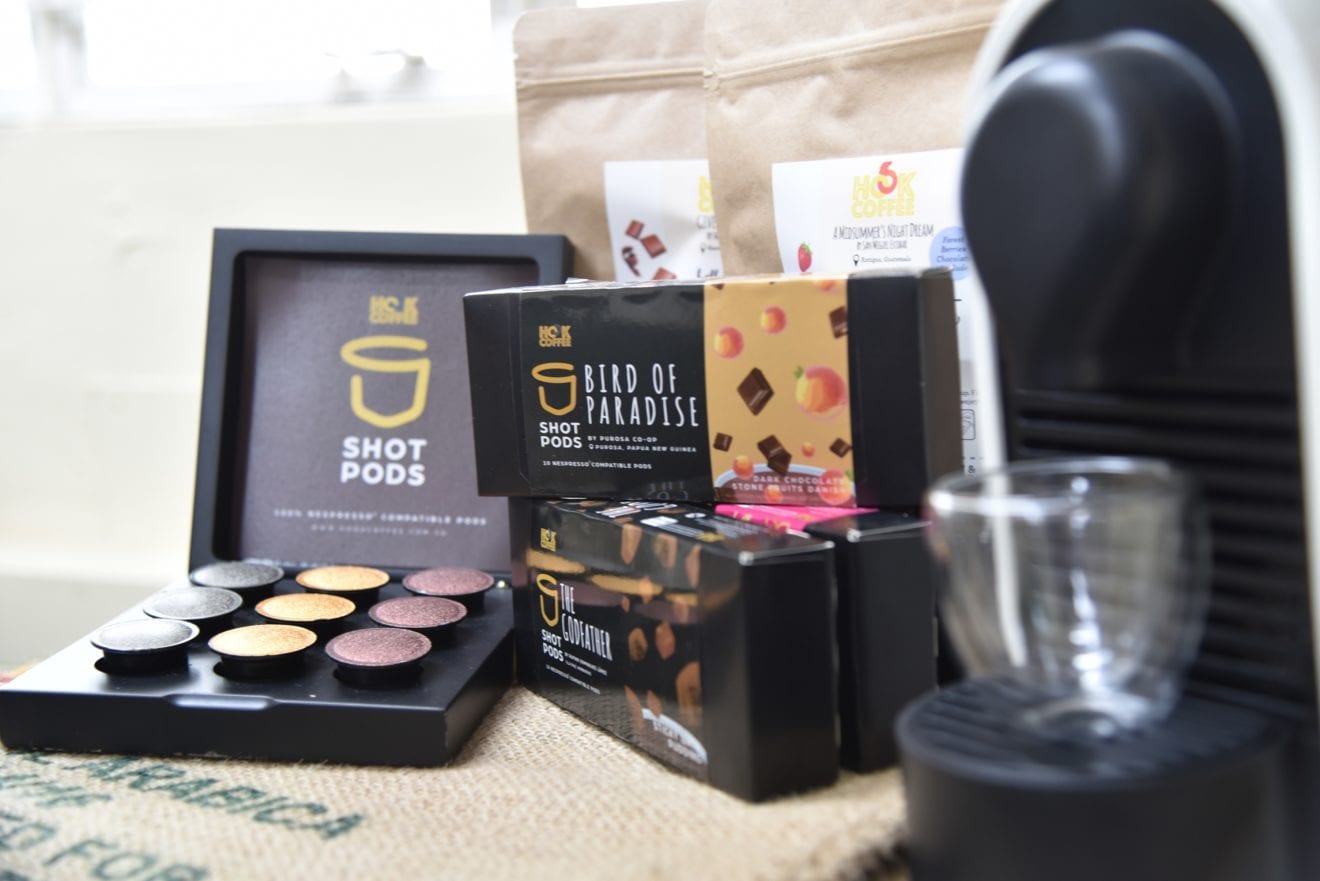
    Singapore-based Hook Coffee, for one, produces Nespresso-compatible capsules with sustainably-grown coffee beans sourced from around the world. Founded in early-2016, the online business also sells specialty coffee in other brewing methods such as French press and drip bags, and offers a coffee subscription service.

    Founders Ernest Ting and Faye Sit told Channel NewsAsia that they introduced capsules to their product line-up last June and since then, sales have been in line with expectations. Given rapid growth in the local capsule market, Mr Ting said the new venture was a no-brainer even if there were significant challenges involved for the young firm.
    For one, the production of capsules involved much more extensive research and development (R&D), compared to other brewing methods.

    “Each pod contains 5.5 grams of coffee and to get the same body and flavour in 30 seconds of extraction time, is very challenging. The roasting technique and the blends have to be precise; even the grinders are different so it’s a very complicated process and a huge amount of R&D investment that goes into making just one pod,” Mr Ting explained.

    That is why the introduction of new capsule flavours have been slower than other brewing options, which usually sees new additions once a month, he added.

    Meanwhile, to prevent wastage, an average of 10,000 capsules are filled during each production cycle. With such a large-sized production, it is crucial for the start-up to get things right before the release of every new flavour, Ms Sit told Channel NewsAsia. “Especially for a small market like Singapore, a large production batch is also tricky so we have to be really careful and do a lot of market research.”

    Despite the difficulties, the two young entrepreneurs still think their five-figure investment into capsules has been worthwhile and remain optimistic on sales, even as competition seems to have been turned up a notch after the market’s biggest player, Nespresso, lowered the prices of its coffee range.

    “Twenty per cent of our total sales right now are capsules. That’s the same as our drip bags and achieved within six months… As more people want convenient options, we think there will be an increase,” said Mr Ting.

    The 25-year-old added: “Interestingly, when Nespresso lowered their prices, we maintained ours but we didn’t see a drop in subscribers. In fact, it increased slowly so we think consumers are coming to us because we offer a more artisanal option.”
    PRICE CUTS, NEW PRODUCTS TO GET A SHOT IN THE ARM

    Still, industry observers said the nearly 30 per cent price reduction follows Nespresso’s recent adjustments in other markets, and will give the high-end brand a shot in the arm when it comes to competing with lower-priced rivals. For instance, Ristretto and Espresso capsules that were S$0.91 each are now S$0.68, cheaper than Dolce Gusto’s Espresso Intenso that retails at S$11.90 for a box of 16.

    Describing Singapore as a “unique market” where “coffee is part of the people’s DNA”, an increasingly discerning taste for coffee among local consumers has spurred Nespresso’s growth over the past eight years, said Mr Pougin. However, he denied that increasing competition was a catalyst for the recent price adjustment, adding that “Nespresso continues to grow in (Singapore) regardless of competition”.

    “We didn’t make the decision to decrease the price because of competition,” Mr Pougin told Channel NewsAsia. “The reason we did that is because we have been here for more than eight years and we now have the ability and want to offer the Nespresso experience to a bigger group of consumers.”

    Meanwhile, Nescafe Dolce Gusto said it has “no plans to relook (at) its pricing”, primarily because the brand’s competitive edge remains in its capsule beverages that go beyond coffee and its diverse retail locations such as supermarkets.

    “We have a place in the market. We offer a variety of beverages not just for coffee enthusiasts… (but) also tea and hot chocolate. We are a coffee system that not only offers good quality coffee, but beverages for the whole family,” said Mr Chow, who added that the brand’s new varieties including healthier options such as its unsweetened Latte Macchiato will continue to “surprise consumers”.

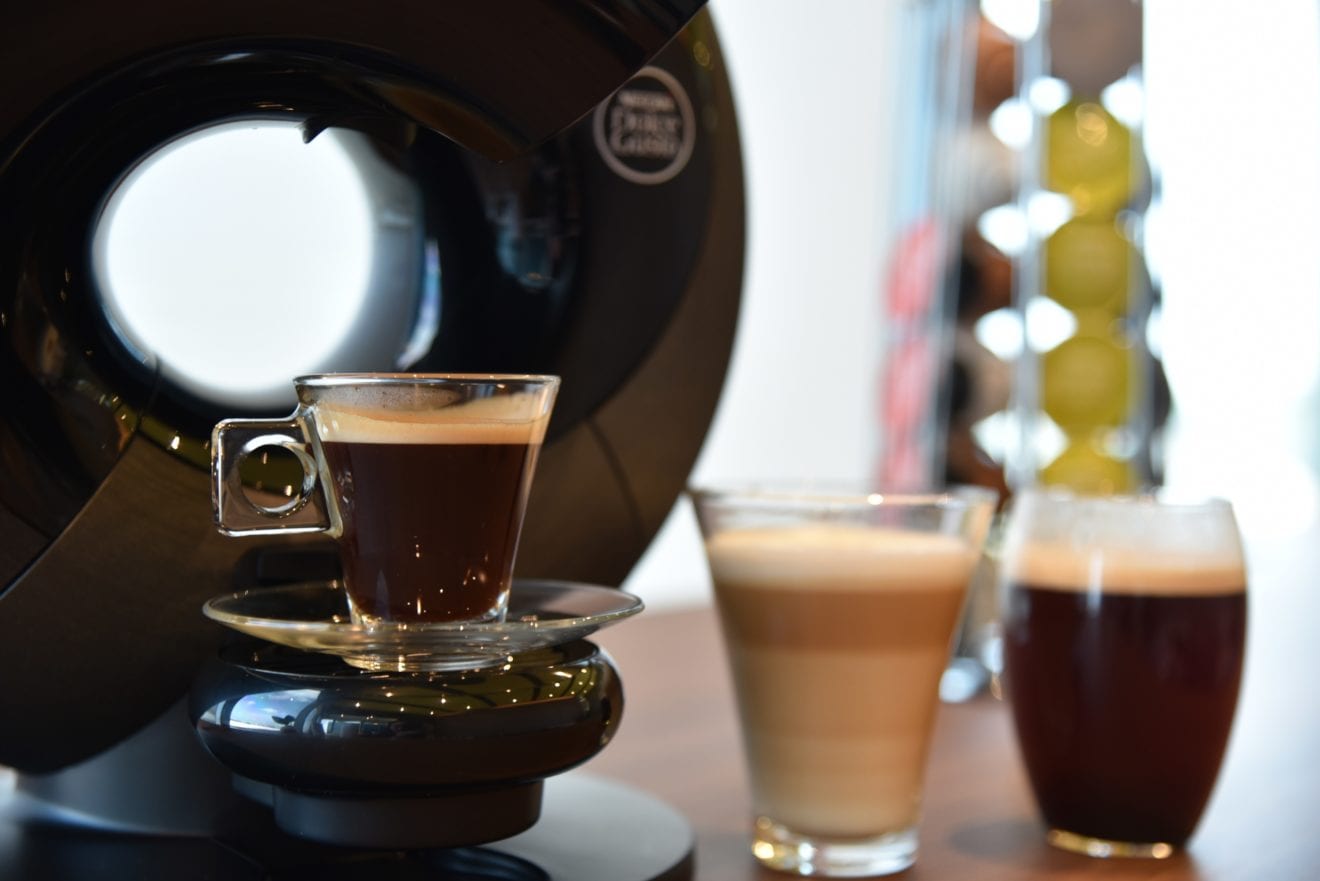
    In the meantime, Dolce Gusto is also betting on new coffee systems to help it keep up with competition. The brand’s latest “Eclipse” machine comes with an unconventional circular design and a touch screen interface.
    DIVERSIFY INTO CAPSULES? MAYBE NOT YET

    Still, there is at least one beverage maker who is opting to sit out of the hype for now.

    Mr Desmond Ng, managing director of local instant coffee brand Gold Kili, told Channel NewsAsia that the rising popularity of coffee capsules has had little impact on sales. The 32-year-old household brand also has no plans to follow in the footsteps of other homegrown beverage makers, given that coffee capsules remain “a non-mainstream option” for now and there are consumers who are not willing to splurge on a coffee machine. “As such, a packet of instant coffee, which is usually four times cheaper than a capsule costing around S$1, remains more attractive to price-sensitive consumers,” Mr Ng added.

    Gold Kili also prides itself on its traditional brew that is achieved by roasting a mixture of Arabica and high-caffeine Robusta coffee beans with sugar or caramel. Even amid the rise of Western-style coffee that uses just Arabica beans, Mr Ng believes that the traditional brew will continue to have its loyal following.

    Eurmonitor’s Ms Lianto agrees: “Instant coffee targets a different segment of consumers through a much lower price point than capsule coffee. On average, one serving of instant coffee costs less than one-third of one serving of capsule coffee.

    “As such, many instant coffee consumers, especially those who are price-sensitive, find themselves reluctant to shift completely to capsule coffee for their regular caffeine fix.”

    However, Gold Kili’s Mr Ng is not ruling out expansion plans to tap on new emerging trends in the local coffee market, such as coming up with specialty coffee bags to attract younger consumers.

    “Capsule machines remain expensive and with capsules far from being the mainstream option for consumers, we won’t be heading in that direction for now,” he told Channel NewsAsia. “But we are considering Western-style coffee bags to cater to the tastes of younger consumers. We think there’s still a gap in this market and there’s a business opportunity for us.”