Tag: dairy alternatives

  • Japan Soy Milk Output Hits Record 445,000 Kilolitres in 2025

    Japan Soy Milk Output Hits Record 445,000 Kilolitres in 2025

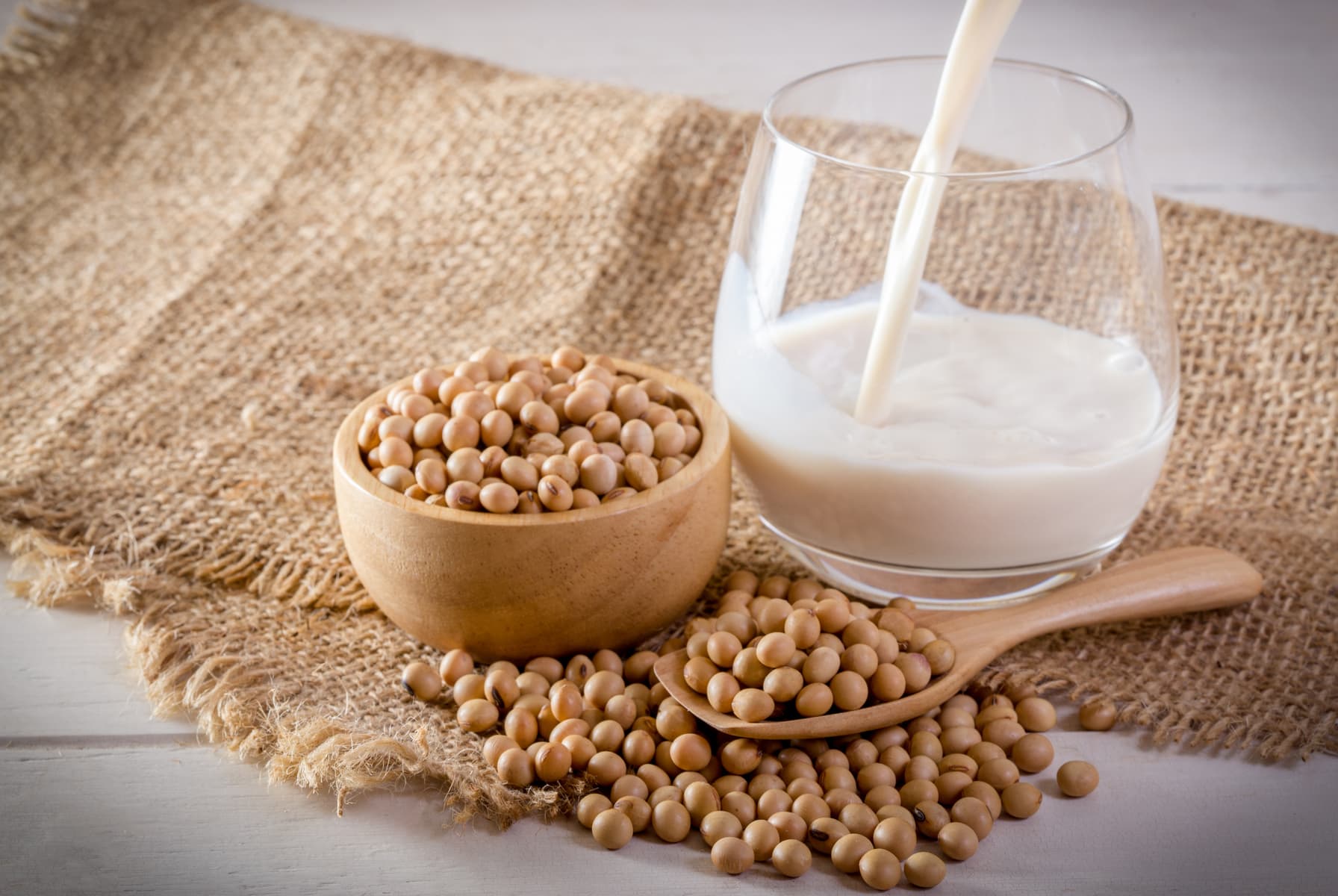
    Japanese soy milk production reached an all-time high of nearly 445,000 kilolitres in 2025, maintaining an estimated 80 per cent share of the country’s plant-based milk market, according to The Japan Soymilk Association.

    New entrants and legacy beverage manufacturers including Danone are now introducing oat, pea, and precision-fermented formulations to compete with soy on functional nutrition and retail shelves.

    Retail pricing remains the primary barrier for competing formats. A one-litre carton of soy milk retails between 260 yen and 290 yen in 2026, matching the shelf price of conventional cow milk. By comparison, one-litre almond milk cartons average 384 yen, while oat milk sells at 625 yen. Consumer purchasing patterns in Japan treat soy as an everyday dietary staple rather than a direct Western-style dairy replacement, keeping price sensitivity high across mass retail channels.

    Convenience Store Shelf Space

    Distribution patterns across Japan’s 56,000 convenience stores illustrate the commercial hurdle facing oat and nut milks. The convenience channel drives immediate-consumption beverage sales in urban centres where public transit dominates daily commuting. Out of nearly 18,000 food and beverage products introduced through Japanese convenience stores over the past 20 months, oat milk accounted for three stock keeping units.

    Supermarket retail data indicates that consumer demand is concentrating on plain formulations. Domestic retail sales of unsweetened soy milk expanded 14.5 per cent last year. Flavoured variants, including malt coffee, black tea, kiwi fruit, and seasonal sakura editions, recorded volume growth of 0.7 per cent. Shoppers are selecting plant milk for daily nutritional intake rather than occasional novelty flavours.

    Global Brands Shift Formulas

    Danone adapted its international plant-based playbook specifically for the Japanese grocery aisle. The French dairy multinational initially introduced oat and soy beverages under its Alpro brand in 2020 before narrowing its core domestic marketing focus toward oat-based lines. The group reported record production volumes and retail sales for its oat and almond products in Japan during the first half of 2026.

    To capture multi-ingredient demand, Danone added a blended line called 3 Luxury Mixes to Japanese store shelves, combining oat, almond, and soy bases in a single carton. The product offers dietary fibre while matching the taste profiles familiar to local shoppers.

    The oat milk category remains relatively less crowded than other plant-based alternatives, providing a clear opportunity for differentiation and allowing brands to establish a unique position in the market.

    Domestic dairy processors are building competing ingredient supply chains across Asia. Megmilk Snow Brand expanded its Plant Label line by rolling out a pea-based milk in March. The company selected yellow pea protein for its higher protein density and lower cultivation footprint compared to almonds and soybeans. Megmilk Snow Brand is now developing a dedicated pea-processing facility in Malaysia to anchor raw material supplies for plant milk and non-dairy yogurt production.

    Fermentation and Yeast Alternatives

    Beverage manufacturers are also bypassing agricultural crop extraction entirely. Asahi Group Holdings introduced Like Milk across the Greater Tokyo metropolitan area during the first half of 2026. The drink uses a precision-fermentation base derived from yeast, which is dried into powder, reconstituted, and blended to eliminate all 28 regulated food allergens recognized by Japanese food safety authorities.

    Asahi formulated the yeast beverage to match the calcium and protein metrics of whole cow milk while cutting fat content by 40 per cent with zero cholesterol. The product targets urban consumers seeking functional health drinks fortified with yeast-derived zinc and soluble dietary fibre.

    State industrial policy is accelerating private investment in non-crop dairy processing. The Japanese government approved its national Growth Strategy blueprint in July, committing 370 trillion yen across 17 industrial sectors. The programme allocates joint public and private capital to food technology programmes, focusing directly on precision fermentation, biomass synthesis, and alternative protein production.

    Export Channels Open in the West

    Domestic soy producers are simultaneously attempting to open higher-margin export channels overseas to offset domestic pricing pressure. Industry participants established the Japanese Soy Milk Exchange in June to market domestic formulations directly to retail buyers in the United States, positioning Japanese soy milk as a distinct premium category based on texture and flavour profiling.

    Probiotic beverage maker Yakult Honsha chose European grocery channels to commercialize its newest fermented soy line before launching domestically. The company introduced Yakult Vitals, a beverage combining bacteria-fermented soy milk with fruit juice, in the Netherlands in February. Yakult plans to roll out the fermented soy product across additional European markets before bringing the formulation back to Japanese retailers.

    Retail buyers in Tokyo will monitor the commercial performance of Asahi’s fermented milk line as regional distribution expands beyond Greater Tokyo, alongside Megmilk Snow Brand’s supply timeline for its Malaysian processing plant.
  • Sanitarium Launches 2 So Good High Fibre Milks at Woolworths

    Sanitarium Launches 2 So Good High Fibre Milks at Woolworths

    Sanitarium Health Food Company expanded its plant-based beverage portfolio on September 23, 2026, launching 2 new milks under its So Good brand.

    The So Good High Fibre + Prebiotics almond and oat milks rolled out nationwide across Woolworths stores and online.

    Sanitarium formulated the cholesterol-free range to help consumers increase daily dietary fibre intake and support digestive health across everyday uses like breakfast cereals, smoothies, and hot beverages.

    Gut health on the shelf

    Consumer interest in digestive wellness continues to alter product development schedules across Asia-Pacific grocery aisles. Dairy alternatives previously competed almost entirely on taste and base ingredients like soy, almond or oat. Adding prebiotic fibre pushes the category toward fortified nutrition. That helps capture health-conscious shoppers who want gut support without buying separate supplements.

    For retailers, functional plant milks offer higher shelf-margin potential than standard base alternatives. Woolworths secured early distribution for a high-awareness domestic brand, giving its beverage aisles a dedicated plant-based health proposition.

    Functional shifts across the category

    Plant-based beverage producers face stiffer competition as supermarket shelf space tightens. Brands across the region have shifted formulation strategies away from dairy mimicry and toward measurable nutritional additions like protein, vitamins and digestive aids. Sanitarium aims this launch straight at competitors using baseline formulas.

    Execution risks centre on taste and texture. Fortified fibre can alter the viscosity and mouthfeel of plant-based milks. That change often deters repeat buyers if the formulation interferes with morning coffee or breakfast cereal.

    Distribution and retail execution

    Sanitarium created the functional lineup after tracking sustained consumer demand for simpler daily nutrition. Putting functional benefits directly into pantry staples lowers adoption barriers for households seeking more dietary fibre without changing their daily routines.

    “We know many Australians are looking for simple ways to support their wellbeing, and fibre is an essential part of that,” said So Good Senior Brand Manager Nicole Toby.

    Tracking supermarket scan rates

    Category scan data and basket sizes over the coming retail quarter will guide Sanitarium’s next steps. Those supermarket figures will determine whether the company expands the line into independent grocers and export channels across the broader Asia-Pacific region.

  • F&N Expands NutriWell Line with Pistachio Chocolate Oat Milk

    F&N Expands NutriWell Line with Pistachio Chocolate Oat Milk

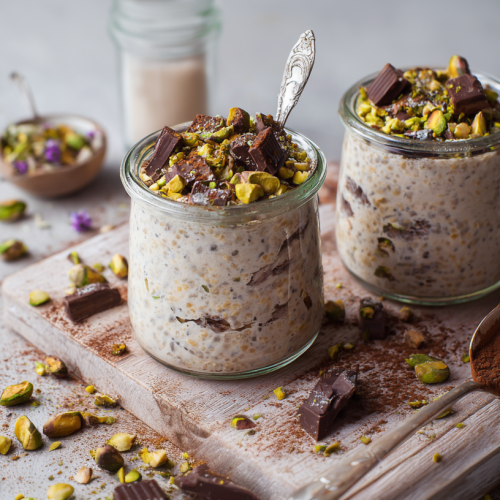
    Fraser and Neave launched NutriWell Pistachio Chocolate Oatmilk in Singapore this week, adding a flavored nut-and-grain blend to its packaged wellness beverage portfolio.

    The formulation pairs dairy-free oat milk with pistachio and chocolate flavoring, positioning the product directly at shoppers looking for plant-based indulgence.

    Flavour Blends in Plant Milk

    NutriWell formulated the new release entirely free of dairy to cater to lactose-intolerant consumers and vegan shoppers. The recipe pairs oat milk with pistachio, a flavour that has gained rapid traction across regional bakery, ice cream, and specialty coffee menus over the past twelve months.

    Packaged in ready-to-drink cartons, the drink provides an alternative to conventional chocolate cow milk and plain soya drinks. F&N designed the line to sit in chilled retail cabinets alongside standard dairy items rather than specialty vegan shelves.

    Chilled Dairy Alternatives in Southeast Asia

    Regional beverage makers across Southeast Asia have shifted away from plain soy and almond bases toward composite grain formulations. Major bottlers now combine oat bases with dessert-inspired profiles to protect shelf space as standard plant milk volumes plateau in mature supermarket channels.

    Retail distribution is rolling out across Singapore supermarkets and convenience outlets this month, with regional channel expansion across Malaysia scheduled for the following quarter.

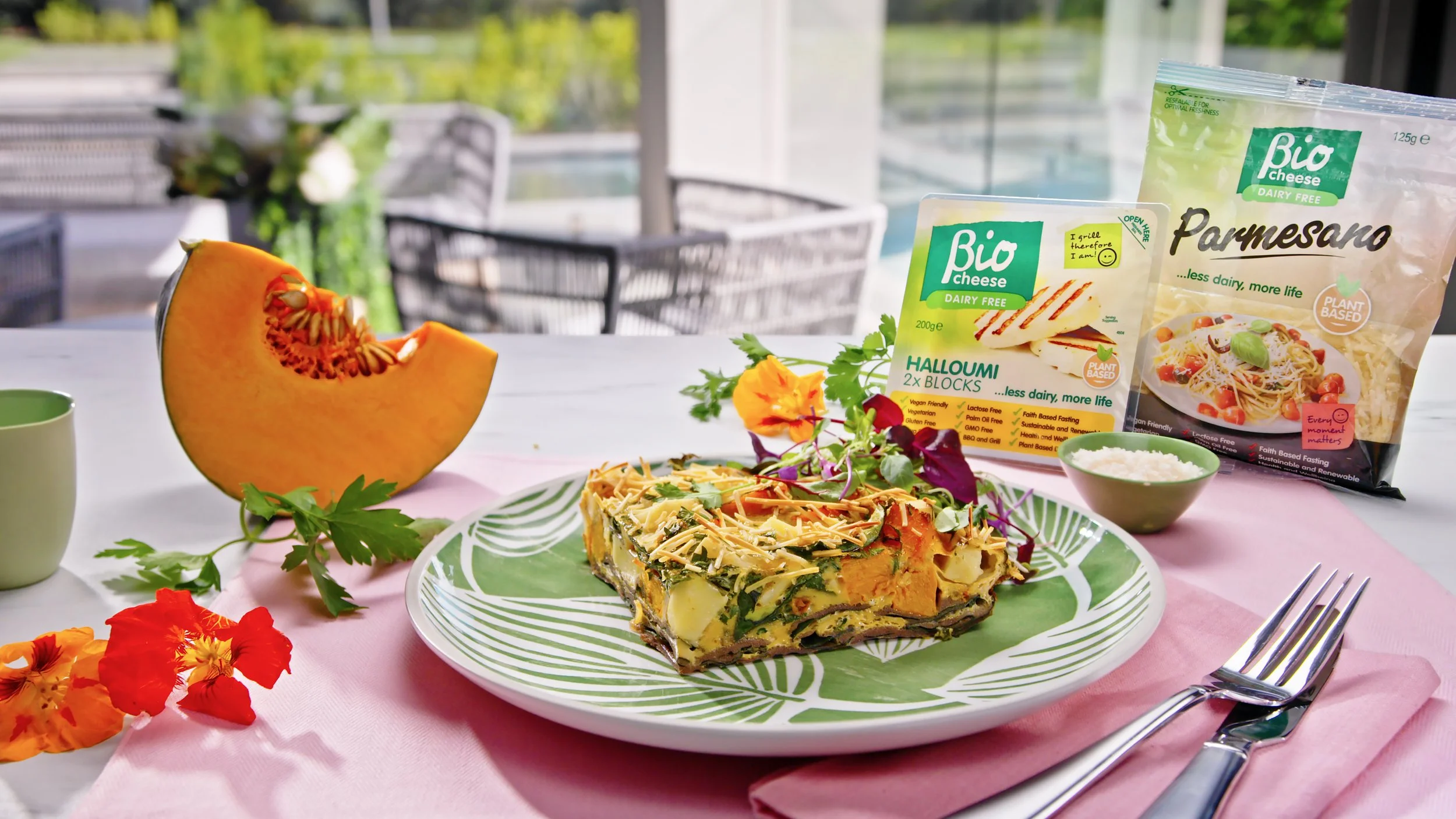
  • BioCheese Launches Protein-Fortified Vegan Cheddar at Coles for $9

    BioCheese Launches Protein-Fortified Vegan Cheddar at Coles for $9

    BioCheese has launched a protein-fortified plant-based cheddar shred across Australian supermarket chain Coles, priced at $9 for a 200-gram pack.

    The product delivers 10 grams of protein per 100 grams, making it the first added-protein dairy-free cheese stocked in Australian grocery aisles.

    Pea Protein and Melting Performance

    Formulated with pea protein, the shredded cheese is built specifically for hot and cold culinary applications. The brand designed the shred to melt in toasties and baked dishes while holding texture in tacos and salads.

    Each unit ships in a resealable 200-gram pouch intended for standard refrigerated dairy and plant-based sections across Coles supermarkets nationally.

    Protein Claims in Plant Dairy

    Plant-based cheese alternatives have historically faced pushback from shoppers over low nutritional value compared to traditional dairy cheddar. While standard dairy cheese provides around 25 grams of protein per 100 grams, standard coconut oil and starch-based alternatives often register near zero.

    By adding 10 grams of functional plant protein, BioCheese is testing whether enhanced nutritional metrics can defend premium shelf space as price-conscious shoppers scrutinise grocery spending across the Asia-Pacific region.

    Distribution is now live across Coles stores, with retail buyers watching whether the $9 price point can sustain regular basket repeat rates against traditional dairy blocks.