Tag: Deal Street Asia

  • Jollibee Foods takes over processing unit

    Jollibee Foods takes over processing unit

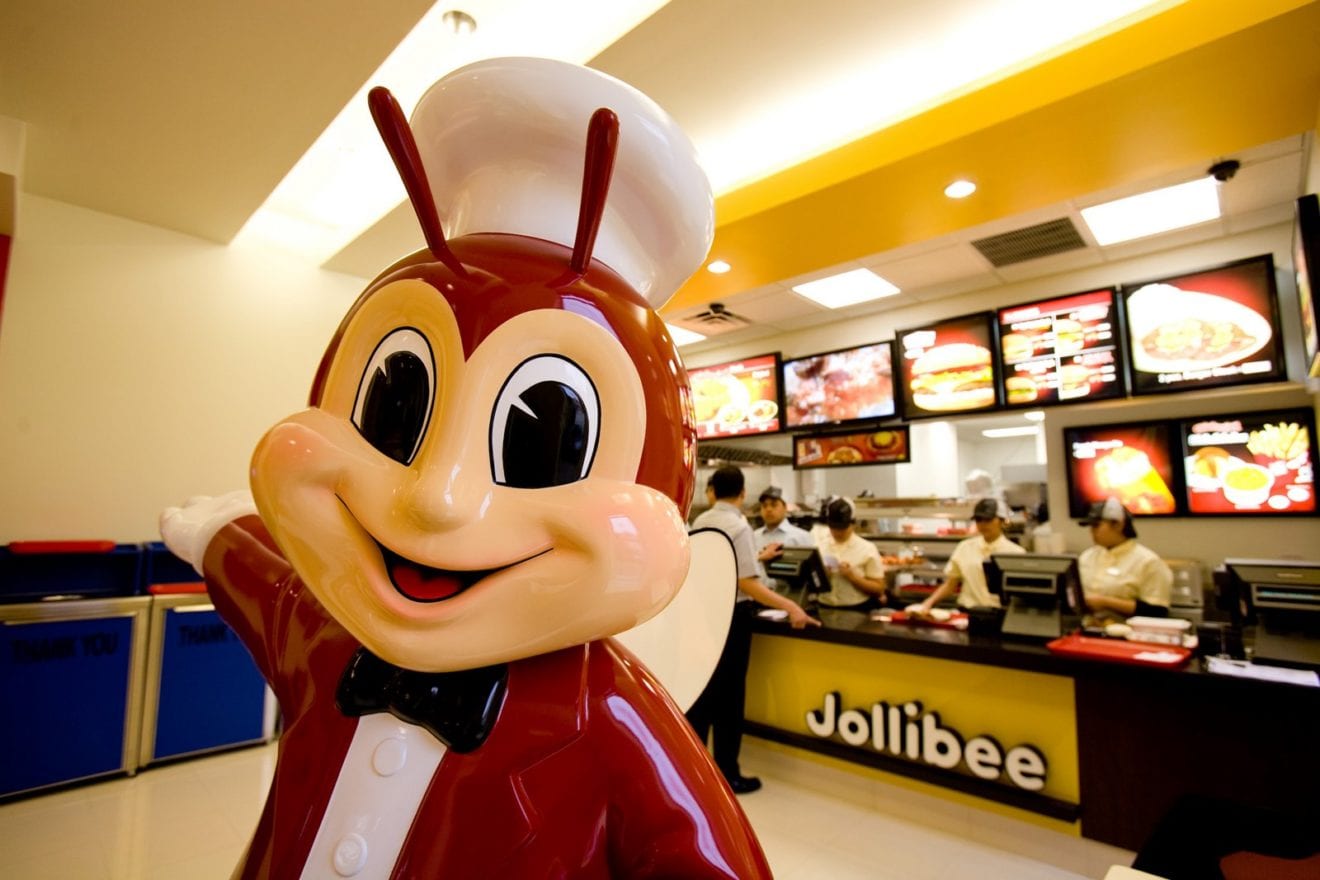
    Asia’s largest fast food player -Philippines-based Jollibee Foods, is seeking to take full control of China’s Happy Bee Foods Processing.

    The Manila company will buy an extra 30 per cent stake for US$10.4 million.

    Jollibee, which now has a 70 per cent stake in Happy Bee, acquired a 40 per cent share of US-based restaurant brand Smashburger for $99 million last October. It is continuing to scour the region for acquisition targets, with as it pursues its goal of becoming one of the world’s top 10 fast-food brands.

    Jollibee VP Valerie Amante has told the stock exchange its wholly-owned subsidiary Jollibee Worldwide (JWPL) entered into an agreement with Hua Xia Harvest Holdings to acquire its 30 per cent equity shareholding in Happy Bee, which is their joint venture entity.
    Hua Xia will be selling its 3,518,018 shares in Happy Bee at $2.96 a share. Jollibee will acquire the remaining 30 per cent of Happy Bee for about $10.4 million in the form of assets related to the production of food products intended for institutions outside of Jollibee brands in China.
    It is expected the deal, which does not include any cash outlay, will be closed this year.
    “The objectives of the acquisition – essentially an equity share and asset swap – are for Jollibee to concentrate on supporting the growth of its Yonghe King business, and on further improving its food quality and increasing assurance on food safety,” says Amante.
  • Ele.me may go to Alibaba

    Ele.me may go to Alibaba

    As more people start using their smartphones or the internet to order food, China’s eCommerce leaders are in a battle for supremacy.

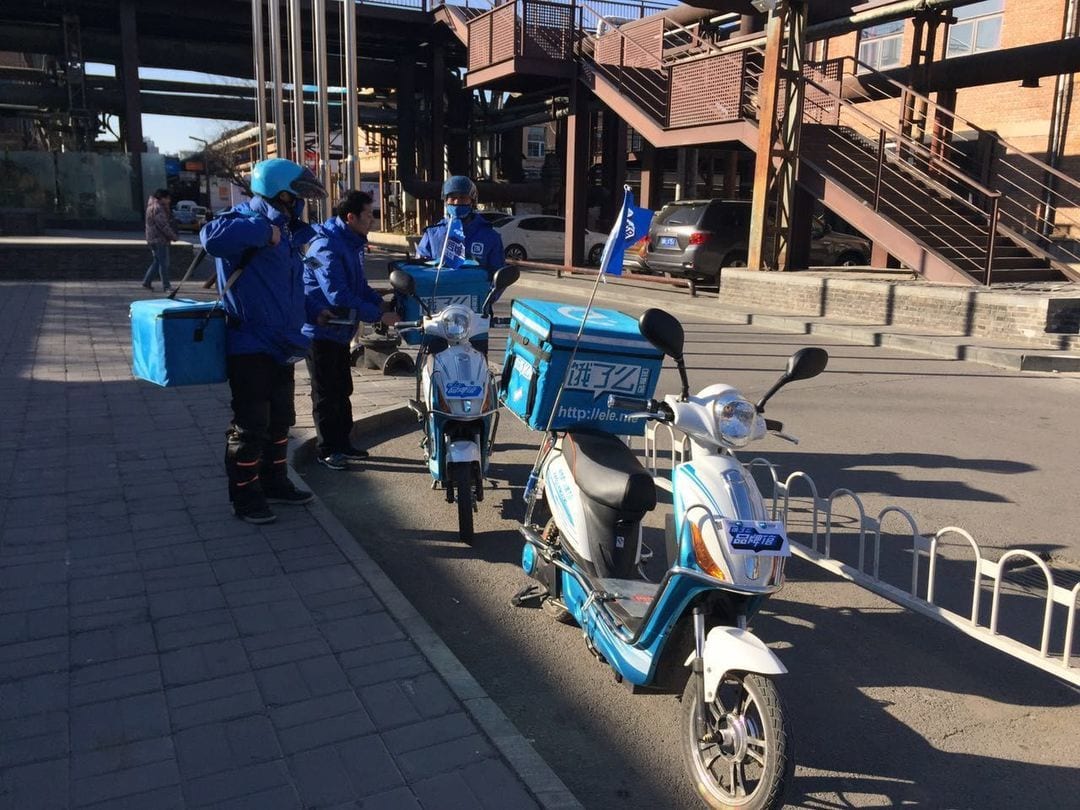
    Now a food-delivery startup backed by Tencent Holdings, Ele.me, is planning a fast funding round of at least $1.25 billion, in a deal led by competitor Alibaba Group Holding, reports Deal Street Asia. It is aiming to close the round next month.

    If it goes ahead, Alibaba will become Ele.me’s controlling shareholder. It values the service at about $4.5 billion, and the deal could be announced before the Lunar New Year holiday starting on February 8, according to an insider.

    Earlier merger talks between Ele.me and group-buying site Meituan.com fell through, and Caixinpreviously reported that Ele.me was in discussions with Alibaba to raise funds.

    Meanwhile, Tencent and Alibaba are battling with China’s largest search company Baidu for front position as the local-services industry gains traction with more people going online or using mobile technology to order food, schedule beauty treatments or hire domestic helpers. Users of these services are predicted to rise 29 per cent to 400 million by next year, with sales expected to reach 7.28 trillion yuan ($1.1 trillion).

    Chinese internet companies have been the subject of $91.6 billion in acquisitions and investments over the past 12 months, according to Bloomberg data. Meanwhile, Tencent shares have fallen 1.7 per cent in Hong Kong to HK$133.10 ($17.08) – the lowest in almost four months.

    Alibaba and its financial affiliate, Zhejiang Ant Small & Micro Financial Services Group, have formed a joint venture called Koubei, in which each has agreed to invest three billion yuan to help the company expand into neighbourhood services.

    Baidu last year said it would invest $3.2 billion over three years in its own provider of local services,Nuomi.

  • Foodpanda Vietnam to shut down

    Foodpanda Vietnam to shut down

    Foodpanda – relentlessly marching its way across Southeast Asia, gobbling up rival food delivery businesses and creating monopolies – has shocked the online community by closing its Vietnam business.

    According to a report in online business news website Deal Street Asia the Rocket-Internet backed company has told its Vietnamese partners the operation will close on Wednesday after three years.

    “Through this notice, we would like to inform you that our company will terminate the business in Vietnam due to the difficulties in financial situation,” Foodpanda said in the letter.

    Deal Street Asia’s Vietnam-based writer was unable to reach Foodpanda Vietnam staff for further comment.

    One of the possible reasons for the market exit is that Foodpanda was a latecomer to the sector with the original, well-liked local service Vietnammm launched as long as five years ago and collaring the expat market which has the disposable income. Other rivals included Eat.vn and Deliverynow.vn.

    Furthermore, Foodpanda’s business model is to attain market dominance by buying out rivals, thus gaining insulation from poor customer service, slow delivery times and other faults – the exact situation in Malaysia which has now left it with brand reputation issues.

    Deal Street Asia says experts say Foodpanda’s business model is not relevant to Vietnamese consumers, where the younger demographic prefer to eat out and local food outlets offer their own delivery service. Others said Foodpanda had struggled with its communications strategy, which was not helped by changing its brand name within a year of launching there.

    Meanwhile, in India Foodpanda is in trouble over alleged fake listings, non-payment of money to restaurants, failure to refund customers for undelivered orders and corporate governance issues, according to website e27.co.