Singapore-based holding company Jardine Matheson Southeast Asia (JMSEA) delivered a mixed performance for the first nine months of 2026, according to a Singapore bourse filing on Tuesday.
JMSEA is Jardine Matheson’s intermediate holding company in the region. Its parent, Jardine Matheson (Jardines), is headquartered in Hong Kong.
The business update marks the holding company’s first operational report since completing the sale of longstanding automotive distributor and retailer Cycle & Carriage to Indonesia’s Chandra Asri Pacific, booking a S$221 million gain in August.
Across its regional holdings, Indonesian diversified unit Astra reported a 1 per cent decline in net profit, excluding non-recurring items, in the third-quarter statement. Stronger retail appetite helped Astra’s automotive business increase earnings by 8 per cent after higher wholesale car and motorcycle volumes. Financial services profits rose 6 per cent alongside larger loan portfolios, countering a 28 per cent drop in mining and heavy equipment earnings hit by lower coal quotas and gold mining sales.
Dealership Shifts in Indonesia
In Indonesia, JMSEA maintains a 50.1 per cent controlling interest in Astra and a 49.9 per cent holding in automotive dealership group Tunas Ridean. Tunas Ridean achieved higher car sales and increased profits over the period, reinforcing the group’s retail distribution footprint across the country.
Divesting Cycle & Carriage stripped out direct exposure to retail showrooms in Singapore and Malaysia, focusing JMSEA’s automotive capital directly on developing markets. That shifts group risk toward consumer credit cycles in Indonesia and price wars in mainland Southeast Asia.
Margin Squeeze in Vietnam
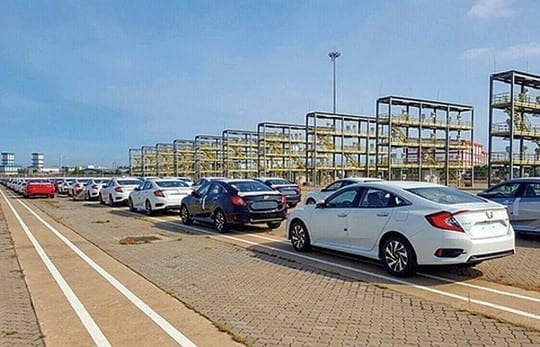
Vietnamese affiliate Truong Hai Group, known as THACO, in which JMSEA owns a 26.7 per cent stake, delivered higher net profit lifted by residential property handovers. Automotive sales volumes rose across THACO’s vehicle dealerships, but operating margins thinned under aggressive retail discounting from competing brands.
Renewable energy and engineering associate REE, held at 41.7 per cent, posted earnings growth across most operating units during the nine-month period.
Regional Showroom Pressures
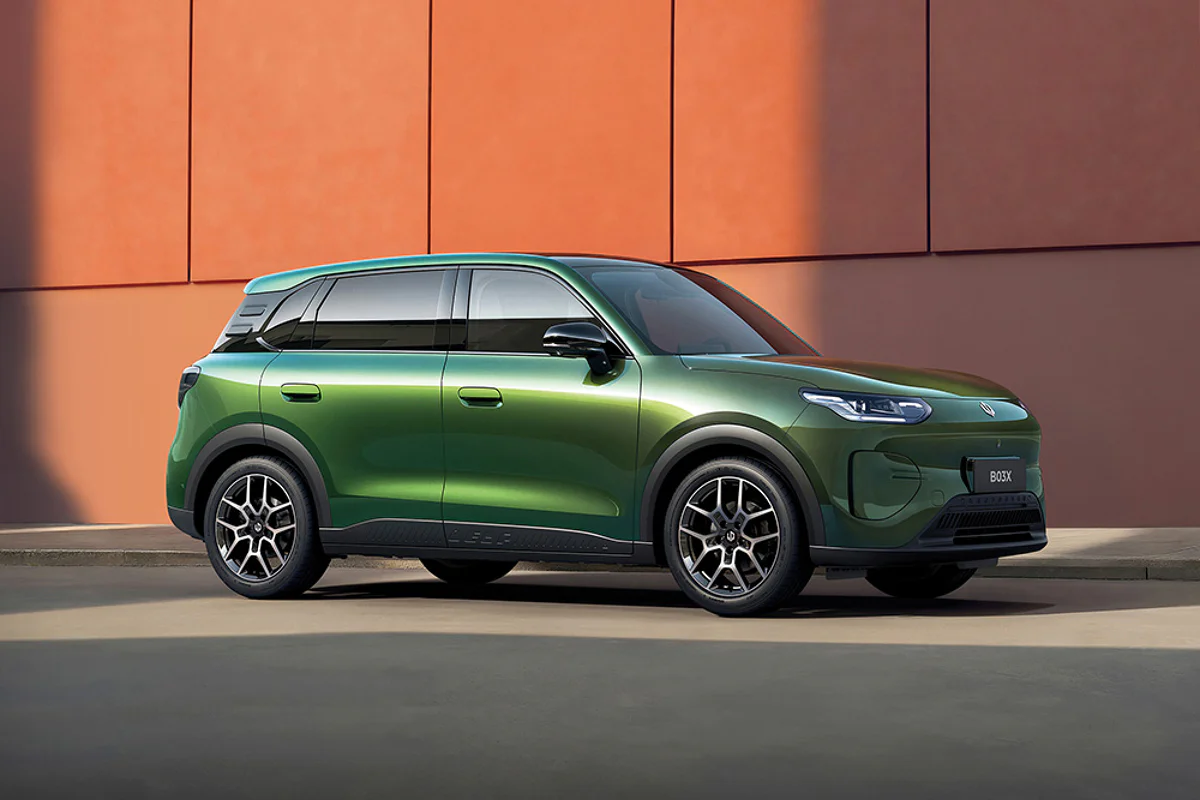
Auto distributors across Southeast Asia face structural changes as Chinese electric vehicle manufacturers enter regional markets with low retail pricing. Dealership groups that rely on volume incentives are finding gross margins squeezed even when unit deliveries increase, as THACO’s numbers demonstrate.
JMSEA’s decision to exit mature Singapore and Malaysia retail networks locked in capital while leaving its remaining vehicle exposure tied to high-volume emerging markets. Success now depends on Astra’s financing arm maintaining loan quality while showroom competition intensifies.
Capital Moves and Outlook
The August sale of Cycle & Carriage ended decades of direct vehicle distribution under the brand in Singapore and Malaysia. That transaction handed Chandra Asri Pacific control of long-established regional distribution franchises.
Shares of JMSEA rose 1.6 per cent, or S$0.37, to finish at S$24.08 on Tuesday prior to the release of the interim management statement.
Attention turns to year-end consumer finance collections at Astra and vehicle margin recovery at THACO as fourth-quarter auto promotions conclude.