Tag: debit cards

  • Apple Pay makes its debut in Hong Kong

    Apple Pay makes its debut in Hong Kong

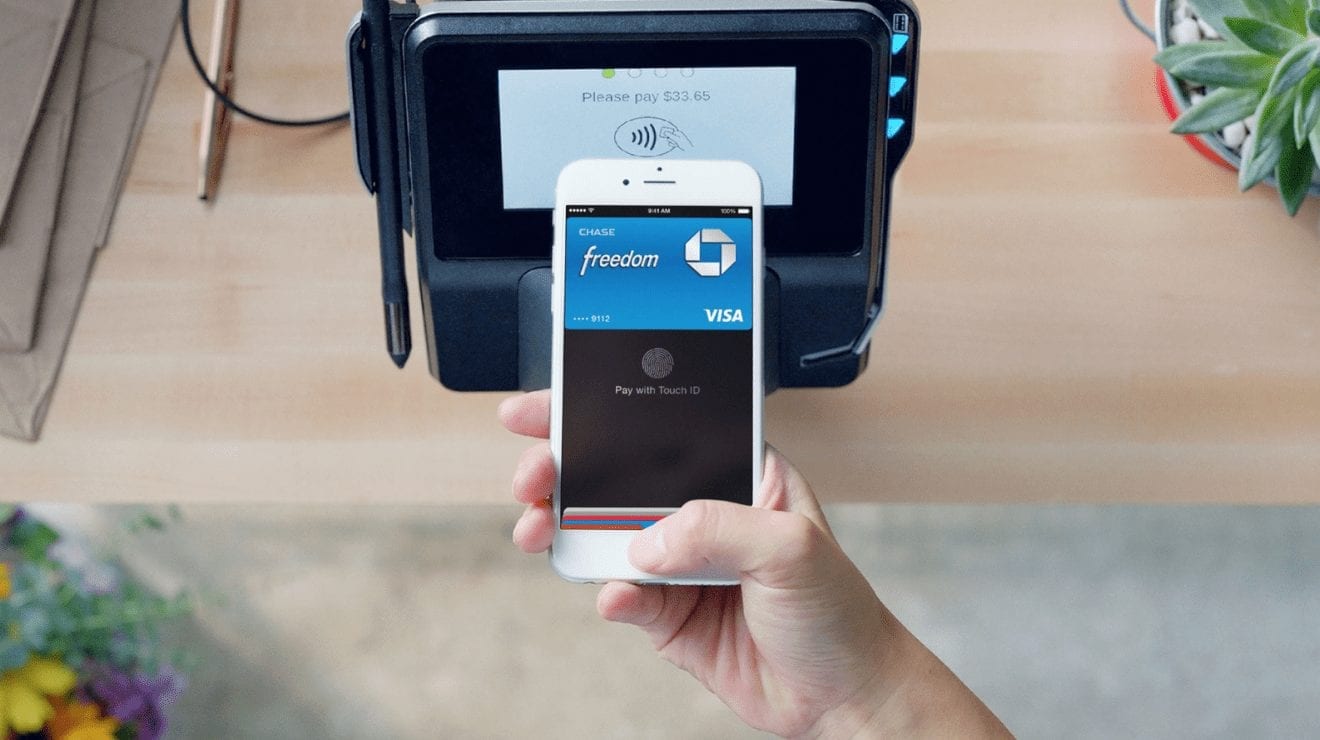
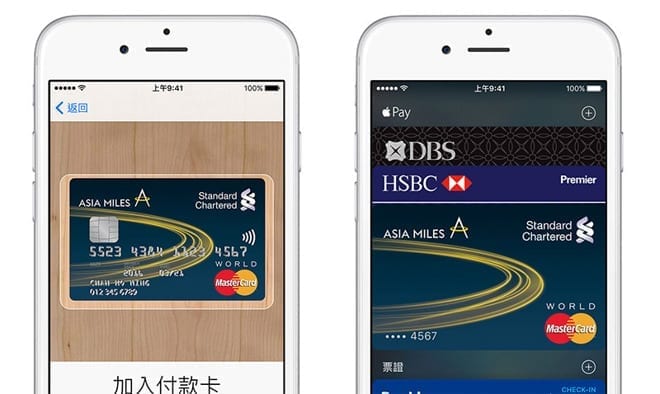
    Visa, MasterCard and American Express have all introduced support for Apple Pay in Hong Kong.

    Holders of credit and debit cards from the three companies issued by Bank of China, DBS Bank, HSBC, Standard Chartered, and Hang Seng Bank are now able to take advantage of the mobile contactless payment service.

    Apple’s Hong Kong website states that support for Bank of East Asia and Tap & Go cards is also “coming soon.”

    17613-15292-160719-Apple_Pay-HK-l

    In Hong Kong, Apple Pay is currently available in Apple’s own stores, as well as those from 39 other major chains, including 7-Eleven, APITA, KFC, McDonalds, Starbucks and Genki Sushi. It is also supported by a number of apps including Cathay Pacific, Deliveroo and Foodpanda. Support for Uber is coming soon.

    Apple Pay’s contactless payment technology aims to improve security by not storing credit card numbers on the device or sending credit card details to merchants. Payments can be authorized using the Touch ID fingerprint authentication system.

    Apple Pay is supported by the iPhone 6s and newer, the Apple Watch paired with an iPhone 5 or newer, as well as the iPad Pro, iPad Air 2 and iPad mini 3 and 4.

    “In Hong Kong contactless payments have become a necessity for everyday life, consumers and retailers realize the greater convenience and faster checkouts for busy people on the go,” Visa Hong Kong and Macau country manager Caroline Ada said.

    She said research from the company shows that 77% of respondents are willing to try out or adopt new ways of paying, and 78% are ready to use smartphones as the device for making everyday payments.

  • UnionPay now in Thailand

    UnionPay now in Thailand

    While the company’s success up to now has relied on the huge domestic home market in China – which accounts for 99 per cent of all UP credit cards issued – this could be about to change. UnionPay is setting its sights on global expansion and intriguingly Thailand is the catalyst which will help make this happen. Over the past few years several landmark decisions about ATM/debit cards have been made by the Bank of Thailand (BOT) and the Thai Bankers’ Association (TBA), and these are beginning to be implemented this year.

    To combat the growing incidence of ATM and debit-card fraud, the BOT decided that all new ATM/debit cards in Thailand must carry secure embedded chips, a mandate which comes into force this May. Significantly, the BOT and TBA adopted UnionPay’s chip technology as the standard for all of Thailand’s debit cards, the first country outside of China to do so.

    This will mean a mass transformation of Thailand’s 50-million strong debit-card market, as currently few debit cards have embedded chips and they are mainly used as ATM cards and not for retail transactions. Most cards will, therefore, need to be replaced and to support this UnionPay has joined with Bangkok Bank to establish the Thai Payment Network (TPN). Other leading Thai banks are also expected to become shareholders in this joint venture company.

    Thai banks and other financial service providers will produce the new cards under the TPN and TPN-UnionPay brands, which will be locally issued and processed in line with BOT policy.

    China UnionPay chairman Ge Huayong said that the launch of TPN in Thailand has great significance and he cited four major reasons for this. It is a new breakthrough in the development of technical standards in China’s financial sector, it represents a model for China’s policy of Going Global, it lays a solid foundation for large-scale acceptance and issuance of UnionPay cards in other local markets, and it will help UnionPay develop a business-expansion model which can be replicated which will accelerate the roll-out of its global business.

    Ge Huayong also added that it ties in with China’s “One Belt, One Road” international expansion strategy as UP plans to develop similar payment infrastructure in other countries along the Belt and Road.

    Meanwhile, in another major development China UnionPay last month signed a memorandum of understanding with Visa to collaborate on payments security, innovation and financial inclusion.

    Visa CEO Charlie Scharf said the two card giants would work together to develop innovations in digital payments and broaden the access of financial services to a wider population.

    All these developments fit well with the Thai government’s digital payments strategy and should ensure that Thailand is at the forefront of using new technology in the payments industry.

    The benefits include helping our businesses keep up-to-date with modern technology while ensuring the public has easy and convenient access to financial services.

  • 2C2P helps Myanmar revolution

    2C2P helps Myanmar revolution

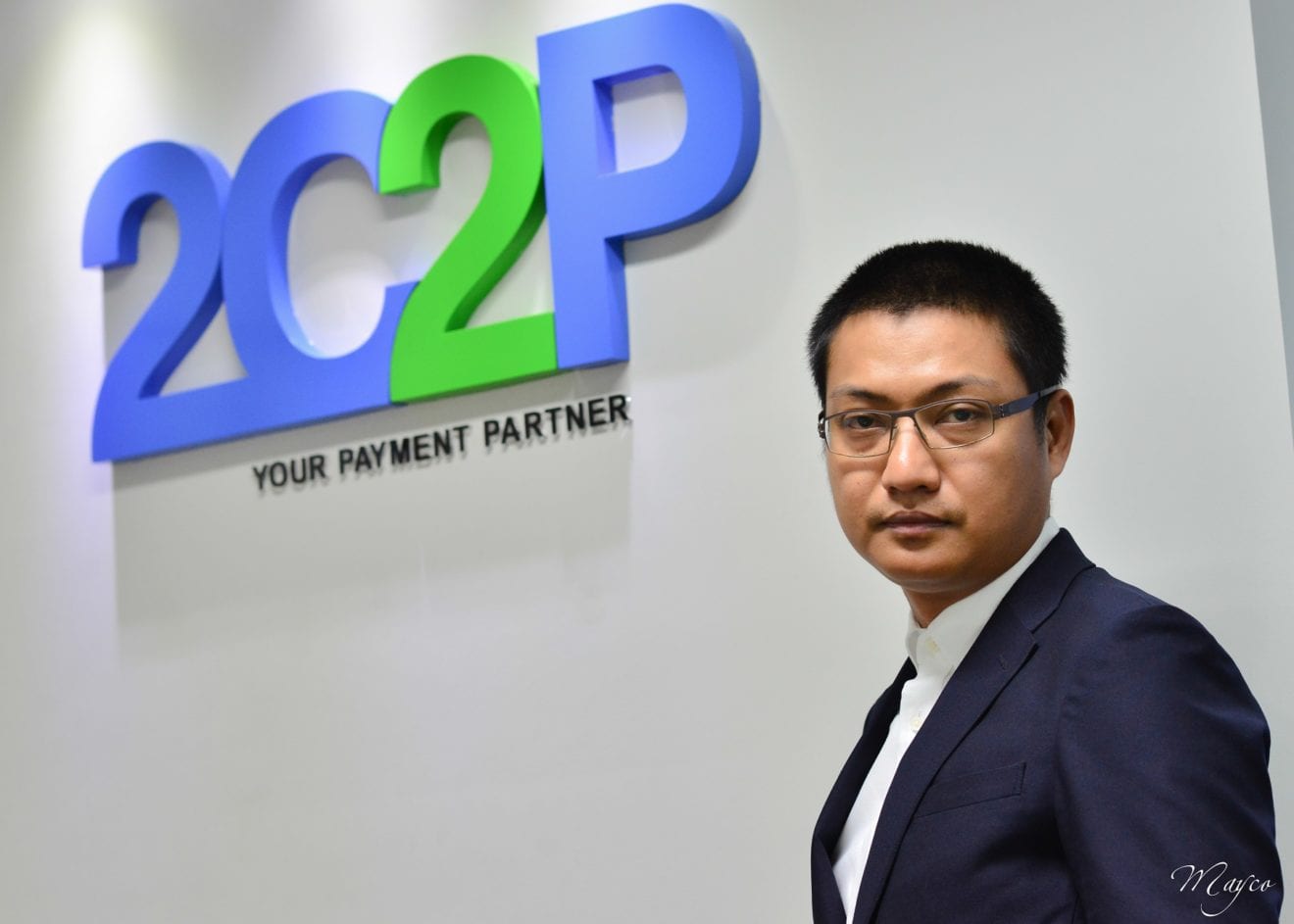
    Southeast Asia payments company 2C2P of Singapore, with its Burmese founder and CEO Aung Kyaw Moe, has taken a step to modernise Myanmar’s economy with the country’s first co-branded debit card so its citizens can shop with international merchants.

    The new UnionPay and Myanmar Payments Union (MPU) co-branded debit card is being introduced along with the launch of 1-Stop, a cash acceptance network of sellers and buyers, bringing digital commerce to Myanmar, especially helpful for its rural communities. Also a partner of the debit card is Myanmar’s Asia Green Development Bank (AGD Bank).

    Anyone in Myanmar can now set up a microbusiness to sell goods and services online. Domestic transactions are processed by MPU, while international transactions go through UnionPay International, which is recognised by more than 4000 merchants domestically and more than 26 million across 150 countries, as well as at 1.8 million ATMs internationally.

    MPU is Myanmar’s national payment network, authorising the issuance and acceptance of all payment cards within the country, of which there are more than 1.2 million. With UnionPay International, a subsidiary of China UnionPay, cardholders can shop with international merchants for the first time. UnionPay is the largest global payment card company with more than five billion cards issued.

    Myanmar is expected to quadruple the size of its economy from $45 billion in 2014 to $200 billion by 2030 (McKinsey), with a reboot of its cash-based economy seen as the key to growth. This will be driven by Myanmar’s young population (47 per cent of its 51.4 million citizens are 24 years old or younger). The World Bank pegs Myanmar’s annual growth rate as leading Asia at 8.3 per cent annually between 2014 and 2017.

    Myanmar’s millennials are also responsible for the country’s spike in outbound tourism. This sector grew from $29 million in 2002 to $257 million in 2012, a rise of 24 per cent, according to the World Trade Organisation.

    “2C2P is committed to support Myanmar’s financial institutions,” says CEO and founder Aung Kyaw Moe. “We do this by bridging the gap between local and international infrastructure.

    “We bring our robust platform, as well as our experience and knowledge in international payments, making it possible for Myanmar’s banking and financial institutions to innovate – offering new services that leapfrog legacy financial technologies.”

    AGD Bank customers can download an app to manage card transactions in real time with online support. A loyalty program offers discounts and privileges from more than 4000 merchants domestically, across food and beverage, retail, hospitality, and travel and tourism.

    “We are committed to innovate, offering Myanmar’s young, fast-growing and connected population the financial services that meet their evolving needs,” says AGD Bank chairman U Than Ye.

    Meanwhile, 1-Stop’s network has more than 3000 locations through 2C2P’s strategic partnerships with the country’s largest distribution network for the agriculture sector Myanmar AWBA Group, retail and convenience store chains Capital Hyper Mart and Grab & Go, mobile stores eCity, Lu Gyi Min andMr.Fone, as well as independent stores.

    It is aiming to contribute to modernising the economy through its online-to-offline commerce approach in a market with relatively high smartphone penetration but limited e-payment infrastructure.

    Myanmar is the fourth-fastest growing mobile market globally, according to Ericsson. In the third quarter of last year, it accounted for nearly 6 per cent of the world’s 87 million new mobile subscribers. Research firm Ovum estimates mobile subscriptions in Myanmar grew by 87.4 per cent in 2014 to 10.7 million. This is forecast to grow at a 21 per cent compounded annual growth rate to reach 38.5 million by the end of 2019 as networks expand to rural areas.

    Last year, 2C2P also launched easyBills, the country’s first online bill-payment system. Previously, along with Myanmar Citizens Bank, 2C2P launched the Citizen Card, a reloadable prepaid card accepted by MasterCard and merchants globally.

    2C2P has offices across Southeast Asia, including Cambodia, Indonesia, Laos, Malaysia, Myanmar, Singapore, Thailand and The Philippines, as well as in Hong Kong.