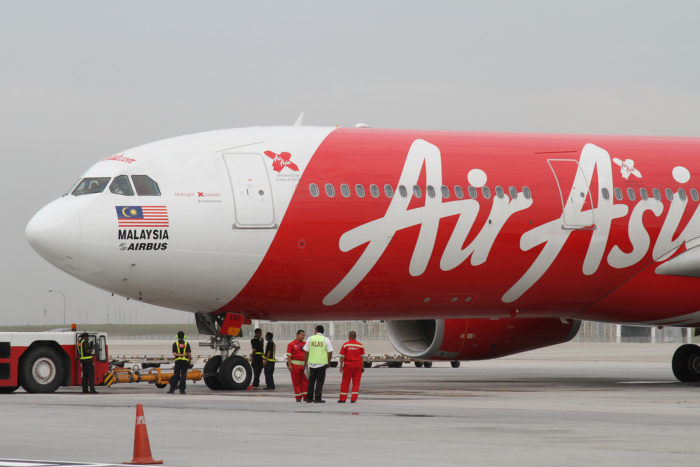
AirAsia co-founder Tony Fernandes rejected calls for state aid on Friday. The budget carrier plans to raise over 1 billion dollars by January to refinance its balance sheet.
His comments follow reports that Malaysian authorities approached rivals Malaysia Airlines and Batik Air. Officials wanted to evaluate whether the carriers could absorb AirAsia’s 60 percent domestic market share.
Speaking at a briefing in Bangkok, Fernandes dismissed the need for intervention. He said operations remain cash generative despite severe cost inflation. The airline recorded current liabilities of 18.4 billion ringgit, or 4.52 billion dollars, against cash balances of 954 million ringgit as of June 30.
Balance sheet pressures and jet fuel volatility
Jet fuel prices climbed 66 percent in the second quarter to average 183 dollars per barrel. AirAsia operates without fuel hedges. That unhedged position leaves margins exposed to oil spikes that have already pushed carriers in North America and Europe into restructuring.
Management is working to secure international bond financing alongside 700 million ringgit in domestic credit facilities. Fernandes confirmed that a Middle Eastern investor submitted a 1 billion dollar funding term sheet. Executives are negotiating terms before committing to an agreement.
Rival positioning and market control
Replacing AirAsia’s domestic footprint would require competitors to deploy roughly 100 aircraft immediately across Malaysian hubs. Neither Malaysia Airlines nor Batik Air possesses the spare fleet capacity to absorb that volume without starving regional routes.
For consumer travel and airport retailers across Southeast Asia, an abrupt pullback in low-cost capacity would quickly contract footfall in secondary hubs. The risk rests on whether fare hikes can offset fuel costs before short-term debt repayments come due in late 2026.
We’ve never received any government support in the last 25 years. And as of today, we haven’t got any and that’s it.
Fleet restructuring and route adjustments
AirAsia has cut unprofitable destinations and returned 25 older aircraft to lessors to lower monthly fixed overheads. No planes have been repossessed or involuntarily reclaimed by leasing firms during this period.
Fleet strategy centers on replacing widebody A330 aircraft with narrower, more fuel-efficient A321LR and XLR variants. Stable passenger volumes across units in Thailand, Indonesia and the Philippines supported an average load factor of 80 percent during the third quarter.
Current pressures trace back to mid-2026, when escalating fuel costs accelerated equity losses and triggered a 70 percent drop in the stock price. Malaysia’s Ministry of Finance subsequently hired Alton Aviation Consultancy to review the group’s financial position.
Talks with Airbus on a strategic fleet update are scheduled for next month, ahead of concluding the primary debt restructuring round by January 2027.
