Retail News CRM

Tag: dell

  • Dell Technologies to launch US$50m Global Innovation Hub in Singapore

    Dell Technologies to launch US$50m Global Innovation Hub in Singapore

    The GIH is launched under the Dell Technologies Digital Future – Made in Singapore initiative that aims to fast track the adoption of digital solutions and drive digital innovations developed in Singapore for partners and customers globally to be future-ready. A first-of-its-kind innovation centre situated outside of the company’s global headquarters in the United States, the GIH will focus on advancing multiple growth areas for digital transformation including augmented/mixed reality, data analytics, cloud-native, cybersecurity and edge computing. It is also home to a specialised team responsible for enhancing user experiences through innovation.

    In addition, the GIH houses existing R&D facilities in Singapore such as the Singapore Design Centre – responsible for global product design and development of key product categories such as monitors and client peripherals. It also includes a hardware prototyping lab dedicated to product design and innovation, and an Artificial Intelligence (AI) Experience Zone – a catalyst for AI understanding and adoption.

    The establishment of this hub has created more than 160 job opportunities in emerging technologies in Singapore. Diverse R&D innovators comprising designers, developers and strategists will be recruited and the hiring process will be completed by this year. All new hires for the GIH are based in Singapore and will drive R&D programmes for customers and partners worldwide.

    Amit Midha, President, Asia Pacific & Japan and Global Digital Cities, Dell Technologies, said: “Singapore is globally recognised as an internationally vibrant business, technology and thriving R&D hub. Our Digital Future – Made in Singapore initiative further supports Singapore’s unique standing by driving digital innovations developed in Singapore to the world. We’re very excited to unveil our global innovation hub as part of this initiative that will allow us to ideate, experiment and co-create meaningful digital solutions for our global customer and partner ecosystem. The Dell Technologies Global Innovation Hub in Singapore supported by talented local professionals will allow us to further contribute to the country’s growth and develop innovative products and solutions in emerging technologies to serve the wider regional and global markets.”

    Last year, the Singapore government announced an investment of S$25 billion into its next five-year plan for research, innovation and enterprise (RIE 2025) to meet a broader spectrum of national needs and build a knowledge-based and innovation-driven economy and society.

    “Dell Technologies’ Global Innovation Hub speaks to the company’s confidence in Singapore as an attractive R&D location, with access to talent and a vibrant ecosystem of partners here and in the region. Dell Technologies will create meaningful jobs for Singaporeans across design, strategy, research and product development. These in turn support our efforts in building a Smart Nation and a strong digital economy,” said Mr Ang Chin Tah, Vice President and Head, DISG.

    Over the past two decades, Dell Technologies has been proactively enabling businesses and communities in Singapore. Having started as a PC-maker, Dell Technologies has since evolved to become one of the largest global technology companies with deep expertise across edge computing, 5G, cloud, security and artificial intelligence and machine learning. Today, the company drives digital transformation initiatives for companies of all sizes via its comprehensive product portfolio.

    The launch of the GIH and a move to leverage local talent continue the momentum by Dell Technologies to upskill and train more than 3,000 fresh graduates, mid-career professionals and students in Singapore to be future-ready, as well as a collaboration with Singapore Management University for its students to benefit from a curriculum on cloud-native and emerging technologies.

    Added Midha: “The world needs technology now more than ever. In encouraging the adoption of digital solutions and new technologies, strengthening our product and process innovation system, and engaging the talent pipeline, we believe that we are paving the path for a more resilient, progressive, inclusive and sustainable economy.”

  • Dell backtracks on Singapore retail exit, leaving Malaysia

    Dell backtracks on Singapore retail exit, leaving Malaysia

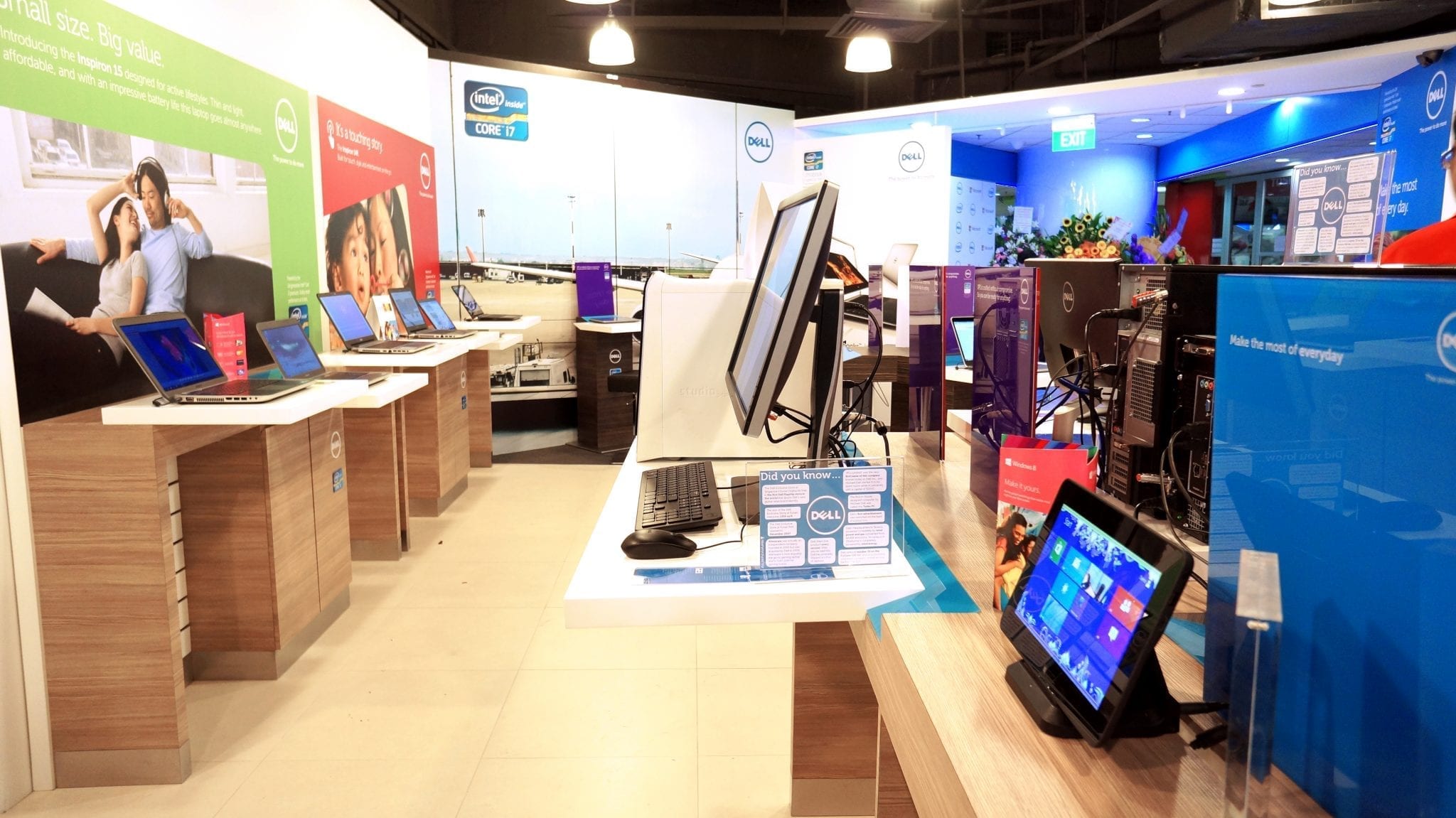
    According to the company, they will transition out of the retail market in Singapore and Malaysia; however, customers can still purchase items via the company’s online store. An internal memo revealed the company’s intention, stating that they will cease their bricks-and-mortar retail locations in these two countries, following a review of a number of the markets they currently operate in. As a result of this withdrawal, new orders will no longer be accepted by Dell from retail stores; however, any existing contracts and agreements will still be honored by the company.

    Although customers will not be able to purchase new Dell products in physical outlets, they will still be able to purchase these via their online store and will be able to get their hands on older products and product lines in a number of retail locations.

    The company commented: “Dell Technologies has announced plans to transition out of the retail market in Singapore and Malaysia. Customers will still have access to the full complement of our products and services through Dell direct.”

  • Dell quits retail in Singapore, Malaysia moving online only

    Dell quits retail in Singapore, Malaysia moving online only

    It appears retail stores in Malaysia and Singapore will not be carrying Dell products in the near future. According to an official statement from the company, Dell will “transition out of the retail market in Singapore and Malaysia,” though that doesn’t mean you cannot buy a Dell laptop anymore in these two markets.

    This news was first shared by Lowyat.NET, which has received an internal memo sent to Dell retailer partners in Malaysia and Singapore. According to the memo, Dell is exiting the retail market in these two countries after the company reviewed its presence in a number of regions. As such, effective immediately, Dell will no longer accept new orders from retail stores.

    Of course, any form of an existing contractual agreement between Dell and its retail partners – as well as customers – will still be honored despite this move.

    Now, it’s worth noting that this does not mean retail stores will immediately cease the sales of Dell products. You can still head to your local retail store and pick up a Dell laptop, but if you want the latest product offerings from the company, you can only get them from Dell’s Malaysian online store.

    Speaking of which, that will be the only channel to get new Dell products – for those in Malaysia and Singapore – moving forward. These include the latest XPS 13 and XPS 13 2-in-1 with Intel’s 11th generation Tiger Lake processors. Basically, retail stores will only be carrying older Dell products from now on.

    In the grand scheme of things, this does not affect the availability of Dell products in Malaysia and Singapore; you can still purchase them directly from the company on its online store. Of course, this does mean you won’t be able to try out new Dell laptops at retail stores in the near future.

  • Cloud fueled data center spending growth to $150b in 2018

    Cloud fueled data center spending growth to $150b in 2018

    Synergy Research Group (SRG) says a 30% spike in public cloud spending the data center hardware and software market grow to $150 billion in 2018. In addition, the requirement for ever-richer server configurations also drove up enterprise server average selling prices.

    Spending on enterprise data center infrastructure grew by 13% in part driven by the 23% growth in private cloud or cloud-enabled infrastructure, which helped to offset a marginal decline in traditional, non-cloud infrastructure.

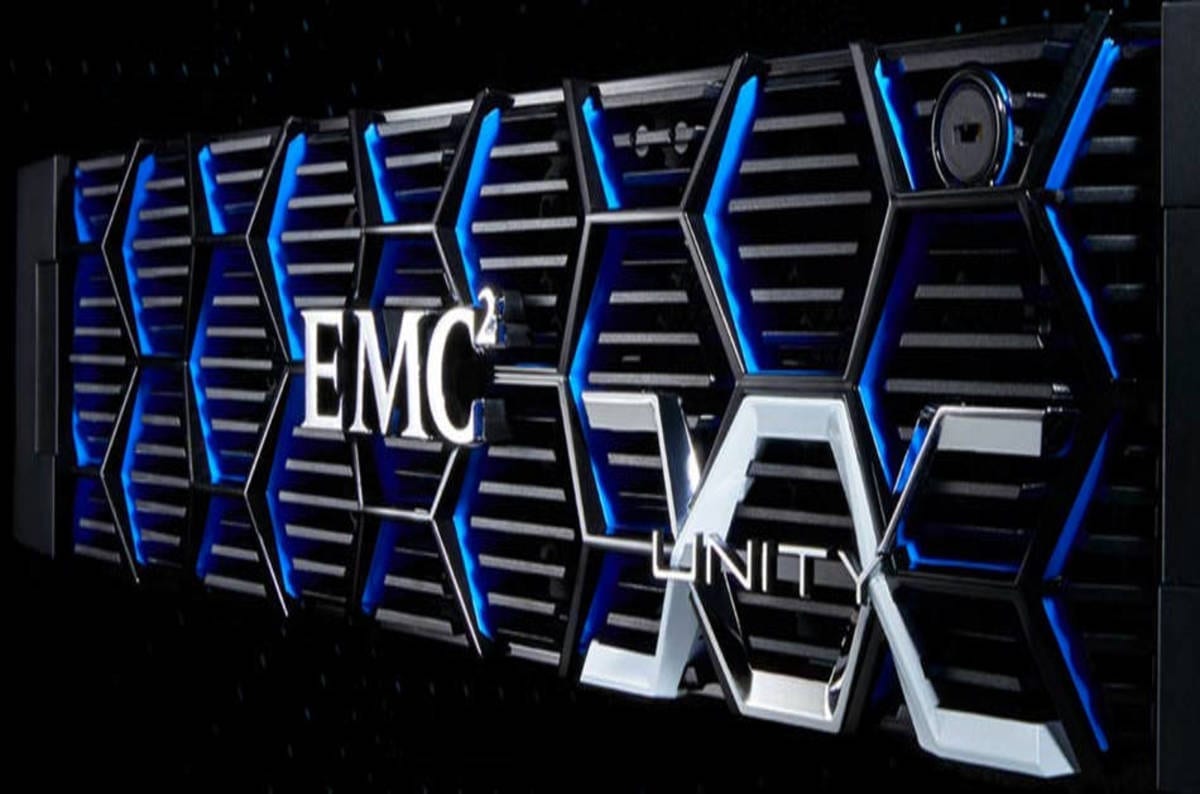
    In terms of market share, ODMs in aggregate account for the largest portion of the public cloud market, with Dell EMC being the leading individual vendor, followed by CiscoHPE and Huawei. The 2018 market leader in private cloud was Dell EMC, followed by Microsoft, HPE and Cisco.

    Private cloud or cloud-enabled infrastructure accounted for a little over a third of the total. Servers, OS, storage, networking and virtualization software combined accounted for 96% of the data center infrastructure market, with the balance comprising network security and management software.

    “Cloud service revenues continue to grow by almost 50% per year, enterprise SaaS revenues are growing by 30%, search/social networking revenues are growing by almost 25%, and e-commerce revenues are growing by over 30%, all of which are helping to drive big increases in spending on public cloud infrastructure,” said John Dinsdale, chief analyst at Synergy Research Group.

    “We are also now seeing some reasonably strong growth in enterprise data center infrastructure spending, with the main catalysts being more complex workloads, hybrid cloud requirements, increased server functionality and higher component costs,” added Dinsdale.

  • JD.com to provide more imported product to China

    JD.com to provide more imported product to China

    JD.com, China’s largest retailer, will purchase nearly RMB 100 billion worth of products from overseas brands. As disposable incomes in China rise, consumers increasingly demand high-quality products, especially imported products.

    E-commerce has rapidly emerged as one of China’s most preferred channels for buying overseas brands. Last year, the number of users purchasing products from overseas brands grew by 37.1% compared to 2016.

    The volume of imported goods in 2018 to date has already skyrocketed 150% as compared with two years ago.

    JD’ “Retail as a Service” strategy has proved enormously appealing to household
    names from all over the world.

    Indeed, the growing family of leading international brands partnering with JD to facilitate their e-commerce strategy now includes the likes of Saint Laurent, Alexander McQueen, Dell, Nestle, Avène and many more.

    As China’s e-commerce transformation continues to unfold, consumers have gravitated especially towards premium, smart, and green products.

    According to JD’s data, the highest performing categories among its customers this year have been mobile phones, computer and office suppliers, home appliances, maternal and childcare, and digital products.

    Advanced economies such as the U.S., Japan, South Korea, Germany, and the Netherlands remain the most popular sources of imported goods.

    Chinese consumers buying online are mostly younger (26-45 years old), white-collar workers with middle-to-high incomes.

    China’s most developed regions, particularly the coastal cities, account for the largest uptake of imported goods.

    The growth rate for purchases of overseas brands, however, is now highest in fourth- and third-tier cities, where these brands are often not available in brick and mortar stores.

  • Dell becomes public company five years after buyout

    Dell becomes public company five years after buyout

    Dell, the onetime leader in personal computers and tech industry stalwart, said Monday it will become publicly traded five years after a contentious private equity buyout.

    The company announced a stock swap deal with its software subsidiary VMware that will result in a reorganized tech giant that returns to the stock market, with founder Michael Dell retaining control as chairman and chief executive.

    The move comes after a 2013 private equity buyout led by Michael Dell aiming to revive the company that fell behind when consumers turned to mobile devices instead of PCs.

    “I am proud to lead this great company into its next chapter as we continue to evolve and grow to the benefit of our customers, partners, investors and team members,” Michael Dell said in a statement.

    “Unprecedented data growth is fueling the digital era of IT, and we are uniquely positioned with our portfolio of technologies and services.”

    The new Dell is far from the maker of personal computers that helped ignite the personal computer market in the 1990s.

    It acquired the data storage group EMC in 2016 for a whopping US$67 billion (RM271 billion) and is a major player in software, security and cloud computing in addition to its PC business.

    Michael Dell, who currently owns 72% of Dell Technologies common shares, struck a deal with the private equity firm Silver Lake to take the company private in 2013 in an effort to reorganize without pressure from public shareholders.

    The move came amid fierce opposition from some shareholders led by billionaire investor Carl Icahn, who called the plan a “giveaway.”

    Dell will trade on the New York Stock Exchange after completion of the deal, expected later this year, the company said.

  • BT, Dell EMC explore new way to manage traffic

    BT, Dell EMC explore new way to manage traffic

    BT and Dell EMC have entered a research collaboration  dedicated to exploring a new way of managing network traffic using agile, programmable telecoms networks.

    The proof-of-concept trial, which is taking place at the BT Labs in Adastral Park, Suffolk, will explore how disaggregated switching can create flexible networks which are more responsive to customer needs by using standard open network switches commonly found in data centers, coupled with specialist switching software.

    In contrast to the traditional integrated network switches currently used by operators and enterprises around the world, disaggregated switching uses merchant silicon based switching systems combined with either commercially available or open source system software.

    This represents a significant shift architecturally, based on server-like principles to the delivery of dynamic network services over fixed-line and wireless networks.

    BT is evaluating the performance of Dell EMC disaggregated switches against traditional integrated switching hardware to test the performance, economics and programmability of this new, virtualized approach, which is important as customers increasingly require more flexible, agile networks.

    Disaggregated switches have several potential advantages over traditional network switches, as they can be managed flexibly using Netconf protocol and YANG models. This makes the entire system inherently programmable and allows the switches to be operated in tandem to provide new network services or make configuration changes rapidly.

    BT will work with Dell EMC to look at a number of potential use cases as part of the trial as the company evolves its network strategy to maximize the benefits of SDN (software-defined networks), NFV (network functions virtualization) and programmable silicon. These include the instant activation of Ethernet circuits from a third party (such as an enterprise), and the ability of the system to deliver real-time network operational data.

  • Dell Thailand launches concept store

    Dell Thailand launches concept store

    Dell Thailand, in partnership with Chiangrai Technocom, has launched the first Dell Concept Store in Chiang Rai.

    Dell products at the store include desktop and laptop computers and peripherals for both consumer lifestyle and professional needs.

    Chiang Rai provincial mayor Wanchai Chongsutnamani presided over the store’s official opening.

    Dell EMC Indochina VP Anothai Wettayakorn says the company is confident in its partnership with Chiangrai Technocom, which has been selling Dell products through its six branches in the northern region of Thailand.

  • Huawei will leapfrog Apple and HP to lead the PC market in five years

    Huawei will leapfrog Apple and HP to lead the PC market in five years

    Huawei will become the top personal computer maker in the world in three to five years, leapfrogging the likes of Apple, Lenovo and HP, a top executive at the firm told on Wednesday, just days after launching new notebook devices.

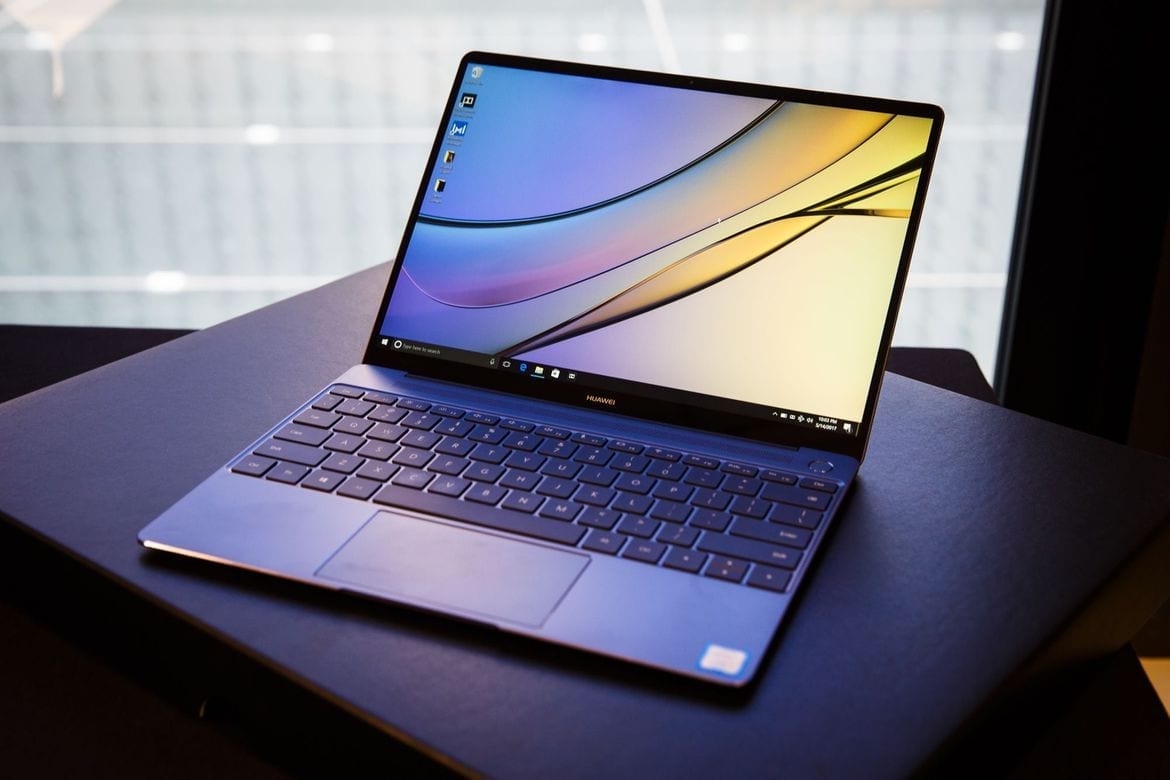
    In May, the Chinese firm took the wraps off of the MateBook X, MateBook D and MateBook E — the X is a laptop that competes directly with Apple’s MacBook line of products. For its part, the company says it is bullish on its plans in the PC space.

    “Whenever Huawei decides to enter an area, make a product, our target is always to be a global leader,” said Wan Biao, chief operating officer of Huawei’s consumer business group. “I think this comes from Huawei’s unswerving input in R&D, and our innovation capabilities. I think these has already been proven in our smartphone products.”

    When asked how long it will take to sit at the top spot in the market, Wan said the “process would take about three to five years.”

    The PC market has been declining for several years, but it recorded 0.6 percent growth in the first quarter of 2017, according to data from IDC. Given that low growth, it’s an incredibly tough market.

    HP, Lenovo, Dell, Apple, and Acer make up the top five players in the world by market share, IDC said. So if Huawei becomes number one, that would mean beating out those top players. Wan, however, said he’s confident.

    “Of course, we are confident because of Huawei’s powerful innovation capabilities. In fact, in the laptop space some technologies are the same with smartphone. In the meantime, with the development of AI, AR and VR [artificial intelligence, augmented reality and virtual reality] technologies, the chance to succeed will only grow bigger for a strong innovative company,” Wan told.

    Huawei’s consumer business is relatively young and began with smartphones. The Chinese giant is seeing success: reported revenues in its consumer business group were up 42 percent year-on-year in 2016 to 178 billion yuan ($26.19 billion). Smartphone shipments were up 29 percent to 139 million units, and Huawei is now the third-largest smartphone vendor in the world by market share.

    Wan’s projection of being the top PC maker in only a few years mirrors similar bullishness from the company about smartphones. In 2016, Richard Yu, the CEO of the consumer division at Huawei, told that the firm would be number one in smartphones by 2021.

    It may seem odd that Huawei is entering a stagnant market, but the tactic is to try and create an ecosystem of products for consumers. Not only does Huawei have smartphones, but it also sells smartwatches and Wi-Fi routers. Laptops are another edition to the portfolio.

    “I think for Huawei’s strategy, one of the most crucial points is the connectivity of all things. Every object in the world should be able to connect … Therefore Huawei is also developing our business over these notions,” Wan said.

  • DHL named Dell EMC 2016 Best Global Innovative Partner

    DHL named Dell EMC 2016 Best Global Innovative Partner

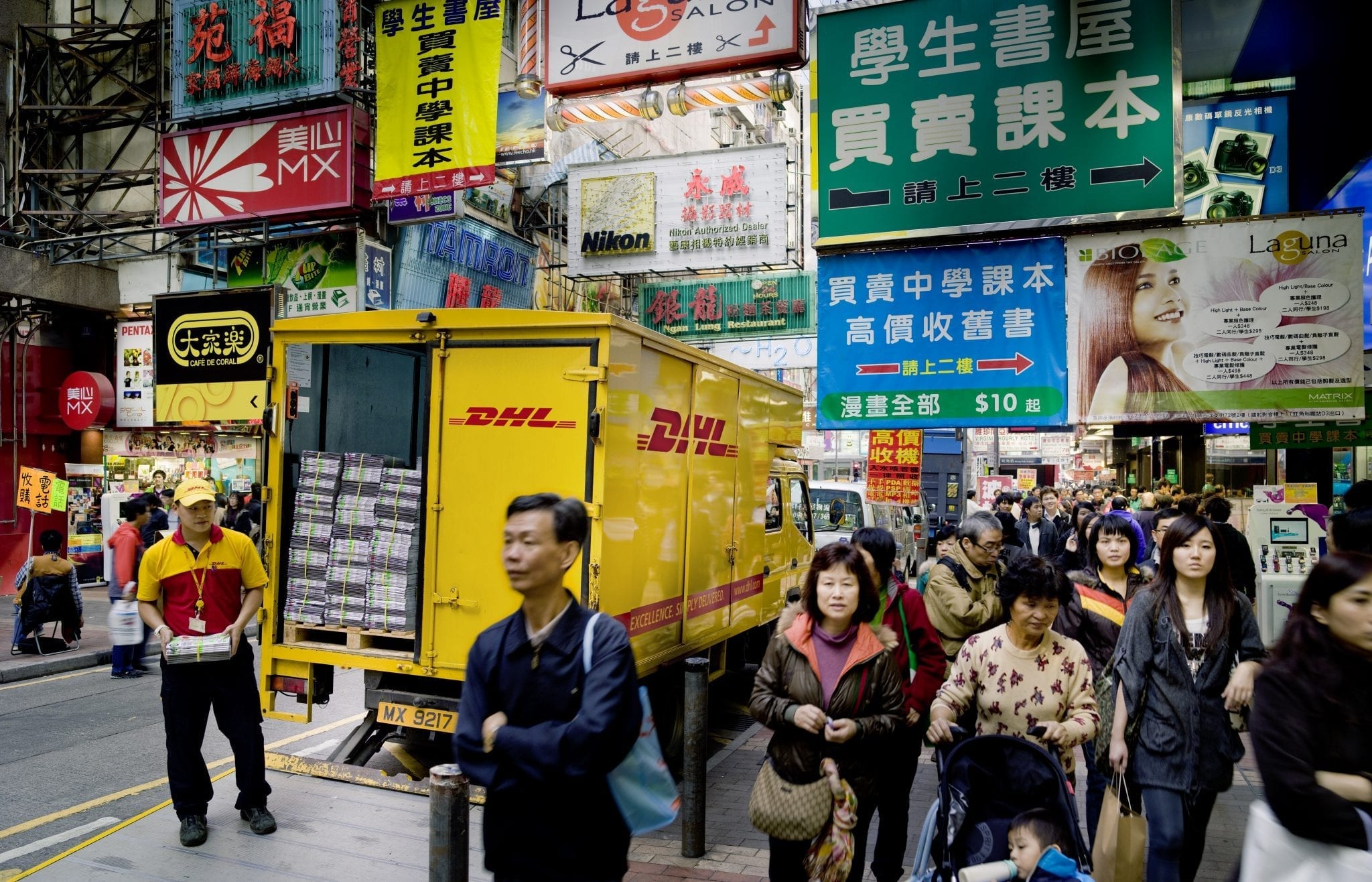
    DHL, the world’s leading logistics provider, announced it has been named a winner in Dell EMC’s 2016 Partner of the Year Awards.

    Presented by Dell EMC, the annual awards honor Dell EMC channel partners for delivering commendable solutions for their customers and were presented at the Dell EMC Global Partner Summit in Austin, TX. Award winners are selected from a group of nominations, based on their dedicated use of Dell EMC technologies to provide solutions for their customers’ needs.

    “We are extremely excited that our regional and Singapore teams have been presented with the Dell EMC 2016 Best Global Transport Logistics Partner and Best Global Innovative Partner of the Year awards respectively,” said Terry Ryan, CEO, DHL Supply Chain Asia Pacific. “It is an honor for our warehousing and transport solutions, including bulk transportation capability, to be recognized for excellence in quality and cycle time performance. At the same time, the recognition for our innovative solutions – from an advanced storage and retrieval system to award-winning design, construction, operation and maintenance of ‘green buildings’ – is further acknowledgement of our efforts toward innovation and sustainability.”

    “We congratulate DHL on receiving Dell EMC’s 2016 Best Global Innovative Partner and Best Global Transport Logistics Partner of the Year Awards, which recognizes partners that have exhibited an exemplary commitment to Dell EMC and our joint customers throughout the year,” said John Byrne, President, Global Channels, Dell EMC. “Dell EMC’s partners are an important part of the Dell EMC ecosystem and provide customers deep expertise and exemplary support on their Digital Transformation journey.”

    As a Dell EMC Innovative and Logistics Partner, DHL provides a robust transportation and logistics infrastructure, which in tandem with Dell EMC’s expertise in hardware, software and services, helps to eliminate IT complexity for customers and create greater efficiencies.

    Through its partner program, Dell EMC offers partners like DHL greater value and choice to their customers, while rewarding investment in key Dell EMC solutions that will help drive business growth.

  • Dell launches IoT solutions partner program

    Dell launches IoT solutions partner program

    Dell is building an ecosystem of partners to help customers navigate the fragmented IoT landscape and identify the right technologies to develop IoT solutions.

    The Dell IoT Solutions Partner Program will provide participating partners with access to Dell’s  product portfolio and support.

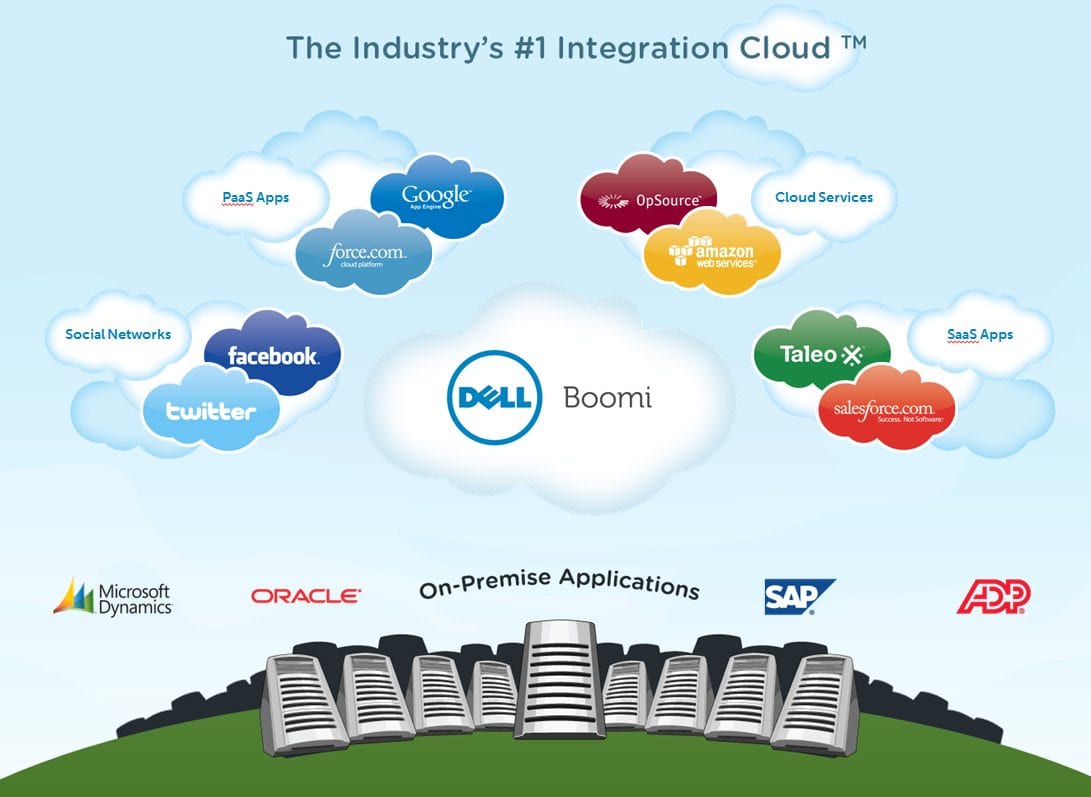
    The program will combine a global network of experienced independent software vendors with the portfolio of Dell’s IoT assets. These include purpose-built, intelligent gateways and embedded PCs, security and manageability tools, data center and cloud infrastructure, and data integration and analytics software like Boomi and Statistica.

    The IoT partner program launched with more than 25 partners including GE, SAP, Software AG, Microsoft, OSIsoft and others, many of which are using the Dell Edge Gateway 5000 Series to power their own IoT solutions. Dell also continues to build relationships with systems integrators with vertical expertise and deployment scale.

    The Dell Edge gateway runs on Windows 10 for secure, reliable, and streamlined support and is Microsoft Azure Certified for IoT. Customers can depend on the Edge Gateway for seamless and security-enhanced data with the Azure IoT Suite, so they can get their projects running quickly.

    Dell, Kepware, and Software AG are collaborating to develop IoT-enabled predictive maintenance models using distributed analytics to address the industry’s biggest operational challenges, such as unplanned downtime, overall equipment effectiveness, maintenance cost and return on assets.

    With Microsoft and Blue Pillar, Dell is delivering Automated Demand Response solutions which help utilities maintain grid reliability and enable customers to realize significant value through dispatch of onsite power generation or reduction in consumption.

    Dell and SAP are also collaborating to bring business to the edge with models designed to help address the industry’s biggest operational challenges, such as business continuity, overall equipment effectiveness, maintenance cost and return on assets.

    Additional partners include Azeti, Blue Pillar, Datawatch, Eigen Innovations, Flowthings, Flutura, GE, Kepware, Lynx Software, Microsoft Azure, OSIsoft, Relayr, SAP, Software AG, and Thingworx.

  • Dell Inc Announces $125B Investment In China, Including Artificial Intelligence Lab

    Dell Inc Announces $125B Investment In China, Including Artificial Intelligence Lab

    Computer manufacturer Dell Inc. will invest $125 billion in China over the next five years, as part of a new strategy to expand in the world’s second-largest economy. The company’s CEO, Michael Dell, said in a statement Thursday that the investment would contribute $175 billion to imports and exports and help sustain one million jobs in the country.

    “The Internet is the new engine for China’s future economic growth and has unlimited potential,” Dell wrote in a statement, cited by Reuters.  “Dell will embrace the principle of ‘In China, for China’ and closely integrate Dell China strategies with national policies,” he added. The company also announced that it would be expanding its research and development team in the country, with a view to producing products tailored to the Chinese market.

    As part of the investment, Dell announced that it will create an artificial intelligence lab, in partnership with the Chinese Academy of Sciences, in the country. Dell will work with the state-controlled institute to develop advanced technology relating to cognitive systems and deep learning. It has also signed a strategic partnership agreement with Kingsoft Corp. of Beijing to co-develop and sell products relating to big data and cloud computing, Bloomberg reported.

    Dell currently has three plants, two service centers and two research and development facilities in China, as well as 11,700 retail outlets, according to China Daily. The company already employs nearly 2,000 senior engineers in its research and development team in China.

    Dell’s investment appears to follow a pattern set by other U.S. tech firms, which have made large investments to win over government and business, and partnered with Chinese firms in a bid to navigate the local market more successfully. Late last year Intel announced an investment in Chinese microchip firms, and Hewlett-Packard announced in May that it would sell a majority stake in its server, technology services and storage business in China to a Tsinghua Holdings subsidiary, IT World reported.

    Dell ranked third in global PC shipments in the second quarter after Lenovo Group Ltd and Hewlett-Packard Co, according to research firm International Data Corp. China is the company’s second-largest market, after the U.S.

  • Dell To Drop $125 Billion In Cold Hard Cash On China To Expands Research And Development

    Dell To Drop $125 Billion In Cold Hard Cash On China To Expands Research And Development

    Michael Dell is no longer beholden to shareholders after taking the computer company he founded private two years ago. As such, he’s free to invest more than $125 billion in China over the next five years as part of his “In China, For China” 4.0 strategy announced today without having to worry about how it might affect the company’s stock price.

    The massive investment will continue to expand and enhance Dell’s research and development team in China, Dell’s second largest market for PC sales. It will also contribute some $175 million to imports and exports, which in turn will sustain more than 1 million jobs in the country.

    “China and the United States are among the countries where the information industry is developing the fastest, resulting in the most vibrant enterprises,” said Mr. Dell. “The Internet is the new engine for China’s future economic growth and has unlimited potential. Being an innovative and efficient technology company, Dell will embrace the principle of ‘In China, for China’ and closely integrate Dell China strategies with national policies in order to support Chinese technological innovation, economic development and industrial transformation.”

    Dell currently employs nearly 2,000 senior engineers in China. In addition to expanding its R&D team in the country, the investment will help to further develop a R&D center for end-to-end solutions specifically intended to serve the Chinese market.

    The PC maker has a major retail presence in China with almost 11,700 stores cover 97 percent of the market. That includes over 100 retail stores for Alienware, the gaming brand that was once a standalone boutique builder.