Tag: delta

  • Mekong Delta Mango Prices Soar by 33% as Tet Celebrations Approach Amid Low Supply

    Mekong Delta Mango Prices Soar by 33% as Tet Celebrations Approach Amid Low Supply

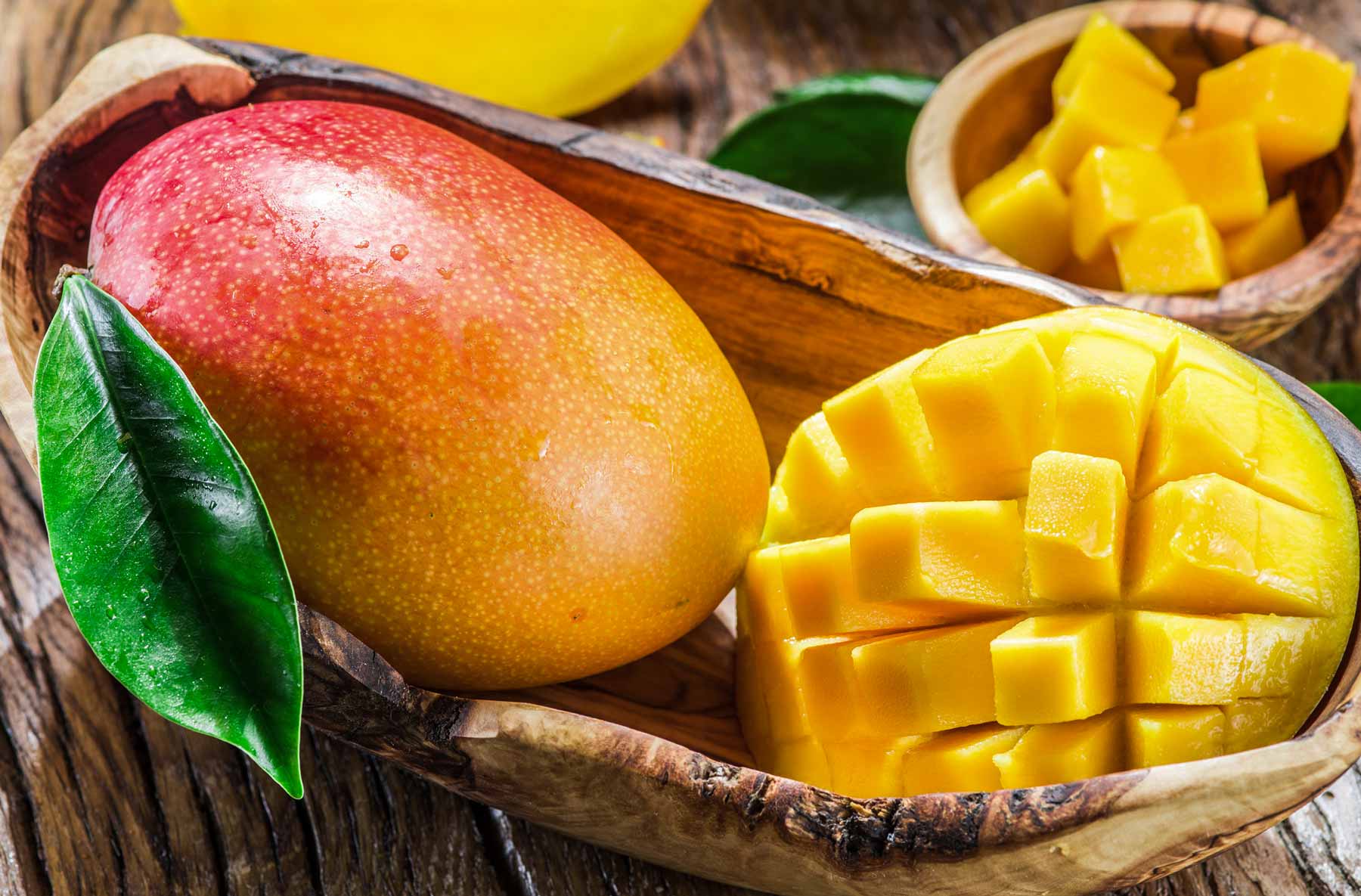
    The Mekong Delta’s renowned Hoa Loc mangoes are currently being sold at a retail price of VND200,000 (US$7.70) per kilogram, reflecting a surge of 33% compared to the previous year, primarily due to a supply shortage.

    Market Dynamics

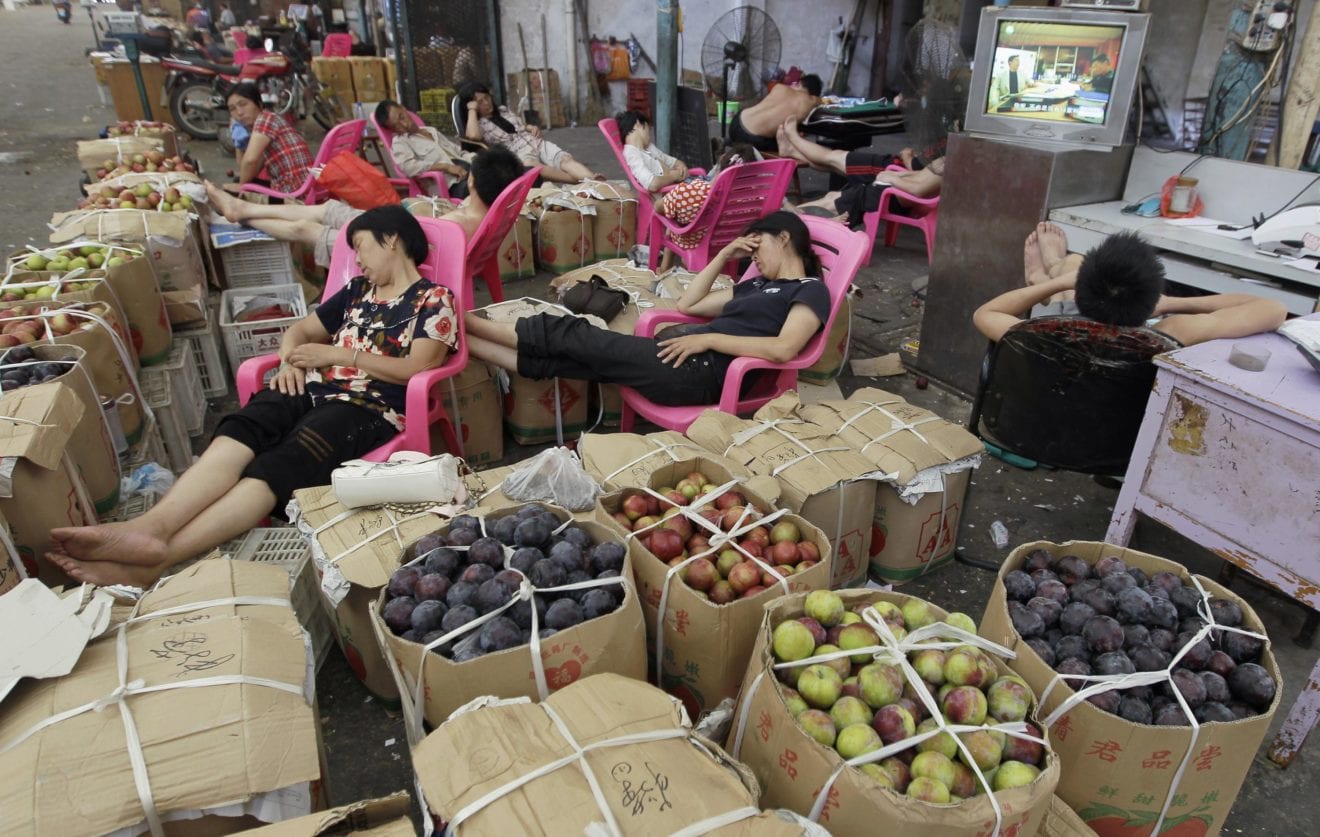
    Several retail stores in Ho Chi Minh City (HCMC) have reported difficulties in procuring sufficient quantities of this fruit, which is a traditional component of the Tet (Lunar New Year) fruit tray. As the New Year approaches, larger and more attractive fruits are being sold out rapidly, despite their steep prices.

    Nguyen Thi Loan, a fruit store owner located in the An Hoi Dong Ward of the city, revealed that her daily sales have dropped to approximately 150 kilograms compared to last year’s 200 kilograms during the same period. The availability of other mango varieties has also decreased, subsequently pushing their prices upwards.

    Weather Impact and Export Priorities

    Unfavorable weather conditions have hampered timely fruit-bearing in many large orchards, contributing to the supply-demand imbalance. Nguyen Thi Hong, a mango grower with over a hectare of land in the Mekong Delta province of Dong Thap, claimed that Hoa Loc yields have declined by 20-30% compared to the previous year.

    This reduction in output has inflated both farm-gate and wholesale prices. For instance, at the Thu Duc agricultural wholesale market in HCMC, mango prices have skyrocketed by over 60% since the last Tet, reaching VND130,000 per kilogram.

    A manager at the market also indicated that certain businesses are prioritizing their export orders, thereby intensifying the local supply crunch.

    Questions & Answers

    Why have the retail prices of Hoa Loc mangoes increased significantly?
    The prices have escalated due to a supply shortage, which has resulted from unfavorable weather conditions and lower yields.

    What other factors are contributing to the rise in the prices of these mangoes?
    In addition to the supply-demand imbalance, some businesses are prioritizing their export orders over local supply, leading to a further increase in prices.

    How has this affected the traditional Tet fruit tray?
    The scarcity of Hoa Loc mangoes and their high prices have led to a reduction in sales, impacting the traditional Tet fruit tray which typically includes these mangoes.
  • Aeon expands Vietnam footprint with first Mekong Delta shopping centre

    Aeon expands Vietnam footprint with first Mekong Delta shopping centre

    Japanese retail conglomerate, Aeon, is set to boost its footprint in Vietnam by launching its eighth shopping complex, Aeon Tan An, marking its first entry into the Mekong Delta region.

    Operational Launch and Location

    The center is slated to commence operations on September 23, before officially launching on October 4. The mall is strategically positioned in the administrative region of Tay Ninh province, located on the bustling Hung Vuong artery, in close proximity to the National Highway 1A and a mere 1km from the significant Ho Chi Minh City-Trung Luong Expressway.

    Community-Oriented Design

    The project embodies Aeon’s “Daily Community Park” concept, blending contemporary aesthetics with green spaces and a community-focused layout. To augment the natural ambience of the center, around 11,000 plants have been integrated throughout the complex, paired with spacious seating areas and an alfresco terrace.

    Tenant Profile and Facilities

    The new center will accommodate approximately 30 retailers, a significant 80% of which are making their debut in the Mekong Delta. The retail mix will be anchored by the Aeon General Merchandise Store and will feature a diverse range of outlets including fashion and sports stores, cafes, eateries, bookstores, a cinema, and various entertainment facilities.

    The company statement emphasized the vision of Aeon Tan An as more than just a shopping and entertainment hub, but as a place where people can naturally come together and connect on a daily basis. It further highlighted the opportunities for every family member to explore unique experiences, savor enjoyable moments in a contemporary shopping environment, and benefit from high-quality services and varied entertainment amenities.

    Aeon’s current portfolio includes shopping centers in major Vietnamese cities such as Ho Chi Minh City, Hanoi, Hai Phong, and Binh Duong.

    Questions & Answers

    What is Aeon’s new project in Vietnam?
    Aeon’s latest project in Vietnam is the Aeon Tan An shopping mall, which will be their eighth shopping center in the country and their first in the Mekong Delta region.

    What is the concept behind the design of Aeon Tan An?
    The design of Aeon Tan An embodies Aeon’s “Daily Community Park” concept, which combines modern design with green spaces and a layout focused on community engagement.

    What kind of facilities and stores can visitors expect at the new Aeon Tan An shopping mall?
    Visitors to the new Aeon Tan An shopping mall can expect a variety of outlets including fashion and sports stores, cafes, eateries, bookstores, a cinema, and various entertainment facilities.

  • Mekong Delta fruit prices surge as travel restrictions ease

    Mekong Delta fruit prices surge as travel restrictions ease

    Jackfruit, longan, and lemon cultivated in the Mekong Delta are fetching two to four times the prices that prevailed when Covid-19 related transport restrictions were in force before Oct. 1.

    Lemons bought directly at gardens are priced VND7,000-8,000 ($0.31-0.35) per kilogram these days, while they were selling for just VND2,000 per kilogram earlier.

    Prices of Thai jackfruit have also surged to VND19,000-30,000 per kilogram. These prices are four times more than the previous four months when travel was restricted.

    Similarly, longan prices have doubled to VND12,000-14,000 per kilogram.

    “Farmers hope to a lot of longan and make a profit when Chau Thanh District (Dong Thap Province) harvests the fruit in about a month,” said Nguyen Van Thuan, a farmer from the district.

    In July, fruit from the Mekong Delta, Vietnam’s agriculture hub, was sold poorly at lower prices as wholesales markets across HCMC close due to Covid-19.

    Mekong Delta contributes 90 percent of the country’s rice exports, 65 percent of seafood exports, and 70 percent of fruit exports.

  • Former Lloyd’s APAC CEO Joins Delta Insurance

    Former Lloyd’s APAC CEO Joins Delta Insurance

    The specialty underwriting agency has appointed a new chief operating officer to support its burgeoning growth in Asia Pacific.

    Delta Insurance has expanded its management team, appointing current advisory board member Kent Chaplin as COO, the firm announced in a statement on Tuesday.

    Chaplin is no stranger to the industry and the region – he was formerly the CEO and head of Asia Pacific for Lloyd’s, and worked for the insurer in Singapore from 2011 to 2018. In 2019, Chaplin joined U.S.-headquartered company DXC Technology as its global head of reinsurance and specialty sales in Singapore.

    He appointed to Delta Group’s advisory board in August 2019, where he provided strategic planning, business development and governance support.

    Delta Insurance, which started operations in 2017 in New Zealand, is innovation and technology-driven insurtech headquartered in Singapore. It specializes in cyber, technology and professional risk protection, with Lloyd’s underwriting backing.

    Amid the Covid-19 pandemic in 2020, the firm saw 50 percent growth in the Asia Pacific region.

    That growth has encouraged us to significantly broaden our footprint in Asia-Pacific and beyond – becoming more global in our outlook, Ian Pollard, group managing director, said in the statement.

  • Tourism plans in Mekong Delta called too ambitious

    Tourism plans in Mekong Delta called too ambitious

    Thirteen provinces and cities in Mekong Delta received 7.6 million travelers in 2016, including 900,000 foreign travelers, or 10 percent of total foreign travelers to Vietnam.

    Under the plan for Mekong Delta tourism development, the region would have turnover of VND25 trillion by 2020, or VND15.3 trillion higher than last year’s turnover.

    Some experts commented the plan is too ambitious, because the number of travelers to Mekong Delta has not increased sharply like other regions. With the overlap in tourism products, poor infrastructure and services, and bad marketing, Mekong Delta tourism agencies should not set a high target in the number of travelers.

    An analyst commented that there could be a ‘one for all’ tour, in which travelers visit one locality to experience all the products of the whole region.

    If travelers visit My Tho, they will not need to go to Can Tho, and if they visit Can Tho, they can go straight to Chau Doc or to Cambodia, and there would be no need to stop over in neighboring localities.

    My Tho and Ben Tre’s tourism has become nearly saturated as all tourism resources such as don ca tai tu (amateur music in southern Vietnam), hand rowing and craft villages.

    Travel firms report that travelers to Mekong Delta stay for 1-2 nights or go home within the day. While the central region can exploit its advantages to provide resort tourism or MICE, Mekong Delta has few large groups of 500-1,000 MICE travelers because of the lack of hotels and services.

    Nguyen Thi Hoa Le, CEO of Hoa Binh Tourism JSC, said that provinces and cities need to provide tourism products with ‘specific taste’.

    She has urged local authorities to make heavier investments in infrastructure and services. “All localities want to develop tourism, but how they can attract more tourists if they hesitate to make big investments?” she said.

    Some businesses think Mekong Delta has become less attractive because of rapid modernization. Many rural areas have lost the charm of the southern countryside.

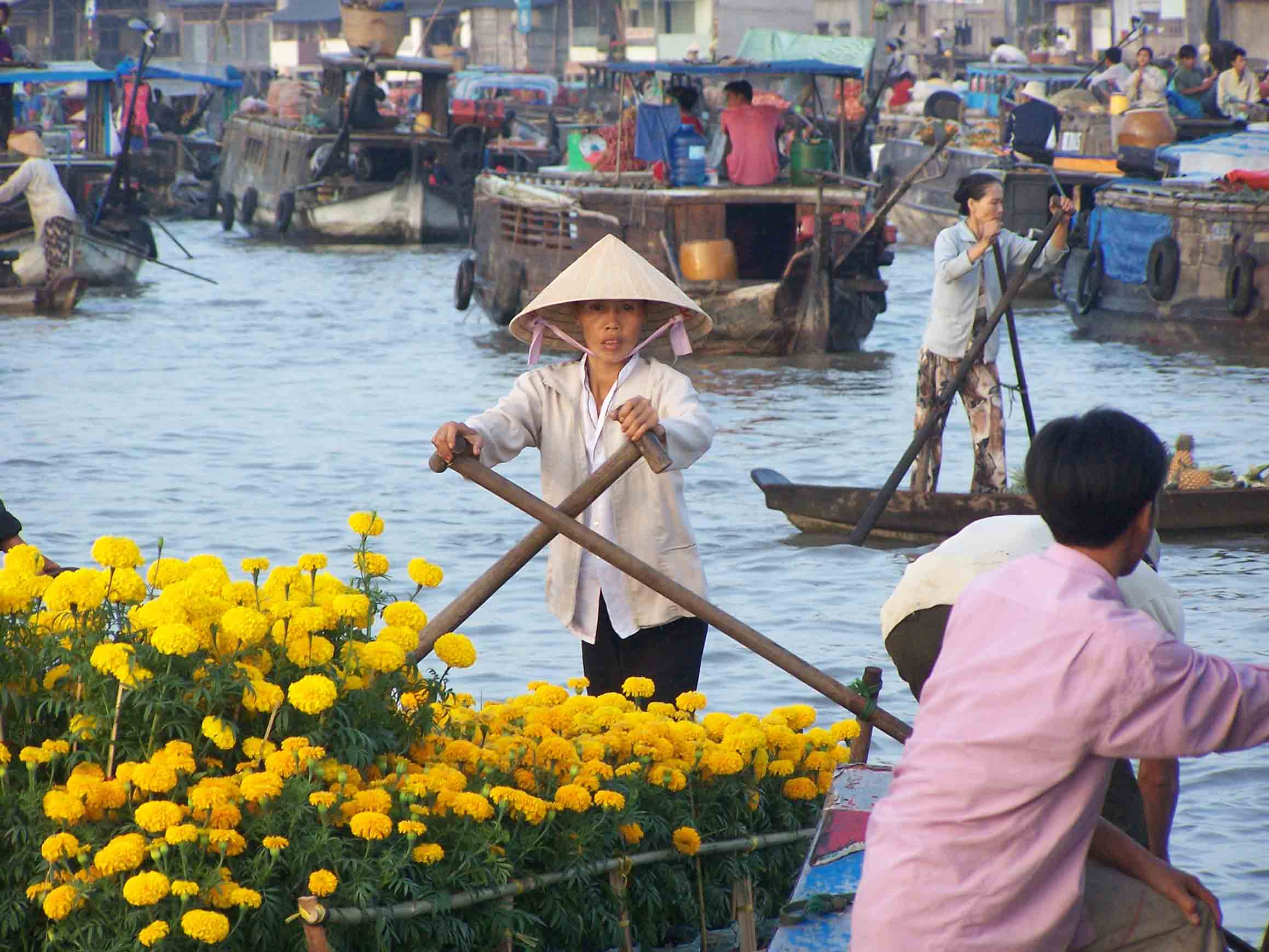
    In Tien Giang and Can Tho provinces, for example, there are floating markets, an original characteristic of the southern region. However, the markets have become smaller as people now have other modern trade channels.

  • Vietnam looks for shrimp farming to save the Mekong Delta

    Vietnam looks for shrimp farming to save the Mekong Delta

    About 700 000 hectares of rice and other agriculture crops in Vietnam were destroyed by climate-induced natural disasters in 2016, reports the Ministry of Agriculture and Rural Development.

    Consequently, rice production, which was hit the hardest, fell by some 800,000 tons, which has forced the Ministry to fast track implementation of remedial climate change adaption measures.

    Under one initiative, rice cultivation in several Mekong Delta provinces has been converted to growing fruit trees and grapes that require less water yet provide suitable alternative sources of income for farmers.

    Vietnam is the third largest exporter of rice, behind India and Thailand. Nicknamed the ‘rice bowl’, the Mekong Delta region comprises 12% of the arable land of the country and is responsible for nearly 50% of the rice production.

    This past paddy season, the culprit was salt water intruding upstream from the coast, said Mekong wetlands ecologist Nguyen Huu Thien.

    In turn, he places the blame squarely on dams that have been constructed at locations in Laos and Cambodia that are blocking the free flow of water and sediment, which allows for saltwater to make its way in the opposite direction the waters of the river naturally flow.

    Last year, a severe drought in much of Southeast Asia compounded the problem.

    In May, the Vietnam government observed the Mekong River at its lowest level since 1926, but eventually successfully convinced China to release water from its upstream dams, which helped to alleviate some of the problem.

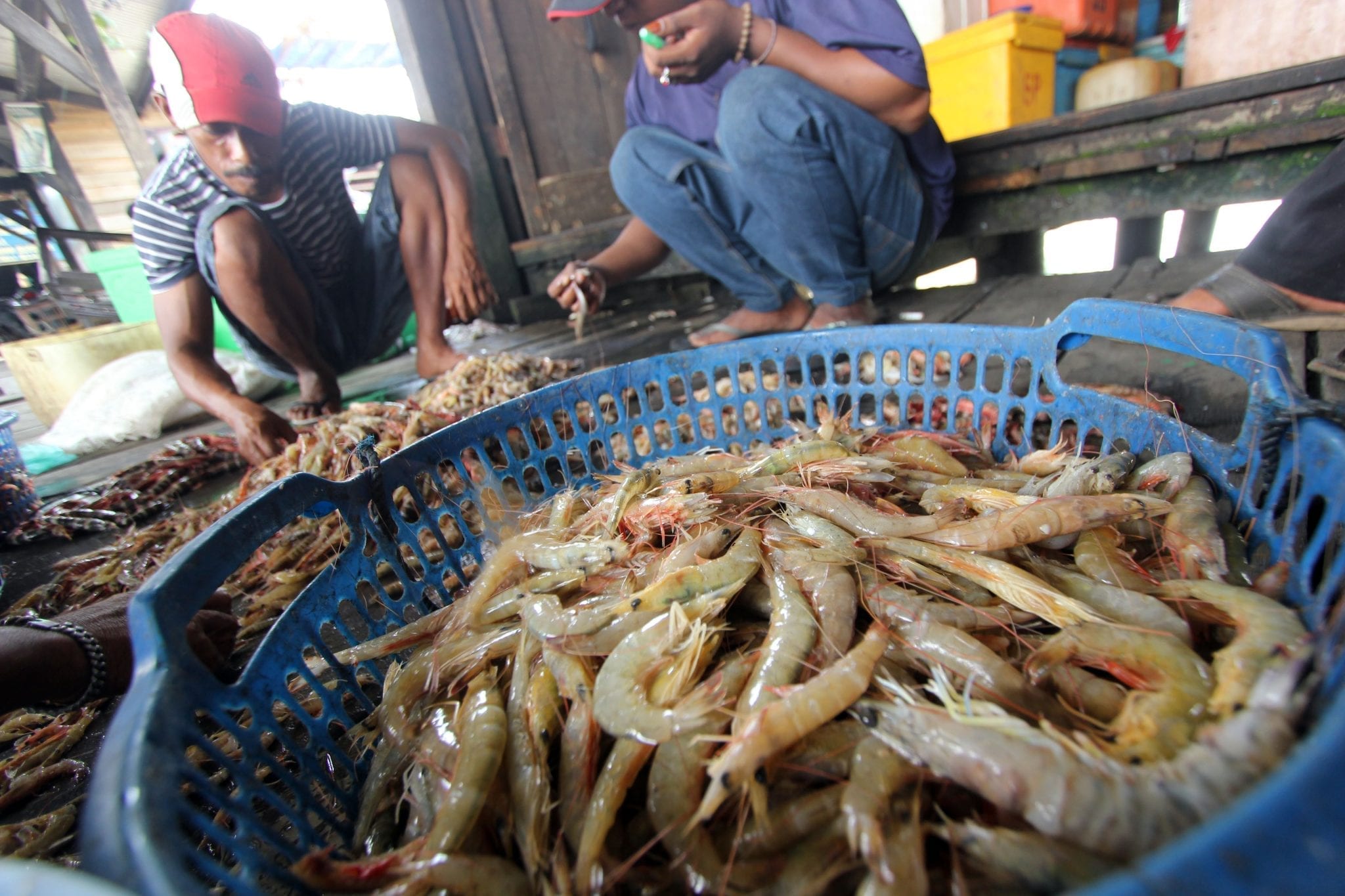
    The Ministry has also helped other farmers migrate elsewhere in the country where they can earn a living and, as part of their main initiative, assisted many rice farmers to experiment with saltwater shrimp farms in lieu of growing rice.

    The Mekong Delta is gradually losing the capacity to support the populace, say Ministry spokespersons and it will fall apart if a corrective action plan isn’t put in place to address the fundamental problems post haste.

    Shrimp farming appears to be the best alternative but even the farming of shrimp, a salt-tolerant creature, can be challenged by excessively salty conditions.

    However, Ministry spokespersons say some of the challenges facing shrimp farming in the Mekong are being addressed by using a three-pond shrimp and fish farming strategy, in which one pond holds fresh water that is used to dilute water in the other two ponds when they become too salty.

    Research is also underway to find the most suitable commercial shrimp species to raise and to identify synergies in the processes that may benefit shrimp production in the Mekong Delta.

    Many Vietnamese and global organizations, say Ministry spokespersons, are supporting these efforts and others intended to help sustain food production in the Mekong.

    Shrimp farming seems to be a win-win situation for all involved. The farmer in the Mekong can earn more money with it than rice and the consumer in the main importing regions of the EU, US and Japan, can eat healthier shrimp.

    Shrimp farms can also play a role in ensuring the future of the Mekong Delta. Even when the saltwater rises.

  • Tallest Mekong Delta building opens

    Tallest Mekong Delta building opens

    The Vinpearl Cần Thơ Hotel, the first five-star hotel in the southern city of Cần Thơ, was inaugurated last weekend, becoming the tallest building in the Mekong Delta region.

    Vinpearl Cần Thơ Hotel, with 30 floors and a three-story lobby, is the ninth hotel in the chain of Vinpearl-branded tourism hotels owned by Vingroup – a Vietnamese property developer.

    The 120-metre-high hotel also offers a high-end restaurant, entertainment, and health and beauty care services.

    The 262-room hotel is located in a hotel–trade centre–shopping complex that is the largest in the Mekong Delta region.

    The chairman of the municipal People’s Committee, Võ Thành Thống, said Cần Thơ, located in the centre of the Mekong Delta, is considered an ideal destination for both domestic and foreign tourists to explore the unique waterways of the southwestern region.

    He noted that Vingroup’s construction of the hotel conforms to the city’s tourism plans, adding that with its high-quality services, the hotel will help attract tourists and fuel the city’s development.

  • Delta to serve Starbucks coffee on all flights

    Delta to serve Starbucks coffee on all flights

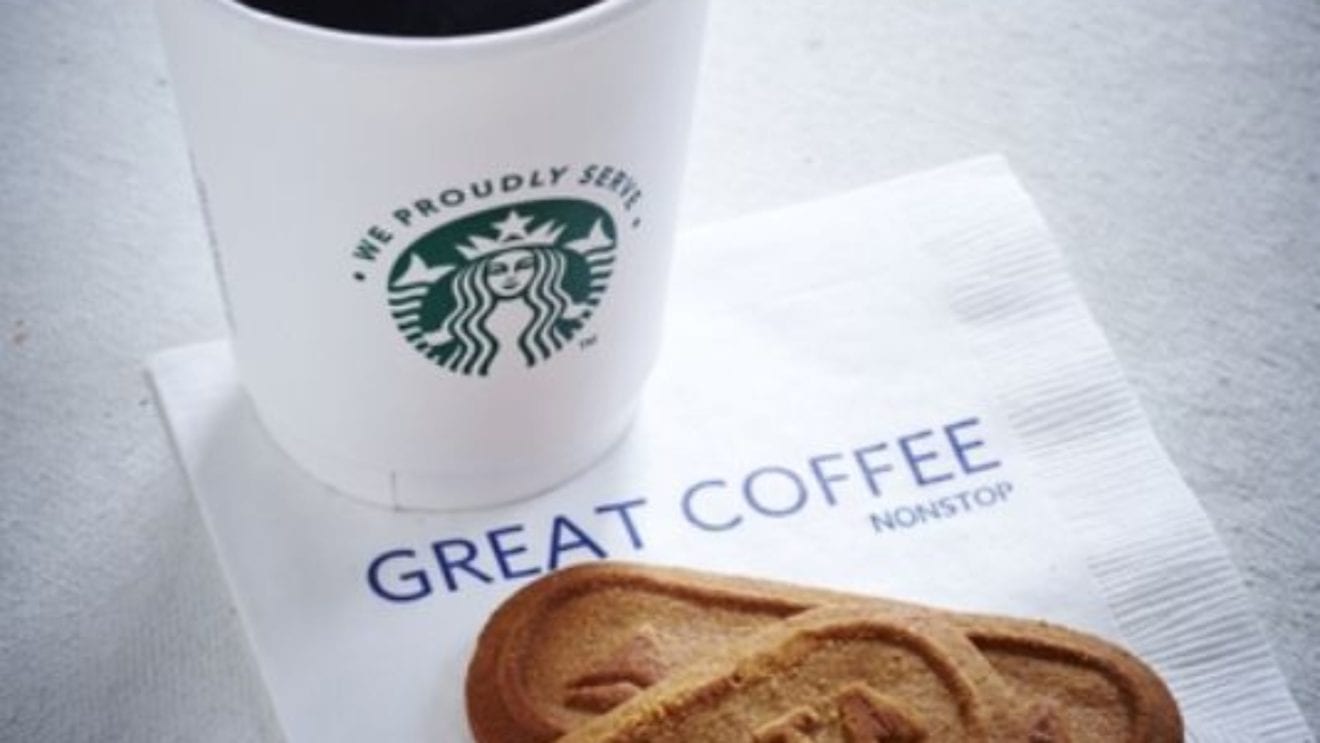
    Delta Air Lines officially began serving Starbucks Coffee on all its flights worldwide this month as part if its ongoing in-flight enhancements to its food, beverages, seats and entertainment.

    Mike Henny, Delta’s Director of Customer Experience, said with this enhancement to the airline’s core in-flight service product, it hopes to improve the travel experience for customers.

    “We are delighted to provide Starbucks coffee wherever Delta’s customers are traveling,” said Michelle Burns, vice president Branded Solutions, Starbucks.

    Delta initially partnered with Starbucks in 2013 to offer coffee to customers traveling on select cross-country and West Coast Shuttle flights.

    Delta has commissioned artists from around the world to create three larger-than-life art installations made solely out of Starbucks cups.

    The pieces feature famous landmarks and sites of global destinations where Delta and Starbucks fly together: Big Ben in London, Tokyo’s Sensoji Temple in the historic district of Asakusa, and a Carnaval float in São Paulo, Brazil.

    The cup sculptures are on display in Terminal 4 at New York’s-JFK International Airport.

    Starbucks said it expects to serve 68 million cups of coffee on Delta in 2015.