Tag: department

  • End of an Era: Iconic Isetan Department Store Shuts Down 15-Year-Old Singapore Outlet

    End of an Era: Iconic Isetan Department Store Shuts Down 15-Year-Old Singapore Outlet

    The renowned Japanese department store, Isetan, recently ceased operations at its NEX shopping mall location in Singapore. The store, which had been in operation for 15 years, sold a wide range of items, including home goods, fashion, and beauty products. The closure came on April 26, following the expiration of the store’s lease.

    A Fond Farewell

    Isetan made the announcement of the closure via a Facebook post, expressing heartfelt gratitude to all its loyal customers and stakeholders who had supported the store for the past 15 years. A touching video shared online showed employees bidding their final goodbyes to customers on the store’s last operational day.

    A large crowd of shoppers gathered at the store’s entrance, where the store manager gave a farewell speech. In it, he showed appreciation for the customers’ unwavering support and kindness throughout the years. “Today is our last day of business,” he declared, adding warm wishes of health and happiness to the store’s patrons.

    Isetan’s Journey in Singapore

    Since its initial footprint in Singapore in 1972, Isetan has become a household name in the city-state. The opening of its Havelock outlet marked the arrival of the first Japanese department store in Singapore.

    At its height in 2013, Isetan operated six outlets across the country. However, the firm has had to close several stores in recent years. The most recent closures, prior to the NEX location, were the Tampines Mall store in November, after 30 years of operation, the Isetan Katong at the Parkway Parade shopping center in March 2022, and the Isetan Jurong at the Westgate Mall in March 2020.

    Looking Ahead

    The reasons behind the closures include a careful evaluation of local conditions and the consideration of future profitability. As Isetan continues to adapt to changing market conditions, its future strategies, operations, and presence in Singapore will undoubtedly be keenly watched.

    Questions & Answers

    Why did Isetan close its NEX outlet?
    The Japanese department store Isetan closed its NEX outlet due to the expiration of its lease on April 26.

    How long has Isetan been operating in Singapore?
    Isetan has been present in Singapore since 1972, when its Havelock outlet launched as the first Japanese department store in the city-state.

    How many stores did Isetan operate at its peak?
    Isetan operated six outlets across Singapore at its peak in 2013.
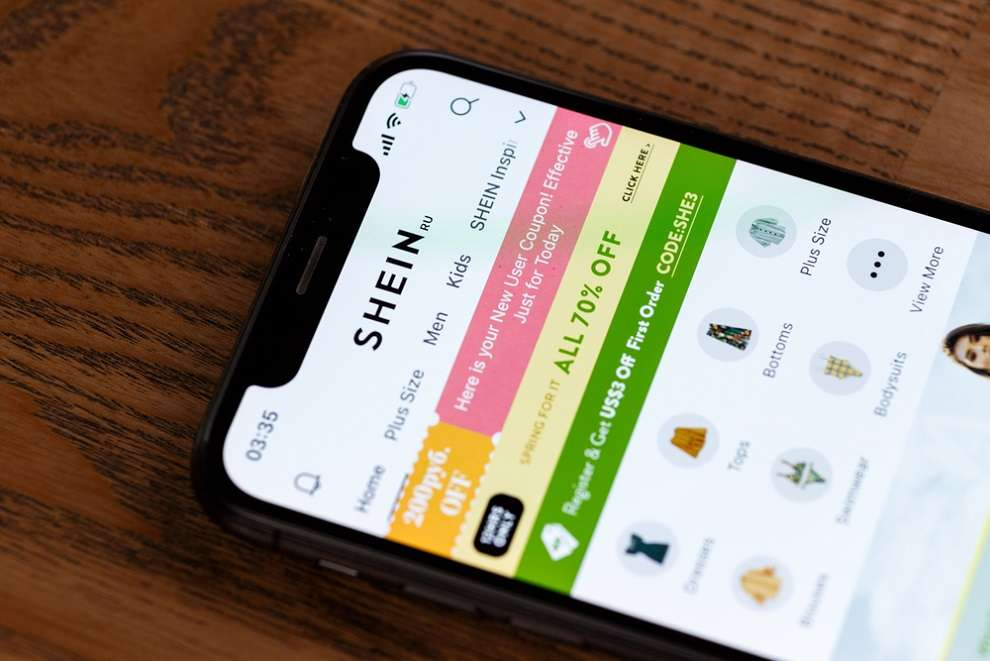
  • Shein’s Brick-and-Mortar Debut: A Lifeline or Death Blow for Department Stores?

    Shein’s Brick-and-Mortar Debut: A Lifeline or Death Blow for Department Stores?

    The recent entry of Chinese budget retailer Shein into the flagship BHV in Paris has stirred up a political storm, adding to the ongoing struggles of department stores worldwide. These traditional retail outlets are grappling with the seismic shift of consumers towards online shopping and ultra-fast fashion.

    Shein opened its inaugural brick-and-mortar shop in the BHV department store, situated on the Rue de Rivoli in the heart of Paris, earlier this month. This move sparked a backlash from lawmakers and fellow retailers, who argue that Shein’s low-cost business model has been detrimental to the traditional shopping streets of France.

    For BHV, a store recognized for its diverse array of products, this partnership was a strategic move designed to lure younger consumers. This demographic has increasingly turned to online platforms, such as Shein, for a variety of needs, ranging from cosmetics to fashion.

    The shift to online shopping, further exacerbated by the pandemic, has posed a significant challenge to department stores around the globe, with many still struggling to recover from a steep decline in physical footfall during the crisis.

    New Threat from Ultra-Fast Fashion

    Laetitia Henry, general manager of the iconic Printemps Haussmann store in Paris, noted that while competition from other large local department stores was once the norm, the rise of online platforms has led to a new international threat. Ultra-fast fashion can replicate a designer dress in as little as three weeks and sell it for a fraction of the original cost.

    This competitive landscape has prompted top-tier department stores like Macy’s to close outlets, while Saks Fifth Avenue’s parent company, Saks Global, is exploring divestments to manage its debt.

    The Société des Grands Magasins (SGM), which acquired BHV from the Galeries Lafayette group two years ago, is banking on its partnership with Shein to safeguard its future. On the day of Shein’s launch at BHV, store traffic surged by 50%, with a quarter of Shein’s customers going on to make additional purchases at BHV.

    Department Stores Innovate to Attract Consumers

    Several prominent French department stores, including Printemps, Galeries Lafayette, and LVMH-owned Le Bon Marché, have sought to redefine themselves as lifestyle destinations. They are aiming to attract more shoppers by offering unique luxury experiences.

    Le Bon Marché, for instance, organizes regular events such as concerts and dance performances. Printemps offers fine dining and beauty treatments, even featuring an in-store ice rink during the holiday season. Galeries Lafayette invested over 100 million euros (approximately US$115.06 million) in renovations during the pandemic, which helped boost visitors and foot traffic.

    However, these innovative strategies have not been as successful for mid-range stores trying to break into the luxury experience market. These stores are keenly observing the publicity generated by Shein’s partnership with BHV.

    Late payments to brands at BHV have resulted in product shortages, impacting sales and causing job security concerns among workers. Despite these challenges, SGM president Frederic Merlin maintains that retailers should collaborate with new models like Shein’s. He argues that moving forward is vital, even in the face of criticism.

    However, the launch of Shein’s physical outlets hasn’t been without controversy. When Shein’s Paris store opened, France temporarily suspended its French marketplace after discovering inappropriate items for sale on the platform.

    Questions & Answers

    Has the shift towards online shopping affected traditional department stores?

    Yes, the move towards online retailers and ultra-fast fashion has posed a significant challenge to traditional department stores, many of which are still struggling to recover from the pandemic-induced drop in footfall.

    What strategies have department stores adopted to stay relevant in the market?

    Department stores have been attempting to innovate in various ways. Some are partnering with online retailers like Shein to attract customers, while others are reinventing themselves as lifestyle destinations, offering unique luxury experiences such as concerts, fine dining, and beauty treatments.

    Did the opening of Shein’s store in BHV increase footfall?

    Yes, the launch of Shein’s shop in BHV led to a surge in store traffic by 50%, with a quarter of Shein’s customers making additional purchases at BHV.

  • BHV Employees Protest Over Controversial Partnership With Fast-fashion Giant Shein

    BHV Employees Protest Over Controversial Partnership With Fast-fashion Giant Shein

    Employees at the BHV department store in Paris staged a demonstration on Friday to voice their disapproval of the recent decision by the store’s management to collaborate with fast-fashion retailer, Shein. The protest was triggered by the agreement to allocate a permanent spot to Shein on the store’s seventh floor.

    The proprietor of BHV, Société des Grands Magasins (SGM), has been the subject of significant backlash in France in the wake of this partnership’s announcement with Shein. This comes as a reaction to Shein’s business model which involves shipping inexpensive garments directly from Chinese manufacturers to customers in over 160 countries worldwide.

    On the day of the protest, dozens of employees congregated outside the department store at 3:30 pm local time, brandishing labour union flags. Union representatives and local government officials addressed the crowd with speeches.

    Concerns about Job Security and Business Practices

    BHV has encountered fiscal challenges for some time now, leading to delayed payments to brands and subsequent product shortages. These issues have impacted sales and stirred anxiety among employees about job security, as expressed in a statement by the union.

    The employee union also expressed concern about the withdrawal of several French brands from BHV following the announcement of the collaboration with Shein. Florine Biais, a BHV employee and union representative, explained that customers have started turning away due to unavailability of desired products and concern over Shein’s introduction.

    SGM, when questioned about the payment delays, attributed the issue to the transition to new payment systems following its acquisition of BHV in November 2023. They assured that the problem is temporary and would be resolved in a few weeks.

    SGM’s Perspective and Shein’s Ambitions

    SGM has been optimistic about the partnership with Shein, anticipating it to draw in a younger demographic and contribute to BHV’s modernization efforts. They expressed their conviction that the partnership would be beneficial for both the company and its employees.

    Shein’s spokesperson, Quentin Ruffat, echoed these sentiments, arguing that the proposed store would enhance BHV’s footfall and in turn, benefit other retailers.

    Shein, a Chinese company established in 2012, has seen exponential growth, becoming the world’s largest fast-fashion retailer. However, it has also received criticism for its factory working conditions, high carbon emissions, and lack of transparency regarding its management and finances.

    Following fines totalling 191 million euros from French and Italian regulators since July, Shein is now focused on strengthening its internal controls to adhere to regulations more strictly and enhance its consumer reputation.

    Questions & Answers

    Why are BHV employees protesting against the Shein collaboration?
    The employees, backed by their union, are concerned about job security due to poor sales and late payments to brands. They also fear the exit of French brands following the Shein collaboration.

    What is SGM’s response to the protest?
    SGM acknowledged the payment delay issues but attributed them to the transition to a new payment system. They assured that the problem is temporary and that the collaboration with Shein would be advantageous for the company and employees.

    What are some criticisms Shein has faced?
    Shein has been criticized for poor working conditions in its factories, high carbon emissions, and a lack of transparency about its management and finances.

  • Decathlon store replaces old Metro at Singapore’s Orchard Rd

    Decathlon store replaces old Metro at Singapore’s Orchard Rd

    Decathlon Singapore is opening a new experience store in Orchard Rd, the brand’s fifth experience store in the city.

    Located at the Centrepoint shopping mall, Decathlon Orchard spans two floors, occupying a 3200sqm area. The store will feature some 5000 products spanning more than 50 sports.

    In the new Decathlon Singapore experience store, customers will be able to test products before purchasing with in-store “innovative solutions”. According to the company, the store will feature several interactive concepts including virtual reality test zones and free sport events

    Based on the photos the brand has shared on their social media channels, the fit-out process is still underway, but the store is scheduled to open on September 12.

    The new Decathlon store location takes up space previously leased to the Metro department store.

  • Sales growth disappoints South Korean department store operators

    Sales growth disappoints South Korean department store operators

    A South Korean government-led retail sale festival designed to boost spending amid the coronavirus outbreak ended yesterday, with major department stores posting an increase in revenue on high demand for luxury goods.

    But discount store chains and traditional markets did not see sales rise as much as expected, due mainly to the compulsory closure of outlets and lack of promotion strategy.

    South Korea kicked off the 17-day sales festival, called the “Korea Donghaeng Sale” campaign, on June 26 in an effort to boost faltering domestic demand amid the coronavirus outbreak. “Donghaeng” means ‘going along together’ in Korean.

    Major department stores, the sector hit hard by the virus outbreak, posted an increase in sales as people bought luxury items as part of “revenge spending” amid the Covid-19 pandemic, according to industry watchers.

    Lotte Department Store saw sales rise 4 percent year on year between June 26 and July 9.

    Number two player Shinsegae Department Store, and smaller rival Hyundai Department Store, posted increases of 11.3 percent and 6.3 percent, respectively.

    But discount-store chains posted a similar level of sales or a marginal decline despite big discount events targeting the sales festival.

    The operators of discount-store chains are obligated to close outlets on the second and fourth Sunday of every month under regulations designed to help smaller neighborhood shops. That meant they had to shut down outlets yesterday, the last day of the sales fest.

    Traditional markets posted a letup in their sales declines last week, but merchants said they did not directly feel the impact of the sales festival.

  • JC Penney collapses into Chapter 11

    JC Penney collapses into Chapter 11

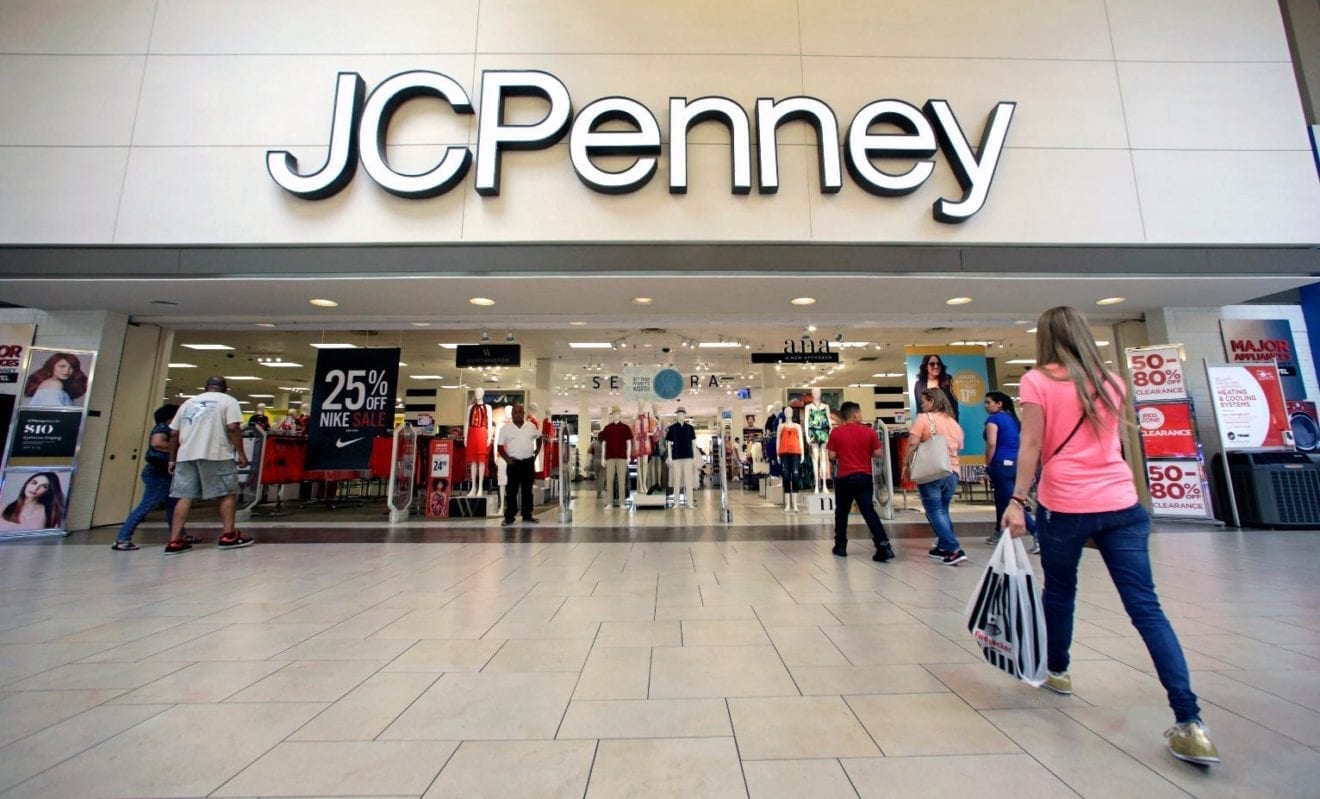
    US department-store giant JC Penney filed for Chapter 11 bankruptcy protection on Friday night. But while the company may have cited Covid-19 pandemic as the main reason, the company has been in dire straits for years.

    The company, which operates about 850 stores anchoring shopping malls all over the US, has the support of 70 percent of its priority creditors for a reorganization plan which includes securing $900 million of financing to enable it to continue trading.

    Neil Saunders, MD of GlobalData Retail, described the Chapter 11 move as “inevitable”.

    “Even before the pandemic, JC Penney’s road to reinvention was the equivalent of climbing a steep mountain with nothing other than the burden of an enormous pile of debt. The coronavirus crisis effectively broke the retailer’s limbs making further progress all but impossible.”

    In a statement announcing the bankruptcy, JC Penney said it would reduce its store network but has not indicated by what scale. Most observers seem to believe heavy cuts are essential.

    Saunders says the closure of underperforming stores should be an immediate priority.

    “JC Penney is exposed to a high number of weak malls and locations and it needs to quickly cut its losses. It will emerge a much smaller company, but this makes the process of reinvention much easier and will allow capital investments to flow to locations where they can generate the best return.”

    Australian retail property consultant Michael Baker, one-time head of research with the US-based International Council of Shopping Centers, says JC Penney’s collapse will have a huge impact on US mall operators.

    “It anchors literally hundreds of mid-end US malls. Mall owners have welcomed getting back department store real estate because it can be redeveloped into restaurant and entertainment space, often with alfresco elements. But now, with coronavirus, there is probably going to be a question mark over that strategy.”

    The challenge ahead for JC Penney is to restructure into a format and scale which is viable in a very different retail era to that when it flourished. Founded in 1902, until 1966 most of its stores were located in downtown high-street locations. Then the company locked its future into the shopping mall boom which saw thousands of centers opening all across the US, typically anchored by department stores, often by several. While in recent years JC Penney has opened some standalone stores and even experimented with a compact-store format, the company’s fortunes have become inextricably linked to the viability of shopping malls.

    ‘It’s a dead retailer walking’

    Michael Baker does not believe the company’s assurances it will emerge from bankruptcy reorganization as a ‘stronger retailer’.

    “It will certainly close a lot more stores and when it does reemerge it will face the same old format obsolescence problems,” he told Inside Retail Asia. “It’s a dead retailer walking.”

    Saunders is equally skeptical, although he does have some confidence in recently appointed CEO Jill Soltau.

    “Bankruptcy provides a narrow path forward. It gives JC Penney the financial means to weather the current downturn in demand and the scope to restructure its operations as the retail economy starts to normalize. But the process of reinventing the firm will not be easy. While management claims that significant progress had been made before the pandemic, we do not share this view. While some advancements were made, these were partial and completely insufficient to ensure a viable future for the company.”

    Saunders says the reality is that JC Penney needs a complete overhaul in terms of its assortments, store designs, ways of marketing and connecting with shoppers, and its brand image.

    “In other words, a wholesale makeover is required to restore the company’s fortunes. In normal times, that process of reinvention would be challenging; accomplishing it in the midst and aftermath of a pandemic is more than a tall order.”

    Saunders says while Soltau’s team might have made slow progress to date, the direction she has taken so far – which has focused on customers and their needs – has been correct. “Developments like the reimagined store format in Hurst, Texas showed some good forward-thinking. However, no one should underestimate the challenges of moving these ideas forward to the entire chain.

    Bankruptcy has only bought JC Penney time; it is a drug that is providing life support during a time of dire distress. Recovering is the difficult part, and it is still by no means certain that JC Penney will pull through or get back to full health.”

  • Lotte forecasts to double e-commerce sales by 2023

    Lotte forecasts to double e-commerce sales by 2023

    South Korean retail conglomerate Lotte is expanding its e-commerce offering with one-hour delivery grocery services, as part of a plan to double online sales by 2023.

    The rush grocery delivery service is paired with upgrades to the firm’s product recommendations system in a move to attract higher volumes of online purchases in a market increasingly shifting to internet buying.

    Lotte is currently targeting a doubling of last year’s e-commerce sales levels to KRW20 trillion (US$16.3 billion) by 2023.

    As part of the upgrade, the firm will merge its seven online operations onto a single platform – combining convenience stores, pharmacies and department store trading with its supermarket and electronics businesses. Lotte will collect sales figures for more than 20 million SKUs under the system going forward, which will serve to improve its product recommendation algorithms.

    Rush deliveries are commencing in Seoul for rollout to other areas within the territory later on.

  • South Korean department stores restore sales campaigns

    South Korean department stores restore sales campaigns

    South Korean department stores will no longer postpone their sales programs due to the coronavirus pandemic.

    In a move analysts say is aimed at restoring turnover as the coronavirus essentially comes under control in the country, stores are looking to restore volumes which plunged last month.

    Top department stores are under pressure to clear seasonal stock after drops of 10 and 20 percent in year-on-year sales in February and March respectively.

    “The most important thing is when the new coronavirus will die out here,” Eugene Investment analyst Joo Young-hoon told the Korea Times. “As soon as Korea overcomes it, the sales of department stores here will rebound faster than that of any other sectors,” he said.

    South Korean department stores are expected to resume their expected sales events over the coming fortnight, after delays in the midst of the coronavirus outbreak and called to implement social distancing.

    The stores are running various promotional programs to attract customers while at the same time attempting to spread out visits to prevent crowds and the risk of viral transmission.

    Industry analysts have predicted a strong bounce-back in the region’s retail sector once the pandemic recedes.

    Meanwhile, in Japan, department store operators have reported their worst year-on-year sales declines on record.

    J.Front Retailing said sales at its Daimaru Matsuzakaya department store chain fell by 43 percent last month, while rival Takashimaya reported a 36-per-cent fall.

  • Isetan Mitsukoshi closing down Ebisu department store

    Isetan Mitsukoshi closing down Ebisu department store

    Isetan Mitsukoshi is to close its 26-year-old Ebisu department store next year after failing to turn around mounting losses.

    The downtown Tokyo store will close in March or April and the company will redeploy all of its staff to other stores.

    The closure is the latest in a long string for the troubled retailer which since 2008 has reduced its network from 29 to 21. With a stagnant economy and Japan’s aging population, many large-scale retailers are finding it tough to maintain growth and some are looking offshore for opportunities.

    The company has spent two years progressively refurbishing the 18,000sqm Ebisu Mitsukoshi department store, with a special focus on its food and cosmetics departments. But the changes failed to draw enough customers to make the store viable.

    When it opened at the Yebisu Garden Place commercial center in downtown Tokyo, the store was expected to tap into a large catchment of nearby condominium residents. However, since the late 1990s, other retail developments have opened nearby, drawing customers away.

    News of the closure was broken by the Nikkei Asian Review, which says the board reached a decision this week and a formal announcement will be made by the end of this month.

    Negotiations over an orderly exit from the space have been underway for the last two years.

    “The facility has likely posted several million dollars in operating losses a year for the last two to three years,” Nikkei reported.

  • Hyundai Department Store aims to eliminate paper receipts

    Hyundai Department Store aims to eliminate paper receipts

    Hyundai Department Store says it will launch an electronic receipt issuance service with the aim of “zero” paper receipts within three years.

    Electronic receipts will be issued in the form of the automatic issuance of receipts through mobile applications instead of paper receipts when purchasing goods.

    Last year, about 160 million paper receipts were issued by Hyundai Department Store and Hyundai outlets.

    If an average length of paper receipt is 25cm, the total length of issued paper receipt would be able to circle the earth once – about 40,000km.

    Even if one is not a member of the department store’s loyalty program, the company will introduce a “mobile receipt” service that sends receipts by text message if a mobile phone number is entered in the process of product payment, which will also eliminate paper receipts.

    The issuance of electronic receipts is a measure under the “paper receipt elimination” agreement signed with the Ministry of Environment and other government ministries last August.

    The department store expects that the issuance of electronic receipts will have the effect of eliminating paper waste and waste disposal issues as well as minimizing concerns over personal information leaks.

  • Shoppers Stop reveals new store concept in Delhi

    Shoppers Stop reveals new store concept in Delhi

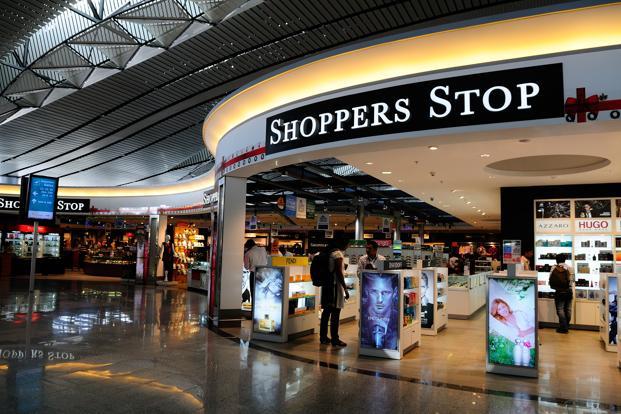
    Indian department store chain Shoppers Stop has opened a new 33,000sqft outlet in Delhi.

    The store was designed by the Dubai office of Schwitzke & Partners to reflect the latest international trends in retail strategy. This includes aspects such as merchandise presentation, customer movement and navigation, and department adjacency.

    Having expanded operations to more than 80 locations across India, Shoppers Stop was looking to evolve its stores’ aesthetic and presentation to upgrade customers’ shopping experience.

    The design features specific materials and elements to highlight each division in order to boost recognition. Another objective was to design the brand areas to be unobtrusive, so all brands have sufficient space to express themselves.

    The departments implement new merchandise presentation solutions, which includes fixture designs to accentuate individual products. Customer touchpoints were also given a m

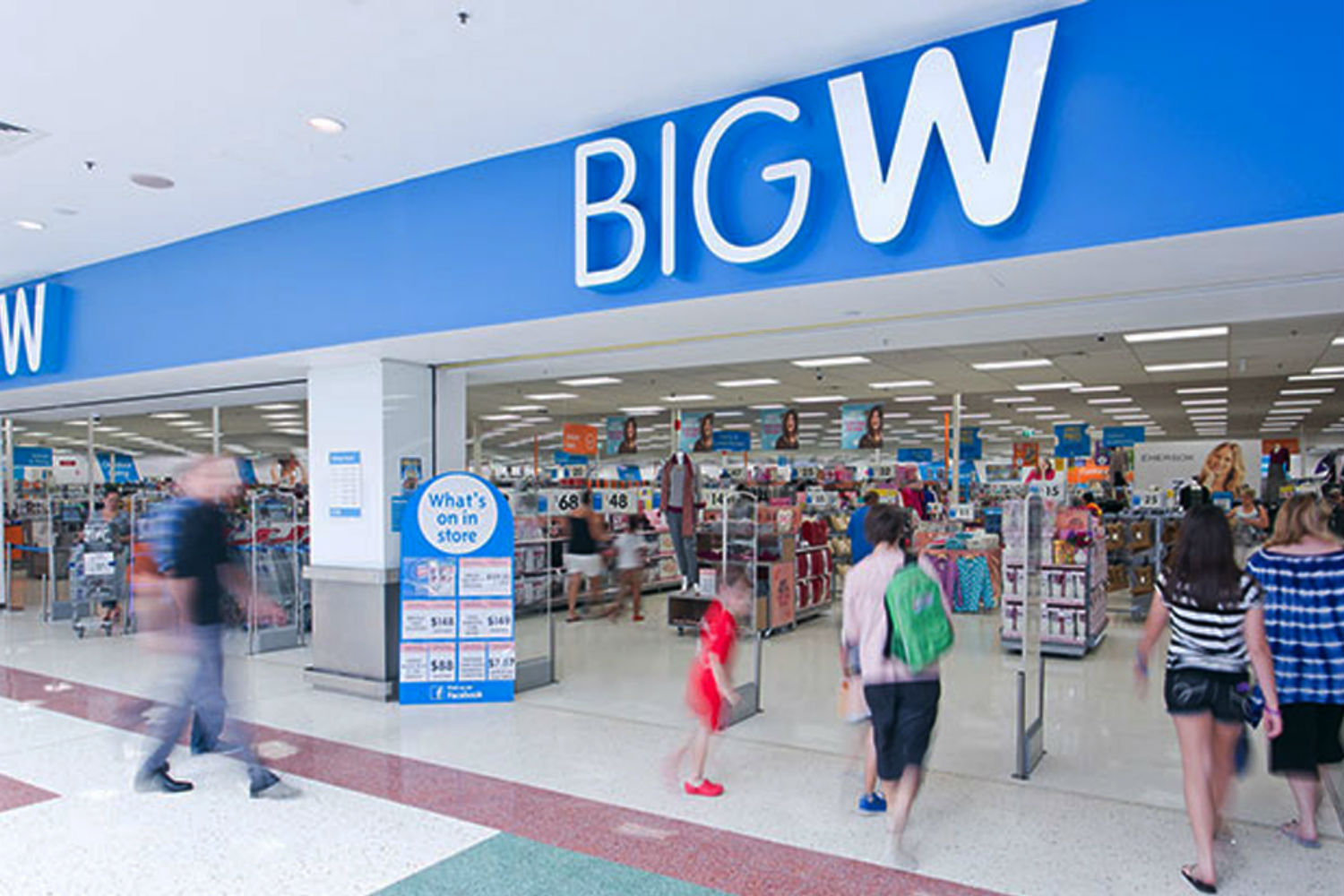
  • Big W to shut down 30 stores over 3 years

    Big W to shut down 30 stores over 3 years

    Department store chain Big W will close approximately 30 stores and two distribution centres over the next three years in an effort to create a more profitable and sustainable store network in a changing retail environment.

    This is less than the 60 store closures that Macquarie Wealth Management predicted in a report last month, before Big W’s parent company Woolworths Group had completed its internal review of the discount department store business.

    The decision, which will see the number of Big W stores shrink by about 16 per cent, will cost the business $270 million in lease and store exit costs. This will impact Woolworths Group’s FY19 full-year result, alongside a $100 million cash impairment identified in the review.

    “While the recovery in trading for Big W is encouraging, and there remains further opportunity for improvement, the speed of conversion to earnings improvement is taking longer than planned,” Woolworths Group chief executive Brad Banducci said in a note to investors.

    “This decision will lead to a more robust and sustainable store and DC network that better reflects the rapidly changing retail environment. It will accelerate our turnaround plan through a more profitable store network, simplifying current business processes, improving stockflow and lowering inventory.”

    In its report last month, Macquarie noted that half of Big W’s stores are located in challenging centres, many of which are regional, and that these locations are unlikely to give the brand the sales it needs to return to profitability.

    Woolworths expects its department store business to record a loss before interest and tax for FY19 of $80 to $100 million, slightly below the $110 million loss felt in FY18.

  • Sogo department stores see strong sales growth

    Sogo department stores see strong sales growth

    Sogo department stores parent Lifestyle International has reported a 50 per cent drop in net profit for last year, despite increased sales.

    While turnover rose 16 per cent to HK$4.36 billion (US$555 million), net profit fell to $1.69 billion ($215 million).

    However, the company explained the fall was largely due to comparison with 2017 when the company received a one-off gain from the sale of a majority stake in its subsidiary, netting $420.8 million. On a trading basis, the department stores it operates posted solid results.

    Sales at its Sogo Causeway Bay flagship store rose by 10.5 per cent last year, and mainland tourists underpinned a 30.3 per cent increase in sales at the Sogo Tsim Sha Tsui store.

    CFO Terry Poon Fuk-chuen said the improved turnover was due to the company enhancing the shopping experience at its stores.

    Lifestyle International executive director Kam Shim Lau predicts this year will be challenging for retail as declining wage growth and weakening asset values may dent consumer sentiment.

    “Looking ahead, the group predicts a single digit growth in the first half of 2019 and adopts a cautious approach for 2019,” he said.

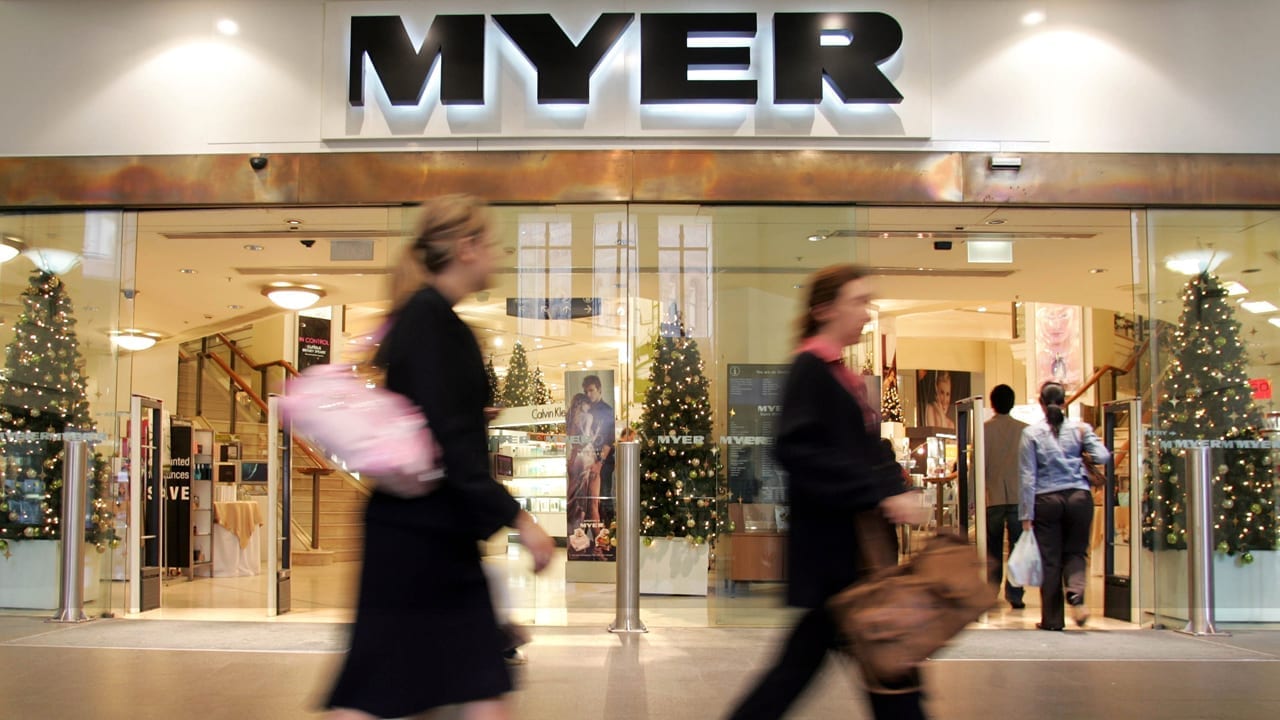
  • Myer’s reputation suffers and on the way back

    Myer’s reputation suffers and on the way back

    In 2009, when former Myer CEO Bernie Brookes listed the department store on the Australian stock exchange, Myer was ranked as one of the top 10 most reputable companies in Australia.

    Today, of the 60 companies ranked on the Australian Corporate Reputation Index, it is ranked 45th.

    The Reputation Institute’s Index, the 2018 edition of which was released yesterday, has tracked a steepening decline in how consumers view the beleaguered department store chain relative to other Australian businesses.

    Myer ranked in the top 10 Australian companies on the index from 2008-2012, but in tandem with its ailing trading performance had dropped to 22nd last year, a result that has again worsened with the largest contraction in points on the index.

    It comes just a month after the retailer incurred a $515 million write down on the value of its brand names and goodwill, reflecting the erosion of the iconic business in recent years.

    Consumers were clear on what Myer was lacking – it ranked 60th on the individual measurement of innovation in 2018.

    “These results indicate that Myer has not met the challenge of adapting to the changing demands of consumers and an increasingly competitive landscape,” Reputation Institute ANZ managing director Oliver Freedman said.

    Just under 6000 Australian consumers were surveyed in late February/early March for the index, which encompasses Australia’s top 60 companies by revenue.

    JB Hi-Fi was once again the top ranked retailer on the index, despite its rank falling from 3rd to 6th in 2018 as airlines such as Virgin, Qantas and rank one business Air New Zealand surged.

    German entrant Aldi maintained its position at rank 9, well above Wesfarmers at rank 20 (19th in 2017) and Woolworths, which improved from rank 26 in 2017 to rank 22 in the latest index.

    Myer’s reputational woes are worsening, but it still fares better than 7-Eleven, which failed to change its rank in 2018 and remains at 58th on the overall measurement, above Telstra and News Corp Australia.

    Freedman said that the overall results indicate that Australian companies are bucking the trend in relation to how consumers are viewing reputation.

    “Globally, the Reputation Institute is seeing a trend of nationalism, where local consumers rank local companies higher in terms of overall reputation,” he said.

    “However, Australia is veering from this pattern, with our top 10 containing a mix of Australian and international companies, showing even those organisations headquartered overseas can make an impact locally with good leadership, a strong product and community involvement among other measures.”

  • Japan department stores see sales ease

    Japan department stores see sales ease

    Department-store sales in Japan fell 1.4 per cent last month on a same-store basis because of weak clothing and food sales, reports the Japan Department Stores Association.

    Sales at 229 stores run by 80 companies totalled ¥547 billion (US$5 billion), says the association. Sales decreased as most of the stores had moved their summer sale period to June, pushing down sales of clothes that would have sold well in July during a discount period.

    Accounting for 29.8 per cent of overall sales, the clothing category declined 5 per cent while there was a 2 per cent drop for food items, furniture and other home-use items.

    Among 10 major cities, Nagoya recorded the highest fall, 4.8 per cent, and Hiroshima a 3.4 per cent drop from July last year.