Tag: design

  • Love Yourself a BTS-themed coca cola

    Love Yourself a BTS-themed coca cola

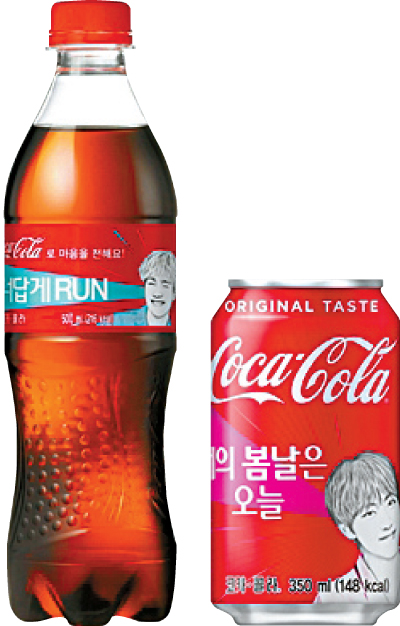
    Coca-Cola launched BTS-themed bottles as part of its “Share a Coke” campaign on Monday. The bottles come in seven different designs – each one representing a member of the K-pop boy group – with inspirational messages referencing the group’s song titles. This year, the special Coke bottle labels read in Korean “Your spring day is today,” “I’m fine if it’s you,” “Run like yourself,” “You’re really dope,” “You are my idol,” “Go instead of worry” and “This year is blazing fire.”

    Bottles are also decorated with images of the members’ faces and vivid colors like pink, yellow and green.

    The BTS-themed drinks are available in grocery stores and convenience stores across Korea. They come in 350-milliliter (12-ounce) aluminum cans and 500-milliliter, 1.5-liter and 1.8-liter bottles.

    Coca-Cola in Korea has been launching special edition Coke bottles as part of its Share a Coke storytelling campaign since 2014. The campaign’s goal is to help consumers share hopeful messages with friends and family by exchanging the drinks with one another.

  • Jaspal unveils collection joined by Lynnie Z

    Jaspal unveils collection joined by Lynnie Z

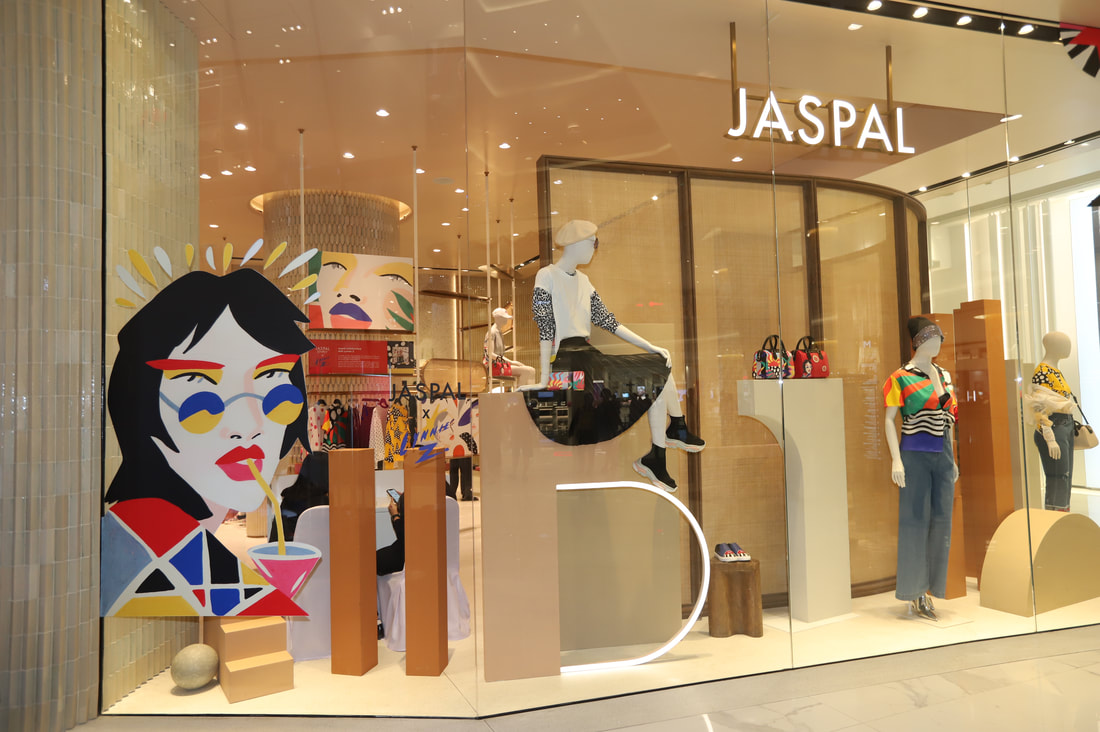
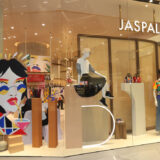
    Thai fashion brand Jaspal has opened a new flagship store featuring its limited edition collaboration with London-based artist Lynnie Z. The partnership with Jaspal’s Hi Life collection marks the opening of the brand’s new IconSiam flagship. It is one of a series of partnerships between Jaspal and global artists to ensure that unique styles emerge each season.

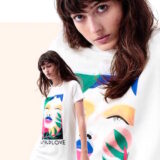
    The Hi Life collection for men and women features stars, hearts, lips and faces as motifs with strong colour themes referencing Africa.

    “I was so honoured to be a part of such a wonderful project,” said Z. “Thailand has an outstanding heritage and Thai people love art and fashion, which is the reason why I decided to come on board. Also, I think Jaspal and I share the same artistic soul, and, more importantly, the brand fully understands the story relayed behind my works,” she said.

    “To me, this project was really wonderful, allowing me to create a masterpiece collection with a famous local brand, and communicate my inspiration, passion, and uniqueness through the collection. This is one of the best works I’ve ever created. As for the process in making this collection, for the most part, I came up with ideas and colours from my sketchbook. These are organic and abrupt but they reflect a liveliness that I wanted to communicate through the collection.”

    View the images of the collection below (6 images) :

  • Herschel teams up with Starbucks for launch in China

    Herschel teams up with Starbucks for launch in China

    Does a new new designer collaboration revealed this week represent growing Starbucks fashion cred? Accessories and apparel brand Herschel has created a capsule collection inspired by Starbucks China’s Sumatra coffee blends.

    It follows the release of two seasonal ranges of homewares designed by Los Angeles label Ban.Do in the coffee company’s Asia-Pacific stores, the first of them on sale in July last year.

    Vancouver-based Herschel established a headquarters in Shanghai this year and is currently working on expansion plans within the territory along with retail partners nationwide. A permanent store location will open in the third quarter, and 15–20 Herschel Supply stores are are expected to be open before the end of next year.

    Cofounder Lyndon Cormack said: “Coffee is significant in one aspect or another in just about every part of the world. Of course, it’s a huge part of our culture in Vancouver, here in the Northwest, just a few hundred kilometres away from Starbucks’ birthplace in Seattle.

    “To work with one of the most globally recognised brands and collaborate with them directly is an incredible opportunity to bring both of our stories to life in a unique and meaningful way. We’ve also been active in the market for years and certainly experienced robust growth.

    “To receive the stamp of approval, so to speak, from the Starbucks China team shows us we’re off to an amazing start and that there’s a lot of opportunity for us to expand in the territory.”

    The Starbucks fashion-influenced range, which is currently sold exclusively at Starbucks locations within China, includes carryalls, mugs and a Starbucks card featuring a custom Sumatra Cherry Woodland Camo print.

  • Korean fashion firm Handsome unveils AI-designed clothes

    Korean fashion firm Handsome unveils AI-designed clothes

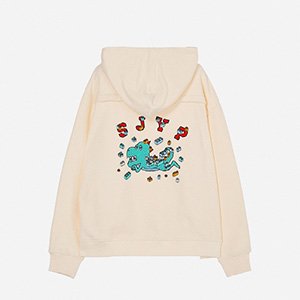
    South Korean fashion label Handsome says it will release the country’s first clothes designed with artificial intelligence technology. Handsome, an affiliate of Hyundai Department Store Group, said it joined forces with Designovel to create new patterns for clothes released under the SJYP brand. Designovel is a startup specialising in AI fashion technology.

    The fashion company said the first product, dubbed Dino Hood Tee, is printed with an image of a dinosaur and toy blocks designed by Designovel’s program, Style AI.

    The graphic was based on 330,000 images, including characters and logos, provided by Handsome.

    Style AI uses a convolutional neural network, which is an image processing technology to modify patterns.

    Handsome said it will review whether the AI technology can be applied in other areas of its fashion business.

  • BMW Wants Its Electric Cars to Look More Boring

    BMW Wants Its Electric Cars to Look More Boring

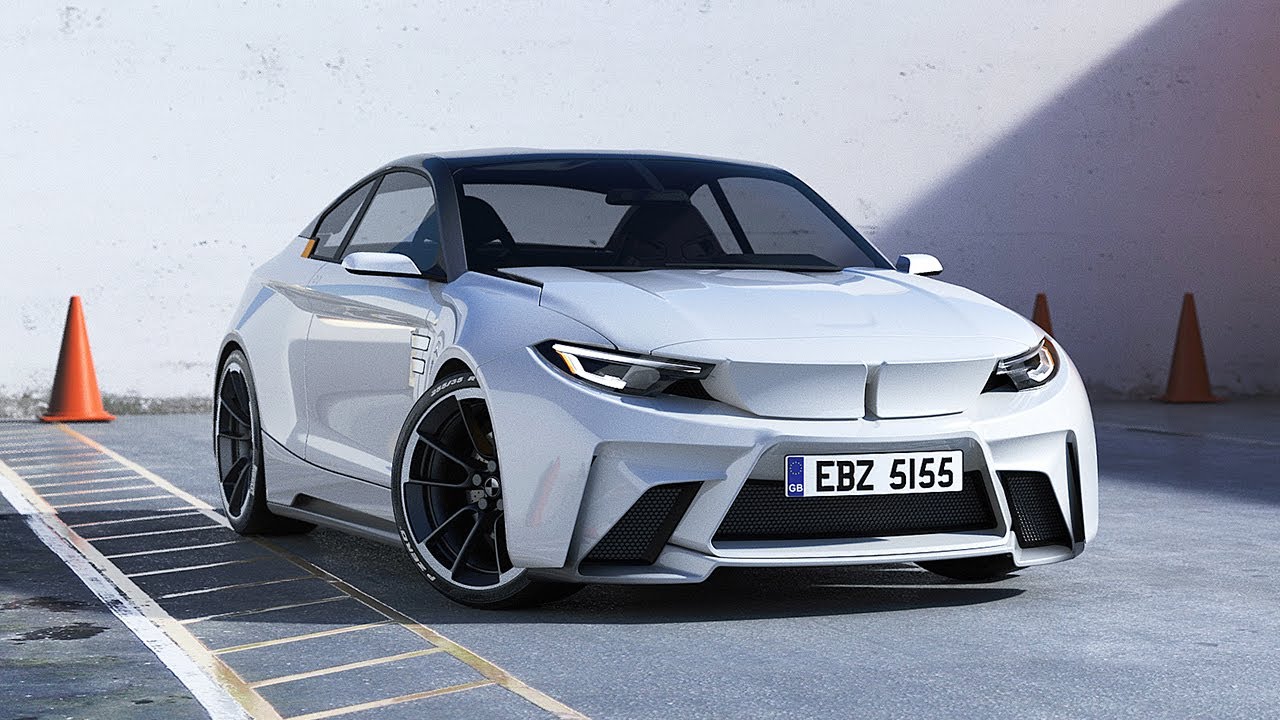
    BMW has decided that despite all the new engineering under the skin of the new 3 Series, the styling of the all-important sedan would only be very mildly updated. At the Paris Motor Show, the Bavarians also displayed a concept of their next i car, the electric iX3 SUV shown above. As far as its exterior goes, the i division’s next move feels like a 180 degree turn from the futuristic i3 city car and i8 plug-in hybrid.

    Indeed, it seems that BMW will dedicate its time to making sure its kidney grilles can keep growing. Indefinitely.

    Now, BMW Design Director Adrian van Hooydonk says that’s all on purpose. Van Hooydonk said that as electrified models get more and more popular, there will be no reason to make i BMWs look unique: Electric mobility will spread through our entire vehicle range in quite a short space of time—to the point that electric or plug-in hybrid is just another option box you tick as you order the car. The fact is that BMW customers want a dynamic car, whether it is a battery-electric vehicle or not, and so there’s is increasingly less reason to make these kinds of cars look different.

    This means BMW will go down a similar route as Audi with its e-tron or Mercedes-Benz with the EQ C—advanced electric vehicles with styling that’s almost exactly the same as their conventional cars. It’s a big shift from BMW’s previous strategy of making its electric cars look decidedly futuristic, and wholly distinct from its other offerings. Notably, Jaguar is committed to making its electric vehicles stand out—look at the I-Pace crossover, with its radical proportions making the most of Jag’s new electric car skateboard platform.

    BMW lost its head of exterior design, Karim Habib, to Infiniti in 2017. Since then, Jozef Kabaň has been responsible for BMW’s core line, while Domagoj Dukec is in charge of the i and M models. Their boss, Adrian van Hooydonk, joined BMW in 1992, becoming head of Designworks USA in 2001, and replacing Chris Bangle as Director of BMW Group Design in 2009. See you at his anniversary party in 2022.

  • Rodenstock to introduce new Porsche Design products

    Rodenstock to introduce new Porsche Design products

    Rodenstock, the German manufacturer of ophthalmic lenses and spectacles frames, will be introducing products from Porsche Design’s sunglasses range at this year’s TFWA Asia Pacific Exhibition & Conference in Singapore.

    The company has secured a licensing agreement to sell some of the top pieces from Porsche Design’s eyewear collections in travel-retail, as it looks to build its business in the Asia Pacific region.

    These include Porsche Design’s P-8479 model, a classic sunglasses design featuring an ultra-light titanium frame and high-quality shield lenses.

    Rodenstock will also be introducing several other brand new models from Porsche Design to the Asia Pacific travel-retail market for the first time including the Iconic Laser Cut P-8663 with a 100% titanium frame and cut-outs in the side areas of the middle section, an exclusive model from the 911 series. As with all models, the characteristic Porsche Design logo is engraved in the titanium temples by means of a special laser technique.

    Also being introduced is the Ti-Namic, which has the striking shape of titanium temples, reflecting the side air intakes of sports cars; made possible through a modern 3D pressing process.

    Finally, travel-retail buyers will get the chance to view a new Porsche Design limited special edition “40Y” of its P-8478 model, created for Porsche Design Eyeware’s 40th anniversary and featuring a gold-coloured nose bridge and four pairs of interchangeable lenses in blue gradient, brown, olive/silver mirrored and mercury/silver mirrored.

    Rodenstock Head of Travel Retail Petra Eckhardt-Koestler said: “We are absolutely thrilled to have become a member of TFWA and to be exhibiting at the TFWA Asia Pacific show for the first time this year.

    “It is a clear demonstration to our customers of our commitment to building our travel-retail presence both in this region and globally. We very much look forward to meeting our existing and new clients in Singapore.”

  • The Garnered comes to ground at Landmark Hong Kong

    The Garnered comes to ground at Landmark Hong Kong

    Online retailer The Garnered, which offers mainly handmade fashion, craft and design products, is showcasing its wares at a pop-up in Landmark in Central.

    In a first for Hong Kong, the London-based venture will have its creations on show until November 12.

    Former Selfridges head of fashion Anna Gardner launched the e-commerce site last year to offer designers a more flexible, supportive platform through which to express their vision and highlight their creative processes.

    Garner started in the fashion industry at the Paris office of American Vogue and Vanity Fair, as an assistant to André Leon Talley. It was the springboard for an international career that has encompassed being head of communications for London retailer Joseph Ettedgui, and fashion director for Henri Bendel.

  • Maxim’s Caterers wins exclusive Starbucks rights

    Maxim’s Caterers wins exclusive Starbucks rights

    Multibrand restaurant company Maxim’s Caterers has been fully licensed to run Starbucks Coffee Company business in Singapore.

    Maxim’s has been a long-time strategic partner of Starbucks, and the new agreement gives it the exclusive rights to develop and run the brand’s coffee stores in Singapore.

    “We’re pleased to take another step in our ongoing growth aspirations in Asia by transitioning the Singapore business to Maxim’s Caterers, our trusted business partner with a successful track record in delivering the Starbucks Experience and developing our iconic brand,” says Starbucks International group president John Culver, who oversees channel development.

    “Starbucks remains committed to growing in Singapore, an important market where we will build on 20 years of proudly serving customers.”

    Starbucks opened its first store at Liat Towers in Orchard Road and now has more than 130 outlets.

    “Our partnership with Starbucks is 17 years strong, and we are proud to deliver the Starbucks Experience to customers in Hong Kong, Macau, Vietnam and Cambodia,” says Maxim’s chairman/MD Michael Wu.

    Maxim’s now operates more than 210 Starbucks stores in Cambodia, Hong Kong, Macau and Vietnam and has a payroll of nearly 2900 employees.

  • Retail woes a boost for Hong Kong indie fashion

    Retail woes a boost for Hong Kong indie fashion

    High-end international brands have long held court alongside local Hong Kong indie fashion designers – who are now enjoying greater visibility in the city’s vibrant retail market.

    The city’s deep-rooted love of luxury has seen names like Gucci and Hermes open multiple stores in the city – stores that have co-existed with a stable of local apparel brands, such as Giordano, Baleno, Bossini and Esprit.

    By 2014, consumers’ tastes had diversified and fast-fashion overseas brands began descending on Hong Kong. The arrival of names like Topshop, American Eagle, H&M, Zara and Mango added yet more to the mix in Asia’s favourite shopping destination. Now that shop rents are finally becoming more affordable, independent fashion retailers are increasingly making their presence felt.

    Structural change

    In a report by commercial real estate firm CBRE, Joe Lin, executive director, retail services at CBRE Hong Kong, said that the city is undergoing a period of structural change.

    “Over the previous decade, high-street shop landlords have reaped the benefits of strong demand from luxury retailers and massive rental growth.”

    Lin noted that in the past 12 months, luxury retailers have adjusted their leasing strategies to save costs. “Landlords have become more realistic on rental negotiations, enabling more mid-range brands to tap into prime locations at relatively affordable rental levels.”

    The trend has opened the door for mid-market brands to expand, and for the rise of independent labels.

    “More independent stores are coming back to the market, streets, malls, and even some up-and-coming revitalised buildings in the traditional industrial districts, such as Lai Chi Kok and Kwun Tong,” said Lin. “They modernise the decoration and with the decent F&B outlets that draw good foot-traffic to these areas, independent retailers also benefit from this new trend.”

    Refined taste

    British fashion designer Elizabeth Lau established The Refinery in 2014 after moving to Hong Kong with her husband. Lau said she saw an opportunity to “curate for individuals” in Hong Kong by introducing unique fashion, accessories and lifestyle brands from around the world.

    Her first store, at the creative and design hub PMQ in Central, found a steady following, and in January 2016, The Refinery opened a second retail outlet in Tai Koo.

    Fashion edit

    Partners in fashion Genevieve Chew and Jacqueline Chak, an accountant and architect respectively, launched Edit in Central in 2012 as a concept store stocking emerging brands. They later created their own in-house label, which is described as “one part eclectic femininity and the other relaxed ease.” Their collections are worn by fashion personalities such as Yasmin Sewell, Margaret Zhang and Amanda Strang. The partners have also designed uniforms for Hong Kong’s new boutique Tribute Hotel in Kowloon.

    Fé Valvekens is another career-change entrepreneur who found her fashion foothold in Hong Kong. German-born Valvekens is a qualified engineer who founded fashion label A Day with Fé, blending daywear with yoga wear. Her PMQ store in Central also holds yoga and fashion styling workshops

    Quality indie labels

    Building on her established career in fashion, US expat Jamie Dredge co-founded Polkadot Boutique on Hollywood Road, Central, in 2011. After moving to Hong Kong two years earlier, Dredge spotted a gap between high-end luxury designers and mass-market clothing in Hong Kong.

    Her idea was to offer quality, well-designed womenswear and accessories from indie labels in the US, as well as supporting upcoming local designers.

    “We still have our local-based designers, but are also working with hot new labels out of Los Angeles and New York,” she said. Examples include Yumi Kim and Blank NYC Denim from New York, Veronica M from Los Angeles, and Hong Kong’s What the Frock?!.

    Being an independent retailer in Hong Kong has its challenges, said Dredge. Rents remain high, especially for smaller operators who don’t have the negotiating leverage of a famous brand. The demise of free print lifestyle magazine HK Magazine, which folded last year after 25 years, closed one door for independents to build a profile – and paid advertising is expensive.

    “We now have to work harder on our social media channels – and be more creative in our promotions,” Dredge said.

    On the other hand, word-of-mouth networking is an advantage in a city as close knit as Hong Kong.

    Pop-ups and collaborations

    One of Polkadot’s strategies is to host events where customers can meet the designers for a social night out, which might involve hair and makeup as well as fashion. One of the “biggest perks of Hong Kong” is the willingness of businesses to collaborate with each other, Dredge said.

    “Hong Kong is great for doing pop-up events and collaborations, which get the customers involved,” she said.

    It also illustrates how a physical boutique can still be successful, despite the challenges of online shopping.

    “People still like to feel the clothes, to try them on, to talk to the designer,” she said.

    “A lot of our garments are unique, and many of them exclusive. Our customers aren’t walking around seeing other people dressed the same, and that’s why they come to us.”

    -HKTDC

  • ‘Design Korea 2016’ presents latest industrial design trends

    ‘Design Korea 2016’ presents latest industrial design trends

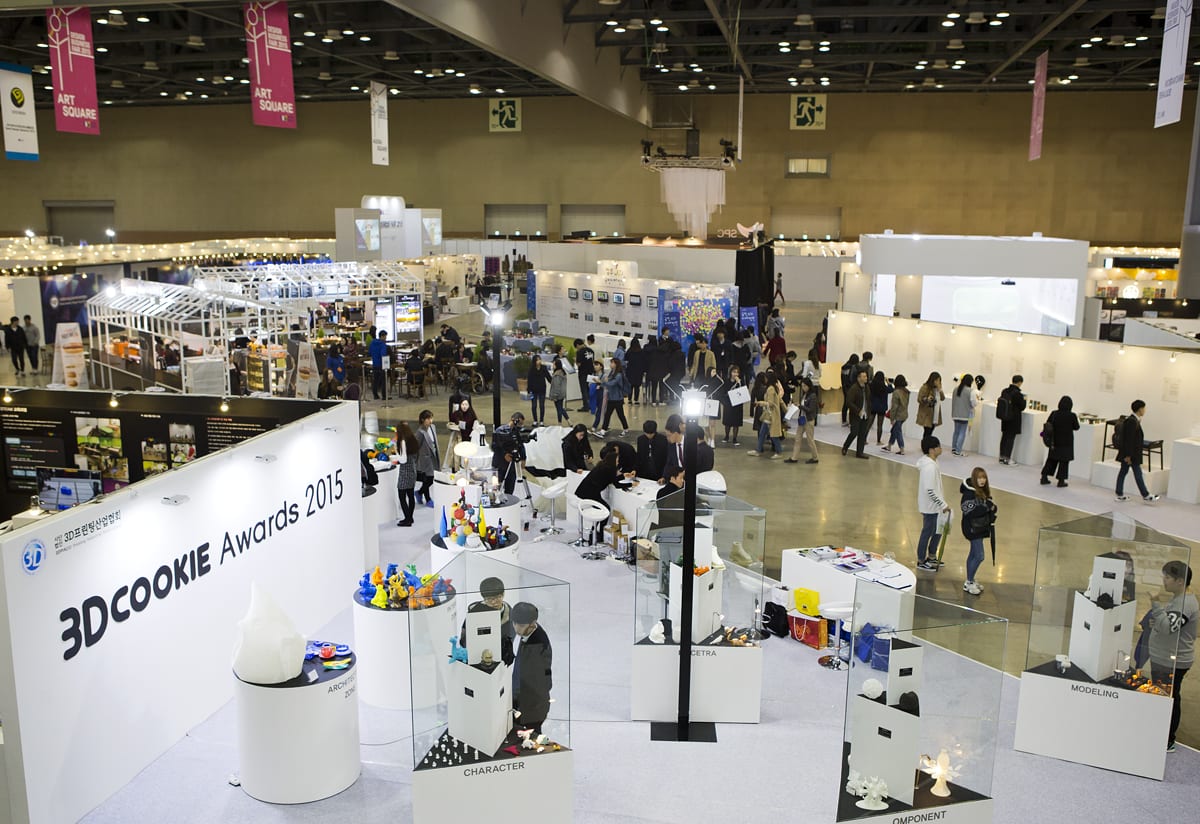
    More than 2,000 products ranging from kitchen hardware to stationary with innovative designs from across the globe were showcased at South Korea’s major trade show on Thursday, presenting the latest design trend.

    Design Korea 2016, under the theme of “Beyond Asia,” kicked off on Wednesday for a five-day run at KINTEX in Goyang, north of Seoul. The annual event is hosted by the Ministry of Trade, Industry and Energy and organized by the Korea Institute of Design Promotion.

    At an exhibition hall, more than 300 design companies from both at home and abroad set up booths to promote their latest design products, hoping to grab the attention of more than 200 international buyers.

    The South Korean government mapped out a plan earlier this year to foster the design industry, designating creative design as the centerpiece of the country’s soft power.

    “The event is the international design business festival that offers everything related to design and its business, from exhibiting world design trends to serving as a venue for participants to capture business opportunities,” the institute said in a press release.

    Various products such as furniture, kitchen hardware, stationary and clocks were showcased at an exhibition hall under five themes — convenience, dignity, beauty, healthy and happiness.

    Visitors look at innovative design products at the Design Korea 2016 at KINTEX in Goyang, north of Seoul, on Nov. 10, 2016. (Photo courtesy of the Korea Institute of Design Promotion)

    South Korea’ design house Nep Plus presented their latest electric gadgets with creative industrial design.

    Israel-based OTOTO presented innovative kitchen hardware products which are developed and manufactured in small scale each one by hand

    At a business lounge located at the corner of the hall, buyers from both home and abroad met with innovative desingers.

    Indonesia’s TV retail company Jabalu Media International, Britain’s retail shop Do Shop, and Japan’s AEON were at the lounge to close deals with local designers.

    More than 40 overseas and 200 local firms participated in last year’s exhibition to close deals worth 58.9 billion won (US$51 million), ministry officials said, adding than deals worth 80 billion won are expected to be signed this year.

    “The event will serve as an opportunity to promote the country’s excellent design industry and to expand design hallyu (the Korean pop culture craze worldwide,” said a ministry official.

    Alberto Alessi, CEO of Italian houseware giant Alessi, held a public lecture at a forum held on the sidelines of the exhibition on Wednesday.

  • Golden Pin Design Award 2016 reveals Design Mark recipients

    Golden Pin Design Award 2016 reveals Design Mark recipients

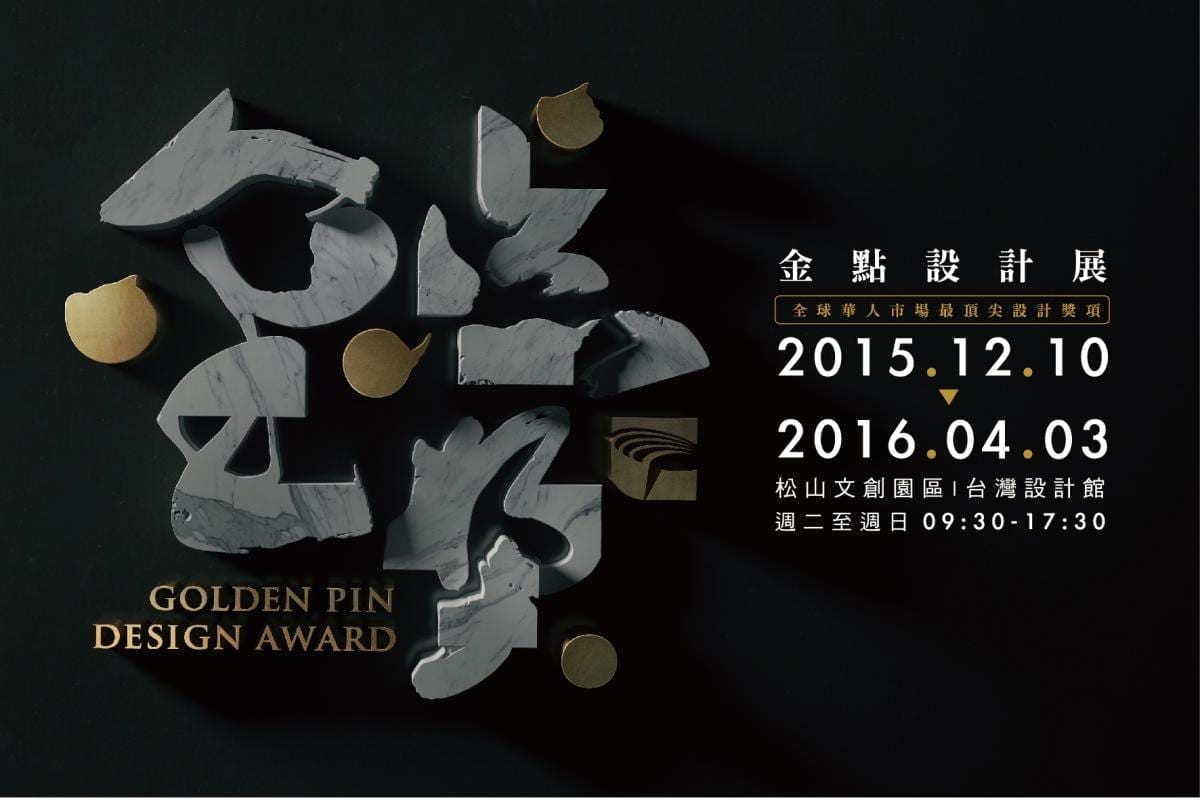
    The Golden Pin Design Award–an annual award organized by the Taiwan Design Center that seeks to raise global awareness for design created for and within huaren (Chinese-speaking) communities–today reveals its Design Mark recipients for 2016.

    After gruelling Secondary Selection judging rounds held in China and Taiwan, a total of 457 entries from Taiwan, China, Hong Kong, Macau, Malaysia, Singapore, Japan, and England, and Switzerland have received a Golden Pin Design Award 2016 Design Mark and are now in the running for a coveted Best Design trophy.

    Contemporary ideas of refined living dominated entries from Hong Kong. For TUVE, a boutique hotel located east of Victoria Park, Design Systems Ltd used natural and relatively common materials such as concrete, galvanized steel, brass, oak, and wired glass to create a surprisingly sophisticated yet relaxing space for visitors. When homegrown jewelry brand Chow Tai Fook wanted to reach out to a younger market, Noiseless Design Limited drew inspiration from the card game poker to create a visual aesthetic that plays into the new generation’s mix-and-match approach to fashion.

    Malaysian entries typically put a twist on what could be considered traditional huaren culture, such as in Dot Creative Design’s iPack, which added an element of play to the celebratory Chinese red envelope. Among entries from Macau was a plethora of thoughtfully designed posters for cultural events, including advertising by Untitled Lab for a tenth anniversary exhibition held by Centro De Estudos Permanentes Pos-Laboral and by Bilioteca Pública de Macau for the Macau Library Week 2016.

    Among entries from China were a proliferation of unusual or highly specialized smart products for living, including Yourpet Smart Bowl by inDare Design Strategy Limited, which allows pet-parents to regulate their fur baby’s food intake via their smartphones, and Intelligent Frying Pan by Hangzhou Hotdesign Co. Ltd, which uses an app and bluetooth technology to teach users how to cook better, faster, and smarter. Ancient ideas about nature also featured heavily as design inspiration among visual communication products from the country. About Trees, an aptly named Chinese font design by Hanqingtang Design, was influenced by the rings and trunks of trees, and Book of Freedom by independent designer Sihan Chou references a story from Chinese mythology that documents the struggle of a fish adapting to the life of a bird.

    It was clear that designers in Taiwan had thought carefully about the needs of those living in local or huaren communities: located in Taipei’s sublime Mandarin Oriental Hotel, restaurant Bencotto by Tony Chi & Associates embodies the best of contemporary huaren living; leading local homewares brand JIA Inc.’s Four Seasons Glass Set, designed by astute independent Taiwanese designer Pili Wu, portrays a glass bowl set as a Chinese ink painting for the table; new packaging for the nostalgically named soy sauce brand Grandpa Sauce incorporates traditional sisal rope to instil a sense of the past; and commuter bike Pick-Up Sliders adapts European practicality for life in bustling Taiwanese cities.

    Groundbreaking concepts both large and small in scale abounded in the Spatial Design category. HEX-SYS by China-based firm OPEN Architecture is a reconfigurable and reusable building system that attempts to address the problems created by the country’s decades-old building frenzy. The Kaohsiung Public Library, a joint project by the Kaohsiung City Government and Ricky Liu & Associates Architects + Planners, is a public building designed to economize on resources without sacrificing access to necessary public amenities or the beatification of the neighborhood in which the building sits. At the other end of the scale, Formo Design Studio in Taiwan combines a laundrette with a sleek coffee shop, ensuring laundry doers can wile away the hours in style and comfort; the facility is aptly named Travelled 9000 km.

    Overall, the 2016 entries into the Golden Pin Design Award received high praise from Secondary Selection judges. “You can really see the efforts of participants, as this year’s entries demonstrated an understanding of the importance of finding the balance between the market and huaren cultural values. In particular, spatial design entries have greatly improved, showing a balance between huaren culture elements and mainstream spatial aesthetics,” noted Shikuan Chen, Compal design director, educator, Icsid board member, and Jury Chair of the Secondary Selection judging round in Taipei.

    The Golden Pin Design Award–Taiwan’s longest-running and most prestigious design award–opened its doors to entries from and for huaren (Chinese-speaking) communities around the globe in 2014. This year sees a 27% growth in number of entries submitted into the Golden Pin Design Award: in 2015, the award received 2,360 entries compared with this year’s record-breaking 3,005 entries. Final Selection–the jury of which will be chaired by world-leading Japanese-Canadian designer Oki Sato, Chief Designer and founder of the famed Tokyo-based studio Nendo–will held in Taipei on September 28, with Best Design of the Year recipients announced on December 1 at a grand award ceremony, also held in Taiwan’s capital city.

  • Global Design Leaders Explore At World Design Capital Taipei 2016 in October

    Global Design Leaders Explore At World Design Capital Taipei 2016 in October

    Sixteen organizers of leading design weeks around the world will attend the International Design Week Forum, one of four Signature Events taking place in Taiwan in October as part of the World Design Capital (WDC) Taipei 2016. The bilingual two-day forum, organized in conjunction with Taiwan Designers’ Web, will explore how design weeks can best promote the design industry and establish a global network for mutual support and exchange of resources. 

    The 16 participants come from the Design Junction (United Kingdom), Dutch Design Week (Netherlands), Ventura Lambrate (Italy), Helsinki Design Week (Finland), D’days (France), Design Days Mexico and Mexico Design Week (Mexico), Tokyo Design Week (Japan), Beijing Design Week (China), Business of Design Week (Hong Kong), SingaPlural (Singapore), Chiang Mai Design Week (Thailand), Sydney Design Festival (Australia), Design Days Dubai (United Arab Emirates), and Holon Design Week (Israel). Also in attendance will be Ben Chiu and Timothy Liao, the CEO and Executive Director of Taiwan Designers’ Web and Taiwan Designers’ Week.

    “We anticipate that this forum will represent a significant step forward for the design world,” says Ben Chiu, Executive Director of Taiwan Designers’ Web. “While design weeks have great potential to cultivate and promote local design talents, as the participants are well aware, there are also many obstacles to overcome. We hope that this exchange of ideas and experience will help us to find solutions to our common challenges in a global context.” 

    “The International Design Week Forum will be an opportunity to build a solid foundation for future global collaboration and sharing of resources,” says Pei-ni Beatrice Hsieh, Commissioner of the Department of Cultural Affairs of the Taipei City Government. “Audience members will also gain a deep insight into the international design industry as it stands today and see how it can develop in the future.” 

    The second day of the forum, which will be open to the public, will be held at the Taipei Fine Arts Museum on Tuesday, October 18, from 1.00-5.00PM. The forum will be divided into three segments: World Design Capital, Global Design Perspectives, and Asian Design Powers. The topics for discussion include how design weeks can incubate and support local design talent, how to overcome the challenges faced by design weeks, and the impact that design weeks can have in city branding. To sign up for the forum, visit: https://www.designersweek.tw/activity/2016/forum/index_en.htm. 

    Other major events in October include the International Design House Exhibition, which will be held at the Songshan Cultural and Creative Park fromThursday, October 13 until Sunday, October 30;  the International Design Policy Conference on the weekend of October 15 and 16 at the Taipei International Convention Center; and the Network of Cities Meeting, an invitation-only event on Wednesday, October 12 and Thursday, October 13.

  • World Design Capital Taipei 2016 plans for world’s design devotees and designers

    World Design Capital Taipei 2016 plans for world’s design devotees and designers

    On the agenda for October are four major events in the World Design Capital® (WDC) Taipei 2016 program of International Signature Events: the International Design House Exhibition, International Design Week Forum, International Design Policy Conference, and Network of Cities Meeting. 

    WDC Taipei 2016 extends a warm invitation to participants and visitors from around the world to come and share their ideas and experiences, and bear witness to Taipei’s transformation into a model city that incorporates design thinking into public policy. 

    “October will be a defining month for the World Design Capital Taipei 2016,” says Pei-ni Beatrice Hsieh, Commissioner of the Department of Cultural Affairs of the Taipei City Government. “It is an opportunity both to reflect on the progress we have already made and to ignite international dialogue with other cities; to share experience and expertise. This is a chance to define a legacy for WDC Taipei 2016 that will be felt long into the future.”

    The International Design House Exhibition will be held at Taipei City’s historic Songshan Cultural and Creative Park, once home to a tobacco factory, from Thursday, October 13 to Monday, October 31. The Design House will bring together local and international designers, studios, and organizations to curate a series of thought-provoking exhibitions that will challenge visitors to reconsider their relationship with the urban environment and experience first-hand how design can radically change the world’s cities.

    An exhibition curated by Agua Zhou of Taipei-based studio Agua Design in the historical North Tobacco Factory, will showcase the results of innovative WDC Taipei 2016 projects, including the International Open Call and Designer in Residence Taipei programs, and explore the impact of Taipei City public planning and design policies.

    In Warehouse One, curator Li Wei-Lang, the Creative Director of Afterain Design (Taiwan), will mount an exhibition showcasing breakthroughs and innovation in Taiwanese design, particularly in the fields of science and technology, art and craft, and sustainability. In Warehouse Two, Page Tsou, celebrated visual artist and founder of Taipei-based studio, Auspicious Design, has invited renowned illustrators and visual artists from around the world to exhibit works that reflect on their impressions of Taipei.

    Warehouses Three and Four will be home to an international roster of exhibitors, with some participants hailing from cities that are past or future holders of the World Design Capital designation. The exhibition will explore the WDC Taipei 2016 theme of “Sisheng: Life Quality and Health, Ecological Sustainability, Smart Living, and Urban Regeneration.” In Warehouse Five, renowned Taiwanese contemporary calligraphic artist Tong Yang-Tze will collaborate with up-and-coming Taiwanese fashion designers, and spatial and sound designers to create an interactive exhibition that will breathe new life into traditional Chinese calligraphy.

    The International Design Policy Conference, which will be held on the weekend of October 15 and 16 at the Taipei International Convention Center, aims to explore how design thinking can be integrated into public policy. Policy experts, industry professionals, and academics will be invited to share their insights into and case studies on urban development through design. 

    The International Design Week Forum, which will be held on Monday, October 17 and Tuesday, October 18 at the Creativity Theater in Songshan Cultural and Creative Park, will bring representatives from various design weeks and festivals around the world to contribute their insights into how cities can support and harness the innovation of designers. The second day will be open to the public. Participants will be able to access free entry to both the International Design Week Forum and the International Design Policy Conference in August. Follow WDC Taipei 2016 on Facebook for updates: https://www.facebook.com/taipeidesign/.

    The final International Signature Event in the October series is the invitation-only Network of Cities Meeting. WDC Taipei 2016 organizers will invite mayors and city representatives from around the world to meet in Taipei, where together they will discuss WDC legacy programs, explore opportunities for collaboration, and share design-based solutions to the many civic and environmental challenges faced by cities around the globe.

  • Entrant results are in for the Golden Pin Concept Design Award 2016

    Entrant results are in for the Golden Pin Concept Design Award 2016

    Taiwan’s international Golden Pin Concept Design Award wrapped up its call for entries for 2016 on 15 June, and the award has once again broken the record for the number of entries received.

    Of the 3,380 entries received from 11 countries in 2016, design concepts from China and Taiwan make up the bulk of the participation figures. New countries spotted on the entry list in 2016 include Australia, Israel, and Thailand. Malaysia and South Korea, countries with marginal representation in 2015, saw a significant jump in their entry numbers in 2016, an indication of the award’s growing reputation.

    The Golden Pin Concept Design Award, launched in 2015, is an annual award that offers a total of NT$900,000 (more than US$27,000) in cash prizes. Entrants are encouraged to consider philosophies, ideologies, principles, or areas of thought attributable to huaren culture or lifestyles in their submitted concepts, as well as the Chinese concept of zhongguan (中觀). While separately the words mean ‘center’ or ‘middle’ (zhong 中) and ‘to observe’ or ‘to watch’ (guan 觀), the meaning of the combined phrase is much deeper–something akin to ‘mastery gained from the perspective afforded those at the center of things.’

    While philosophical Chinese concept of zhongguan may seem difficult for someone unfamiliar with Chinese language to understand, this year, entries from international participants revealed some surprising and perceptive interpretations.

    • Designer Noa Razer from Israel entered a series of ceramic Chinese stools adorned with decorative motifs from cultures around the world. Named “Stoolim,” the series explores integration, influence, and synthesis between cultures.

    As with last year, designers from countries and areas outside of Taiwan with large huaren (Chinese-speaking) populations were once again keen participants in the award.

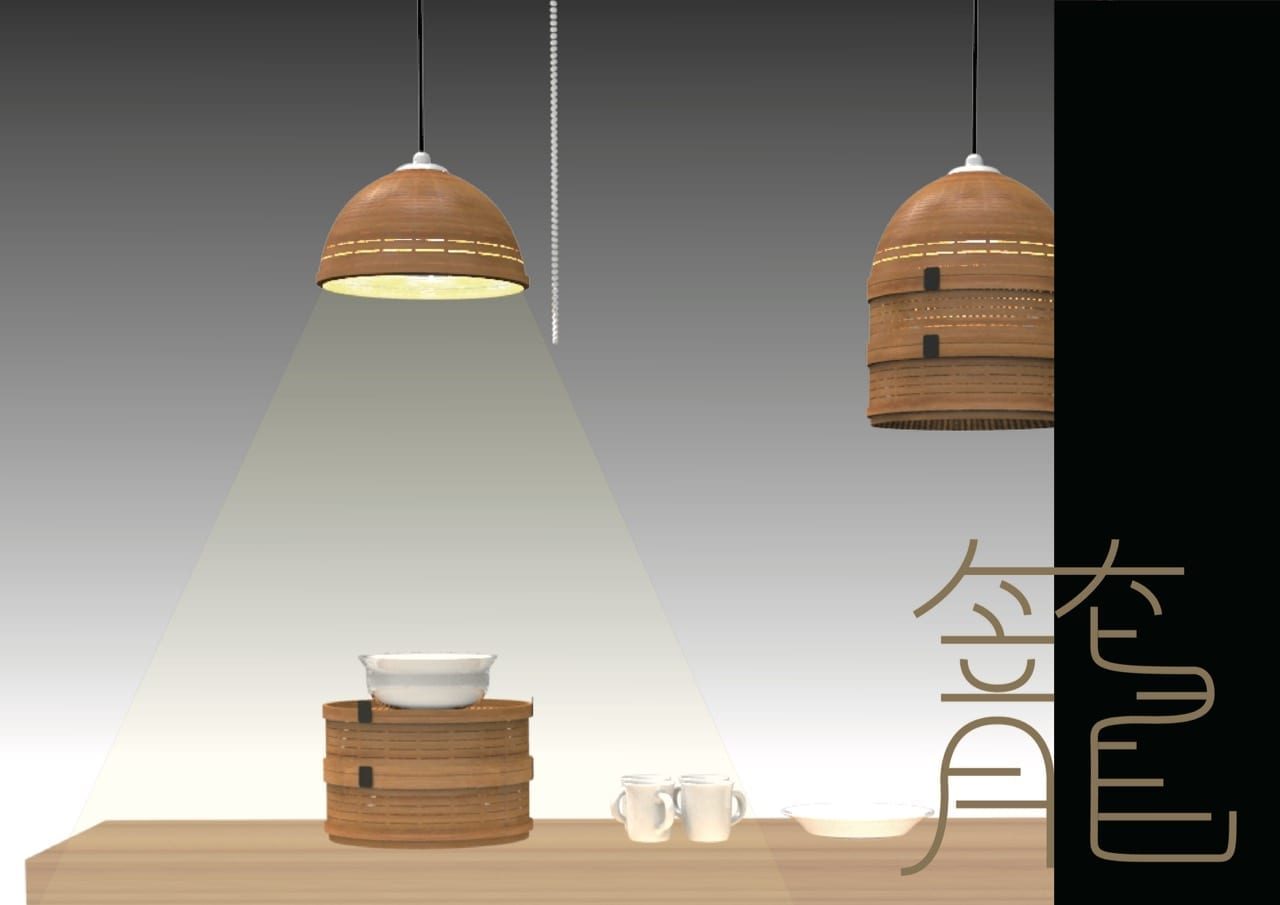
    • Guan-Yu Chan from Malaysia took the woven dish covers commonly used by Chinese families living in the southern parts of the Greater China region and adapted them into a modern pendant light-dish cover combo. The resulting work, called “CAGE–Dish Cover Design” by the creator, adds a touch of contemporary luxury to a once utilitarian object and ensures it is no longer relegated to the kitchen cupboard or market stall table.
    • Jiahui Tan of Fable, a boutique design agency in Singapore, entered “PLAY,” a cultural book commissioned by the National Heritage Board (NHB) for a community exhibition. The work, which takes the structure of DNA for its visual language, plays on the meanings and structures of the English letter ‘Y’ and the Chinese character ren (人), which means ‘man’ or ‘person’ in English, as well as a famous Chinese idiom (前人种树, 后人乘凉) that encourages people to appreciate the efforts of their predecessors in providing the comforts people enjoy today.
    • From Hong Kong, Yiu Hoi Lun’s poster “Migrant Worker” attempts to highlight the suffering many migrant workers in China face during the Chinese New Year holiday when they attempt to leave the cities and return to their family homes in the countryside. The designer was inspired by images she saw on TV and the internet of people breaking down in tears as they waited in endlessly long lines in the rain, snow, freezing temperatures just to buy their train tickets.
    • Calvin Sio of Hylé Design Macau entered “Fond of Shar[ing]–Food Serving Board” into this year’s award. The platter is inspired by the Chinese dining custom of sharing food from multiple dishes placed in the center of a table. The platter also comes with a set of interchangeable handles. Inspired by the shape of the armrests and backs of Ming Dynasty chairs, the handles allow for easy gripping of the platter from multiple angles around a table.

    Perhaps unsurprisingly, entries from Taiwan and China offered some of the most complex and deeply considered fusions of contemporary design and zhongguan.

    • Through the tableware series, “Home Craft,” Taiwanese designer Yu-Rui Liang attempts to create a contemporary use for the traditional craft of Chinese joss paper, also known as ghost or spirit money. The forms of the cups, plates, candle holders, and other utensils in the series are also inspired by objects found in religious shrines and temples in Taiwan.
    • “Roaming Through [the] Garden,” a typography system created by Chinese designer John Yan, incorporates architectural elements of the Classical Gardens of Suzhou–a UNESCO World Heritage Listed historical site–into the character design. He hopes that as readers take in the font, they will feel as though they are walking in a classical Chinese garden.

    While most entries were received in the Product Design category, as was the case in 2015, the number of entries submitted into the Spatial Design and Packaging Design categories rose by over 50%. Entries into the Visual Communications category remained more-or-less stable.

    Running since 2015, the Golden Pin Concept Design Award is one among three awards in the Golden Pin design award group. The annual competition is open to submissions from students, professionals, and corporations from around the world, and accepts product and project design concepts in four design disciplines: Product Design, Visual Communication Design, Packaging Design, and Spatial Design. Concept designs must not be available in the market, nor may they be produced within the year of the award.

    In 2016, entries will be assessed in three stages by a carefully selected international jury. All entrants that pass the second round of selections will be awarded a Golden Pin Concept Design Award Design Mark and a certificate. Best Design of the Year winners will receive one of three cash prizes awarded at a grand ceremony in Taipei, Taiwan in early December, each worth NT$300,000 (approx. US$9,800).

    The Golden Pin Concept Design Award is executed by the Taiwan Design Center and organized by the Industrial Development Bureau, Ministry of Economic Affairs. The Ministry of Economic Affairs acts in an advisory capacity.

  • Golden Pin Design Award Releases Stunning 2016 Call For Entries

    Golden Pin Design Award Releases Stunning 2016 Call For Entries

    As the call for entries deadline for Taiwan’s premier international design competition, the Golden Pin Design Award, draws close, organizers have teamed up with innovative local motion graphics studio, Bito, to create an insightful call for entries promotion video.

    The stunning production provides local and international entrants with invaluable insight into the concept of huaren design, or design created for and within Chinese-speaking communities, as they prepare to submit their design works by June 30, 2016.

    The video, dubbed “Earth.Heaven” by Bito, explores the Golden Pin Design Award’s 2016 theme of “Heaven and Earth” (天地 or Tian Di in Chinese), which is derived from the Chinese cosmological framework of the three universal elements of Heaven, Earth, and Humanity as highlighted in the ancient Chinese divination text, I Ching (also known as the Book of Changes in English). The dot (.) in the studio’s highly abstract creation represents the huaren designer flowing between the realms of Heaven and Earth on a constant search for inspiration.

    “Design exists in our everyday life, and so in turn, design exists inside these ancient concepts of Heaven and Earth,” says Keng Liu, Founder of Bito. “In Chinese culture, we emphasize that Heaven, Earth, and Humanity must coexist in harmony. We wanted to make a video that was very fluid in its motion, and this relates to the way in which deeper aspects of huaren culture are expressed in everyday life. We didn’t want to create a realistic vision of Heaven and Earth; instead, we wanted to create something very abstract that would explain this complex idea of ‘Heaven.Earth’ in a simple way.”

    Bito is intimately connected to the Golden Pin Design Award. In 2015, the undeniably successful studio took home five coveted Golden Pin Design Award Design Marks for their work for Acer, TedxTaipei, TedxTianhe, Planet Gift International, and their own animated company Chinese New Year message. Despite also being honored by numerous leading international award organizations, receiving recognition from the huaren community was particularly inspirational. “The criteria for the Golden Pin Design Award is born from the huaren perspective, which makes this award very special and very different to other design awards,” says Liu.