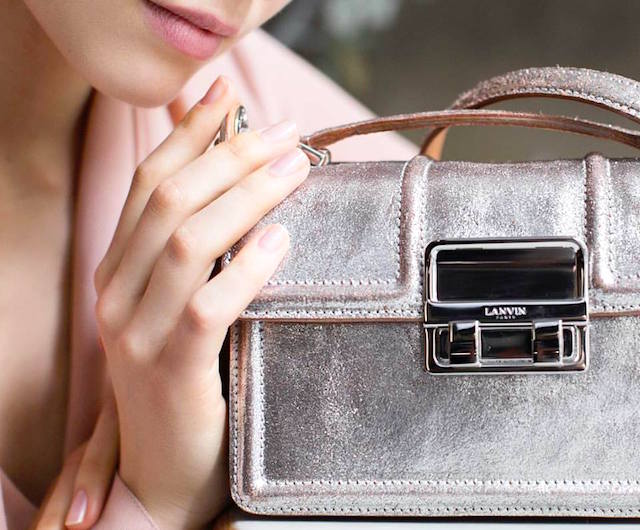
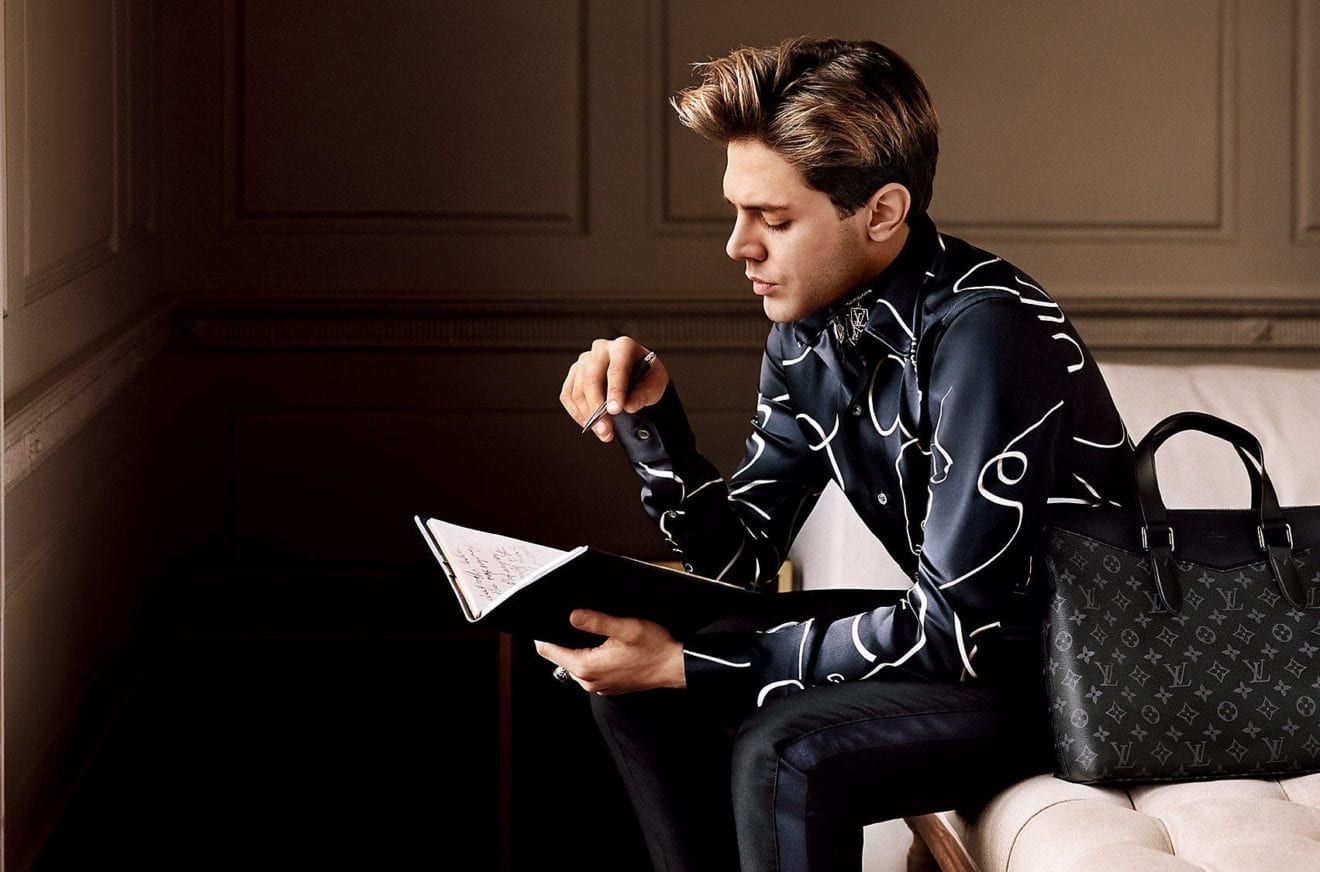
Lanvin has announced the departure of its menswear creative director, Lucas Ossendrijver, adding to a turbulent few years for the French label. Appointed under the mentorship of former creative director Alber Elbaz, Dutch designer Ossendrijver served as the creative chief of the 129-year-old brand’s menswear department for 14 years.
Elbaz, creative director of Lanvin’s women’s wear since 2001, left the house in October 2015 after falling out with majority shareholder Shaw-Lan Wang over the direction of the brand.
In February this year, Wang sold the title to Chinese conglomerate Fosun International.
French designer Bouchra Jarrar, who was Elbaz’s replacement, left Lanvin after just 16 months before her successor, Olivier Lapidus, stepped down after only eight months.
Bruno Sialelli, former head of Loewe menswear, is reported to the front runner to replace Ossendrijver.
November 15, Harbour City welcomed a new pop-up store by Moschino with an exclusive collection designed by Jeremy Scott, Creative Director of the brand, for Hong Kong only. Colorful, ironic, super glamorous and absolutely Moschino: these are the qualities of the collection made exclusively for Hong Kong. The collection represents the vibrant city and reflects the pop soul of Moschino’s Creative Director.
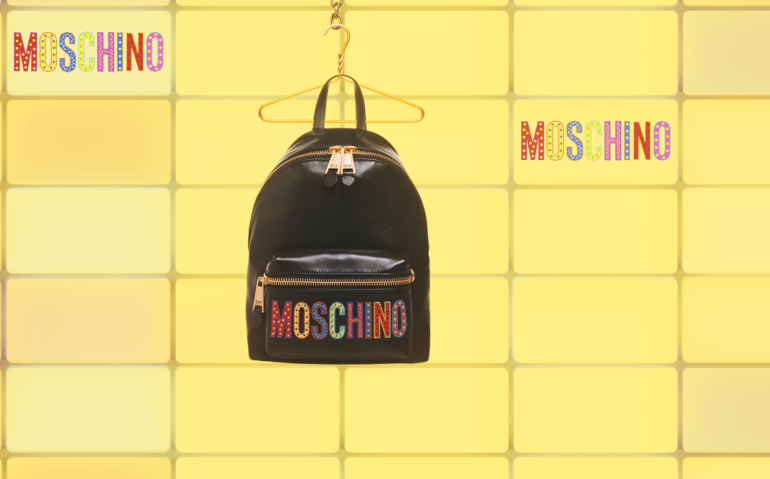
It is a triumph of colors. 12 pieces each adorned with fun multicolored patches: two T-shirts and a T-shirt dress, a hoodie, a sweater, a bomber jacket, 4 denim pieces, a backpack and a bag.
The Moschino logo is revisited in a super colorful version along with iconic graphics like the peace sign. Each letter and each symbol becomes a silk satin patch, applied to the pieces using a special zig-zag stitch technique and made even more ironic with graphics created in thread and crystals.
Moschino Hong Kong Exclusive Collection is available exclusively at Moschino stores in Hong Kong.
It is an incredible moment for the brand, that has been gaining popularity among Millennials and GEN Z thanks to the ironic touch brought by Jeremy Scott.
Earlier this year, Moschino gathered attention globally for its capsule collections in collaboration with H&M and Disney with celebrities such as Gigi Hadid and Naomi Campbell.
In the run-up to the official release, Moschino’s Creative Director Jeremy Scott put on a celeb-tastic fashion show in New York. During the show, Gigi walked the runway in a hoodie printed with Moschino’s signature chain-print alongside her sister Bella in a zip-front black leather mini dress. Naomi Campbell closed the show in a silver sequinned hoodie dress and over-the-knee black quilted boots.
To catch momentum with the success of capsule collections, Moschino has also announced the launch of a new retail concept starting from the stores in Paris, which focuses on the creation of a design that facilitates the rotation of different collections throughout the year.
The design, thought to be a blank canvas ready to host diverse concepts at the same time, will be experimented in Europe to appeal to the new generation of customers.
If it is true that in the digital era, the instant generation is no longer attracted by what is the promise of timeliness, limited editions aimed to satisfy a short-term desire of being among the happy few to win, it might be the key to steal the heart of GEN Z.
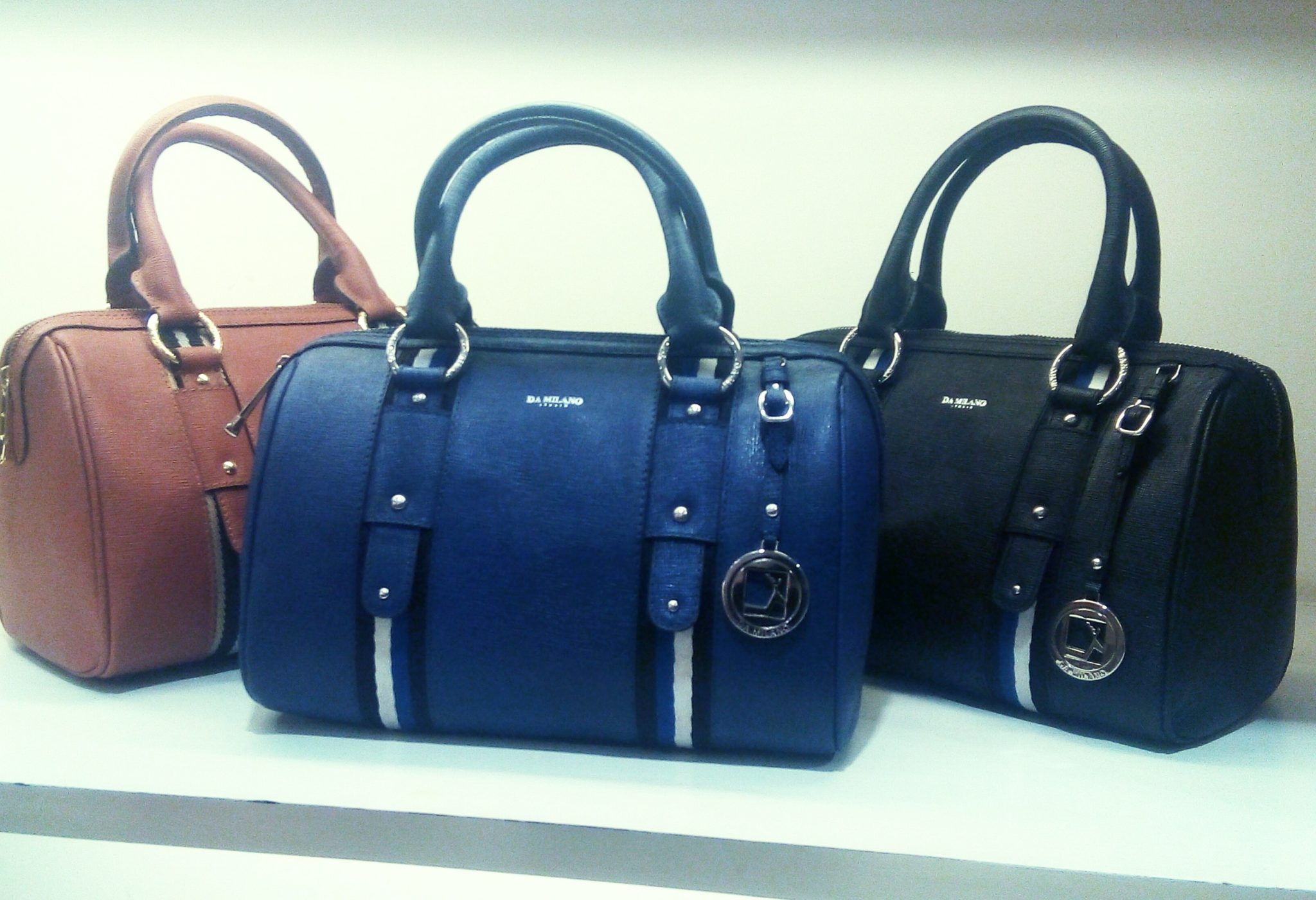
Indian-Italian handbag and accessories retailer Da Milano is aiming to be operating 100 stores by the end of this financial year, including in Singapore. The company offers “affordable luxury” items and is likely to open further locations in airports and Tier II and III cities across India. It currently runs 80 stores across the country, as well as three in Dubai and one in Nepal.
Stores are scheduled for launch in London, Singapore and more in Dubai. Its distribution network currently covers eight countries, retailing the brand’s more than 300 products per season. Designs are produced in collaboration between Italian and Indian teams.
Da Milano sales grew 25 per cent over the last financial year, with expansion expected to continue through 2019. Efforts to promote the brand online are at the forefront as the brand approaches its 30th anniversary.
A growing community of Korean women primarily in their 20s to 40s prefer renting high-end goods from subscription services such as Series Eight, The Closet and Reebonz Korea. Asked why they chooses to rent their wardrobe, they said the introduction of luxury goods rental services helped her prioritize living expenses and limit unnecessary spending on personal shopping.
By paying a monthly subscription fee of 79,000 won (US$70), Reebonz customers, for example, can rent up to two bags a month. Customers opting for pricier premium plans are given the option to rent a bag from the most expensive or popular brands for up to 10 days for prices ranging from 9,800 won to 19,800 won.
“Subscription-based business models have not seen much success in the local market compared to other countries. But, because luxury goods’ prices are so high compared to the low purchasing power of Koreans in their 20s and 30s, the (subscription) services are expected to see substantial growth in South Korea,” said Choi Kang-sik, a professor of economics at Yonsei University.
Choi said that with more women wanting to rent luxury goods, rental companies must better communicate with luxury brands in order to bring better products to the table.
“The power of luxury brands will always see an upward trend. The difference, now, will be that consumer groups won’t be women visiting department stores. It will be the luxury rental companies who will be supplying the bags to the original customer base,” he said.
Even though popular American designer rental services such as Bag Borrow or Steal and Rent the Runway launched a decade earlier, designer subscription services garnered attention from local consumers starting in 2016, according to Series Eight CEO Kim Tae-hyun.
Kim, who co-founded Reebonz Korea with current chief Ha Dong-gu, left Reebonz to launch the startup Series Eight under the Value Art Architect Group last year.
On the surface, the two companies share similar concepts with regards to lending customers a hand in renting high-end products.
If Reebonz sticks to a subscription model, Series Eight and its six-member team envisions a shopping platform beyond just a rental service where women can rent high-end bags whenever and for however long they please.
“We essentially did not want to give the idea of pressuring women to pick a bag every month just because they are paying a certain amount. The pressure in itself ruins the shopping experience,” Kim said.
In order for a business to be successful on a subscription-based model, it needs to provide convenience, value for the money and personalized experiences. Consumers will cancel services that do not deliver unique, excellent personalized experiences, according to Choi.
Park Sun-young, juggling being a mom and public relations director at an ad agency in Seoul, appreciates such unique value from subscription services. Unlike her younger colleagues who seem to have time to go shopping, Park would rather save money and time by renting her wardrobe online.
“I think young women may feel it’s weird to rent designer clothing and carry handbags that are ultimately not theirs. But, look inside your closet. How many bags are just sitting on the shelf collecting dust?” Park posed.
“Being a mom and having a job, the rental services make my shopping experience something I look forward to at the end of the night before I go to bed. Just scroll down, look through the catalogue and click order.”
As aftershocks of the clampdown on Daigous continue to reverberate through the luxury shopping community in China, e-commerce platforms are rising to fill the gap.
The launch of China’s new e-commerce law, coupled with the 928 Daigou crackdown at the Pudong International Airport in Shanghai, has stirred up uncertainty in the global luxury industry.
In fact, LVMH share prices reportedly fell in early October due to fears of a slowdown in Chinese spending.
Earlier this month, Luxury Society attended the live seminar “Reinterpreting the 300-billion Daigou market” hosted by Tencent media.
During a debate, luxury e-commerce platform OFashion’s CEO Xiao Yu and N5 Venture Capital’s founder Xiao Yiwei shared their insights on how luxury buying will likely evolve in the post-Daigou era.
According to Xiao Yu, the estimated Chinese luxury spending in 2018 is 600 billion RMB and Daigou purchases account for half of that, making it an estimated 300-billion industry.
Without Daigou, what is the next best alternative for Chinese consumers looking to buy authentic luxury goods at lower prices?
First, let’s revisit the 928 daigou crackdown in Shanghai’s Pudong airport and take a look at how China’s 300-billion Daigou industry is in danger.
What Happened During The 928 Daigou Crackdown
September 28 2018 marked an important date in the history of Chinese luxury consumption.
In Shanghai Pudong airport, all passengers returning from Seoul were stopped by Chinese customs for baggage inspection.
Seoul has been a classic shopping destination for Daigous to obtain global brands at a discount. More than 100 passengers from same Seoul-Shanghai flight were found guilty of illegal imports.
It was every Daigou’s living nightmare.
One of them relayed the unfolding events through WeChat text messages. Screenshots of this message thread eventually made its way online.
The messages read,
“In the line to pay my fine”
“I was live streaming in duty free shop during the day, but live streaming fine payment during the night (face palm emoji)”
Source: Sohu, A Daigou’s WeChat record of 928 crackdown got popular online.
Whether as a full-time profession or simply a hobby, the Daigou business is one based on relationships.
In fact, the first clients of most Daigous are generally from his or her own social network.
Since Daigous operate in a legal gray area and rely solely on private transactions, customers often have a hard time verifying the authenticity of their purchases.
Needless to say, seeking redress in the case of fraud is difficult or near impossible.
Within the last decade or so, Daigous have become rather ubiquitous.
Chinese netizens often joke on social media that “everyone has a Daigou friend on his/her WeChat”, or “Daigou is our generation’s best marketing guru”.
Rumors of Daigous making a minimum of $100k USD a year and buying houses while still in college flood the internet, making the Daigou profession both a mysterious and highly coveted one in China.
On September 28, however, this all came to a screeching halt.
Within a night, the image of Daigous as self-made businessmen was reduced to that of illegal importers.
Chinese Luxury Consumers Have Changed
The Daigou business flourished in China largely because of strong domestic demand for global luxury products. This demand is quickly changing.
During the seminar, OFashion’s CEO Xiao Yu offered his observations on shifting consumer tastes by analyzing the purchase data of its platform’s 3 million active buyers.
Here are our major takeaways.
1. Chinese Consumers Love Buying “Hits”
The biggest difference between luxury consumers from China and those from mature markets is that Chinese consumers prefer mainstream “hit” items, while mature market consumers also buy a brand’s long-tail (niche) products.
2. Entry-Level Luxury Sells Best
Out of all the luxury product categories, entry-level items with a price range of 2000-5000RMB (430-730USD) exhibit the strongest sales performance.
3. Consumer Tastes Have Diversified
While Chinese consumers concentrated their research on highly famous luxury brands in the past, they are now much more receptive to niche brands.
Bestselling product styles have also shifted from traditional classics like the Salvatore Ferragamo ballet flat, to streetwear brands.
Additionally, Chinese consumers are now searching more about domestic brands compared to four years ago, when most searches were about established global brands.
4. TheLipstick Effect Doesn’t Quite Apply In China
Considered an entry-level luxury product, lipsticks have been selling like hot cakes in the Chinese market recently.
While the “lipstick effect” – a global economic theory that postulates the correlation between beauty product sales and economic downturns – may hold true in many markets, industry professionals have stressed that it might not necessarily be the case in China.
While China might be in the midst of a lipstick craze, experts have noted that lifestyle brands that are inspiring, soulful, and fun, can still rise to the top of the market quickly.
How Platforms Can Rise To The Challenge
Now with the individual Daigou business in danger, it’s time for luxury cross-border platforms to shine.
As the live seminar’s two speakers noted, inefficiency is still a huge pain point in the cross-border industry.
That said, cross-border solutions aiming to improve efficiency would likely to grow fast.
As the luxury buying business faces tightening controls by regulators, consumers are turning to professional buyers, reliable platforms, or buyer’s platforms — a combination of the former two.
Besides established luxury e-commerce platforms such as Tmall Global, JD’s Toplife, Secoo and VIP, platforms that specialize in serving professional buyers are booming, too.
Tmall Global’s Luxury Direct has turned buyers into consultants and made fashion-consulting service a selling point.
The platform’s “About” page reads, “Our buying team takes orders straight from fashion weeks and selects products from brand official showrooms all across Europe.”
OFashion’s app “Buyer Box”, an app targeting professional buyers, has even a CRM (Client Relationship Management) system for users to personalize a client’s order.
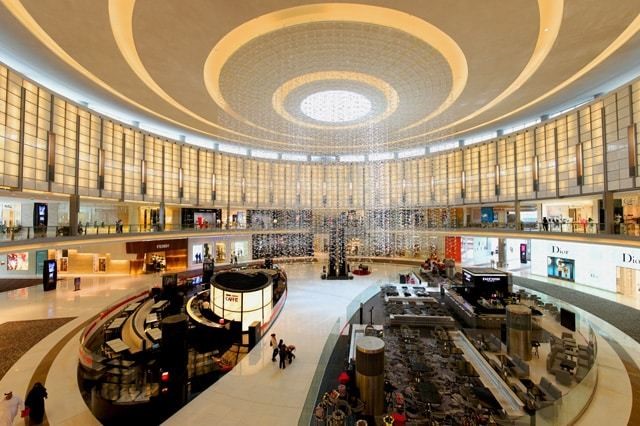
Marie France Van Damme, the Hong Kong-based designer known for her globally influenced line of luxury resort, swim, and ready-to-wear, continues to expand her presence worldwide with the opening of the brand’s first store in the Middle East in November 2018 in Dubai, its thirteenth boutique worldwide. With boutiques in some of the world’s most iconic luxury travel and shopping capitals, Marie France Van Damme’s new store will be located in downtown Dubai in the exclusive Dubai Mall, the world’s largest luxury shopping destination.
Situated within Fashion Avenue of The Dubai Mall (Financial Center Rd, Dubai, United Arab Emirates) a section that’s home to more than 200 luxury shops including Cartier, Chanel, and Valentino, the new 1000 square-foot boutique will offer Marie France Van Damme’s extensive luxury resort, Beach Bridal, and ready to wear lines and range of accessories, including evening dresses, resort wear, and caftans.
As Marie France Van Damme only introduces limited productions of her collections each season, each store in itself is unique, with exclusive items at each location you won’t find anywhere else. With a focus on exclusive pieces inspired by the Dubai lifestyle, the new boutique will offer the best of both worlds: luxe day resort wear and chic evening wear.
Made for Dubai and the elegant, modern Middle Eastern lifestyle, Marie France Van Damme’s striking collections are a return to the glamorous roots of resort wear with a muted palette of silver and gold, hand embroidery and opulent fabrics, from French lace to metallic-toned Italian weaves and featherweight Chinese silks. Signature pieces such as the Boubou caftan provide instant glamour. New this season is an exclusive “Black Gold Rose” jacquard collection of delicate evening dresses crafted in the softest crinkle silk chiffon; and short jackets, and skirts designed to be layered with long metallic blouses and worn from city to resort and from day to night, a perfect mix-and-match wardrobe.
Collections are not distinguished by season, but relevance. Whether it’s evening wear or day dress; a silk caftan, city pajama or swimwear, Marie France Van Damme’s philosophy remains the same: “What you wear should always give you glamour. Glamour without the fuss and bother,” says Marie France Van Damme.
“We are excited to open our first boutique in the Middle East in The Dubai Mall,” says Marie France Van Damme. “I could not have imagined a better location to provide our clients with an exceptional atmosphere in one of the most beautiful shopping destinations in the world. We have many clients in Dubai including those who travel to here to shop. Like me, our customer travels around the world, and she needs to find things that will look beautiful day as well as night. Our collection was made for Dubai and the elegant, modern Middle Eastern lifestyle, from day to evening, poolside to dinner.”
The new boutique will incorporate Marie France Van Damme’s signature aesthetic, which blends subtle Asian influences and elegant simplicity with marble floors, teak wood, bronze panels, and embossed crocodile leathers with textiles and finishes that can be found in the designer’s home as well as her flagships in Hong Kong and London.
Marie France Van Damme will join The Dubai Mall’s 3.77 million square feet of leasable space and 1,300 retail outlets, including Galeries Lafayette, Cartier, Chanel, Valentino, Balenciaga, Gucci, Lanvin, Saint Laurent, and many more. The Dubai Mall, a luxury shopping destination that welcomes 80 million visitors each year, also has dining, entertainment, and leisure attractions including the Dubai Aquarium & Underwater Zoo, the Olympic-sized Dubai Ice Rink, and adjoining five-star hotels, including the Armani Hotel Dubai. In addition to Fashion Avenue, there is also The Souk, the open-air walkway The Village, and more.
Marie France Van Damme has rapidly expanded since its inception in 2011 to include an impressive range of ready-to-wear, resort wear, swimwear, sunglasses, perfume, and candles. The designer just announced her twelfth boutique opening this October at the Wynn Las Vegas. She recently opened her eleventh boutique in Miami at Bal Harbour Shops and a store in Marrakech at La Mamounia in January 2018, a Los Angeles boutique in September 2017 at the Peninsula Beverly Hills, a boutique in Bangkok’s luxury shopping and entertainment complex Gaysorn Village in 2017, and her seventh store in December 2016 in Hong Kong’s prestigious Elements shopping mall, which is Marie France Van Damme’s second Hong Kong store. The company opened its very first store in Hong Kong’s acclaimed International Finance Centre (IFC) mall in September 2013. Five years later, Marie France Van Damme has twelve stores worldwide, proving that small curated stores are still very relevant. The company currently has 100 retail locations in some of the world’s most desirable shopping destinations.
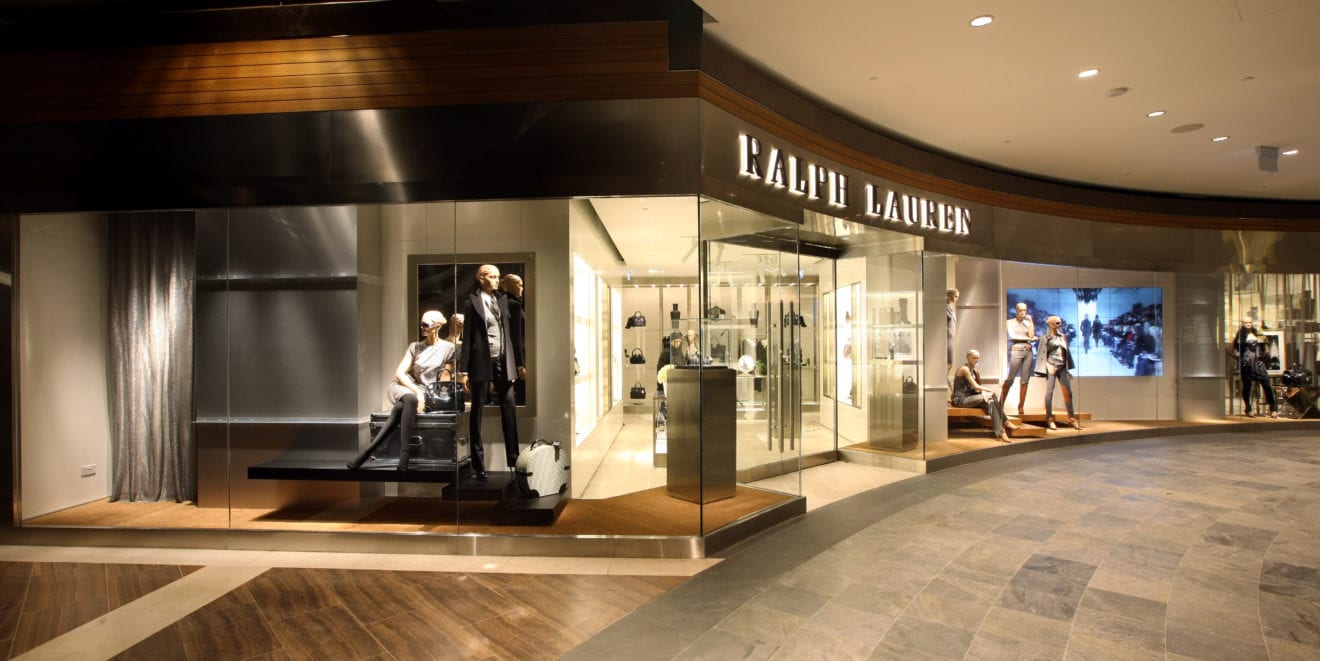
As Ralph Lauren pulls out all the stops to celebrate its 50th anniversary, its second-quarter results do not reflect the upbeat note of the festivities. Indeed, if anything the Ralph Lauren results are rather anemic and are characteristic of a brand that is still not entirely confident about its place in the fashion world or its future direction.
While growth of 1.6 per cent in overall revenue and a 1.4 per cent uplift in North America are positive, the decline of 0.8 per cent in Europe is disappointing as is the flat comparable-sales result. This mixed bag shows that the brand is only firing gently on some cylinders rather than powering ahead.
While in growth, Ralph Lauren’s North American division is still underperforming. The relatively flat revenue result, which is underpinned by an anemic 1 per cent increase in comparable sales, comes against the backdrop of a robust consumer economy where spend on luxury and higher-end goods is increasing. It has also been delivered at a time of elevated marketing spend. That Ralph Lauren could not engineer a better performance underlines the fact that the brand has a lot more work to do to connect and resonate with consumers.
One of the unresolved issues at Ralph Lauren is in having a clear brand proposition that is carefully targeted at customers. While numbers show that general brand perception of Ralph Lauren has improved over the past year, the number of people agreeing that it, or its sub-brands, are ‘made for people like them’ has remained flat. This is worrying and underlines that there is still a lot of repositioning and redefining required before Ralph Lauren can deliver better numbers.
None of this should suggest the company has been inactive or passive; it has not. With the Polo brand, for example, a lot of new items have been introduced and products have been enhanced with embellishments such as embroidery and added functionality. These have helped to drive some better numbers and suggest that the company is innovating, but the improvements are hampered by a lack of progress on overall brand perception, especially among younger shoppers. It will clearly take time for the various changes to drive overall perception.
One area of progress is on the digital side of the business, where comparable sales in North America rose by 9 per cent. While this is below the overall rate of growth for online luxury, it is a sign of progress and is a reflection of the various investments Ralph Lauren has made in its digital channels – including the marketing efforts on social media. Ralph Lauren now needs to apply this thinking to driving traffic in stores, where North American sales fell by 1 per cent on a comparable basis.
Outside of North America, performance in Europe was poor. While total revenue fell by 0.8 per cent, comparable sales slipped by 4 per cent. Part of this is down to inventory issues at outlet stores and part is the result of lower consumer confidence in key markets like the UK. Even so, it is disappointing given the various investments, including in digital, that Ralph Lauren has made in the region.
Overall, Ralph Lauren is gently moving in the right direction. However, the brand vision remains rather murky. It needs to be simplified and retooled so that it is clear and compelling. A young brand like Maine’s Kiel James Patrick is the perfect example of a well-curated and authentic lifestyle label that Ralph Lauren needs to emulate. Ralph Lauren has yet to prove it is up to this task.
Market expansion service provider DKSH Thailand has announced plans to double the scale of its Thai luxury and lifestyle business within two years. The firm has picked up three international brands this year, with another Italian lifestyle brand to be added to its portfolio next year.
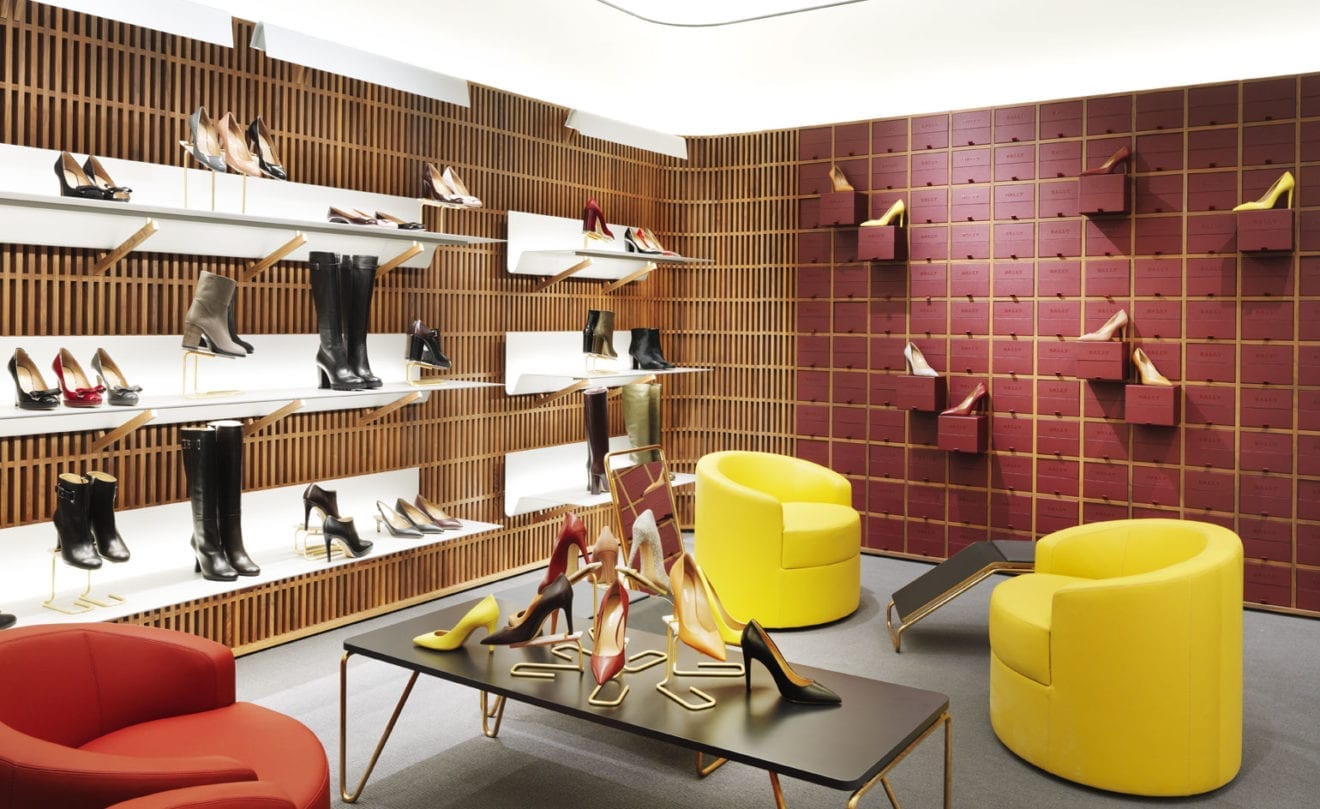
Included in the expansion is a THB30 million (US$913,800) investment in a new 200sqm flagship Bally store in Thailand, opening at Iconsiam on Friday (November 9).
DKSH regional VP of luxury and lifestyle business Franck Giacobini said luxury and lifestyle is picking up again and sales are strong.
“DKSH’s luxury and lifestyle business in Thailand will strengthen in the next few years because the country has a young population with high spending power.”
He added that DKSH will allocate a huge investment to the Thai market, considering the country’s high-end retail complexes and strong tourism.
President of DKSH Thailand Douglas Humphrey added: “DKSH has been in Thailand for over a century. Our consumer product business in Thailand is the biggest market for the DKSH network globally. We will continue to invest here in terms of people, capability and supply chain in the coming years.”
Richemont group is in talks to buy Italian jewellery brand Buccellati from its new Chinese owner, according to reports from the Italian press this week. The italian press has reported the Milanese brand was being negotiated for sale with Richemont.
The deal had apparently hit problems due to restrictions from the Chinese government regarding investments from overseas.
Qatari investment vehicle Mayhoola was also interested.
Bank of America Merrill Lynch was reportedly working on the sale.
China’s Gansu Gangtai acquired Buccellati from its previous owners Clessidra in 2017, for a reported 270 million euros ($313 million), including debt.
The news follows reports earlier in the year that Gansu Gantai planned to invest some 200 million euros to develop Buccellati.
Richemont, which owns Cartier, among other jewellery and watch brands, was previously in talks with former Buccellati owner Clessidra, in 2016 to purchase the high-end jewellery brand.
Both Richemont and Gansu Gangtai declined commentary on the matter.
Founded in 1919 by the Buccellati family, the Italian jeweller was sold in 2013 to Italian investment fund Clessidra.
In August 2017, Chinese group Gansu Gangtai Holding acquired an 85% stake.
It has opened six stores in China alone this year, with a Beijing flagship store slated to open this month.
Buccellati currently operates 49 namesake retail outlets between stores, retail corners and shops-in-shop, and is also distributed via 150 multi-brand retailers.
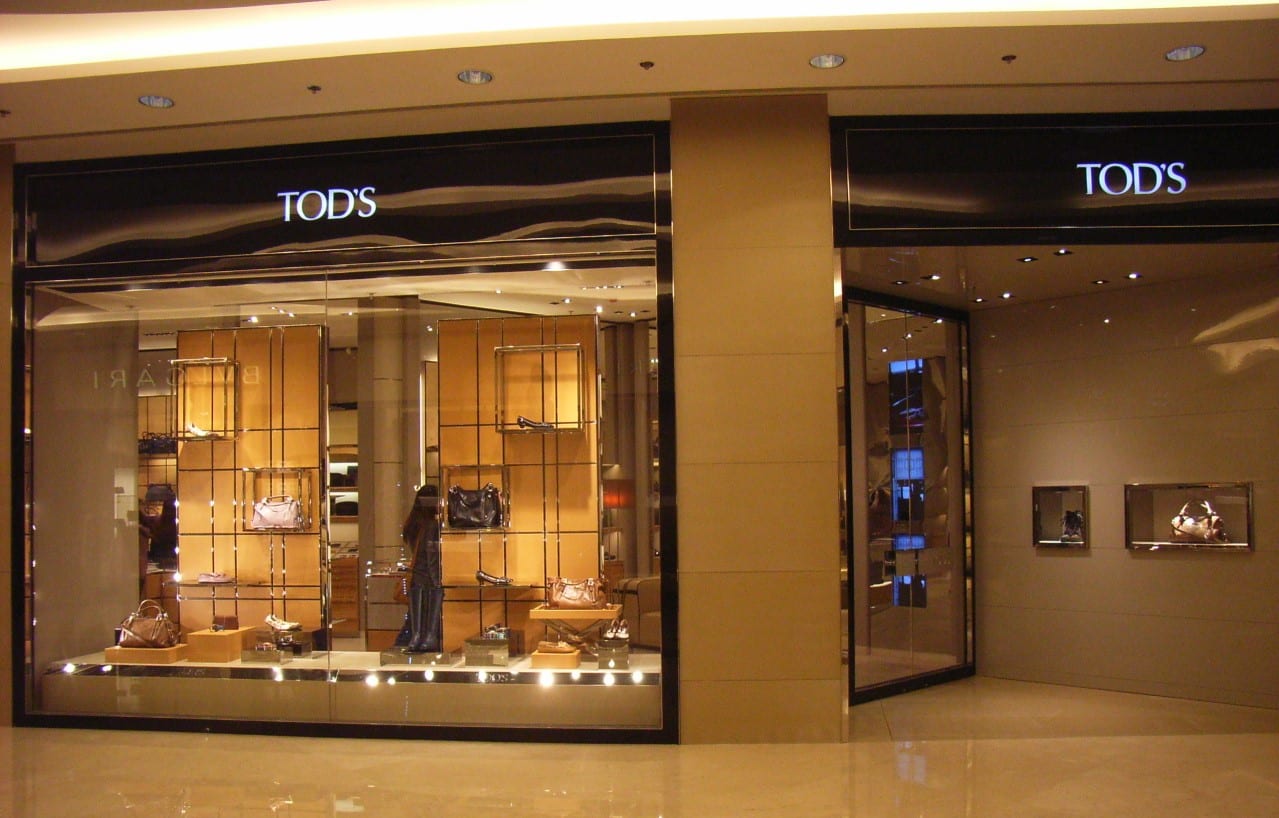
Speaking at the 2018 Milano Fashion Global Summit, Tod’s Chairman and CEO Diego Della Valle denied rumours surrounding a possible sale of the Tod’s group, reports WWD. The report quoted Della Valle saying: “This rumor is a “recurring” one, but “if we really had to do an operation, it would be to buy, not to sell. “We are preparing the company for the next 10 years, when we will surely be attentive to new consumers, but carefully avoiding going overboard in chasing trends. We must not lose sight of who we are,” he added.
Speculations followed after an Italian newspaper reported on Monday that Della Valle’s reorganization of the family’s holding companies may be an indication to a future sale of the group.
The Della Valle family currently owns majority 60 percent of the Tod’s group through two separate holding companies – the Di.Vi. Finanziaria vehicle and the Diego Della Valle & C.
For the first six months, Tod’s reported a 2.8 percent decline in its net profit to 33.7 million euros, while sales decreased 1.3 percent to 477 million euros compared to 483 million euros in the first half of the previous year but increased 1.8 percent at constant exchange.
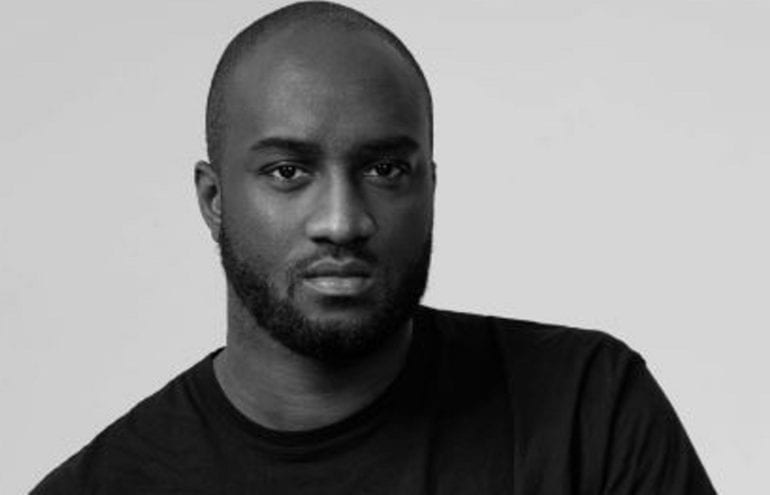
Virgil Abloh, the founder of the haute street wear label Off-White and a longtime creative director for Kanye West, will be the next artistic director of menswear at Louis Vuitton, one of the oldest and most powerful European houses in the luxury business.
He will be one of the few black designers at the top of a French heritage house. Olivier Rousteing is the creative director of Balmain, and Ozwald Boateng, from Britain, was the designer for Givenchy men’s wear from 2003 to 2007.
r“I feel elated,” Mr. Abloh said via phone on Sunday, adding that he planned to relocate his family to Paris to take the job at the largest brand in the stable of LVMH Moët Hennessy Louis Vuitton, the world’s largest luxury group. “This opportunity to think through what the next chapter of design and luxury will mean at a brand that represents the pinnacle of luxury was always a goal in my wildest dreams. And to show a younger generation that there is no one way anyone in this kind of position has to look is a fantastically modern spirit in which to start.”
The appointment, widely rumoured in recent months, is part of a shake-up on the men’s wear side of LVMH, which began in January with the departure of Kim Jones, Mr. Abloh’s predecessor at Louis Vuitton. Last week, it was announced that Mr. Jones would become the menswear designer at LVMH stablemate Christian Dior, replacing Kris van Assche.
Mr. Abloh’s appointment is also a reflection of the increasing consumer-driven intermingling of the luxury and street wear sectors, which helped boost global sales of luxury personal goods by 5 percent last year to an estimated 263 billion euros (about $325 billion in today’s dollars), according to a recent study by the global consulting firm Bain & Company. And it is an acknowledgment on the part of the luxury industry that it must respond to contemporary culture in new ways.
“Virgil is incredibly good at creating bridges between the classic and the zeitgeist of the moment,” said Michael Burke, chief executive of Louis Vuitton. The two men first met about 12 years ago when Mr. Abloh spent six months interning at Fendi with Kanye West, where Mr. Burke was then the chief executive.
“I paid them $500 a month!” Mr. Burke said. “I was really impressed with how they brought a whole new vibe to the studio and were disruptive in the best way. Virgil could create a metaphor and a new vocabulary to describe something as old-school as Fendi. I have been following his career ever since.”
Mr. Abloh, 37, a first-generation Ghanaian-American raised in Illinois, is widely considered one of fashion’s consummate purveyors of cool; a master of using irony, reference and the self-aware wink (plus celebrity, music, digital and hype), to recontextualize the familiar and give it an aura of cultural currency.
Despite having no formal fashion education (his mother was a seamstress and taught him her trade; he studied architecture and civil engineering), Mr. Abloh founded Off-White — a reference to his belief that old barriers are breaking down — in 2013, almost a decade after he first meet Mr. West and became his creative partner. In 2015, Off-White was a finalist for the LVMH Young Designers Prize. (Mr. Abloh will be the first LVMH finalist to take on a major design role in an LVMH brand.)
Off-White currently has 3.1 million Instagram followers (Mr. Abloh alone has 1.6 million), and Mr. Abloh received the Urban Luxe award at the British Fashion Awards last year. During the just-past women’s wear season, there was almost a riot in the Rue Cambon outside the Off-White show as fans crowded to get in.
A champion of the cross-branded collaboration, Mr. Abloh has worked with names as varied as Nike, Jimmy Choo, Moncler and, with an upcoming project, Ikea. Most recently, he teamed up with Takashi Murakami, a frequent Vuitton collaborator, for a show at the Gagosian Gallery in London.
“In a way, all of my output has been to make a compelling case for me to take on a role such as this,” Mr. Abloh said. “I think of it as kind of the ultimate collaboration.”
It also presumably made a compelling case that Mr. Abloh could be the man to make Louis Vuitton men’s wear more relevant — and more visible — to the millennial generation. He will build on the foundation laid by Mr. Jones, who also gave classic men’s wear and Vuitton’s history as a luggage expert an urban edge, and recently engineered a sellout collaboration with Supreme, another street-wear success story.
“For the last eight to 10 years we’ve been having this conversation about what’s new, and for me, that has to do with making luxury relatable across generations,” Mr. Abloh said, adding that he had been putting together an eight-page “brand manual” defining the new ethos of his Vuitton. “The first thing I am going to do is define new codes. My muse has always been what people actually wear, and I am really excited to make a luxury version of that.”
Mr. Burke added, “Louis Vuitton was not a couture house. From the mid-19th century to the 1920s and beyond it always sought to cater to the new wealthy class, not the old aristocrats.”
Mr. Abloh also said he would be focused on rethinking how the brand communicated with its consumers, including the release of products, the runway show and the way it interacted with the global political mood.
Certainly, Vuitton will give him a bigger platform than he has had. Men’s wear is currently sold in only about 150 of the 450 Vuitton stores around the world, though the company plans to increase that by between 25 and 28 stores. There are also 13 free-standing men’s stores, with six more planned this year, according to Mr. Burke. Though LVMH does not break out specific brand performance, Mr. Burke said the men’s wear business had been growing in the double digits and “had a stellar 2017.”
That places a burden of expectation on Mr. Abloh’s shoulders, especially given all the hype around his name — he was mentioned for possible top positions at Burberry and Versace. One of the criticisms most often lobbed at him (by Calvin Klein’s designer, Raf Simons, among others) is that his real genius lies in repurposing other people’s work, as opposed to creating new silhouettes of his own.
Mr. Abloh is also not one to shy away from political statement-making, a tactic often seen as a risk for a luxury brand. Last year, during a guest appearance at the Florence men’s wear show, Pitti Uomo, Mr. Abloh eschewed the traditional runway show and instead collaborated with the artist Jenny Holzer on a piece addressing the immigrant crisis.
“Product is only one part of the luxury narrative,” Mr. Abloh said in the phone interview. “I want to use Louis Vuitton’s history with travel to really look at different cultures around the world to help make all our humanity visible. When creativity melds together with global issues, I believe you can bring the world together. Fashion on this level can really open eyes.”
Mr. Abloh will continue to run Off-White — “it is for the 17-year-old version of myself, whereas Vuitton is for the 37-year-old I am today,” he said — and to work with Mr. West. But he said he would cut back on his other activities, including moonlighting as a D.J. He will show his first collection for Louis Vuitton during Paris Men’s Fashion Week in June.
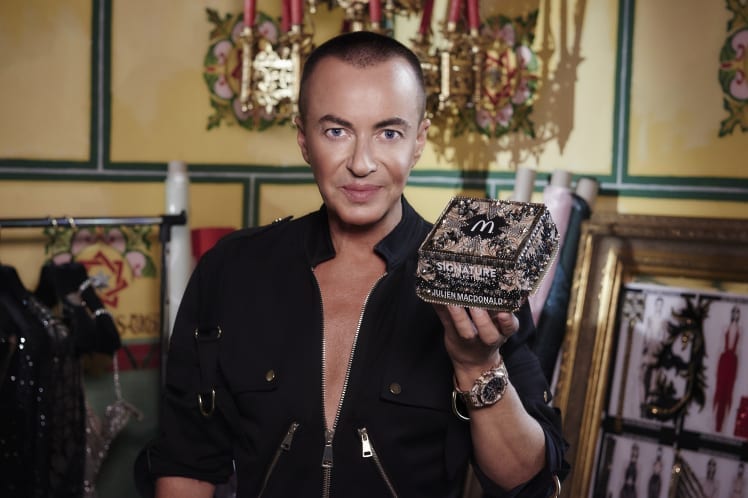
Fashion designer Julien Macdonald has created a special-edition box for McDonald’s UK new Signature Collection range of “gourmet” burgers, described in a press release as “McDonald’s’ first foray into the world of luxury and fashion”.
Following a trial in selected restaurants, the range is being released in more than 900 McDonald’s eateries across the UK.
Unveiled in London, the box has a limited release of 1000, with fans being invited to sign up online if they want one. One special box, customised by Macdonald himself, will be auctioned to raise money for the fast-food chain’s Ronald McDonald House Charities.
“I drew inspiration from my fashion creations and iconic embellished red-carpet dresses,” says Macdonald, who has dressed such celebrities as Beyoncé, Kylie Jenner, Madonna, Mick Jagger, Puff Daddy, Shirley Bassey and Taylor Swift.
The result is a gold baroque-style crystal-encrusted box, described as “the perfect packaging for the luxury McDonald’s Signature Collection burger”.
“It’s a brave and exciting move,” says McDonald’s UK VP of marketing Emily Somers. “Julien Macdonald’s beautifully designed star-studded box complements the Signature Collection perfectly.”
The box complements the “luxury” positioning of the product as demonstrated by this promotional video which is – well, unlike anything we’ve seen from McDonald’s before…:
One blogger has commented: “You haven’t enjoyed a burger until you’ve eaten it out of a box which has crystal detailing, embellishment and bespoke digital print.”
Facebook users have been a little less kind (or ironic), one asking, “And the point of it is exactly what? … Congratulations, you have just polished a turd.”
Another asked, “Is it April 1st already?”
Meanwhile, Etihad Airways has given its in-flight safety video a makeover by setting it backstage at one of Macdonald’s runway shows. Models put on oxygen masks to escape a cloud of hairspray, they wear life jackets as if they were the season’s must-have accessory, they buckle up safety belts over embellished couture gowns, and move into brace position as they have their hair done.
Unveiled during New York Fashion Week, the promotional film will not replace Etihad’s safety video, but will be shown on-board from next month and be used to highlight the airline’s ties to the fashion world (it sponsors 17 fashion weeks and events internationally).
On the agenda for October are four major events in the World Design Capital® (WDC) Taipei 2016 program of International Signature Events: the International Design House Exhibition, International Design Week Forum, International Design Policy Conference, and Network of Cities Meeting.
WDC Taipei 2016 extends a warm invitation to participants and visitors from around the world to come and share their ideas and experiences, and bear witness to Taipei’s transformation into a model city that incorporates design thinking into public policy.
“October will be a defining month for the World Design Capital Taipei 2016,” says Pei-ni Beatrice Hsieh, Commissioner of the Department of Cultural Affairs of the Taipei City Government. “It is an opportunity both to reflect on the progress we have already made and to ignite international dialogue with other cities; to share experience and expertise. This is a chance to define a legacy for WDC Taipei 2016 that will be felt long into the future.”
The International Design House Exhibition will be held at Taipei City’s historic Songshan Cultural and Creative Park, once home to a tobacco factory, from Thursday, October 13 to Monday, October 31. The Design House will bring together local and international designers, studios, and organizations to curate a series of thought-provoking exhibitions that will challenge visitors to reconsider their relationship with the urban environment and experience first-hand how design can radically change the world’s cities.
An exhibition curated by Agua Zhou of Taipei-based studio Agua Design in the historical North Tobacco Factory, will showcase the results of innovative WDC Taipei 2016 projects, including the International Open Call and Designer in Residence Taipei programs, and explore the impact of Taipei City public planning and design policies.
In Warehouse One, curator Li Wei-Lang, the Creative Director of Afterain Design (Taiwan), will mount an exhibition showcasing breakthroughs and innovation in Taiwanese design, particularly in the fields of science and technology, art and craft, and sustainability. In Warehouse Two, Page Tsou, celebrated visual artist and founder of Taipei-based studio, Auspicious Design, has invited renowned illustrators and visual artists from around the world to exhibit works that reflect on their impressions of Taipei.
Warehouses Three and Four will be home to an international roster of exhibitors, with some participants hailing from cities that are past or future holders of the World Design Capital designation. The exhibition will explore the WDC Taipei 2016 theme of “Sisheng: Life Quality and Health, Ecological Sustainability, Smart Living, and Urban Regeneration.” In Warehouse Five, renowned Taiwanese contemporary calligraphic artist Tong Yang-Tze will collaborate with up-and-coming Taiwanese fashion designers, and spatial and sound designers to create an interactive exhibition that will breathe new life into traditional Chinese calligraphy.
The International Design Policy Conference, which will be held on the weekend of October 15 and 16 at the Taipei International Convention Center, aims to explore how design thinking can be integrated into public policy. Policy experts, industry professionals, and academics will be invited to share their insights into and case studies on urban development through design.
The International Design Week Forum, which will be held on Monday, October 17 and Tuesday, October 18 at the Creativity Theater in Songshan Cultural and Creative Park, will bring representatives from various design weeks and festivals around the world to contribute their insights into how cities can support and harness the innovation of designers. The second day will be open to the public. Participants will be able to access free entry to both the International Design Week Forum and the International Design Policy Conference in August. Follow WDC Taipei 2016 on Facebook for updates: https://www.facebook.com/taipeidesign/.
The final International Signature Event in the October series is the invitation-only Network of Cities Meeting. WDC Taipei 2016 organizers will invite mayors and city representatives from around the world to meet in Taipei, where together they will discuss WDC legacy programs, explore opportunities for collaboration, and share design-based solutions to the many civic and environmental challenges faced by cities around the globe.
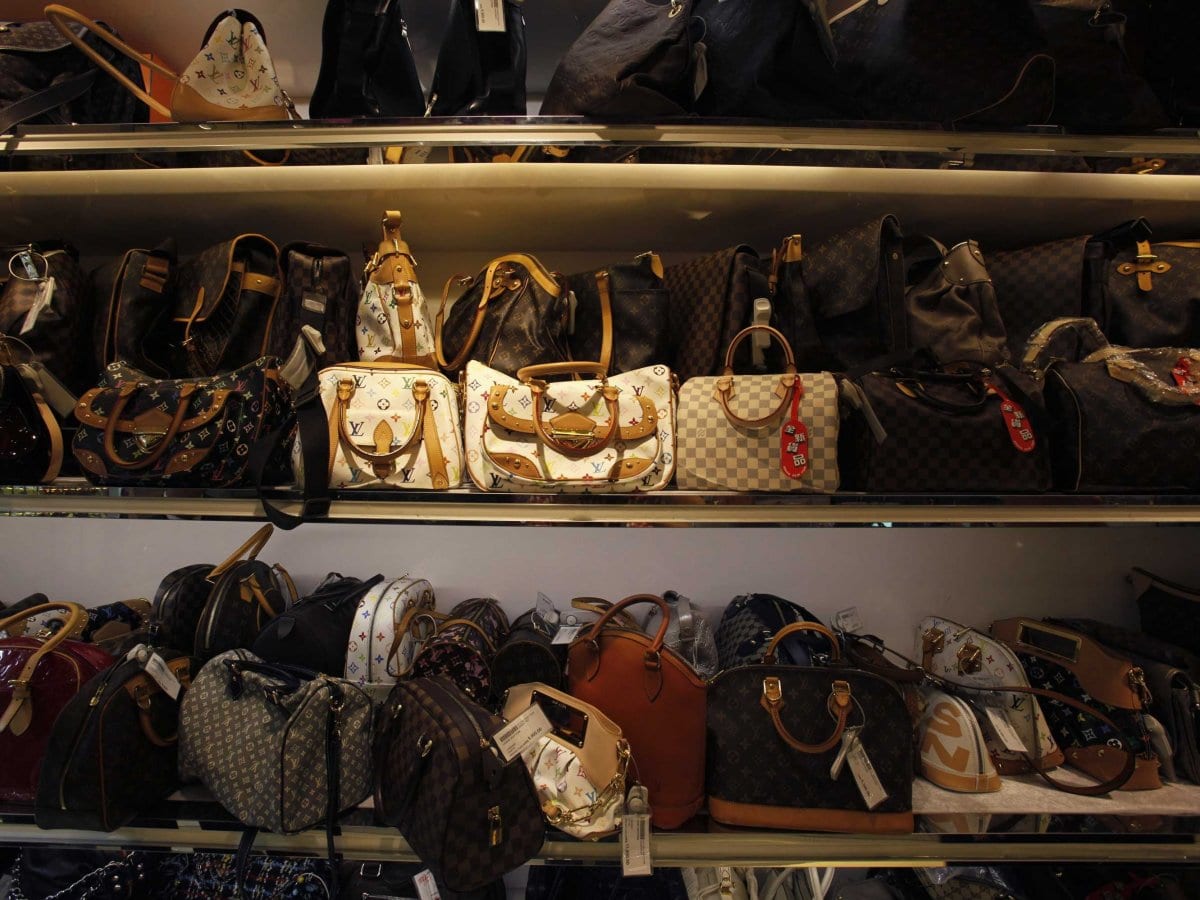
Luxury branded handbag store chain Milan Station Holdings Ltd. saw its revenues plunge by 80.8 per cent year-on-year to HK$15.6 million (US$1.94 million) in Macau for 2015, following its closure of retail stores in the territory, according to its filing with Hong Kong Stock Exchange on Wednesday.
‘The gaming industry and tourism industry in Macau shrunk in recent years, which greatly bombarded the Group’s business locally. During the year, the Group closed the retail stores in Macau, while the points of sale in exclusive clubhouses also performed unsatisfactorily,’ the retailer noted in the filing.
The company said it would adjust the product mix for its current sales points in local exclusive clubhouses as well as focusing on selling mid-priced brands in order to improve its revenues in the Special Administrative Region.
For last year, the company generated total revenues of HK$400 million, a 35 per cent year-on-year drop compared to the HK$616 million it made in 2014. Meanwhile, it posted a narrowed net loss of HK$48 million for the year, some 9 per cent lower than the HK$53 million loss suffered one year ago.
In addition to the sales drop in the city, Milan Station’s Hong Kong sales also fell 23.9 per cent year-on-year to HK$343.9 million. The company explained that the decline is due to the decreased number of Mainland China tourist visits to the HKSAR, weakening per capita consumption, and exchange rate fluctuations.