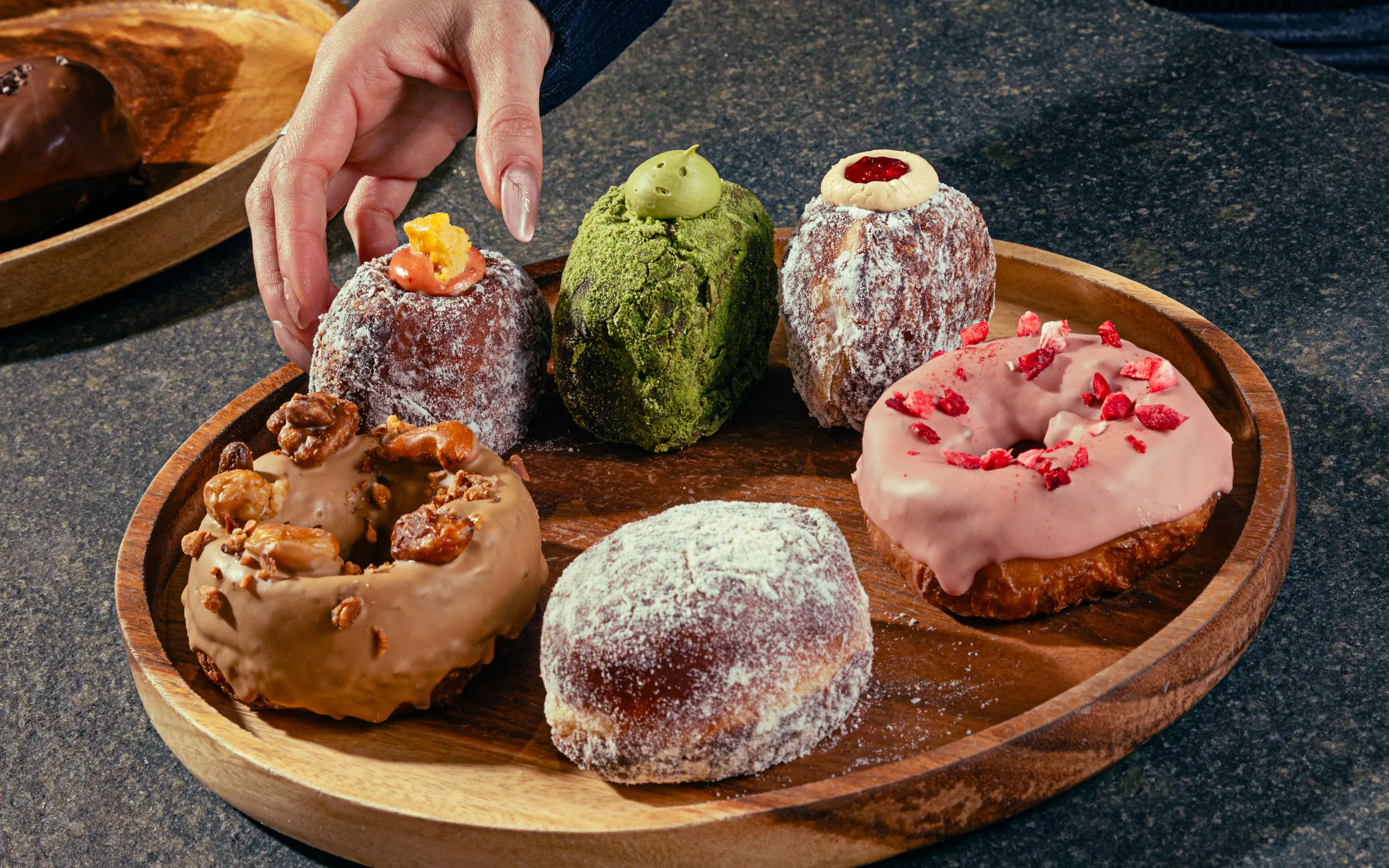
Krispy Kreme launched a limited-edition fox doughnut across four store locations in Japan on May 25, testing ultra-concentrated product scarcity.
The restricted release confines the themed pastry to a tiny fraction of the chain’s national store footprint. Limiting distribution creates immediate localized foot traffic while managing production runs for intricate, hand-finished menu items.
Targeted Store Allocations
Restricting specialty bakery products to specific stores allows chain operators to test niche product appeal without burdening nationwide supply chains. In Japan, quick-service dessert operators frequently use regional or store-exclusive runs to drive localized foot traffic and generate organic social engagement without standard advertising spend.
For retail landlords and station-adjacent retail hubs, hyper-local limited releases direct customer volume directly to specific commercial corridors. The trade-off sits squarely in execution: tight allocations risk customer frustration if inventory sells out too early in the trading day, shifting footfall away from neighboring tenants.
The Hyper-Local Fast Food Playbook
Rival confectionery chains across East Asia rely on similar micro-drops to maintain menu novelty against intense convenience store competition. Japanese convenience chains routinely turn over bakery shelves weekly, forcing standalone doughnut operators to create distinct, photogenic items that justify a dedicated store visit.
Krispy Kreme Japan previously restructured its operations by trimming oversized standalone units and pivoting toward high-efficiency transit kiosks and compact shopping center locations. Concentrating short-run specialty items into selected stores tests how well these distinct formats capture impulsive commuter spending.
The four selected locations will carry the fox doughnut for a limited period, with store-level sales volumes determining whether the concept rolls into wider regional distribution.