Tag: detection

  • Vodafone Idea Launches AI-Powered Spam Detection Solution

    Vodafone Idea Launches AI-Powered Spam Detection Solution

    ages, according to a statement from the company on Monday.

    “As more customers embrace digital communication, we recognize the growing threat posed by SMS-based spams and potential scam attempts,” said Jagbir Singh, CTO, Vodafone Idea Limited.

    “Our AI-powered spam detection technology reinforces our commitment to customer safety by delivering proactive, real-time protection,” he added.

    Vi’s AI algorithms are trained on millions of SMS examples to detect potential threats, such as fraudulent links, unauthorized promotions, and identity theft attempts. The predictive AI system learns from patterns in incoming data, including phishing links, unusual sender information, and common spam phrases, improving its detection accuracy over time.

    In September, Bharti Airtel, India’s second-largest telecom service provider, introduced an AI-powered solution to notify smartphone users about potential spam messages. Airtel’s solution analyzes one trillion records in real time and has demonstrated its ability to accurately predict more than 99% of spam messages and 97% of spam calls, according to the company.

  • Apple’s Crash Detection sent 71 notifications to one 911 center last weekend

    Apple’s Crash Detection sent 71 notifications to one 911 center last weekend

    Last September, a new feature was introduced for these devices while unveiling the iPhone 14 series, the Apple Watch Series 8, the Apple Watch Ultra, and the Apple Watch SE (2022). Any of these products will detect when you have been in a severe car, SUV, or pickup truck crash. Unless you shut down the process with a tap, after 10 seconds the phone will contact your emergency contacts and give them your current location.
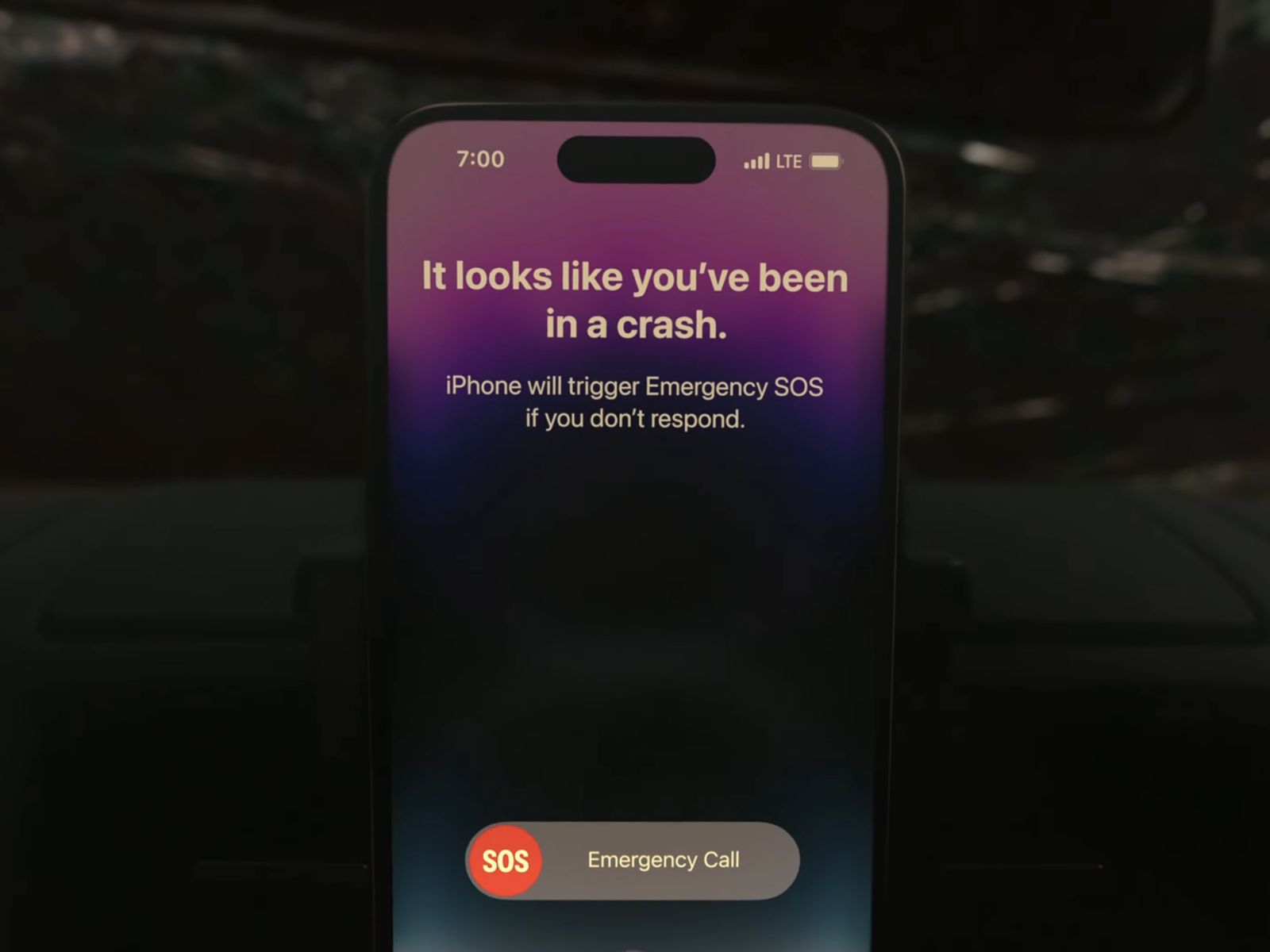
    Two days after introducing the feature, Apple turned Crash Detection into an ad for the new iPhone 14 line that shows an iPhone flying through the air amid a shower of broken glass. “It looks like you’ve been in a crash,” says the screen. “iPhone will trigger Emergency SOS if you don’t respond.” Apple states that the Crash Detection feature is driven (no pun intended) by advanced Apple-designed motion algorithms trained with over a million hours of real-world driving and crash record data.”
    We should point out that a similar feature was made available to the Google Pixel line in 2019. Regardless, while this sounds like a useful, helpful, and potentially life-saving feature, technology can backfire every now and then. For example, at the Summit County 911 Center, dispatchers received an incredible 71 automated crash notifications this past weekend from skiers carrying an iPhone or wearing one of the three newest Apple Watch models.
    The notifications came in from the area’s four ski areas but none of the notifications received had to do with a real emergency. Skiers making quick stops and falling into the snow set off the Crash Detection feature even though there was not one true emergency in the bunch. And if Crash Detection wasn’t set off by a fall into the snow, the Apple Watch’s fall detection feature, which essentially has a similar process to run through when someone wearing the timepiece hits the ground, was responsible for unnecessary notifications.
    None of the 71 notifications could be disregarded. And if the device owner did not respond to a return call, a special operations deputy had to contact ski patrol to visit the location where the impact happened to make sure no one was seriously hurt. This was a time-consuming activity but had to be done.
    Trina Dummer, the interim director of the Summit County 911 Center, said, “We are not in the practice of disregarding calls,. These calls involve a tremendous amount of resources, from dispatchers to deputies to ski patrollers. And I don’t think we’ve ever had an actual emergency event.” All 71 notifications were set off by an impact…into the soft snow.
    And since calls are handled by the 911 Center based on the time the call is received, a bogus accident that sends out a notification from an Apple device could delay the arrival of medical help to a real emergency in the area. Dummer notes that “We are absolutely diverting essential resources away from people who need it toward a feature on a phone.” A comment worded like that sounds like someone is upset with Apple.
    Another 911 Center, this one in Pitkin County, receives 15 to 20 calls a day from Apple’s Crash Detection feature that come from the county’s four main ski areas. The 911 Center’s director, Brett Loeb, says every notification generates a return call although sometimes a skier’s phone is too deep inside a coat pocket for the user to hear it ringing. At that point, the ski patrol has to check out the area which delays things.
    Similar to what happened in Summit County, in Pitkin County not one notification from Apple’s Crash Detection was the result of a real emergency.
  • Google may soon enable Android to detect if you cough and snore while you sleep

    Google may soon enable Android to detect if you cough and snore while you sleep

    Google is allegedly working on introducing snore and cough detection into Android devices. Lines of code in the installation file of the Google Health Studies app reveal that the tech giant is currently conducting a study called “Sleep Audio Collection,” which is available only to Google employees.

    The tech giant explains, “You must be a Full Time Googler with an Android phone to participate in this study. Environmental conditions required for this study are to have no more than one adult sleeper in the same room who does not work for a competitor company.”

    With this experiment, Google is collecting the necessary data to validate, tune, and develop algorithms and an advanced suite of sensing capabilities that could then be made available on Android.

    These “Cough and Snore algorithms” will appear as a sleep tracking feature for you, the end user, and will monitor whether you cough or snore during your sleep. Google further explained that the function will work in a “privacy-preserving, on-device” manner, meaning that the collected information will be safely processed and stored locally on your phone. According to Big G, these new features will provide users with “meaningful insight into their sleep.”

    A snore detection feature has many advantages and will surely give you more information on how you sleep. For example, it can tell you if and in which cycle you snore. It can help people that are battling sleep apnea and other health issues track how diet changes and sleep schedules affect their quality of rest.

    Unfortunately, there is no word on how and when Google plans to implement the snore tracking feature or whether it will be available on all Android devices or just the Pixel phones. It is also possible for Big G to add this function to its fitness tracking app, Google Fit.

    Of course, there are apps out there like SnoreLab, SnoreClock, and Goodsomnia Lab that offer snore detection and which you can use right now.