Tag: dethrones

  • China Dethrones US as Vietnam’s Top Seafood Consumer: A 40% YoY Increase

    China Dethrones US as Vietnam’s Top Seafood Consumer: A 40% YoY Increase

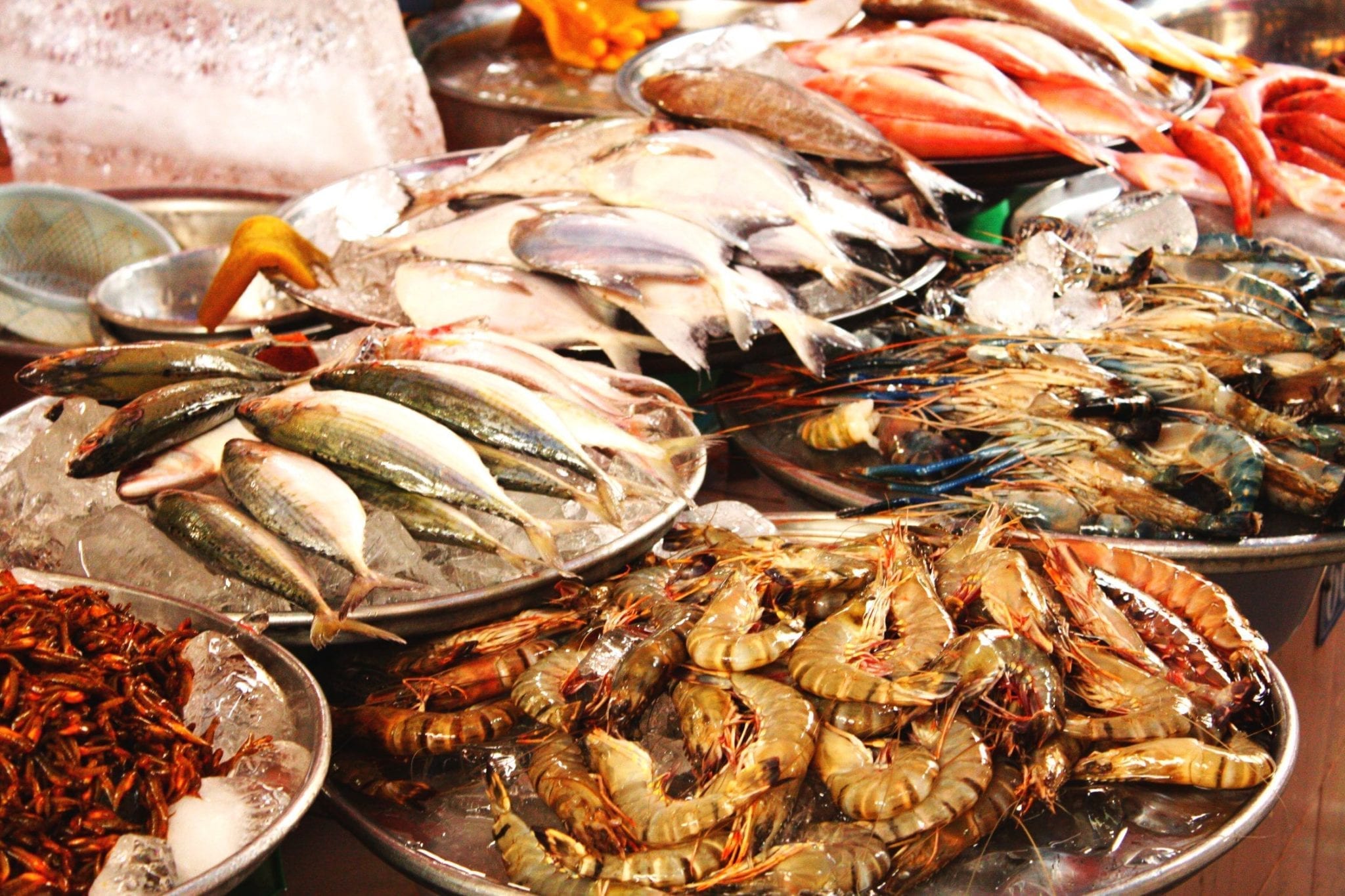
    In the first half of 2026, China became Vietnam’s largest seafood market, surpassing the United States. This shift resulted from an importation of Vietnamese seafood valued at nearly $1.4 billion, a 40% year-on-year increase. This accounted for almost a quarter of the $5.7 billion worth of Vietnamese seafood exports, a rise of 11.4%, as per the Ministry of Agriculture and Environment. Comparatively, the value of the U.S.’s imports was $898 million, while Japan, in third place, had $788 million worth of imports.

    Factors in Market Shift

    The rise in shipping costs has elevated China’s attractiveness due to its geographical closeness, according to Nam Viet Jsc, a seafood exporter. Furthermore, Le Hang, the Deputy General Secretary of the Vietnam Association of Seafood Exporters and Producers, noted that as the U.S. and Europe increased non-tariff barriers, many businesses turned towards China. She highlighted the U.S.’s requirement for businesses to provide extra admissibility certificates with a complex application process, particularly impacting tuna products. Additionally, shrimp exports faced high anti-dumping duties.

    Another contributing factor was the frontloading of shipments to the U.S., which led to significant inventories for importers in the country. This occurred during a period when consumers were restricting their spending and leaning towards lower-priced products.

    Adaptability and Future Outlook

    Hang stated that the growth in the first half was a reflection of the rebound in global demand and the adaptability of Vietnamese businesses, who adjusted their markets and product structures. Shrimp was the top export, valued at $2.3 billion (a 13.6% increase) and constituted over 40% of the total value. The demand from mainland China and Hong Kong primarily drove the growth. Moreover, exports of Pangasius, a white-flesh fish, increased by 12.1% to reach $1.1 billion, owing to Vietnam’s competitive pricing and the consistent demand in many markets.

    However, Hang predicts an uncertain future for exports in the second half of the year due to potential U.S. protectionist measures and trade barriers, ranging from regulations associated with “forced labor” to imposition of quotas on products. She emphasizes that in this rapidly evolving trade landscape, businesses must stay updated, adjust export plans, diversify markets, and increase the proportion of deeply processed products to manage risks and sustain growth.

    Questions & Answers

    What factors have contributed to China becoming Vietnam’s top seafood market?
    Shipping costs and non-tariff barriers in the U.S. and Europe have caused businesses to favor China. Additionally, China’s proximity to Vietnam makes it an attractive option.

    What was the largest exported seafood product from Vietnam?
    Shrimp was the top exported product, making up over 40% of the total export value and experiencing a 13.6% increase.

    What challenges do Vietnamese businesses face in the second half of 2026?
    They face potential U.S. protectionist measures and trade barriers, ranging from regulations related to “forced labor” to the application of quotas on products.
  • Mangosteen Dethrones Durian: The Fruit Price Shift in Malaysia

    Mangosteen Dethrones Durian: The Fruit Price Shift in Malaysia

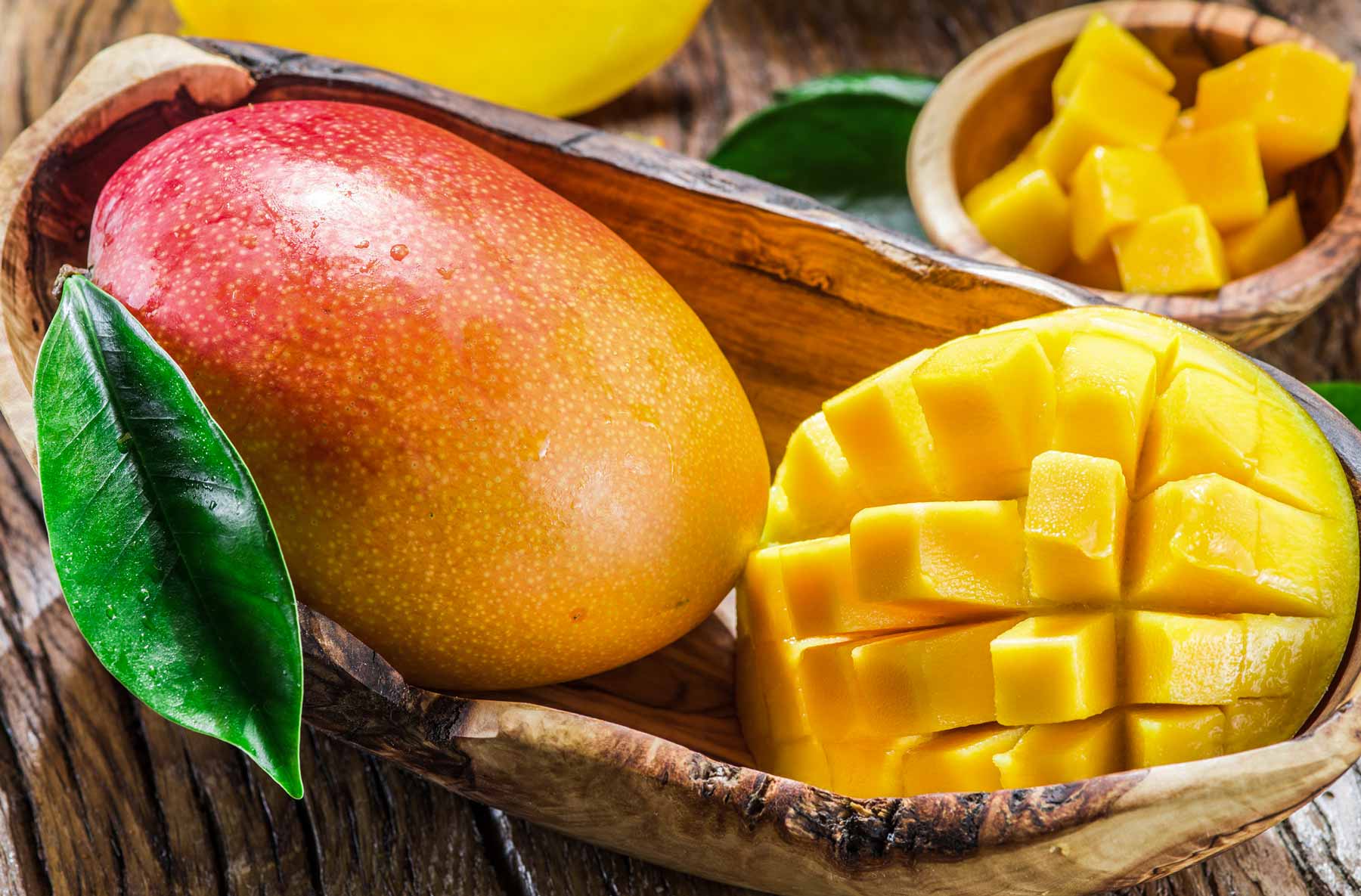
    In Malaysia, the locally adored fruit known as Mangosteen, often referred to as the “queen of fruits,” is becoming more costly than durians due to a shift in agricultural trends causing a decrease in supply. Prices for the locally cultivated Mesta variety of mangosteen, also known as the Japanese mangosteen, have risen to approximately RM20 per kilogram. In contrast, the price for the highly popular Musang King durian has fallen to around RM16.80 per kilogram.

    Availability and Promotions

    Numerous durian varieties, such as D13 and Red Prawn, are presently readily available, with prices as low as RM5 per fruit. One fruit seller, Walter Chew, says that they even have “buy one, get one free” promotions going on. According to Chew, the reason behind the decrease in durian prices is due to an increase in supply caused by a “mini season” which started approximately two weeks ago. This season introduces durians from several areas in Johor, Malaysia’s southernmost state.

    In contrast, the local supply of mangosteens has been inconsistent and limited, Chew points out. Another fruit seller, Yong Boon Sing, added that most mangosteens available on the market are now imported from Thailand and Indonesia.

    Changes in Supply due to Farming Shift

    Over the years, the supply of durians in Malaysia has increased as the fruit’s production and economic contribution have grown. In 2025, durian exports to China, the world’s largest durian market, reached a staggering $37.2 million. Malaysian durians are seen as premium produce, commanding much higher prices than those of regional competitors, averaging $12,138 per tonne as compared to $4,239 for Thai and $3,739 for Vietnamese fruits.

    The popularity of durian has also sparked a boost in tourism as more and more travelers plan their trips around harvest seasons, visiting orchards to taste different varieties and partake in experience-driven packages.

    Data has shown that durian plantations in Malaysia expanded from over 163,000 acres in 2016 to more than 227,000 acres by 2024. During this period, yields almost doubled to over 568,000 tonnes. The exponential increase in supply has consequently driven prices down. The Musang King durian, which was once sold for as much as RM100 per kilogram, has seen prices drop by about 80%.

    Mangosteen trees are often grown alongside durians as an additional source of revenue and for creating a more balanced farm ecosystem. As a result, mangosteen has traditionally been available during the durian season, with the two fruits commonly enjoyed together. However, Yong notes that many new durian farm owners have recently cut down mangosteen trees as their foliage can block sunlight and limit rain reaching the durian roots. This has led to a decline in mangosteen production and, subsequently, an increase in prices.

    Nor Sam Alwi, director-general of the Department of Agriculture, stated that mangosteen production declined from 23,297 tonnes in 2020 to 22,073 tonnes in 2023. She attributed this to the crop’s lengthy juvenile phase, which lasts over six years until it reaches full production. This has made it less attractive for investment, especially when compared to more profitable crops like durian.

    Alwi, however, also noted that yields have been impacted by several factors, including weather changes and increased vulnerability to certain physiological disorders. Preliminary data for 2024 indicates a potential recovery in output.

    Chin Nyuk Moy, the president of the Kuala Lumpur Fruit Wholesalers’ Association, stated that the days when mangosteen was readily available during durian season are mostly over. “Some orchards in Raub still grow the Japan variety, but those days are mostly over.”

    Questions & Answers

    Why has there been a decrease in the supply of mangosteens?
    This is mainly due to new durian farm owners cutting down mangosteen trees as their foliage can block sunlight and limit rain from reaching durian roots. Also, the crop’s long juvenile phase discourages investment.

    What is the current situation for durian exports?
    Durian exports, especially to China, are flourishing. In 2025, durian exports to China reached $37.2 million. Malaysian durians are seen as premium produce and command much higher prices than those of regional competitors.

    How has the shift in farming trends affected the prices of durians and mangosteens?
    The increase in durian supply has led to a decrease in prices. In contrast, the decrease in mangosteen production has led to an increase in prices due to its limited availability.