Retail News CRM

Tag: device

  • Motorola launches new “moto tag” tracking tag for Android

    Motorola launches new “moto tag” tracking tag for Android

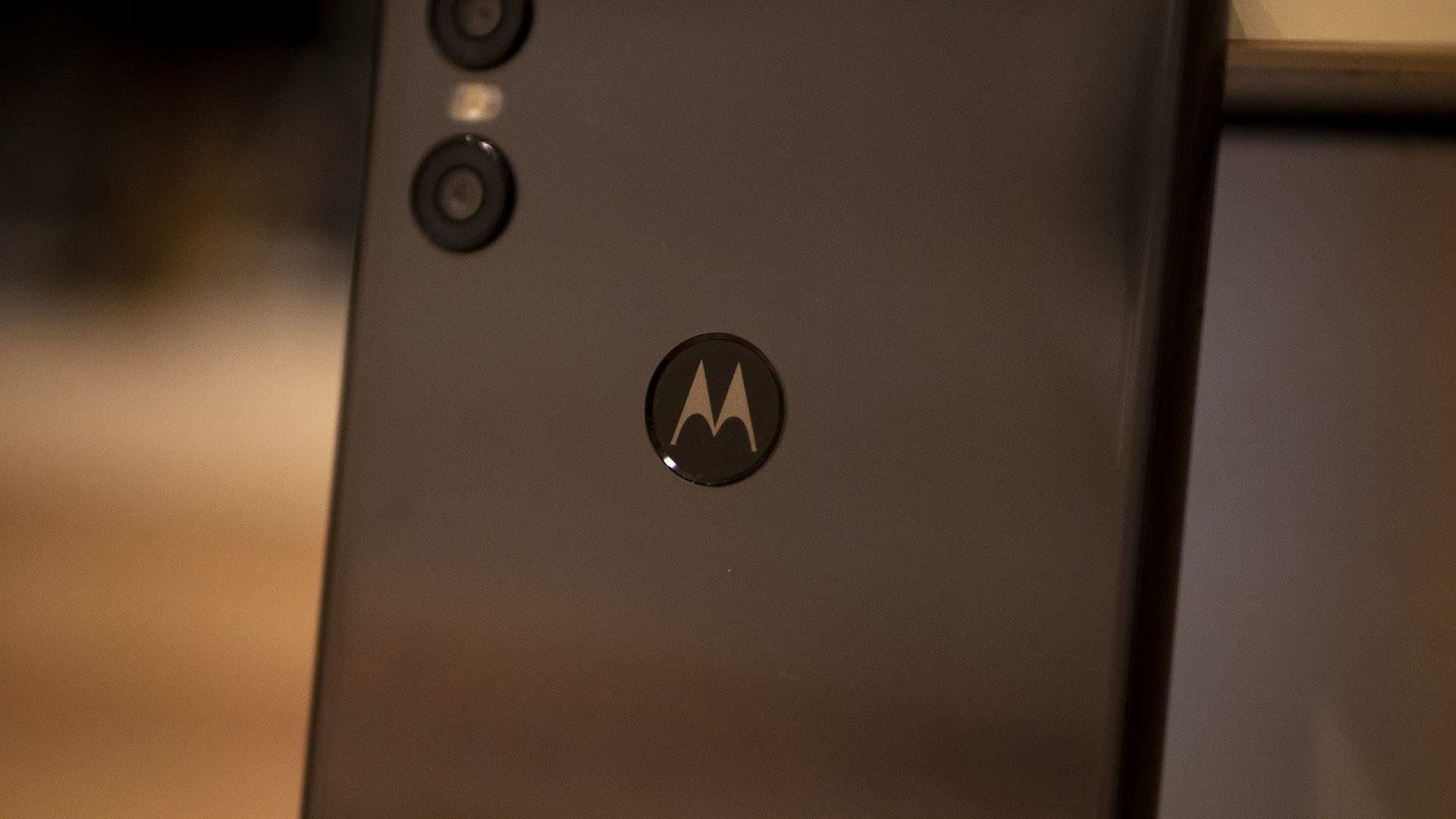
    Motorola has officially announced the launch of its new Bluetooth tracking tag called “moto tag” that will help users keep track of their valuable items. The tag leverages the power of the Google Find My Device network and UWB technology to pinpoint the exact location of tagged items from almost anywhere in the world.

    The moto tag is designed to work seamlessly with most Android smartphones and integrates with Motorola’s device ecosystem. It can be attached to keys, wallets, luggage, or any other valuable item, giving users peace of mind knowing they can easily locate their belongings if they are lost or misplaced.

    One of the key features of the moto tag is its enhanced privacy and security. It works with Google’s Find My Device network, which is secure by default and private by design. User location data is end-to-end encrypted, ensuring that only the tag owner or someone they have shared the tag with can view its location. The moto tag is also compatible with automatic unknown tracker alerts across Android and iOS, helping protect users from unwanted tracking.

    The moto tag also features a dedicated multifunctional button that can ring a misplaced smartphone, capture photos on a Motorola phone, or perform other customizable actions. Below are some of its most notable features and specs:

    • Leverages Google Find My Device network and UWB technology
    • Compatible with most Android smartphones
    • Enhanced privacy and security with end-to-end encryption
    • Dedicated multifunctional button for various actions
    • Sleek design compatible with third-party accessories
    • IP67 water and dust resistance
    • CR2032 battery with one-year lifespan
    Motorola has partnered with Google to ensure a seamless user experience. Due to this, setting up the moto tag is easy with Google Fast Pair, and users can customize various options within the moto tag app. Erik Kay, Vice President of Engineering at Google, expressed pride in working with partners like Motorola to make finding belongings simple and seamless on Android.
    Erin Kay, Vice President of Engineering at Google
    Motorola has not yet announced specific pricing or release dates for the moto tag. However, it’s been reported that the Bluetooth tag will go on sale on August 2nd for $29 or for $99 if you desire a four-pack. It’s looking like Chipolo and Pebblebee will be getting some competition.
  • Apple will reportedly allow Apple Watch to pair with multiple devices

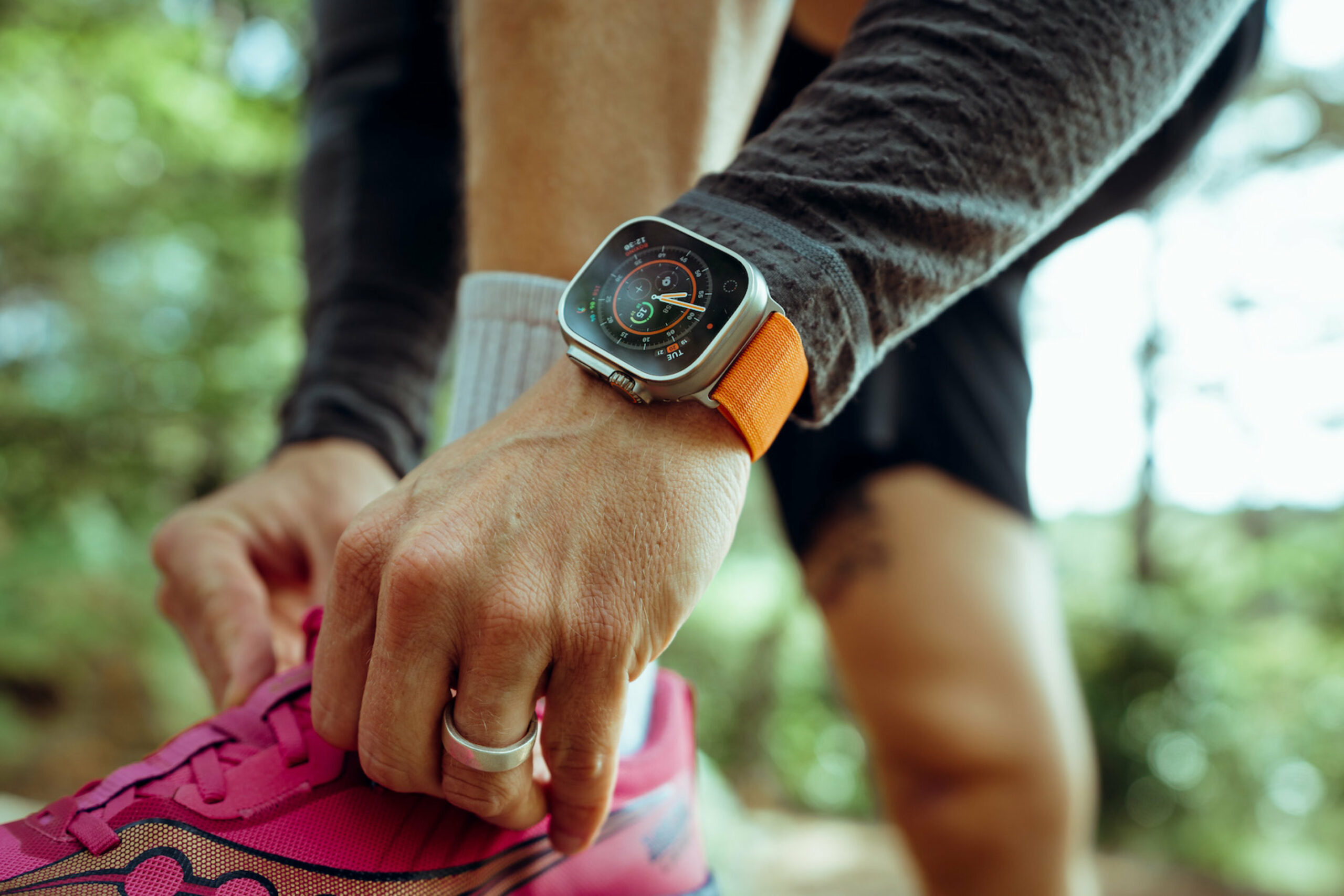
    Apple will reportedly allow Apple Watch to pair with multiple devices

    When you buy a new Apple Watch, it must be paired with an iPhone. While one iPhone can be paired with multiple Apple timepieces, one Apple Watch cannot be paired with multiple Apple devices. But a Twitter tipster who made a great call last year says that the rumor mill is actively cranking out fresh speculation for mass consumption. This rumor says that Apple is developing software updates allowing an Apple Watch to pair with multiple Apple devices, including an iPhone, an iPad, and a Mac.
    Currently, an Apple Watch cannot pair with an iPad, but with the timepiece paired with an iPhone, a user can use his Apple Watch to help him view Apple Fitness+ workouts on an iPad that uses the same Apple ID. And those with an Apple Watch can unlock their Mac computers, view passwords, authenticate apps, and verify the user’s identity to complete an online Apple Pay transaction.
    “Apple Watch will sync across multiple iOS/iPadOS/Mac devices, and will no longer be tied to one single iPhone.” The tipster says that while he doesn’t know how Apple will implement this, he does know that in a future update, Apple will allow the Apple Watch to sync with more than one Apple device. Also unknown is which Apple Watch models will have this new feature and when it will be introduced.
    For example, the tipster says he is unsure whether Apple will include this new capability with watchOS 10, iOS 17, iPadOS 17, and macOS 14, all due out later this year, or if it will be delayed until then the 2024 updates.  The tipster, @analyst941, made a great call on the Dynamic Island before the feature was announced last year giving him some legitimacy.

    Recently, @analyst941 posted not to give up on seeing solid-state buttons replace the mechanical buttons on the two upcoming premium iPhone 15 models, contradicting more well-known analysts such as Haitong Tech’s Jeff Pu, and TFI International’s Ming-Chi Kuo. Pu and Kuo both say that Apple will stick with the physical buttons on the iPhone 15 Pro and iPhone 15 Ultra. But @analyst941 wrote that the two models “will still have capacitive touch buttons, {and that] contrary to rumors, the development team is working too closely with new hardware to turn back now.”

    The tipster also recently tweeted a list of new features he expects to see on iOS 17. Apple will discuss iOS 17 on June 5th, when the keynote will be held for the WWDC 2023 Developer’s Conference. The new iPhone, Apple Watch, and iPad operating systems will be released in September.


  • Spotify unveils its first-ever hardware device

    Spotify unveils its first-ever hardware device

    Spotify has been the unrivaled champion of the thriving music streaming industry for a number of years now, but relying entirely on a service under siege by tech giants including Apple and Amazon seems like decidedly risky business. As such, it’s certainly not shocking to see the 2006-founded Swedish company dip its toes into the consumer hardware world with an aptly titled Car Thing device.

    This “thing” does pretty much what you expect, reportedly plugging into your car’s 12-volt power outlet/cigarette lighter to allow Spotify users to control their smartphone playlists and podcasts on the road in complete safety with voice commands only. The Car Thing is essentially a less versatile Anker Roav Bolt powered by an unnamed Google Assistant rival… that’s unlikely to ever see daylight on anything resembling a wide scale.

    That’s right, you can’t actually purchase Spotify’s first-ever piece of hardware, which will instead be offered for free to a “small group” of invited Premium subscribers to help the company “learn more about how people listen to music and podcasts.” While this is all explicitly and repeatedly billed as a test, set to be conducted in the US only in the near future, Spotify is leaving the door open to an eventual expansion of the limited experiment.

    For the time being, the focus is squarely on “becoming the world’s number one audio platform” rather than creating consumer-oriented hardware, but the way future experiences will be developed depends on the “learnings” from this test. In other words, if invited users declare themselves pleased with the Spotify Car Thing, you shouldn’t rule out it becoming a commercial… thing someday.

    Obviously, we don’t have a full spec sheet or list of features for the Car Thing, but we do know it comes with a circular screen, a number of physical buttons, and a “Hey, Spotify” wake word. Intriguingly, Spotify is also teasing upcoming “Voice Thing” and “Home Thing” tests purportedly designed to assess the living room listening habits of the platform’s Premium users.

  • Music Streaming on Amazon for free using Alexa

    Music Streaming on Amazon for free using Alexa

    If you love music and own an Amazon Echo or another device that uses Alexa as a virtual assistant, we have some good news. Late last week, Amazon announced that those in the U.S. can stream top playlists and stations for free, without having to pay for an Amazon Prime or Amazon Music Unlimited subscription. Instead, a free-ad supported tier of music is available for Alexa-enabled devices.

    Alexa will play for free stations based on a song, artist, genre and era. Playlists like Country Heat, Fuego Latino and others are available without any charge. Amazon says that even without a paid subscription, Alexa will respond to the following commands:

    • Say “Alexa, play the playlist Pop Culture” to stream global pop hits.
    • Say “Alexa, play the Imagine Dragons station” to stream a station that plays music “inspired” by the band.
    • Say “Alexa, play 80s music” to stream a station filled with music from that decade.
    • Say “Alexa, play country music” to stream a station playing that style of music.

    Note that with the free ad-supported service, you cannot request specific songs on demand. You can do that if you sign up for Amazon Prime. The cost of the service is $12.99 per month, or $119 a year. Besides streaming ad-free tunes on demand from your Alexa device, you’ll be streaming Prime Video on your phone, tablet or smart television. You also get free two-day shipping, unlimited photo storage, unlimited reading and free same-day delivery (when available).

    You might also consider Amazon Music Unlimited, which gives you unlimited and on-demand access to 50 million songs. After a 30 day free trial, the service is priced at $7.99 a month, undercutting both Spotify and Apple Music by $2.00 a month.

  • Motorola is taking pre-orders on the phone it says will last up to three days

    Motorola is taking pre-orders on the phone it says will last up to three days

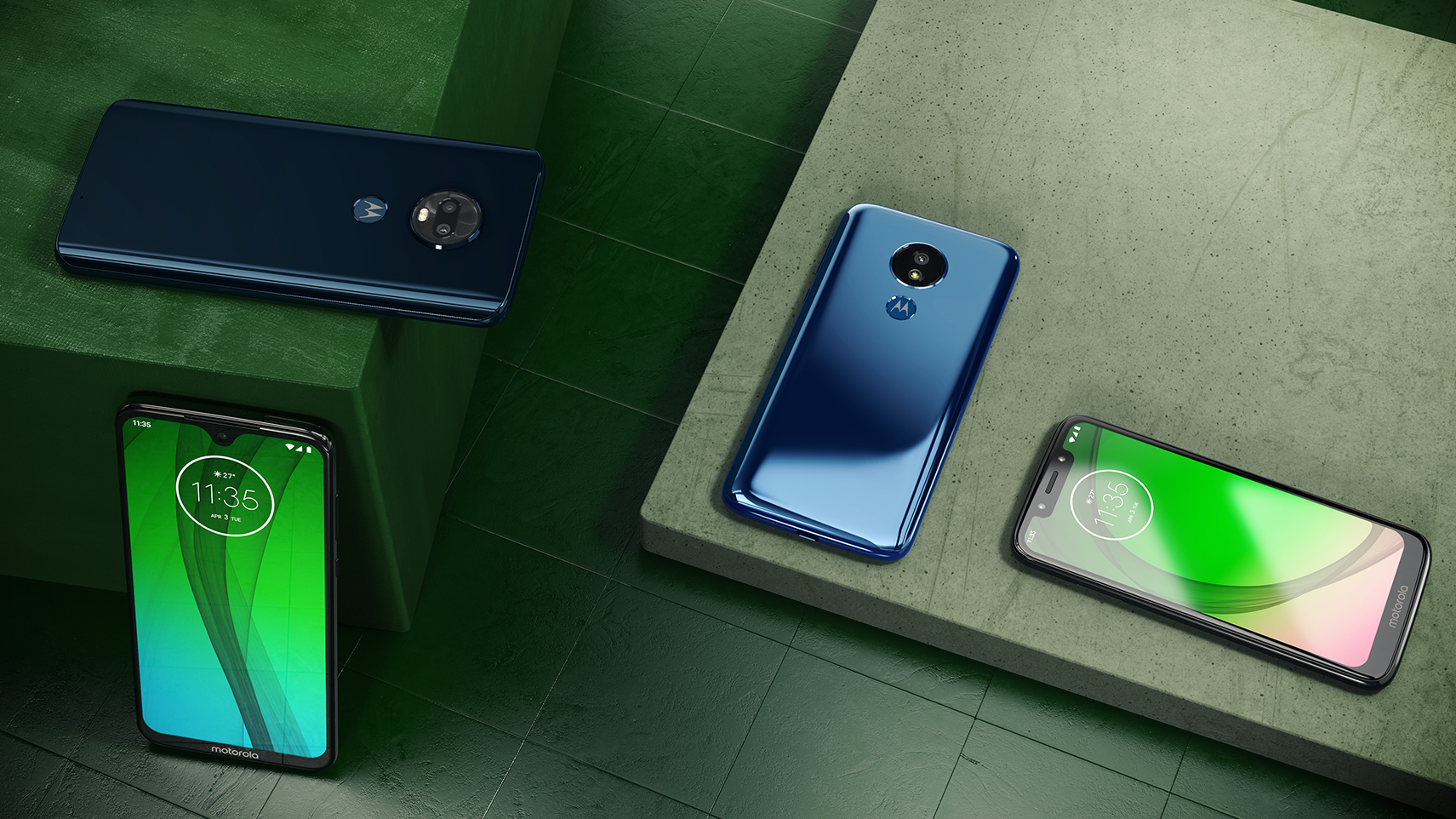
    If a huge battery is the most important feature you want on a new smartphone, you are in luck. Motorola has started accepting pre-orders for the Moto G7 Power. The phone’s claim to fame is the 5000mAh battery that Motorola says will keep the phone running as long as three days on a single charge. Hence, the use of the word “Power” in the phone’s name. With Turbo Charge, you’ll get up to 9 hours of battery life in just 15 minutes. The device is priced at $249.99.

    The Moto G7 Power comes equipped with a 6.2-inch LCD panel carrying a resolution of 720 x 1570 (HD+) and an aspect ratio of 19.63:9. The Snapdragon 632 Mobile Platform is under the hood along with 3GB of RAM and 32GB of native storage. A 512GB capacity microSD slot is available for those seeking additional storage. A 12MP camera adorns the back of the device (f/2.0 aperture) and there is a front-facing 8MP selfie camera. The phone is protected from spills, light rain and sweat thanks to P2i’s nano coating process.

    The Moto G7 Power is available in Marine Blue, and is priced at $249.99. If you finance the purchase, you’ll make 24 monthly payments of less than $11 each. And if you live in the states, the handset is compatible with each of the four major U.S. carriers including Verizon, AT&T, T-Mobile and Sprint. Pre-order the Moto G7 Power directly from Motorola, and you will get a $20 coupon to use on a future Motorola.com purchase.

    The Moto G7 Power is expected to be released on March 22nd.

  • Smart Garments: The next big thing in sportswear

    Smart Garments: The next big thing in sportswear

    Fitness wearables are no longer just a matter of wrist straps or pieces of practical jewelry. Such technology now works via our clothing. Smart garments are all set to supercharge the fashion industry in the years to come. We are fortunate to have been living in an era which will go down in history as the apogee of technological advancement.
    Technology is an indispensable part of our life today. It has thoroughly morphed all aspects of human life — right from the way we communicate,travel, exchange information to the way we eat, live and drink. Hence, it is but only natural that technology has heralded a propitious change in the way we dress and clothe ourselves today.

    After the huge success of fitness wearables like Apple Watch, Fitbit, Polar fitness monitors, etc., etc., smartness and intelligence is progressively making inroads into the clothes we wear. The fashion world, more so in the last few years, is abuzz with words like wearable technology, smart garments, intelligent garments, e-textiles, etc.

    Although used interchangeably, in a broad sense, they all refer to any piece of clothing with integrated sensors and digital components. The integrated technology monitors the physical conditions of the user and uses big data analytics to predict and show the results.Newer smart clothing technologies can also sense and monitor the environment condition as well.

    GROWTH DRIVERS

    A recent survey by the World Economic Forum (WEF) reveals that 92.1 percent of corporate leaders believe 10 percent of people will wear clothes connected to the internet by 2025, and 85.5percent believe 105 percent of eyewear will be internet connected.

    Growing use across various industrial verticals such as sports and fitness, healthcare, military and defense is driving the smart clothing market globally. The rising demand for monitoring body activities through sensors is expected to surge the demand for smart clothing market over the forecast timespan. Growing awareness among individuals regarding fitness is providing an impetus to the industry growth. In addition, the inclination of athletes towards the use of these products to prevent injuries and optimize their performance will have a positive impact on the business. Additionally, incorporation of newly developed and advanced fibers such as nanofibers and hybrid materials is expected to drive the growth of smart clothing market.

    THE MARKET SIZE

    As per the US based global market research and management consulting company Global Market Insights Inc., the size of the smart clothing market was over US$ 150 million with shipments of around 800,000 units in 2016. The market is expected to balloon to over US$ 4 billion by 2024, and shipments are forecast to grow at over 50 percent CAGR.

    Smart t-shirts are emerging as one of the most popular and widely used categories of this segment in recent times. Projected to grow at over 50 percent CAGR from 2017 to 2024, these smart garments can provide biometric data such as heart rate, breathing rate and volume, muscle activity, etc., which are utilsed to optimize performance and workout plans professionally. Smart jackets are set to witness growth over the future owing to the ability of these products to control the mobile devices of the wearer and connect to several services such as music and camera, device charging, etc., directly from the jacket.

    Military and defense applications are predicted to witness high growth with a CAGR of over 55 percent from 2017 to 2024. In order to gain visibility into the health of a soldier as well as crucial battlefield insights, various government institutions are investing heavily to develop technologically advanced military uniforms.

    The US smart clothing market, the biggest hitherto in the world, is estimated to witness huge adoption and will dominate the industry with the significant revenue share. Increasing investments by various sports associations to eliminate the possibility of any preventable injuries of highly paid professional athletes is expected to fuel the industry growth.

    The Asia Pacific smart clothing market is expected to witness substantial growth over the forecast timespan. This can be attributed to the growing adoption of various wearable devices coupled with the increasing demand for advanced features in the products. In addition, rising security concerns and increasing military and defense budgets across countries such as India and China is predicted to witness huge demand for these products.

    THE INDIAN SCENARIO

    The smart garments segment is still in its nascent stages in India, and very under-developed compared to its peers in the Asia Pacific.

    The Indian ecosystem is just experiencing the advent of wearable technology and while the initial focus is mainly on the fitness and healthcare sector, there is a lot of scope for innovation in the existing product line – such as gamification, introducing social incentives to encourage community / group adoption as well as building an augmented product by providing a comprehensive set of services and charging based on usage. There are immense opportunities in the other sectors as well.

    Here is a look at some of the best Indian companies who are shelling who are breaking new ground in the smart garment industry:

    SYGNAL – Hyderabad based startup, Broadcast Wearables Pvt Ltd. is an AI based wearables company on a mission to make everyday devices smart. It is the parent holding of SYGNALS who has the distinction of producing the world’s first touch- enabled t-shirt.

    Loaded with a bunch of sensors packed in a small chip, the brand’s smart t-shirts are equipped to track a plethora of things including, the number of steps taken in the entire day, calories burnt even in the slightest form of exercise, floors climbed, distance walked or run. It can also navigate the wearer to a desired location. All the data is synched through Bluetooth to the app, and can be viewed for at least three days.

    LECHAL – Hyderabad based Ducere Technologies Pvt Ltd., is another noteworthy name in the field of Indian smart fashion. The company’s offering Lechal uses GPS to track down the users location through a GPS linked app, which then sends vibrations to his soles, thus telling him which turn to take. Built into the shape of a small pod which comes fitted into insoles, it functions through an app installed on a smartphone. The app also allows the user to keep a record of his route and tracks the steps taken, the distance travelled and the calories burned. The pods have a claimed life of 15 days on each charge.

    BOLTT – Boltt is a ‘sports tech-brand’ that is developing next generation consumer-centric solutions for personal health & fitness. Known for its advanced artificial intelligence (AI) ecosystem, Boltt provides ‘connected fitness solutions’ bundled with the hardware.The hardware includes smart shoes, stride sensor and activity tracker. The Boltt sensor is powered by Garmin’s patented SDM Technology. Boltt’s AI is aimed at solving problems in health and fitness coaching by providing real-time audio feedback and provides customised workout suggestions. As of now, there are Boltt’s wearables portfolio encompasses such as Boltt Fit, Boltt Beat, Boltt Beat 2.0, Boltt Ace, Boltt Verve Luxe, etc.

    ARROW – Popular shirt brand Arrow from Arvind Ltd., launched its first smart shirt and India’s first smart garment in 2016. The Smart Shirt comes with an inbuilt chip on the cuff that can be programmed by downloading the Arrow mobile app on a near field communication (NFC)-enabled smartphone. The Smart Shirt allows the wearer to share things like his LinkenIn profile, his Facebook profile or visiting card through a tap on the shirt’s cuff with a smartphone. Among other functions it performs are connecting via Bluetooth to play your favourite songs on the phone or switching your phone to ‘meeting mode’.
  • SK Telecom launches IoT-based cattle healthcare service

    SK Telecom launches IoT-based cattle healthcare service

    SK Telecom has developed a new IoT-based solution which allows farmers to monitor the health of their cattle in real-time using Semtech’s LoRa devices and wireless radio frequency technology (LoRa Technology). Dubbed “LiveCare”, the product is a LoRa-equipped biocapsule which is implanted into a cow’s gastrointestinal tract to monitor a variety of health indicators. The new service will see biocapsules packed with a communication module connected to the operator’s LoRA-based IoT network. The smart biocapsule is then injected into the stomach of a cow, monitoring body temperature and potential hydrogen levels, with data recorded and then sent to a central server as well as cattle farm owners via a smartphone or computer.

    Thus, ranchers can monitor the data transmitted from the devices for anomalies in a cow’s body temperature and other vitals to detect the onset of disease, estrus and to forecast delivery of calves.

    The LiveCare device is shielded from being tampered with by outside conditions due to its strategic position inside the cow itself. This solution is expected to drastically improve the quality of life for the cow and by extension the cattle as a whole on the dairy farm.

    “Our unique solution lets farmers know immediately when a cow’s health is compromised. It takes the guesswork out of farming and lets the rancher focus on preventing cattle disease,” said Taehee Moon, project leader for the small farm project group of SK Telecom. “Healthier cows mean more milk can be produced and dairy farms can focus more on growing their business.”

    According to SK Telecom, a trial run on a South Korean farm using the technology showed an increase in annual milk harvest of 1,200 liters per cow, an increase of $1,100 in income per cow for the farmer and an additional $400 in savings for each estrus successfully planned using the LiveCare solution.

    SK Telecom plans on extending its services to provide automatic notification to ranchers of contagious disease as well as location tracking in the near future.

  • Charging-device producer Anker aims to tap Indonesian market

    Charging-device producer Anker aims to tap Indonesian market

    Anker, a company based in Seattle, the US, and which specializes in USB charging products, has opened an official store in Jakarta, its first in Southeast Asia, in the hope of reaping benefits from the Indonesian market, the largest economy in the region.

    Anker’s regional sales head for Asia Pacific Romeo Luo told that the company had sold more than 300 million products globally this year and hoped to expand its leverage in Indonesia, particularly “with those people who are concerned about quality and safety, not just price.”

    “We are sure that our products can guarantee safety for smartphone users in Indonesia, particularly for high-end brands,” he said in Jakarta on Thursday.

    He said that opening the official store in Indonesia, home to around 250 million people, would be the first step by the brand before penetrating further into other countries in Southeast Asia.

    “I know the speed of the mobile phone sales growth here. The quantity is huge and most of those users will need power banks when stuck in traffic,” he said.

    He said he was confident that the brand could gain popularity in Indonesia, mainly as a result of the lack of similar competitors that exclusively specialized in power-charging products and consumer trends toward accessing social media, which is power consuming.

    Romeo added that by the end of 2017, the firm established in 2011 by former employees of search engine giant Google, expected to open 50 new outlets spread across major cities in Indonesia.

  • IMDA to ban 2G-only device sales from Jan 1

    IMDA to ban 2G-only device sales from Jan 1

    Singapore’s Infocomm and Media development Authority (IMDA) has announced it will ban the sale of 2G-only mobile devices from January 1.

    After this time, retailers and equipment suppliers will not be allowed to sell 2G handsets for use in Singapore, the regulator said.

    Suppliers with a dealer’s individual license will be able to continue selling the devices, but only for export purposes or overseas use.

    The order applies to devices in the GSM900 and GSM1800 frequency bands, and covers other cellular devices besides handsets including POS terminals and M2M equipment. Retailers and suppliers found to be in violation of the new rules could face financial penalties.

    Singapore’s mobile operators will shut down their 2G networks from April 1 to allow IMDA to re-allocate spectrum for more advanced mobile services.

    IMDA is working with operators to facilitate the migration of remaining 2G users to 3G or 4G networks, allowing subscribers to upgrade their devices while maintaining their plans and monthly subscription costs.

    Singapore is on track to introducing a fourth mobile network operator. Last month, local fiber ISP MyRepublic and Australian fixed line operator TPG Telecom were pre-qualified to take part in a special auction for the fourth mobile license.

  • Oppo R9 becomes the best-selling device in China

    Oppo R9 becomes the best-selling device in China

    The latest smartphone OS sales data from Kantar Worldpanel ComTech shows a solid 5.2% percentage point US market share increase for iOS during the third quarter of 2016 to 34.2%. Both iOS and Android made gains across most of the EU5 countries. However, Android posted a 3.3 percentage point decline in the US from 66.7 to 63.4%, while iOS share fell in Germany from 17.5% to 15% and in Urban China from 18.7% to 14.2%. 

    Europe’s big five markets include Great Britain, Germany, France, Italy, and Spain.

    In Urban China, Android accounted for 85.3% of smartphone sales in the third quarter of 2016, its second highest share ever in this market. 

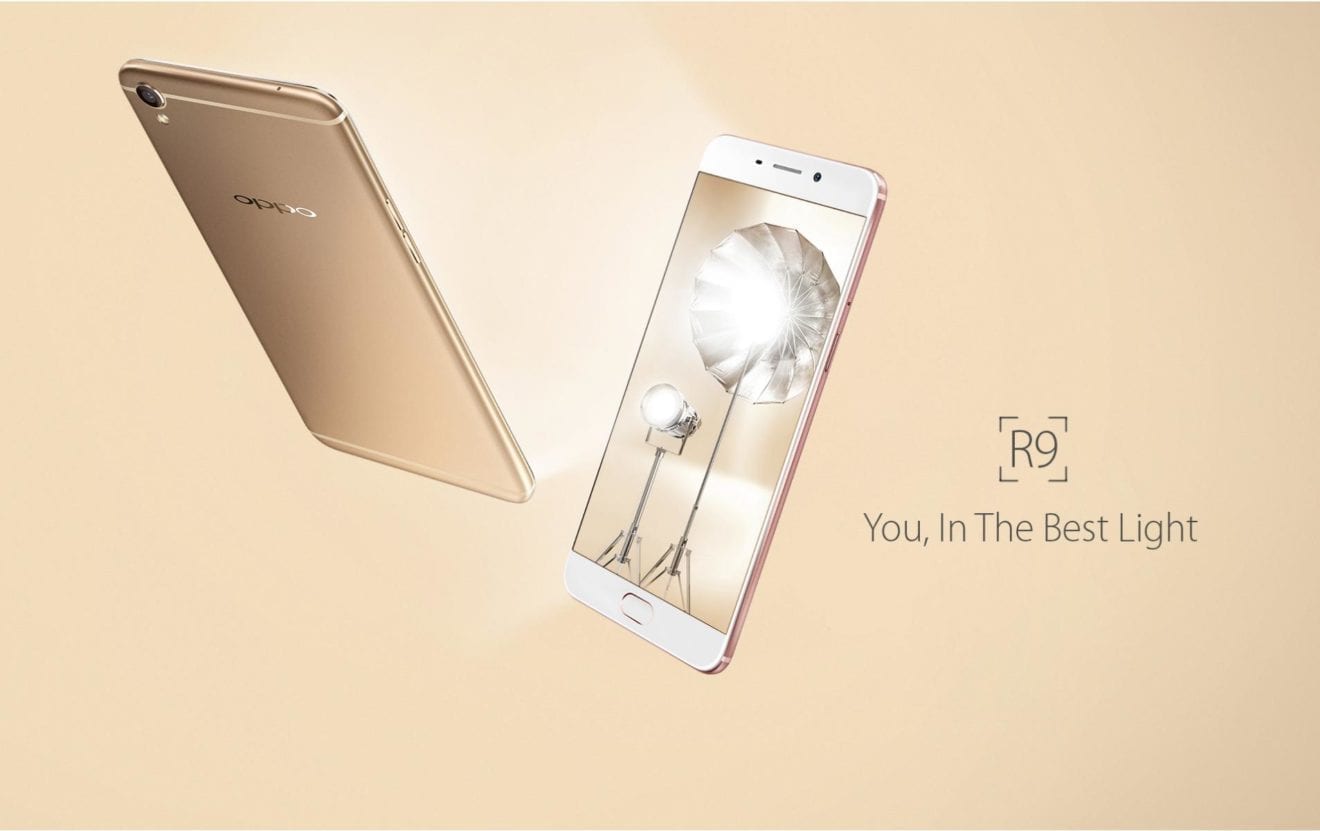
    Oppo continues to see significant growth, gaining 8.2 percentage points over the past year to become the 4th largest manufacturer in Urban China with 11.2% of smartphone sales. The Oppo R9 overtook the iPhone 6s as the best-selling device in the third quarter, reported Tamsin Timpson, Strategic Insight Director at Kantar Worldpanel ComTech Asia. iOS posted yet another year-on-year decline to 14.2% of smartphone sales in the third quarter of 2016. Importantly, this marks a period-on-period return to growth in sales, up from 13.5% in the three months ending in August. With supply constrained on the iPhone 7, and particularly the 7 Plus, this positive turn for Apple is a good sign, suggesting that as supply grows to meet demand, Apple will be able to turn the tide in Urban China. 

    In the US, the new iPhone 7 and 7 Plus models made an immediate impact, becoming the best-selling smartphones in the month of September at 17.1%, said Lauren Guenveur, Consumer Insight Director for Kantar Worldpanel ComTech. Strong sales of the iPhone 7 and the lower-priced iPhone 6s, the second best-selling device in the US in September, contributed to an overall growth of iOS to 34.2% in the third quarter of 2016.

    Despite some sales from the beleaguered Samsung Galaxy Note 7, still technically available through the month of September, Samsung posted a year-on-year decline from 36.9% to 33.8% of US smartphone sales in the third quarter, Guenveur continued. The holiday sales season may prove to be more challenging than normal for Samsung, who competes head-to-head with Apple during this crucial time of year. Fallout from the Note 7 recall could have an unintended impact on continuing sales of other, similarly-named Samsung devices (chiefly the Galaxy S7 and S7 edge), as consumers may not always understand the difference between the model names. However, deep holiday discounts, as we saw with the Galaxy S6 last year, may counteract any expected negative impact, as the driving reason for choice among US consumers remains finding a good deal on the price of the phone.

    In Great Britain, the iPhone 7 and 7 Plus were top-sellers during the month of September, accounting for 15.1% of sales, said Dominic Sunnebo, Business Unit Director for Kantar Worldpanel ComTech Europe. In the third quarter of 2016, iOS accounted for 40.6% of smartphone sales, a 2.4 percentage point increase from the same period a year ago. Its interesting to note the continued success of the iPhone SE in Britain, accounting for 8.5% of sales in the quarter vs. a share of just 3.5% in the US. 

    Britain is the only market where Samsung made year-on-year gains, totaling 30.4% of smartphone sales, Sunnebo added. In Italy, Huawei replaced Samsung as the reigning smartphone leader to become the top brand sold at 27.3%, a 15.2 percentage point gain vs. the third quarter 2015. Samsung accounted for 24.7% of smartphone sales in Italy, a decline from 40.6%. In Spain, Huawei and Samsung are now neck-and-neck, with Samsung edging out Huawei 24.2% vs. 23.3%.

  • StarHub launches device leasing service for SMEs

    StarHub launches device leasing service for SMEs

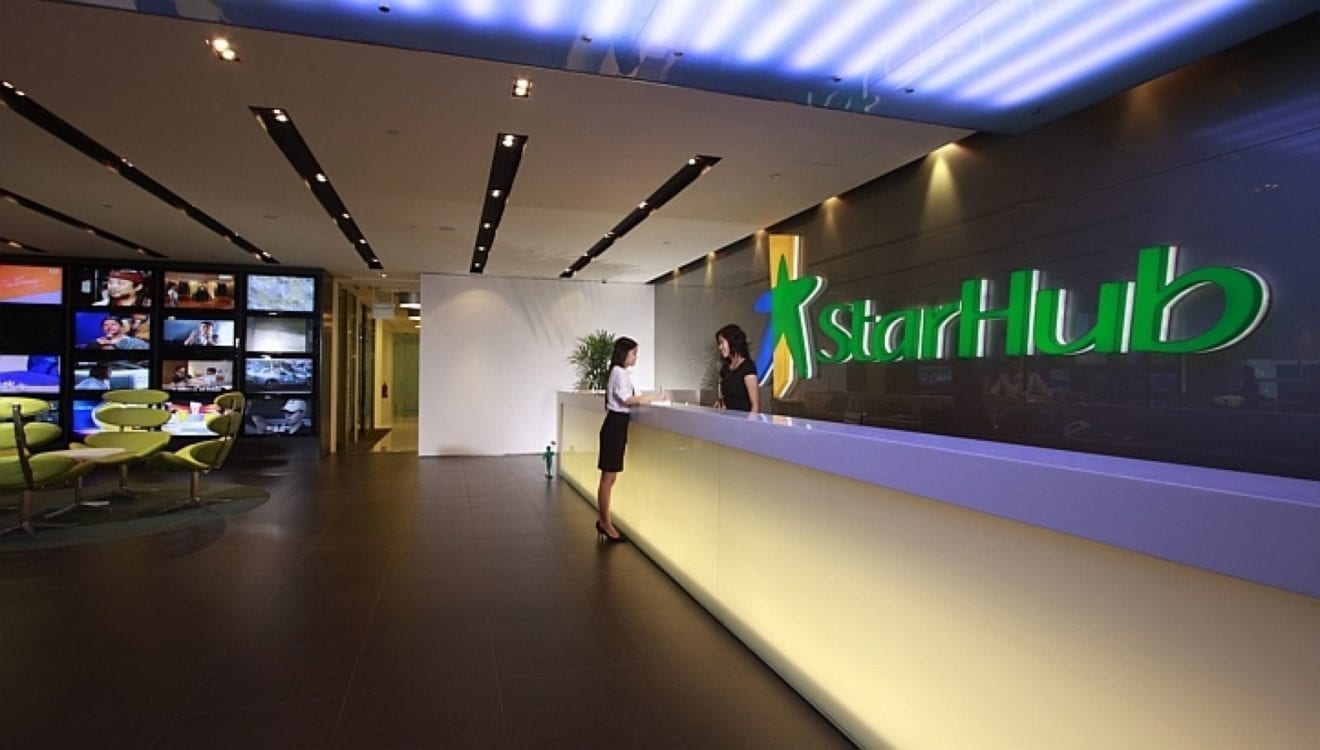
    StarHub has launched a new service that provides SMEs with the devices, software and technical support necessary to meet their IT needs at a monthly flat fee.

    The “device subscription service” was designed to help SMEs seeking to make a successful start quickly, raise productivity with an IT upgrade, or scale up operations by adding employees.

    StarHub has partnered HP to provide desktop and notebook PCs, as well as print devices for the new Device Subscription Service.

    SMEs can choose from a variety of price plans to access the right combination of devices that best address their needs over 24 or 36 months. All new and existing StarHub Business Fibre Broadband or Business Mobile customers can enjoy a limited-time offer of S$15 ($10.60) monthly savings for every Device Subscription Service plan subscribed.

    After this discount, the Office User plan charges S$43.00 per month for the use of an HP desktop while the Mobile User plan, priced at S$48.00 per month provides access to an HP notebook. A printing plan can also be selected for S$22 or S$35.00 per month depending on device.

    SME customers can subscribe to Device Subscription Service on top of StarHub’s Smart Office Suite, to enjoy a bundle consisting of fiber broadband, mobile connectivity, office phone service, and related hardware, software and IT support.

    All HP devices from Device Subscription Service will come pre-installed with Windows 10 Pro, McAfee internet security software and the option to subscribe to business productivity tool, Office 365, allowing customers to start sending emails and enjoying protection from cyber malware right from the point they turn on the devices, alleviating the hassle of purchasing and installing the software separately themselves.

    Device Subscription Service provides a dedicated technical helpdesk as well as next business day, on-site technical support for devices. This will also save customers the hassle of sending faulty devices to a service center for repair, allowing them to fully focus on their core business.

    “Rising business costs and hiring difficulty remain top concerns among local SMEs. With Device Subscription Service, StarHub can help SMEs manage these challenges effectively by lowering upfront IT investment as well as taking away the complexity of maintaining an IT team,” StarHub vice president of enterprise solutions, services and delivery Sebastian Tan said.

    “As the IT spending is incurred as a monthly expense rather than an upfront capital investment, SMEs will be able to better allocate resources towards growing their core business.”

  • Nagra, Samsung debut TVkey USB device

    Nagra, Samsung debut TVkey USB device

    Nagra, a Kudelski Group company, has launched the TVkey USB device, the direct-to-TV security solution for pay TV operators that allows consumers to sign up for pay TV services directly on selected new Samsung TVs, while meeting all key MovieLabs requirements for Enhanced Content Protection (4K UHD, HDR, early release).

    With TVkey, consumers will be able to enjoy premium content in 4K UHD quality directly on new TV sets through a simple sign-up process and with a single remote control unit.

    The TVkey approach offers a fast, secure and low entry barrier route to market for pay TV operators launching 4K services directly to new consumer TV sets.

    The cost optimized form factor of TVkey USB devices will enable innovative and low-touch consumer logistics including bundling the device with the TV set. Such an approach can radically simplify the customer acquisition process with pay TV services working straight out of the box.

    Through a simple sign-up process, either via a TV app, a web portal or a call center, consumers can easily sign up for a pay TV service package. Operators can also use free preview periods in order to entice consumers into becoming loyal customers. And because no additional set-top box or installation is required, the customer acquisition costs and CAPEX can be dramatically lowered.