Tag: DFI

  • DFI Retail Group Unveils Three-Year Growth Plan: Franchising and Brand Expansion on the Horizon

    DFI Retail Group Unveils Three-Year Growth Plan: Franchising and Brand Expansion on the Horizon

    DFI Retail Group recently disclosed its three-year strategic growth plan, underscoring the development of a franchise model and launching more proprietary brands. Headquartered in Hong Kong, the group aims to use these strategies to enhance customer service across Asia’s varied markets and achieve exponential profit growth.

    Expanding Health and Beauty, Convenience Store Networks

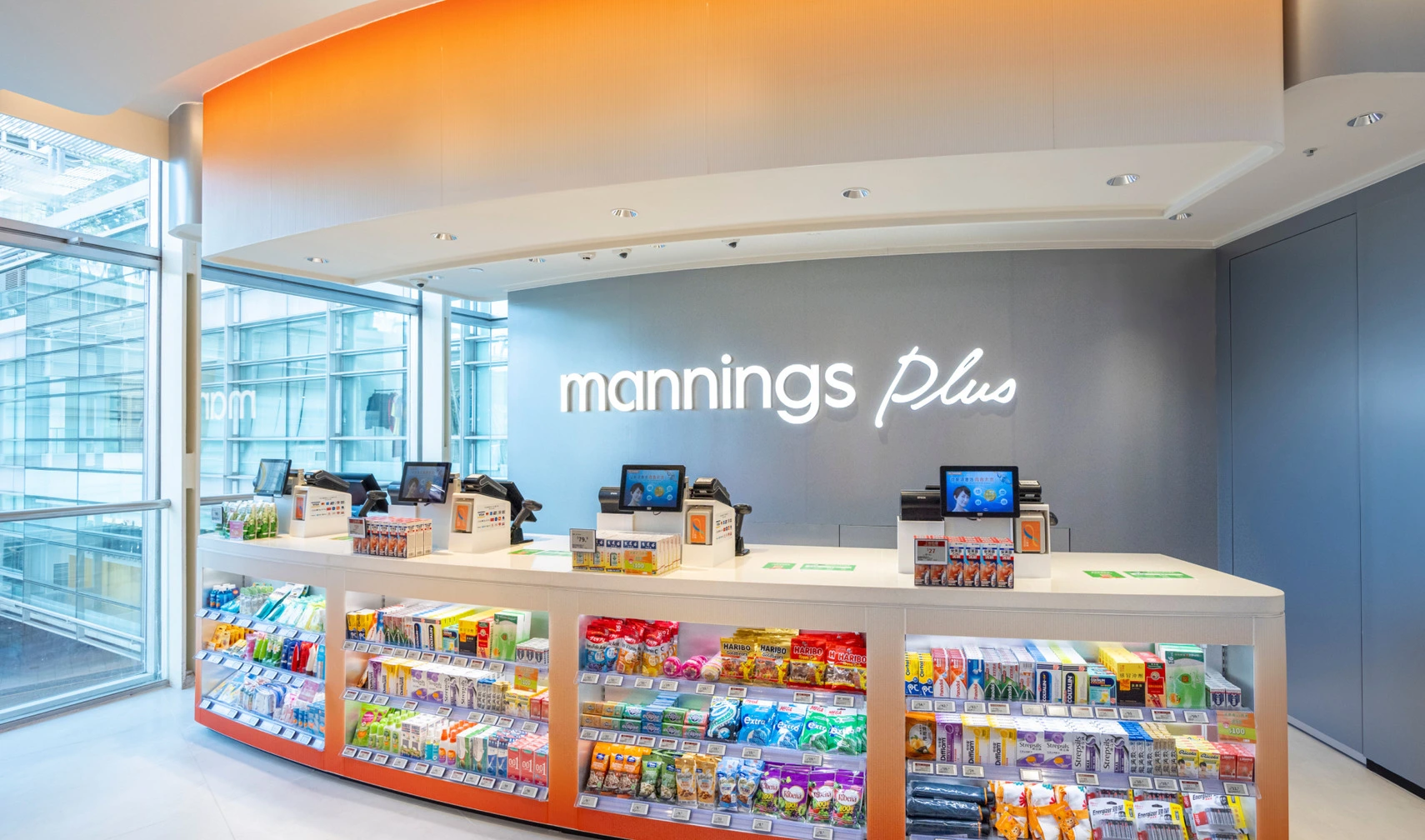
    One of the critical components of the plan is growing the health and beauty as well as convenience store networks using a capital expenditure-light franchise model. The health and beauty arm of the group operates the Mannings chain in Mainland China, Hong Kong, and Macau, and Guardian stores in Indonesia, Malaysia, Singapore, and Vietnam. The group’s convenience store network includes 7-Eleven outlets in Hong Kong, Macau, Southern China, and Singapore.

    Introducing More Proprietary Brands

    The company also plans to introduce more of its brand products, concentrating on affordable, high-quality options that cater to Asian consumers’ escalating demand for value. Other strategies include escalating store sales density, using customer data insights for digital growth, and maintaining strict capital allocation and cost efficiency.

    DFI’s CEO, Scott Price, stated, “Customers across Asia increasingly desire quality and convenience at excellent value. With our extensive format portfolio and omnichannel capabilities, we can effectively meet these needs across all channels.”

    Future Objectives and Profit Expectations

    Aligned with these aims, the group anticipates delivering an underlying profit Compound Annual Growth Rate (CAGR) of 11-15 per cent, aspiring to achieve US$310-350 million by 2028. The group also expects an organic subsidiary revenue growth of 2-3 per cent annually through 2028 and plans to reach online sales penetration of 7-10 per cent by the same year.

    Price further added, “Our robust balance sheet and disciplined capital use provide us the flexibility to invest in growth while consistently increasing returns to shareholders in the coming years.”

    As of December 1, DFI and its partners operated over 7,400 outlets across 12 markets. Despite flat sales growth in the first half of the fiscal year, the group reported double-digit profit growth.

    Questions & Answers

    What is DFI Retail Group’s plan for the next three years?
    DFI Retail Group plans to develop a franchise model, introduce more of its own brands, and achieve double-digit profit growth.

    What does the franchise model expansion involve?
    The expansion involves the health and beauty and convenience store networks, which include the Mannings chain and 7-Eleven outlets, among others.

    What are the group’s financial expectations by 2028?
    The group aims to deliver an underlying profit Compound Annual Growth Rate (CAGR) of 11-15 per cent, hoping to achieve US$310-350 million. It also targets an organic subsidiary revenue growth of 2-3 per cent annually and online sales penetration of 7-10 per cent.
  • DFI Retail Group Surmounts Static Sales With Strong Profit Growth: Health And Beauty Sectors Lead The Way

    DFI Retail Group Surmounts Static Sales With Strong Profit Growth: Health And Beauty Sectors Lead The Way

    Despite relatively stationary sales figures, Hong Kong’s DFI Retail Group has reported robust profit growth in the first half of the fiscal year. Sharing profits with shareholders saw an impressive rise of 39 per cent to US$105 million in the six months concluding on June 30. Additionally, subsidiary profits also marked an increase by 3 per cent, reaching $75 million.

    Growth Drivers

    The management cites several reasons for this significant growth. Enhanced profitability in health and beauty sectors, increased contributions from associates, and steady revenue growth trends are the primary contributors to this success. For the first half of the year, subsidiary revenue totalled $4.4 billion, a marginal increase of 0.3 per cent on a comparable basis. This figure excludes the impact of the increased cigarette tax in Hong Kong and the sale of the Hero Supermarket business in Indonesia the previous year.

    Total revenue, accounting for 100 per cent of associates and joint ventures, noted a 1 per cent rise to $8.2 billion. The health and beauty division experienced a 4 per cent rise in sales, highlighting the growing brand value of Mannings and Guardian.

    Revenue Fluctuations

    On the other hand, the convenience segment, operating 7-Eleven stores in Hong Kong, Macau, Guangdong province, and Singapore, saw a 4 per cent revenue decline. The food division registered a slight dip in sales, not considering the sale of the Hero Supermarket.

    The home furnishings division, which runs Ikea in Hong Kong, Macau, Taiwan, and Indonesia, continues to face challenges due to fierce competition and changes in consumer purchasing patterns.

    CEO’s Remarks

    “Our ongoing portfolio evolution allows us to focus resources on high-profit businesses and growth initiatives. It also provides strategic flexibility for non-organic opportunities,” remarked Group CEO Scott Price.

    Despite lowering its revenue outlook for the full year, DFI has upgraded its profit guidance. Revenue growth is now anticipated to rise between 0.5-1 per cent, as opposed to the previously estimated 2 per cent. In contrast, an underlying attributable profit is expected to be within the range of $250-270 million, compared to the previously estimated $230-270 million.

    The group asserts its confidence in navigating the evolving market landscape, backed by strategic initiatives designed to increase market share and profit growth across all businesses.

    Questions & Answers

    What was the reason for the significant profit growth?
    Enhanced profitability in health and beauty sectors, higher contributions from associates, and steady revenue growth trends were the primary contributors to the growth.

    How did the convenience segment perform?
    The convenience segment, which operates 7-Eleven stores in various locations, reported a 4 per cent revenue decline.

    What are the expectations for the full-year revenue growth and profit?
    Revenue growth is now anticipated to rise between 0.5-1 per cent, while an underlying attributable profit is expected to be within the range of $250-270 million.

  • Malaysia’s DFI generates near 25% profit in FY2017

    Malaysia’s DFI generates near 25% profit in FY2017

    Duty Free International Limited (DFI), the largest multi-channel duty-free and duty-paid retail group in Malaysia, in which Gebr Heinemann holds a 10% stake, has announced net profit after tax increased 24.8% to RM77m ($17.7m) from RM61.7m for the financial year ended February 28 2017 (FY2017).


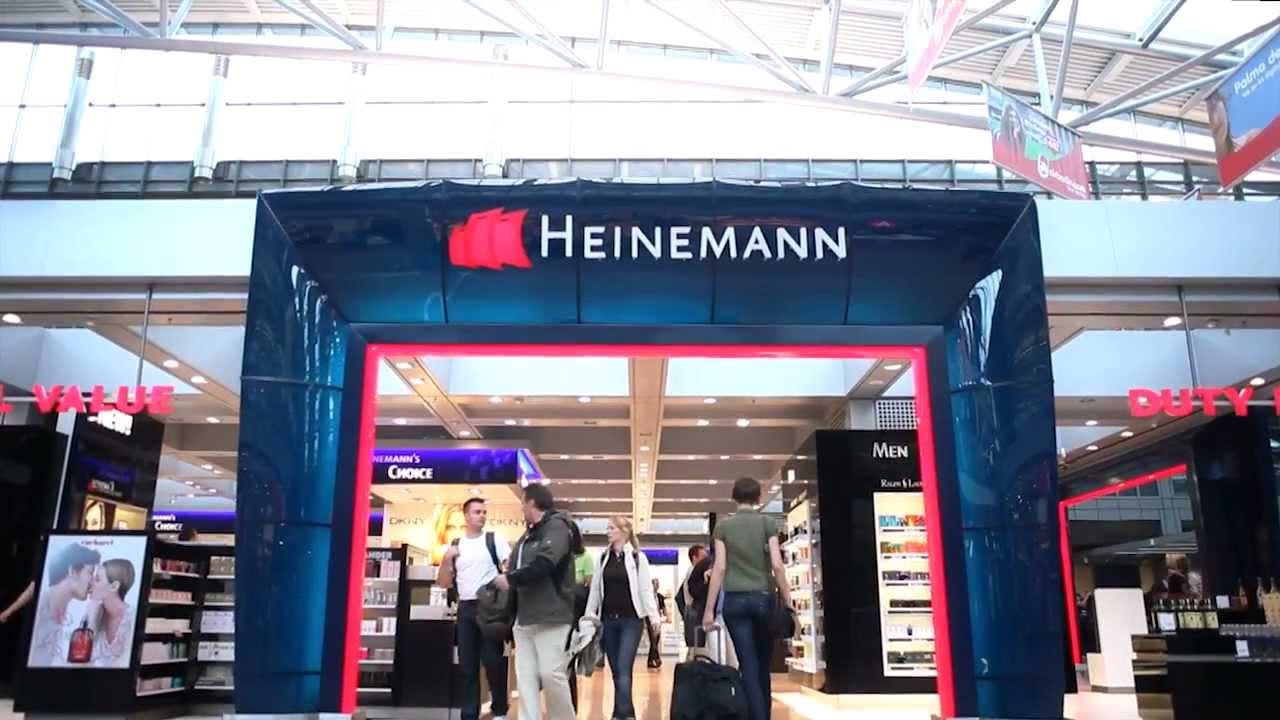
    DFI’s parent company DFZ Capital Berhard entered into a joint-venture with Heinemann Asia Pacific in June 2016 with two seats on the board of directors – Max Heinemann and Marvin von Plato. DFI operates more than 40 retail outlets in Malaysia, on the border to Thailand and Singapore as well as duty-free shops in airports.

    DFI ended the fourth quarter (Q4) of FY2017 with revenue down slightly by 7.4% to RM150m compared to RM162m the previous year.

    The decrease was mainly due to a slowdown in tourism traffic to and from Thailand following the flood in Southern Thailand during the quarter and the after effects of the demise of Thai King Bhumibol in October 2016, as well as the imposition of a Goods and Services Tax at border outlets and duty-free zones with effect from 1 January 2017. On a full year basis, the Group reported an increase of 4.6% in revenue to RM632.6m for FY2017, from RM604.5m in FY2016.

    The profit before income tax in Q4, RM25.1m, was RM3.6m lower compared to RM28.7m in the same period in 2016 due to a decrease in revenue as mentioned above, coupled with an increase in management fee and lower reversal of inventories written down in the current quarter.

    On a full year basis, the Group reported an increase of 15.7% in profit before income tax to RM97.8m for FY2017, from RM84.5m in FY2016. The increase was mainly due to the overall increase in revenue and an increase in net foreign exchange gain of RM9.9m compared to the net foreign exchange loss of RM7m in FY2016. There was a recognition of gain arising from changes in the fair value of options amounting to RM4m, as well as lower professional fees incurred by RM1.6m in FY2017 when compared to FY2016.

    The above mentioned however, was partially offset by higher rental expenses and higher employee benefits expenses for FY2017.

    DFI executive director Lee Sze Siang commented on the FY2017 results: “We continue to face the challenges of the current economy and the volatility of the USD-Ringgit exchange rate, as well as the impact of unforeseen occurrences of the flood in Southern Thailand and effects of the demise of Thai King Bhumibol. Nevertheless, we have already started the process of improving our business operations, enhancing our merchandise mix and revamping our outlets. As we continue to focus on improving our operational efficiency and better managing our costs, we are confident of overcoming the challenging and competitive business environment.”

  • DFI agrees 10% equity stake disposal to Heinemann ASPAC

    DFI agrees 10% equity stake disposal to Heinemann ASPAC

    Malaysian duty free retailing group Duty Free International (DFI) is primed to sell a minority stake of its business to Heinemann Asia Pacific.

    The sale and purchase agreement includes the disposal of a 10% equity interest plus one share – comprising an aggregate 20,996,384 shares – in wholly-owned subsidiary DFZ Capital Berhad (DFZ) to Heinemann Asia Pacific for a consideration of €19,700,000.

    Under the terms, Heinemann Asia Pacific are also entitled to purchase a second tranche of shares in DFZ Capital Berhad (DFZ) via a call option (€1 per share) in an 18-month period beginning on the date that the first tranche of sales are completed.

    A further option to purchase a third tranche of shares in a 12-month period will begin on the date of expiry of the second tranche call option period – taking the total share eligibility of Heinemann Asia Pacific to 25% in a potential overall transaction of €52.21 million.

    The completion of the sale and purchase of the first tranche of shares is expected to take place on 1 June.

    A DFI statement read: ‘The company views HAP as a strategic investor, and the proposed disposal is expected to enable the company to benefit from the resources and expertise of Gebr. Heinemann and HAP in the areas of product assortment and costing, retail store management, distribution and logistics management of DFZ products.’

    ‘HAP’s investment in DFZ will allow Malaysians and visitors to Malaysia an enhanced travel retail experience, one on par with the best available in the world. The proposed disposal is also expected to further strengthen the group’s financial strength, enabling the group to consider future business opportunities.’

    Heinemann Asia Pacific CEO Max Heinemann is confident the joint venture with DFZ will realise synergies and new growth opportunities in Malaysia.

    Gebr. Heinemann says the joint venture agreement will not only strengthen the presence of the company in Malaysia but will ‘realise gross margin and operational synergies for DFZ Capital Berhad’, with Heinemann Asia Pacific involved in day-to-day operations and overall decision making.

    Max Heinemann, CEO of Heinemann Asia Pacific said: “Looking at the similar business models and corporate cultures of both companies, Gebr. Heinemann and DFI believe this joint venture to be a great strategic fit for growth together in Malaysia.”

    Malaysia’s fast-growing retailing group has more than 30 years’ experience operating at airports, seaport, downtown, border towns and popular tourist destinations at entry and exit points on the peninsular.

    DFZ operates duty free retail, duty free wholesale and duty paid outlets throughout the region in areas such as Pedang, Besar, Langkawi, Bukit Kayu Hitam, Kuala Lumpur International Airport and Johor Bahru.