DHL Global Forwarding expanded its cold chain network in October 2026 by launching six dedicated life sciences and healthcare air corridors connecting Europe and North America with Asia.
The newly established routes connect Liège and Brussels in Europe, along with Cincinnati in the United States, directly to Shanghai, Singapore, Tokyo Narita, and Seoul Incheon.
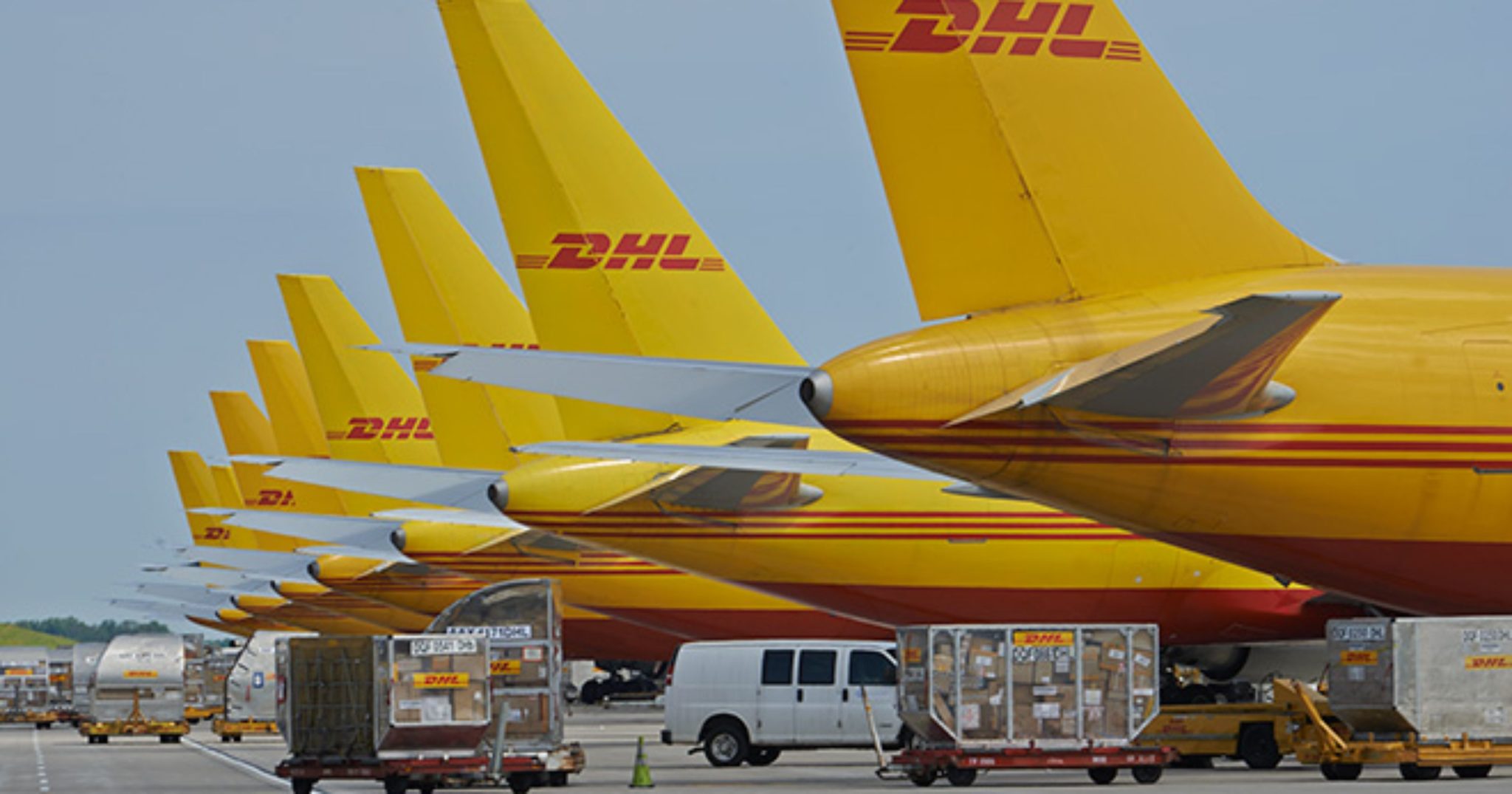
Operated primarily on DHL Express-branded Boeing 777 freighters, the flights offer three different temperature-controlled compartments to reduce handovers and safeguard temperature-sensitive healthcare shipments.
The Six Strategic Transcontinental Trade Lanes
Three corridors run directly from Europe, and three run from the United States. European departures connect Liège to Shanghai, Brussels to Shanghai and Brussels to Singapore. Transatlantic flights leave DHL’s Cincinnati hub for Singapore, Tokyo Narita and Seoul Incheon.
Each aircraft combines active temperature control with passive packing protections, including thermal blanket systems and phase-change materials. These systems maintain strict limits: 2 to 8 degrees Celsius for refrigerated biologicals, and 15 to 25 degrees Celsius for controlled room-temperature medicines.
These new corridors further expand our Cold Chain Network into strategically important healthcare markets across Asia. They respond to customer demand for reliable connectivity between major healthcare markets while giving us greater control over critical quality parameters throughout the transportation process. This enables our customers to move critical healthcare products with greater confidence and reliability.
Control Across Healthcare Supply Chains
Transfer points create the biggest operational bottleneck in long-haul pharma airfreight. Commercial passenger bellyhold space exposes sensitive cargo to tarmac temperature spikes during layovers or unexpected delays.
Operating dedicated Boeing 777 freighters across proprietary hubs gives drug makers predictable schedules and uniform standard operating procedures from loading to customs clearance. It also limits reliance on third-party ground handlers who may lack good distribution practice validation.
Competition is intensifying against rival global integrators and forwarders fighting for high-margin life sciences contracts across Asia-Pacific. Drug manufacturers in Japan, South Korea, China and Southeast Asia demand direct, auditable cold chain links into Western consumer and clinical trial markets.
Expanding the Global Cold Chain Footprint
This Asian expansion builds on DHL Group’s February initiative to create an integrated international cold chain network. That rollout started with transatlantic flights between Brussels and Cincinnati before extending into secondary healthcare routes.
North American drug producers gain direct export lanes from Cincinnati into North Asia and Southeast Asia without routing through intermediate commercial air hubs. European plants around Belgium’s biopharma cluster gain matching outbound capacity into China and distribution nodes in Singapore.
Changi Logistics Hub Anchors Regional Growth
Adding the Brussels-Singapore and Cincinnati-Singapore routes fits DHL Global Forwarding’s wider infrastructure spend in Southeast Asia. In September, the group confirmed plans for its upcoming DHL Singapore Cold Chain Hub at Changi Airport.
The airport facility will provide dedicated 2 to 8 degrees Celsius and 15 to 25 degrees Celsius handling zones linked directly to the airside tarmac. It will process inbound cargo from the new Boeing 777 flights and transfer shipments into regional distribution channels across Southeast Asia.
Looking ahead, DHL plans to commission the Changi cold store facility and add further network routes across the Middle East and Latin America.