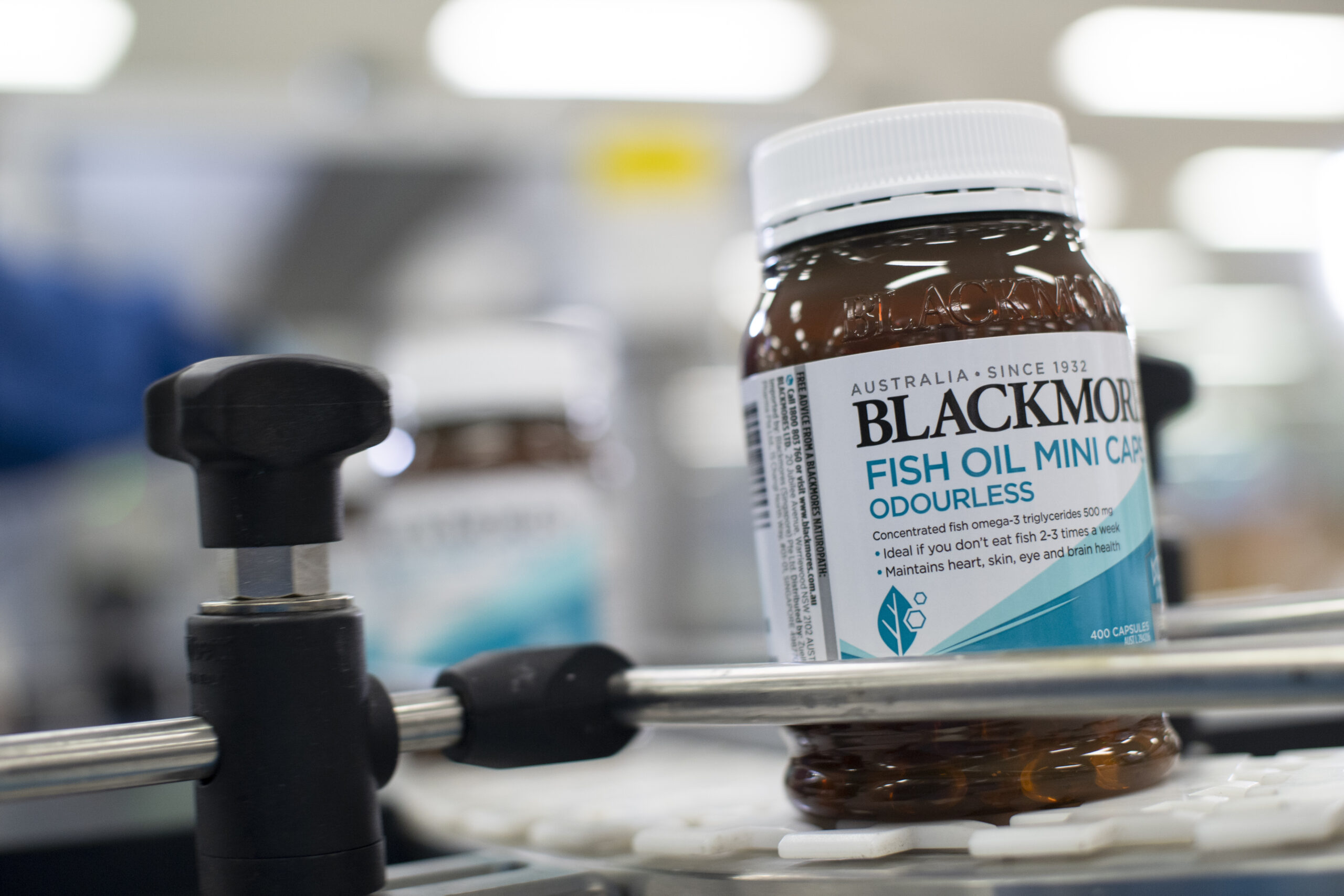
The global dietary supplements market is on a significant upswing, projected to soar from a valuation of $185.5 billion in 2024 to an impressive $351.8 billion by 2032. This climb represents a robust compound annual growth rate (CAGR) of 8.5% between 2025 and 2032, as revealed in a recent report by SkyQuest Technology Consulting.
Navigating Health Trends and Consumer Demand
Much of this growth stems from an increasing emphasis on health awareness, where preventive healthcare has become a focal point for consumers. There is an escalating demand for supplements that support nutrition, bolster immunity, manage weight, and promote healthy aging. As chronic diseases such as obesity, diabetes, and cardiovascular issues rise in prevalence, there is a corresponding surge in the consumption of vitamins, minerals, proteins, omega-3 fatty acids, and herbal supplements.
Younger generations are particularly energizing the market with their growing interest in fitness trends and personalized nutrition, pushing demand for sports and functional supplements to new heights. This demographic shift also corresponds with a preference for plant-based and clean-label products that highlight natural ingredients. The proliferation of e-commerce platforms and mobile health apps has further facilitated easy access to these products, making supplement shopping as effortless as a few taps on a smartphone. Who knew enhancing your health could be quite so click-friendly?
Tackling Industry Challenges
Despite this optimistic trajectory, the industry faces notable challenges. One pressing issue is the absence of standardized global regulations, which has led to inconsistencies in product quality, labeling discrepancies, and safety concerns. In various regions, lax enforcement has allowed counterfeit and substandard products to flood the market, undermining consumer trust.
Additionally, misleading health claims and a lack of scientific backing for certain supplements have gnawed at the credibility of some offerings, creating skepticism among healthcare professionals and consumers alike. Compounding these issues are supply chain disruptions, particularly the sourcing of natural and organic ingredients, which are impacting product availability and pricing.
Emerging Opportunities in Asia-Pacific
The Asia-Pacific region is emerging as the fastest-growing segment of the dietary supplements market, driven by rapid urbanization, increasing disposable income, and the growth of the middle class in countries like China, India, Japan, and South Korea. There is a discernible shift towards healthier lifestyles, coupled with a rise in lifestyle-related diseases, which — along with a heightened demand for traditional and herbal supplements — is fueling robust regional growth.
While the global dietary supplements market rallies forward with notable momentum, addressing regulatory gaps and supply chain challenges will be crucial for ensuring sustainable growth in the years to come.
Questions & Answers
How fast is the dietary supplements market expected to grow?
The global dietary supplements market is projected to increase from $185.5 billion in 2024 to $351.8 billion by 2032, achieving a CAGR of 8.5% during that period.
What factors are driving the demand for dietary supplements?
The demand is largely driven by a growing awareness of health, an emphasis on preventive healthcare, and increased consumption of supplements that aid nutrition, immunity support, weight management, and healthy aging.
What challenges does the dietary supplements industry face?
Key challenges include a lack of standardized global regulations leading to product quality issues, the risk of counterfeit products, misleading health claims, and supply chain disruptions affecting the availability of ingredients.