Tag: dine in

  • F&B outlets get bigger bite in shopping malls Malaysia

    F&B outlets get bigger bite in shopping malls Malaysia

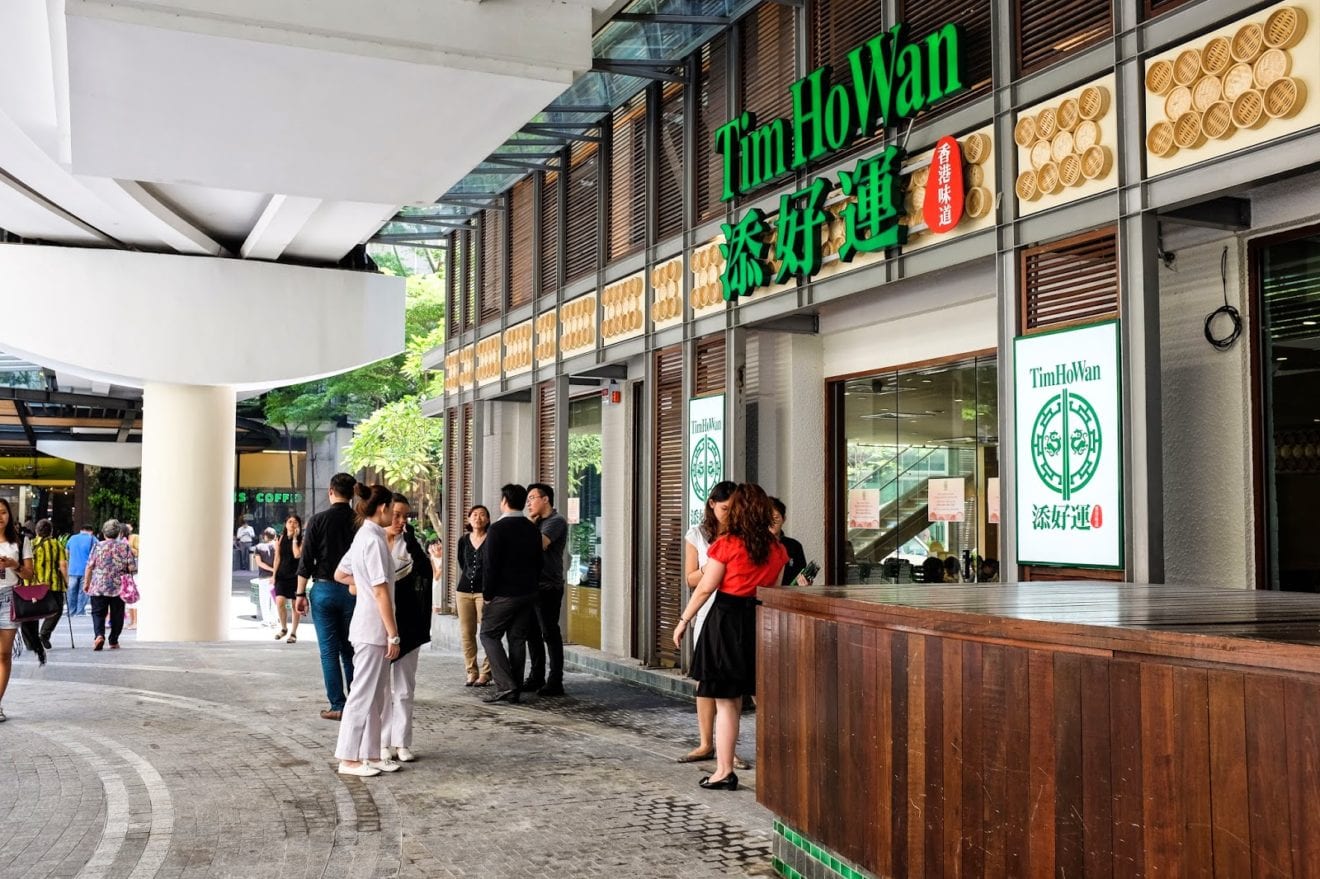
    Shopping malls are now allocating a higher percentage of their tenant mix (more space) to food & beverage (F&B) retailers, partly because competition from online platforms has impacted other types of retailers such as fashion, according to a market research and consulting firm. “Traditionally, F&B made up less than 20% of a mall’s tenant mix, but can go up to 40% nowadays,” Stratos Consulting Group Sdn Bhd managing director Tina Leong said.

    She said with the tenant mix now consisting of more F&B, this means that malls will need to design or renovate in such a way as to cater to the specific technical requirements that F&B retailers have, for example provisions for water, grease traps, storage, waste disposal and daily delivery.

    “F&B as a segment itself has become the anchor for some malls,” said Leong.

    She said malls that have a high F&B tenant mix include the refurbished 3 Damansara (formerly Tropicana City Mall), which now has more F&B compared to before. Similarly, Paradigm Mall in Petaling Jaya has refurbished its lower ground floor, which now consists of more F&B than previously.

    Sunway Velocity Mall general manager centre management Danny Lee said F&B makes up 27% of the mall’s tenant mix currently, and that it is targeting to have F&B reach 30%.

    “Naturally, F&B is doing better compared to others,” Lee said.

    Meanwhile, Leong noted that having more or certain types of F&B can also be part of experiential retailing.

    “For example, people nowadays, especially millennials, appreciate and are willing to spend on meals or drinks with friends and family, within nicer ambience restaurants or cafes, due to the memorable experiences this create.”

    She said to continue to draw shoppers (rather than them shopping online), more shopping malls are looking at creating engaging “experiences” for their customers. Experiential shopping simply means making the physical act of spending money more than simply handing over cash in exchange for goods and services.

    “More grocery stores are incorporating food and wine bars where people can enjoy a meal or a drink as well as a social experience before or instead of shopping,” said Leong, adding that some retailers have also integrated augmented reality into their stores, for example Starbucks Reserve Roastery in Shanghai and US-based fashion brand Reformation.

    Examples of experiential shopping are malls that have attractively themed or landscaped spots on every floor, where one can stop to take photographs with their friends or family, such as Aeon Mall Kuching. Some community malls in Bangkok, Thailand, have incorporated spaces for pet parks, children’s sand pits and jogging tracks.

    “Another recently opened mall, Kiara 163 in Mont Kiara, has incorporated the ‘experiential’ element into their mall design, with a central garden and water features for people to relax. Apart from design features, other ways of creating memorable shopper experiences are through interesting or unique events, activities, decorations, pop-up stores, technological innovations and customer service,” explained Leong.

    She said some of the major major malls have been doing this all along, such as Suria KLCC and Pavilion Kuala Lumpur that usually have attractive and unique festive decorations.

    “What is different is that nowadays, the customer experience aspect is becoming a focal point. It has become more important as malls and retailers try to attract and retain shoppers in the midst of competing options such as online shopping,” said Leong.
  • Yum China to face challenges this year

    Yum China to face challenges this year

    An aggressive store rollout program is helping Yum China achieve sales growth, but its Pizza Hut business continues to struggle. In year-end results released overnight, Yum China said fourth-quarter system sales rose 6 per cent in constant currency, but same-store sales rose by a more modest 2 per cent. The company, which owns the Chinese operations of KFC and Pizza Hut, opened 819 new stores last year, taking its combined network to 8484 stores across more than 1200 cities. The company plans between 600 and 650 additional stores this calendar year.

    For the full year, total system sales grew 5 per cent over 2017, with a solid 7 per cent growth at KFC partially offset by a 1 per cent decline at Pizza Hut, (excluding foreign exchange impacts). Same-store sales increased 1 per cent overall, up 2 per cent at KFC and down 5 per cent at Pizza Hut.

    Full-year revenue reached US$8.42 billion with net Income up 78 per cent to $708 million, from $398 million.

    Joey Wat, CEO of Yum China, said the results marked the ninth consecutive quarter of system sales growth since the company was spun off from former US parent Yum! Brands.

    “This strong growth was led by accelerated new store openings and a robust performance at KFC, which delivered 3 per cent same-store sales growth and 9 per cent system-sales growth during the quarter. Although Pizza Hut’s sales remained soft, we are pleased to see same-store traffic growth of 1 per cent and positive trends in customer feedback.”

    Wat said the aggressive store rollout program last year further strengthened the company’s market position, laying a solid foundation for growth.

    “While the macro backdrop is relatively soft, with our resilient business model and leadership in digital and delivery, we are confident that we have the right strategy and capabilities to maintain our growth trajectory and capitalise on the long-term potential of the China market,” she said.

    Among the highlights of last year was exceeding 160 million members of the company’s KFC loyalty program and 50 million members of the Pizza Hut program, increases of 50 million and 15 million, respectively.

    Mobile payments accounted for 65 per cent of the company’s sales in the fourth quarter, an increase of 11 percentage points year on year. Digital payments accounted for more than 86 per cent of company sales in the quarter, an increase of 14 percentage points.

    And delivery services – now offered in 1118 cities – accounted for 19 per cent of sales in the fourth quarter of 2018, an increase of three percentage points year on year.

  • Little Caesars Philippines opens first store in Manila

    Little Caesars Philippines opens first store in Manila

    Pizza chain Little Caesars has opened its first restaurant in the Philippines. Little Caesars Philippines made its debut on Saturday, the first restaurant opened under the brand’s new franchise relationship with local operator Palmtree PH Foods Corp. It opened at the Metrosquare Building in Ermita with a promotional celebration that involved family activities and free pizza offerings.

    “Little Caesars is excited to celebrate the opening of its first restaurant in the Philippines, and to finally share our delicious pizzas with everyone”, said Paula Vissing, senior VP international for Little Caesars Pizza.

    Palmtree owner James Kodrowski, who manages a group of companies that operate in the region, said: “Little Caesars Pizza is exactly what this market needs … We believe that the Hot-N-Ready concept will have undeniable market appeal, as well as our commitment to excellent guest service, and superior value.

    It is our ambition to make Little Caesars the new favorite pizza of the Philippines.”

    Little Caesars Singapore also launched this month as the brand continues to experience growth internationally. The brand is the third largest pizza chain in the world, currently operating in 23 countries and territories.

  • Pizza Hut Malaysia 400th store opens soon

    Pizza Hut Malaysia 400th store opens soon

    Pizza Hut Malaysia will open its 400th store in within the next three months. The company says it plans 15 new stores this calendar year, part of the 67 it announced last year within three years. Parent QSR Brands operates 810 KFC locations in its territory of Malaysia, Singapore, Brunei and Cambodia, drawing 25 million customers per month. It has another 393 Pizza Huts in Malaysia and 80 in Singapore, attracting 6 million diners per month.

    QSR Brands restaurants division CEO Merrill Pereyra said Pizza Hut anticipates a strong year as it heads towards a planned IPO in the next quarter, partly aimed to raise capital for network expansion.

  • Thailand franchise market predicted to grow

    Thailand franchise market predicted to grow

    Thailand franchise consultancy Gnosis Co expects a healthy market for franchises in the country. Gnosis MD Sethaphong Phadungpisuth said more than 50 chains from both local and international brands are exploring the market this year following measures to ease regulations on the part of the Business Development Department.

    “The Thailand franchise market will become more active this year. We expect the overall number of new franchise brands both from abroad and the domestic market that will open their franchise in Thailand this year to increase by 10 per cent to about 630 brands”, he said.

    According to Gnosis, some brands have chosen Thailand as a springboard to other Asean countries, in particular Myanmar and Laos.

    Among those diverse brands set to start operations in Thailand this year include Taco Bell, The Edge Learning Centre, and Singaporean hygiene and disinfection products firm Sureclean. Additionally the number of Taiwanese milk tea chains continues to increase in the territory.

    Franchise business in Thailand is estimated to be valued at THB250-300 billion (US$7.84 billion).