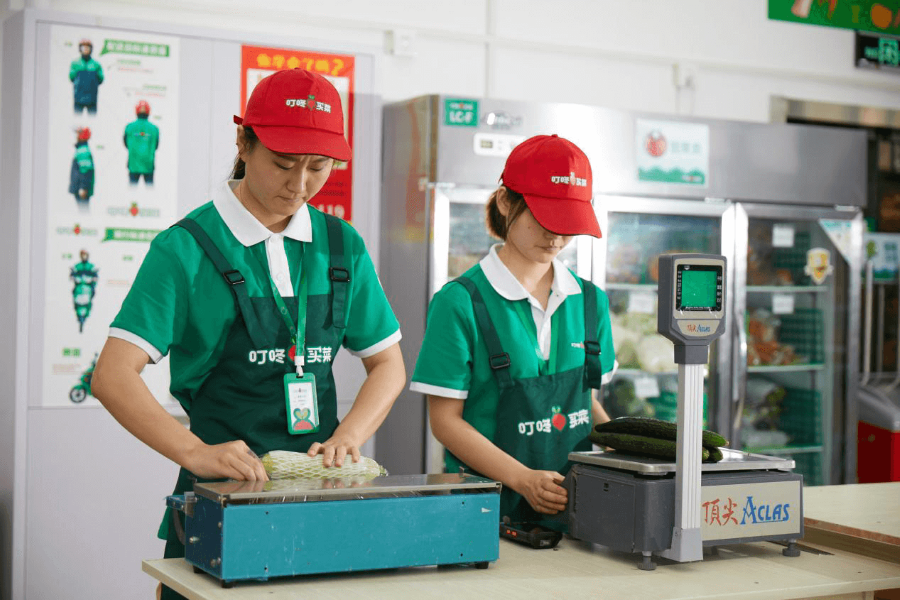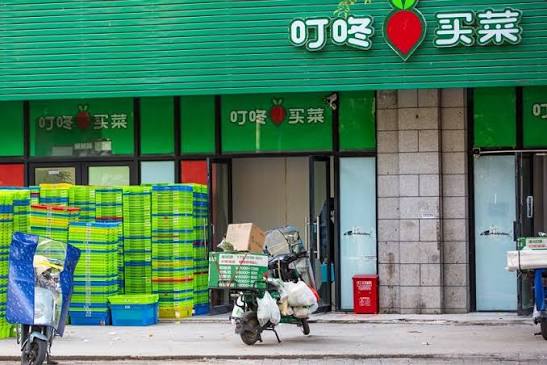
Dingdong boosted second-quarter net income by 153 per cent to $40 million, lifted by higher domestic order frequency and an accounting adjustment on assets designated for sale.
Revenue rose 8.6 per cent to $956.1 million for the three-month period, while gross merchandise value increased 11.8 per cent to $1.07 billion.
Accounting Shift Drives China Earnings
Net profit from operations in China surged 155 per cent. That increase stemmed primarily from the cessation of depreciation and amortisation charges on long-lived assets classified as held for sale under US GAAP rules. Overseas operations moved in the opposite direction, with net losses widening 166 per cent despite a 36.2 per cent rise in international revenue.
The divergent performance comes as Dingdong prepares to hand over its domestic operations. In February, the grocer agreed to divest its China business to on-demand delivery giant Meituan. That transaction remains pending regulatory and closing conditions.
Summer Peak Drives Daily Volumes
Chief executive Song Wang credited higher order frequency among loyal members for driving the gains. Dingdong has now recorded non-GAAP profit across 15 consecutive quarters, alongside 10 straight quarters of year-over-year revenue expansion and positive GAAP net income.
Trading accelerated further as the platform entered its summer peak in July. Monthly gross merchandise value hit a record high, with single-day sales exceeding RMB 100 million multiple times during the month.
China’s instant-grocery sector has shifted decisively toward consolidation after years of heavy cash burn, forcing independent warehouse networks to integrate into larger delivery ecosystems or redirect resources abroad. Dingdong’s run of GAAP profitability shows the frontline warehouse model can deliver positive margins once promotional subsidies recede.
Market attention now centers on the completion date for the Meituan transaction, which will determine how quickly Dingdong pivots its core focus toward international expansion.