Retail News CRM

Tag: dinner

  • Japanese burger chain Niku Niku Oh! Kome debuts in Hong Kong

    Japanese burger chain Niku Niku Oh! Kome debuts in Hong Kong

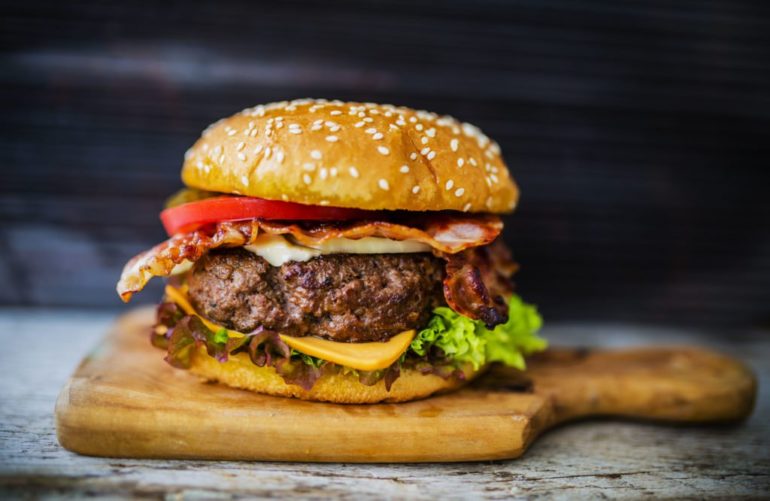
    Japanese-style burger chain Niku Niku Oh! Kome – owned by Japanese restaurant chain operator Monogatari Corporation – has launched its first outlet in Hong Kong as part of its broader expansion across Asia.

    Located in Sha Tin, the restaurant has 40 bar seats surrounding an open kitchen. It specialises in freshly handmade wagyu burgers seated on hot plates or served on rice with egg yolk for a “classic Japanese experience”.

    The wagyu hamburgers are crafted from a blend of Kyushu black wagyu beef and US beef, while the rice served is Niji No Kirameki, sourced from Japan’s Tohoku region.

    Makoto Hori, senior executive officer, Monotogari Corporation, said that Hong Kong, being an international city close to the mainland, offers the company an opportunity to raise brand awareness in the Asian region.

    “We have already opened 16 restaurants in Mainland China since November 2022, and local customers have well received our food,” he added.

    Established in 1949, Monogatari Corporation has more than 700 restaurants in Japan and overseas, with 15 restaurant brands serving various Japanese foods, including yakiniku, ramen, okonomiyaki, sushi and shabu-shabu.

  • Japan’s biggest sushi chain Sushiro launches first Beijing store

    Japan’s biggest sushi chain Sushiro launches first Beijing store

    Japan’s biggest sushi restaurant chain Sushiro opened its first store in China’s Beijing Wednesday as part of its expansion in the world’s most populated country.

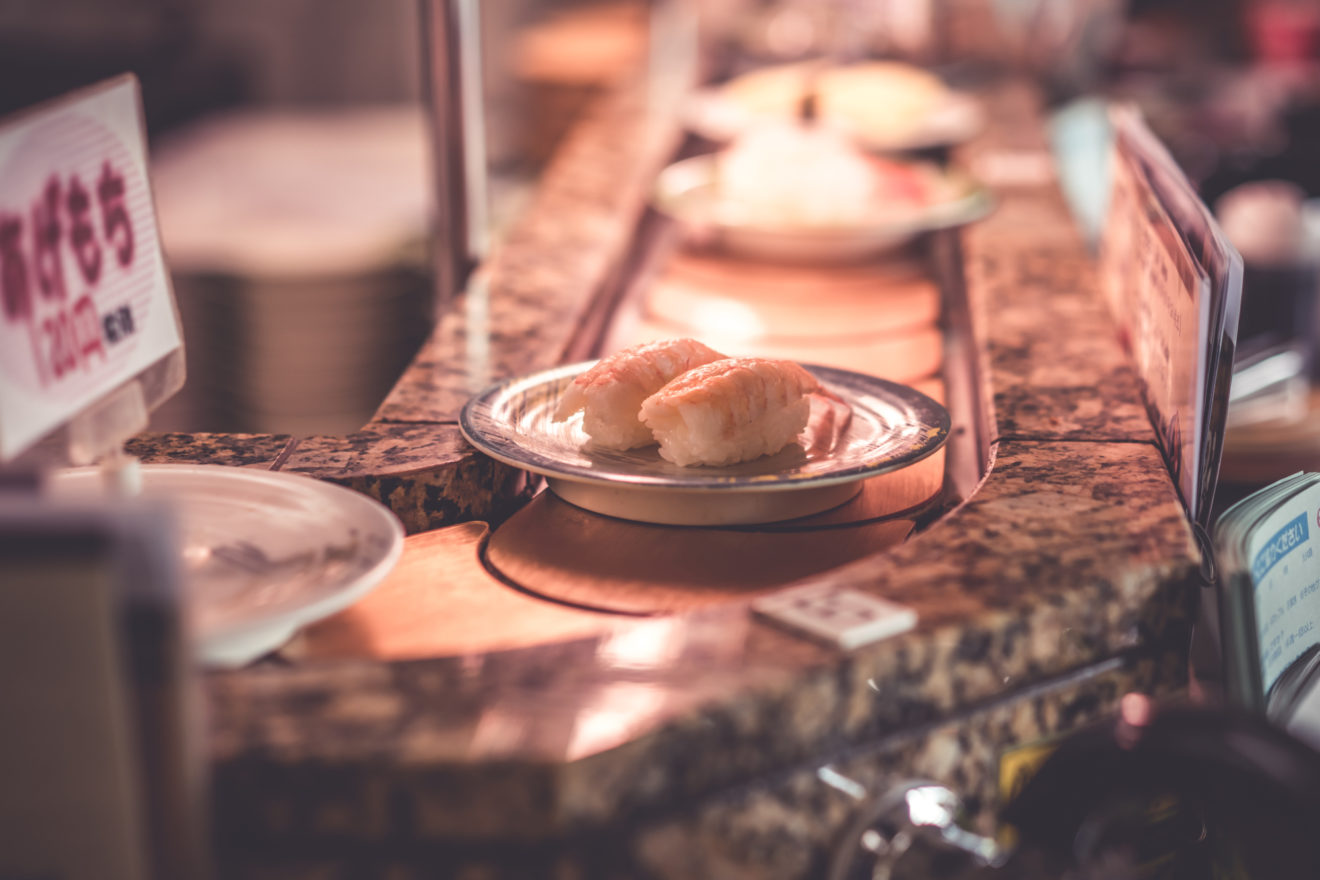
    Its new store, located in the Xidan Joy City shopping mall, has four private rooms, each allowing up to 10 customers, who can order from a touch screen and pick up their food from a conveyor belt, according to Nikkei Asia.

    This is Sushiro’s 45th location in China. It launched the first store in Guangzhou in 2021 and has expanded to several cities since.

    Sushiro, headquartered in Osaka, has over 500 restaurants in Japan. It was founded 30 years ago and is now present in many Asian countries including South Korea, Thailand and Singapore.

    Its competitor Hama Shushi has also been expanding in China and opened the first Beijing store earlier this year.

    China has prohibited the import of seafood from Japan due to the discharge of treated radioactive wastewater. In China, conveyor belt sushi restaurants primarily offer locally sourced seafood.

  • Haidilao to close 300 restaurants as Covid curbs eating out

    Haidilao to close 300 restaurants as Covid curbs eating out

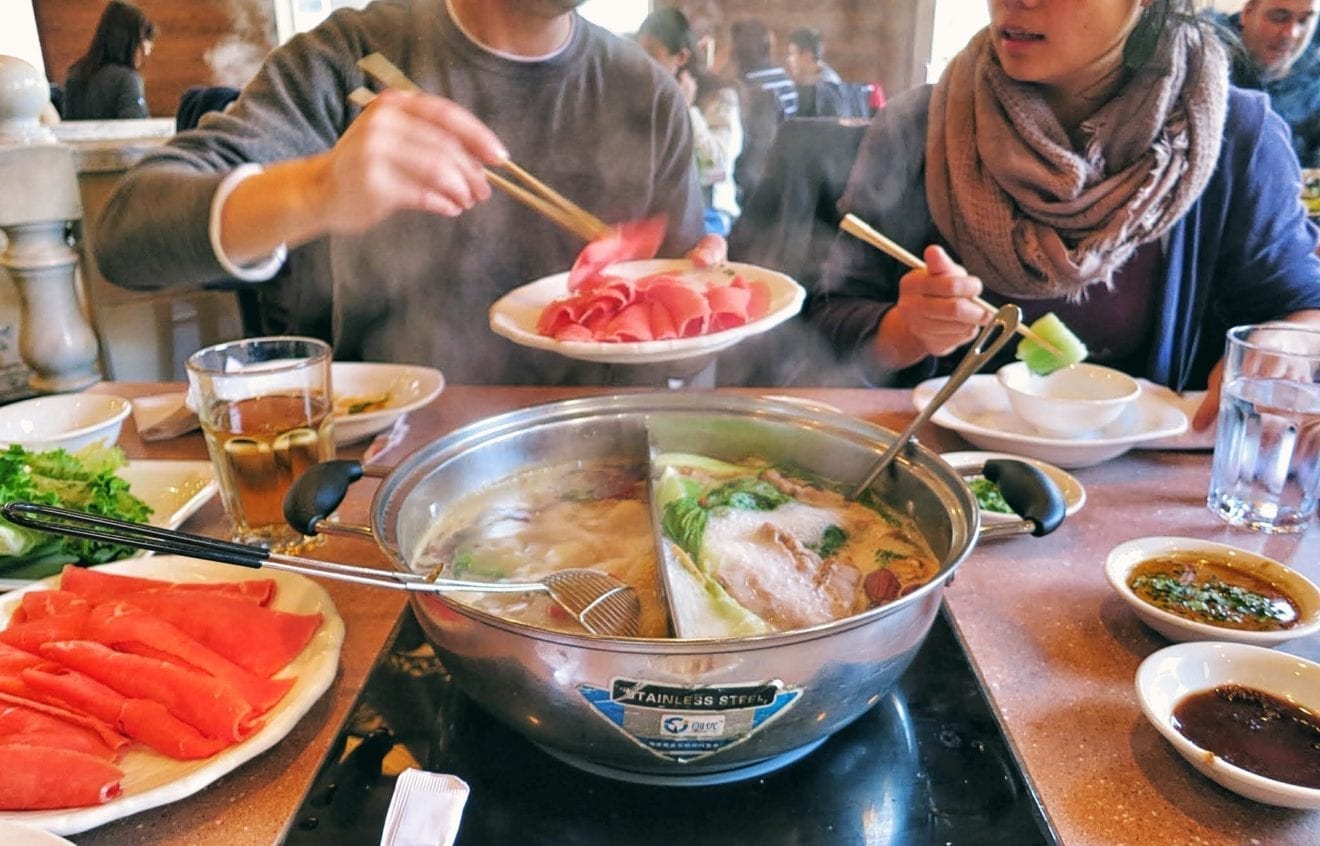
    China’s biggest hot pot chain Haidilao is slowing its rollout of new restaurants and increasing diversification of its fare, tempering its rapid expansion during the coronavirus pandemic to cope with a subsequent slump in consumer spending.

    Haidilao, which became so popular in recent years that it appeased customers in hours-long queues for its soups by providing free manicures, snacks and shoe shines, is at the forefront of reckoning in China’s restaurant industry post-pandemic.

    The chain has seen falling table turnover rates and profits as consumers dine out less and new stores cannibalize business at older locations.

    “We will open stores based on market demand, and compared to before, will appropriately slow down our opening pace,” the company said in a written response to Reuters’ questions about its strategy.

    China’s catering industry shrank 4.5% in August, before recovering for growth of 3.1% last month. Analysts said it will likely remain volatile for some time amid the country’s broader patchy economic recovery.

    “This year, fresh waves of the epidemic happened repeatedly, and passenger flow in commercial areas is volatile, affecting the recovery of core business indicators,” Tianfeng Securities wrote in a research note last month.

    Haidilao was initially undeterred by the pandemic, embarking on an expansion drive in early 2020 that has doubled its outlets since then to almost 1,600 currently. It did so by snapping up sites left behind by vacating weaker players, often helped by deep discounts offered by landlords.

    But that expansion pushed Haidilao’s table turnover rate down to 3.0 – or three sets of customers per day on average – in the first half of this year, from 4.8 in 2019.

    Xiabu Xiabu, another Hong Kong-listed Chinese hot pot chain, has said it plans to shut 200 of its 1,010 stores after losing 50 million yuan ($7.76 million) in the first half of 2021.

    Haidilao’s share price has fallen to around HK$30 from a record high of HK$86 in February.

    “The company will need to create demand going forward, which is more challenging than fulfilling demand,” China Renaissance analysts wrote in an August note.

    to turn its fortunes around, Haidilao has opened more than 10 outlets specialising in fast food such as noodles and dumplings, moving beyond the hot pot, the signature dish of southwestern Sichuan province where the company was founded 27 years ago.

    However, with a maximum of just five stores each and an average spending per guest of 10 to 20 yuan – versus 107.3 yuan for the Haidilao restaurants – the sub-brands contributed just 0.5% to first-half revenue.

    Haidilao last month closed a potato noodle restaurant less than a year after opening it in the central city of Zhengzhou, without publicly citing a reason.

    In other diversification attempts, the company has opened bars in three of its Beijing restaurants and is promoting its delivery service, a unit where revenue initially rose during the pandemic.

    However, delivery revenue dropped from 409.6 million yuan, or 4.2% of total revenue, in the first half of 2020 to 345.7 yuan, or 1.7% of total revenue, in the first half of 2021.

    “(Eating) hot pot has a strong social feature so people are less likely to order hot pot at home,” said Zhu Danpeng, an independent food industry analyst.

    Haidilao opened a store on Alibaba’s marketplace Tmall several months ago to sell items including lipsticks inspired by its soup bases with names such as “capsicum rouge” and “summer tomato”.

    Zhu said Haidilao’s multi-brands strategy was the right move but the company did not have a lot of room for growth: “Haidilao has reached a certain phase with its development, as a man has reached his middle age.”

  • Putien opens first outlet in the Philippines

    Putien opens first outlet in the Philippines

    Singaporean Michelin-starred restaurant Putien has opened its first eatery in the Philippines.

    The Cantonese/Fujianese-style brand has been introduced to the territory by The Vikings Group and opens in The Podium in Ortigas as its 67th location internationally.

    “Putien serves characteristically light, down-to-earth, and flavourful food, with an emphasis on fresh ingredients,” the restaurant’s founder and CEO Fong Chi Chung told the Manila Standard. The restaurant specializes in cuisine made from ingredients sourced exclusively from the Fujianese coast.

    “The Fujian flavor gives a unique twist to the usual Cantonese-style food,” said Vikings Group marketing director Charles Lee. “We’re excited for Filipinos to finally try this new type of cuisine that’s making waves in Singapore, Hong Kong, Malaysia, and China for its good quality and service”.

  • Zhang Yong Tops the latest Forbes Singapore Rich List

    Zhang Yong Tops the latest Forbes Singapore Rich List

    Hotpot-restaurant tycoon Zhang Yong has topped the latest Forbes Singapore Rich List.

    Zhang, the founder of the Haidilao restaurant business, has an estimated net worth of US$13.8 billion (US$19.2 billion) – enough to push last year’s richest Singaporeans, property magnates Robert and Philip Ng into the second spot with their combined wealth of US$12.1 billion. This year is the first in a decade the Ngs, who own Far East Company, have not headed the rankings.

    Zhang, a native of China, has become a naturalized Singaporean citizen and resident, who was previously featured among China’s richest, is now a naturalized Singapore citizen and resident.

    Third place on this year’s list went to Eduardo Saverin, a founder and shareholder of Facebook, who lives in Singapore. His net worth was estimated at $10.6 billion, down $1.2 billion on last year.

    Haidilao opened 130 new restaurants in the first half of this year, boosting sales by 59.3 percent to RMB 11.7 billion (US$1.66 billion).

  • Japan revokes Vietnamese chili sauce for Safety Reasons

    Japan revokes Vietnamese chili sauce for Safety Reasons

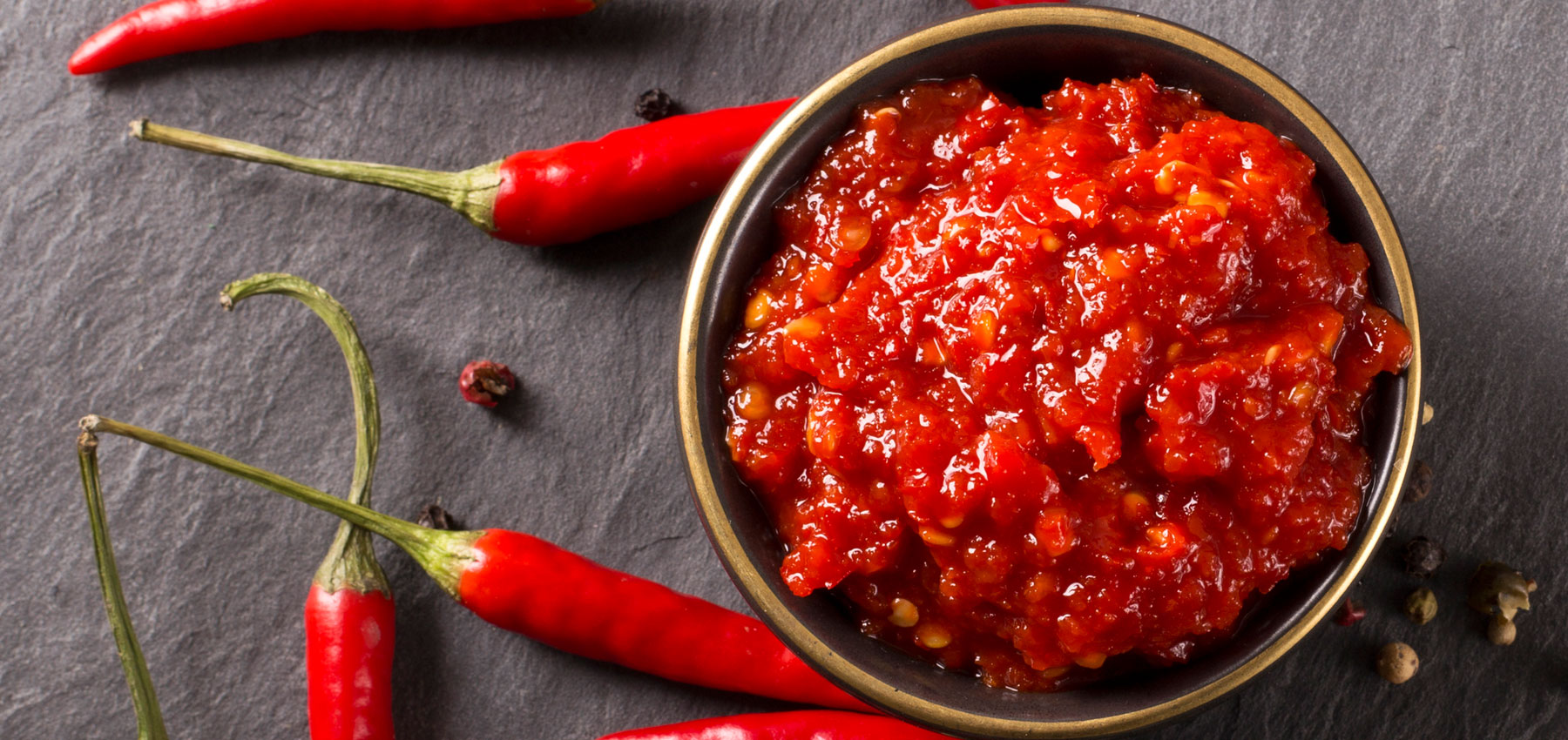
    The Osaka Information Portal reported Tuesday that the bottles were imported from Vietnam to Japan by the Osaka-based Javis Co., Ltd last December, and sold to the Kobe-based ISC Industrial Co., Ltd. Javis Co., Ltd never mentioned that the imported chili sauce contained benzoic acid, which is banned from all chili sauce in Japan, before selling it to ISC Industrial Co., Ltd, the portal said.

    Japanese authorities determined that the bottles contained between 0.41 to 0.45 grams of benzoic acid per kilogram of chilli sauce, after suspicions arose that ISC Industrial Co., Ltd was violating the country’s laws on food safety and food labeling.

    The Masan Group, which produced the chili sauce under the brand name of Chin-su, said it never exported the chili sauce to either Javis Co,. Ltd or ISC Industrial Co. Ltd. It said it only exported the product to the United States, Australia, Russia, the Czech Republic, China and Taiwan.

    “As we have no chili sauce sample in hand right now, we have no official conclusion on the origins of the bottles. However, it is likely that they are either exclusive for the Vietnamese market, or their origins are unknown,” the group stated in a press release.

    Vietnam’s Ministry of Health has yet to receive any official statements from Japan about the Chin-su case, Tran Viet Nga, deputy head of the Food Safety Department, said Saturday. But it is taking steps to clarify the matter, she added.

    “Benzoic acid is allowed as a food preservative according to the Codex Alimentarius Commission (CAC), in which both Vietnam and Japan are members. In accordance to standards from the CAC, the levels of benzoic acid found in the chili sauce revoked by Japan were still within international standards,” she said.

    “Maybe Japan just has tougher requirements.”

    Japan bans benzoic acid in its chili sauce, but allows its presence in certain food products like syrup, margarine or soft drinks. Vietnam allows a maximum amount of one gram of benzoic acid per kilogram of chili sauce.

    The World Health Organization says a person can consume five milligrams of benzoic acid per kilogram of body weight daily without adverse health effects.

  • AirAsia opening restaurant based on its in-flight menu

    AirAsia opening restaurant based on its in-flight menu

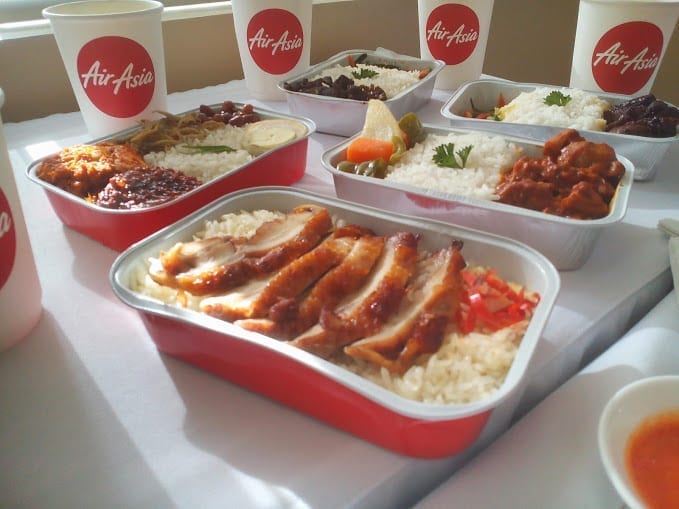
    Low-cost carrier AirAsia may launch restaurants serving its Santan “gourmet” in-flight menu on the ground. The proposal was revealed by AirAsia Group CEO Tony Fernandes while promoting his recent autobiography in an interview with US talk show host Larry King. “I think our food is fantastic,” said Fernandes in response to a question from the audience. “We believe in it so much we’re going to start a fast-food restaurant out of it.”

    But Fernandes gave no more details away about the plan, such as where the restaurants might be located or whether he favoured airport locations or city centres.

    News that AirAsia may launch restaurants on the ground may come as a surprise to travellers, but Fernandes has previously spun off new business concepts from the airline’s business model including a short-lived budget hotel chain where occupants paid extra for features such as air conditioning, towels and amenities, and a bus service connecting Kuala Lumpur Airport with downtown.

    AirAsia also made news recently for its new chatbot Ava (AirAsia Virtual Allstar) which, along with a new look for the firm’s website and mobile app, are designed to deliver a more seamless and user-friendly experience to customers.

    Fernandes has also indicated the airline will place increased focus on the Indonesian and Philippines markets in the near future.

  • Yum China to face challenges this year

    Yum China to face challenges this year

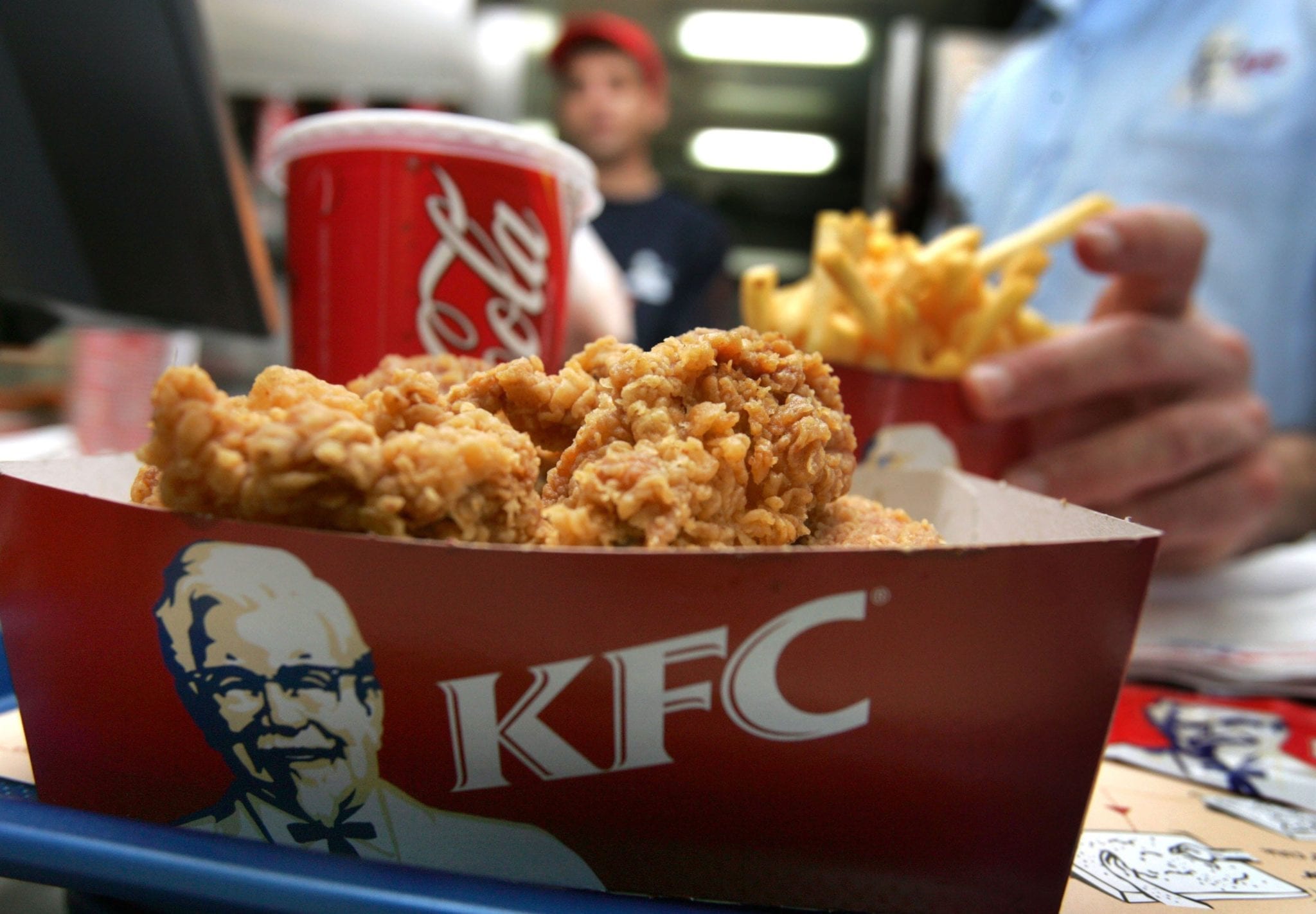
    An aggressive store rollout program is helping Yum China achieve sales growth, but its Pizza Hut business continues to struggle. In year-end results released overnight, Yum China said fourth-quarter system sales rose 6 per cent in constant currency, but same-store sales rose by a more modest 2 per cent. The company, which owns the Chinese operations of KFC and Pizza Hut, opened 819 new stores last year, taking its combined network to 8484 stores across more than 1200 cities. The company plans between 600 and 650 additional stores this calendar year.

    For the full year, total system sales grew 5 per cent over 2017, with a solid 7 per cent growth at KFC partially offset by a 1 per cent decline at Pizza Hut, (excluding foreign exchange impacts). Same-store sales increased 1 per cent overall, up 2 per cent at KFC and down 5 per cent at Pizza Hut.

    Full-year revenue reached US$8.42 billion with net Income up 78 per cent to $708 million, from $398 million.

    Joey Wat, CEO of Yum China, said the results marked the ninth consecutive quarter of system sales growth since the company was spun off from former US parent Yum! Brands.

    “This strong growth was led by accelerated new store openings and a robust performance at KFC, which delivered 3 per cent same-store sales growth and 9 per cent system-sales growth during the quarter. Although Pizza Hut’s sales remained soft, we are pleased to see same-store traffic growth of 1 per cent and positive trends in customer feedback.”

    Wat said the aggressive store rollout program last year further strengthened the company’s market position, laying a solid foundation for growth.

    “While the macro backdrop is relatively soft, with our resilient business model and leadership in digital and delivery, we are confident that we have the right strategy and capabilities to maintain our growth trajectory and capitalise on the long-term potential of the China market,” she said.

    Among the highlights of last year was exceeding 160 million members of the company’s KFC loyalty program and 50 million members of the Pizza Hut program, increases of 50 million and 15 million, respectively.

    Mobile payments accounted for 65 per cent of the company’s sales in the fourth quarter, an increase of 11 percentage points year on year. Digital payments accounted for more than 86 per cent of company sales in the quarter, an increase of 14 percentage points.

    And delivery services – now offered in 1118 cities – accounted for 19 per cent of sales in the fourth quarter of 2018, an increase of three percentage points year on year.

  • Little Caesars Philippines opens first store in Manila

    Little Caesars Philippines opens first store in Manila

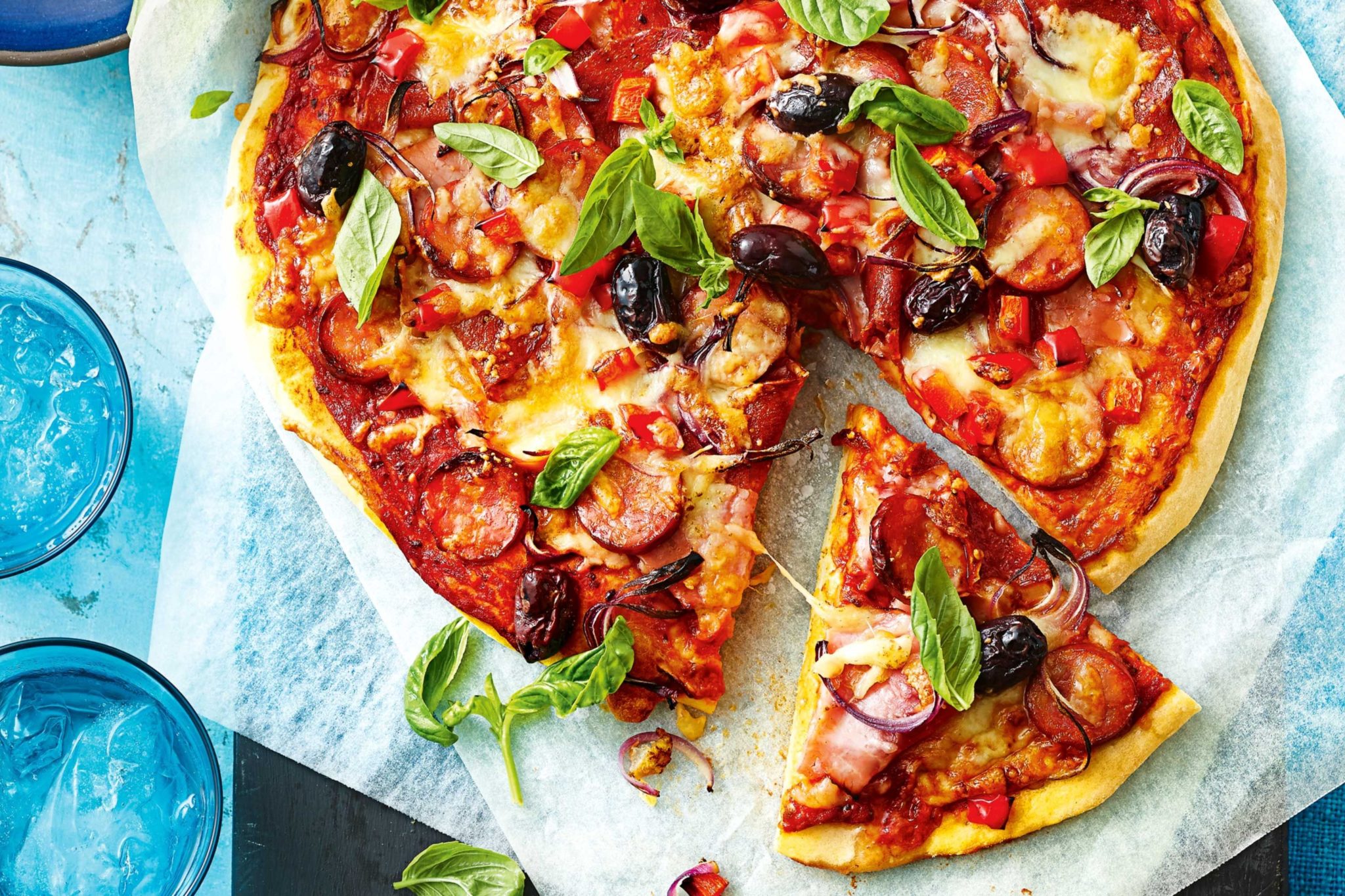
    Pizza chain Little Caesars has opened its first restaurant in the Philippines. Little Caesars Philippines made its debut on Saturday, the first restaurant opened under the brand’s new franchise relationship with local operator Palmtree PH Foods Corp. It opened at the Metrosquare Building in Ermita with a promotional celebration that involved family activities and free pizza offerings.

    “Little Caesars is excited to celebrate the opening of its first restaurant in the Philippines, and to finally share our delicious pizzas with everyone”, said Paula Vissing, senior VP international for Little Caesars Pizza.

    Palmtree owner James Kodrowski, who manages a group of companies that operate in the region, said: “Little Caesars Pizza is exactly what this market needs … We believe that the Hot-N-Ready concept will have undeniable market appeal, as well as our commitment to excellent guest service, and superior value.

    It is our ambition to make Little Caesars the new favorite pizza of the Philippines.”

    Little Caesars Singapore also launched this month as the brand continues to experience growth internationally. The brand is the third largest pizza chain in the world, currently operating in 23 countries and territories.

  • International Food Business: Current scenario and future in India

    International Food Business: Current scenario and future in India

    The misconception about Gourmet Food in India is amazing. There are many who equate gourmet with imported food, which is far from the reality. To encapsulate what the concept of gourmet is all about, let me say that it is less about the food than about the person who is the subject of the word. The term and its associated connotations are used positively to describe people with a refined taste and passion towards food.

    Add the word gourmet to any food or drink and, voila, it feels fancier, more upscale and generally more desirable. Gourmet food connotes food and drink that takes extra care to make or acquire. Gourmet food has a certain flair around it as it is usually found or made only in certain locations. The ingredients used are usually exotic, hard to find in regular grocery stores, and they are usually unique in flavor and/ or texture. Gourmet ingredients usually blend herbs and spices in an interesting manner to add flavour to the food. For example, lemon olive oil spray, black truffle balsamic glaze, and white wine vinegar are a unique take on the otherwise simple ingredients.

    Being an advocate of international food business for over 20 years now, I have seen the F&B sector in India go through various highs and lows over the years. But the one thing that I can say with absolute certainty is that the gourmet food category in the country has a tremendous scope and potential to grow in multiple areas, many of which still remain a virgin territory for food companies wanting to explore the business of international foods. We have been working diligently to bring new and exciting global gourmet food brands from all around the world to India. We have built our reputation through a commitment to offer unique products at competitive prices and we strive to never compromise on the quality of products or services that we offer. It is a passion for many of us who function in the realm of international food business and we aim to bring diversity to our Indian consumer base.

    Two-Way Trade is the Key to Future

    We firmly believe in two-way trade and in the current globalized world, it is a grave mistake to keep our consumers deprived of food options and opportunities available elsewhere in the world – from gourmet cheese to epicurean chocolates to the varieties of rice or spices or fresh fruits or exotic vegetables. The list is never ending and we must continue to explore to make it even more expansive. Unfortunately, our trade figures have been none too encouraging on this count. In the calendar year (CY) 2016, India exported consumer foods worth US$ 11 billion and imported consumer foods valued at US$ 4.25 billion. While our exports grew by 0.50 percent over the previous year, imports showed a decline of about five percent.

    The low takeoff of international food in India is surprising considering that there are quite a few success narratives around it: Italian pasta, Vietnamese basa, mayonnaise, Californian almonds, Canadian canola oil, Chileans walnuts and Washington apples, to name a few. When we look at Italian pasta, considered to be one of the most gourmet ingredients in Italian cuisine, the product is widely available in the country – from hand made to artisanal to commercially made – and it has penetrated the deepest corners of the Indian market with extensive marketing, transforming the kitchens of the aspirational Indians.

    A commodity like Californian almonds, which has about 80 percent of almond market share in India, touched a whopping US$ 693 million sales figure in India for 2016.

    For imported foods to expand their consumer base in India, it must be kept in mind that Indian consumers are rational shoppers who want value for money.

    Obviously, there is no one-size fits-all concept for a country as big as India but to have a deeper market penetration it is important to learn from the market leaders and try to do things the right way. Many of us confuse India with China, which is just not the case as the Indian market has its own set of business dynamics and consumption patterns here continue to evolve and offer valuable lessons in business.

    Teething Issues and Role of Associations like FIFI

    While on the one hand, we are facing teething issues like those associated with demonetization or Goods and Service Tax (GST), on the other hand, we also have government agencies like the Food Safety and Standards Authority of India that is willing to think out of the box and listen to the version of the trade side. We, at the Forum of Indian Food Importers (FIFI), have given numerous representations to Government of India and are pleased to note that several of our suggestions have been entertained as we always had a logical and scientific presentation to make. We still have some pending areas of concerns but are pretty confident that the regulator and trade will be able to come together on a common ground in the interest of the greater good of the food industry and consumers. Food safety is of utmost priority for us and, as industry representatives, we want global suppliers to understand the fact that Indian consumers have become very demanding and want only quality products. We are clearly out of the era when international companies looked at India as a not very important market for their food products. For many global food companies, India is now a critical country for doing international trade.

    Government’s Initiatives

    The Food and Beverage sector is governed by several Government of India agencies like Ministry of Health’s Food Safety and Standards Authority of India (FSSAI), Ministry of Food Processing and Industries (MoFPI), Ministry of Consumer Welfare, Food and Public Distribution, Ministry of Agriculture, Ministry of Commerce and Industries, and Ministry of Finance.

    With Government of India’s “Make in India” campaign, MoFPI aims to boost growth in the food processing sector by leveraging reforms such as 100 per cent foreign direct investment (FDI) in marketing of food products and by offering various incentives at the central and state government level along with a strong focus on supply chain infrastructure.

    – Government of India has relaxed foreign direct investment (FDI) norms for the sector, allowing up to 100 percent FDI in food product e-commerce through the automatic route.

    – FSSAI plans to invest around Rs 482 crore (US$ 72.3 million) to strengthen the food testing infrastructure in India, by upgrading 59 existing food testing laboratories and setting up 62 new mobile testing labs across the country. Additionally, FSSAI has been aggressively introducing numerous notifications pertaining to imported Food and Beverage category.

    – The Indian Council for Fertilizer and Nutrient Research (ICFNR) will adopt international best practices for research in the fertiliser sector, which will enable farmers to get good quality fertilizers at affordable rates and thereby achieve food security for the common man.

    International Chains Entering Indian Market

    With India opening the doors to numerous international restaurant chains, the youth is able to break the tradition and try several new international cuisines. This exposure is generating employment, changing the F&B scenario in India, bringing in international business practices, world-class technology, standard operating procedures and opening the way for trade. These chains buy imported ingredients or products to get a marketing edge or when such ingredients are not available domestically. They are able to lead the way for upscale manufacturing in the country and create more avenues for employment. It is important for us as an industry to understand that our strategy should be to grow hand-in-hand with these international chains and to open more ways for doing business with all stakeholders. Some of these chains, which already have a sizable market presence in India, are Chilli’s, Barista, Café Coffee Day, Au Bon Pain, McDonald’s, Subway, KFC, Starbucks, Tacobell, among others.

    Market Size Growing Despite all Odds:

    Despite numerous challenges such as high base tariffs and the fallout from the implementation of new regulations like demonetization and GST, the Indian market for imported and international foods is showing a noticeable growth trend. India is emerging as a favorite market destination for many national and international players in the food business. The Indian foodservice sector is valued at US$ 48 billion and is anticipated to grow to US$ 77 billion at a Compound Annual Growth Rate (CAGR) of 10 percent by 2021. The Indian food and grocery market is the world’s sixth largest, with retail contributing 70 percent of the sales. The Indian food processing industry accounts for 32 per cent of the country’s total food market, is one of the largest industries in India and is ranked fifth in terms of production, consumption, export and expected growth. The Indian gourmet food market is currently valued at USD 1.3 billion and is growing at a CAGR of 20 percent. India’s organic food market is expected to increase three times its current size by 2020.

    The online food ordering business in India is in a nascent stage but has a huge potential and a promising future. The online food delivery industry grew at 150 percent year-on-year with an estimated Gross Merchandise Value (GMV) of US$ 300 million in 2016.

    Emergence of Social Media

    We should not underestimate the role of the new generation bloggers and social media enthusiasts who are instrumental in shaping the trends and are helping brands and products to get visibility and gain popularity with the consumers. They are emerging as an alternative to the traditional media and are a less expensive media tool. However, they also act as watchdogs of quality and standards for the foodservice industry. Social media is helping to generate exciting stories around the foodservice industry but at the same time, we need more honest voices that understand the food business and its nuances better.

    Traditional Marketing Avenues Still Hold True

    While new marketing tools are becoming popular, the traditional methods should not be considered obsolete as they continue to have deeper penetration and visibility. Participation at trade shows and conferences, print and electronic media activities continue to rule the game and offer a range of visibility without comparable alternatives.

    Way Forward for the Imported F&B Industry

    The Indian consumers represent a community of diverse sentiments. A majority of them favour an experimental palate, which creates a plethora of opportunities for the international F&B sector in country. While maintaining a balance between aspiration and tradition agrees perfectly with the Indian palate, culinary trends originating in the West are promptly picked up by Indian social media and are translated on the ground with an instant recognition. The earlier practice of trends coming to India after three to five years of introduction in the Western world is now a thing of the past. This willingness to accept international trends without any inhibition has played a pivotal role in the marketing of international brands in India and has opened up the entire market for international foods. As a result, recent years have seen the launch of numerous new categories like gluten-free breads, organic chocolates and many others products in country. However, as mentioned earlier, it is important for us to ensure quality delivery to our consumers and adhere to the food safety regulations. We need a more organized voice in trade to echo the this message and to take the India story to many more global markets.
  • Gourmet Investments brings Ministry Of Crab to India

    Gourmet Investments brings Ministry Of Crab to India

    Gourmet Investments Pvt. Ltd brings Mumbai’s most awaited launch of the year with the unveiling of Ministry Of Crab’s first-ever outlet in India. The grand launch of Sri- Lanka’s beloved restaurant is scheduled to take place at Zaveri House, Khar, Mumbai. Ministry Of Crab is the brainchild of celebrated chef and restaurateur Dharshan Munidasa in partnership with Sri Lankan cricket legends Mahela Jayawardane and Kumar Sangakkara. With its exemplary services and menu, Ministry Of Crab has safely secured its place for 3 consecutive years in the list of Asia’s 50 Best Restaurants.

    It was incepted in Sri Lanka on December 12, 2011 in the renovated 400-year-old Dutch Hospital, where it has successfully hosted the most renowned personalities from all walks of life. A haven for food lovers, Ministry Of Crab promises an unforgettable culinary experience with an array of intensely delicious recipes.

    Replicating success from the past, Ministry Of Crab becomes the newest entrant in India’s restaurant market by joining hands with GIPL. GIPL has extended unwavering support to a veteran of several landmark restaurant launches in India with the likes of PizzaExpress, Typhoon Shelter, The Bandra Project, The Runway Project, The Market Project, and The Poona Project. Through such partnerships, GIPL is committed to expanding its portfolio in food and beverage industry.

    Commenting on the partnership, Ramit Bharti Mittal, CEO of Gourmet Investments Pvt. Ltd., said, “We are thrilled to bring Ministry Of Crab to India. It is our constant endeavor to open doors for such brands that resonate with our values and we feel there couldn’t be a better choice for us than Ministry Of Crab. We see immense potential in Indian market for Ministry Of crab and through our strategic partnership, we embark on a new journey to deliver the best-in-class dining culinary experience to our customers.”

    Deepinder Batth, COO of Gourmet Investments Pvt. Ltd., says, “We envision transforming the gastronomic landscape of the country and with the launch of Ministry Of Crab, we feel we are moving towards that direction. MOC has received an exceptional response from food lovers in Sri-Lanka and Shanghai and we are excited to welcome the outlet in our country.”

    On coming to India, Chef Dharshan Munidasa says, “We are looking forward to working with Indian chefs in the country. As our delectable recipes are curated to perfection, we are sure the restaurant is slated to be an ultimate dining destination. We are happy to have partnered with Gourmet Investments, as they have shared our value system and are committed to bringing the DNA of Ministry of Crab to give our guests an authentic experience.”

  • Jollibee to sue Chinese copycat

    Jollibee to sue Chinese copycat

    Jollibee Foods has confirmed it is taking legal action against a copycat restaurant in China. A recent Facebook post which went viral featuring the Chinese restaurant – named JoyRulBee – drew much attention among internet users in the Philippines, after a Filipino couple travelling in Guangxi spotted the the familiar mascot and documented the knockoff.

    Pictures and a video showed that both the exterior and interior of the restaurant were close copies of the Jollibee brand, while the menu was also markedly similar.

    Jollibee’s response to the post indicated the firm was already aware of the existence of the copycat restaurant and has initiated legal proceedings to protect its trademark.

  • Dhaba restaurant opens its 10th outlet in Aerocity India

    Dhaba restaurant opens its 10th outlet in Aerocity India

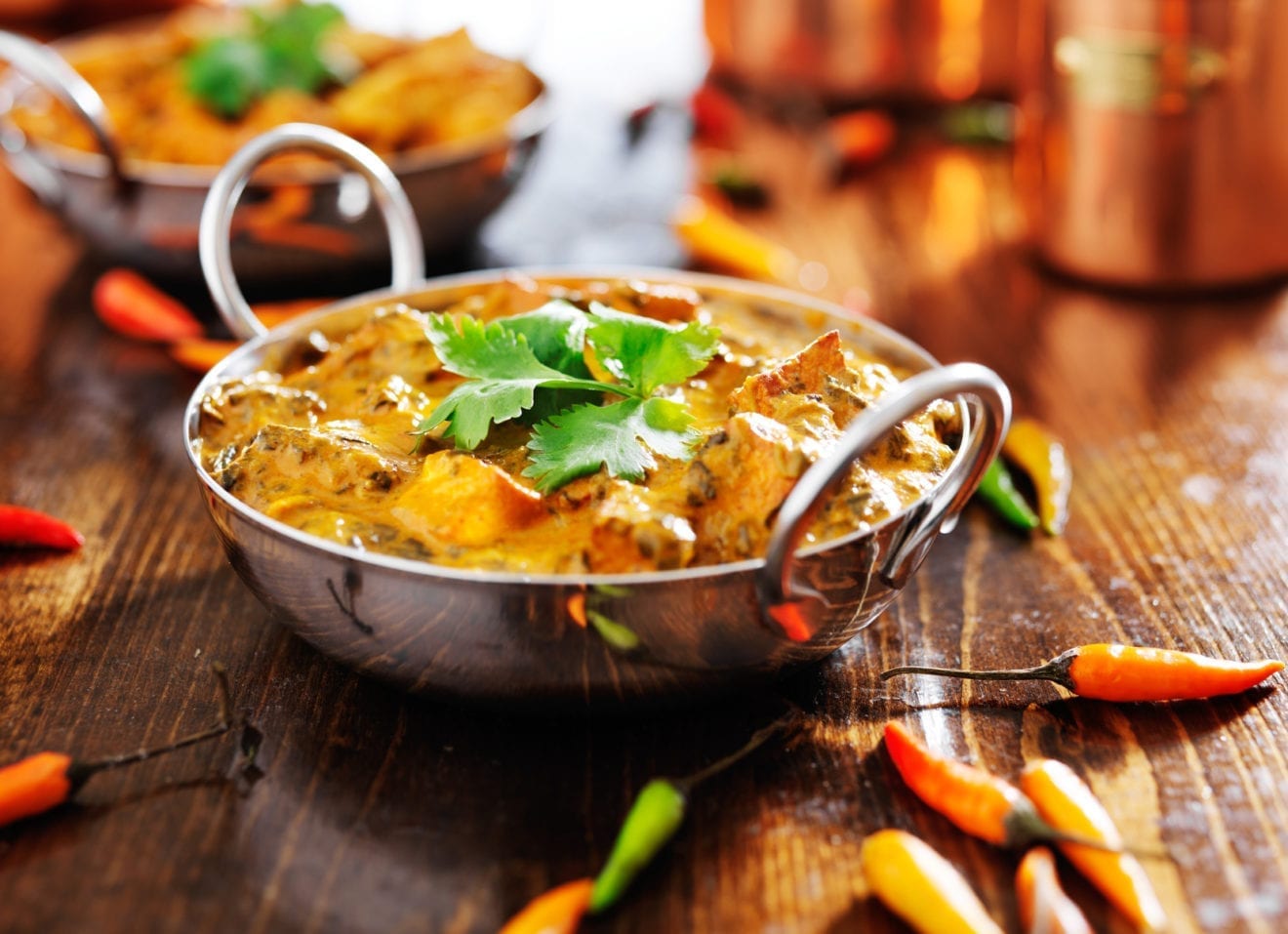
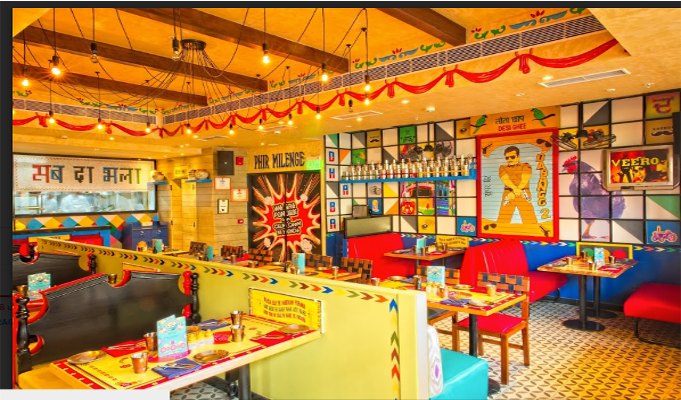
    Dhaba Estd 1986 Delhi by Azure Hospitality is all set to land itself at Delhi’s posh new Aerocity. The award winning deliciousness carries forward the thirty year legacy as it stamps another one at Delhi’s most favourite leisure destinations, The Walk at Aerocity. At Dhaba Estd 1986 Delhi, one not only experiences fabulous Dhaba food but from the moment the patrons enter till the time of their exit, the ambience recreates unparalleled highway eatery nostalgia. Given a shot of new age fun and kitschy interiors with the legendary classics on the menu along with some nouveau beauties – Dhaba is set to recreate the same magic again – but with more full-on Punjabi flair.

    “Keeping the drama to a minimum, we plan another Dhaba, where food is the king yet again. We are thrilled to share that Delhi’s prime food, beverage and leisure destination Worldmark at Aerocity is about to get struck with Dhaba’s dildaar Punjabi love that has been warmly accepted in Delhi NCR, Pune, Chennai, Hyderabad and Bangalore. Aerocity restaurant marks the tenth outlet for us after five successful years across the country. The response has always been heart-warming and we look forward to the same yet again,” say Rahul Khanna and Kabir Suri, Directors, Azure Hospitality.

    Dhaba comes in a new avatar with signature kitschy quirk, vintage collages and retro Indian décor of the 80s and 90s, and use of popular Indian weaving techniques in ikat fabrics. Designed by Atul Anand, this 52-seater outlet showcases environmental friendly décor using recycled elements and community tables for group seating. The ambience effortlessly infuses the excitement of a highway meal; and in fact, takes it up a fair few notches! The creative chaos of colours, quirky desi quotes, revival of vintage black and white Bollywood posters and the signature truck art adds to the overall dining experience. The mood of the restaurant is further enhanced by the mock façade of a building, which is designed like a small town.

    With a crafted legacy of over 30 years, the real highway magic always takes place in the kitchen. With a legendary classic Indian menu divided into three drooling parts – the Tandoor, Tawa and Patila, food at Dhaba will be a true showstopper amongst corporate and tourists visiting the location. Chef Ravi Saxena expertly helms the Dhaba kitchen chronicle, reconditioning its fabled signature recipes bringing forth the best of highway cuisine and North Indian cuisine concepts. With signature recipes since 1986 and the new experimental highway specials, there are a whole lot of new and signature dishes for everyone to try.

    The food menu is inspired by travels down the highways of India and the eccentric by-lanes of old towns famous for unique age-old recipes. In addition to the age –old classics, the new menu experiments with newer flavours showcasing Highway specials, not only from Punjab but from all over the country. The essence and soul of Dhaba is Punjabi, however a whole range of regional dishes are now available for indulgence.

  • How technology is revolutionising the foodservice industry

    How technology is revolutionising the foodservice industry

    We are at the beginning of the most radical transformation of the foodservice industry. Until now, technological innovations in the industry meant ordering food from an app or paying bill through tablets. But now restaurant owners are upping the ante, taking the game to the next level by experimenting with technology like never before. From introducing interactive smart tables and virtual bars to replacing servers with robots, restaurateurs are revolutionising the foodservice industry in the best way possible to enhance the overall customer experience.

    Interactive Smart Tables

    Mumbai-based Drinx Exchange has introduced electronic tech tables, where customers can interact with an electronic screen on the table they’re dining on. From watching live scores of sports, to receiving personalised offers, tracking their orders, paying their bill, and even singing along with the music in the bar, these tech tables will ensure consumers remain engaged through the time they’re in the restaurant. The screen also keeps giving them live offers that are just right for what they drink.

    The electronic table also splits the bill among the number of diners on the table and the payment can be settled on the table itself by scanning a Paytm QR Code on the screen

    Furthermore, the prices of drinks also fluctuate just like the stock exchange and customers can vote to crash the market price. Apart from this, the table also helps the customers in checking the status of their cab if they book it from Drinx Exchange app.

    According to Founders, Drinx Exchange, Rahul Dingra and Dibyendu Bindal, “The bar aims to ease the experience of ordering and makes it less stressful and more exciting for its millennial customers.”

    Virtual Bar

    The Beer Café has recently introduced ‘URBAR’, a virtual bar which allows patrons to reserve and consume their favourite brands.

    One can explore from a wide selection of alco-beverage, pre-pay and stock them in ‘URBar’. The latest ‘wallet for customer’s drinks’ initiative highlights the brand’s vision to redefine the alco-beverage space through technology differentiation and further strengthen its position as a pioneer.

    The patrons can log in to The Beer Café’s mobile app, and click on the URBar icon, reserve in the form of bottle (for spirits), keg (for draught beer), or case (for bottled beer) and start consuming.

    This not only gives patrons the privilege to buy their favourite brands at a special price but also benefits in the form of one price across the nation. A consumer can choose any portion he/she wishes to consume at any Beer Café outlet spread across 12 cities and save the rest for their next outing. The bottle/ keg purchased stands as a prepaid instrument and stock diminishes as the consumer opts to consume.

    There are multiple convenient ways of recharging the account. Customers can use an ‘online’ mobile wallet to add balance to their brew bucks – which is The Beer Café’s own currency. Or ‘pay at store’ by just walking into the closest The Beer Café outlet and the brew crew will be happy to assist the customers.

    What’s more, it also gives patrons the option to spread the cheer around by gifting customisable amounts of their reserved stock to friends, family and colleagues.

    Rahul Singh, Founder & CEO, The Beer Café says, “At The Beer Café, we believe that social drinking should first and foremost be about the experience. Our focus is to improve customer’s real world experience, their choices of brand and location. With the URBar feature, we are giving the users a chance to experience our differentiated proposition in the virtual realm. It is a delightful addition to the existing feature on The Beer Café mobile app. With this initiative we have raised the bar – quite literally!”

    Futuristic Robot

    Travel Food Services (TFS), travel food and retail company, unveils the latest in technology – Mitri, the robot, to make the experience of travellers interactive and fun.

    Mitri will be engaging with customers at TFS’s Dilli Streat outlet at Indira Gandhi International Airport, New Delhi, and is the first ever airport installation in the F&B segment.

    Visitors to the Dilli Streat outlet will be met and greeted by Mitri, who will facilitate activities and engage with them by providing menu detail. It would also be offering food recommendations. Mitri is a testament to Travel Food Service’s commitment of enhancing the travel experience in India, and presents a true example of how technology like Artificial Intelligence can help improve customer satisfaction, and drive productivity and sales.

    Commenting on the latest technology, Gaurav Dewan, COO and Business Head, Travel Food Services said, “We are always on the lookout for latest innovative technologies that can enhance the experience and satisfaction of our customers. We are extremely excited to present Mitri at our Dilli Streat outlet at the Delhi Airport. With Mitri being such an innovative and futuristic concept, and given her success, we are hopeful to bringing her to more outlets across India.”

    Robots Replacing Servers

    At a restaurant in Alibaba Group Holding Ltd’s futuristic ‘FlyZoo’ hotel, tall capsule-shaped robots deliver food that guests have ordered via the FlyZoo app. Meanwhile, at a separate bar, a large robotic arm can mix more than 20 different types of cocktails.

  • Restaurant company expands into Thailand with local Myanmar cuisine

    Restaurant company expands into Thailand with local Myanmar cuisine

    Myanmar restaurant chain Feel International is set to open in Thailand. Opening in the popular Bangkok tourist area of Pratunam on Thursday (January 24), the group intends to introduce Myanmar cuisine to Thai consumers and foreigners. “At present, many restaurants are attempting to cater to the needs of tourists from China, however there are eight flights to Bangkok from Yangon every day, and there are tens of thousands of Myanmar citizens working and studying there, so there is a potential market for Myanmar cuisine”, said Feel International operations director Ko Johnny.

    “This is the very first Myanmar restaurant opened in a foreign capital city. Bangkok is one of the biggest restaurant markets in the world. It offers a wide variety of cuisine, even something as exotic in Asia as Ethiopian. Bangkok is the first step for Myanmar traditional food to penetrate the international markets”, he said.

    The restaurant intends to serve lunch boxes with Myanmar favourites for Myanmar people working in companies and offices around the area.

    Discussions are being held to open further restaurants in Chiang Mai and Mesauk.