Tag: direct to consumer

  • Castlery Opens 448Sqm Melbourne Showroom in Richmond

    Castlery Opens 448Sqm Melbourne Showroom in Richmond

    Castlery has launched a 448sqm showroom on Yorkshire Street in Richmond, Melbourne, marking its third physical location in Australia. The soft opening on October 29 precedes an official public launch event scheduled for November 14 and 15, introducing 17 dedicated room sets to local shoppers.

    The Richmond site marks the Singapore-founded company’s fifth showroom worldwide, joining earlier Australian openings in Sydney in June 2024 and Brisbane in August 2025. Leah Howatson, Castlery’s general manager of international markets, noted that the brand has already served more than 60,000 homes across Melbourne.

    Australia was Castlery’s first overseas market, and the company is preparing to mark 10 years of trading in the country next year. Drawing interior inspiration from the reading room at the State Library Victoria, the space complements designs established at the retailer’s Sydney and Brisbane outlets.

    Expanding Physical Footprints in Core Markets

    “Melbourne has been two years in the making for us. We knew we wanted to be here, but finding the right location mattered,” said Leah Howatson, GM of international markets at Castlery.

    “Australia was Castlery’s first international market, and as we approach 10 years in Australia next year, opening our third Australian showroom represents another important step in putting down deeper roots here.”

    Castlery said the design of its Richmond showroom took inspiration from the reading room in the State Library Victoria, with the rest of the design following the interiors of Sydney and Brisbane.

    Melbourne Site Follows East Coast Rollout

    “Melburnians know good design and care about how their homes feel. With Castlery already in more than 60,000 Melbourne homes, we wanted a location that would bring us closer to our customers while placing us within the city’s design community,” Howatson added.

    “Melbourne has a special way of bringing old and new together, with homes that feel layered and collected over time rather than designed all at once. That sense of character shaped how we approached the showroom.”

    “We wanted it to feel connected to the city around it, while still expressing Castlery’s unique point of view.”
  • Marley Spoon Expands Australian Menu to over 200 Items as Subscriber Numbers Slide

    Marley Spoon Expands Australian Menu to over 200 Items as Subscriber Numbers Slide

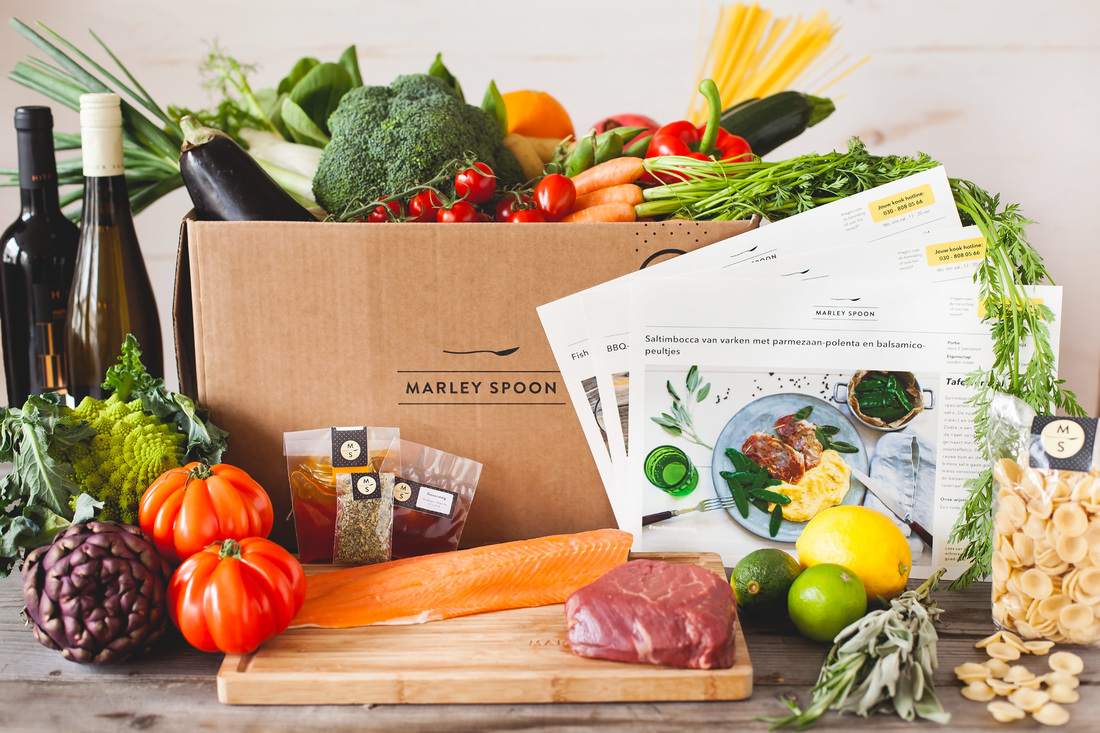
    Marley Spoon has expanded its Australian catalog beyond dinner meal kits to more than 200 weekly recipes. The lineup now includes ready-to-eat dishes, breakfasts, lunches and pantry items.

    That rollout follows an 11,000 drop in the company’s Australian active subscriber base during the first half of 2026.

    Australian customers can now order single-serve prepared meals, snacks, beverages and dietary ranges alongside standard dinner boxes. This shifts the brand from dinner kits toward all-day food. Rolf Weber, chief executive officer of Marley Spoon Australia, is steering the strategy to capture a larger share of household grocery budgets.

    Adding Meals Across the Day

    Dinner kits require prep time and cooking skills that busy households often abandon. By adding single-serve heat-and-eat dishes and breakfast items, Marley Spoon is chasing customers who want speed over a culinary project. The expanded menu gives existing buyers fewer reasons to supplement orders at supermarket chains.

    Adding snacks, drinks and lunches also lifts average basket sizes. That helps offset high refrigerated delivery freight costs across Australia. Global order frequency edged up 0.8 per cent in the first half of 2026. Retaining engaged users generated incremental spend even as overall accounts fell.

    Subscriber Churn and Revenue Pressure

    Menu expansion in Australia comes during severe operational contraction across Marley Spoon Group SE. Group revenue fell 23.9 per cent to €105.6 million in the first half, down from €138.9 million in the prior corresponding period. Total active subscribers across all markets dropped 21 per cent, sliding from 154,000 to 121,000.

    Australia proved more resilient than other markets, but average active subscribers still fell from 58,000 to 47,000 in the first half. United States subscribers dropped from 73,000 to 57,000, while European accounts declined from 23,000 to 17,000. Contribution margins held at 36.5 per cent against 36.3 per cent a year earlier, protecting unit economics despite lower volume.

    Supply Chain Troubles Compound Losses

    Global operations suffered disruption when key manufacturing partner FreshRealm entered Chapter 11 bankruptcy in April 2026. Marley Spoon transferred its United States meal-kit fulfillment to Misfits Market in a ten-week move, while shifting its BistroMD ready-meal arm to ColdTrack.

    Those sudden vendor handoffs caused inventory shortages, missing ingredients and recipe substitutions that drove cancellations through August. Australian operations rely on domestic supply networks, but the corporate balance sheet absorbed the cost of customer credits and emergency logistics in North America.

    Restructuring and the Australian Market

    Marley Spoon announced group-wide job cuts and fresh refinancing measures on September 29, 2026, to stabilize its cash position. The company is leaning on menu variety to lower customer acquisition costs, which have risen across the direct-to-consumer food sector.

    A broader Australian menu widens defenses against rival HelloFresh and local ready-meal producers such as Youfoodz. Success depends on whether local warehouse teams can manage 200 distinct recipes per week without driving up packing errors and spoilage.

    Management will report its third-quarter trading update later this year. Those customer retention figures will show whether the expanded Australian catalog arrested subscriber decline.

  • Who Gives A Crap Launches Halloween Range at 42.50 Australian Dollars

    Who Gives A Crap Launches Halloween Range at 42.50 Australian Dollars

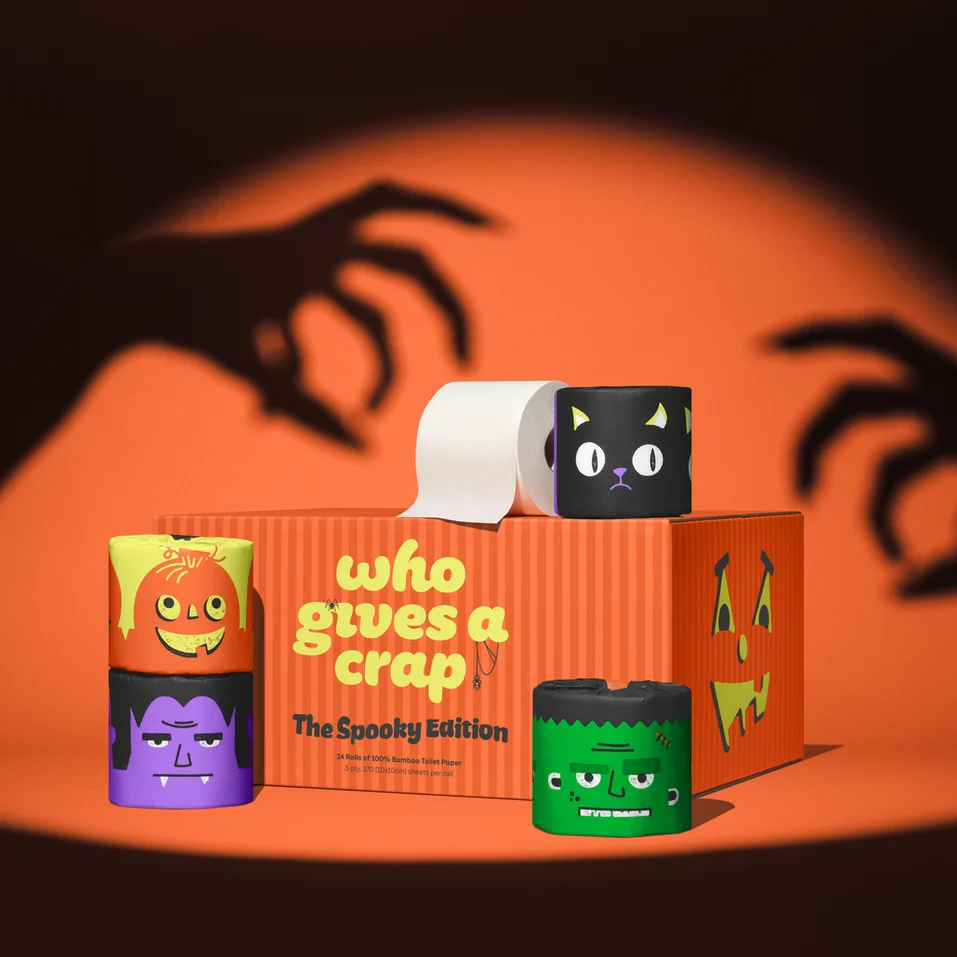
    Who Gives A Crap launched a limited-edition Halloween toilet paper range priced at 42.50 Australian dollars for a 24-pack, expanding its seasonal direct-to-consumer line ahead of October 31.

    A bulk two-pack containing 48 rolls sells for 69.50 Australian dollars on the brand’s online store. The Spooky Edition uses 100 per cent bamboo material across seven character wrappers, including Frankenstein’s monster, a vampire, a mummy, a skeleton, a black cat, spiders and a jack-o’-lantern. Each printed roll wrapper incorporates three separate faces that rotate as users spin the paper.

    Retail Expansion Beyond Online Channels

    The seasonal rollout follows the brand’s push into physical retail shelves across international markets. British supermarket chains Tesco and Waitrose, alongside online grocer Ocado, began stocking a six-pack version of the Halloween line on September 2 at a recommended retail price of 6.75 pounds, two weeks before the company opened web sales on September 17.

    Diverting seasonal inventory into grocery aisles reduces customer acquisition costs that have climbed across digital marketing channels. For fast-moving consumer goods suppliers, holiday packaging creates temporary visual differentiation without requiring formula modifications or permanent shelf allocation. The physical retail presence gives direct-to-consumer hygiene brands access to standard weekly shopping baskets.

    Direct-to-Consumer Seasonal Strategy

    Seasonal runs carry distinct supply chain risks for tissue manufacturers relying on offshore bamboo production. Unsold decorative inventory loses retail value immediately after October 31, forcing brands to accurately balance stock allocations between direct web fulfilment hubs and retail partner distribution networks.

    Who Gives A Crap relies on limited production volumes to prevent surplus decorative stock from lingering in warehouses past November. The strategy treats household paper products as disposable home decor, encouraging existing subscribers to bring forward reorders while testing impulse purchasing among retail shoppers.

    Sanitation Funding and Market Presence

    Founded in 2012, the Melbourne-born B Corp directs 50 per cent of its operating profits toward global sanitation and clean water initiatives. Filings and company data show the business has distributed more than 11 million pounds to hygiene projects worldwide since its establishment.

    The company expanded from its initial recycled paper subscriptions into bamboo bathroom rolls, paper towels and facial tissues before entering major retail supermarket partnerships in Australia and the United Kingdom. Inventory for the Halloween collection remains on sale online through October 31 or until initial batch allocations run out.

  • Kau Kee Opens First Retail Store in Hong Kong to Cut Out Middlemen

    Kau Kee Opens First Retail Store in Hong Kong to Cut Out Middlemen

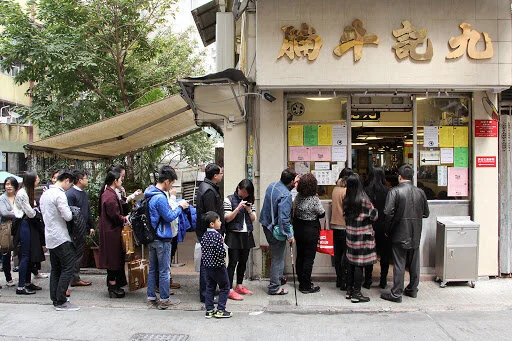
    Kau Kee Food Factory opened its first physical retail shop in Mong Kok, selling fish balls directly to shoppers at HK$10 for 10 pieces. The price sits at roughly half the prevailing rate across Hong Kong street stalls.

    The business spent 66 years operating exclusively as an upstream manufacturer, supplying processed fish balls to nearly 1,000 local eateries and food stands. The direct storefront bypasses those third-party vendors entirely.

    Factory Pricing on the Street

    Second-generation owner Anita Lee Yan-kwan took charge of the manufacturing operation after leaving the civil service during the pandemic. Sharp declines in wholesale volumes prompted the shift down the supply chain.

    By managing its own retail counter, the factory absorbs its own output and eliminates distributor margins. The Mong Kok unit relies on volume, selling street-formulated fish balls made with tuna to maintain texture in heated broth. Store design elements, including a 3D-printed display, have helped pull in foot traffic, with tourists now accounting for 30 per cent of daily sales.

    Wholesale Margins Under Squeeze

    Legacy food manufacturers across East Asia face tight wholesale margins as independent snack stalls close under commercial rent pressures. Upstream processors that rely purely on supply contracts risk losing their entire distribution network when mom-and-pop tenants exit urban centres.

    Opening proprietary counters gives suppliers a predictable floor for production volume and real-time sales data. The trade-off is operational complexity. Managing retail staffing, high-street lease commitments and counter service requires capabilities that industrial food processors rarely possess internally.

    The Direct-to-Consumer Shift

    The physical store follows an initial direct-to-consumer digital trial. Kau Kee launched its first e-commerce store in 2023 to test consumer appetite for factory-direct purchases after street restrictions hit wholesale orders.

    Lee is currently scouting locations for Kau Kee’s second retail storefront in Hong Kong.

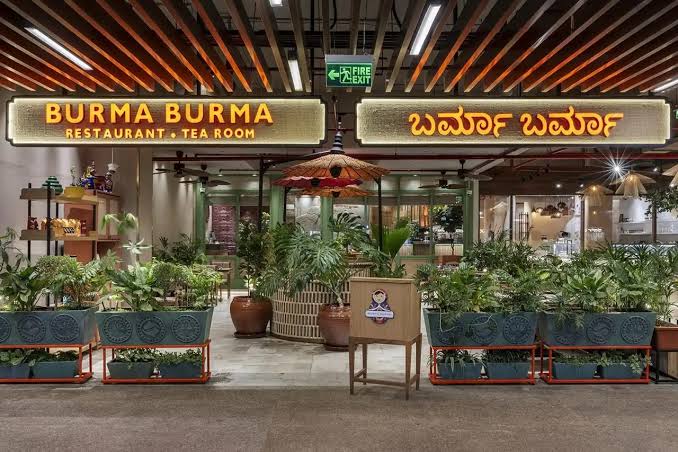
  • Burma Burma Expands to 21 Outlets Across India with D2C Lines

    Burma Burma Expands to 21 Outlets Across India with D2C Lines

    Indian dining chain Burma Burma has expanded its footprint to 21 outlets across India while adding direct-to-consumer pantry goods and ice cream lines. The concept, launched in Mumbai in 2014, built its network by converting traditionally meat-heavy and fish-sauce-based Burmese dishes into an entirely vegetarian, alcohol-free format.

    Founder Ankit Gupta began development for the concept in 2011, three years before opening the first restaurant in Mumbai’s Kala Ghoda district. Gupta spent that period travelling through Mandalay, Yangon, and Sagaing to document street food preparations, dine in private homes, and secure supply links directly from local agricultural markets. His connection to the cuisine came through his mother, who lived in Myanmar for more than 20 years.

    Adapting a Regional Menu

    Traditional Burmese cooking relies on fermented seafood pastes and meat broths, ingredients that Gupta stripped out entirely to fit Indian dining preferences. The resulting menu created a new reference point for a cuisine that had virtually no commercial presence in India prior to the chain’s launch.

    Most international food concepts entering India rely on pre-existing consumer awareness or western brand equity. Burma Burma established demand for an unfamiliar Southeast Asian category by pairing strict vegetarian compliance with specialized ingredient sourcing, demonstrating that niche regional formats can scale nationally without serving alcohol or meat.

    Retail Pantry and Ice Cream Expansion

    Alongside its 21 physical restaurants and tea rooms, the business has diversified into packaged consumer goods. The brand now sells a direct-to-consumer pantry line and an artisanal ice cream range, targeting at-home consumption across major urban centres.

    The company continues to distribute its packaged line online while managing supply chain flows for imported specialty ingredients across its 21-store restaurant network.

  • Indian Sneaker Brand Zaydn Raises Fresh Capital for Expansion

    Indian Sneaker Brand Zaydn Raises Fresh Capital for Expansion

    Indian sneaker brand Zaydn has secured fresh capital to accelerate retail expansion across the domestic market.

    The investment will support the brand’s production scale and broader distribution network as consumer appetite for homegrown footwear labels increases across Indian urban centres.

    Targeting domestic sneaker demand

    Capital from the round will go directly toward expanding retail channels and widening the brand’s core product lineup. Indian consumers continue to shift casual wardrobe budgets toward sneakers and athletic styling, opening room for domestic players to compete alongside established global labels.

    Distribution strategy for direct-to-consumer and lifestyle footwear in India relies heavily on blended retail channels. Brands must balance online marketplaces with dedicated brand outlets to build repeat purchase rates and maintain stock efficiency in metro regions.

    The race for shelf space

    Homegrown footwear brands in India face stiff competition from multinational sporting goods giants and local value manufacturers alike. Established international brands hold the bulk of premium mall space, leaving younger labels to build loyalty through direct channels and targeted offline footprint before pushing into Tier-2 retail corridors.

    RetailNews Asia will track Zaydn’s subsequent channel rollout and store openings as the new capital deployment begins across regional markets.

  • It’s Olio Reaches Seven Figures and Targets $2 Million in Online Sales

    It’s Olio Reaches Seven Figures and Targets $2 Million in Online Sales

    South Australian olive oil brand It’s Olio has reached seven figures in revenue three years after launching on an initial budget of $10,000. The direct-to-consumer label now targets more than $2 million in online sales before the end of 2026.

    Founder Alec Randall conceived the business after travelling through Sicily in 2022 and attending local cooking classes. He started commercial operations the following year, focusing on premium olive oil marketing and digital direct sales.

    Cross-border digital distribution

    The business built its initial customer base in Australia before adding distribution across New Zealand and the United States. Online sales provide the core revenue engine, allowing the producer to handle fulfilment and marketing across three separate national markets.

    Self-funded pantry startups across the region increasingly bypass traditional supermarket contracts early in their lifecycles. High grocery shelf fees in major retail chains make pure-play e-commerce a leaner route to prove export demand before pursuing physical wholesale distribution.

    Targets for the current financial year

    Direct export logistics remain the main testing ground for boutique Australian food labels selling into North America and Australasia. Controlling fulfilment costs across multiple shipping zones will decide whether the brand maintains gross margins as volume scales.

    The company is now working to convert its offshore digital traffic into recurring subscriptions, with management targeting the $2 million online sales threshold before the close of the calendar year.

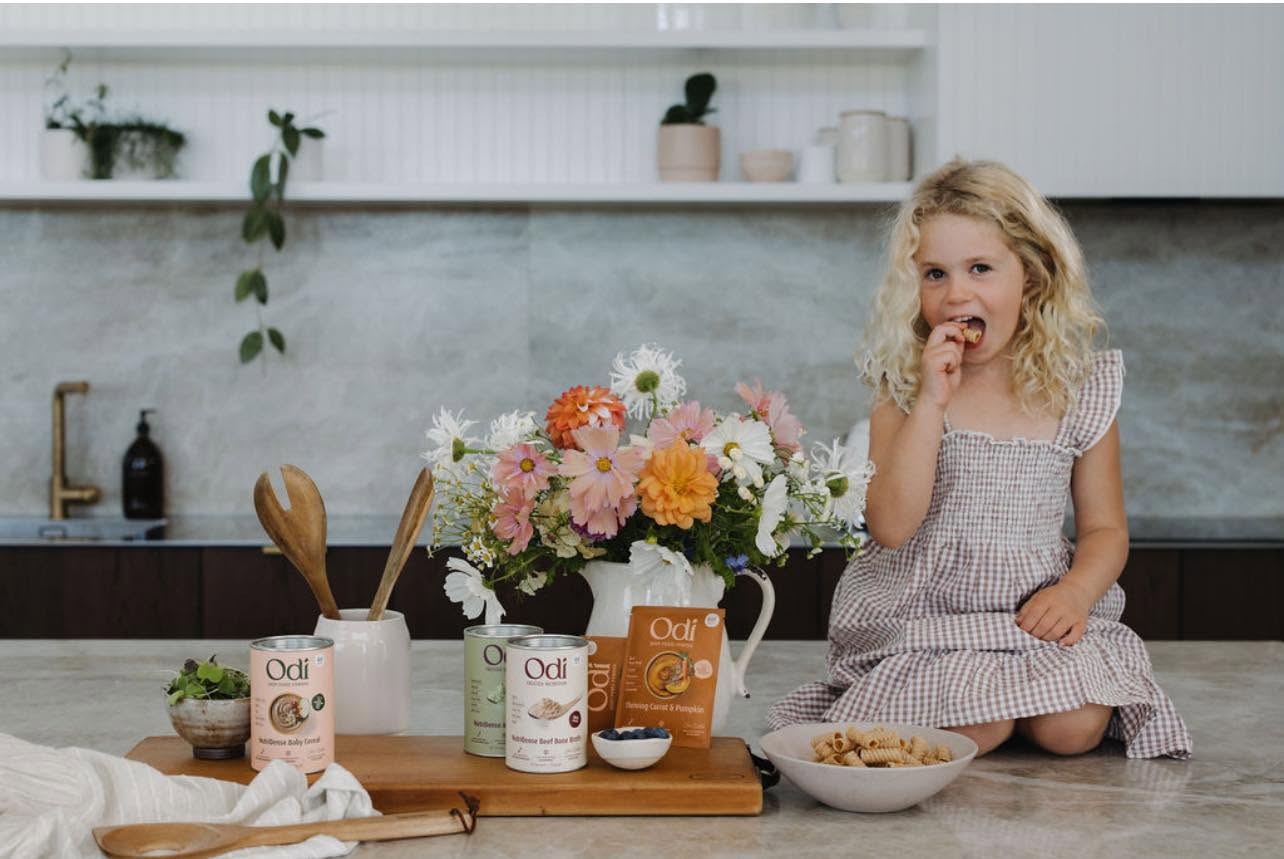
  • New Zealand Children Food Brand Odi Launches Direct Sales in Australia

    New Zealand Children Food Brand Odi Launches Direct Sales in Australia

    New Zealand children’s food maker Odi entered Australia on August 28, 2026. The launch brings direct-to-consumer sales in the brand’s first international expansion outside its home market.

    Domestic retail distribution across New Zealand came first. Now, the company is targeting Australian shoppers through an online-first model.

    Direct Sales Before Supermarket Shelves

    Odi sells directly to households through its website during this initial launch. Later, it plans to secure distribution agreements with nationwide Australian grocery and food retailers.

    This export push tests whether New Zealand brand momentum translates across the Tasman without immediate supermarket placement. Direct shipping builds customer demand data first. That gives the brand use before it negotiates wholesale terms with major supermarket chains.

    Scrutiny on Infant Food Formulations

    Regulators in Australia are paying closer attention to packaged children’s food formulations. Government research found commercial infant and toddler products are major sources of dietary sugar. That finding puts pressure on established FMCG manufacturers to reformulate ranges.

    Retail buyers have responded by reviewing children’s food ranges, opening shelf space for newer independent labels. Direct sales offer New Zealand brands a fast entry point while buyers evaluate these category shifts.

    Odi will run direct fulfillment in Australia while it finalizes retail supply partnerships for a planned nationwide physical store rollout.

  • Asia-Pacific Takes 42.5 per Cent of Global E-Commerce Market Heading to $19.8 Trillion

    Asia-Pacific Takes 42.5 per Cent of Global E-Commerce Market Heading to $19.8 Trillion

    Asia-Pacific captured 42.5 per cent of the global e-commerce market in 2025, leading an industry projected to reach $19.83 trillion by 2035. The worldwide sector stood at $7.65 trillion in 2025 and is tracking toward $8.42 trillion in 2026, driven by mobile internet adoption and direct-to-consumer digital channels.

    China, India, and Southeast Asia anchored the regional share, outpacing North America at 24.3 per cent and Europe at 20.1 per cent. Electronics and media formed the largest single product category globally, generating $1.98 trillion in 2025, while fashion and apparel climbed at an 11.3 per cent annual rate.

    Mobile Checkouts and Direct Sales

    Consumer shift to mobile devices altered checkout dynamics across major platforms. Mobile internet access passed 5.5 billion users in 2025, pushing retailers to redesign storefronts around single-screen purchase funnels. Data from platform operator Shopify showed 73 per cent of transactions took place on mobile devices, helping reduce cart abandonment below 55 per cent.

    Brand-owned direct-to-consumer platforms generated $1.42 trillion in 2025, accounting for 18.5 per cent of total e-commerce revenue. Retailers spent more than $22 billion on artificial intelligence recommendation engines during 2024 to lift conversion rates by 15 to 25 per cent. Marketplace platforms retained the largest transaction volume, with projections pointing to 10.6 per cent annual expansion through 2035.

    For retailers across Asia, these numbers reflect a structural transition from basic marketplace storefronts to proprietary apps and conversational commerce tools. Brands that relied entirely on third-party aggregators five years ago are redirecting capital into unified backends that handle social shopping, mobile web, and offline inventories together.

    Payment Infrastructure and Regulatory Hurdles

    Instant payment networks accelerated transaction volumes throughout emerging markets. India’s Unified Payments Interface processed more than 14 billion transactions monthly by late 2024, while digital wallets accounted for over half of all online payments globally.

    Operating costs and compliance mandates continue to squeeze vendor margins. Last-mile logistics represented 41 per cent of total supply chain expenses, amplified by urban fuel and labor costs. Tightening data protection rules, including India’s Digital Personal Data Protection Act, added compliance expenses equivalent to two to five per cent of digital marketing budgets.

    Cross-border sellers now face tighter platform vetting as international agencies track counterfeit goods, which totaled $509 billion in worldwide trade. The next operational test comes as national customs authorities implement revised digital tax rules across regional trade corridors through 2027.

  • Gamers Clear Inventory for Quake Hit Kumamoto Brewery Tsujun Shuzo

    Gamers Clear Inventory for Quake Hit Kumamoto Brewery Tsujun Shuzo

    Tsujun Shuzo sold out its online inventory of Hotarumaru sake in August after fans of the video game Touken Ranbu placed orders for roughly 600 bottles. The emergency direct-to-consumer surge cleared backlogged stock after a July 28 earthquake halted wholesale shipments and dropped monthly sales of its flagship brew from 1,000 bottles to 120.

    The 256-year-old brewery, located in Yamato in Kumamoto Prefecture, suffered no direct structural damage from the tremor, which reached the maximum seismic intensity of 7 in parts of the prefecture. Commercial demand dried up immediately. Wholesalers stopped buying as tourism halted and regional consumers pulled back on discretionary drinking, while the brewery’s on-site cafe logged cancellations for about 500 guests.

    Wholesale Freezes and Online Surges

    Twelfth-generation owner Yasuo Yamashita, 63, posted on social media platform X in mid-August that bottles of its core junmai ginjo brand, Semi, were stranded in the storehouse. The plea caught the attention of Touken Ranbu players because Tsujun Shuzo also brews Hotarumaru, a junmai ginjo named after a historic Japanese sword that features as a character in the franchise.

    Gamers responded by clearing the brewery’s digital storefront, purchasing between 500 and 600 bottles of Hotarumaru within days. Staff packed each delivery with a printed letter acknowledging that customer orders had freed inventory with nowhere else to go.

    Pop Culture Ties Cushion Regional F&B

    Subculture collaborations and character licensing have become critical safety valves for traditional Japanese food and beverage producers facing shrinking domestic consumption. When local wholesale channels freeze during natural disasters, established pop culture ties give regional craft producers an immediate route to national retail demand without intermediary distributor costs.

    Tsujun Shuzo is now working through its packaging backlog and restocking its online store while monitoring regional wholesale accounts as Kumamoto’s hospitality and restaurant sectors reopen.