Tag: direct-to-consumer

  • Reliance Consumer and DailyObjects Lead Rs 1,343 Crore Indian Retail Funding

    Reliance Consumer and DailyObjects Lead Rs 1,343 Crore Indian Retail Funding

    Reliance Consumer Products committed over Rs 600 crore to build an integrated food park in West Bengal this week, as Indian retail and consumer investments reached Rs 1,343 crore across sectors.

    Lifestyle tech brand DailyObjects secured Rs 332 crore in Series C capital at a valuation of Rs 1,050 crore. The funds will back its physical expansion across India and entry into overseas markets.

    Funding spanned fast-moving consumer goods, home appliances, kitchen fittings, health wellness brands, gourmet foods, and lab-grown jewellery. The split between manufacturing plants and direct-to-consumer expansion shows investors backing factory capacity alongside retail store rollouts.

    Manufacturing push in West Bengal

    In West Bengal, Reliance Consumer Products secured 30 acres in Haringhata, Nadia district, for its new food and beverage hub. The Rs 600 crore project is the first manufacturing asset owned directly by the Mukesh Ambani-led FMCG unit in eastern India. It manufactures and distributes packaged goods, including revived soda label Campa, across regional markets.

    Direct ownership of regional plants cuts freight costs and feeds stock directly into general trade and quick-commerce dark stores. For suppliers and logistics vendors in eastern India, the Haringhata site concentrates processing, packaging, and bottling in a single corridor rather than splitting work across contract packers.

    Since launching its consumer goods unit, Reliance has acquired legacy regional brands and expanded nationwide distribution. Dedicated production in West Bengal creates a regional base to supply eastern and northeastern retail networks without paying interstate freight fees.

    Tech accessories and store expansion

    DailyObjects raised Rs 332 crore through primary and secondary share sales led by Xponentia Capital Partners, Anicut Capital, and Axiom Asia Private Capital. The accessories brand operates roughly 350 touchpoints across India, including exclusive brand outlets and counters inside Apple Premium Reseller stores.

    Management will use the capital to open 150 standalone stores over five years, step up product design, and enter overseas retail channels. The company sells tech accessories, bags, and desk gear online and through third-party brick-and-mortar networks.

    Domestic accessories brands are shifting capital into company-owned stores to lift order values and secure mall retail space. High-street landlords face steady demand from labels seeking customer engagement outside multi-brand discount portals.

    Kitchen appliances and bathroom fittings

    Smart kitchen brand Beyond Appliances raised Rs 110 crore in a Series B round led by Fireside Ventures, with participation from Dharana Capital. It plans to build a new factory, introduce two appliance lines, and expand distribution from four to 14 cities over the next three years.

    Fittings maker Lorazzo completed a Rs 15 crore round led by Sauce, with follow-on funding from Sprout Venture Partners and backing from Panthera Peak and Alteria Capital. Lorazzo will allocate the proceeds to expand product lines, add staff, and broaden distribution across state wholesale and retail markets.

    Capital also flowed into wellness and functional foods. Health and wellness investor NDude Labs committed roughly Rs 28 crore ($3 million) in Series A funding to US-based brand SuperMush, which sells through Amazon, direct channels, and over 2,000 US stores. In India, actor Varun Dhawan bought an undisclosed stake in biofortified staples brand Better Nutrition and signed on as brand ambassador to support sales on quick-commerce apps and direct-to-consumer websites.

    Food brands and lab-grown jewellery

    Smaller rounds closed across food and beverage to build regional retail footprints. Gourmet pizza operator The Dough Therapy secured Rs 5.25 crore in seed funding at a Rs 35 crore valuation in a round led by Michigan Capital Advisors, formerly known as Melwani Finance, with participation from Equiglobe Investment. Zero-sugar mixer label Sober & Co raised Rs 75 lakh from New Ground Collective investors Sunaina Bhattacharya and Anuj Dhariwal.

    In jewellery, lab-grown diamond label Zinara raised Rs 3.61 crore in pre-seed funding led by Inflection Point Ventures, alongside Nine Jewellery, actor Nikita Dutta, and angel investors. Zinara plans to put the capital into supply chain development, marketing, and hiring.

    Beyond Appliances will focus next on site acquisition and equipment orders for its planned manufacturing facility as it prepares to enter 10 additional cities.
  • Tommy Hilfiger Launches Dedicated E-Commerce Platform in India

    Tommy Hilfiger Launches Dedicated E-Commerce Platform in India

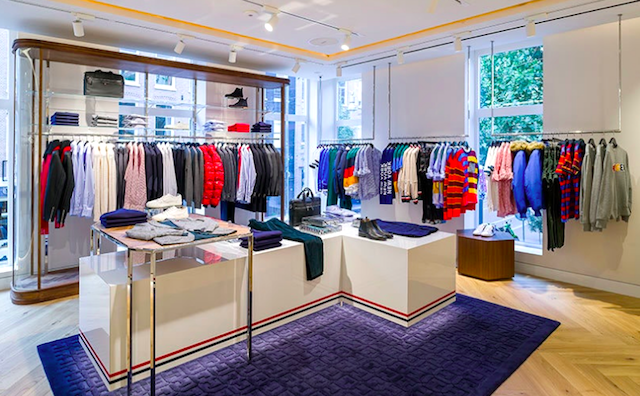
    Tommy Hilfiger launched its official India e-commerce website, in.tommy.com, this week, marking the brand’s first dedicated Tommy.com experience in the country.

    PVH Arvind Fashion Private Limited, the joint venture between PVH Corp and Arvind Fashions, operates the digital storefront alongside the brand’s physical retail network.

    Direct digital channel in India

    The new website gives Tommy Hilfiger direct control over 1 unified channel for customer data, catalog presentation, and promotional pricing in the Indian market. Shoppers gain access to the brand’s complete apparel, footwear, and accessories collections through a single proprietary digital hub.

    Local fulfillment routes through PVH Arvind Fashion’s domestic logistics infrastructure. Orders ship directly across Indian pin codes from warehouses that also supply the brand’s standalone brick-and-mortar stores.

    Shifting away from marketplace dependence

    Premium global apparel brands in India long relied on third-party marketplaces such as Myntra, Tata Cliq Luxury, and Ajio to build digital sales volume. Those platforms deliver footfall, but they compress wholesale margins and limit direct consumer engagement.

    Setting up a proprietary site shifts the economic equation for PVH Corp. Direct-to-consumer sales protect full-price sell-through rates and allow the operator to manage inventory clearance without diluting premium brand positioning.

    Joint venture operational footprint

    Arvind Fashions and PVH Corp have operated their Tommy Hilfiger partnership in India for two decades, building an extensive physical network in Tier 1 and Tier 2 metro hubs. The brand sells through hundreds of retail touchpoints across the country, including company-run stores, franchise doors, and department store shop-in-shops.

    Adding in.tommy.com unifies physical store loyalty programs with online accounts. Customers can access brand-specific promotions, cross-channel returns, and unified customer service through the JV’s centralized system.

    Execution targets and rollout

    Managing direct fulfillment across diverse Indian delivery zones requires tight inventory synchronization between central hubs and physical stores. PVH Arvind Fashion must maintain service speed against domestic e-commerce aggregators that offer same-day delivery in major metros.

    The joint venture will track online conversion rates, average order values, and repeat purchase frequencies as the platform scales across non-metro regions over the coming quarters.

  • Herbalgy Launches 27-Year Campaign in Hong Kong with Keung To

    Herbalgy Launches 27-Year Campaign in Hong Kong with Keung To

    Hong Kong topical pain relief maker Herbalgy Pharmaceutical launched an anniversary retail push on September 16. The promotion features 27 per cent discounts and tiered basket incentives on its direct-to-consumer online store.

    The campaign pairs the brand’s 27th year in business with Hong Kong pop idol Keung To. The singer turns 27 this year.

    Discounts and High-Ticket Spend Tiers

    Shoppers face three volume incentives on the brand’s website. A one-day flash sale cut prices by 27 per cent across the catalogue on September 16. A month-long gift promotion runs through October 15. That offer gives customers an exclusive Keung To merchandise gift on net purchases of HK$430 or more.

    To lift order values among regular buyers, the company added an upper tier requiring a single net spend of HK$2,700. Reaching that threshold yields 27 units of 5 ml portable pain relief products.

    The Direct-to-Consumer Push for Traditional Formulations

    Traditional Chinese medicine makers across Hong Kong face steady pressure to turn pharmacy foot traffic into direct digital accounts. Medicated oils and plasters rely heavily on neighborhood dispensaries. In those physical shops, distributor fees and shelf rental costs squeeze profit margins.

    By partnering with a celebrity ambassador, Herbalgy aims to bypass retail intermediaries and secure higher gross margins. Retaining those buyers after discounts expire remains the central commercial risk. That challenge grows when asking shoppers to spend HK$2,700 on everyday topical remedies.

    Roots in Hong Kong Manufacturing

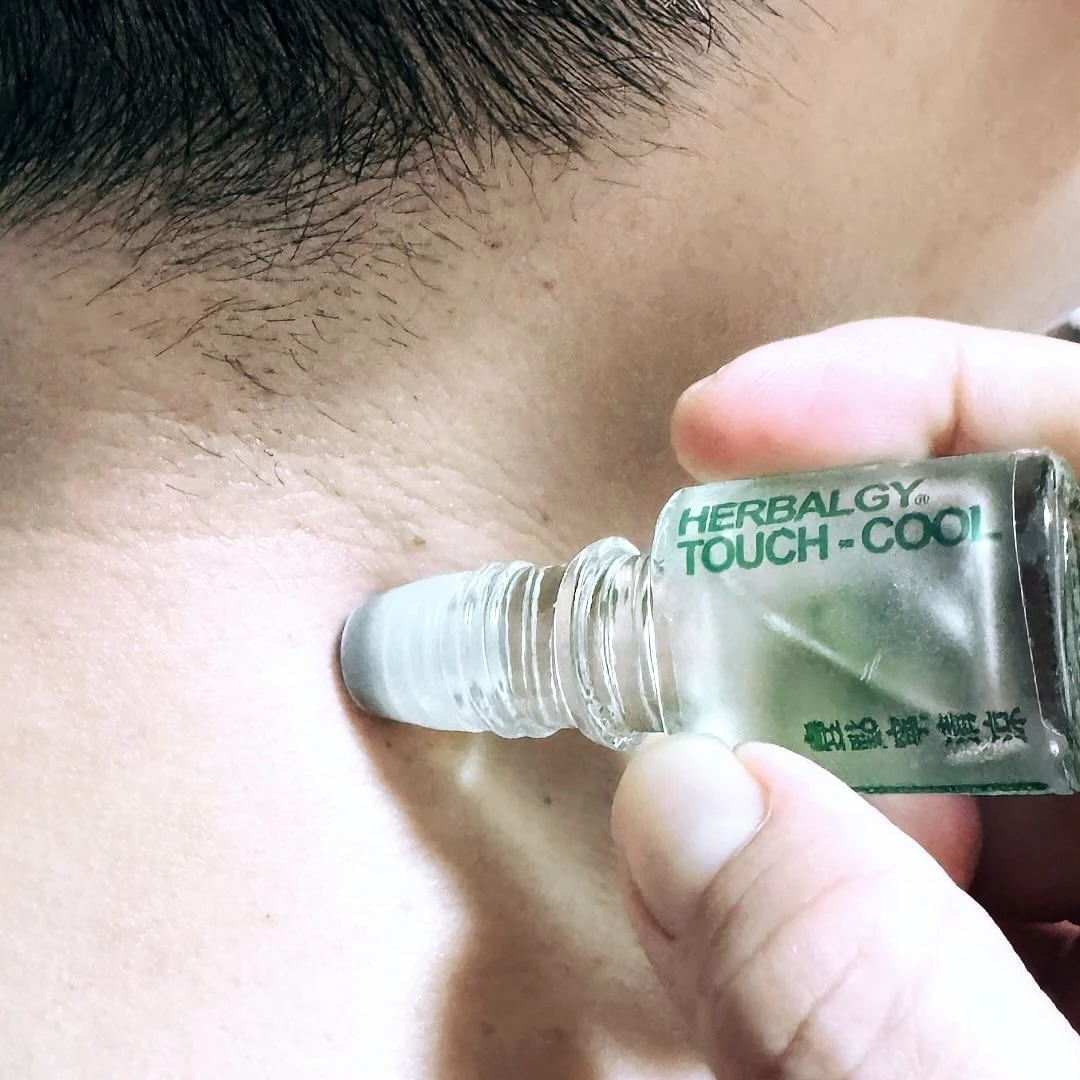
    Chinese medicine practitioner Professor Wong Tin Chee founded Herbalgy in 1999. He built the business on formulas created by his father, medicated oil producer Wong To Yick. Wong set up a Good Manufacturing Practice facility in Hong Kong to make registered proprietary Chinese medicines, later adding brands such as Touch Cool and Tibet Red.

    Digital sales and the Keung To gift promotion continue on Herbalgy’s official storefront through October 15, 2026.

  • Forvr Mood Targets Eight Figures and Eyes Expansion into Australia

    Forvr Mood Targets Eight Figures and Eyes Expansion into Australia

    Fragrance maker Forvr Mood expects revenue to rise by more than 50 per cent this year, crossing into eight figures as it prepares international expansion into Australia.

    Co-founder Denis Asamoah said the brand currently sells across just under 500 Sephora doors in the United States and aims to secure distribution in all chain doors before entering international markets.

    Former finance executive Asamoah launched the business in August 2020 alongside beauty content creator Jackie Aina with roughly $200,000 in startup costs. The label sold 10,000 units within hours of opening its direct-to-consumer site on Aina’s birthday, generating $3 million in sales during its first six months in operation.

    Inventory Lessons and Fragrance Shifts

    Scaling required rapid operational adjustments. The business initially operated out of a 3,000-square-foot space before leasing a 35,000-square-foot warehouse, which management later reduced to a smaller footprint once supply chains stabilized.

    Forecasting remains the core operational hurdle as the brand moves beyond candles into fine fragrance. Following the April 2024 launch of its fine-fragrance collection, Asamoah acknowledged over-ordering production volumes for the ‘Not Your Type’ eau de parfum to prevent the multi-month stockouts that hit earlier product cycles.

    Your influence and your audience may be able to get you your first sale, but without a good product, you are not going to get someone that wants to come and buy again.

    Managing Creator Risk in Retail Channels

    Wholesale buyers across Asia-Pacific evaluate creator-led labels with stricter scrutiny after several high-profile direct-to-consumer brands stumbled on repeat purchasing and wholesale margins. For department stores and specialty beauty chains in markets like Australia, shelf space requires steady replenishment cycles and marketing that reaches consumers outside a creator’s existing digital following.

    Separating the brand identity from Aina’s personal accounts protects the wholesale business from sudden shifts in social media sentiment. Retailers carrying celebrity-backed beauty lines face inventory writedowns when consumer backlash hits a founder, making operational independence a requirement for regional distributors managing multi-market shipments.

    Wholesale Roadmap Ahead

    Forvr Mood began as a candle line designed in four months during pandemic lockdowns before securing shelf space in Sephora’s North American network. The company spent the subsequent four years refining logistics and product formulation ahead of its 2024 fine-fragrance rollout.

    Management is now preparing to pitch the brand to Sephora at Kohl’s locations across the United States. Retail negotiations for overseas distribution in the United Kingdom, Australia and the Middle East will follow as the company completes its domestic store rollout.

  • Oksana Stakhovych Launches Mia Coosh in Australia’s $22 Billion Pet Market

    Oksana Stakhovych Launches Mia Coosh in Australia’s $22 Billion Pet Market

    Melbourne founder Oksana Stakhovych launched Mia Coosh in October 2025, targeting Australia’s $22 billion pet industry with vegan microfibre leather accessories.

    Stakhovych created the brand to challenge mass-market pet accessories that typically rely on standard nylon webbing, plastic buckles, and bovine leather.

    Designing for Premium Pet Owners

    Stakhovych spent more than a year prototyping the range before going live, testing hardware weight, strap placement, and fit on small and medium dog breeds across parks, beaches, and varied weather conditions.

    Her background spans e-commerce, online retail operations, and business administration. That operational experience shaped the fulfilment setup, customer service protocols, and digital storefront ahead of launch.

    Animals should not wear animals. At the same time, I did not want to compromise on quality.

    Microfibre leather replaced animal hides to keep the gear lightweight, water-resistant, and durable for everyday urban use.

    The Direct-to-Consumer Model in Australia

    Australia ranks among the highest pet-ownership markets in the Asia-Pacific region. High ownership rates drive premium spending across food, healthcare, and lifestyle accessories. Specialty pet chains and supermarkets dominate staple goods, but higher-margin accessories increasingly sell through independent digital channels.

    Mia Coosh bypasses wholesale middlemen to capture full retail margins on its smaller initial production runs. Competing against established global pet lifestyle brands requires tight control over unit economics and paid customer acquisition costs.

    Embedded Charity Allocations

    A permanent revenue share is built directly into transaction processing. A fixed portion of every customer purchase goes to registered Australian animal rescue organisations to fund rehabilitation and rehoming work.

    Setting up the donation mechanism at checkout replaces periodic promotional campaigns. The structure integrates charitable allocations into baseline cost of goods sold from the initial operating date.

    Expanding the Sizing Line

    The venture originated in October 2025 after trials on Stakhovych’s toy poodle revealed a lack of ergonomic, lightweight harnesses for smaller dogs. Development work throughout 2024 centered on refining buckle hardware and strap proportions before committing to manufacturing runs.

    Mia Coosh is monitoring order volume across Australian capital cities while evaluating broader accessory lines and additional dog sizing tiers for subsequent inventory cycles.

  • SKIMS Opens Flagship Store at Times Square in Hong Kong

    SKIMS Opens Flagship Store at Times Square in Hong Kong

    SKIMS opened a flagship store at Times Square in Hong Kong, establishing a dedicated physical location in one of the city’s busiest shopping destinations. The opening brings the brand’s core shapewear, loungewear, and apparel lines directly to local shoppers in Causeway Bay.

    Causeway Bay Footprint

    The Times Square location anchors the brand’s direct retail operations in Hong Kong. By securing floor space in a prime commercial mall, the company shifts from wholesale and regional e-commerce fulfilment toward standalone branded storefronts that handle higher foot traffic.

    Shoppers gain direct access to the full product catalogue across sizing ranges and seasonal collections. Physical fitting and immediate inventory availability remain central to the store format, addressing sizing demands that online channels cannot replicate.

    Expansion Across Regional Hubs

    Western direct-to-consumer labels continue to target top-tier retail properties across Asia to capture resilient domestic consumer spending. Hong Kong remains a testing ground for international fashion brands gauging appetite before committing to broader rollouts across mainland China and Southeast Asia.

    Retail property managers in Causeway Bay have adjusted tenancy mixes over the past two years, replacing legacy luxury concessions with high-engagement lifestyle and specialty apparel names. Mall operators look to these direct-to-consumer openings to lift younger demographic footfall and weekday mall conversion rates.

    Attention turns to foot traffic numbers and sales productivity per square foot through the opening quarter, alongside any future site announcements across Greater China.

  • Rose All Day Cosmetics Secures US$5.41 Million Series A Round

    Rose All Day Cosmetics Secures US$5.41 Million Series A Round

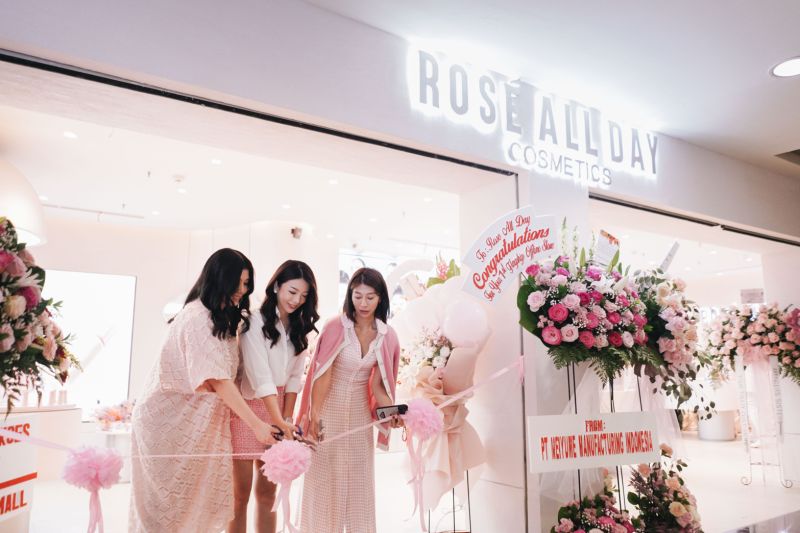
    Indonesian beauty brand Rose All Day Cosmetics raised US$5.41 million in a Series A funding round to finance its retail rollout and product line expansion. The company secured the financing as local cosmetics makers push for larger shares of Southeast Asia’s beauty and personal care market.

    The direct-to-consumer label plans to deploy the capital toward scaling its omnichannel retail footprint, improving product formulation pipelines, and bolstering distribution infrastructure across regional retail channels.

    Capital for regional distribution

    Founded to offer accessible daily beauty and skincare products, the brand built its initial customer base through online channels before expanding into physical retail counters, department stores, and beauty specialty chains. Direct-to-consumer beauty brands across Indonesia increasingly rely on physical shelf space to protect margins against rising digital acquisition costs.

    Offline distribution networks remain essential for consumer conversion in Southeast Asia, where physical storefronts and modern trade outlets still generate the bulk of personal care purchases. Securing shelf space in multi-brand retail chains gives local brands immediate access to foot traffic outside major metropolitan centres.

    Direct brand competition in Southeast Asia

    Venture investors continue backing local beauty startups in Indonesia, betting that domestic brands can defend domestic market share against legacy multinational operators. Similar consumer brand funding rounds across the region have targeted supply chain localization and regional export capabilities into neighbouring markets such as Malaysia and Vietnam.

    RetailNews Asia tracking shows that homegrown beauty labels in Jakarta face steepening competition for floor space in premium shopping malls and modern trade outlets. The next operational test for Rose All Day Cosmetics will be proving its unit economics across physical retail partners while managing regional inventory rollouts.

  • Indian Digital Beauty Brands Face Margin Squeeze as Offline Push Costs Mount

    Indian Digital Beauty Brands Face Margin Squeeze as Offline Push Costs Mount

    India’s digital beauty startups face steep margin pressure as marketing costs jump past 50 per cent of revenue once annual sales cross ₹200 crore ($21 million).

    Offline retail accounts for 75 to 80 per cent of the country’s beauty and personal care market, forcing online-native brands into capital-heavy physical store networks to sustain growth.

    Mobile data costs in India dropped from roughly ₹200 ($2) to under ₹9 ($0.09) per gigabyte over recent years, bringing over 800 million consumers online and giving early direct-to-consumer operators cheap customer acquisition. That easy digital runway hits an initial wall at ₹100 crore ($10.4 million), according to an industry analysis by Kearney.

    Past the ₹200 crore mark, acquiring incremental shoppers turns expensive. Heavenly Secrets, the owner of Pilgrim, allocated 57 per cent of its revenue to advertising and promotion, while Bad Habit Mediacorp spent 55 per cent and Foxtale Consumer directed 53 per cent into marketing.

    The Omnichannel Hurdle

    Scaling past ₹600 crore ($63 million) requires building direct distribution across India’s 50 largest cities, an effort that takes 12 to 18 months before turning profitable.

    Larger operators manage to rein in promotion costs once they establish physical store footprints. Brands generating more than ₹400 crore ($42 million) typically trim marketing expenditure to between 30 and 36 per cent of sales.

    Honasa Consumer reached profitability in 2024 by generating 36 per cent of its revenue offline against 59 per cent online, keeping its marketing spend at 36 per cent. Mosaic Wellness also capped ad spending at 36 per cent, while Plum owner Pureplay Skin Sciences ran at 35 per cent and Minimalist parent Uprising Science spent 34 per cent.

    Enterprise Restructuring and Buyouts

    Operating at scale forces startups to overhaul management structures in favour of enterprise executives, including chief revenue officers who understand fragmented wholesale networks and senior supply chain directors.

    Software investments also shift away from basic ad trackers. Companies take six to nine months to deploy unified customer data platforms that combine offline point-of-sale receipts with web data, alongside algorithmic demand planning systems.

    Across Asia, online-born brands in South Korea and China faced the same reckoning when digital customer acquisition matured, eventually turning to department stores and pharmacy chains to protect volume. For Indian founders, Kearney said the organic playbook stops working once revenue approaches ₹1,000 crore ($104 million).

    Expansion at that threshold shifts toward mergers and acquisitions to buy physical retail routes and specialised research facilities outright, setting up a consolidation phase among the country’s largest personal care independents.

  • Izipizi Makes Stylish Strides in Japan with Debut of First Direct-to-Consumer Store

    Izipizi Makes Stylish Strides in Japan with Debut of First Direct-to-Consumer Store

    French eyewear retailer Izipizi has expanded its operations to Japan, launching its initial directly managed brick-and-mortar shop. This marks the company’s first in-person venture in the Japanese market. The store is strategically situated on Cat Street, which falls in the busy axis between the Shibuya and Harajuku districts of Tokyo.

    Establishing Presence in a Fashion Hub

    Cat Street was selected due to its repute as a central hub for fashion, design, and lifestyle – factors that align with Izipizi’s brand image. This new store supplements the brand’s already established presence in Japan, which has been upheld by a network of chosen retail partners distributing its products since 2012.

    The newly opened boutique showcases a variety of the brand’s eyewear collections. This includes the ‘Sun’, ‘Reading’, ‘Kids’, ‘Active’, and ‘Screen’ ranges. Furthermore, it stocks models that have been specifically designed to cater to the Japanese market, featuring light-tinted and photochromic lenses.

    Izipizi’s Expansion Goals

    This launch signifies Izipizi’s robust presence in Japan and further underscores the company’s ambitions for growth in this market. The French brand, which started its journey in Paris in 2010 under the name See Concept, rebranded to Izipizi in 2017. It focuses on non-prescription, ready-to-wear eyewear.

    Questions & Answers

    What is the significance of the location of Izipizi’s first directly operated store in Japan?
    The store is strategically located on Cat Street, between Shibuya and Harajuku districts, which are known as a fashion, design, and lifestyle hub in Tokyo.

    What types of eyewear does the new Izipizi store stock?
    The store stocks a variety of collections from the brand, including ‘Sun’, ‘Reading’, ‘Kids’, ‘Active’, and ‘Screen’, along with models that have been specifically developed for the Japanese market.

    What is Izipizi’s origin and speciality?
    Izipizi was founded in Paris in 2010 as See Concept. It was later rebranded to Izipizi in 2017. The brand specializes in non-prescription, ready-to-wear eyewear.