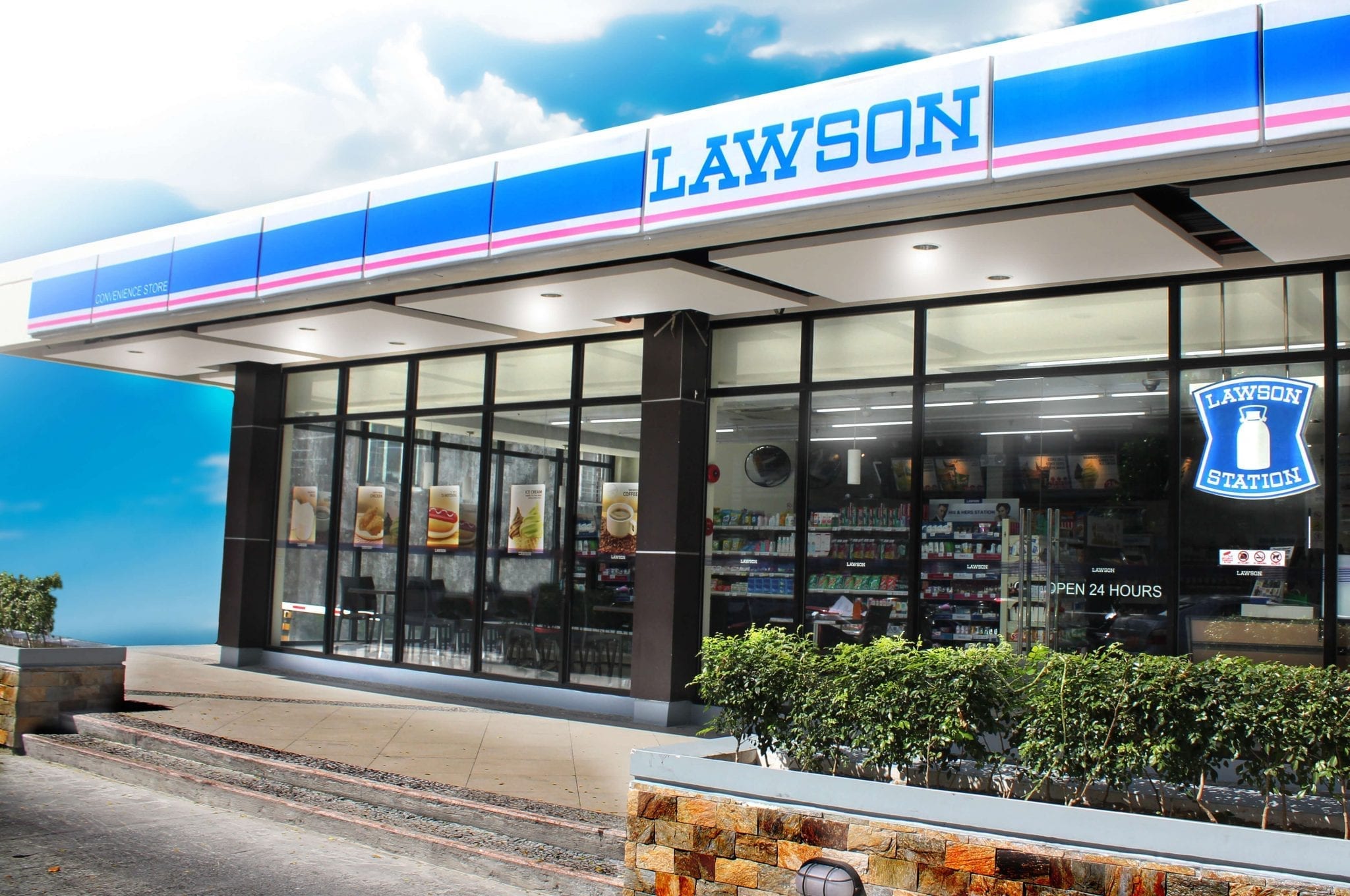
Lawson opened its first mobile trailer-style convenience store on August 27 at Ebina Sports Park in Kanagawa Prefecture, deploying a 33.60-square-meter unit designed for underserved sites and disaster zones.
The pilot operates through March 31 as the retail chain evaluates commercial viability beyond standard brick-and-mortar storefronts.
Measuring 12.2 meters long, the trailer provides roughly one-fifth the space of a standard Lawson branch and carries about 500 items, including bento, onigiri, fried foods, desserts, drinks, and daily necessities. An attached 6.1-meter kitchen and office module handles hot-food preparation on site.
Inside the mobile floorplan
Space constraints forced hardware trade-offs. The trailer operates without standard network fixtures such as automated teller machines, multi-function copy machines, or Lawson’s Loppi ticketing terminals.
Operating economics without permanent leases
Deploying standalone retail boxes on wheels lowers fixed property development costs and bypasses commercial leasing friction. Japanese convenience chains face heavy urban real estate competition and rising build-out costs for standard brick-and-mortar storefronts.
For operators, the mobile setup tests a flexible inventory footprint in public recreation areas, commercial parks, and transport interchanges where permanent buildings face zoning restrictions. The risk lies in unit economics. Stripping out high-margin administrative services like ticketing, bill payments, and cash machines limits the basket to immediate food and drink purchases.
Disaster deployment and emergency logistics
Emergency readiness anchors the trial design. Because technicians can hitch and relocate the trailer quickly, Lawson plans to evaluate the structure as a field response unit during disasters such as earthquakes.
Major convenience chains serve as designated civil infrastructure points in Japan during natural disasters. Mobilising fully equipped prep kitchens into severed distribution corridors creates a direct supply line for municipal authorities and local communities.
Target dates for the Ebina test
The Kanagawa experiment builds on sector efforts across Japan to crack micro-footprints and unstaffed satellite retail. Competitors have largely tested autonomous checkout kiosks inside office towers and train platforms to trim labour expenses.
Lawson is testing physical portability instead. Operating data collected at Ebina Sports Park through March 31 will decide whether Lawson commissions additional trailer units for seasonal deployments and prefecture-level civil protection reserves.