Tag: discount retail

  • Aldi to Reach 150 China Stores by End of 2026

    Aldi to Reach 150 China Stores by End of 2026

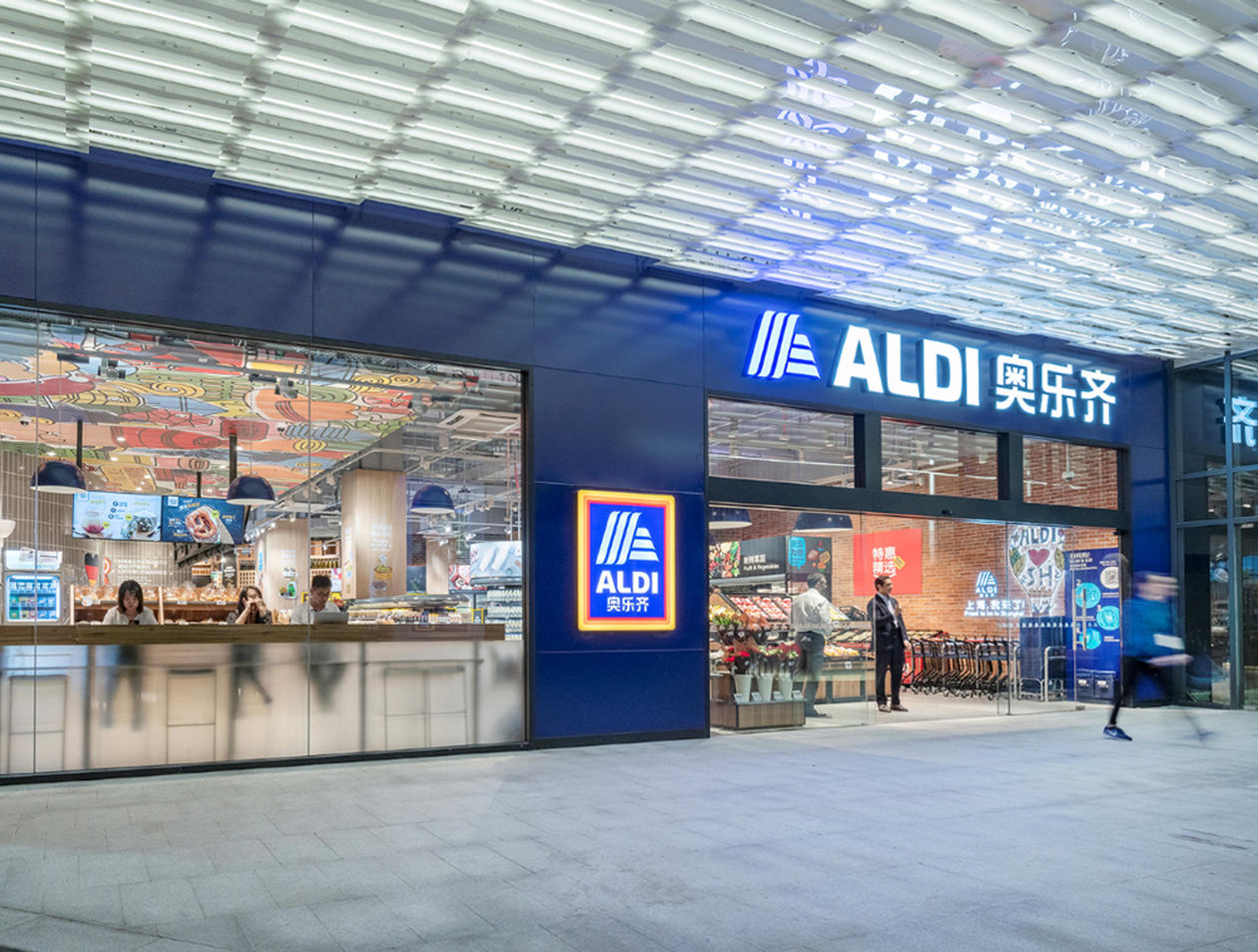
    Aldi is doubling its store expansion pace in China to reach 150 outlets nationwide by the close of 2026. The German hard-discount chain expects to launch around 60 locations this year, roughly twice its annual total from earlier years, China chief executive Jacqueline Chen said in an interview published this week.

    Expanding from Shanghai into Jiangsu

    The company operates more than 70 stores in Shanghai and over 50 across the southern region of Jiangsu province. Most locations run on a compact footprint of roughly 1,000 square meters, carrying about 2,000 stock-keeping units. Over 90 percent of those goods are private labels, allowing the retailer to bypass third-party distributors and strip out wholesale markups.

    To support that density, Aldi recently brought online its third major warehouse in East China, located in Nanjing. Supply chain capacity must be built before entering a new market, Chen said, pointing out that the distribution hub will let the company launch regional branches faster while balancing logistics costs, speed and inventory resilience.

    The Psychology of the Ten Yuan Anchor

    Price architecture drives the operational model. Between a quarter and a third of all products on Aldi shelves in China sell for less than CNY10 (USD1.49). Merchandise buyers identify the band between CNY9.90 and CNY12.90 as the critical psychological threshold to secure impulse basket additions, with shopper conversion dropping steeply once single-item pricing crosses CNY13.

    Domestic rivals including Kinglomo, Mart Fresh and Sanjiang Shopping Club are competing aggressively around the same ten-yuan price point. Across Chinese retail, discount formats and membership warehouse clubs remain the sole grocery models gaining share in an otherwise strained consumer environment. Warehouse clubs serve mid-to-high-income households buying in bulk, leaving discount supermarkets to mop up high-frequency foot traffic with low-cost daily necessities.

    Supplier Margins and Format Risk

    Aldi is betting that intense urban density inside the Yangtze River Delta can insulate it from the deflationary price battles hurting conventional hypermarkets. Big-box grocery chains across eastern China have struggled with large physical footprints and costly vendor fees, creating opportunities for smaller neighborhood stores. By leaning on local manufacturing for proprietary labels, the chain protects gross margins that traditional grocers lose to national brand allowances.

    The risk sits in category depth and supplier stickiness. Regional domestic operators have copied the limited-assortment private-label model with faster localized sourcing cycles, while suppliers face shrinking margins under Aldi’s cost-plus purchasing contracts. If identical ten-yuan staple goods saturate local wet markets and convenience chains, retaining customer traffic will require constant product rotation rather than price cuts alone.

    Building Out East China Footprint

    Aldi entered the Chinese mainland market in 2019, initially using cross-border e-commerce before setting up physical neighborhood locations across Shanghai. Over the subsequent five years, it calibrated its assortment from imported European specialty foods toward domestic hard discount, steadily pushing out of Shanghai’s central wards into secondary cities across Jiangsu.

    The immediate benchmark is the completion of the 2026 expansion schedule, which requires delivering the remaining pipeline of the planned 60 openings to hit the 150-store fleet total before the close of December.
  • Japan Home Centre Accepts Onions as Payment for up to 3 Items

    Japan Home Centre Accepts Onions as Payment for up to 3 Items

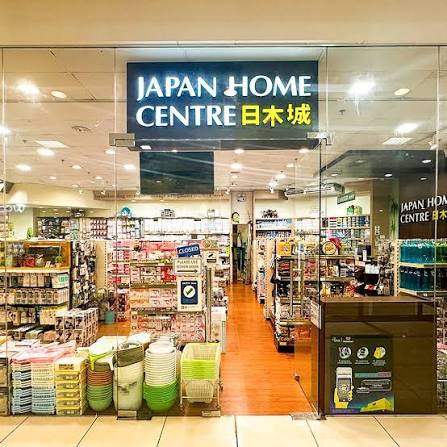
    Japan Home Centre held its “Pay with Sibuyas” campaign on Saturday, February 4, allowing customers to use onions as payment at its Panay Avenue branch in Quezon City.

    Under the one-day promotion, shoppers could swap one onion in exchange for a selected in-store product, with a maximum of three items allowed per purchase.

    How the barter checkout functioned

    The retail store accepted all kinds of onions for select merchandise, and Japan Home Centre stated that all collected onions would be given to a community pantry that provides free food for those in need.

    Management routed every bulb into a local community pantry network that distributes free food to low-income residents across Quezon City. The retailer absorbed the inventory cost directly as promotional expense and community assistance.

    The economics of grocery marketing gimmicks

    Barter promotions let general merchandise chains convert regional supply bottlenecks into customer foot traffic without cutting sticker prices across their wider assortment. Non-grocery discount stores step into the gap when everyday food staples turn into luxury commodities.

    Financial exposure stays low because the retailer caps redemptions at three units per shopper. The chain also limits eligible SKUs to high-margin, low-cost plastic ware and kitchen sundries. These stunts generate sudden foot-traffic spikes for mall landlords and retail neighbors, but conversion into cash-paying shoppers across regular aisles stays modest once promotional stock runs out.

    Wholesale price surges and infrastructure gaps

    Domestic retail prices for onions across Metro Manila wet markets and supermarkets reached 700 pesos per kilo in December 2022. That was roughly eight times higher than the global average of 1.54 dollars, or about 84.87 pesos, per kilo recorded across 89 tracked countries.

    Delayed import clearances and chronic storage deficits across agricultural provinces in Luzon triggered the domestic spike. Local farmers dumped bumper crops during harvest months without refrigerated warehouse capacity. That left urban retail distribution chains exposed to severe shortages and price spikes later in the crop cycle.

    Supply controls and import volumes to monitor

    Agricultural agencies have since scheduled off-season import shipments and started inspections of provincial cold storage facilities to stabilize retail distribution costs. Retail buyers across Metro Manila now watch whether wholesale farmgate prices drop back toward the baseline of 100 pesos per kilo before the next domestic harvest enters wholesale depots.

  • Asung Daiso Approaches 5 Trillion Won in Sales on Budget K-Beauty Surge

    Asung Daiso Approaches 5 Trillion Won in Sales on Budget K-Beauty Surge

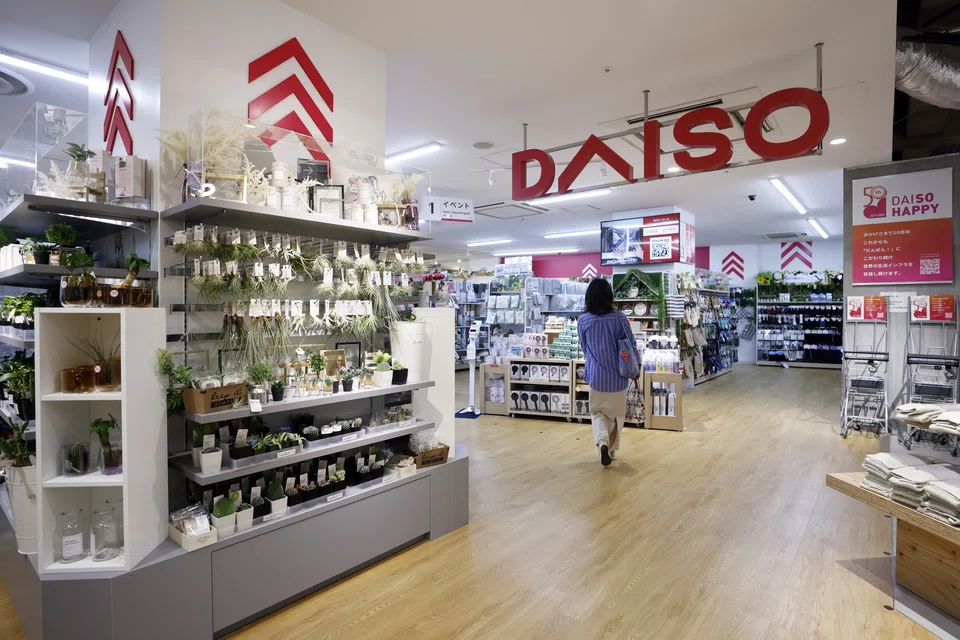
    Asung Daiso is nearing 5 trillion won ($3.7 billion) in annual revenue in South Korea. Overseas tourists are flocking to its downtown outlets for low-cost cosmetics and travel essentials.

    Total sales reached 4.54 trillion won last year, up from 2.6 trillion won in 2021. Growth came from a strict 5,000-won price ceiling alongside dedicated skincare and makeup lines.

    Foreign card transaction values doubled year-on-year across the first eight months of 2026. That followed overseas card spending growth of 130 percent in 2023, 50 percent in 2024 and 60 percent in 2025, led by central tourist locations.

    Expanding From Seven Brands to 170

    Its beauty catalogue grew from seven brands and roughly 120 stock-keeping units in 2022 to approximately 170 brands and over 1,900 products this year. Category sales jumped 50 percent in 2022, 85 percent in 2023, 144 percent in 2024 and 70 percent in 2025.

    Every item across the store network sells for between 500 won and 5,000 won. To meet that retail cap, major cosmetics manufacturers supply modified formulations and smaller unit packages.

    Daiso merchandizers have excellent taste in selecting products of high enough quality that can meet the customer’s expectations while keeping them at very low prices.

    Cosmetics now rank as the single highest-selling category at the Myeongdong Station store in central Seoul. Dedicated space on the second floor captures footfall from inbound Asian and Western travelers.

    Rivalry With Olive Young and Musinsa

    That cosmetics push challenges health and beauty leader CJ Olive Young and fashion platform Musinsa. Olive Young built a nationwide network around mid-tier and prestige domestic skincare. Musinsa opened a beauty-dedicated store in Seoul’s Hongdae district to draw younger apparel shoppers.

    The retailer targets the bottom tier of that market entirely for itself. Its 5,000-won price ceiling captures entry-level consumers and tourists buying small jars, sheet masks and serums as low-risk souvenirs.

    Margin compression remains the primary risk. Fixed dollar-store price caps during prolonged supply-chain inflation force suppliers to cut packaging costs to the bone, leaving little buffer if raw ingredient prices climb.

    First Beauty-Only Format in Eastern Seoul

    In August 2026, Daiso opened its first beauty-dedicated store near Konkuk University in Gwangjin-gu, eastern Seoul. The outlet replaces traditional homeware and hardware aisles with shelf space for personal care, cosmetics and accessories aimed at university students and local residents.

    Five consecutive years of top-line expansion made that test possible. Annual revenue climbed from 2.95 trillion won in 2022 to 3.46 trillion won in 2023 and 3.97 trillion won in 2024 before breaking past 4.5 trillion won.

    Management is now tracking full-year 2026 revenue against the 5 trillion won threshold while evaluating whether to replicate the Konkuk University format across other tourist-heavy metro stations in Seoul and Busan.

  • Dollarama Australia Sales Reach $185.7M as Conversion Losses Widen

    Dollarama Australia Sales Reach $185.7M as Conversion Losses Widen

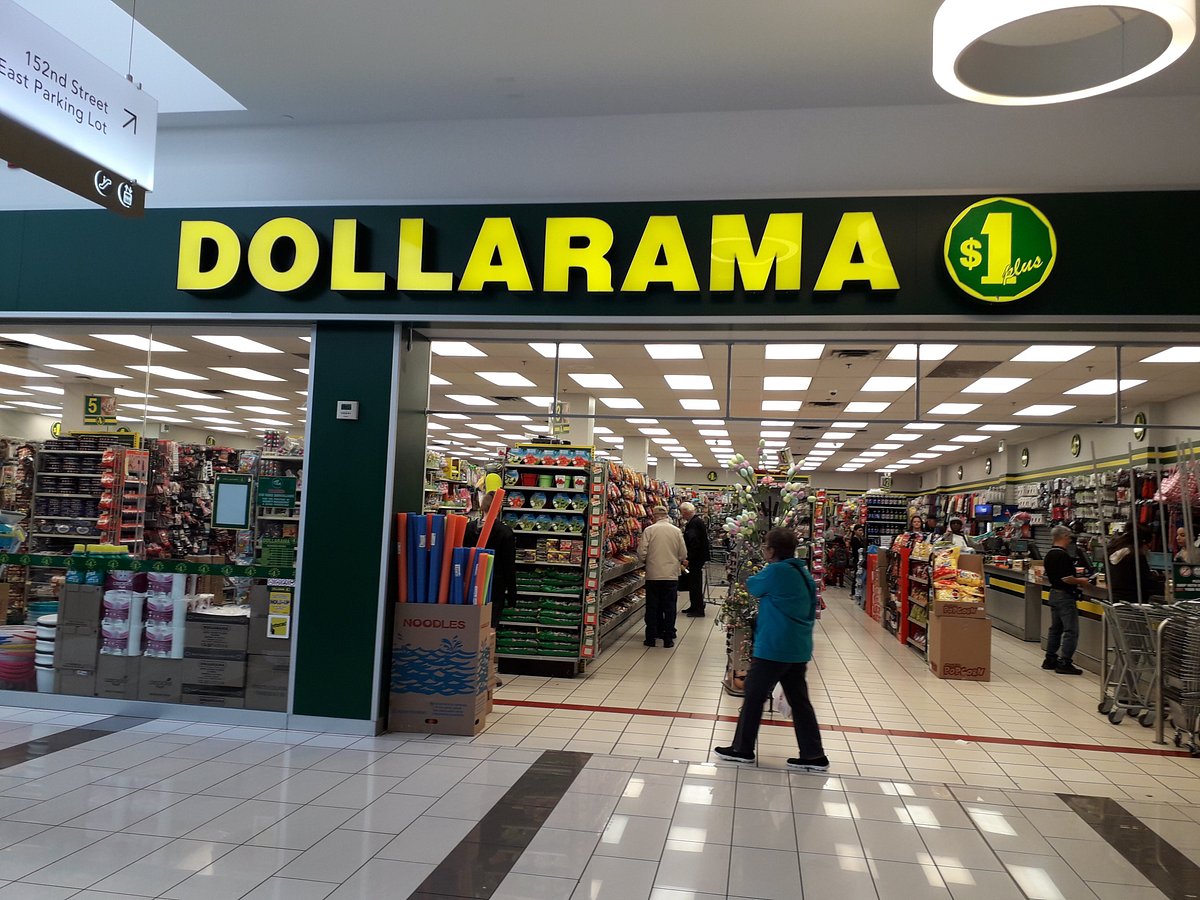
    Dollarama Australia posted a second-quarter net loss of $13.7 million for the period ended August 2 as costs from overhauling its local retail network accelerated.

    Sales rose to $185.7 million across 414 locations, up from $262,400 in net loss and a fraction of revenue a year earlier when accounts reflected only 13 days of ownership.

    Refitting The Reject Shop Network

    The Montreal-based value retailer took full control of The Reject Shop last July to establish a direct operating bridgehead in the Asia-Pacific region. Integrating those assets requires extensive capital work inside existing retail footprints.

    During the quarter, the company renovated 25 stores and opened four net new sites across the country. That pushed the total number of Australian locations operating with Dollarama standard layouts and fixtures to 60.

    Discount Margins Face Upfront Outlays

    Refurbishing discount outlets at speed exposes margins to immediate friction. Fit-out costs, supply chain realignment and temporary store disruption hit operating profit before new merchandising yields higher basket sizes.

    Rival value generalists in Australia operate lean supply chains and defend established suburban leases aggressively. Dollarama is betting that higher product density and proprietary sourcing can offset the conversion drag across its remaining 354 legacy stores.

    Full Year Loss Forecast

    The company acquired The Reject Shop in July 2025 to secure an instant national retail footprint rather than building real estate step by step. That transaction gave the Canadian group 414 operating sites across suburban centres and strip malls.

    Dollarama confirmed it expects the Australian business to remain loss-making for the entire fiscal year as refits continue across the balance of the 414-store fleet.

  • 3Coins Debuts in Taiwan with 370-Square-Metre Store in Taipei

    3Coins Debuts in Taiwan with 370-Square-Metre Store in Taipei

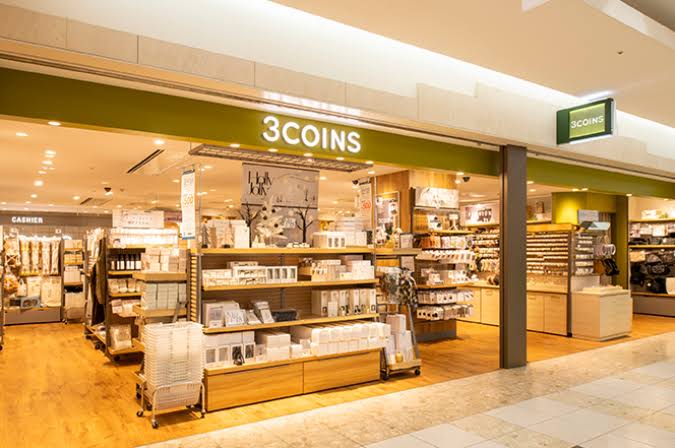
    Japanese variety store chain 3Coins has debuted in Taiwan with a 370-square-metre store in Taipei, following brand sales of 80.94 billion yen ($523 million) in the year ended February.

    Located inside Eslite Spectrum Wuchang in the Ximending retail district, the outlet stocks standard lifestyle lines alongside products tailored for local shoppers.

    The Franchise Model Behind the Launch

    Parent company PAL Group uses Hong Kong-based Yaichi Group as its master franchisee to take 3Coins outside Japan. For the Taiwan rollout, Yaichi partnered with FullSynergy New Retail, an e-commerce unit under telecom carrier Taiwan Mobile Group.

    Their joint model pairs physical department store space with a dedicated online store. FullSynergy handles local operations, digital marketing, and loyalty integration across Taiwan Mobile’s customer base to encourage repeat visits.

    Tapping Taipei’s Crowded Japanese Retail Market

    Taiwan offers a proven market for Japanese discount retailers, but competition in central Taipei is fierce. Established chains like Daiso, Don Don Donki, and Nitori already occupy prime sites across major transit corridors and shopping malls.

    Setting up in Ximending puts 3Coins in front of young shoppers and tourists. Connecting with Taiwan Mobile gives the brand immediate omnichannel reach that traditional brick-and-mortar imports often spend years building.

    PAL Group Builds on Hong Kong Momentum

    The Taipei opening follows 3Coins’ first overseas push into Hong Kong last year, where Yaichi also runs the store network. Founded in 1994, 3Coins sells homeware, kitchen goods, and small electronics priced around 300 yen in Japan.

    Variety retail remains PAL Group’s main engine. Division sales rose 14 per cent in the financial year ended February, easily outpacing the group’s legacy apparel business.

    Next, Yaichi and FullSynergy must scale the concept beyond the Ximending flagship into secondary shopping hubs across New Taipei, Taichung, and Kaohsiung.

  • Lopia Expands into Chugoku with Hiroshima Store Opening

    Lopia Expands into Chugoku with Hiroshima Store Opening

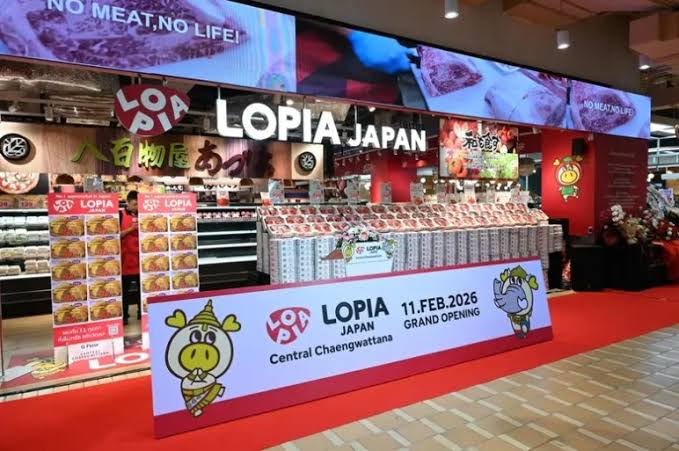
    Discount supermarket chain Lopia has entered Japan’s Chugoku region with store openings across Hiroshima and Yamaguchi prefectures. The expansion intensifies pricing pressure on established regional grocery operators.

    The Kawasaki-based chain opened its first outlet in the Chugoku-Shikoku district in April at the Hiroshima Pacela shopping complex in Hiroshima’s Naka Ward. Shopper traffic at the location remained heavy through September. Steep discounts on everyday food staples drove the crowds.

    Expansion across western Japan

    Lopia built its reputation on meat-led merchandising and aggressive discount pricing. The operating model relies on high turnover to offset thin margins. Bringing that footprint into Hiroshima and Yamaguchi takes the company directly into territory long defended by regional supermarket chains.

    Regional grocers in western Japan are responding by overhauling fresh-food assortments and restructuring operational costs. Several operators have deployed leaner store formats. That allows them to defend sales volumes without matching Lopia dollar-for-dollar on commodity pricing.

    Incumbent grocers rework store formats

    Mall landlords see high-volume food discounters like Lopia as dependable traffic drivers while discretionary retail spending faces pressure. At Pacela, the anchor tenant shows how commercial real estate operators are replacing traditional department-store tenancies with daily-necessity grocers.

    Local supermarket operators face direct margin compression. Incumbents cannot easily match Lopia’s buying scale across packaged goods. That leaves them reliant on local sourcing relationships, prepared meals, and perishables to protect basket size.

    Fresh food versus deep discounting

    This Chugoku push follows Lopia’s multi-year geographic rollout across Japan. The chain previously expanded from its base in the Kanto region around Tokyo into Kansai and Kyushu. Each regional move followed the same playbook: enter a central urban retail complex, then spread into surrounding suburbs.

    Competitors across Hiroshima and Yamaguchi are tracking how quickly Lopia adds follow-up sites in the region. The critical test comes with year-end trading, when regional grocers will see whether footfall at the Pacela flagship stabilizes or keeps pulling shoppers away from neighborhood stores.

  • Chinese Shoppers Ditch Supermarkets for Small Community Stores

    Chinese Shoppers Ditch Supermarkets for Small Community Stores

    Chinese consumers are ditching traditional supermarkets in favour of small neighbourhood community stores that offer low prices and instant delivery services.

    In Guangzhou, 20-something shopper Cindy Wang now stops by a local community store after work, finding it cheaper than a standard supermarket and better stocked than convenience chains like 7-Eleven.

    Discount Pricing at the Doorstep

    On an early September evening, Wang bought a bottle of milk for 7 yuan (US$1), a beer for 2.5 yuan, and mangoes priced at 10 yuan per kilogram at the newly opened outlet near her home.

    These residential outposts carry a wider assortment of fresh produce and pantry goods than traditional convenience chains like 7-Eleven. They also eliminate the commute and layout friction associated with sprawling edge-of-town hypermarkets.

    Pressure Mounts on Hypermarket Operators

    Traditional big-box chains across mainland China face structural headwinds from this shift. Large hypermarkets built on multi-tier lease models and high supplier listing fees cannot easily match the ultra-lean operating costs of ground-floor residential shops. For commercial real estate landlords, shrinking footfall at anchor supermarket tenants weakens foot traffic across entire suburban retail developments.

    Instant-delivery networks also shift bargaining use toward smaller operators. Neighbourhood storefronts function simultaneously as walk-in retail units and micro-fulfilment hubs, cutting last-mile delivery times down to minutes without the capital expense of dedicated dark stores.

    The Next Front in Grocery Competition

    The transition follows years of aggressive online penetration by instant grocery apps and group-buying platforms across major metropolitan areas. As consumer spending turns more value-conscious, physical proximity and clear price transparency carry greater weight than brand loyalty.

    Retail operators now race to secure high-density residential leases across southern China to protect market share before legacy grocery chains can reconfigure their floor space.

  • Sheng Siong Wins Singapore Affluent Shoppers as Consideration Jumps to 52 per Cent

    Sheng Siong Wins Singapore Affluent Shoppers as Consideration Jumps to 52 per Cent

    Singapore grocer Sheng Siong lifted customer consideration among higher-income households to 52 per cent in August 2026, up from 33 per cent a year earlier. That 19-point surge put wealthy shoppers ahead of middle-income consumers for the first time in brand tracking records.

    Across the island, the supermarket chain’s overall consideration score rose 9.1 points to 50.0 between September 1, 2025 and August 31, 2026. Current customer reach climbed 11.2 points to 50.7 per cent, tracking adults who shopped there within the past three months. Total customer satisfaction increased from 39.3 to 49.9 over the same 12-month period.

    Shifting the Customer Base

    YouGov data shows the sharpest demographic realignment occurred among households earning more than 200 per cent of the national median income. That affluent cohort started September 2025 as Sheng Siong’s least frequent customer group at 33 per cent. By August 2026, it became its most frequent at 56 per cent. Middle-income shoppers rose from 41 per cent to 51 per cent, while lower-income patronage reached 51 per cent.

    Higher-income satisfaction showed an even steeper climb. Net satisfaction in that bracket reached 55.7 in August 2026, up from 28.0 a year earlier. That topped the 52.4 score recorded by lower-income households.

    Pricing Staples and Town Locations

    Sheng Siong engineered this shift through steep discounts on core household baskets and real estate expansion outside suburban strongholds. Targeted price cuts included doubling Community Health Assist Scheme discounts in June. The grocer also discounted pantry staples such as eggs and rice by up to 50 per cent through Community Development Council voucher promotions.

    Store location backed the pricing strategy. The company pushed beyond public housing heartlands by opening a town-centre branch at The Cathay in August 2025. The outlet caught central office workers and professional commuters who previously defaulted to premium grocers.

    Margin Pressures on Mid-Tier Rivals

    Competitors in the mid-tier space face immediate pressure, including FairPrice and DFI Retail Group’s Cold Storage network. When budget operators secure affluent volume on everyday staples, mid-tier chains risk margin erosion as they defend market share with matching promotions.

    Operating costs present risks for the value grocer. Serving shoppers in high-rent central commercial spaces lifts baseline overheads, requiring higher spend per ticket to offset narrow margins on discounted staple goods.

    Logistics upgrades and footprint modernization drove these retail gains over the past two financial years. BrandIndex metrics will show whether the numbers hold when government voucher programs taper off ahead of the 2027 fiscal year.

  • Australian Retail Health Index Drops to Negative 1.07 as Insolvencies Rise

    Australian Retail Health Index Drops to Negative 1.07 as Insolvencies Rise

    Australian retail conditions worsened sharply in the three months ending June 2026, dragging KPMG’s Retail Health Index down to negative 1.07 from negative 0.37 in the previous quarter.

    A steep 11.4 per cent drop in consumer sentiment drove the decline, even as total household spending and producer prices recorded modest gains.

    Pressures on cash flow and demand led to 254 retail insolvencies during the three-month period. Employers pulled back hiring across store networks, cutting job vacancies by 15.3 per cent to leave 26,000 open roles across the country. The index measures spending, sentiment, turnover, pricing and underlying business performance to gauge sector viability.

    Value Hunting Alters Store Economics

    Shoppers across Australia have shifted their habits toward planned, price-sensitive purchases rather than halting expenditure entirely. Foot traffic and checkout totals increasingly concentrate around major promotional windows such as End of Financial Year sales, thinning margins for operators between events.

    For regional retail groups and brand distributors, this concentration creates sharp operational volatility. Inventory holding costs rise between discount periods, while staffing models must flex quickly to handle brief spikes in transaction volume without blowing out payroll costs.

    Digital Channels and Labour Adjustments

    Suppliers face renegotiations on wholesale terms as storefront operators fight to protect gross margins against higher input costs. Landlords in secondary shopping centres risk longer lease negotiations, particularly where specialty fashion and discretionary merchants struggle to sustain standard rent-to-sales ratios.

    The contraction follows a prolonged period of cautious buying that started when higher borrowing costs began constraining disposable income across major metropolitan centres. Earlier quarters had managed to absorb rising operational overheads through modest price adjustments, but consumer pushback against shelf prices has now limited further retail pass-through.

    Promotional Execution Takes Centre Stage

    Relief for the sector depends heavily on whether lower supply chain disruptions and sustained population growth can offset cautious household budgets. Retailers are directing investment into automated personalisation and inventory tracking systems to lift conversion rates ahead of high-volume seasonal trading.

    Merchant performance across the market now hinges on order execution during the upcoming Black Friday and Cyber Monday discounting calendar.

  • The Warehouse Starts Turnaround Push Across 84 New Zealand Stores

    The Warehouse Starts Turnaround Push Across 84 New Zealand Stores

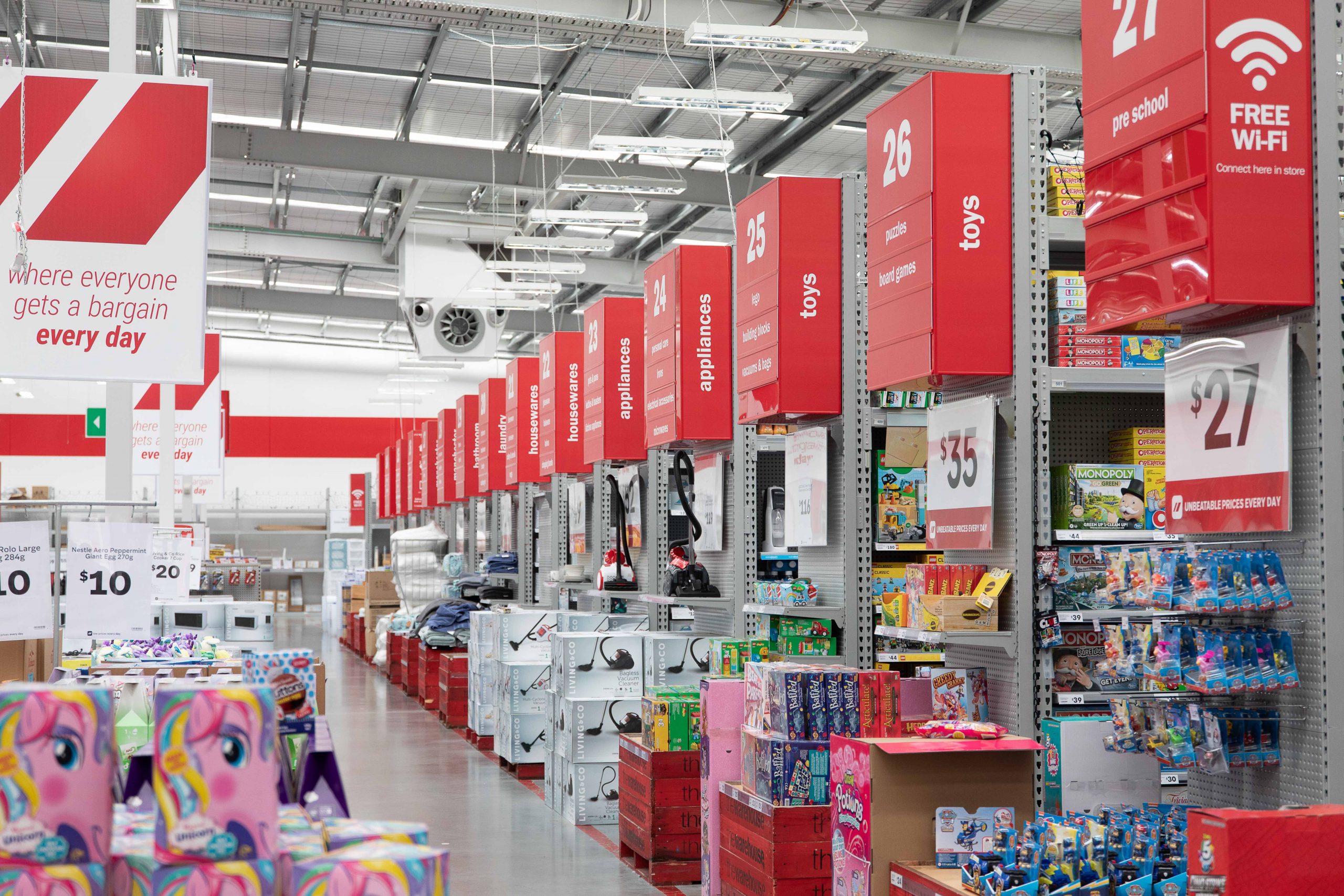
    The Warehouse rolled out a nationwide brand campaign across 84 stores in New Zealand on August 23, targeting market leadership through an operational turnaround.

    Created with advertising agency TBWA New Zealand, the campaign runs under the banner This Is Warehouse Country across television, digital channels, social media, outdoor billboards, and in-store displays.

    Rebuilding Market Position

    The push anchors a broader transformation program at the discount department store group. Content in the campaign draws on four decades of customer milestones and household memories to rebuild foot traffic and loyalty across the store network.

    Trading conditions across Australasia have forced discount operators to defend value credentials as supermarket chains and global online platforms squeeze general merchandise margins. The Warehouse previously relied on category expansion and price promotions to protect market share, but the latest shift centers on core brand equity.

    Execution Across Network

    All 84 branches are participating in the rollout, aligning physical merchandising with national broadcast assets. The group continues to recalibrate its wider store fleet and merchandising mix under the ongoing restructuring plan.