Retail News CRM

Tag: discounts

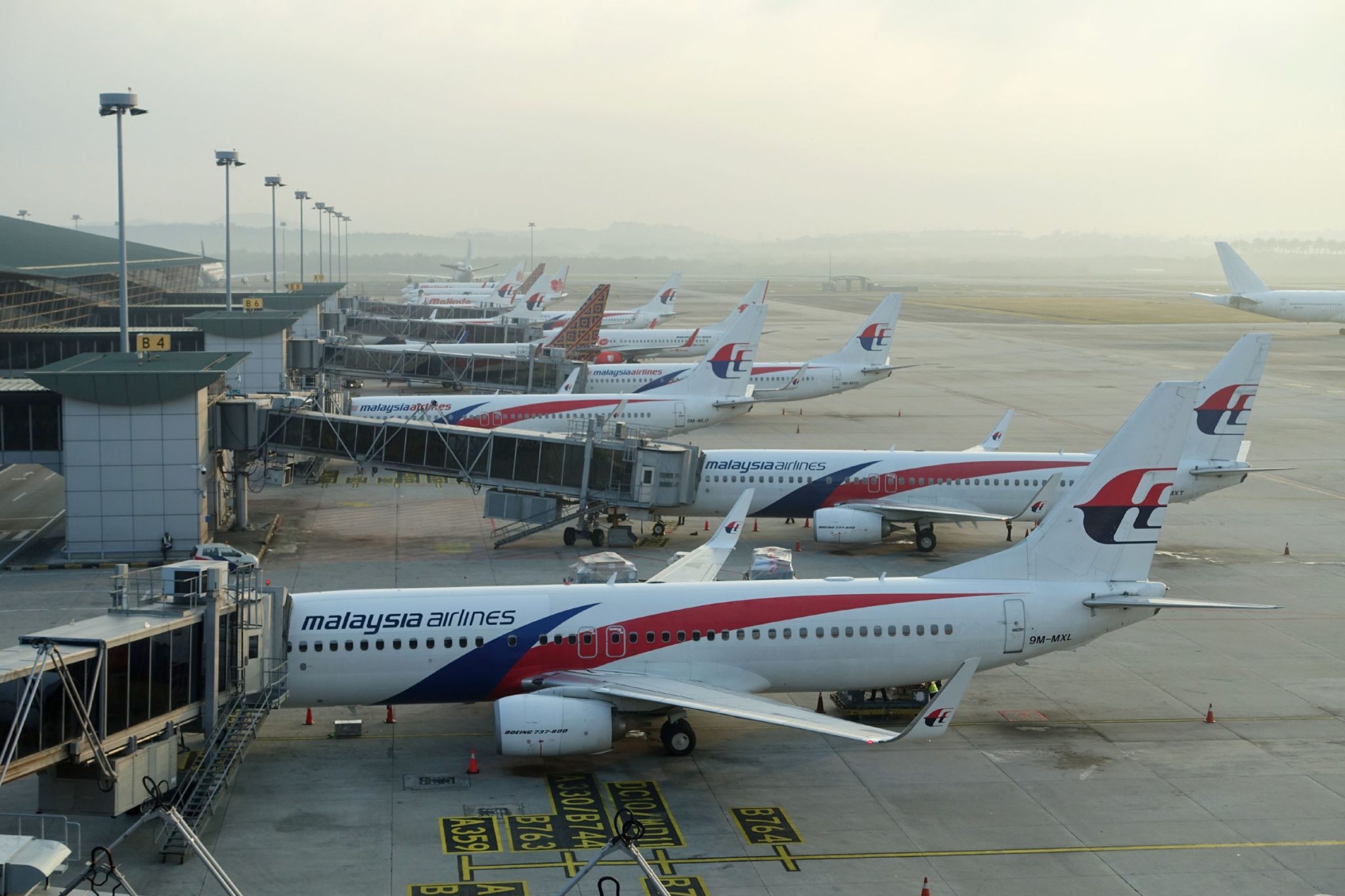
  • Reviving the Skies: Malaysia Launches Airfare Discounts & Financial Lifelines to Bolster Aviation Industry

    Reviving the Skies: Malaysia Launches Airfare Discounts & Financial Lifelines to Bolster Aviation Industry

    In response to disruptions caused by the Middle East conflict, Malaysia has devised a financial strategy to support its aviation sector, featuring incentives such as discounted airfares during holiday periods. Travelers flying between Peninsular Malaysia and East Malaysia can look forward to airfare reductions of RM50 during the Gawai and Kaamatan festive seasons.

    Support for Aviation Sector

    The aviation authority has earmarked RM5 million for this initiative, which is projected to benefit approximately 100,000 passengers journeying between May 15 and June 14. In an additional effort to alleviate pressure on airlines, the Civil Aviation Authority of Malaysia plans to extend payment deadlines for aviation-related charges. From May 1, carriers will be granted up to 60 days to settle these dues.

    Maintaining Connectivity

    Anthony Loke, Malaysia’s Transport Minister, emphasized the importance of these measures in maintaining the country’s connectivity. According to him, as many as 75% of daily flights were cancelled at one point, potentially undermining trust in Malaysia’s tourism sector and the wider economy. He warned of potential losses ranging from RM15 to RM150 billion (US$3.8 to US$38 billion) this year if no countermeasures are taken.

    Loke also stated that these decisions were reached after thorough discussions between the Transport Ministry and industry stakeholders. The goal of these deliberations was to lessen financial burdens while ensuring the continuity of services.

    Lastly, he assured the public that the government will continue to liaise closely with all relevant bodies to ensure the resilience and responsiveness of Malaysia’s aviation sector.

    Questions & Answers

    What are some of the measures Malaysia has introduced to support its aviation sector?
    Malaysia has introduced a number of measures, including discounted airfares during holiday periods and extending payment deadlines for aviation-related charges.

    Who is expected to benefit from the discounted airfares?
    Approximately 100,000 passengers traveling between Peninsular Malaysia and East Malaysia during the Gawai and Kaamatan festive periods are expected to benefit from the discounted airfares.

    What is the potential economic impact of the disruptions in the aviation sector?
    According to Transport Minister Anthony Loke, without the introduction of these measures, Malaysia’s economy could face losses ranging from RM15 to RM150 billion (US$3.8 to US$38 billion) this year.

  • Marks & Spencer Philippines on the Brink: Store Closures & Deep Discounts Signal Potential Exit

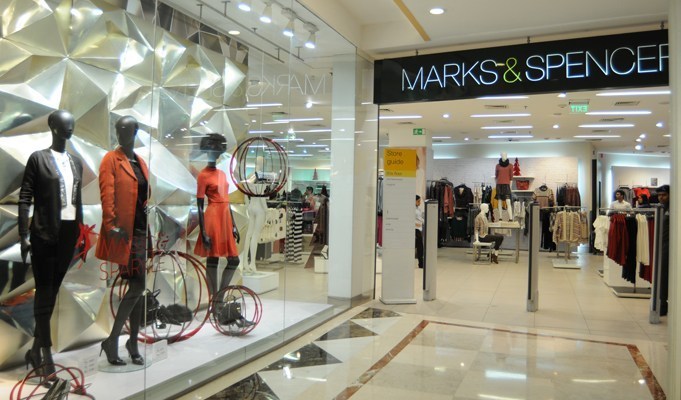
    Marks & Spencer Philippines on the Brink: Store Closures & Deep Discounts Signal Potential Exit

    The continued closure of stores and generous discounts across the Philippines have led to speculation about the sustainability of Marks & Spencer’s (M&S) local operations. This comes as the brand’s long-time franchise partner starts to shut down several outlets in the region.

    M&S has enjoyed a presence in the country for over thirty years through a partnership with the Rustan’s Group of Companies, which was bought by SSI Group last year. In recent times, several key M&S stores including those located at TriNoma, Robinsons Manila, Marquee Mall, and Ayala Center Cebu have ceased operations. Rumors also abound about the possible closure of the brand’s outlet at the SM Mall of Asia.

    The remaining outlets have resorted to hefty discounts of up to 60% and ‘buy-one-get-one-free’ deals as they attempt to clear stock. Specifically, at the Rockwell and Greenbelt stores, the variety of food for sale has dwindled, with empty refrigerators and shelves filled with repetitive products.

    The M&S Philippines website still promotes 13 branches across the country, which includes outlets in Davao and Laguna. This is a significant reduction from the over 20 stores that were operating at the height of the brand’s popularity in the country.

    This pattern of store closures and heavy discounting has led to conjecture from both customers and industry experts that M&S may be contemplating an exit from the Philippine market. Customer reactions, particularly online, have been largely negative, with many expressing disappointment over the potential loss of extended-size clothing ranges that are less commonly available in the local market.

    Meanwhile, M&S is in the process of revamping its international operations. In the UK, the retailer is planning to cut the number of its full-line stores from 229 to 180 via closures, conversion to food outlets, and relocation to other full-line stores.

    “We’re focusing on bigger, better partnerships, which enable us to bring the best of M&S to the world,” Mark Lemming, MD for international markets at M&S, noted. “As we continue to progress with our strategy, I remain confident in the medium and long-term opportunity for M&S to drive global growth.”

    Still, it’s unclear whether the Philippine store closures signal a decision from the franchise partner, the parent company, or both. SSI Group has yet to issue a public comment on the situation.

    Questions & Answers

    What has led to speculation about the future of M&S in the Philippines?
    Store closures and heavy discounting have sparked speculation about the sustainability of M&S’s operations in the country.

    What changes are being made to M&S’s international operations?
    The company is focusing on establishing larger, more effective partnerships to drive worldwide growth, alongside reducing the number of full-line stores in the UK.

    Who is responsible for the decision to close M&S stores in the Philippines?
    It is currently unclear whether the decision to close stores comes from the franchise partner, the parent company, or both. SSI Group, the franchise partner, has not yet publicly commented on the matter.

  • Vietnamese Online Shoppers Prioritize Reliability Over Discounts: A Shift in Consumer Preferences

    Vietnamese Online Shoppers Prioritize Reliability Over Discounts: A Shift in Consumer Preferences

    Vietnamese consumers are dramatically elevating their expectations for online shopping, demanding not just value but also accountability and reliability from e-commerce platforms. As the market begins to burst at the seams, eclipsing a remarkable $25 billion, a recent report from Milieu Insight reveals an insightful shift in consumer priorities.

    Reliability Takes Center Stage

    In a climate where 53% of Vietnamese shoppers now prioritize dependable service, it’s clear that reliability has become a crucial element of their online shopping experience. Surprisingly, only 45% are concerned with lower delivery fees, a stark contrast to the 56% across the wider Southeast Asian region who still place cost savings at the forefront of their needs.

    This relentless pursuit of quality service is further illustrated by the finding that a staggering seven out of ten consumers are willing to pay more for consistent delivery standards. However, this demand for excellence comes with a catch: one in three Vietnamese shoppers would ditch a retailer after experiencing late or subpar deliveries. Additionally, 46% would abandon their purchase outright if a return policy was absent.

    Platforms Under Pressure

    The Milieu Insight report highlights that accountability largely rests with the platforms themselves. A robust 90% of respondents believe that e-commerce platforms—and not the couriers—should enforce delivery standards. The overwhelming preference is clear: a reliable service is paramount, as nearly 79% of users showcased indifference to which courier is utilized, so long as deliveries arrive on time.

    This emphasis on centralized accountability is further accentuated by the fact that half of the surveyed shoppers would prefer to take complaints straight to customer service, signaling a strong expectation for platforms to shoulder the responsibility for their logistics.

    Shifting Consumer Mindset and Growth Trends

    The report doesn’t stop there; it also reveals that 41% of Vietnamese shoppers have ramped up their online spending in the last six months, nearly doubling the regional average. While affordability remains an essential factor—acknowledged by 64%—there’s a notable shift as diverse product offerings (52%), livestream shopping experiences (50%), and AI-powered recommendations (32%) capture consumer attention.

    “Vietnamese shoppers are raising the bar for e-commerce,” stated Juda Kanaprach, Chief Marketing Officer at Milieu Insight. “They want more than just bargains; they expect platforms to stand behind every step of the shopping experience, from accurate product descriptions and transparent fees to, most critically, dependable delivery.”

    As Vietnam’s e-commerce scene evolves, this shift in consumer expectations promises to redefine how platforms operate, ensuring service quality becomes as essential as competitive pricing.

    Questions & Answers

    What are the main priorities for Vietnamese consumers in e-commerce?
    Reliability is the foremost priority, with 53% of consumers seeking dependable service, followed closely by demands for better package handling and accountability from platforms.

    How has online spending changed among Vietnamese consumers recently?
    A remarkable 41% of shoppers have increased their online expenditures in the past six months, significantly exceeding the regional average.

    What are consumers willing to do in response to poor service?
    One in three Vietnamese shoppers would stop purchasing from a retailer after experiencing late or poor deliveries, emphasizing the need for reliable service in the e-commerce sector.

  • Don Don Donki confirms Taiwanese introduction date

    Don Don Donki confirms Taiwanese introduction date

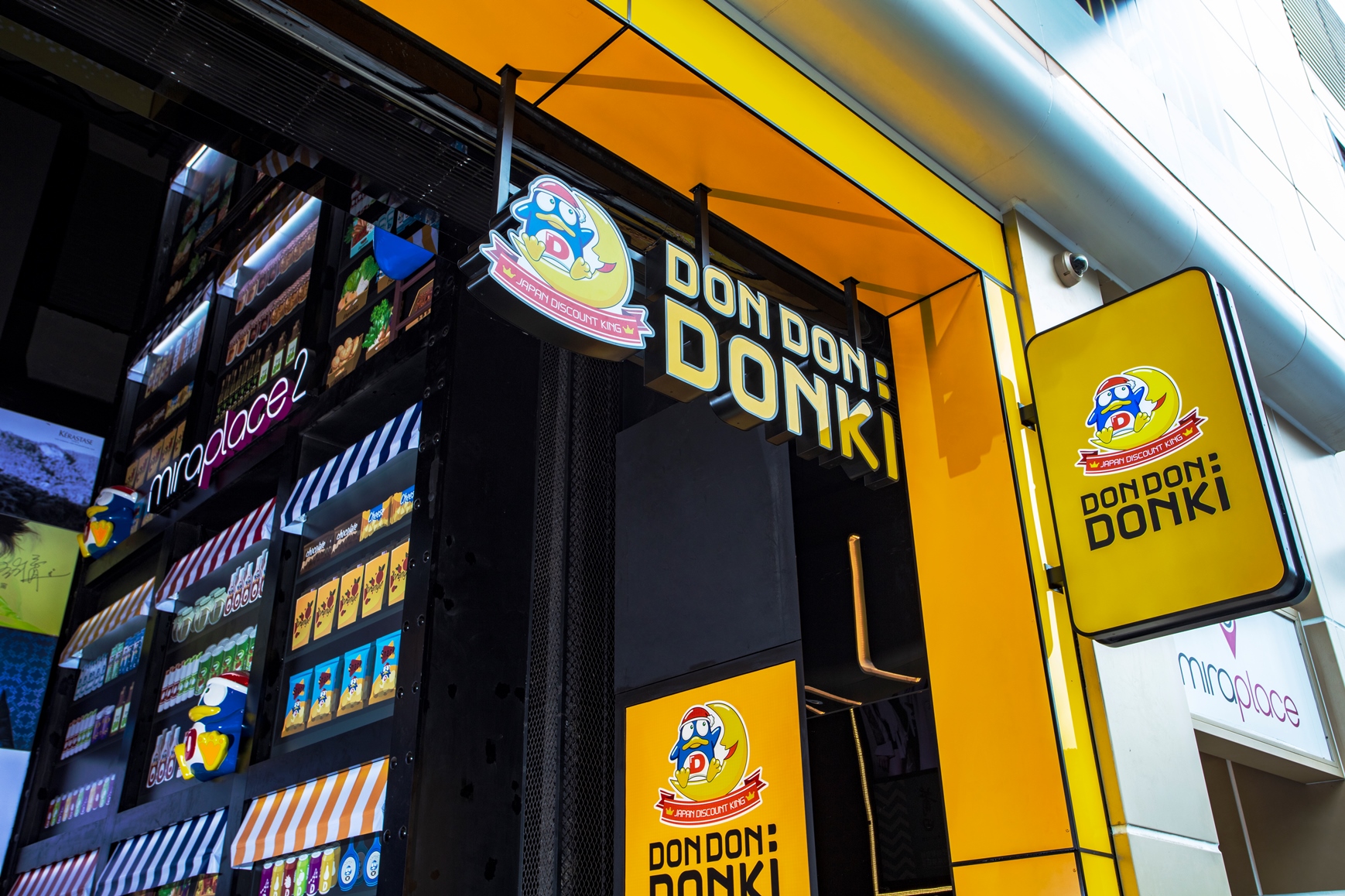
    Japanese discount retailer Don Don Donki, known as Donki, looks on course to make its Taiwan debut, with a new 24/7 store rumored to be opening in the popular shopping destination of Ximendeng in Taipei.

    The company is yet to reveal the location or the opening date of the store, however, job advertisements seeking up to 400 employees have all but confirmed the company’s expansion plans.

    Don Don Donki is a discount chain store that carries a wide range of products, from basic groceries to electronics and clothing. It has over 160 branches in Japan, Hong Kong, Singapore, Thailand, and Hawaii (US) and is said to be a popular store for Taiwan residents to visit when traveling.

    The retailer launched a free international shipping promotion on its e-commerce platform last year, which has helped build the brand’s appeal among Taiwanese consumers.

    Meanwhile, Don Don Donki’s fifth Hong Kong outlet of 2020 is expected to open in Central by October. Its owner, the Japanese group Pan Pacific, has been aggressively expanding within the Asian region in the past year.

  • AirAsia launches three-day sale for domestic flights

    AirAsia launches three-day sale for domestic flights

    AirAsia Group Bhd, which resumed its domestic flights on April 29, has launched a three-day sale for domestic flights booked through airasia.com and its mobile app from today to Sunday.

    During the sale, AirAsia BIG members can enjoy all-in one-way fares from as low as RM129 for domestic travels between July 1 and Nov 19, while non-members’ fares start from RM134.

    In a statement, Amanda Woo, head of the commercial for AirAsia, said passengers can now perform an unlimited number of date changes to their flights with the recent announcement of flight change fee waiver for all new bookings with travels up to Dec 31.

    She added that since the resumption of its domestic services, AirAsia has enhanced its safety measures throughout the entire flying journey, including pre-flight, in-flight, and arrival processes.

    Several contactless procedures including contactless payments at the airport, contactless kiosks, passenger reconciliation system, as well as enhanced features on AirAsia mobile app are also in place to ensure a smooth and safe travel experience for all AirAsia’s guests.

  • Amazon will reportedly hold a multi-day sales event in June with steep discounts

    Amazon will reportedly hold a multi-day sales event in June with steep discounts

    A new CNBC report suggests that Amazon will be hosting a summer sale on June 22 that will last seven to ten days. The event, which is apparently being called the “Biggest Sale in the Sky,” is not a Prime Day substitute. The Prime Day will still reportedly take place, but at a later date, sometime in September.

    Amazon has seemingly started contacting sellers regarding a ‘Fashion Summer Sale Event,’ which implies its scope might be limited to fashion, beauty, and home. But then again, if it’s the “Biggest Sale in the Sky,” it should logically include all categories. Participation will presumably be by invitation only.  Amazon was inundated with demand for essentials such as hand sanitizer when the coronavirus crept up. As a result, household items and medical goods became a priority. This caused duress for sellers who dealt in goods outside of those categories.

    With the rumored upcoming sale, sellers will get a chance to clear their inventories. Amazon will likewise get a chance to boost consumer engagement across non-essential categories ahead of the Prime Day.

    Per the report, Amazon wants sellers to submit discounts of at least 30 percent by tomorrow. The company is also supposedly finalizing the landing page.

    It is not clear yet if the sale is only from Prime Day members. However, if Prime Day is still going to happen, it is likely that the summer sale will be open to everyone.

    Amazon’s operations have been slowly returning to normalcy. The summer sale would give the e-commerce company a chance to win back consumers who shifted to other outlets during the pandemic because of longer shipping times and product shortages.

    There is also a threat that if Amazon doesn’t hold an event in lieu of the Prime Day, competitors would scoop up the opportunity to capture an audience that has grown accustomed to Amazon’s summer sale.

    The company is reportedly on the precipice of losing market share. Stats already show that rivals Target and Walmart witnessed a double-digit increase in sales during the last quarter.

    A good old sale is surely what it needs to rev up demand and inform customers that it’s business as usual again.

  • Pola chooses Changi for first airport duty-free counter outside Japan

    Pola chooses Changi for first airport duty-free counter outside Japan

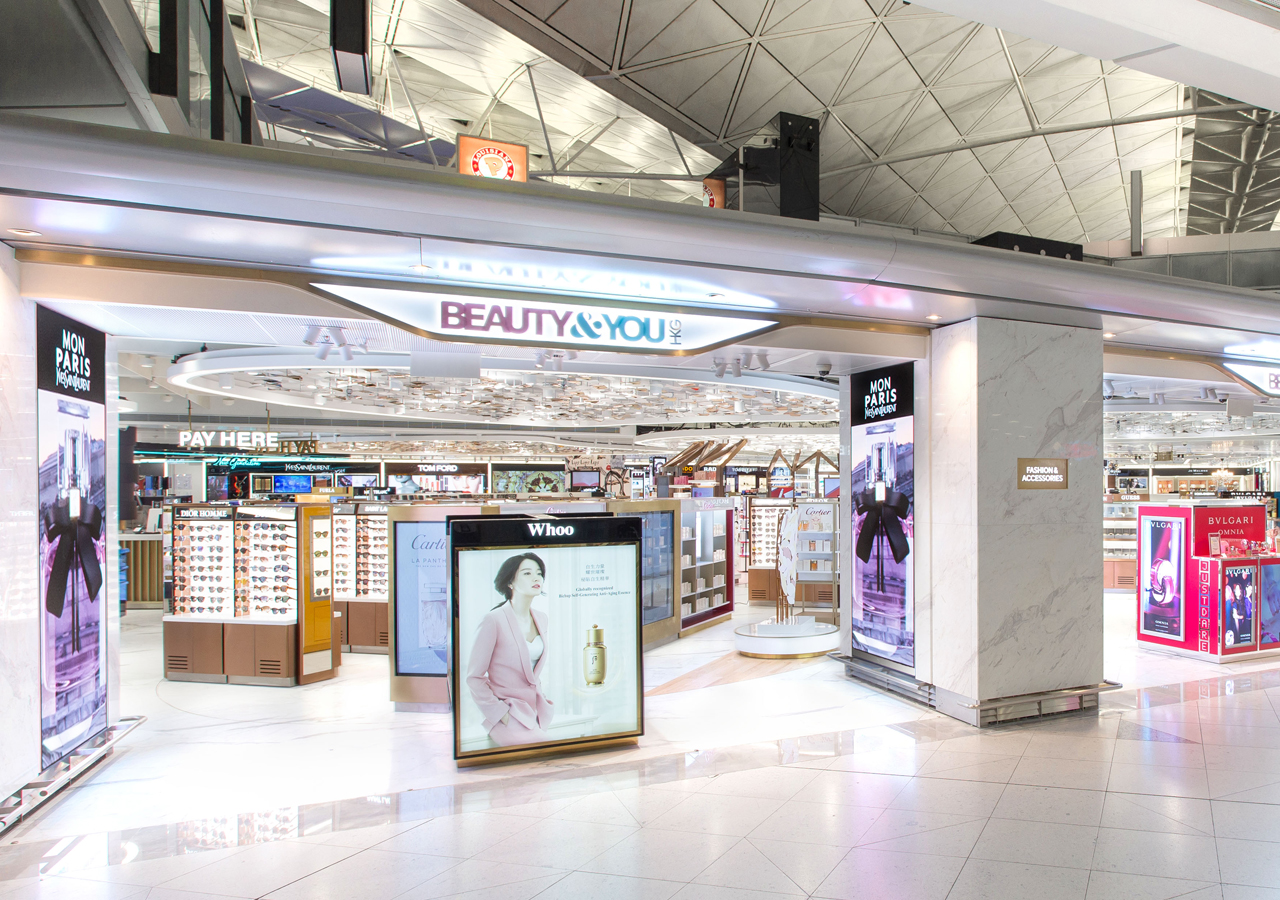
    Pola will open its first airport duty-free store outside Japan at The Shilla Duty-Free Changi Airport Store in a move to strengthen its brand presence in the global market.

    Pola is accelerating efforts to open new stores, primarily in ASEAN countries, so as to expand its travel-retail business outside Japan.

    Pola counters are centered around its top-line “B.A” brand and are decorated primarily in a modern black design. The counter design at The Shilla Duty-Free Changi Airport Store follows the design at department stores, extending the brand’s unified look and theme while aiming to match the travel retail environment so that customers can quickly identify the product range and best-sellers even during a short stay in the stores.

    The sales for Pola’s travel retail business are driven by the B.A brand, such as B.A Lotion, B.A Wash, and B.A Eyezone Cream.

    “We are certain that opening our new store at The Shilla Duty-Free Changi Airport Store, which is the biggest hub airport in Asia, will be a great step toward increasing Pola’s brand presence,” said Pola’s global business division director Tamotsu Sato. “The new store will be an important step for Pola to strengthen our brand presence in the global market and further expand our business.”

    The counter will be open at The Shilla Duty-Free Changi Airport Store at Terminal 2.

  • Mercedes-Benz Introduces Offers Across SUV Range

    Mercedes-Benz Introduces Offers Across SUV Range

    German auto giant Mercedes-Benz completes 25 years in India this year, and as part of its 25th year celebration, the car maker is has announced a number of offers for customers. The manufacturer has introduced offers across its SUV range bringing 25 per cent of additional benefits to the vehicles. The offers are available on the Mercedes-Benz GLC, GLE and the range-topping GLS SUVs, while the entry-level GLA and the sedans have been given a miss for now. The promotional scheme includes 25 per cent more value on interest rates, insurance, service packages, extended warranty and accessories.

    Earlier this year, Mercedes-Benz had organised the 2019 summer camp, offering 25 per cent rebate on select parts for periodic maintenance, applicable for customers who have owned a Mercedes for over five years. The company intended to reach out to 7000 customers this year as part of the service camp. Going forward, it is likely that the company will introduce more offers throughout its vehicle range.There is not discount on the entry-level Mercedes-Benz GLA SUV.

    Mercedes-Benz entered the Indian market in 1994 and was one of the first luxury car makers to establish presence in recent times. The company is headquartered in Chakan, near Pune, where it has an assembly facility as well with the cars being brought via the Completely Knocked Down (CKD) route. The company has invested over ₹ 1000 crore in its operations in India over the years. Over 100,000 cars have been produced at the Chakan plant.

    Mercedes-Benz currently dominates the luxury car market in the country for the fourth consecutive year in terms of volumes. The company is aiming to retain the position and has consistently introduced new products soon after their global launch. The brand is now being spearheaded by Martin Schwenk, Managing Director and CEO, who replaced Roland Folger in the second half of 2018. Earlier this year, Santosh Iyer took the role of Vice President, Sales & Marketing at Mercedes-Benz India, and took charge from July 1, 2019, aiming to grow the luxury brand even further. The automaker has 10 car launches planned for this year, which was kicked off with the V-Class MPV in January.

  • AEON Thailand and Mastercard celebrate new year with promotion

    AEON Thailand and Mastercard celebrate new year with promotion

    Mr.Nuntawat Chotvijit (2nd from left), Executive Director of AEON Thana Sinsap (Thailand) Public Limited Company together with Mr.Donald Ong (2nd from right), Country Manager Thailand and Myanmar, Mastercard joined hands to give away a special year-end promotion for AEON Mastercard credit cardholders. With every spending of 1,000 Baht, customers will be entered win a 3 days 2 nights Singapore travel package that includes an Economy Class roundtrip to Singapore, by Singapore Airlines” accommodation at the Resorts World™ Sentosa Universal Studios Singapore™, along withfun-filled experience at world-class theme parks such as Universal Studios Singapore and S.E.A. Aquarium™ A total of 10 prizes will be up for grabs (2 people/prize) worth a combined value of 700,000 baht.


  • Farfetch’s CEO calls for an industry-wide halt on discounts

    Farfetch’s CEO calls for an industry-wide halt on discounts

    Fashion brands need to put their foot down and take action to prevent “a race to the bottom” in terms of discounts as they threaten the survival of the whole fashion retail eco-system, Farfetch Chief Executive and Founder José Neves said.

    Online and offline retailers are resorting so much to promotions there are only two months in the year during which there aren’t any: September and February.

    “So, the system is really crumbling,” Neves said. “The industry needs to think very strategically about how they are going to avoid a race to the bottom in terms of promotions and discounts.”

    He recommended that fashion brands turn into concessions those wholesale accounts, both online and offline, that do the most visible and damaging discounts.

    He suggested brands follow the example of Chanel, which last week, announced it was going to turn into concessions its wholesale distribution accounts in the United States with department stores such as Bergdorf Goodman, Neiman Marcus, Bloomingdale’s, Saks Fifth Avenue and Nordstrom.

    Chanel said the move was intended to better control interaction with its customers.

    “The cycle of discounts is getting earlier and earlier,” Neves remarked. “If you speak to the CEO of any brand they will all say the same thing: we don’t let them do that, we shout at them, if you do it next time, we will stop working with you. And guess what, next season it is the same thing again and again, so their threats are useless. This is a preoccupation for the whole industry. People know what is happening. People talk about it and no-one does anything.”

    Heavy discounts at department stores started with the 2008-2009 financial crisis and have never really stopped since.

    Retailers have a herd mentality: if one discounts, the others follow. And no big department store will stop doing discounts by its own initiative for fear of losing business to rivals.

    Neves foresaw that the only way for the industry to get out of this conundrum was for brands to step in and take concrete action.

    However, on a brighter note, Neves foresaw solid growth in demand for fashion in the medium to longer term, in part because consumers increasingly feel they need to invest in fashion to differentiate themselves and look good on their social media accounts.

    He also predicted consumers would have more disposable income due to changing spending patterns.

    “People are not buying cars anymore because they have Uber, they are not buying houses because they were priced out of the property market in most big cities because they need a 40 percent deposit and they will never be able to save that much. They do not buy holiday houses because they have Airbnb, so there is more disposable income to buy fashion,” Neves said.

    In September, Farfetch completed an initial public offering in New York that raised its profile and gave it a cash pile of more than $1 billion. Neves said its funds would be used to finance growth, win market share and make acquisitions “on an opportunistic” basis.

    Neves said Farfetch would only make acquisitions in areas in which it did not have expertise. In July, Farfetch acquired CuriosityChina, a marketing firm specialized in WeChat, the popular Chinese social media.

    In terms of geographic spread, Neves said India and South East Asia were among those regions Farfetch wished to expand into, but for now, the company needed to consolidate its recent expansion efforts which stretch from China, Japan and South Korea to Mexico, Russia, Brazil and the Middle East.

    “At the moment, it is a pause in oxygen for strategy,” Neves said. “But eventually, we will be in every major luxury market in the world.”

  • AirAsia Offers Big Discounts On Flight Tickets

    AirAsia Offers Big Discounts On Flight Tickets

    AirAsia is offering up to 60 per cent discount on base fares of all international flight tickets under a promotional sale offer. An additional discount of up to 20 per cent is available on picking a seat during the flight booking. Bookings for the AirAsia’s discount offer are open till April 22, 2018, according to the AirAsia India’s website-airasia.com. The travel period of AirAsia India’s offer ends on October 31. However, for premium flatbed flights, the carrier is offering only 20 per cent discount on fares.

    Steps to avail AirAsia’s discount offer, according to its website:

    1. In order to avail the offer, pick preferred flight departure and arrival

    2. Select the dates stated in the promo travel period

    3. Choose the preferred flight

    4. Enjoy flat 60 per cent off base fare or 20 per cent on premium flatbed

    5. Pick a seat and enjoy additional 20 per cent discount (This is not applicable for premium flatbed flights)

    Terms and conditions of AirAsia’s discount offer, according to its website1. Advance booking is required in order to avail this discount offer.

    2. Fares are not available during peak period, mentioned the airline on the official website.

    3. The discounted tickets are available only on selected fare classes.

    4. The promotion is applicable for base fares only and shall not include ‘value pack and ‘premium flex’ bundled category and DJ carrier code flights.

    In another offer, AirAsia India is offering up to 20 per cent discount on base fares of all domestic flight tickets.

  • South Korea to raise subscription discount to 25%

    South Korea to raise subscription discount to 25%

    The South Korean government plans to increase the mandated monthly telecoms subscription fee discount to 25% from 20% as part of a plan to reduce total household expenses by 4.6 trillion won ($4.03 billion) annually.

    Customers signing up for one or two year subscriptions will be able to choose to apply the discount as either a monthly rte cut or a one-time discount on a new smartphone purchase.

    The market’s operators will also be required to provide an extra 11,000 won discount on monthly fees for elderly and low-income Koreans.

    A plan unveiled by the government will also involve the establishment of more Wi-Fi access points at schools, public buildings and public transport lines.

    But the plan has excluded an earlier proposal to abolish the 11,000 won basic mobile service fee to further reduce costs for consumers, due to strong opposition to the plan from the industry.

    According to the report, the economic committee of the nation’s State Affairs Planning Advisory Committee believes that increasing the discount rate for subscription services and low-income customers has the same effect as the proposed abolition of the fee.

    The mandated increased discount rate is expected be introduced in September, but could face legal and other challenges from operators.

    The government reportedly also intends to reduce mobile network lease rates for MVNOs and abolish the current cap on handset subsidies to make purchasing smartphones more affordable.

  • AirAsia launches Early Bird Sale with tickets starting at Rs 99

    AirAsia launches Early Bird Sale with tickets starting at Rs 99

    AirAsia has launched an Early Bird sale with the base fare of tickets to select domestic routes starting at Rs 99. International flights to select destinations start at a base fare of Rs 999.

    The sale, now underway, will go on till January 22, 2017, and you can book tickets for travel time between May 1 2017 and February 6, 2018.

    The sale will be applicable on direct flights from Hyderabad to Bengaluru, Goa and Kochi.

    While on international routes, the sale will be applicable on flights from Kochi, Hyderabad, New Delhi, Tiruchirappalli to Kuala Lumpur and Bangkok.

    AirAsia said airport taxes and other charges will be extra.

  • Enjoy Attractive Discounts at Over 300 Stores in Asia When You Shop with UnionPay Cards

    Enjoy Attractive Discounts at Over 300 Stores in Asia When You Shop with UnionPay Cards

    This year-end, UnionPay International (UPI) has teamed up with over 300 stores in Hong Kong, Macau, Singapore and Thailand, to offer UnionPay Cardholders attractive discounts for the festive season. These exclusive discounts are offered as part of U Plan – UnionPay’s latest cross-border marketing initiative – launched in July this year. 

    U Plan is the world’s first open cross-border marketing platform launched by UnionPay, specially for UnionPay Cardholders. By bringing together service providers in the finance, tourism and retail industries, U Plan provides a one-stop marketing platform for UnionPay and its partners to market products and services to Cardholders collectively across geographical borders.

    Through the use of mobile applications and location services, U Plan can enable a high-level of precision for UnionPay and partners to reach out to potential travelers prior to their travels, to promote special privileges and discounts that UnionPay Cardholders can enjoy at their travel destinations. In addition, UnionPay Cardholders can also enjoy the exclusive U Plan perks at participating merchants in their local markets.

    From now till February 28, 2017, UnionPay Cardholders in Singapore can look forward to enjoying up to 30% in savings at Bath & Body Works, Kate Spade New York, Michael Kors, Tumi and Victoria’s Secret outlets in Singapore with U Plan. This includes:

    Up to 25% in savings at Kate Spade New York, Michael Kors and Tumi: With every S$200 spend, UnionPay Cardholders can enjoy S$50 off.

    >Up to 30% in savings at Bath & Body Works and Victoria’s Secret: With every S$100 spend, UnionPay Cardholders can enjoy S$30 off.

    Traveling UnionPay Cardholders can also look forward to enjoying exclusive privileges at popular merchants such as Sasa, Prince Jewellery & Watch, ISA and Lukfook Jewellery in Hong Kong, as well as at King Power Duty Free in Thailand. 

    To improve the accessibility of U Plan privileges to Cardholders, information and transaction platform – Dianping.com – has come on board as a UnionPay U Plan partner to offer quick access to the available discount coupons via its platform. With this, DianPing.com’s 600 million users will be able to access the coupons easily via the Hong Kong, Macau, Phuket and Singapore specific sections on Dianping.com’s website and mobile app, when searching for information related to their travel destinations.

    Since the launch of U Plan in July this year, over 100 million discount coupons have been downloaded from the mobile apps. Moving forward, UnionPay has plans to expand the programme to markets such as Australia, Japan, South Korea and the United States, as well as include a wider range of partners and merchants on U Plan.

    UnionPay International focuses on supporting the growth of UnionPay’s global payments business. With an acceptance footprint covering 160 countries and regions globally, UnionPay serves the world’s largest cardholder base by providing quality, cost-effective and secure payment services to over 5.4 billion Cardholders worldwide.

    In Singapore, UnionPay enables efficient and cost-effective payment services that are tailored to the needs of local businesses and consumers. UnionPay cards are issued by Bank of China (BOC), DBS Bank (DBS), Industrial and Commercial Bank of China (ICBC) and United Overseas Bank (UOB) in Singapore, and are accepted at over 80 percent of retail, lifestyle and food and beverage establishments locally, as well as at almost all automated teller machines (ATMs) across the island.