Tag: display

  • Google Unveils Eye-catching Farsight Faces For Nest Thermostat: Aesthetic Appeal Meets Functionality

    Google Unveils Eye-catching Farsight Faces For Nest Thermostat: Aesthetic Appeal Meets Functionality

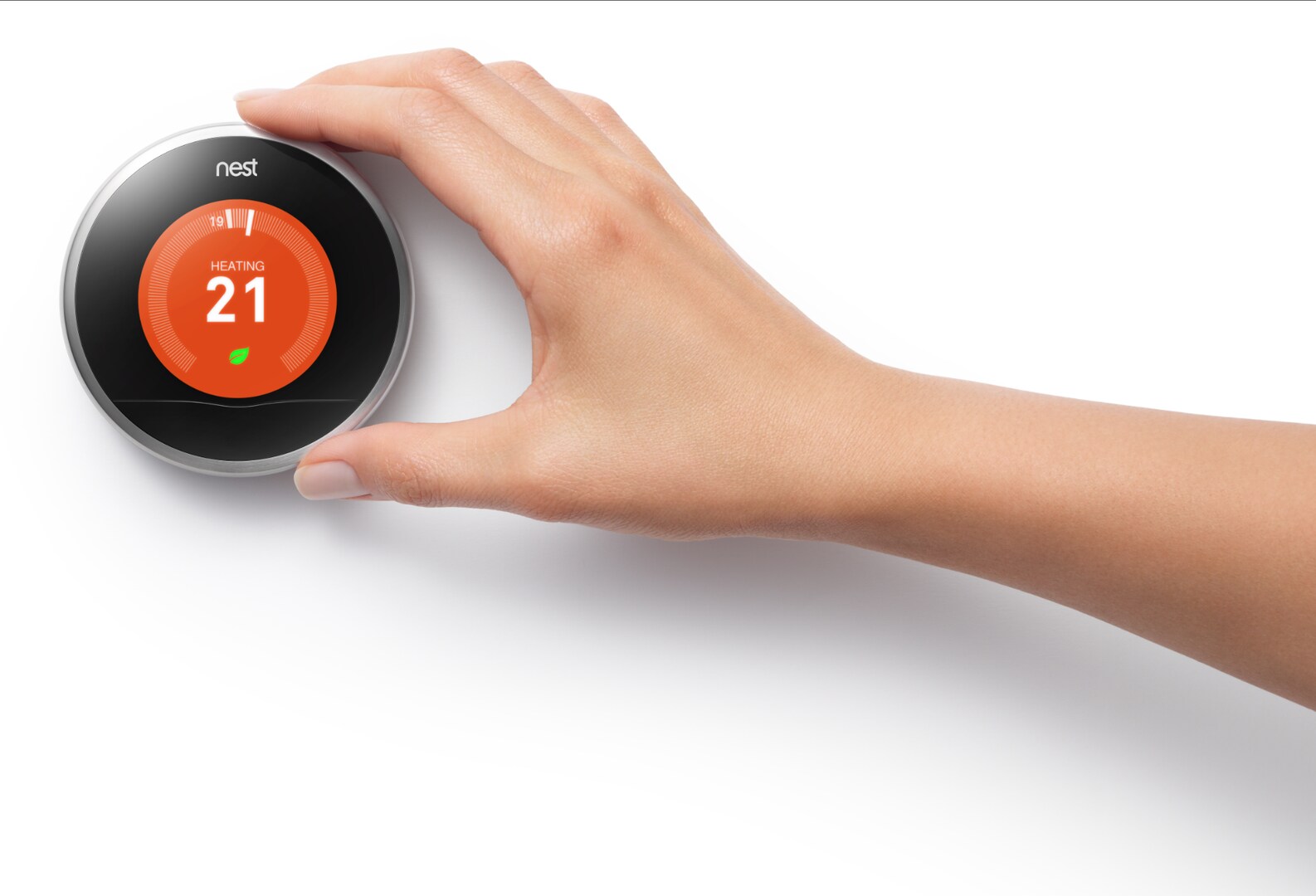
    Google recently released an aesthetically pleasing update for its 4th Gen Nest Learning Thermostat, debuting four new “Farsight” faces. The innovative designs are intended to transform the smart thermostat’s sleek, borderless screen into an eye-catching feature, allowing it to blend more seamlessly into home interiors.

    New Designs for Nest

    The refreshing update introduces four new Farsight faces:

    1. Mathilde Loubes Seasonal Face: A “living canvas” that changes every month, this face displays 12 unique, animated illustrations of flowers and fruits. The design is a collaboration with animated film artist Mathilde Loubes.

    2. Classic Nest Face: This design harks back to the original Nest face, serving as a nostalgic reminder for those who prefer the traditional look.

    3. Minimalist Face: An understated and elegant option for homeowners looking for a clean, minimalistic look.

    4. Temperature Controller: A straightforward, easy-to-read face that allows for quick temperature adjustments.

    More Than Just an Aesthetic Upgrade

    Google’s move to introduce these new faces is seen as a strategic step to leverage design, its key strength against competitors such as the Ecobee Smart Thermostat. While both thermostats excel at regulating home climates, they adopt fundamentally different design philosophies.

    The Ecobee is designed for data enthusiasts, featuring a utilitarian touchscreen that displays temperature, humidity, and readings from various remote sensors. It functions like a compact command center on your wall.

    On the contrary, the Nest has always emphasized its aesthetic appeal, prioritizing design over functionality. These new faces, particularly the artistic Mathilde Loubes Seasonal Face, further reinforce this positioning. Google believes that a smart thermostat should be discreet or aesthetically pleasing. For those who value aesthetics and want their technology to blend into their home decor, the Nest is the obvious choice.

    Personal Reflection

    The direction Google is taking with these thermostat faces is commendable. We invest significant time and effort in curating our home interiors, so it is counterproductive to clutter the walls with plastic gadgets. These updates make the Nest feel more like a tastefully designed piece of decor that also happens to be technologically advanced. The collaboration with an artist is especially noteworthy.

    Being a part of the Google Home and Nest ecosystem, it is heartening to see Google continuously improving its product line. If one were to consider investing in a smart thermostat, the Nest, with these updates, would be a strong contender.

    Questions & Answers

    What are the new features in the 4th Gen Nest Learning Thermostat?
    Google has introduced four new Farsight faces in the latest update to the Nest Learning Thermostat, enhancing its aesthetic appeal.

    What makes the new designs unique?
    The new faces are not just visually appealing but are also functional. The unique designs range from animated seasonal illustrations to clean and minimalistic interfaces, catering to diverse aesthetic preferences.

    How does the Nest Learning Thermostat compare to its competitors?
    While the Nest Learning Thermostat and its competitors, like the Ecobee, are equally efficient in managing home climates, they differ in design philosophy. The Nest emphasizes aesthetic appeal and aims to blend into home decor, while the Ecobee focuses on providing detailed data through a utilitarian interface.
  • Microsoft to partner with Samsung over HoloLens 3 development

    Microsoft to partner with Samsung over HoloLens 3 development

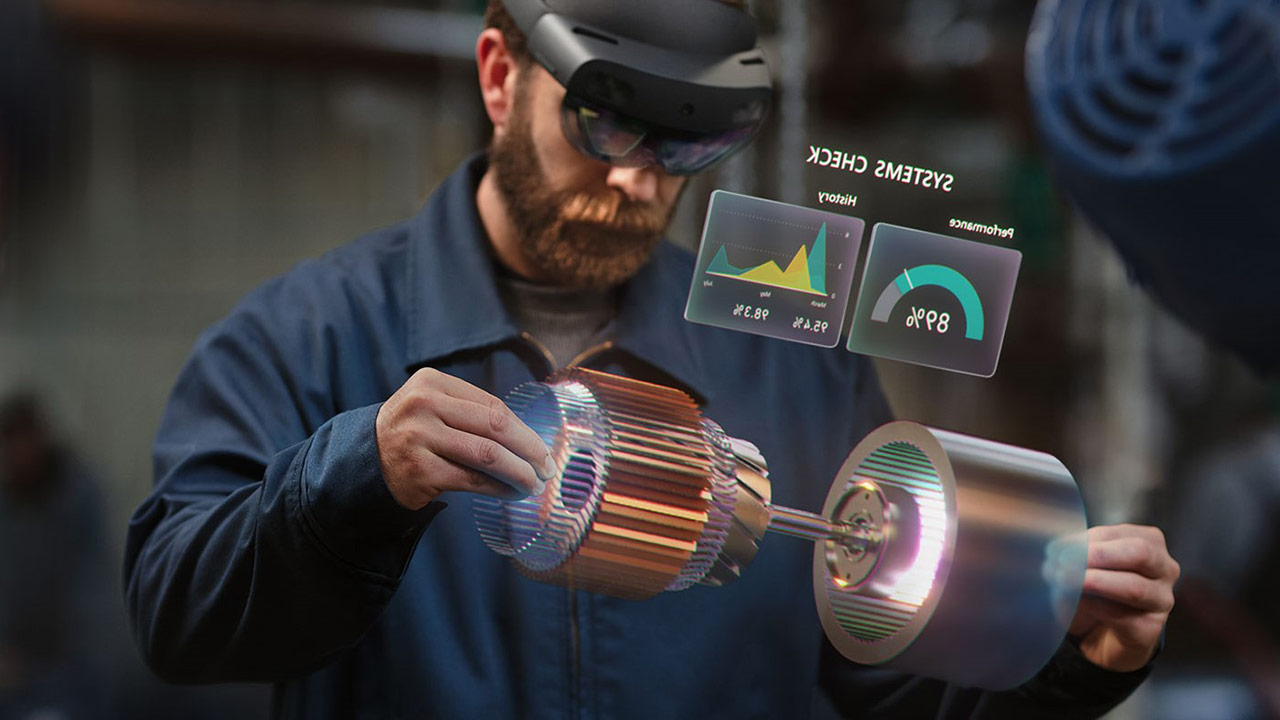
    This summer, Samsung has apparently entered into a partnership with Microsoft over its HoloLens augmented reality project, and the two companies are expected to work on the next generation of the VR headgear for at least two years.

    Microsoft already has a strong partnership with Samsung over preinstalled Office Mobile and other apps on the handsets of the world’s largest phone maker, so taking advantage of its hardware expertise could only be beneficial, too.

    Back in March, Samsung reportedly assembled a task force to probe the viability of the HoloLens partnership, involving multiple departments and has subsequently been given the green light to take on the challenge to be Microsoft’s AT/VR gear maker.

    Commercialization of Microsoft’s HoloLens wearable that takes advantage of Samsung’s engineering prowess will happen after the end of the development contract, in 2024, report the insiders. Samsung’s purchase of AR company DigiLens, along with its display expertise may be what prompted Microsoft to partner with it over the next HoloLens endeavor.

    DigiLens was known for its waveguide technology “used to bend the light from the video playing on a display to the glasses, which is transparent in AR display devices as users need to see the real surrounding around them simultaneously with the virtual items on display.”

    This strongly suggests that the HoloLens 3 may be conceived as a direct answer to the purported Apple Glasses AR/VR headset which is expected to land as soon as next year. Microsoft sold about 200,000 HoloLens 2 devices this year, and it will have to pour a lot of resources to make the third edition stand out as not only Apple, but also Facebook’s Meta, are expected to release their own augmented reality contraptions very soon.

  • LG Display will no longer supply Apple with LCD panels for certain iPhone models

    LG Display will no longer supply Apple with LCD panels for certain iPhone models

    A new report from Korea’s The Elec says that LG Display will no longer be supplying LCD panels to Apple for the low-priced iPhone SE model. The company will continue to sell a small amount of OLED to Apple for the Apple iPhone 12 series. The factories that LG Display used to manufacture LCD for Apple will now make in-vehicle displays.

    The reason for LG Display’s decision to back out of producing LCD panels for Apple might have to do with its inability to make a profit from the business. Starting with last year’s iPhone 12 series, Apple’s new high-end models use OLED only which reduces the demand for LCD from the tech giant. LG Display reportedly stopped producing LCD panels for the iPhone during the third quarter of 2020 and by the end of the following quarter, it also stopped supplying other smartphone firms with LCD displays.

    Apple CEO Tim Cook has made the long trek to the pitcher’s mound where he has signaled to the bullpen for replacements to LG Display; Sharp and JDI will take over the job of supplying LCD screens for the iPhone. The factories that LG Display used to make LCD panels for Apple will now be used to manufacture low-temperature polycrystalline silicon (LTPS) thin-film transistors (TFT). The latter is used for touchscreen displays used in vehicles.

    This year’s iPhone 13 Pro models are rumored to be equipped with ProMotion panels that update the screen 120 times per second (120Hz). At that rate, battery life takes a hit.

    But with low-temperature polycrystalline oxide (LTPO) displays, the screen can adjust the refresh rate to run at 120Hz when needed to make an animation (such as the kind you’d find on mobile games) run and look smoother. At the same time, when the content on the display is more static (like when you’re viewing an email or text), the refresh rate changes to a lower number in order to prevent the phone’s battery from draining to quickly.

    At this point, it isn’t clear whether LG will be involved in the production of the LTPO panels alongside Samsung and BOE. The latter has tried to find a place among Apple’s display suppliers but has had problems with its output passing Apple’s Quality Control.

  • Samsung Galaxy Note 10 Going back to a Curvy Display

    Samsung Galaxy Note 10 Going back to a Curvy Display

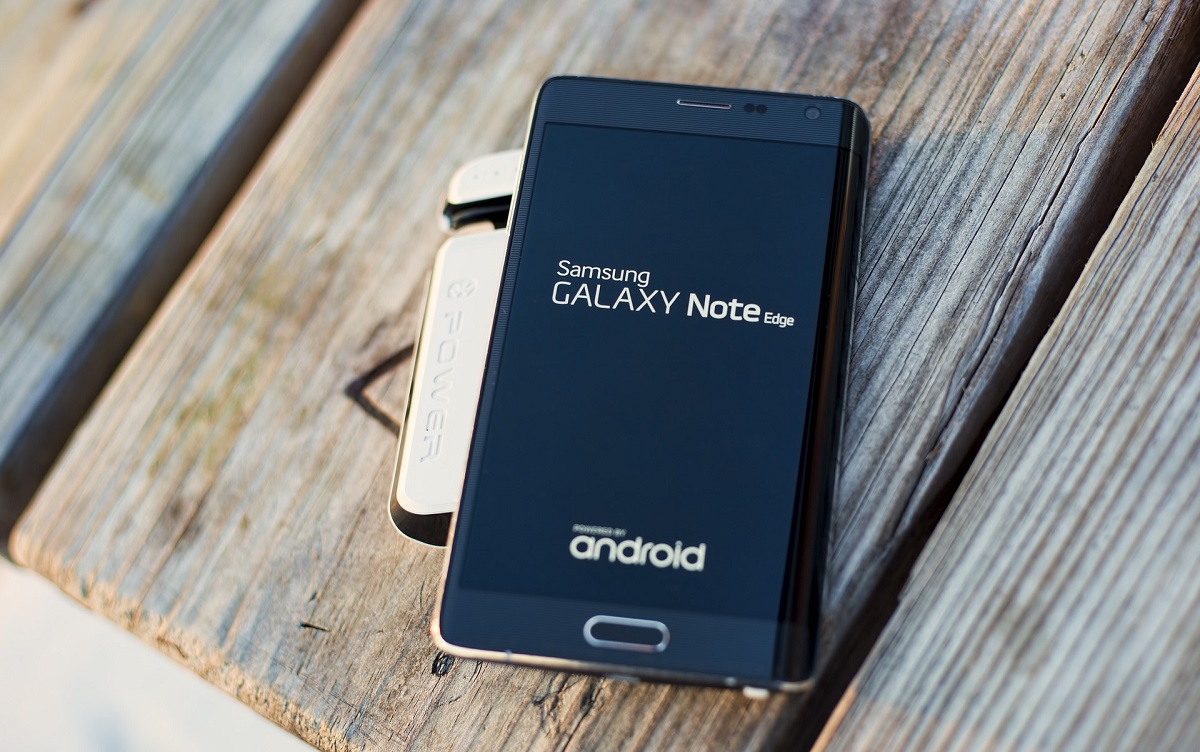
    Ever since the debut of the Galaxy Note Edge, curved displays have been a trademark of Samsung flagship phones. And although in recent years the company seemed to be moving away from the extreme slanted edges of the aforementioned model and some of its successors, the upcoming Galaxy Note 10 may actually draw inspiration from Samsung’s older designs.

    The Samsung Galaxy Note 9 and Galaxy S10 and S10+ have very subtly curved displays that serve mostly to accentuate the extremely thin side bezels and as an excuse for the Edge Screen to exist. With the initial “wow” factor of the curved design gone, it made sense for Samsung to dial back the exaggerated contours in favor of a more restrained look.

    All that said, according to resourceful leakster @UniverseIce, the Samsung Galaxy Note 10 may flaunt a “more aggressively curved display than the Note 7.” The unfortunate Galaxy Note 7 didn’t have an extremely curved screen, at least when compared to some older designs, so it would be interesting to see what the Samsung does with the Note 10. If the company is going back to displays with more pronounced curved edges, we’re hoping that it does so with a clear idea of how to enrich the user experience. When the Galaxy Note Edge launched, its slanted screen was certainly new and different from anything else on the market, but the company itself later proved that the functional aspects of the Edge display can be successfully replicated on more subtly curved designs.

    Another interesting remark that Ice Universe makes is that “more than one brand” will follow Samsung’s example and launch a device with a “more aggressively curved display.” This trend didn’t really take off in the past, but if the Note 10 does, indeed, do something very creative or convenient with this rumored design, then more companies may follow suit. We’ve been hearing rumors the OnePlus 7 may have a curved screen, though they are conflicting.

    Earlier this year, we envisioned what the Samsung Galaxy Note 10 may look like, based on rumors and preliminary information. We suggested that the Note 10 might have a hole-punch selfie camera, akin to that of the Galaxy S10+. However, Ice Universe later told us that he expects the Note 10 to have a smaller camera opening than the Galaxy S10. He didn’t specify whether that means a single front-facing camera or just a smaller opening for the two lenses.

    Last month, Ice Universe tweeted: “Da Vinci is symmetrical.” This may seem cryptic at first, but since the Galaxy Note 10 is codenamed Da Vinci, this could be a hint that the phone’s front-facing camera may be centered, rather than offset like on the Galaxy S10. Many people wanted the S10 models to have centered selfie-cameras—if only for symmetry’s sake—and this may actually happen with the Note 10.

    What do you make of all this? Do you miss the more rounded screen edges that some Samsung phones had in the past, or are you just fine with the more subtle designs of the past couple of generations? What about the screen camera punch-hole? Centered or offset to the right? Yes, we know, you’d rather it disappeared for good, but that’s not happening this year, apparently. Tell us what you think in the comments below!

  • Samsung to gather all Galaxy Fold units sent out to reporters

    Samsung to gather all Galaxy Fold units sent out to reporters

    Samsung’s first smartphone with a foldable display is writing history, no doubt about it. What will this segment of the tech industry archives say exactly, is still uncertain. It seems like every day we get a new development in the saga of the Galaxy Fold.

    First, reviewers around the world got Galaxy Fold units ahead of the launch, as is tradition, to give users insights about how the new device feels to use. The initial feedback was mostly positive. Reporters said that the hinge mechanism is durable and satisfying to use and the crease in the display is barely visible when handling the device. That raised hopes among consumers that the Galaxy Fold is more than a prototype that Samsung has decided to sell to a few customers.

    But that joy was short-lived, at least for some of the testers. Pictures of damaged displays started showing up on Twitter and while some were caused by the users which mistakenly tried to peel a layer of the display, others were of no fault of the person handling the Galaxy Fold.

    Samsung has handled the situation as best as possible. Damaged units were replaced almost immediately, but now the company is going even further. Yesterday, Samsung announced that it is postponing the release of the Galaxy Fold to give itself time to investigate the various issues the device had and hopefully come up with ways to prevent them.

    Naturally, in order to investigate, Samsung needs to get said units. The move is already underway. Sources familiar with the situation have said that Samsung is going to retrieve all units that it sent out to reviewers in order to take a thorough look at them. So far, none of the reviewers with working units has mentioned that they’ve had to part ways with their Galaxy Fold.

    As soon as the Galaxy Fold was announced and the tech behind its foldable display was explained, concerns were raised about its durability. In order for the display to be able to bend, Samsung had to ditch the battle proven Gorilla Glass and go for something softer, in this case, plastic. The Galaxy Fold’s in-folding design provides some protection for the large inner display, but there are a couple of caveats that have proven to be a weakness for the device.

    One is the small gap that’s left between the two panels when the phone is closed. While it’s not a large one, it’s enough to get random small objects that might be lurking in your pocket stuck in the fold of the display, causing scratches or potentially even damaging the OLED panel under the protective plastic.

    The other is the area between the hinge and the display, which also appears to be a lucrative spot for unwanted debris to sneak into. Then once you unfold the display whatever is stuck under it starts putting pressure on the display matrix and can easily damage it, which was the case with one of the devices sent to reporters.

    Now all that’s left to see is how long the launch of the Galaxy Fold will be delayed and what changes Samsung is going to make. With units initially expected to start shipping around April 26, it’s obvious that a large number are already manufactured and waiting in storage somewhere. Making any design changes at this point will be a costly and slow process. On the other hand, Samsung can’t afford to send devices that might break within a week to customers that are paying $2000 for them. We’ll see how this situation unfolds (pun intended) as it might be one of the most difficult things Samsung has had to deal with since the Note 7 fiasco.

  • How to get leg up on e-tail with digital POP displays

    How to get leg up on e-tail with digital POP displays

    If there’s anything we’ve learned from the “retail apocalypse,” it’s that consumer shopping habits are changing, and fast. More consumers are making purchases online today than ever before, but surprisingly, several still prefer to shop in-store for a range of goods – mostly because of the immediacy factor, shipping savings and a chance to test drive products before purchase. While no one can predict the future, one thing is certain – to stay afloat, traditional brick-and-mortar stores will need to rethink their approach to the in-store experience. Embracing digital point-of-purchase (POP) displays is one strategy, helping retailers attract and engage customers as well as earn their loyalty.  
    POP signage, both digital and static, has not only been shown to catch the consumer’s eye but also to improve the brand experience and ultimately influence purchasing decisions. In a recent report, 62% of shoppers expressed an increased likelihood to search for a product advertised on a POP display during a future visit, with 43% also noting they’d be more likely to purchase it right away. With technology advancing at breakneck speeds and the cost of screens coming down, the digital POP display in particular is quickly becoming more appealing. Here are 5 ways retailers can improve the in-store customer experience this year using digital POP displays:
    1. Make a lasting impression with moving images
    Capturing the attention of consumers amidst everyday distractions is more difficult than ever, but digital POP displays can help retailers break through the noise with moving imagery. Moving imagery in digital signage has proven to be more than two times as effective at yielding an emotional response than static images and also corresponds to greater recall, which can help boost brand loyalty and ultimately revenue.
    1. Encourage relevant impulse purchases
    Digital POP displays help automate the delivery of “in the moment” ads, promos and other content that can improve the consumer’s day-to-day. For example, a digital promo showcasing “50 percent off all jackets” or a “buy one, get one free” offer for a warm beverage on a cold, rainy day can encourage unplanned purchases based on real-time conditions catered to the shopper. This sort of promo is easy to launch on in-store displays with APIs from digital signage providers having made the integration of real-time data into displays simpler and more efficient.
    1. Get interactive
    Digital POP displays can help you create unique experiences that can’t be found elsewhere, which is important, considering 89% of companies expect to compete on the basis of customer experience.  From a virtual dressing room to on-demand assistance and beyond, touchscreen technology can be used to help stores better engage with customers, so that they leave with a more positive brand association.  
    1. Enhance audience targeting with real-time data
    Today’s digital POP displays easily integrate with measurement tools to provide a clearer overview of audience demographics as well as the types of promotions that might appeal to them. This data can be used to display product information or promos that the customer might find useful. In terms of ROI, measurement technology can also provide insight into how many people on average checked out a particular display as well as the duration of each view. It can also be used to generate reports showing correlations between the number of promo plays and total sales of promoted goods.
    1. Highlight loyalty programs
    Today’s consumer is willing to exchange data for deals, with 77% of consumers reporting that loyalty programs make them more likely to be a repeat customer according to Bond Brand Loyalty’s “The Loyalty Report 2018.”This trend has created a loyalty program fever pitch among retailers. Marketing loyalty and membership programs via in-store digital POP displays can help draw attention to related promotions, and also trigger the delivery of relevant creative to individual consumers whenever they scan their card or enter their phone number in-store.
    For retailers investigating digital POP displays as a way to improve their in-store experience and their customer interactions, there are a host of screens and software available that make it easy to deploy and automate the population of content across displays. But, don’t treat this as a technology-only project. Focusing on the shopper experience that you want to deliver or enhance should also be a priority. It’s important to budget for a content strategy and ongoing content production tailored to the context of these screens versus repurposing TV or web content.
    In today’s shifting market, it’s never been more crucial for retailers to put themselves in the shoes of the modern consumer and think outside the box; digital POP displays offer a smart and flexible way to ensure your brand isn’t left in the dust.
  • Sharp has patented a sleek foldable phone

    Sharp has patented a sleek foldable phone

    Sharp is not a smartphone brand that makes the news frequently. Its phones are mostly sold in Japan with some models making an appearance in Europe as well but in fairly small numbers. This is probably no one is expecting them to have a go at the latest trend in mobile tech: foldable smartphones. By now, you’re probably familiar with the Galaxy Fold and the Huawei Mate X, the two phones of that new class that you’re most likely to see in the real world (if you’re lucky). We’ve also seen hints that Motorola and Google are working on their own interpretations as well.

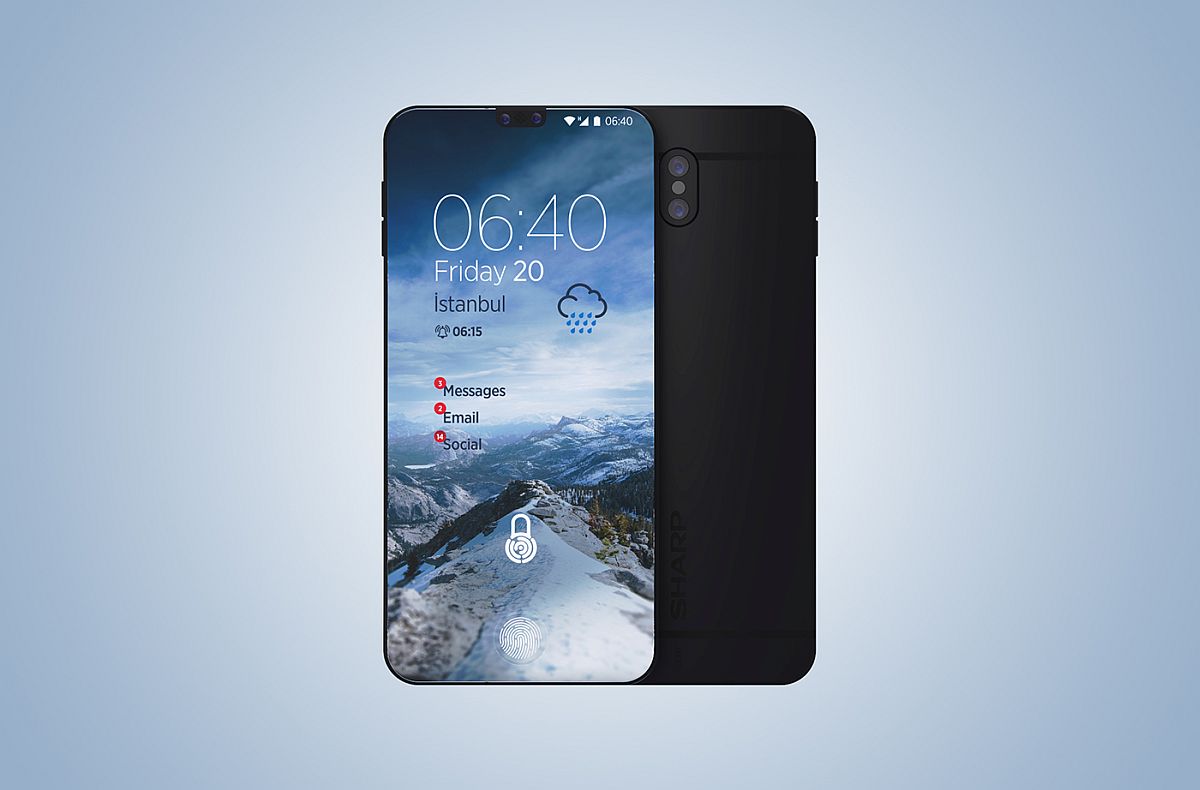
    Coming from patents yet again is information about Sharp’s intentions for a foldable phone. Picked up by LetsGoDigital and visualized in renders are drawings from an application to WIPO (World Intellectual Property Office) that was submitted by the Japanese tech giantThe design proposed by Sharp has some familiar elements with a twist. The fold of the display is horizontal, similar to that of the rumored Motorola phone, which means the screen size will be similar to current flagship phones, but the device will be more compact when folded. That approach has its advantages, but it seems that users have now accepted the form factor of current phones and prefer to get a larger display if their device is to be foldable.

    There are two things that grab our attention when looking at these renders. First, there seems to be no gap when the device is folded, which is something current foldable displays can’t accomplish. Of course, devices in renders are often quite different from real products, so it’s too early to judge. Sharp is one of the major display manufacturers, however, and it’s possible that the company is working on its own tech to achieve those results.

    The other curious thing is that the device has two hinges about half an inch apart, which allows the lower panel to either completely cover the top one or to leave about an inch of the display clear for notifications and other system indicators. While that might be handy in some situations, the added hinge is also another weak point for this device.

    There also appears to be no selfie camera in the drawings Sharp submitted, but this is likely just another omission until the design reaches a stage closer to realization.

    Currently, there are no hints from Sharp when or if we should expect a device like the one pictured above, but we certainly hope that more companies will join the foldable phone stage with their own ideas.
  • Apple’s new iPod Touch might be announced somewhere this week

    Apple’s new iPod Touch might be announced somewhere this week

    As Apple has done in the past prior to product launches, yesterday the company shut down its online store for a few hours. When it reopened, an updated iPad Mini and an all-new iPad Air were introduced.Earlier today, in a very unexpected move, the Apple Store was updated yet again. But rather than closing and then reopening it, the Cupertino giant simply added its improved iMac computers to the website. Now, according to MacRumors, it seems Apple may have yet another product update planned for tomorrow.

    The iPod Touch could be Apple’s third announcement this week

    Earlier this month, MacRumors received a tip claiming that Apple would announce new products on March 18th, March 19th, and March 20th. The first day would see the debut of new iPads, while the second would see the introduction of new iMacs. This has proven to be accurate thus far and, as a result, means the information about the third day is likely correct too. “What will Apple be announcing tomorrow?” You may be asking.

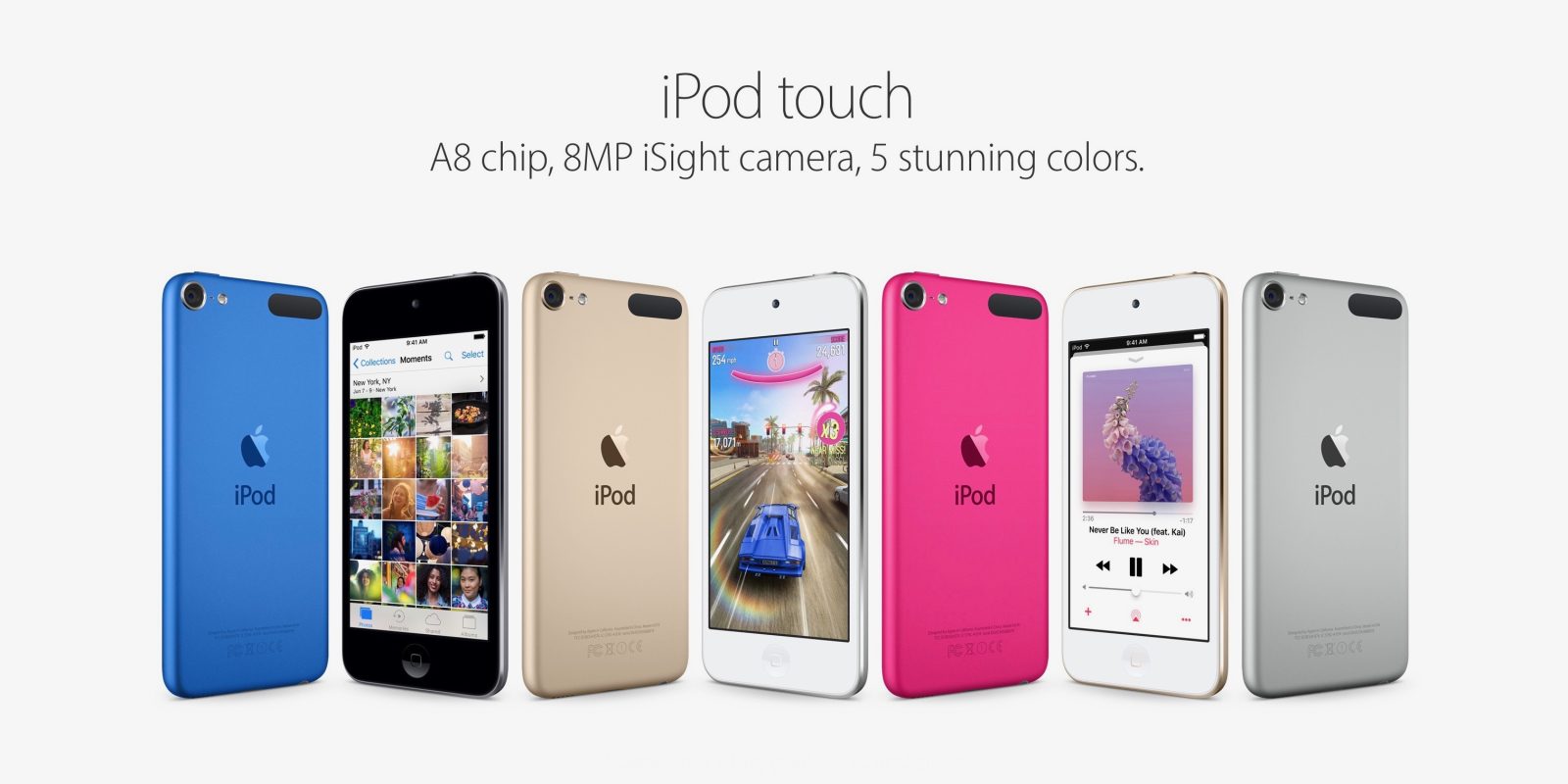
    Well, according to the tip, it’ll be an all-new iPod Touch. The current-gen iPod Touch dates back to June 2015 and is in dire need of a refresh. The model on sale now sports a tiny 4-inch Retina Display paired with an 8-megapixel rear camera and the aging Apple A8 processor. It’s also one of the few remaining Apple products to sport the company’s iconic home button but no Touch ID.

    Larger display, better processor, perhaps no headphone jack

    Considering Apple’s current focus on larger devices, the new iPod Touch will probably introduce a bigger display. The exact dimensions remain a mystery at the moment, but Apple’s new product might borrow the 4.7-inch display found on the iPhone 7 and iPhone 8. After all, this would avoid any unnecessary costs. Another big upgrade will presumably happen on the inside. In order to guarantee Apple’s usual 4-5 years of software updates, the new iPod Touch might adopt either the Apple A10 Fusion or the Apple A11 Bionic chip. The newer A12 Bionic is a possibility too, but this would probably increase the product’s cost too much.

    Like many of Apple’s other devices, there’s a strong possibility the next-gen iPod Touch will ditch the 3.5mm headphone jack. However, it should finally gain Touch ID, allowing for secure mobile payments, and receive a new set of updated cameras.

    Could the new iPod Touch focus on gaming?

    Once again, Apple’s next-gen iPod Touch will probably focus on music. But a recent trademark application revealed that Apple might also promote its mobile gaming capabilities. Over the years, iTunes and Apple Music support has become less of a selling point and more of a standard. As a result, the new iPod Touch might be marketed as a low-cost mobile gaming device instead.Interest in such a device will probably be quite limited initially, but the market does have potential for growth.

    Over the past few years, gaming smartphones have become much more popular and the market is gradually being flooded with them. Even Nintendo is said to be considering a gaming smartphone of its own, which means now could be the perfect opportunity for Apple to enter the market with a new iPod Touch.

    iPod Touch (7th-gen) release date and pricing

    If Apple does announce a 7th generation iPod Touch tomorrow, pre-orders will probably commence immediately prior to a release next week. Pricing does remain a bit of a mystery at the moment, but Apple could potentially stick with its current iPod Touch price points – the 32GB version retails for $199 while the 128GB model costs $299. The new iPod Touch should be available in an extensive range of colors, like the current-gen model. Apple could either keep the current iPod Touch finishes or adopt the iPhone XR’s colors.

  • Retail trends to look forward to in 2019

    Retail trends to look forward to in 2019

    Retail industry in India is undoubtingly one of the fastest growing retail industry in the world. It is the largest among all industries accounting to 10 percent of the country GDP and employs around 8 percent of the workforce. The retail industry is an experiential motley that is currently going through a robust transformation. Be it employing new technologies or exploring new store formats, revamping business strategies or creating personal experiences; retailers are indeed getting ready for the future by looking beyond conventional retail and evolving along with their modern consumers.

    India is also expected to become the world’s fastest growing e-commerce market, driven by robust investment in the sector and rapid increase in the number of Internet users.

    As the opportunities are immense, let’s take a look what retail trends the stalwarts think will rule in 2019:

    – Customization – The need for customized products and services is increasing thereby pushing the demand for personalized goods and services. With a pragmatic approach, the interface between companies, brands and customers will improve. Social media conversation tracing is going to be trending in 2019, which is a ground-breaking path to the future of handling customer behavior for tailor-made solutions. Also, studies reveal customers come down in favor of personalization — up to a point. They enjoy seeing products and deals personally relevant to them.

    – Brand Experience – It’s not just about selling the products to the customers but also providing them with the best experience too. Most retailers recognize this shift, but the majority struggle with strategies to transform their organization to deliver on consumers’ increasingly demanding expectations. Emerging online brands naturally seek to disrupt traditional ways of doing business and developed digital-first models that have created better experiences.

    On the other hand, established retail brands are burdened with legacy systems that are not optimized for today’s environment. The core – people, service, and experience – are strength to maintain and to satisfy today’s consumer they must integrate the flow of information and resources across the networks of employees, stores and partners.

    Hence, experiences will make a compelling occurance that consumers will always remember and be more than happy to share with one another.

    – Customer Retention – Customer retention is often far more effective and profitable than customer acquisition. An individual shopper want personal recognition. While loyalty programs offer rewards to existing customers the challenge is the acquisition of new customers. Innovation in content is the key to retaining and acquiring customers.

    – Retailers that step up their social media strategies will thrive – The rise of Instagram Stories, Facebook Live and messenger apps will fundamentally change how retailers interact with consumers online. Simply posting photos or updates on a brand’s social media handles won’t work anymore. Retailers will need to up their social media game and use social networks and apps to tell stories and engage with fans in real time.

    – Display – Retail displays is a strategic aspect of the business that can help attract customers, retain their interest, and increase sales. Visual merchandising helps to set a brand apart from competition by creating attractive and fascinating windows that can pull the consumer in to the store. Effective retail displays attract potential customers to the store. When designing displays, choose engaging colours, unique décor and stock arrangements to appeal both the head and the heart of customers.
    Once the brand has attracted potential customers, the brand can Improve chances of making a sale by doing research to see what works in other retail spaces, and keeping an eye on how customer traffic flows through the store.


  • LG Display adds kiosks that let employees donate money

    LG Display adds kiosks that let employees donate money

    LG Display said last Wednesday it has installed electronic kiosks in its facilities across the country, helping employees make donations easily. The company said employees can swipe their identity cards on the kiosks and make donations ranging from 1,000 won ($0.88) to 10,000 won, which will be automatically deducted from their paychecks.

    LG Display said the project was designed to encourage employees to participate in making contributions to the community.

    LG said 4,000 employees have participated so far in raising 60 million won.

  • Vroom! In-car heads-up display races past $100K crowdfunding target in 5 days flat

    Vroom! In-car heads-up display races past $100K crowdfunding target in 5 days flat

    Exploride drove out of India to global crowdfunding site Indiegogo last week with bated breath. The crossed fingers turned to high-fives within an hour as the creators of this transparent heads-up display (HUD) for cars watched the Indiegogo counter ratchet up to US$20,000. Half way through the fifth day, Exploride raced past its US$100,000 target. Gleeful Sunil Vallath, founder, tells me that a new surge target will be set tomorrow. Probably US$500,000.

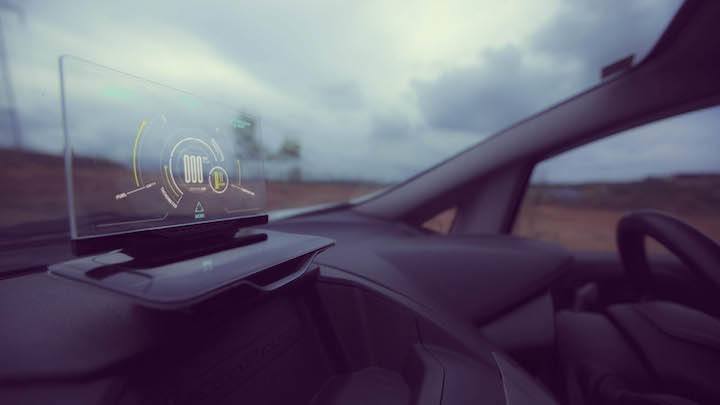
    We wrote about Exploride a few days before it hit the crowdfunding circuit. It’s unusual to see a smart hardware device meant for the global automobile market come out of a small town in the south Indian state of Kerala. Exploride HUD lets you access music and maps, take or decline calls, read texts, and get alerts on a melt-into-the-windshield-like piece of glass fixed on top of the dashboard. You can control it all with gestures and voice.

    The Exploride team was quietly confident of its prospects on Indiegogo.

    “Our expectation was high due to the massive response and sign-ups we got on our website. In the beginning of the crowdfunding campaign, 50 percent of the backing came from those who signed up on the Exploride site. So right away, we knew that we were going to hit the goal within 10 days. But our backers proved us wrong and got us there in half the time,” Vallath says.

    Exploride founder Sunil Vallath with wife and fellow Explorider Parvathy Sreekumar

    Before Exploride two other hardware startups, also from Kerala, had successful campaigns. Mindhelix raised US$120,000 on Kickstarter for Rico, a smarthome security device made from discarded smartphones. Fin, a wearable ring that turns your palm into a numeric keypad and gesture interface, raisedUS$202,547 on Indiegogo. But the speed at which Exploride raced to its target sets a new high. It’s bound to inspire the many innovators hacking away on their smart gadgets in little corners of India.

    And who knows, they might get the attention of global VCs too. Institutional VCs may be reluctant to put seed money into hardware startups, but they’re happy to back the ones that get going on crowdfunded platforms. One out of every 10 hardware startups that raised US$100,000 or more on Kickstarter and Indiegogo went on to get funding from VCs.